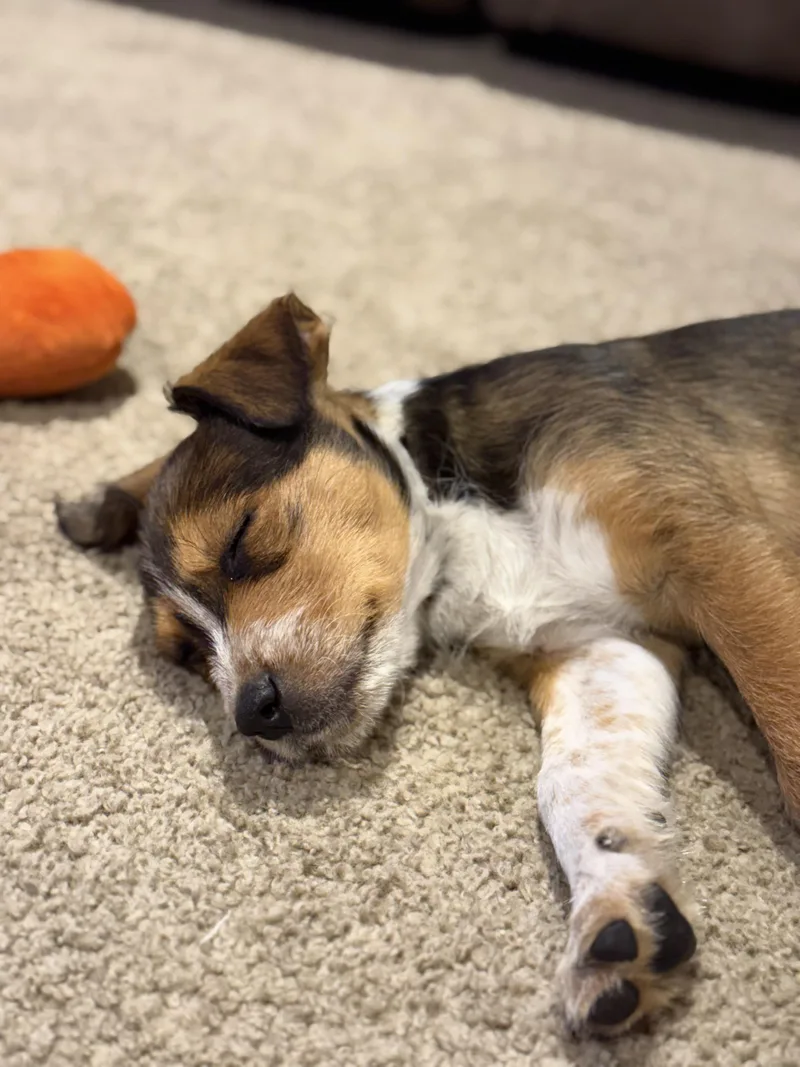
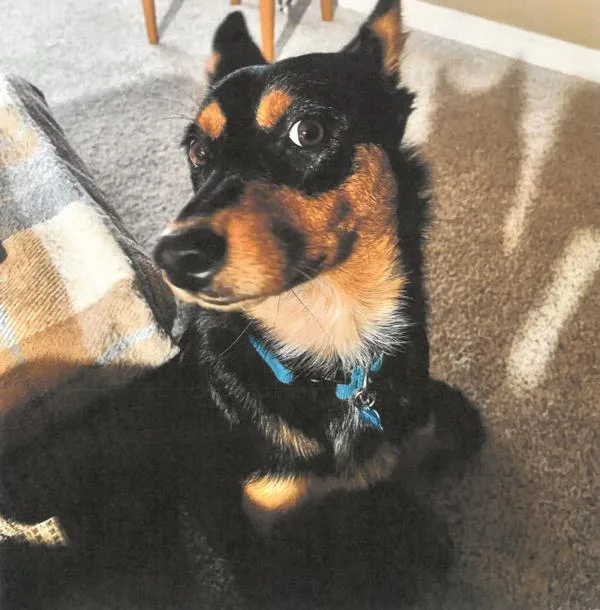
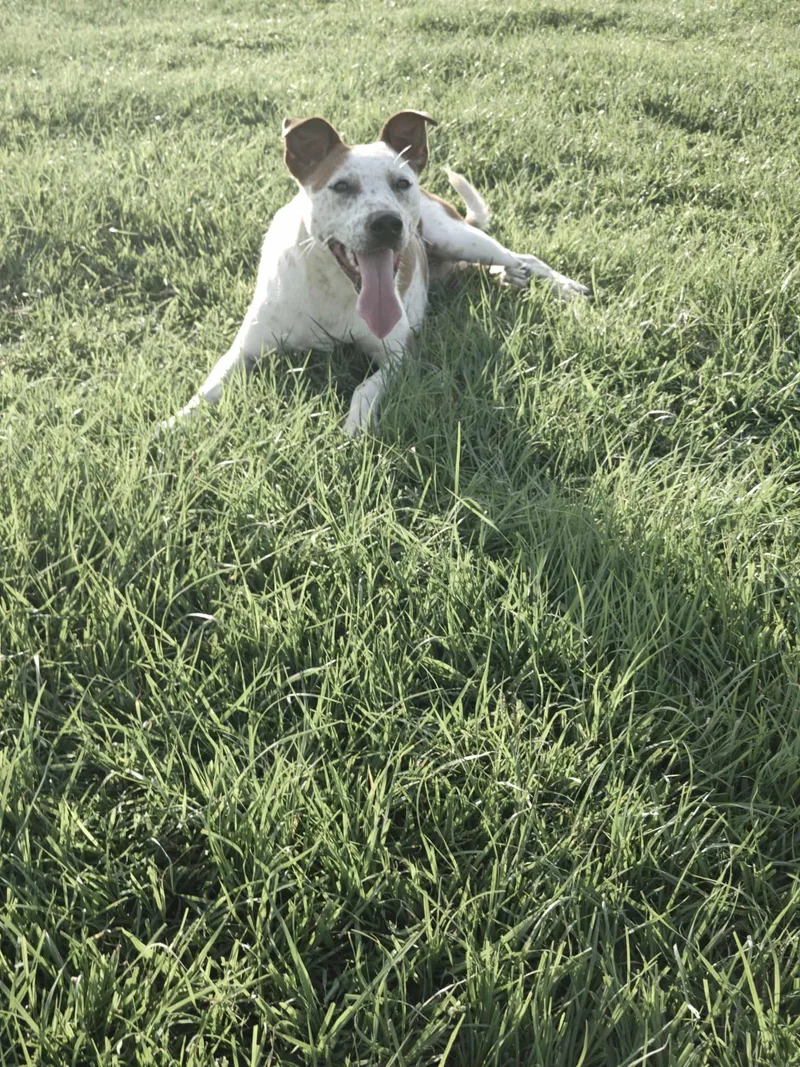
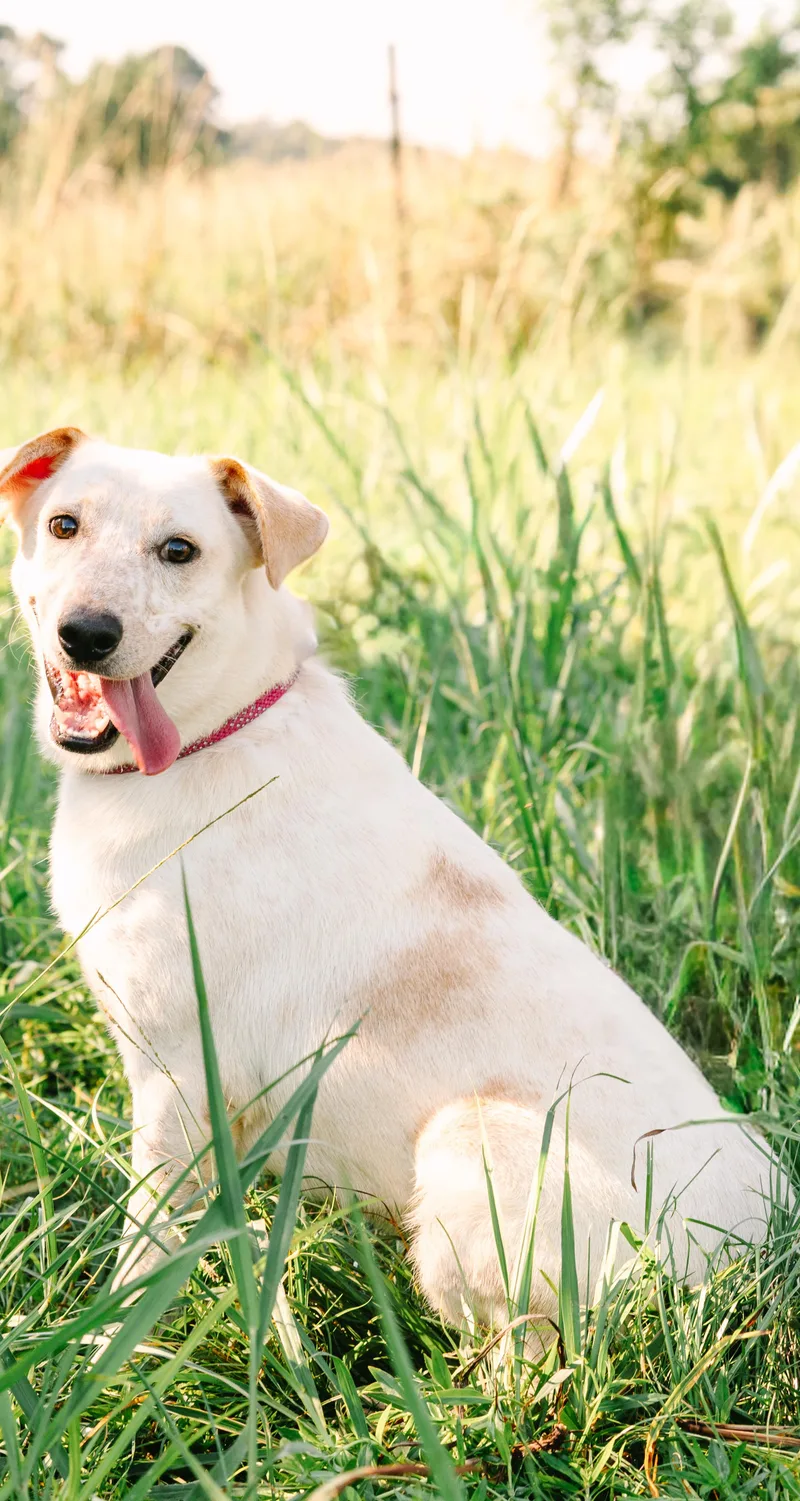
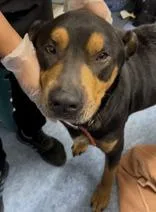
Lancashire Heeler Dogs for Adoption in Charleston, SC

Your guide to finding and caring for a Lancashire Heeler in Charleston

A Lancashire Heeler suits Charleston's compact homes and its habit of walking everywhere, from historic Ansonborough to the brick-veneer houses of Wagener Terrace. At 9 to 17 pounds, a Heeler is easy to carry down a flight of stairs, but it still wants real work: a lap of Hampton Park's one-mile loop, then a game of tug. They're chatty, so a condo with thin walls means some practice with doorbell barking. It suits people who like a busy dog at their heels.

26 Lancashire Heelers available in Charleston and nationwide

Find your forever Lancashire Heeler

While we don't have enough dogs near Charleston, keep in mind that many rescues may offer transport.

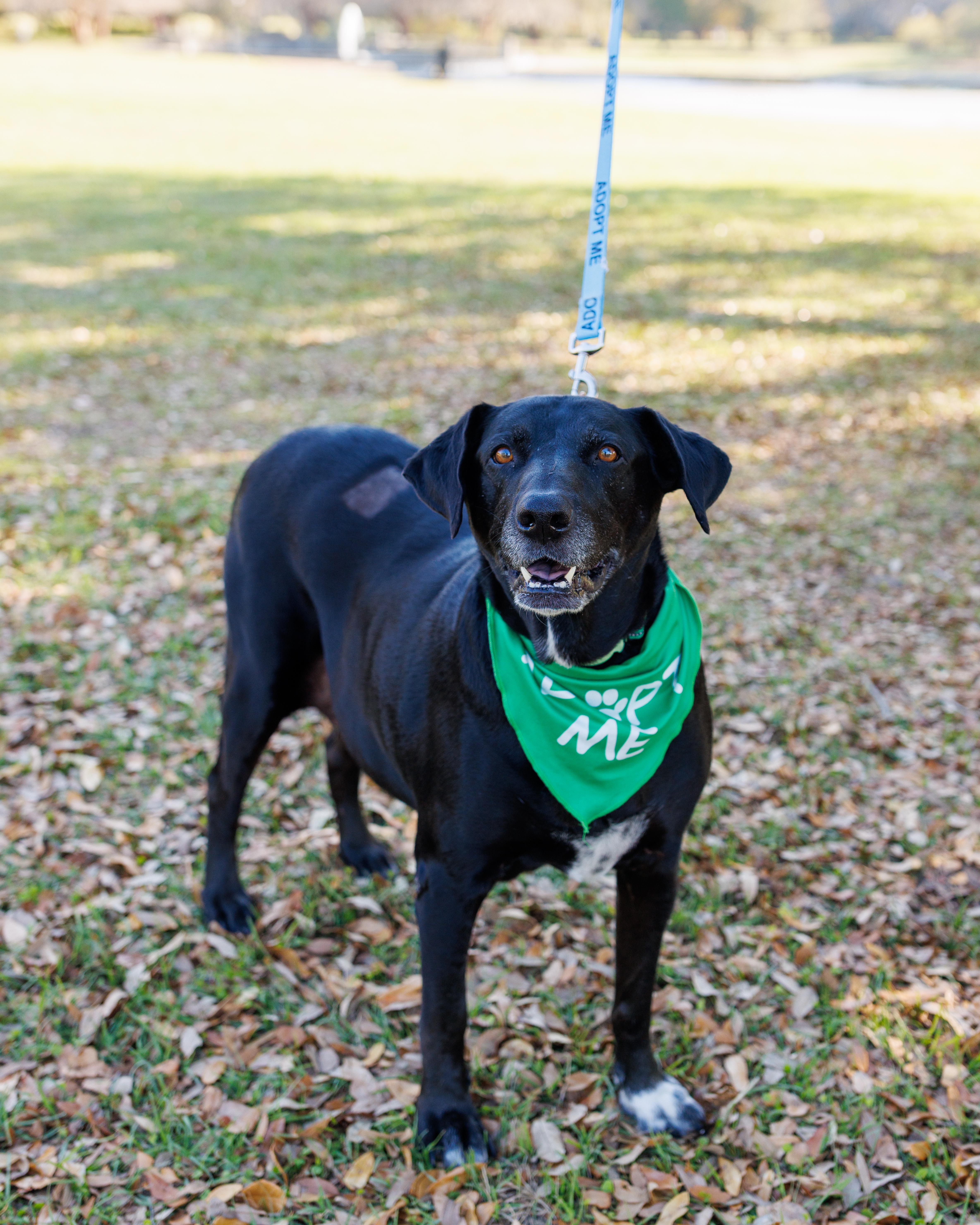
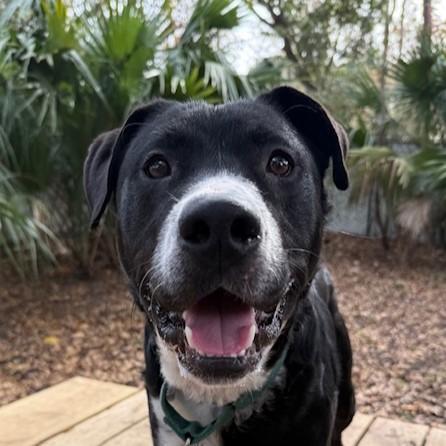
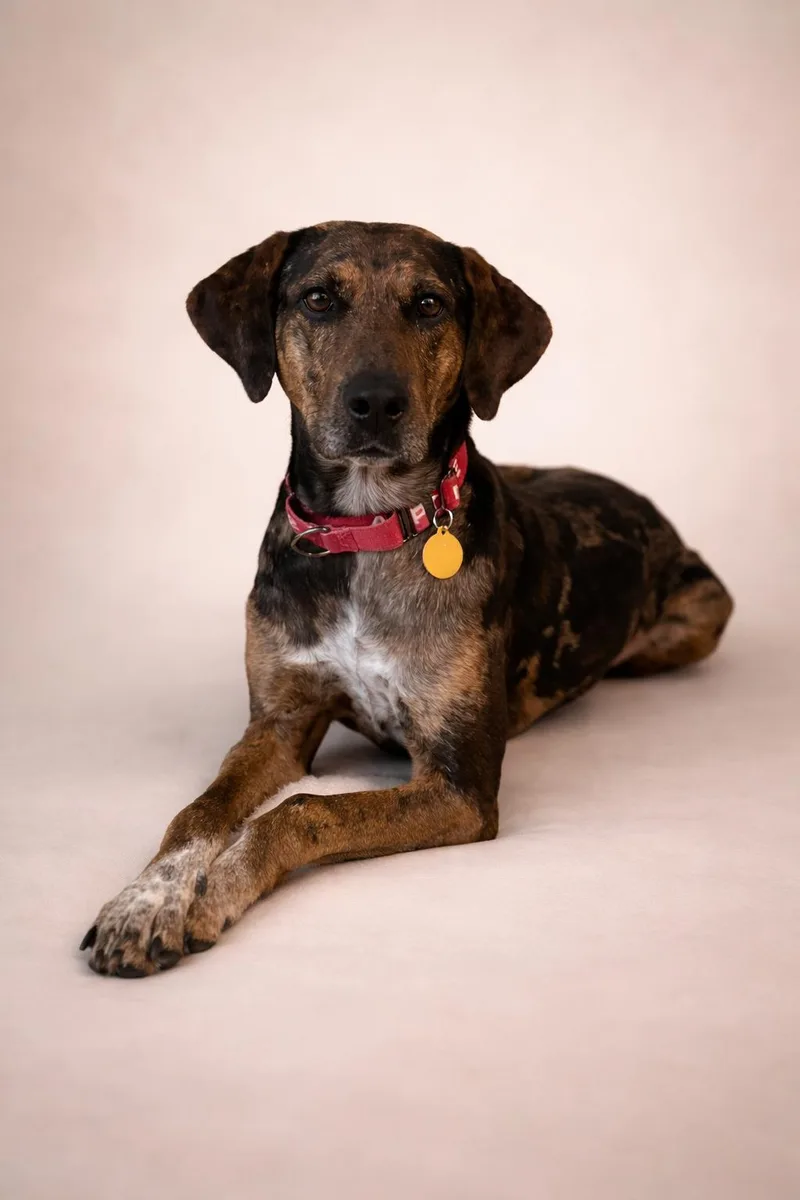
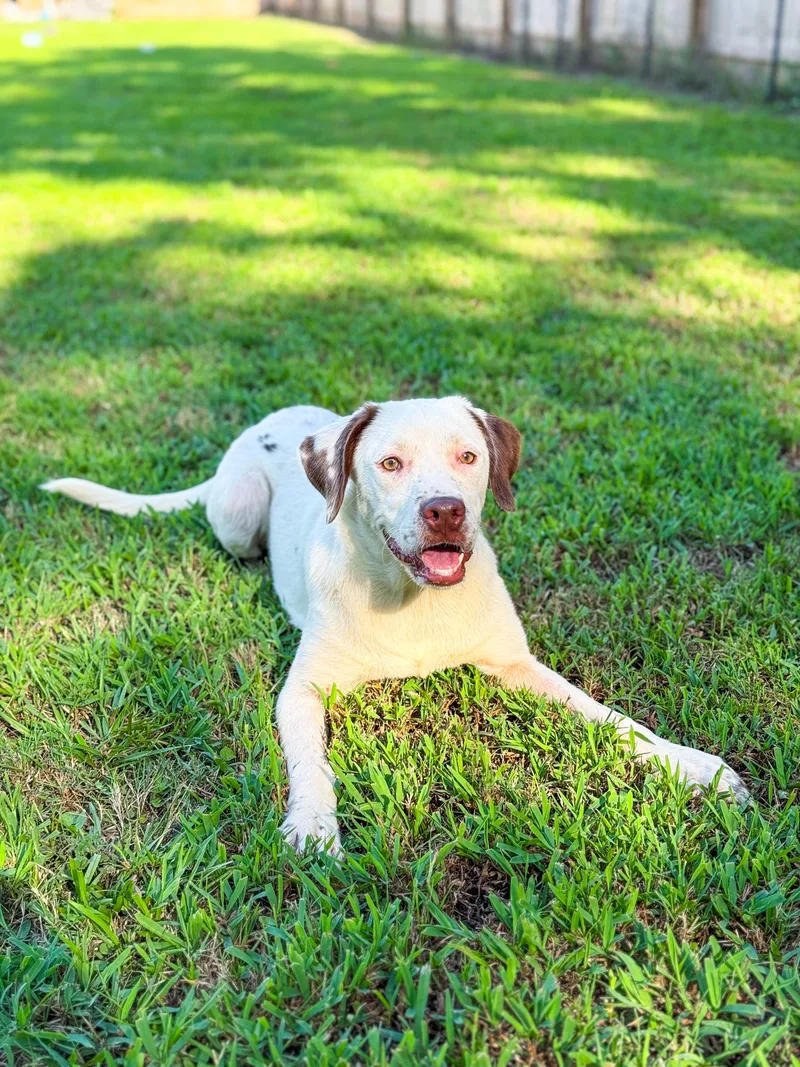
Lancashire Heelers Available for Adoption Near Charleston

About the Lancashire Heeler breed

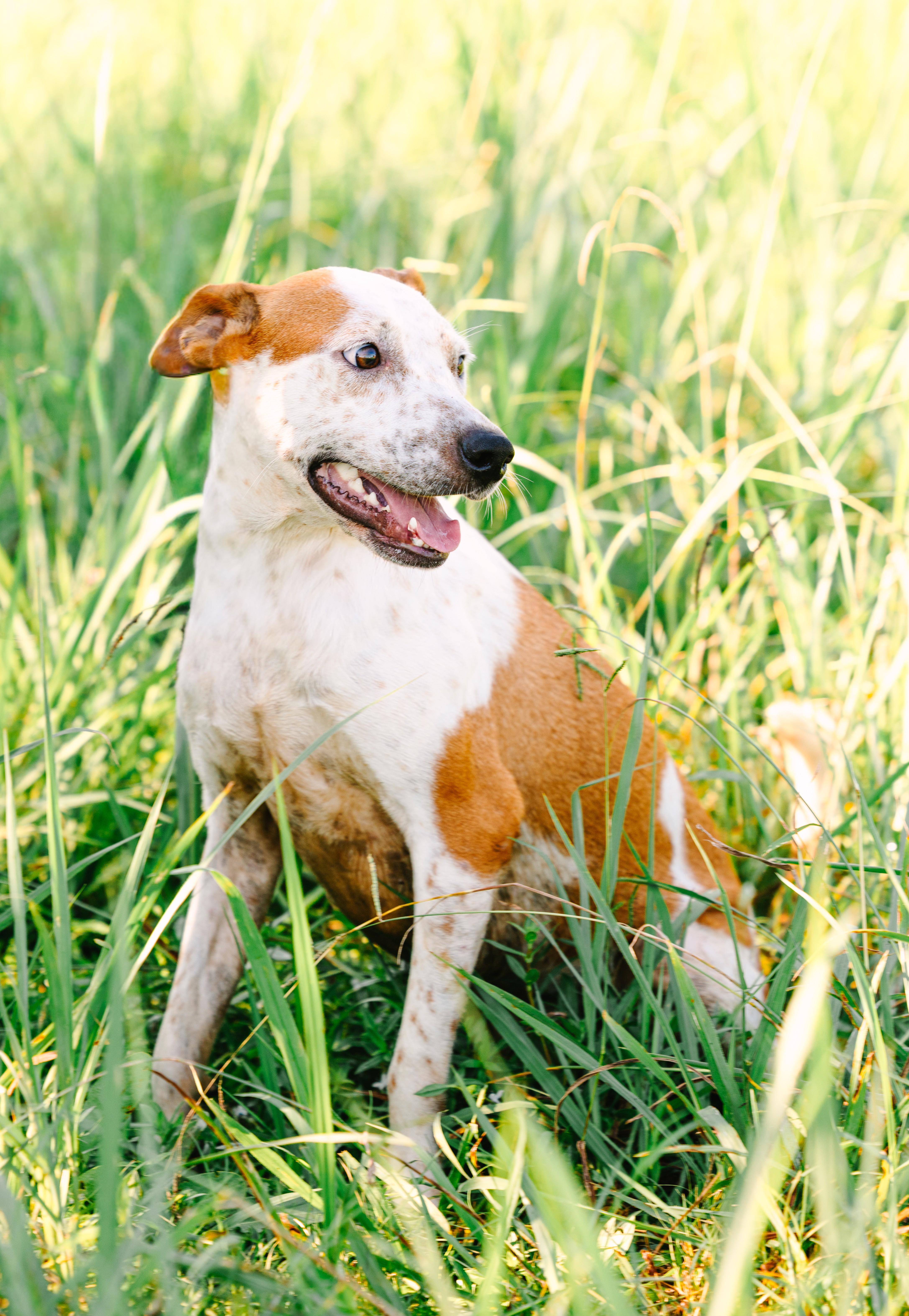
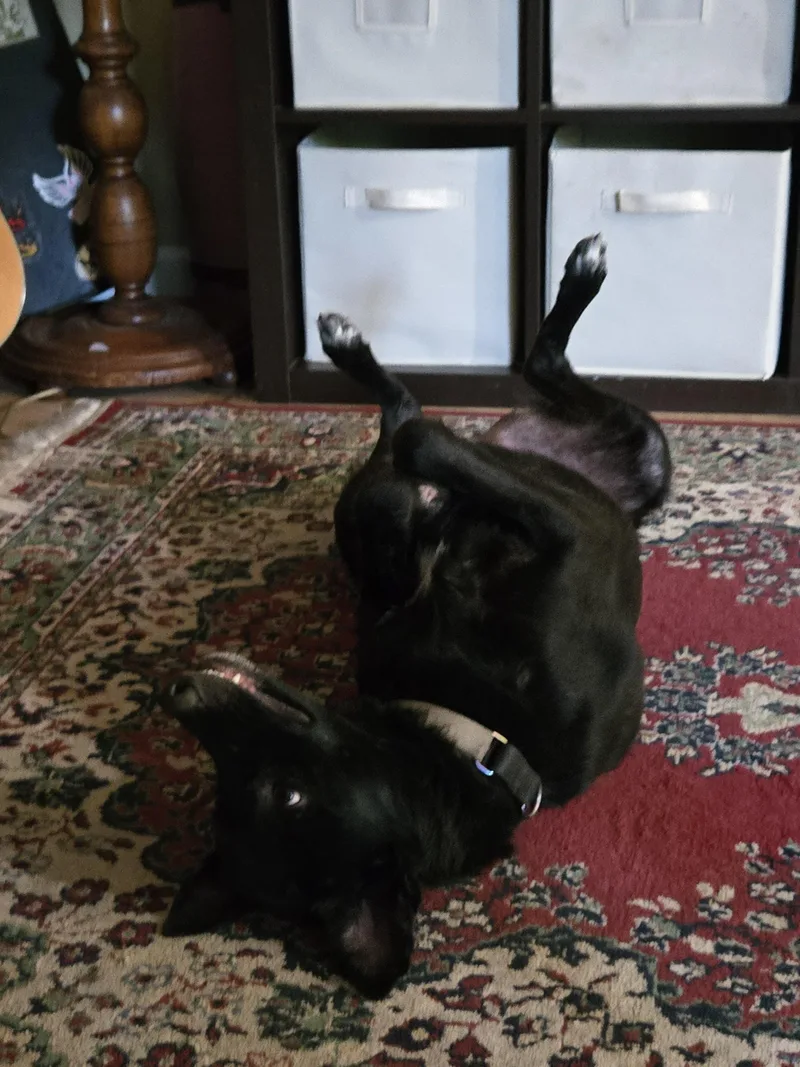
The Lancashire Heeler is a small drover's dog from northwest England, bred to nip at cattle heels and clear barns of rats. It's generally thought to descend from Welsh Corgis and Manchester Terriers, which explains the sturdy short legs and sharp terrier wits. The smooth, weather-resistant coat comes in black and tan or liver and tan, and shedding is low to moderate, heavier when the undercoat blows. The AKC added the breed to its Herding Group in 2024.

Many Heelers are cheerful, alert and affectionate, and some greet their people with a lip-parting smile. They're also busy and talkative, with a herder's urge to chase and a ratter's prey drive, so Charleston's squirrels, lizards and neighborhood cats can be tempting. Dogs vary, but plan on daily exercise and mental work. The breed is uncommon in shelters, so patience helps.

Weight
9–17 lbs
Height
10–12 in
Lifespan
12–16 yrs
Temperament
Alert, Energetic, Affectionate, Intelligent
Group
Herding
Shedding
Low to Moderate

Owning a Lancashire Heeler in Charleston

Having a Lancashire Heeler in Charleston

A Heeler's compact size works in a peninsula apartment or a West Ashley house. Energy, intelligence, prey drive and a few inherited eye conditions shape daily life, along with the heat and humidity of a Lowcountry summer.

Temperament

Heelers tend to be alert, devoted and a bit reserved with strangers, and many announce every visitor. In Charleston, that can mean barking at neighbors in shared buildings or at passersby on busy sidewalks. Herding instincts can show up as heel-nipping or chasing. Early socialization and reward-based training help, and each dog's personality varies.

Exercise Needs

Plan on a daily walk plus active play like fetch, tug or scent games. Hampton Park's one-mile loop works for leashed walks, and fenced runs such as Ackerman Park or Governor's Park on Daniel Island give a Heeler room to run safely. Keep midday summer outings short, since humid heat tires small dogs quickly.

Health Considerations

Heelers are often long-lived, but they can inherit eye conditions including primary lens luxation, collie eye anomaly and persistent pupillary membranes. DNA and eye screening exist, so ask a veterinarian about eye exams. In Charleston, year-round flea, tick and heartworm prevention matters, since mild winters never fully stop mosquitoes and parasites.

Living Space

A Heeler's small size suits a peninsula apartment, a condo or a house with a yard. Noise matters more than square footage, so practice quiet habits for shared walls. A securely fenced yard helps, since prey drive can override recall, and puzzle toys keep a Heeler occupied while you're out.

What it costs to own a Lancashire Heeler in Charleston

ExpenseTypical costPer year
Food$20 to $45 per month$240 to $540
Pet insurance$35 to $70 per month$420 to $840
Routine vet care$200 to $400 per year$200 to $400
Other*$390 to $1,090 per year$390 to $1,090
Estimated yearly total (after year one)$1,250 to $2,870

Other costs are estimates and vary with size, age and health.

* Flea, tick and heartworm prevention, a dental cleaning allowance, the Charleston dog license, toys and bedding, and light grooming.

Adopt a Lancashire Heeler in Charleston.

Now that you know more, let’s find you a new best friend. These rescues and shelters below have dogs available in and near Charleston.

Rescues and Shelters in or near Charleston

Charleston has a busy shelter and rescue community, and Heelers are uncommon, so new listings here are worth watching. Here are the rescues & shelters in the Charleston area with dogs available for adoption, worth asking whether a Lancashire Heeler is coming in.

Frequently Asked Questions

Yes, with precautions. Downtown nights stay near 76°F in July and August, and the humidity makes panting less effective at cooling a dog. Schedule walks around dawn and after sunset, bring water, and keep midday time indoors with air conditioning. Heavy panting, drooling or sluggishness means it's time to cool your Heeler down and call a veterinarian.

A Heeler fits Charleston if you enjoy daily walks, outdoor time and a talkative companion that follows you around. It's a tougher match if you're away long hours or can't manage summer heat, hurricane-season planning, and training around barking and chasing. Dogs vary, so think through your routine first. Mild winters and plentiful dog parks help keep a busy Heeler active year-round.

Fenced city dog parks are the safest choice for a Heeler with strong chase instincts. They require licensed, vaccinated dogs at least four months old, with two dogs per person. Brittlebank Park along the Ashley River is an off-leash area, while Hampton Park's one-mile loop and the West Ashley Greenway suit leashed walks.

Yes. Charleston has no known breed-specific rule covering Heelers, and state law says breed alone doesn't make a dog dangerous. You'll need a rabies tag, a city license and a microchip or ID collar, and dogs must be leashed outside off-leash areas with waste picked up. Lease terms may add their own limits, so read yours first.

Yes, a Heeler's small size suits Charleston apartments, but barking is the bigger concern. Plan on several walks a day, puzzle toys and teaching a quiet cue so neighbors aren't bothered. A unit near a fenced dog park makes daily routines easier. Check the lease for pet rules before you sign.

Sometimes, on outdoor patios only. South Carolina lets restaurants choose to allow dogs in outdoor table-service areas, and each restaurant decides, so look for a sign at the patio entrance. Dogs must stay restrained and off tables and seats. Indoors, only service animals are allowed. A Heeler that barks at passersby may need practice settling on a mat first.

Service animals are clearly welcome on CARTA, Charleston's bus system, which also runs the free DASH downtown shuttle. Pet and carrier rules aren't spelled out, so confirm CARTA's current pet policy before boarding. At 9 to 17 pounds, a Heeler fits a secure carrier, the safest bet if pets are allowed. Charleston has no subway or rail.

Very little. The short, weather-resistant coat needs weekly brushing, more during seasonal undercoat shedding. In Charleston's humidity, rinse or wipe paws and belly after walks through tidal floodwater or marsh, and keep nails trimmed and ears clean. Grooming is a small slice of the $390 to $1,090 yearly Other costs, which also cover parasite prevention and dental care.

A Lancashire Heeler is a small, sturdy herding dog from northwest England, about 10 to 12 inches tall and 9 to 17 pounds, originally used to drive cattle and catch rats on farms. It has a short black-and-tan or liver-and-tan coat, an alert, cheerful personality and plenty of energy. The AKC recognized the breed in 2024.

A Lancashire Heeler in Charleston typically costs about $1,250 to $2,870 a year. Food runs $20 to $45 a month and insurance $35 to $70 a month, while routine vet care is $200 to $400 and other costs such as parasite prevention, dental care and a license add $390 to $1,090 a year.