German Pinscher Dogs for Adoption in Charleston, SC

Your guide to finding and caring for a German Pinscher in Charleston

A German Pinscher suits Charleston if you can give it a real workout every day. This lean, quick dog does well on the one-mile loop around Hampton Park, then wants more: a game of fetch at the Grove Street dog park or a longer leashed walk on the West Ashley Greenway. In a Wagener Terrace brick bungalow or a West Ashley apartment, it'll keep watch from the window and take its job seriously. Expect a busy, loyal dog that likes having something to do.

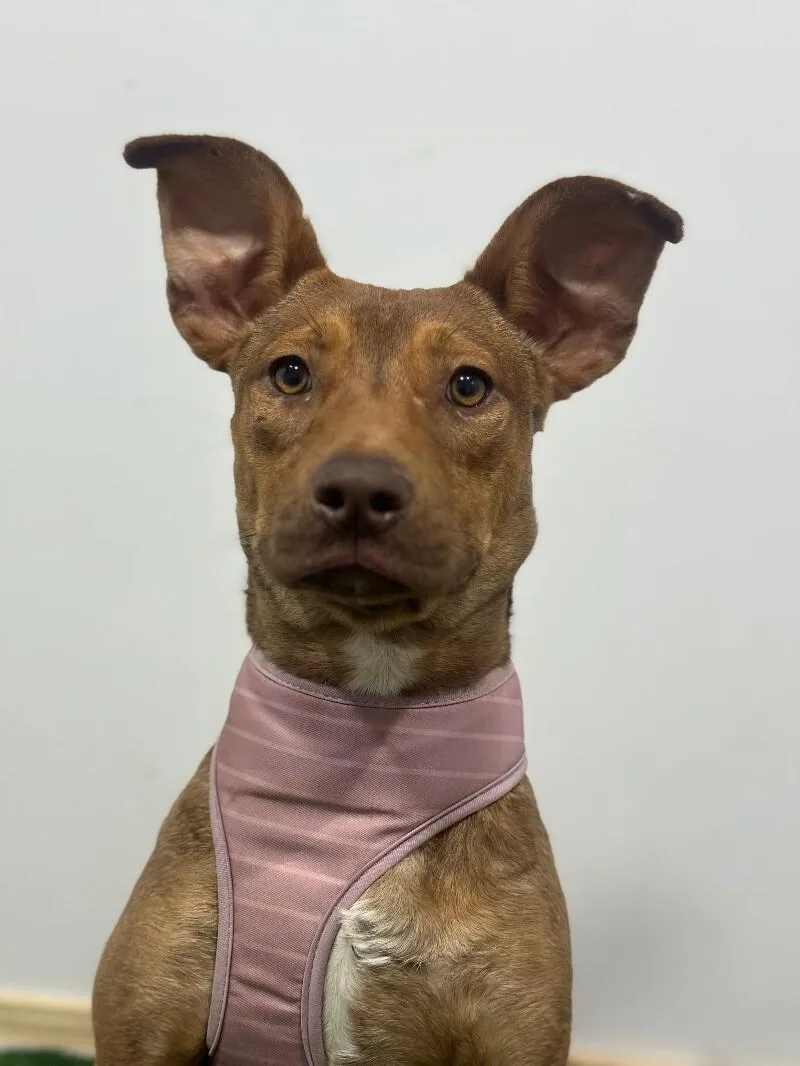
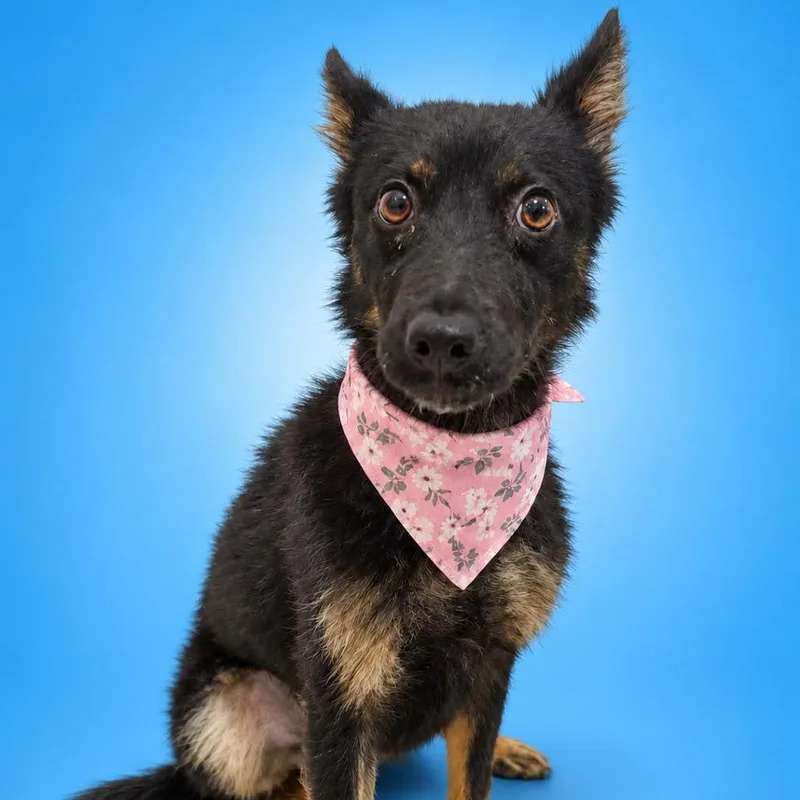
68 German Pinschers available in Charleston and nationwide

Give a German Pinscher a home

While we don't have enough dogs near Charleston, keep in mind that many rescues may offer transport.

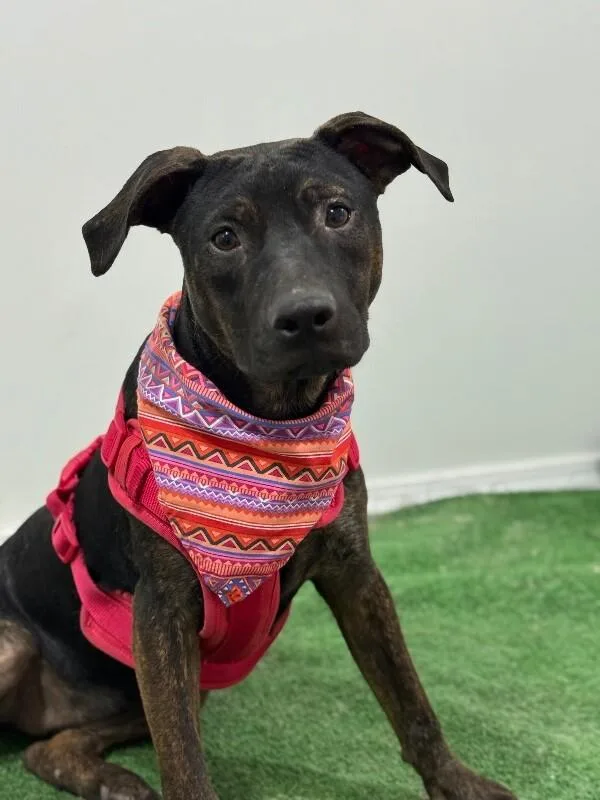
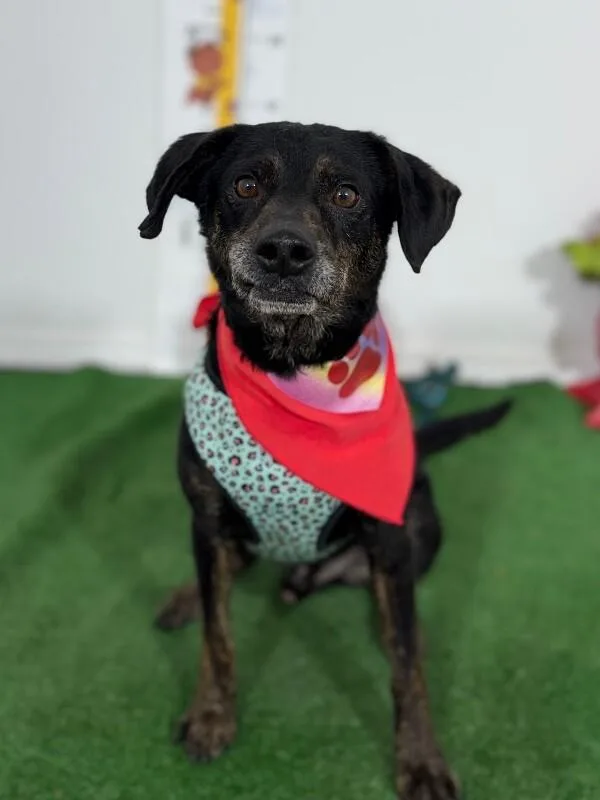
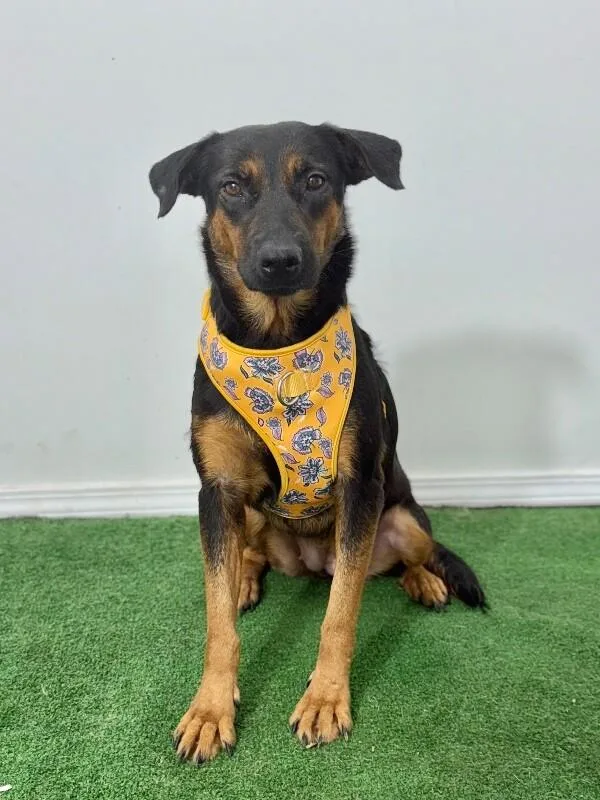
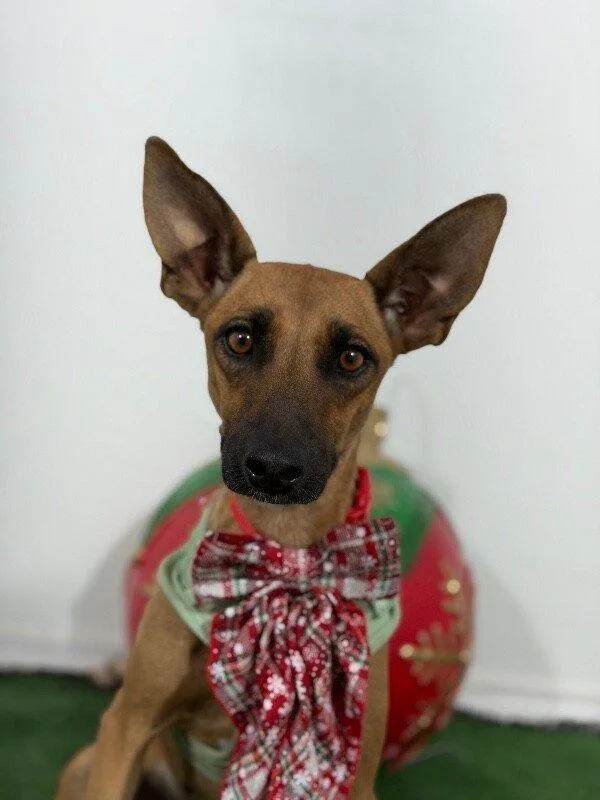
German Pinschers Available for Adoption Near Charleston

About the German Pinscher breed

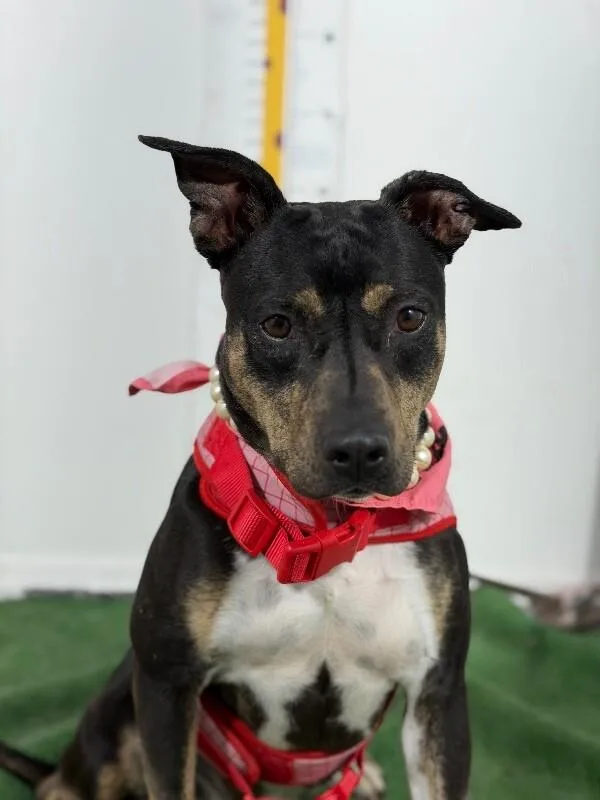
The German Pinscher is a medium-sized German farm dog, once kept to catch rats in stables and guard carriages. It's the smooth-coated cousin of the Standard Schnauzer and helped give rise to the Doberman and Miniature Pinscher. The breed nearly vanished after World War II and is still uncommon today. Adults usually weigh 25 to 45 pounds and wear a short, glossy coat in red or black and rust.

Pinschers are alert, quick-witted and loyal, and many are watchful with strangers. Strong prey drive and a knack for testing rules are common. In Charleston, that means leashed walks away from pond and marsh edges, where squirrels and wildlife tempt a dog to bolt, plus a household that offers training and company. The coat is easy to care for, though every dog differs.

Weight
25–45 lbs
Height
17–20 in
Lifespan
12–14 yrs
Temperament
Alert, Energetic, Intelligent, Protective
Group
Working
Shedding
Low to Moderate

Owning a German Pinscher in Charleston

Having a German Pinscher in Charleston

German Pinschers pair a ratter's quick reactions with a watchdog's vigilance. In Charleston, daily exercise, firm but kind training and a plan for the hot, humid months matter most, while the short coat keeps grooming simple.

Temperament

German Pinschers tend to be confident, curious and devoted to their families, and many are wary of strangers until introduced. That alertness suits a busy Charleston street, but it can lead to barking at passersby. Early socialization and calm, consistent training help. Many chase squirrels and other small animals, though each dog varies.

Exercise Needs

Plan on a brisk daily walk plus time to run and think. Charleston has fenced city dog parks and leashed loops like Hampton Park, and some off-leash areas are open only mornings and evenings. Fetch, flirt-pole games and scent work help. Keep a leash on outside fenced areas, since prey drive can override recall.

Health Considerations

Hip dysplasia, cataracts and von Willebrand's disease, an inherited bleeding disorder, are documented in the breed. A veterinarian can check the hips and eyes and should know the dog's von Willebrand's status before any surgery. Charleston's warm, humid climate makes year-round flea, tick and heartworm prevention a sensible routine.

Living Space

A German Pinscher can live in a West Ashley apartment or a peninsula bungalow when its exercise and attention are covered. A fenced yard helps, but this agile dog can jump or climb low fences, so check the height. The short coat gives little cold protection, so it should live indoors with the family.

What it costs to own a German Pinscher in Charleston

ExpenseTypical costPer year
Food$35 to $70 per month$420 to $840
Pet insurance$45 to $85 per month$540 to $1,020
Routine vet care$225 to $450 per year$225 to $450
Other*$440 to $1,190 per year$440 to $1,190
Estimated yearly total (after year one)$1,625 to $3,500

Other costs are estimates and vary with size, age and health.

* Flea, tick and heartworm prevention, a dental cleaning allowance, the Charleston dog license, toys and bedding, and occasional baths and brushing.

Adopt a German Pinscher in Charleston.

Now that you know more, let’s find you a new best friend. These rescues and shelters below have dogs available in and near Charleston.

Rescues and Shelters in or near Charleston

Charleston's animal shelters and rescues, from North Charleston to James Island, work year-round to place dogs in loving homes. Here are the rescues & shelters in the Charleston area with dogs available for adoption, worth asking whether a German Pinscher is coming in.

Frequently Asked Questions

Yes, you can own a German Pinscher in Charleston. No breed-specific rule is known, and South Carolina law says breed alone doesn't make a dog dangerous. City rules apply to every dog: a rabies tag, a city license, a microchip or ID collar for dogs over four months, a leash no longer than 16 feet outside off-leash areas, and waste pickup.

The Grove Street fenced dog park, beside Hampton Park, is a handy start, and Hampton Park's one-mile loop works for leashed walks. Governor's Park on Daniel Island is fenced too, and James Island County Park has separate large- and small-dog sections plus a swimming lake. Fenced city runs require licensed, vaccinated dogs at least four months old.

German Pinschers can handle Charleston summers with some planning. Downtown nights stay around 76°F and the air is humid, so exercise early or late and keep walks short. Carry water, skip hot pavement, rest in air conditioning at midday and never leave the dog in a parked car. Panting that doesn't ease calls for a veterinarian.

Yes, a German Pinscher can live in a Charleston apartment if its daily exercise is covered. Plan on brisk walks, play and training, since boredom often leads to barking or chewing. Fenced runs like Ackerman Park in West Ashley or Grove Street near Hampton Park help burn off energy. Read your lease for breed or weight limits before applying.

Not often. The short, smooth coat needs a weekly brush to lift loose hair, plus a bath when the dog is muddy or smelly. In Charleston's humidity, rinse paws and belly after walks through floodwater or marsh edges, and dry the coat and ears well. Most owners do this at home, so grooming adds little to the Other costs.

Sometimes, on patios only. South Carolina lets restaurants allow dogs in outdoor dining areas with table service, but each restaurant decides, and dogs can't go inside. Keep your German Pinscher leashed, off tables and seats, and under control, since strangers and passing dogs may set off its alert streak.

Possibly, but check first. CARTA buses, including the free downtown DASH shuttle, always accommodate service animals. Check CARTA's current pet rules before riding with a pet. A crowded bus can also test a German Pinscher's wariness of strangers, so a leashed walk is often the easier choice.

Yes, German Pinschers shed, but only lightly to moderately. Their short, smooth coat drops small hairs year-round, with slightly more during seasonal changes. Weekly brushing with a rubber curry or grooming mitt removes most loose hair and keeps the coat shiny. Compared with double-coated breeds, cleanup is easy, though short hairs can still cling to fabric.

German Pinschers are not aggressive by nature, and the breed standard penalizes unprovoked attacks. They are fearless, protective and wary of strangers, though, and some can be pushy or reactive with other dogs. Good socialization from an early age, steady training and enough exercise make a big difference. An adopted adult's history is the best guide to its behavior.

Plan on roughly $1,600 to $3,500 a year for a German Pinscher in Charleston, covering food ($35 to $70 a month), pet insurance ($45 to $85 a month), routine vet care ($225 to $450 a year) and other costs ($440 to $1,190 a year). Emergencies and illness aren't included.