Curly-Coated Retriever Dogs for Adoption in Charleston, SC

Your guide to finding and caring for a Curly-Coated Retriever in Charleston

A Curly-Coated Retriever suits Charleston if it can run and swim most days. This is the tallest retriever, bred for water, and a coat that sheds water is handy in a city of rivers and marsh. Many Curlies are reserved with strangers, so a West Ashley street near Lenevar Park may suit one better than a crowded downtown sidewalk. The West Ashley Greenway offers miles for long leashed walks, and the dog park at James Island County Park has a lake for swimming.

15109 dogs similar to Curly-Coated Retriever available in Charleston and nationwide

Bring home a Curly-Coated Retriever

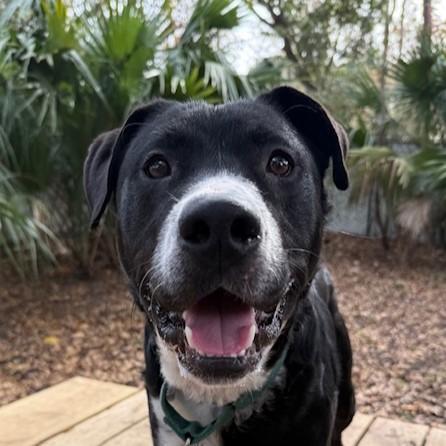
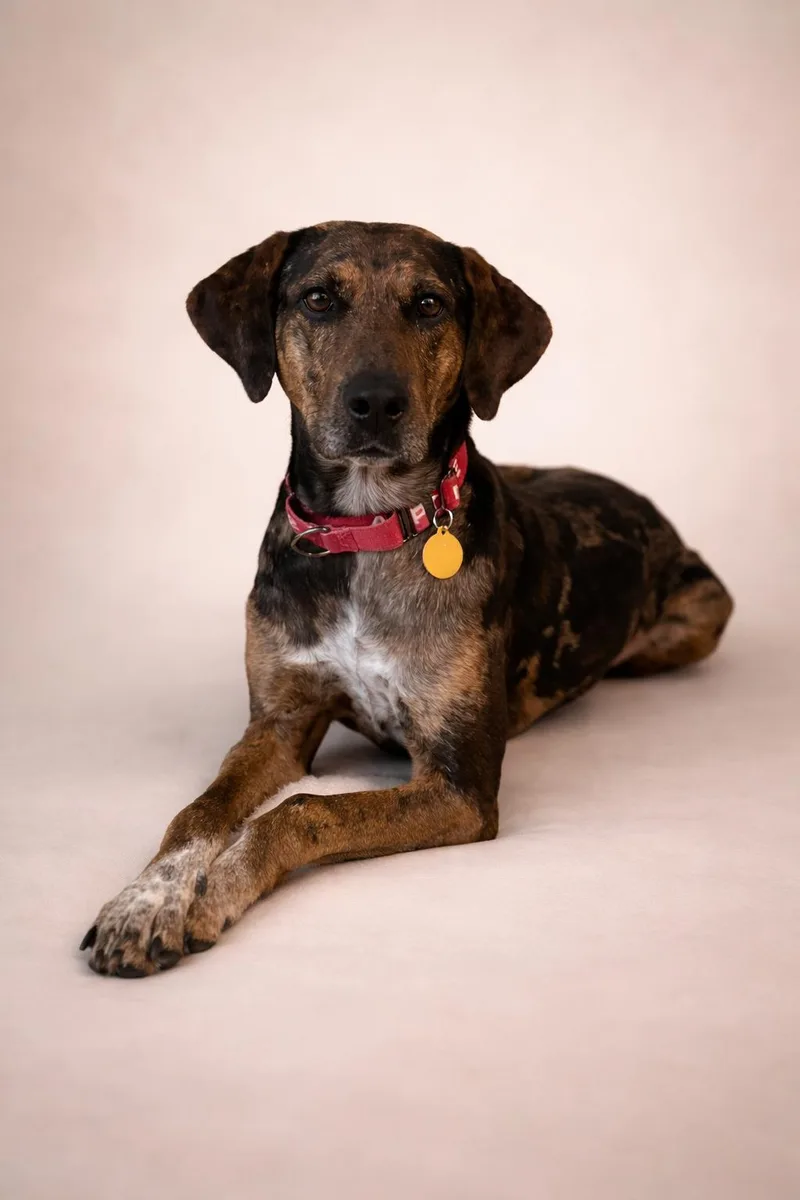
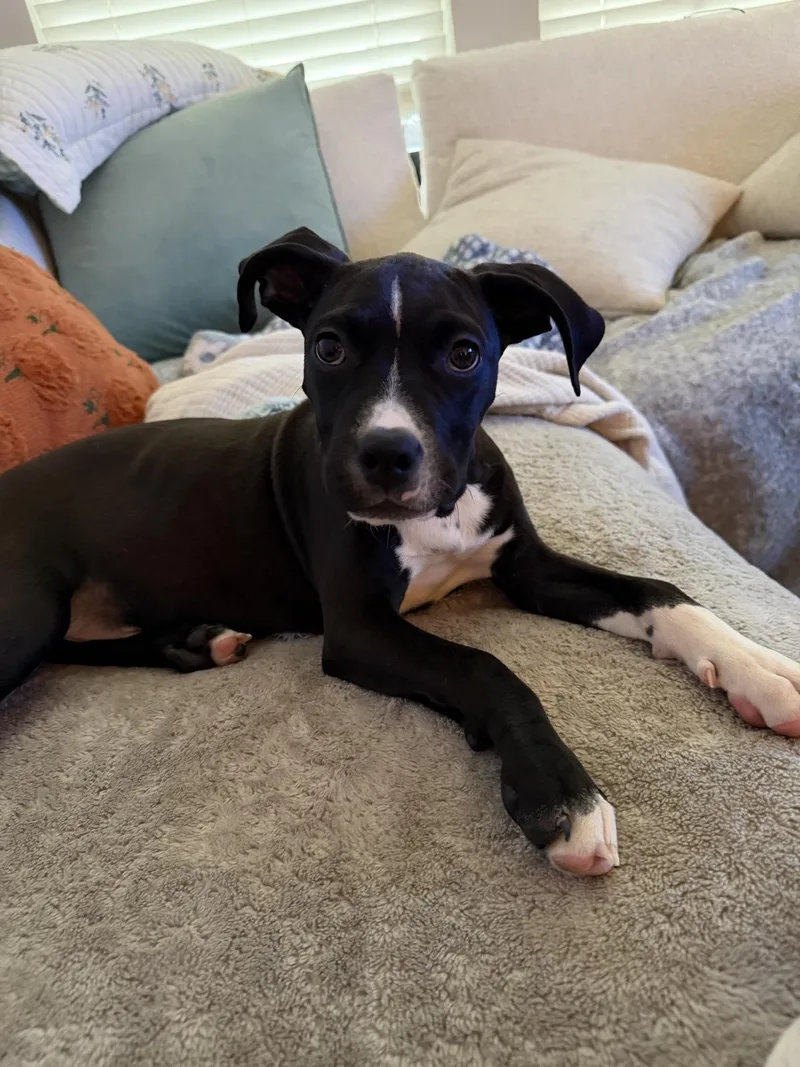
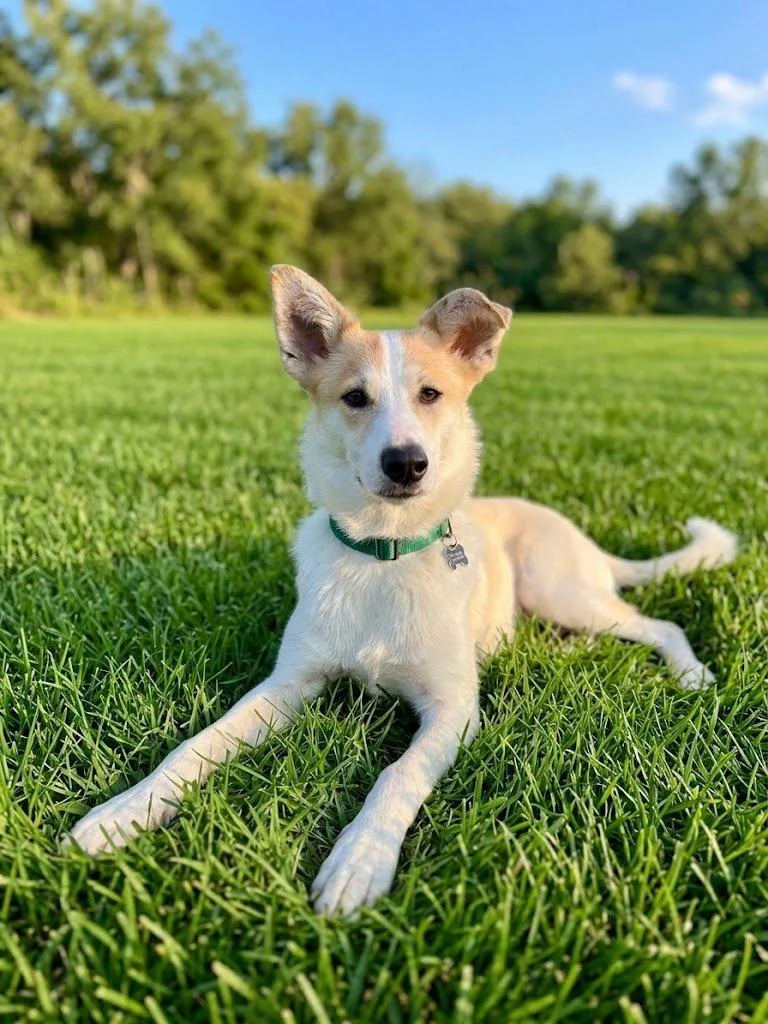
Curly-Coated Retrievers and Similar Breeds Available for Adoption Near Charleston

About the Curly-Coated Retriever breed

The Curly-Coated Retriever is one of the oldest retriever breeds, shown in England by around 1860 and developed as a tireless dog for waterfowl and upland birds. It stands 23 to 27 inches and weighs 60 to 95 pounds, with a dense mass of tight, crisp curls over a smooth face and front legs. Coats are solid black or liver, and the curls shed water and brambles.

Compared with Labs and Goldens, many Curlies are more reserved with strangers and more independent, and they often stay playful for years. With family they tend to be affectionate and gentle. That adds up to a dog that wants a job, daily exercise and steady training. Grooming is light: dampen the curls and work through them with your fingers rather than brushing, with an occasional trim. Dogs vary, so each one's own personality matters more than the breed description.

Weight
60–95 lbs
Height
23–27 in
Lifespan
10–12 yrs
Temperament
Confident, Intelligent, Independent
Group
Sporting
Shedding
Low to Moderate

Owning a Curly-Coated Retriever in Charleston

Having a Curly-Coated Retriever in Charleston

A Curly pairs a working retriever's stamina with a more self-possessed streak than its better-known cousins. Slow maturity, a distinctive coat and a need for daily exercise shape life in Charleston, so each deserves a look before you decide.

Temperament

Curlies are usually devoted and gentle at home and politely aloof with visitors. They're smart and independent, so repetitive drills can bore them. Reward-based training and early socialization help, especially for busy Charleston sidewalks and dog parks. Many stay puppyish for two or three years, and personalities vary from dog to dog.

Exercise Needs

Plan on vigorous daily exercise: long walks, running, retrieving or swimming. Charleston has off-leash areas like Johns Island Park and Lenevar Park, plus the West Ashley Greenway for leashed miles. Add mental work such as scent games or obedience classes, because a bored Curly tends to invent its own entertainment.

Health Considerations

Curlies can face hip and elbow dysplasia, exercise-induced collapse, glycogen storage disease type IIIa, a form of progressive retinal atrophy, heart disease and coat loss. Bloat is a risk in deep-chested dogs. A veterinarian can advise on safe exercise in Charleston's heat, and regular checkups catch problems early.

Living Space

A Curly does best with a securely fenced yard and owners who get outside every day, though a committed apartment dweller can manage with enough exercise. Expect a big dog and a busy tail indoors. Curlies prefer living inside with the family rather than in a kennel, so space matters less than routine.

What it costs to own a Curly-Coated Retriever in Charleston

ExpenseTypical costPer year
Food$55 to $110 per month$660 to $1,320
Pet insurance$65 to $130 per month$780 to $1,560
Routine vet care$250 to $500 per year$250 to $500
Other*$490 to $1,290 per year$490 to $1,290
Estimated yearly total (after year one)$2,180 to $4,670

Other costs are estimates and vary with size, age and health.

* Flea, tick and heartworm prevention, a dental cleaning allowance, the Charleston dog license, toys and bedding, and light coat care with occasional trims.

Adopt a Curly-Coated Retriever in Charleston.

Now that you know more, let’s find you a new best friend. These rescues and shelters below have dogs available in and near Charleston.

Rescues and Shelters in or near Charleston

Charleston's animal shelters and rescues, from North Charleston to James Island, take in dogs of every breed and size. Here are the rescues & shelters in the Charleston area with dogs available for adoption, worth asking whether a Curly-Coated Retriever is coming in.

Frequently Asked Questions

Yes, you can own a Curly-Coated Retriever in Charleston. No breed-specific rule is known, and state law says breed alone doesn't make a dog dangerous. You'll need a rabies tag, a city license, and a microchip or ID collar if the dog is over four months old. Keep the dog on a leash of 16 feet or less outside off-leash areas and pick up waste.

Yes, with precautions. Charleston summers are humid, with downtown nights staying near 76°F and about 25 days at 90°F or higher, and more inland. A Curly's dense curls hold heat, so exercise at dawn or after dark, bring water, rest in shade and use swimming to cool off. Never leave the dog in a parked car.

Curlies do well at Johns Island Park, Lenevar Park and Brittlebank Park, unfenced off-leash areas open dawn to dusk. James Island County Park's dog park has fenced sections and a swimming lake. For leashed outings, try Hampton Park's one-mile loop or the West Ashley Greenway. Keep your dog away from pond and marsh edges, where alligators can be present.

It can, but it takes commitment. A Curly needs vigorous daily exercise, so an apartment works only if you reliably get out for long walks, runs or swims. Read the lease for size and weight limits, since a dog of 60 to 95 pounds may exceed them. Fenced runs like Ackerman Park and S. Adgers Wharf offer off-leash time near home.

It's a good fit if you're active and spend real time outdoors. Charleston offers off-leash areas, greenways and water for a retriever that loves to swim. Summer heat, tidal flooding and hurricane planning need attention. Curlies are also reserved with strangers and slow to mature, so they suit patient owners committed to training. Dogs vary, so personality matters as much as breed.

Grooming is light but regular. Skip the brush, which frizzes the coat: dampen the curls and work through them with your fingers, with an occasional trim. Charleston's humidity and floodwater make rinsing and thoroughly drying the coat after swims or wet walks worthwhile. Grooming sits inside the $490 to $1,290 yearly Other cost, alongside prevention and dental care.

Possibly, outdoors only. South Carolina lets restaurants choose to allow dogs in outdoor dining areas with table service, so look for posted signs. Dogs must be restrained, stay off tables and seats, and can't enter the building. A large Curly needs to settle calmly under the table, and a reserved dog may find a crowded patio stressful.

Service animals are always accommodated on CARTA buses, including the free downtown DASH shuttle, but a pet policy for other dogs should be confirmed with CARTA before riding. Charleston has no subway or rail. A Curly weighing 60 to 95 pounds can also be hard to manage on a crowded bus, so walking or driving is usually easier.

Yes, Curly-Coated Retrievers shed, but usually less than most retrievers for much of the year. Many have one or two heavier seasonal sheds when the curls loosen and drop hair, and intact females may shed more after a heat cycle. Owners generally avoid brushing, which frizzes the curls, and instead dampen the coat and work loose hair out by hand.

Expect roughly $2,200 to $4,700 a year for a Curly in Charleston: food about $55 to $110 a month, insurance $65 to $130 a month, routine vet care $250 to $500 a year, and $490 to $1,290 a year in other costs. Illness or emergencies would add to this.