Cardigan Welsh Corgi Dogs for Adoption in Charleston, SC

Your guide to finding and caring for a Cardigan Welsh Corgi in Charleston

A Cardigan Welsh Corgi fits the daily rhythm of a Wagener Terrace or Hampton Park Terrace street, with a morning loop and an evening stroll. Cardigans are sturdy, steady dogs that don't need hard runs, and the Grove Street dog park beside Hampton Park gives them a fenced place to stretch out. Those thick double coats do struggle in Charleston's muggy summers, so plan walks around the heat. Expect hair on the floors and a few stairs to manage for that long back.

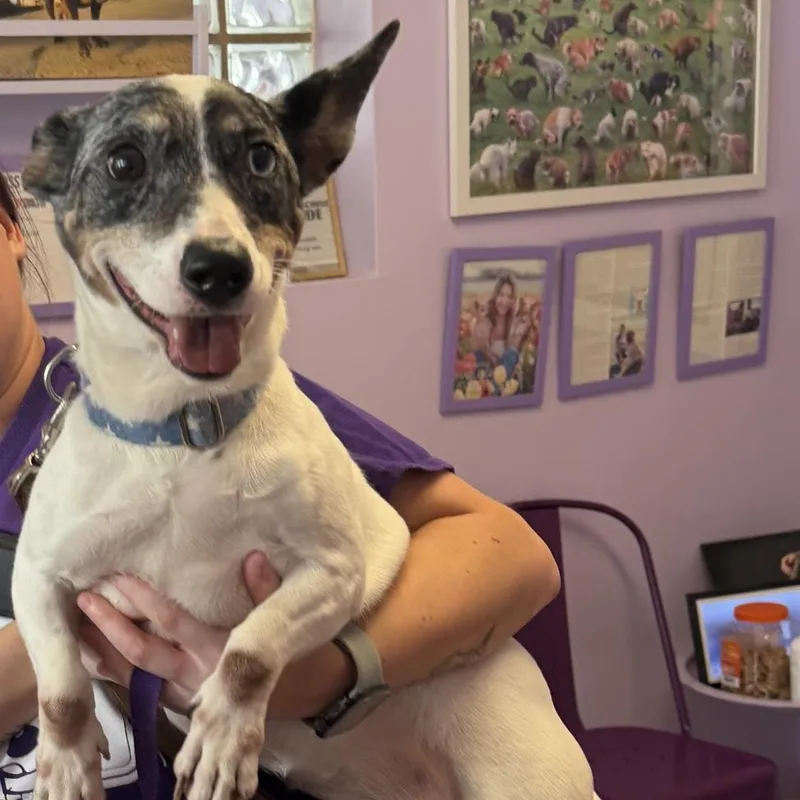
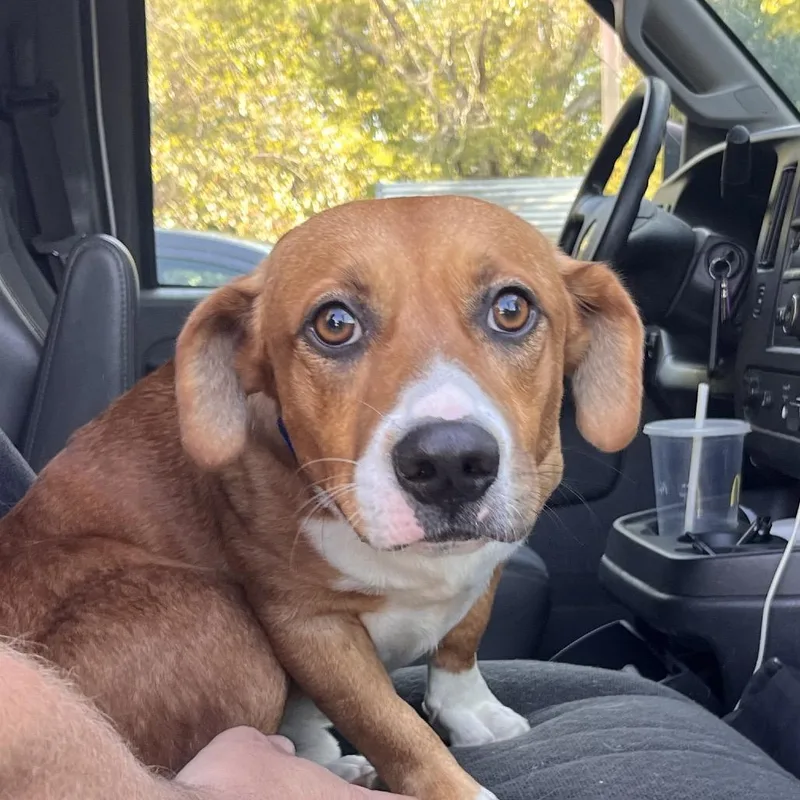
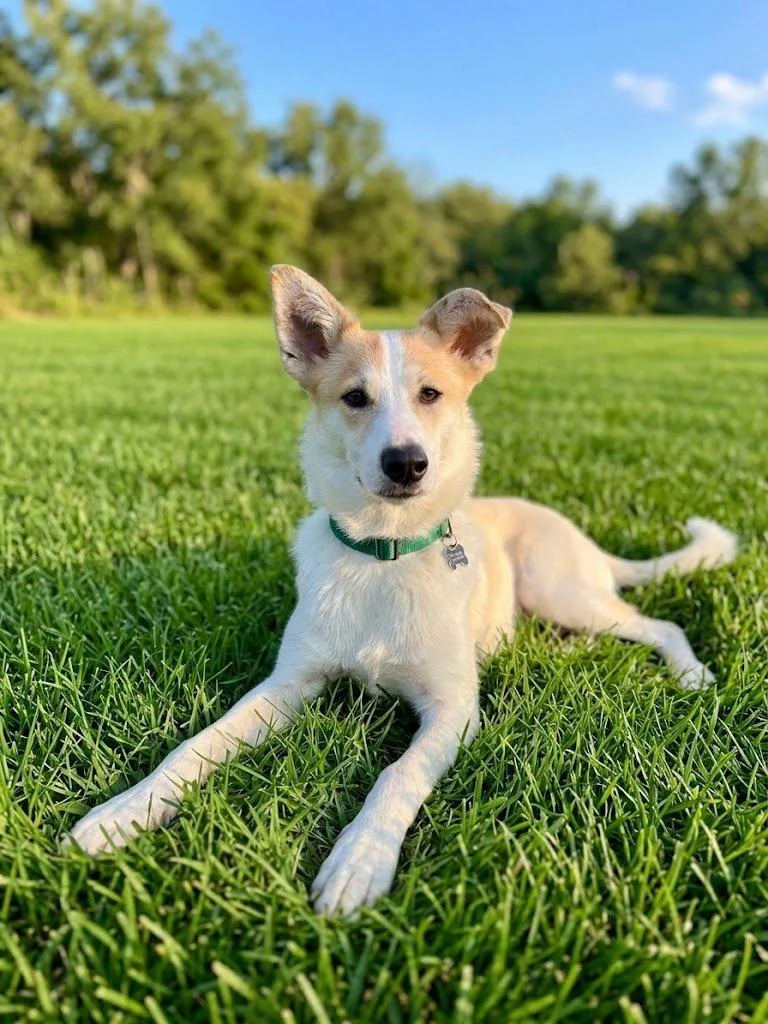
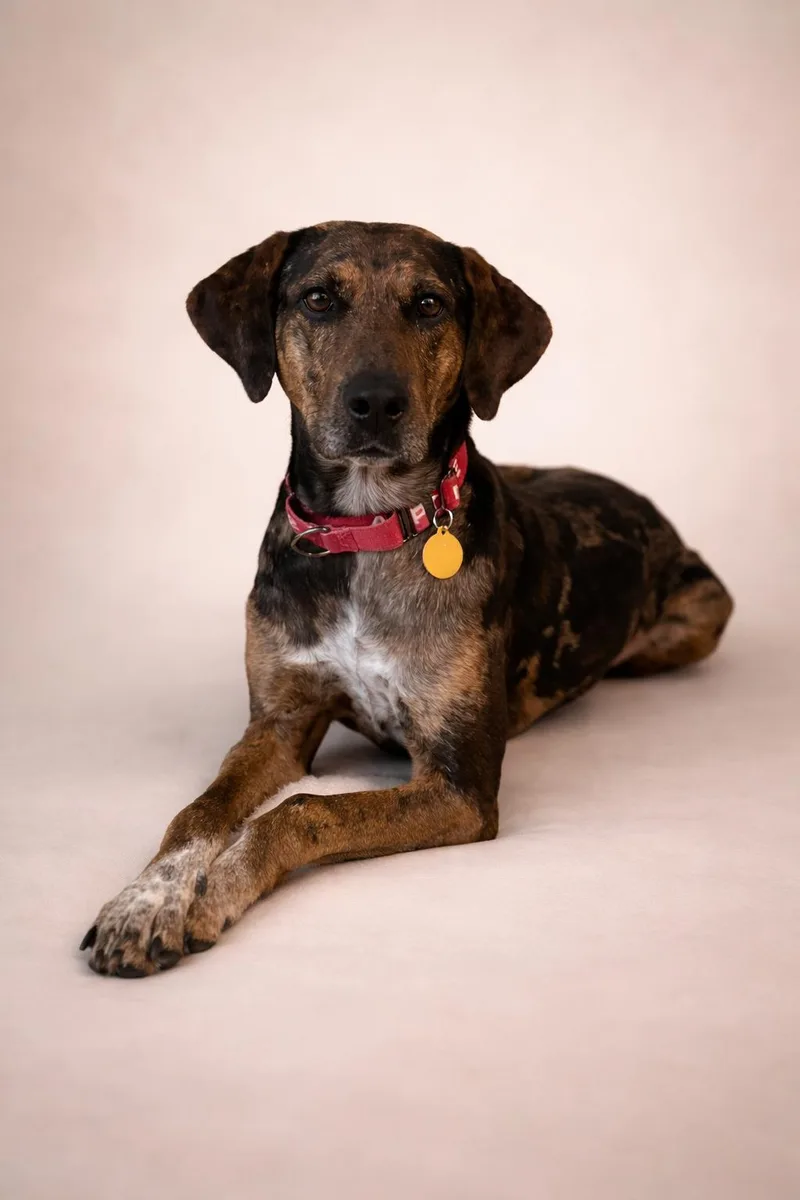
154 Cardigan Welsh Corgis available in Charleston and nationwide

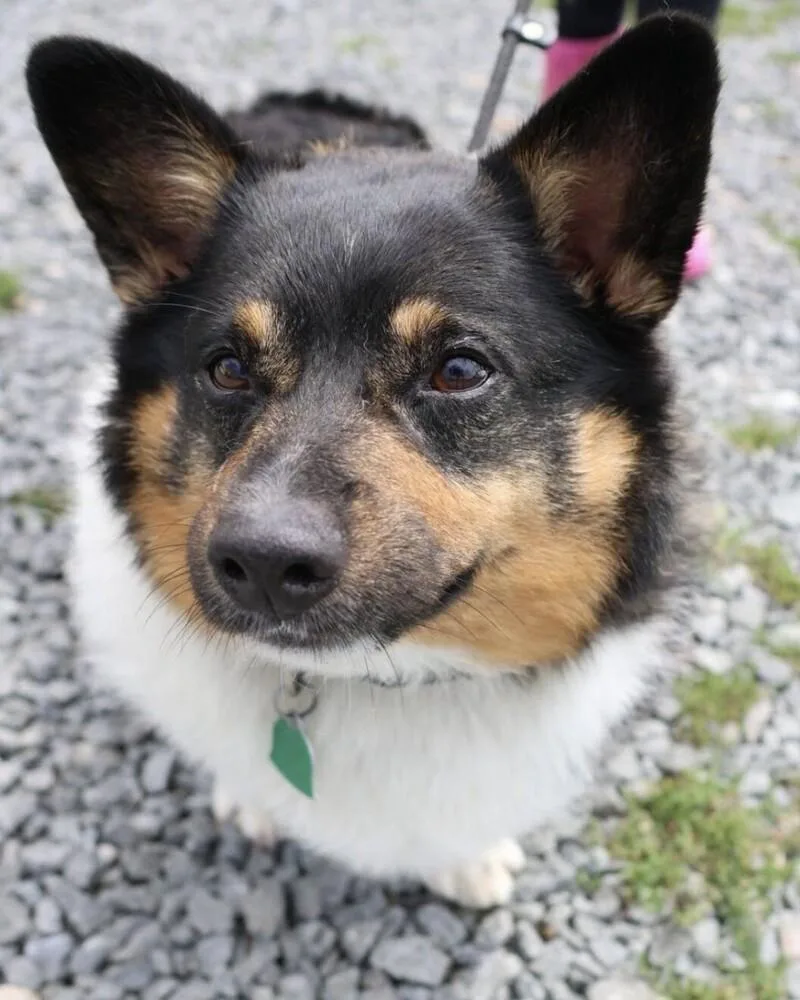
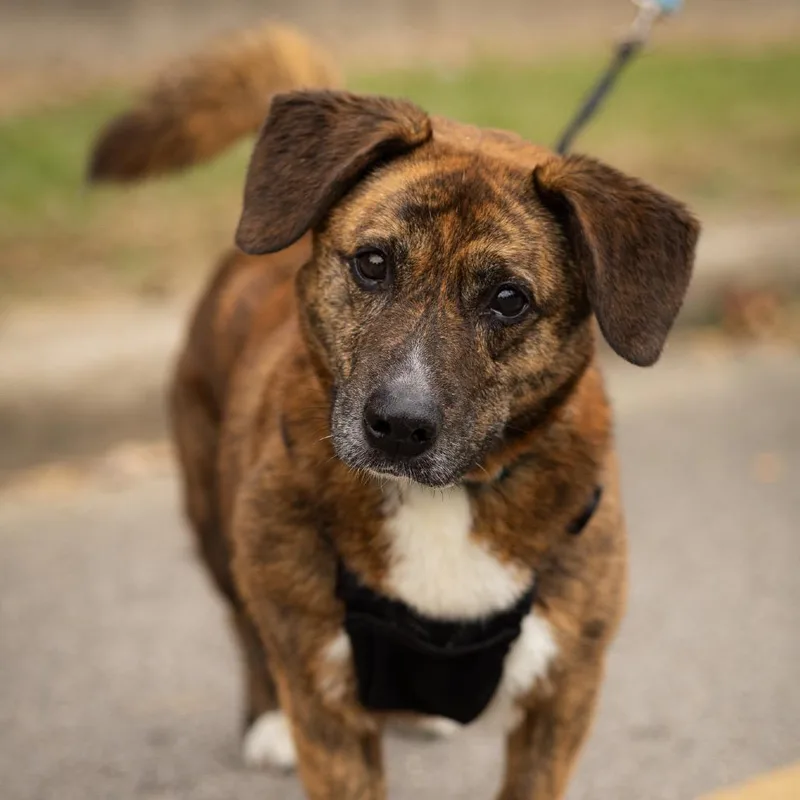
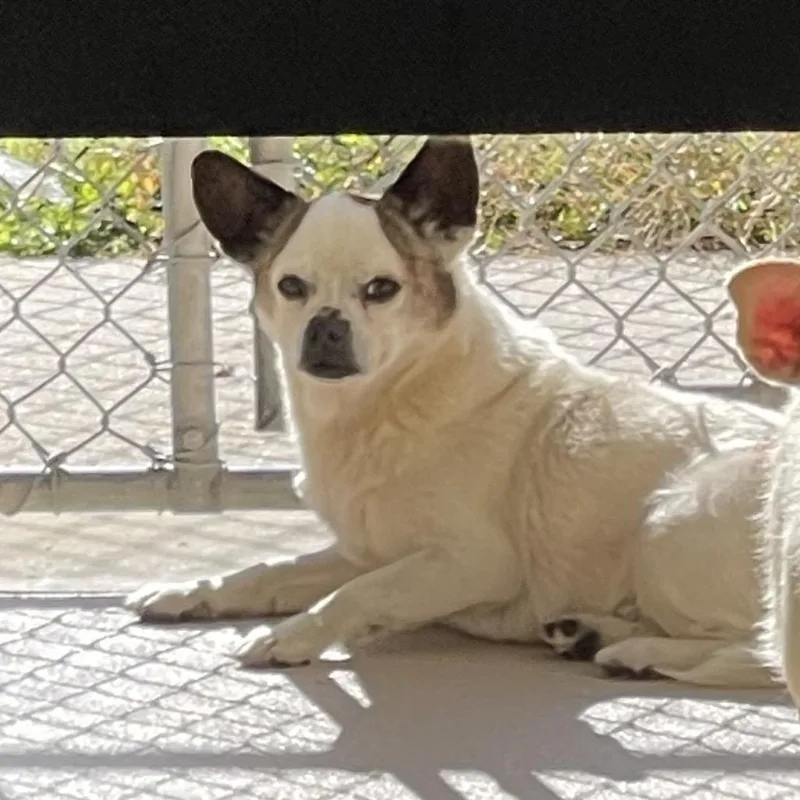
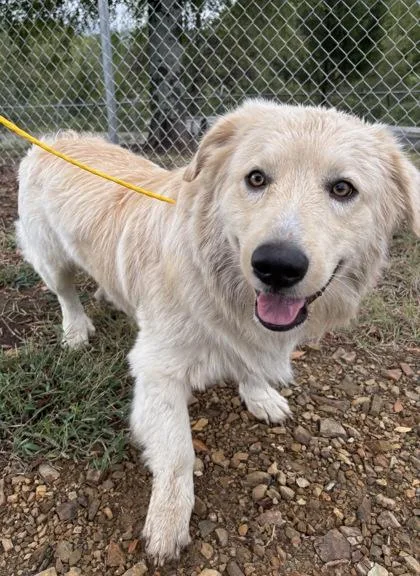
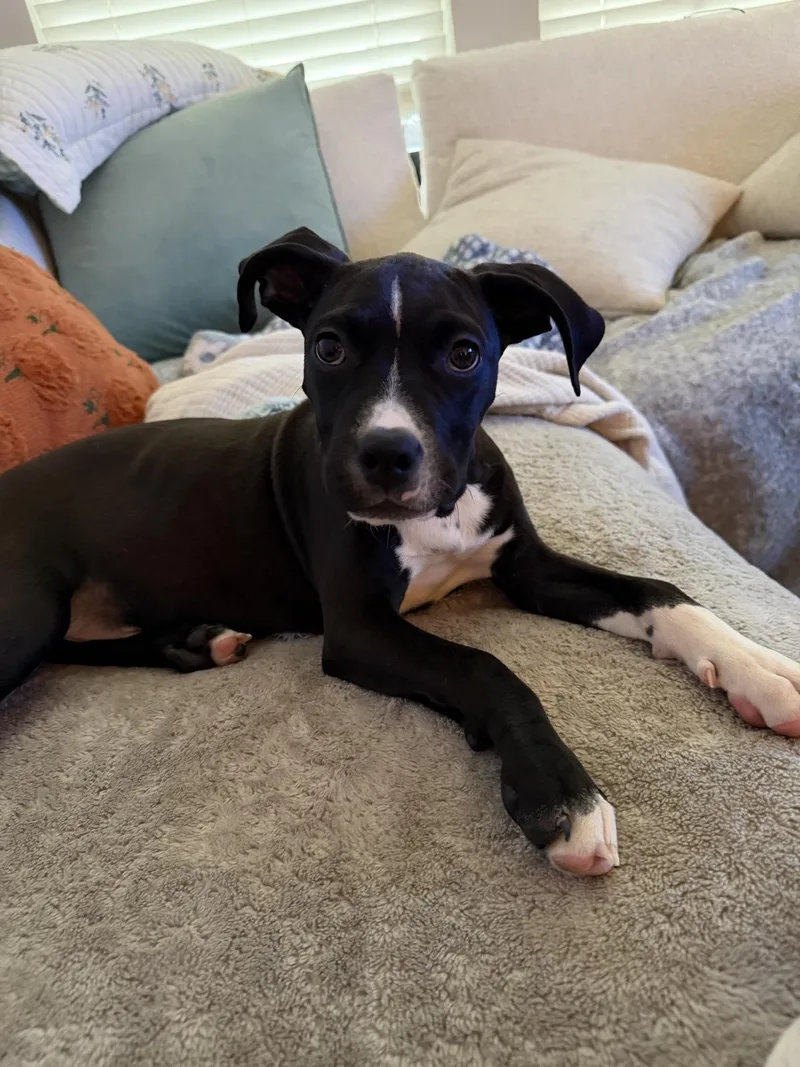
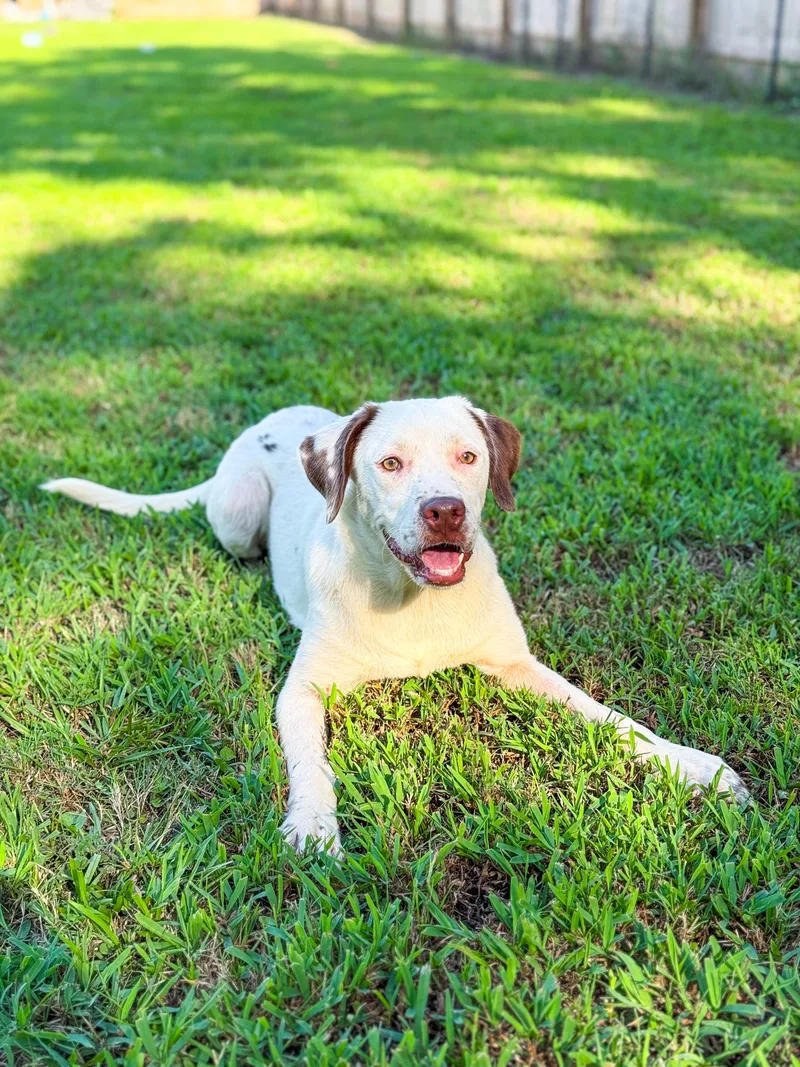
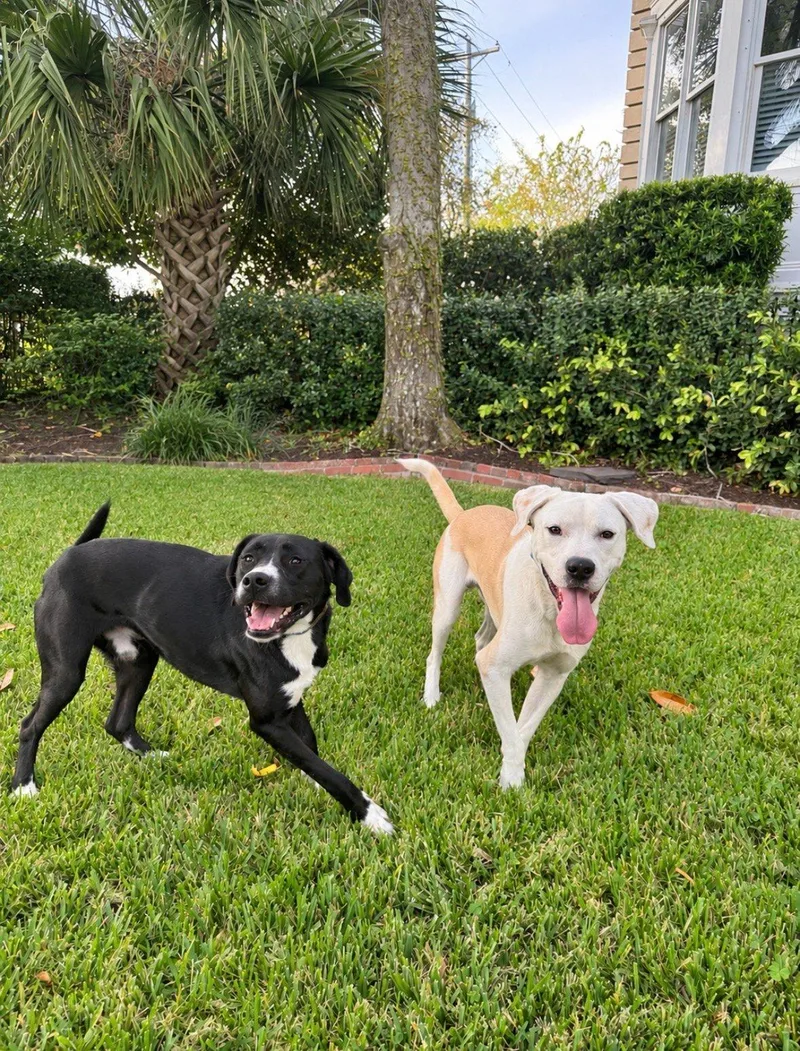
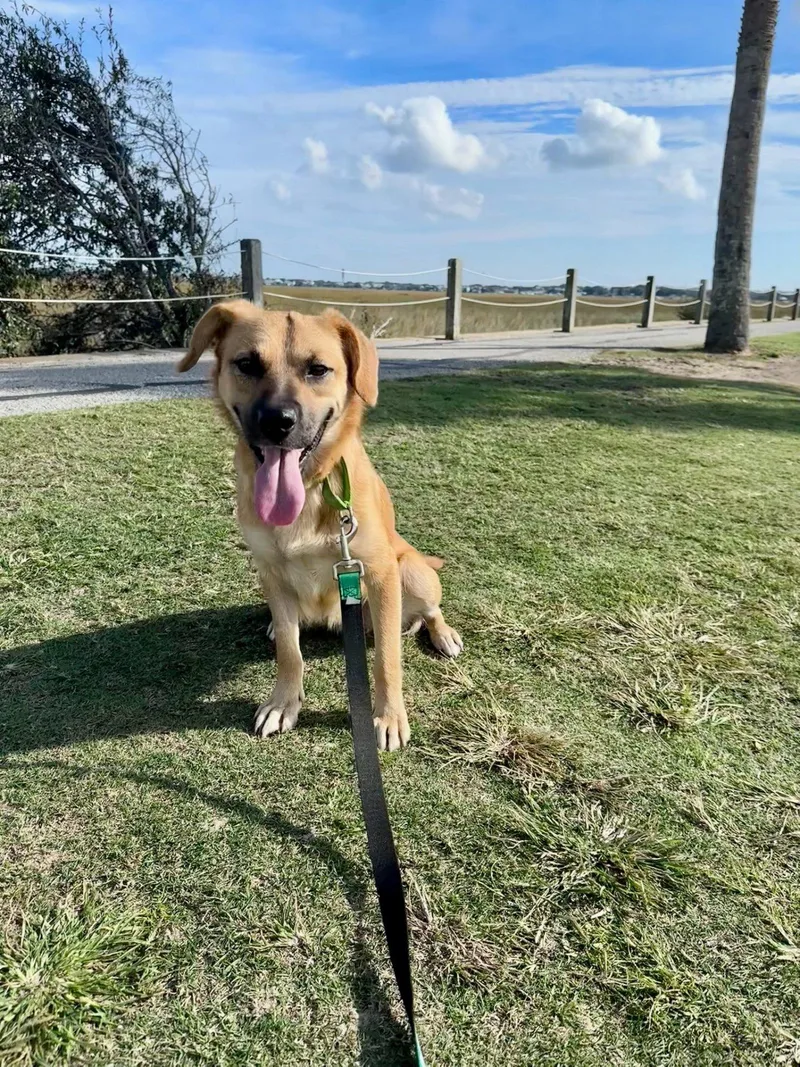
Say hello to your Cardigan Welsh Corgi

While we don't have enough dogs near Charleston, keep in mind that many rescues may offer transport.

Cardigan Welsh Corgis Available for Adoption Near Charleston

About the Cardigan Welsh Corgi breed

The Cardigan is the older of the two corgi breeds, developed in Cardiganshire, Wales, to drive cattle by nipping at heels and staying low enough to dodge kicks. It's longer and heavier-boned than it looks, usually 25 to 38 pounds, with big rounded ears, a fox-like tail and coats that range from red and sable to brindle and blue merle.

Many Cardigans are loyal, quietly confident and a bit reserved with strangers, with a herder's alertness that can turn into barking or heel nipping. They're smart and respond well to reward-based training. The main care points are keeping a Cardigan lean, protecting its spine from jumps and stairs, and brushing often through heavy seasonal shedding. Dogs vary, so a Cardigan's own personality matters more than the breed profile.

Weight
25–38 lbs
Height
10–13 in
Lifespan
12–15 yrs
Temperament
Loyal, Alert, Intelligent, Affectionate
Group
Herding
Shedding
High

Owning a Cardigan Welsh Corgi in Charleston

Having a Cardigan Welsh Corgi in Charleston

Cardigans combine working-dog smarts with a compact, long-backed build. Moderate exercise, regular brushing and spine protection matter most, and Charleston's humid heat and flood-prone streets add a few local wrinkles worth planning for.

Temperament

Many Cardigans are devoted and even-tempered with family and slower to warm up to strangers. They often bark at unfamiliar sounds, which matters in close-set Charleston neighborhoods and apartment buildings. Herding instincts can show up as heel nipping, so reward-based training and calm introductions help. Watch how each Cardigan handles new people and noises.

Exercise Needs

Plan on two brisk walks plus play or training, about 30 to 60 minutes in total, though energy varies. Fenced runs like Grove Street or Ackerman Park give a Cardigan room to move, and sniff games and nose work add mental exercise. Skip repeated jumping, and keep summer outings to early morning and evening.

Health Considerations

Cardigans can develop disc disease, degenerative myelopathy, hip dysplasia and progressive retinal atrophy. Extra weight strains the spine, so measure meals. Mosquitoes are active much of the year in Charleston, so ask a veterinarian about heartworm prevention. A vet can also check the spine and eyes and explain signs of back pain, such as reluctance to move.

Living Space

A Cardigan can do well in a West Ashley house with a fenced yard or in a downtown apartment, as long as walks happen daily. Stairs are the main issue, so favor ground-floor units or buildings with elevators, add ramps to furniture and put rugs on slick floors.

What it costs to own a Cardigan Welsh Corgi in Charleston

ExpenseTypical costPer year
Food$35 to $70 per month$420 to $840
Pet insurance$55 to $100 per month$660 to $1,200
Routine vet care$225 to $450 per year$225 to $450
Other*$540 to $1,390 per year$540 to $1,390
Estimated yearly total (after year one)$1,845 to $3,880

Other costs are estimates and vary with size, age and health.

* Flea, tick and heartworm prevention, a dental cleaning allowance, the city dog license, toys and bedding, and brushing and baths for heavy seasonal shedding.

Adopt a Cardigan Welsh Corgi in Charleston.

Now that you know more, let’s find you a new best friend. These rescues and shelters below have dogs available in and near Charleston.

Rescues and Shelters in or near Charleston

Charleston-area shelters and rescues place dogs of every size and mix, and the ones listed below serve this area. Here are the rescues & shelters in the Charleston area with dogs available for adoption, worth asking whether a Cardigan Welsh Corgi is coming in.

Frequently Asked Questions

Often yes, for active adopters who are home a fair amount and can manage the heat. A Cardigan needs daily walks, brushing and spine-friendly routines, which work in most Charleston neighborhoods. The trade-offs are muggy summers, tidal flooding that dirties paws, hurricane-season planning, and barking that carries in close quarters. Dogs vary, so judge each Cardigan's own energy and comfort with noise.

Yes. No breed-specific rule is known for Cardigans, and South Carolina law says breed alone doesn't make a dog dangerous. The city's everyday rules center on leashing, ID and licensing, covered in the regulations section. Landlords and HOAs can set stricter limits, so read your lease or community rules for size and pet-number limits before you commit.

They can with careful routines. Warm, muggy nights mean even dawn walks aren't cool. Keep outings short, walk early or after sunset, bring water and rest in air conditioning. Brush out loose undercoat instead of shaving, which can remove the coat's insulation. Heavy panting, drooling or slowing down means cool the dog promptly and call a veterinarian.

Fenced runs suit a Cardigan's herding instincts: Grove Street Dog Park beside Hampton Park, Ackerman Park and Medway Park in West Ashley, and Governor's Park on Daniel Island. James Island County Park's dog park has a lake, but short legs tire fast, so stay close. Keep dogs away from pond and marsh edges, where alligators can appear.

Yes, if daily walks happen and barking is managed. Cardigans are medium dogs but alert, so practice quiet cues for hallway noise. Choose a ground-floor unit or an elevator building, because stairs and jumping stress the long back, and add rugs for traction. Fenced runs such as Grove Street Dog Park give an apartment dog room to stretch out.

Brush a few times a week, and daily during heavy seasonal shedding, usually spring and fall. Charleston's humidity means the dense double coat should be dried fully after baths or rainy walks to avoid skin irritation, and paws need rinsing after floodwater. A bath every month or two is typical. Brushing and baths are part of the yearly Other costs.

Only on patios, and only where the restaurant allows it. South Carolina lets restaurants permit dogs in outdoor dining areas with table service, but each restaurant decides, and dogs can't go inside. Keep your Cardigan leashed on the floor, never on seats or tables, and bring a mat, since an alert herding dog may bark at passersby.

Service animals always ride CARTA buses, including the free downtown DASH shuttle, but pet policy is separate, so check CARTA's current pet rules before boarding. At 25 to 38 pounds, a Cardigan is too heavy to carry comfortably, and lifting a long-backed dog can strain its spine, so plan walking routes instead.

A Cardigan Welsh Corgi is a short-legged herding dog from Wales, bred to drive cattle and guard the farm. It is the older of the two corgi breeds and has a long, fox-like tail, large rounded ears and a sturdy, heavy-boned body. Many Cardigans are loyal, intelligent and alert, with a calm but watchful personality.

Plan on roughly $1,850 to $3,900 a year for a Cardigan in Charleston. That covers food at $35 to $70 a month, insurance at $55 to $100 a month, routine vet care at $225 to $450 a year and other costs of $540 to $1,390 a year. Emergency care and boarding are extra.