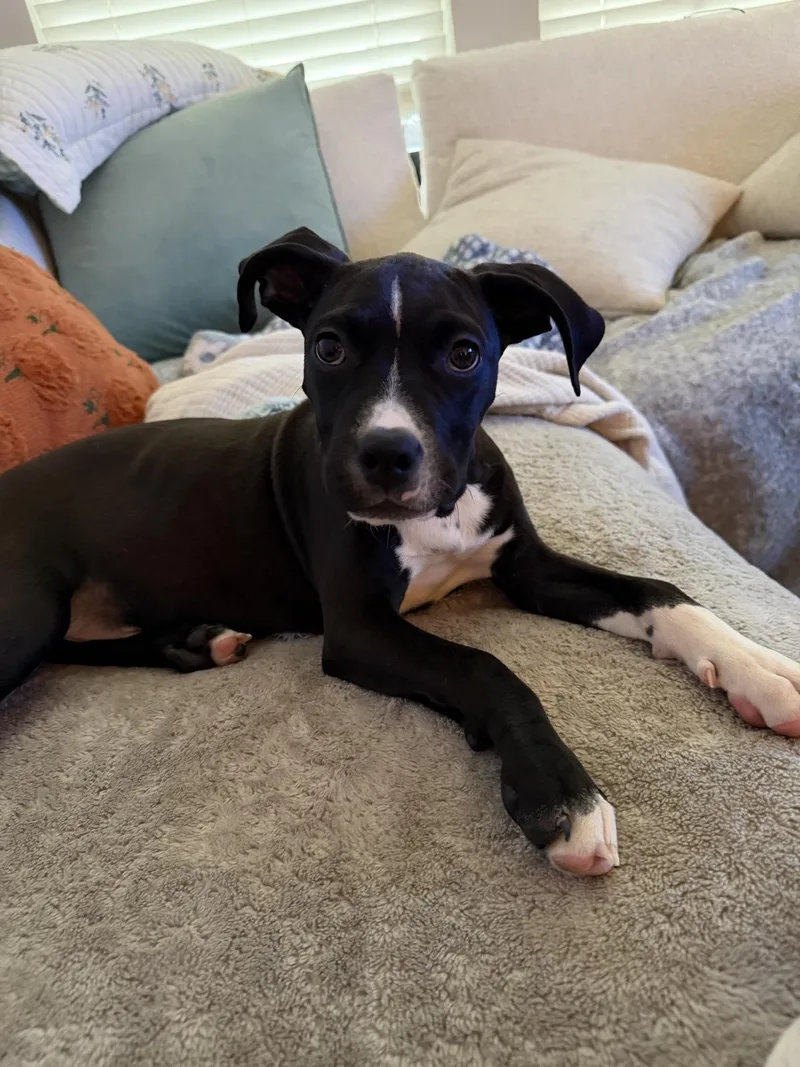
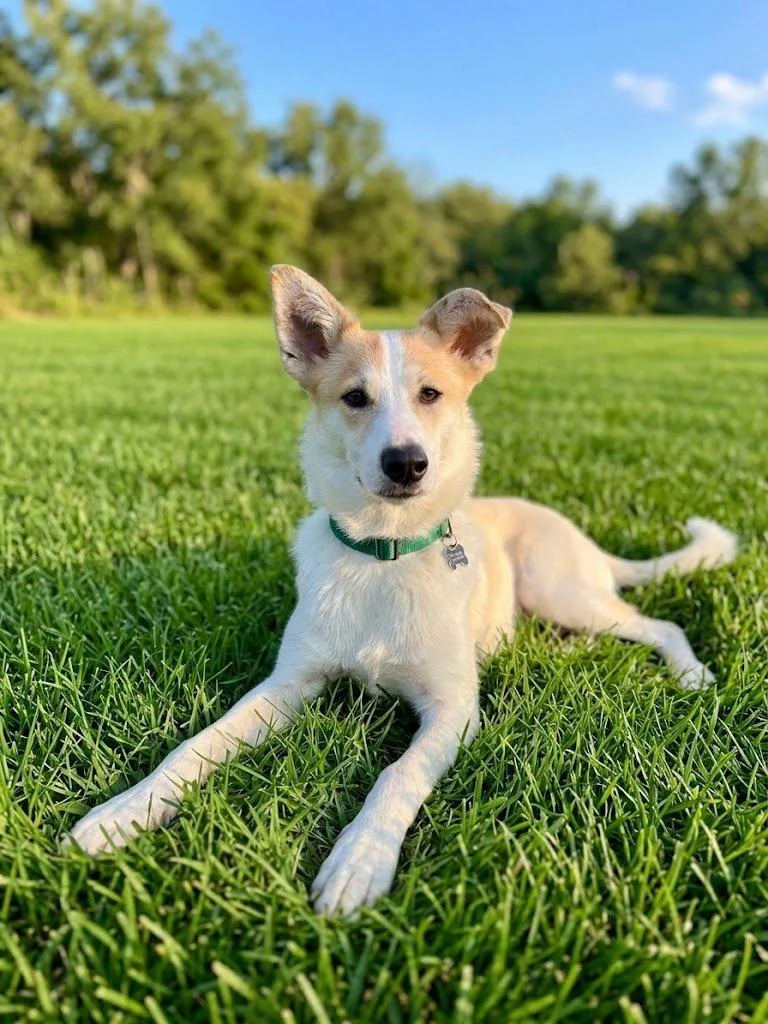
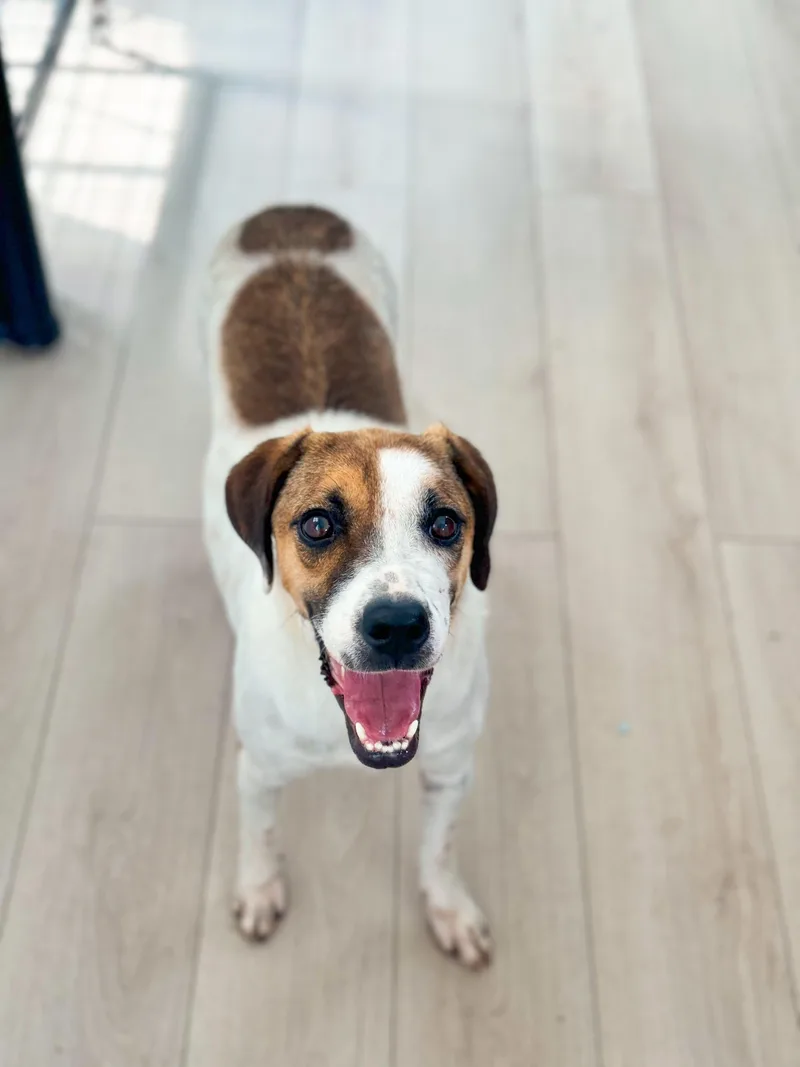
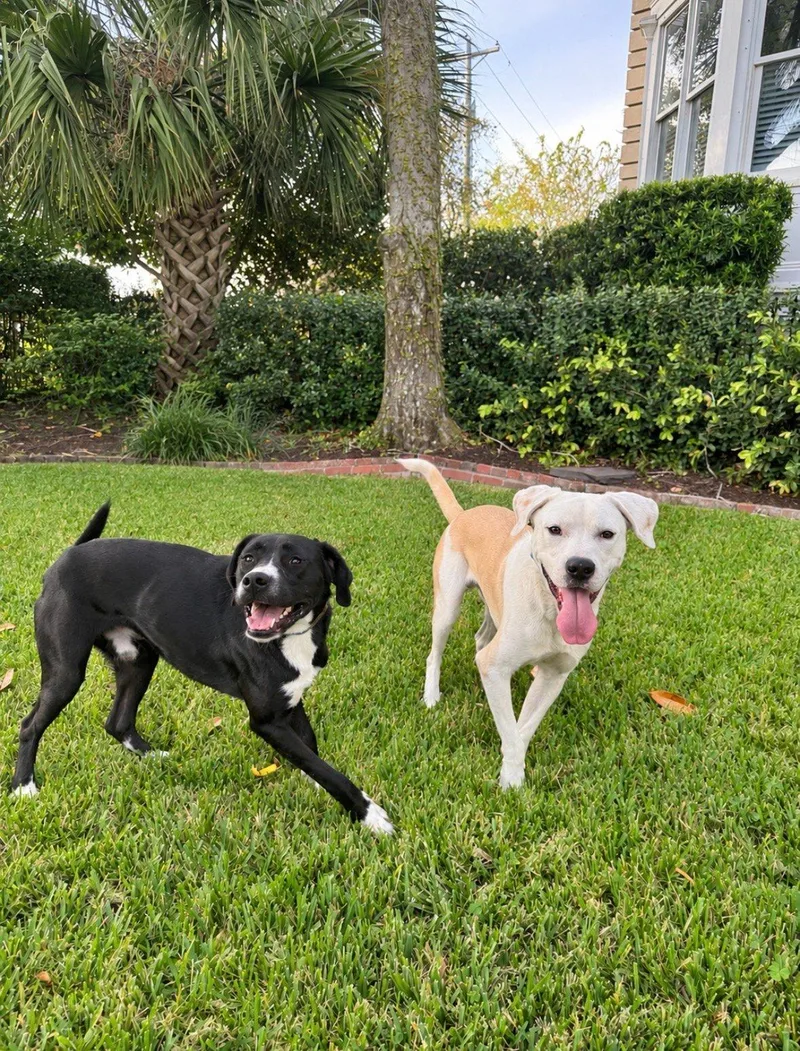
Black Mouth Cur Dogs for Adoption in Charleston, SC

Your guide to finding and caring for a Black Mouth Cur in Charleston

A Black Mouth Cur suits West Ashley's yards and trail miles better than a downtown condo. The West Ashley Greenway runs for miles alongside Savannah Highway, so leashed jogs and long walks are easy to fit in before work. Over on Johns Island, the off-leash area at Johns Island Park gives a cur room to stretch out. These dogs are loyal and watchful, and they do best with owners who enjoy training them calmly every day.

1412 Black Mouth Curs available in Charleston and nationwide

Find your forever Black Mouth Cur

While we don't have enough dogs near Charleston, keep in mind that many rescues may offer transport.

Black Mouth Curs Available for Adoption Near Charleston

About the Black Mouth Cur breed

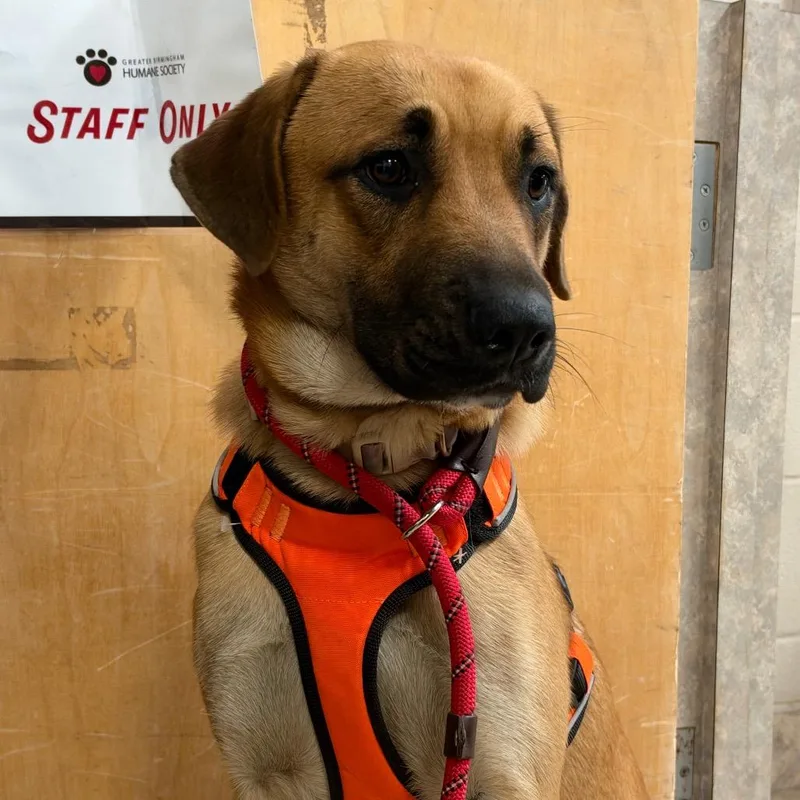
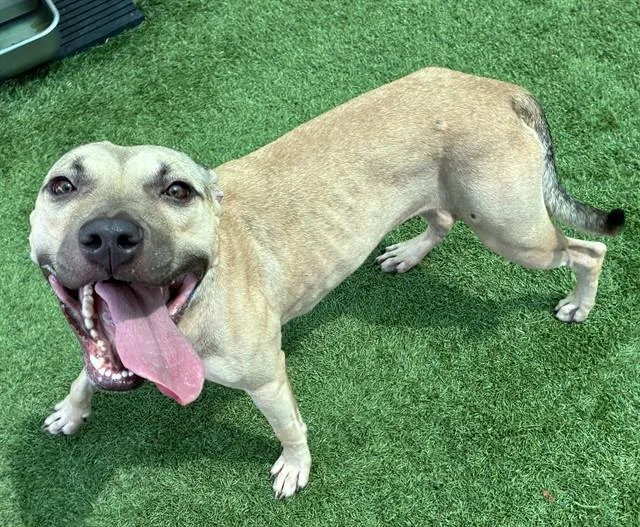
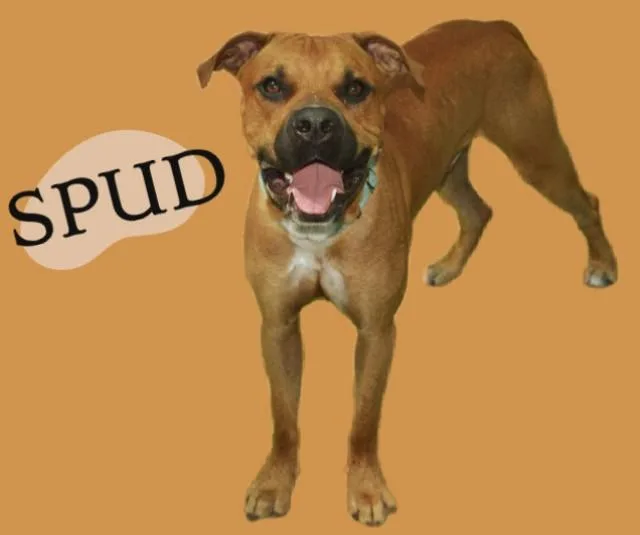
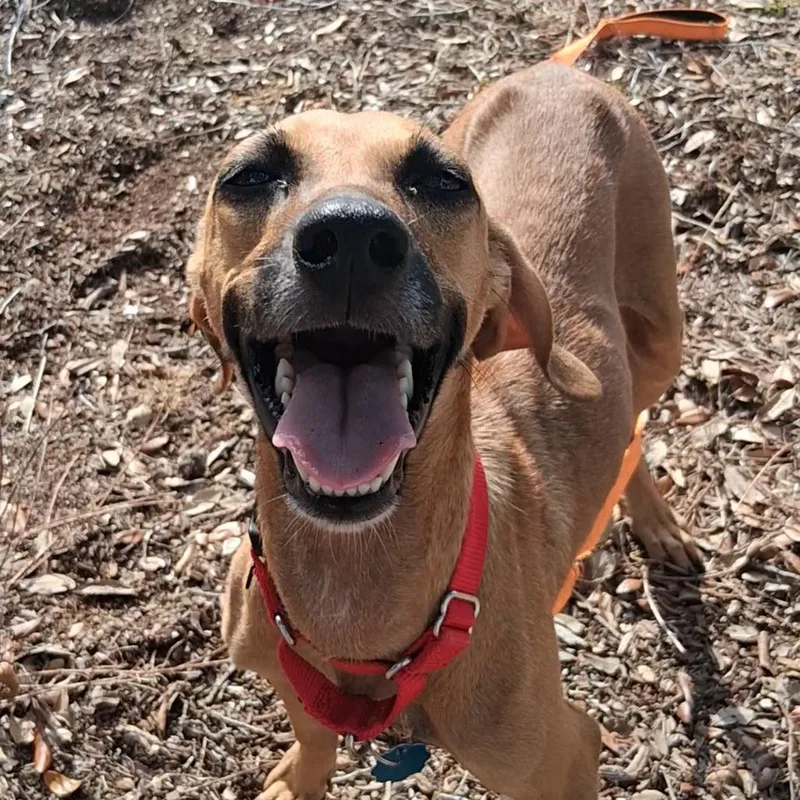
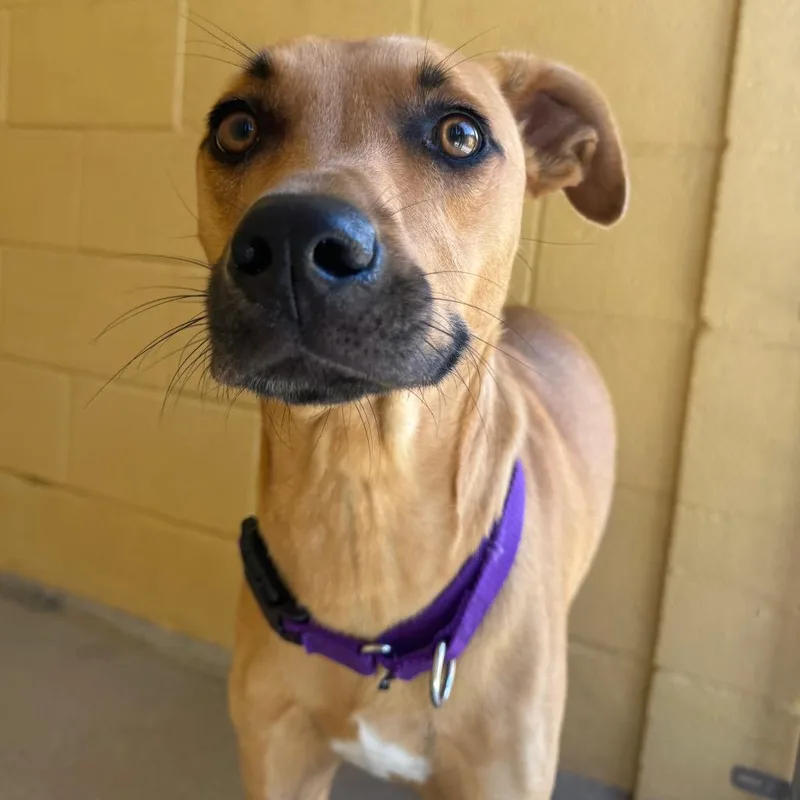
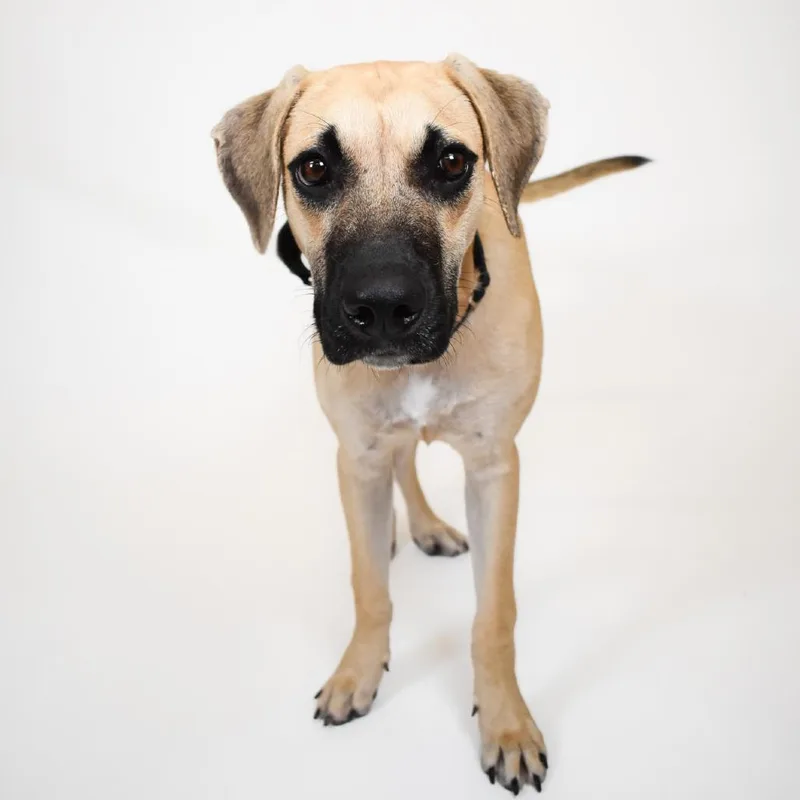
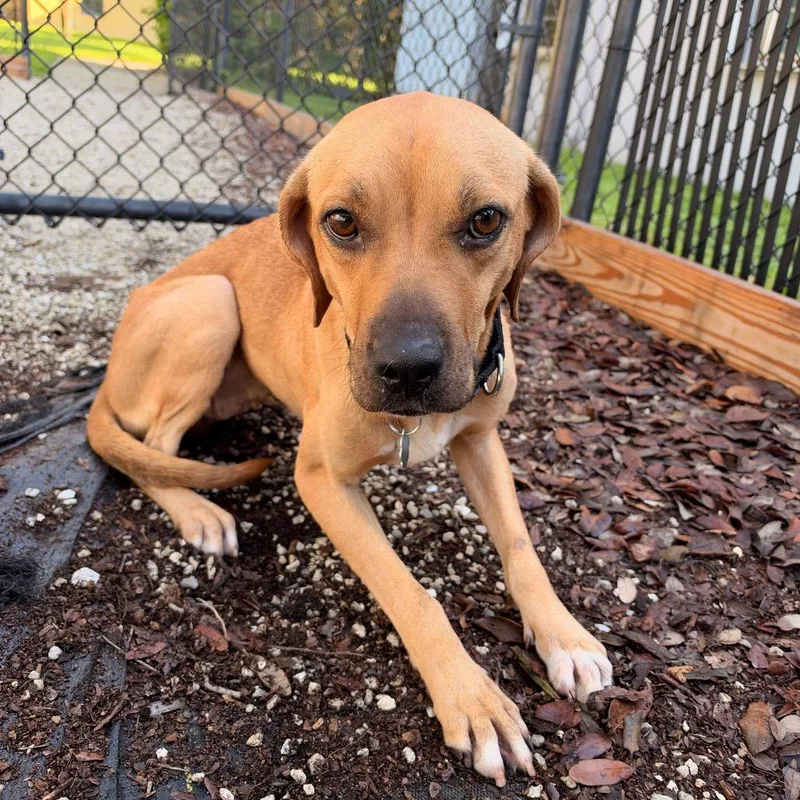
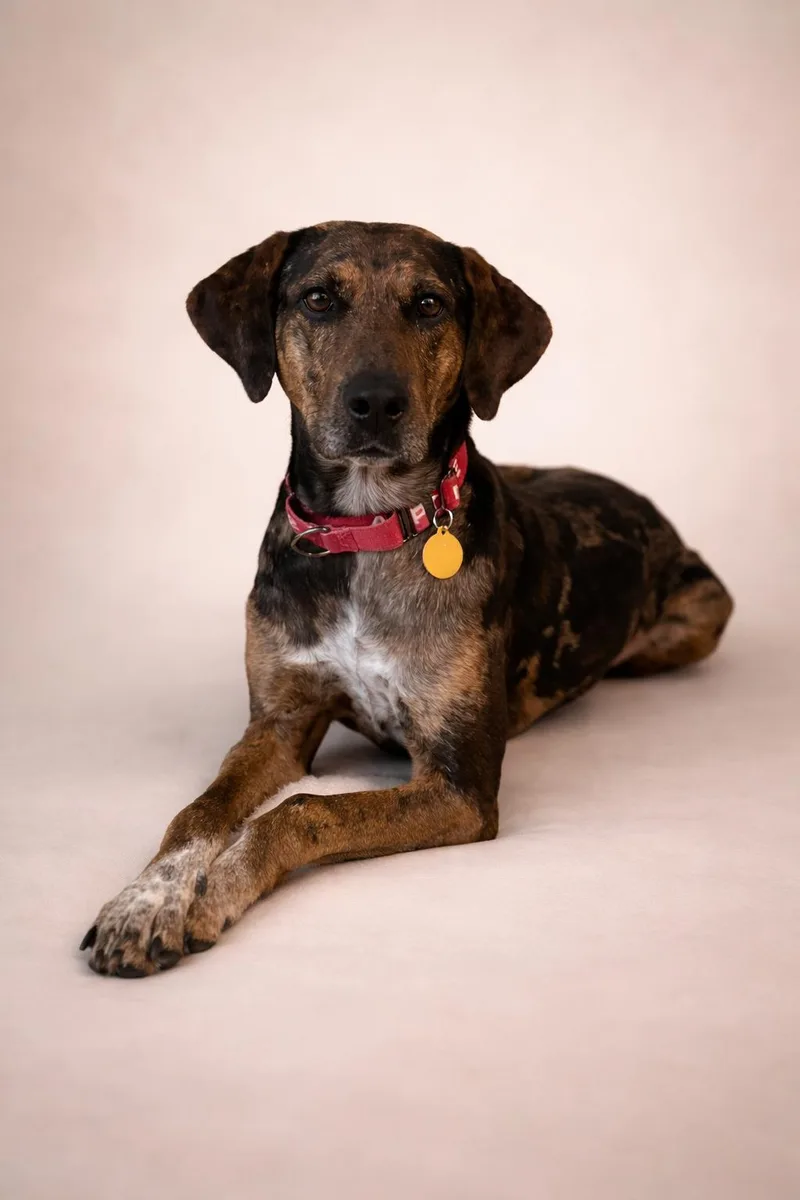
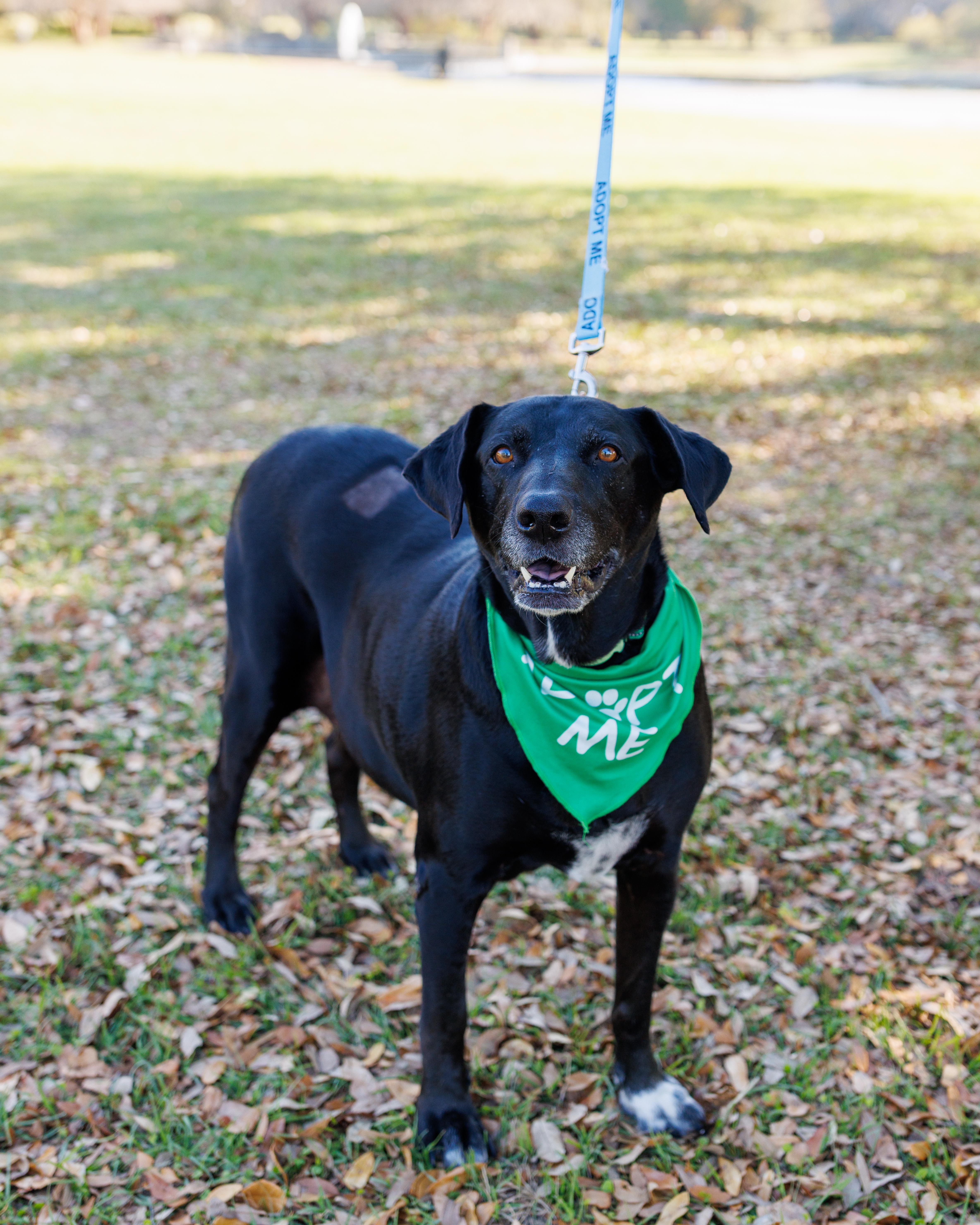
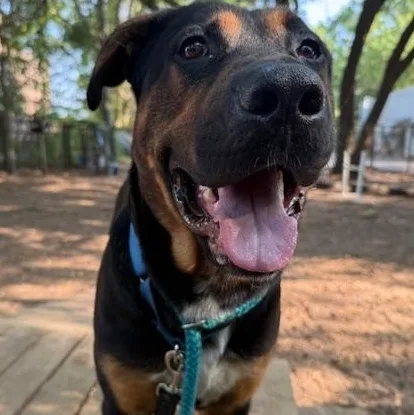
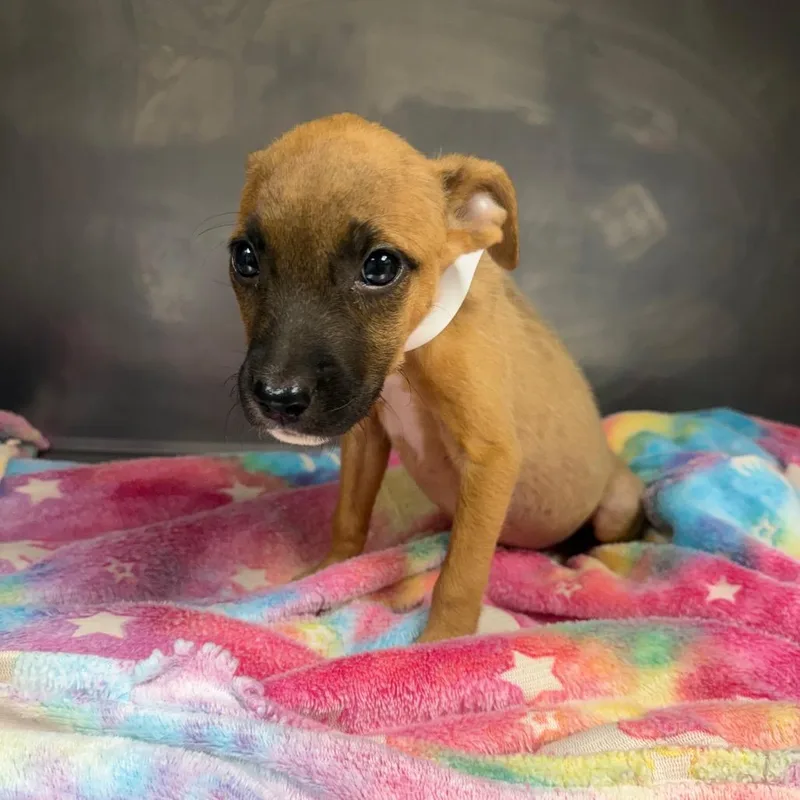
The Black Mouth Cur is a Southern working dog, developed to tree squirrels and raccoons, bay hogs, move cattle and guard the homestead. Its exact roots in Tennessee or Mississippi are debated. Most have a short yellow, red, fawn or brindle coat and the dark muzzle behind the name, and adults commonly weigh between 40 and 95 pounds.

Many curs are deeply loyal, protective and wary of strangers, and they're sensitive to harsh handling. Their stamina and prey drive suit active households with secure fencing and calm, consistent training. In Charleston, that often means a West Ashley or James Island home with a yard and regular trips to a dog park or trail. Black Mouth Curs and cur mixes are common in Southern shelters, though each dog's energy and temperament differ.

Weight
40–95 lbs
Height
16–25 in
Lifespan
12–15 yrs
Temperament
Loyal, Protective, Energetic, Intelligent
Group
Hound
Shedding
Moderate

Owning a Black Mouth Cur in Charleston

Having a Black Mouth Cur in Charleston

In Charleston, a Black Mouth Cur needs daily exercise, a secure yard and a warm-weather routine. Drive, stamina and sensitivity vary from dog to dog, so how a cur handles the heat, flooded sidewalks and busy neighborhoods matters as much as the breed label.

Temperament

Black Mouth Curs are often devoted to their families and watchful with strangers, which can make busy Charleston sidewalks and shared stairwells a lot to manage. Calm, reward-based training and early socialization help. Prey drive can be strong toward cats and small animals, and temperament varies widely from one dog to the next.

Exercise Needs

Plan on vigorous daily exercise: long walks, jogging, fetch or scent games. Charleston's fenced dog parks and unfenced off-leash areas give a cur room to run, while the West Ashley Greenway suits leashed miles. In summer, stick to cooler mornings and evenings. A bored cur may dig, chew or try to escape.

Health Considerations

Curs are generally hardy, though hip and elbow dysplasia, ear infections, skin allergies and injuries from active play are reported. Charleston's humidity can aggravate drop-ear infections and skin irritation, so dry the ears after swims and rinse paws after walking through floodwater. Ask a veterinarian about year-round heartworm, flea and tick prevention at the first exam.

Living Space

A house with a securely fenced yard suits a Black Mouth Cur best, and West Ashley, James Island and Johns Island have plenty of them. Apartments can work for a calm, well-exercised dog, but a protective, high-drive cur may struggle with hallway noise. Downtown condos and shared buildings are usually the harder fit.

What it costs to own a Black Mouth Cur in Charleston

ExpenseTypical costPer year
Food$55 to $110 per month$660 to $1,320
Pet insurance$55 to $110 per month$660 to $1,320
Routine vet care$250 to $500 per year$250 to $500
Other*$490 to $1,290 per year$490 to $1,290
Estimated yearly total (after year one)$2,060 to $4,430

Other costs are estimates and vary with size, age and health.

* Flea, tick and heartworm prevention, a dental cleaning allowance, the city dog license, durable toys and bedding, and occasional brushing and baths for the short coat.

Adopt a Black Mouth Cur in Charleston.

Now that you know more, let’s find you a new best friend. These rescues and shelters below have dogs available in and near Charleston.

Rescues and Shelters in or near Charleston

Charleston's shelters and rescues see many cur types and mixes, and the groups below list adoptable dogs. Here are the rescues & shelters in the Charleston area with dogs available for adoption, worth asking whether a Black Mouth Cur is coming in.

Frequently Asked Questions

Yes, you can own a Black Mouth Cur in Charleston. No breed-specific rule is known, and South Carolina law says a dog isn't dangerous solely because of its breed. You'll need a rabies tag, a city license, and a microchip or ID collar, and leashes can't exceed 16 feet outside off-leash areas. Pick up waste, and note that leases may set their own limits.

Fenced dog parks like Ackerman Park in West Ashley, Governor's Park on Daniel Island and Grove Street beside Hampton Park work well, as do off-leash areas such as Brittlebank Park and Johns Island Park. For leashed miles, try the West Ashley Greenway or Hampton Park's one-mile loop. James Island County Park adds a swimming lake. Keep dogs away from pond and marsh edges.

Yes, with care. A short-coated Black Mouth Cur can manage Charleston summers if hard exercise is limited to early morning or late evening, since downtown nights stay near 76°F. Bring water, avoid hot pavement and rest in air conditioning. Humidity makes heat stress easier, so watch for heavy panting or drooling. Inland areas like West Ashley may run hotter.

It's possible, but a house with a fenced yard is usually easier. A Black Mouth Cur can do well in a Charleston apartment if it's calm and gets vigorous daily exercise, yet a high-drive dog may struggle. Protective curs can react to hallway noise and neighbors. Look for a ground-floor unit near a park or the Greenway, and confirm the lease's size and breed rules.

Don't assume so. CARTA runs the city's buses, including the free DASH shuttle downtown, and service animals are always accommodated. Rules for pet dogs aren't clear, so check CARTA's current pet policy before boarding. Charleston has no subway or rail. A large, protective cur may also find a crowded bus stressful, so walks and car rides are often easier.

Only to patios, and only if the restaurant allows it. South Carolina lets restaurants permit dogs in outdoor table-service areas, but each restaurant decides, and dogs can't enter the building or sit on seats or tables. A protective cur needs a calm, leashed spot away from foot traffic. Service animals are exempt from these limits.

Not much. The short coat needs a weekly brushing to manage year-round shedding, plus a bath when it gets muddy, which is easy around Charleston's marshy, flood-prone spots. Rinse paws after floodwater and dry the drop ears to help prevent infections. Most owners handle this at home, so it stays a small part of the yearly Other costs.

It can be, for active people with a secure yard and time to train. Charleston's trails, off-leash areas and mild winters suit an energetic cur, but long, humid summers, tidal flooding and hurricane season take planning. Curs are loyal and watchful and may be wary of strangers, so busy downtown streets can be a challenge for some.

A Black Mouth Cur is an American working dog developed in the South for hunting, herding and guarding. It is a muscular, medium-to-large dog with a short coat, usually yellow, red, fawn or brindle, and often a black muzzle. Many are loyal, protective and energetic. The United Kennel Club recognizes the breed, while the AKC does not.

Expect roughly $2,060 to $4,430 a year for a Black Mouth Cur in Charleston. That covers food at $55 to $110 a month, pet insurance at $55 to $110 a month, routine vet care at $250 to $500 a year, and other costs such as parasite prevention, dental care and the city license at $490 to $1,290 a year.

Find Black Mouth Curs in Nearby Cities

Expand your search to find Black Mouth Curs available for adoption near Charleston.