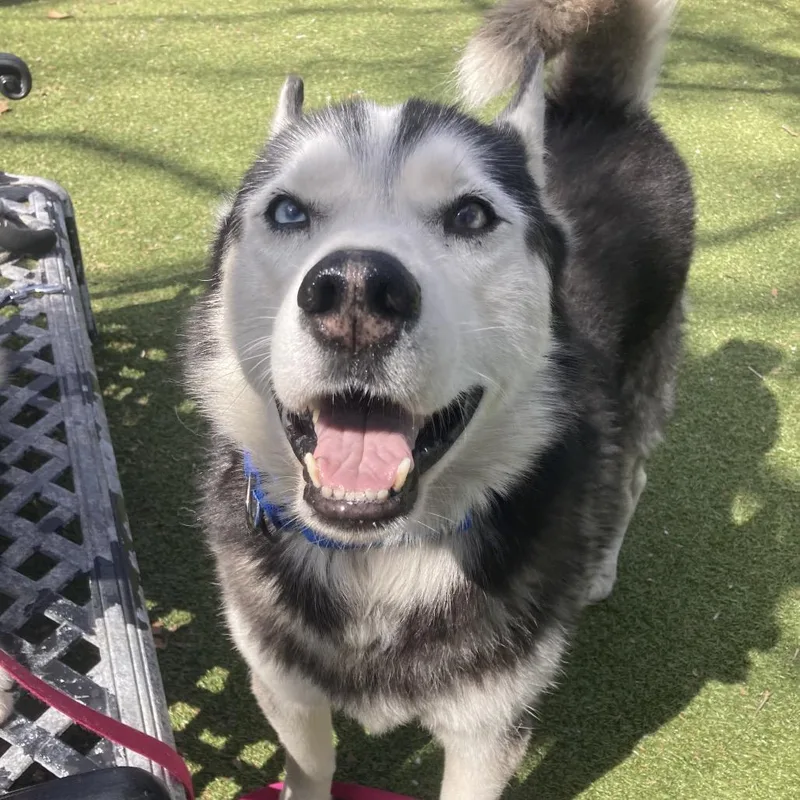
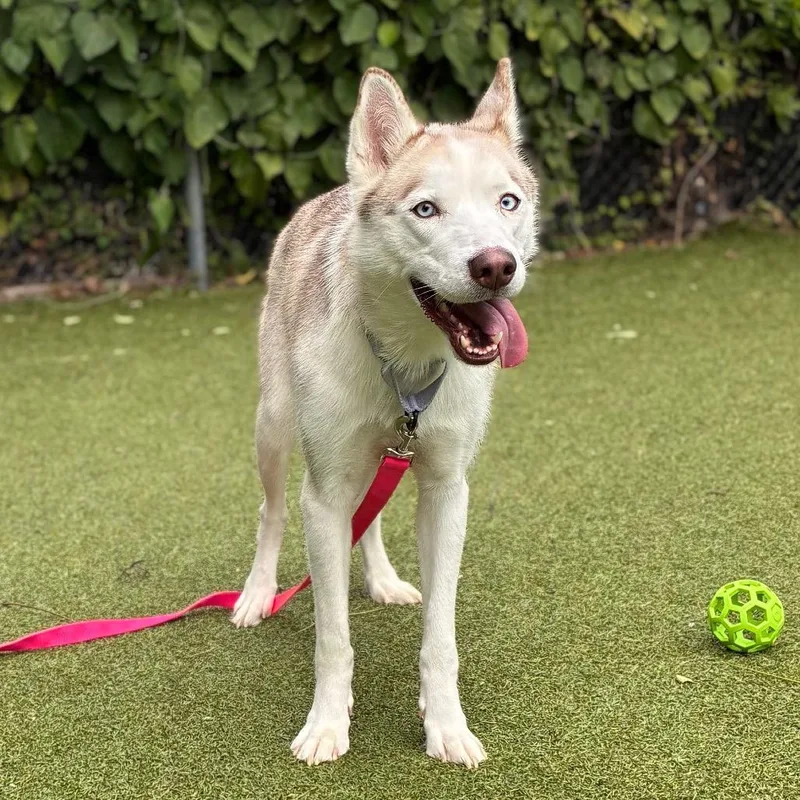
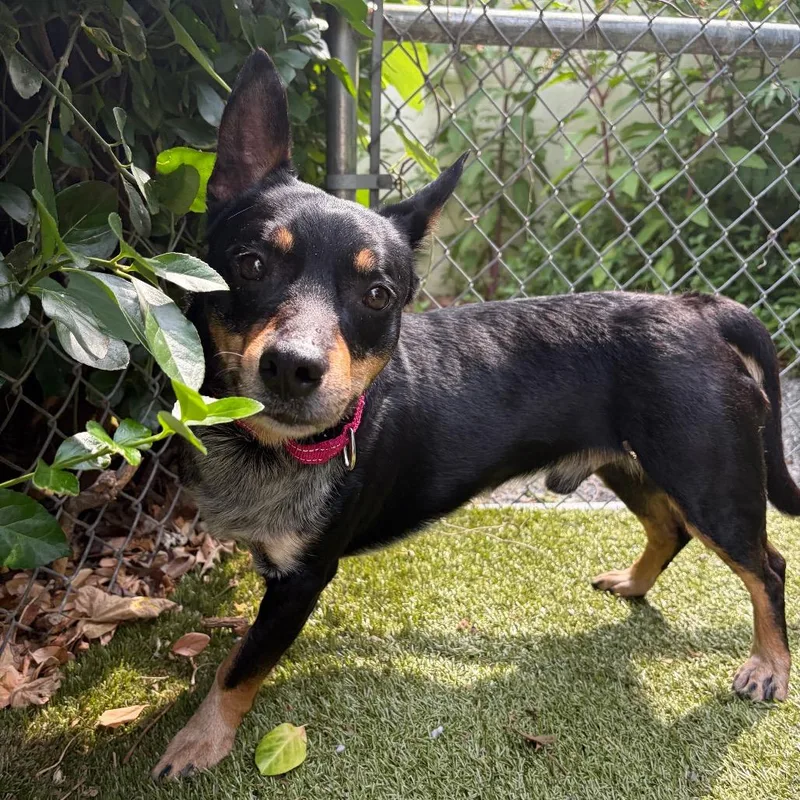
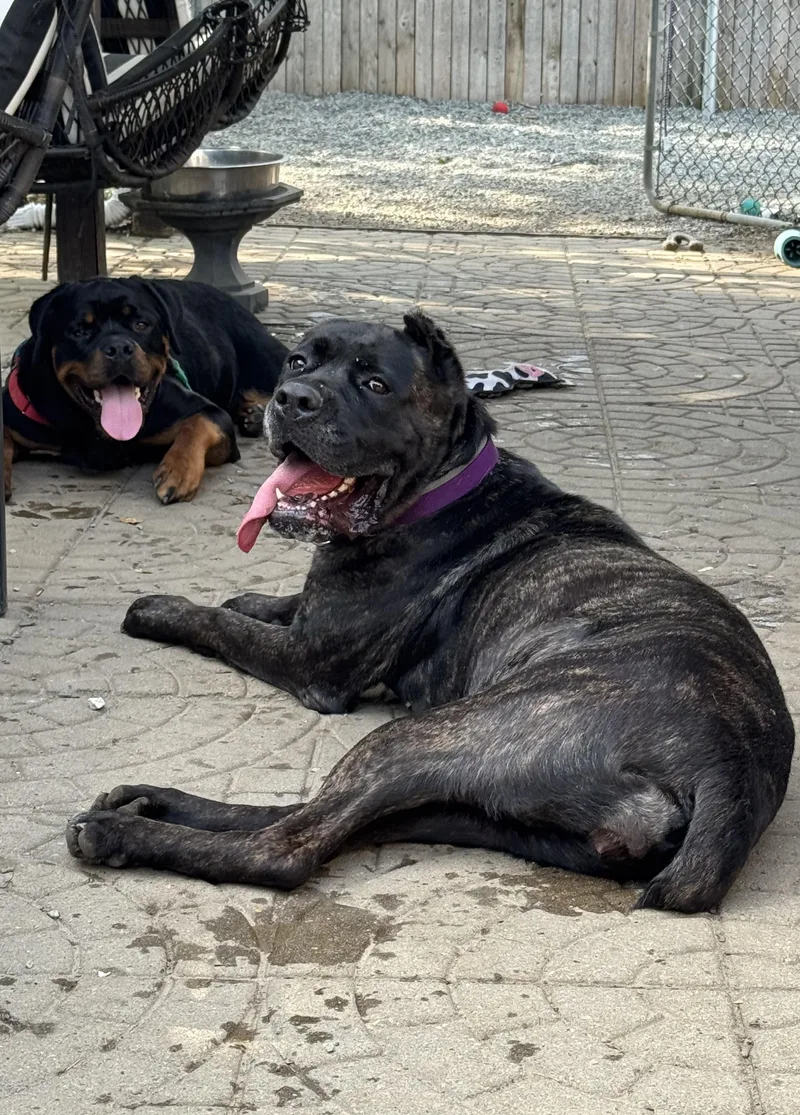
German Pinscher Dogs for Adoption in Providence, RI

Your guide to finding and caring for a German Pinscher in Providence

German Pinschers suit Providence best when their people can give them a real daily routine. A brisk loop along Pleasant Valley Parkway or through Mount Pleasant's tree-lined streets burns off the energy these quick-witted dogs carry. Their short coats and moderate size fit a West End triple-decker as easily as a Charles two-family home, though a fence needs to be tall. They're alert and devoted, so expect a dog that wants to be where you are.

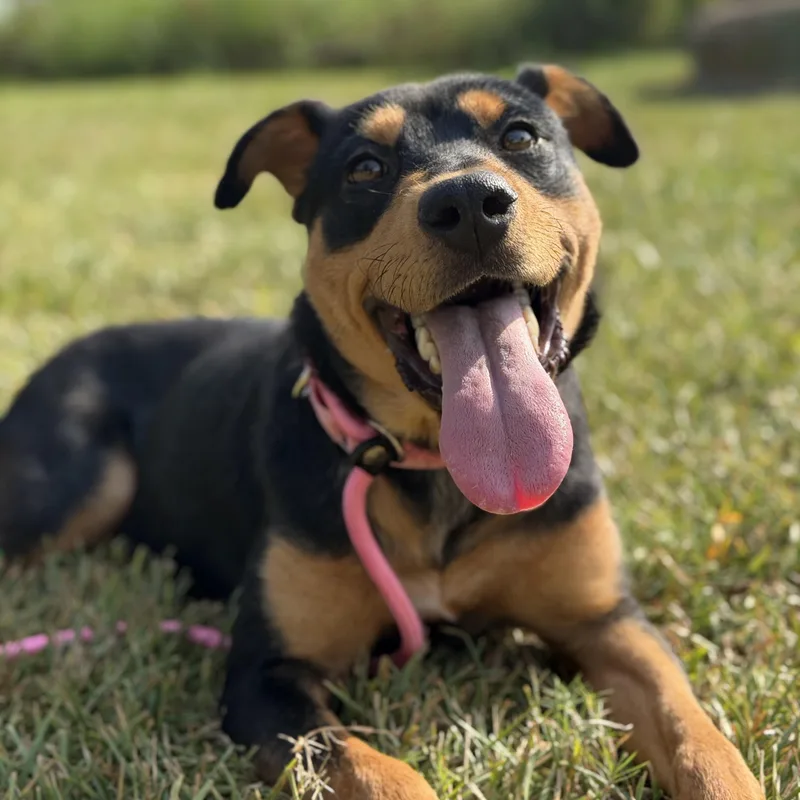
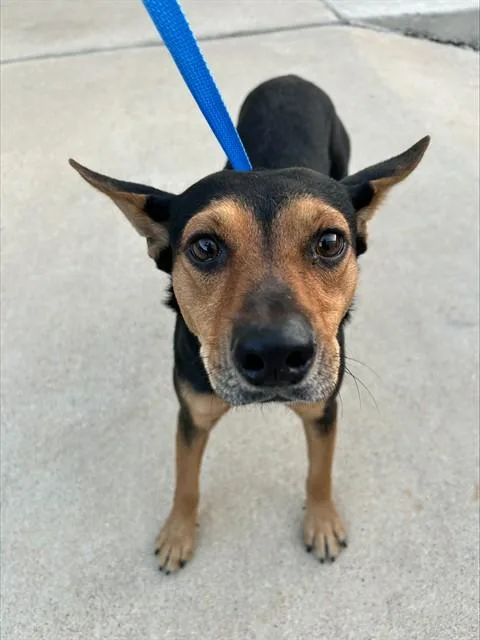
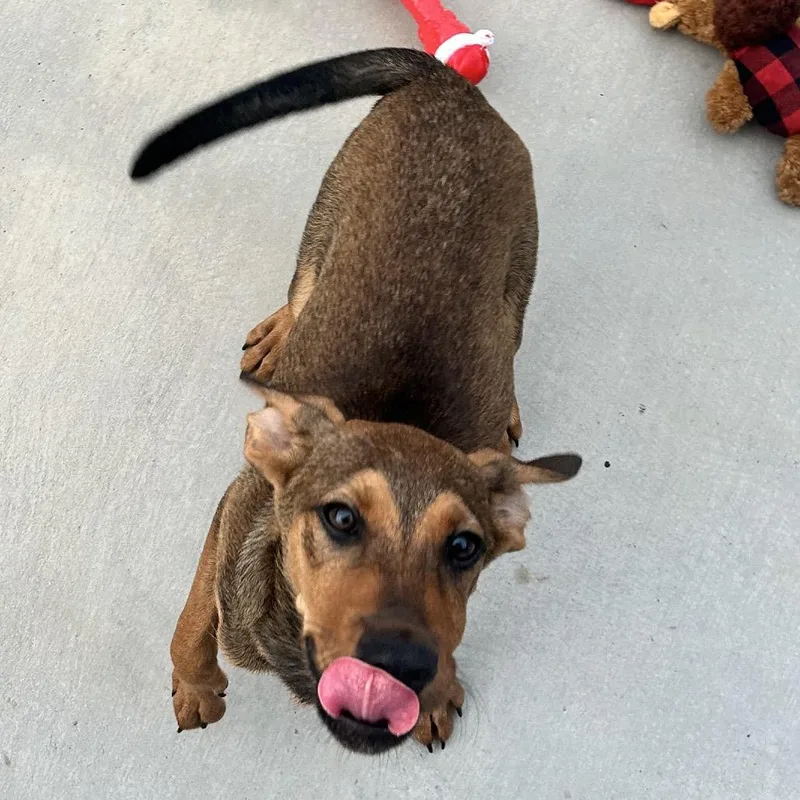
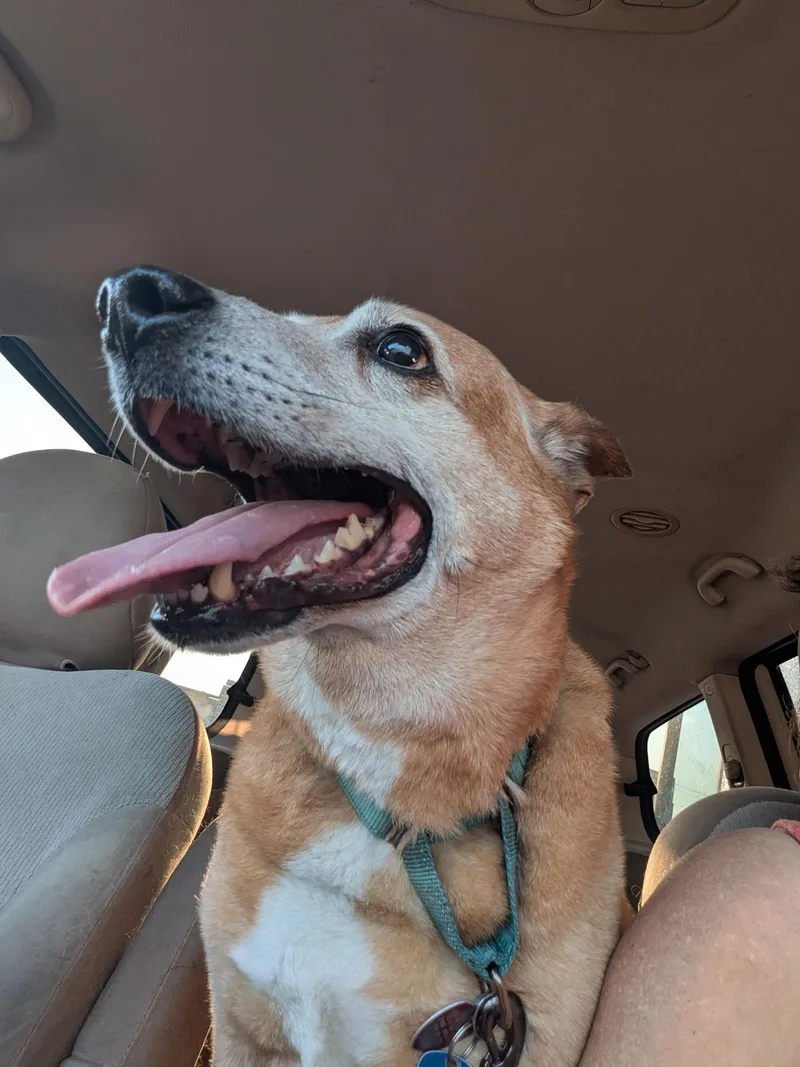
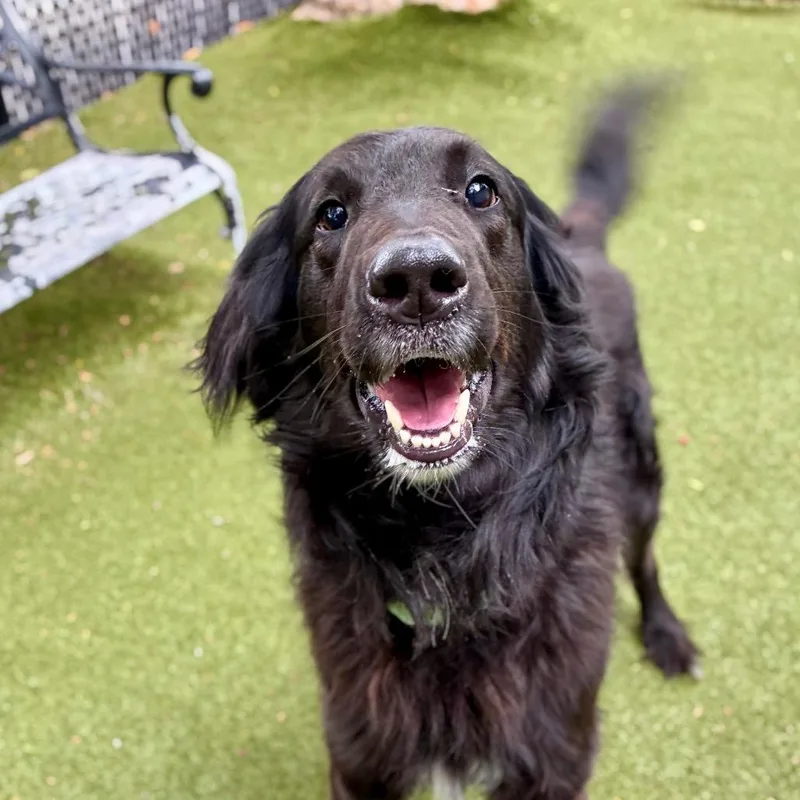
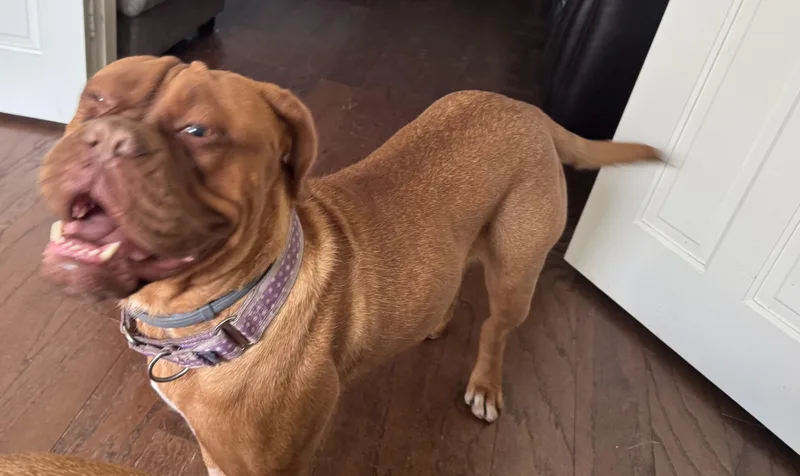
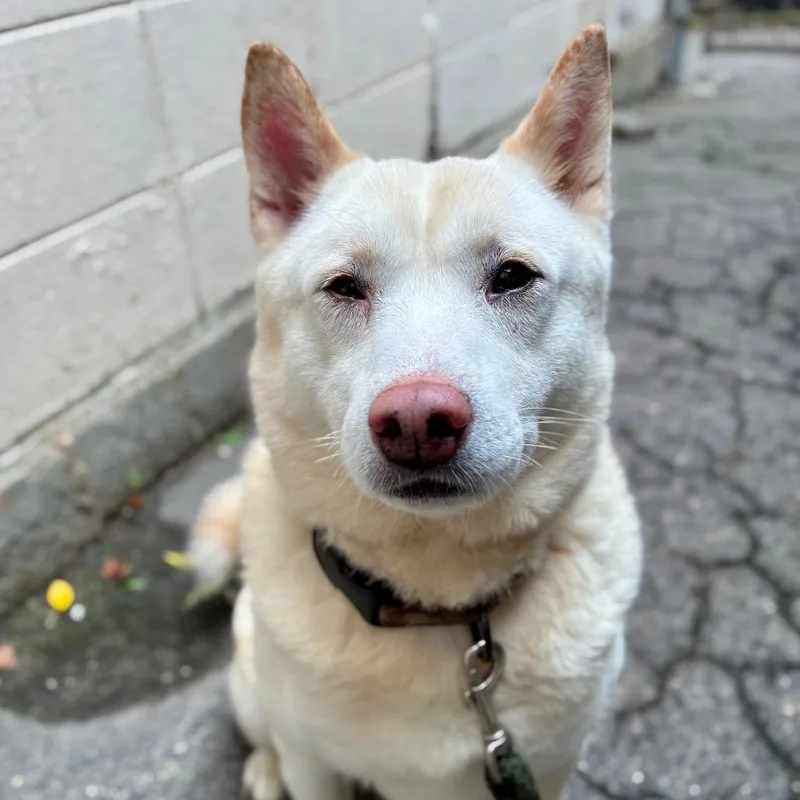
68 German Pinschers available in Providence and nationwide

Give a German Pinscher a home

While we don't have enough dogs near Providence, keep in mind that many rescues may offer transport.

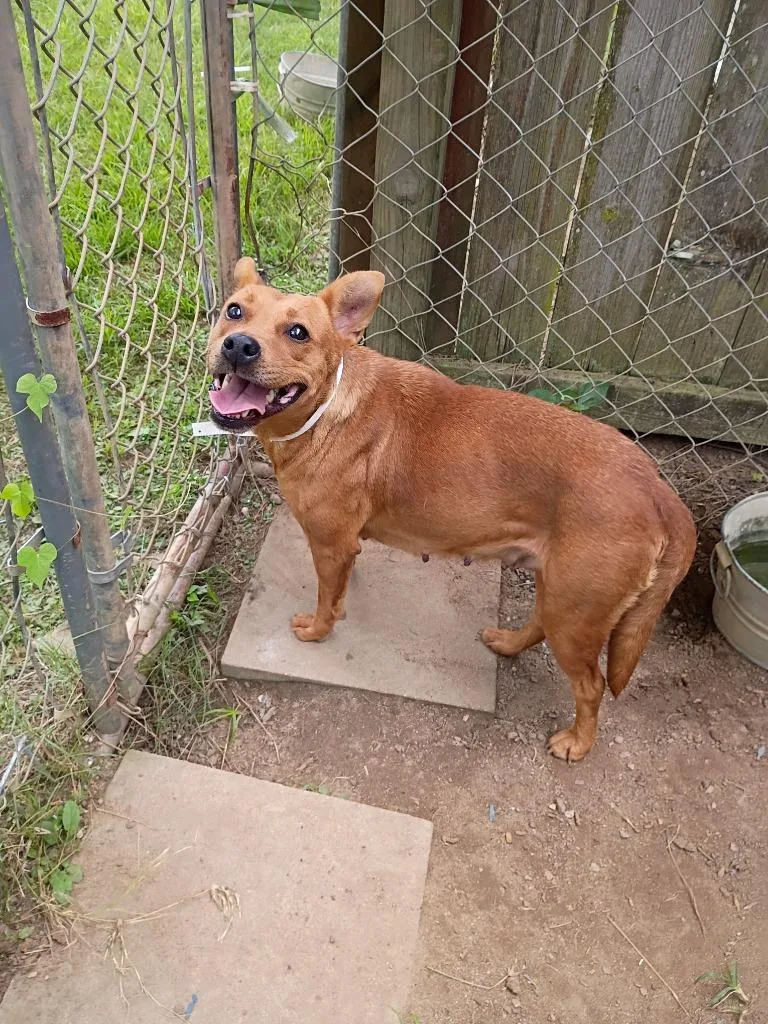
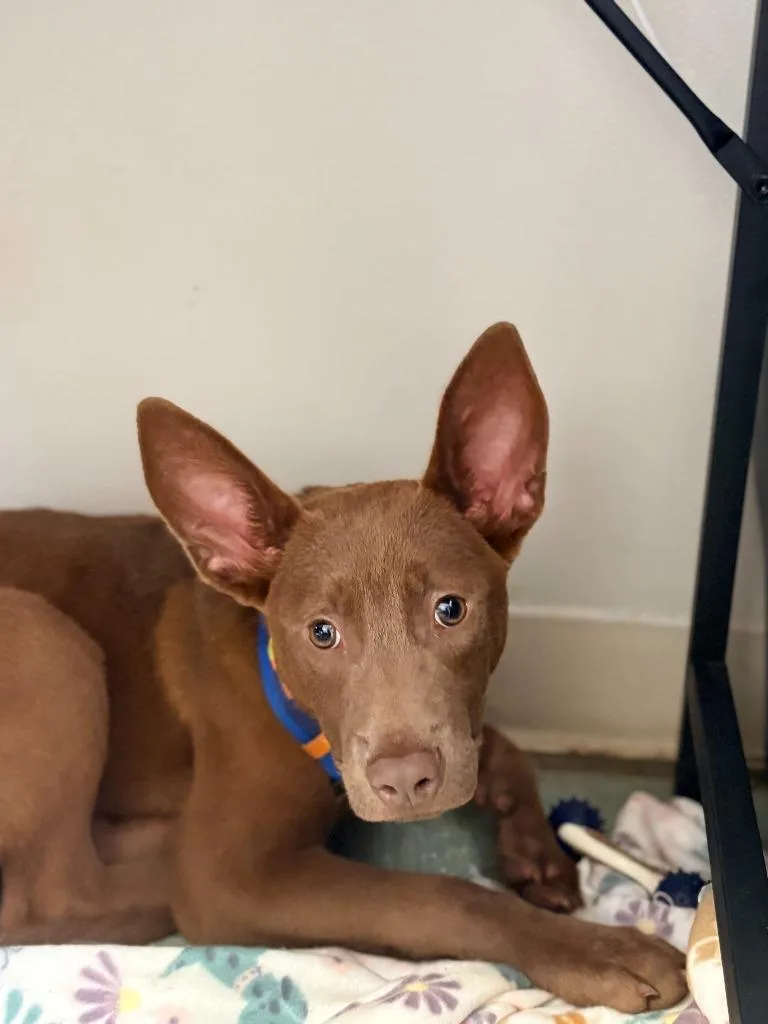
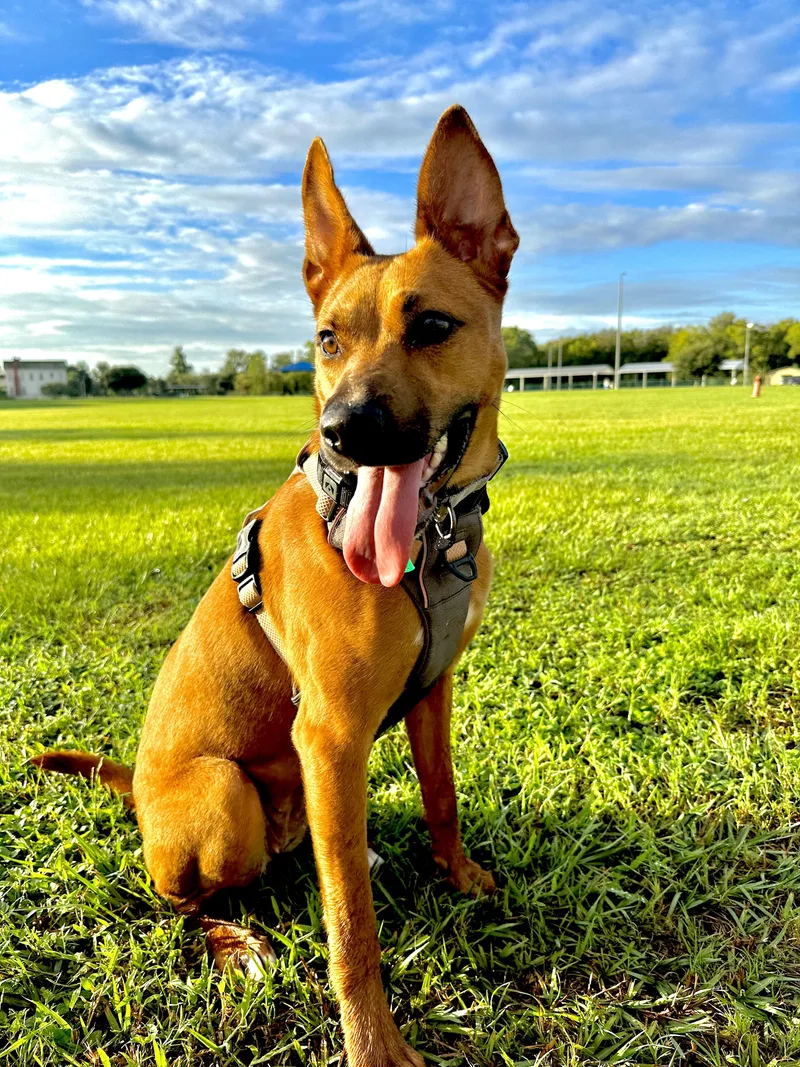
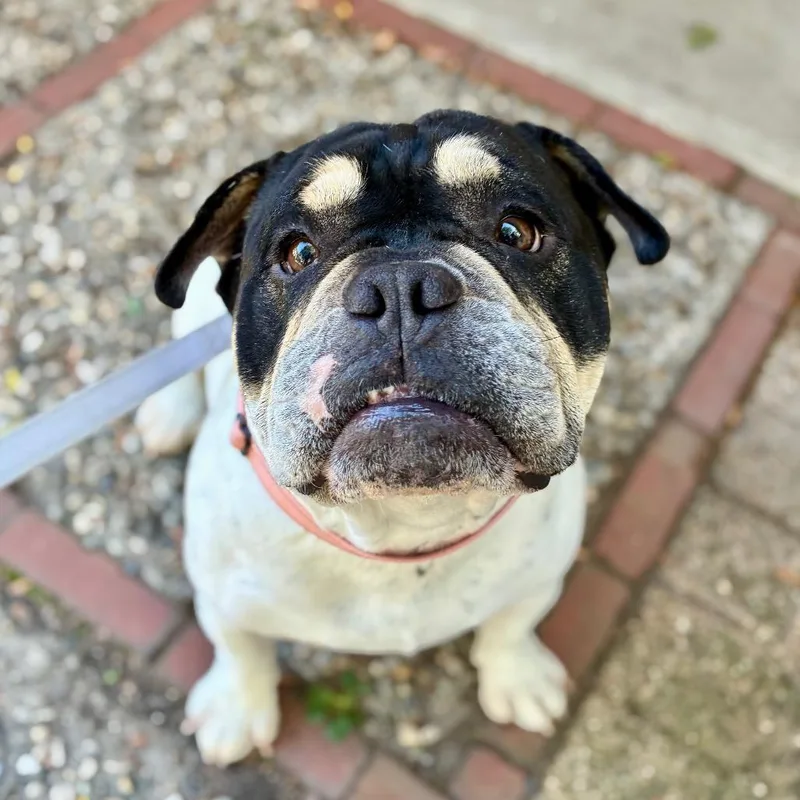
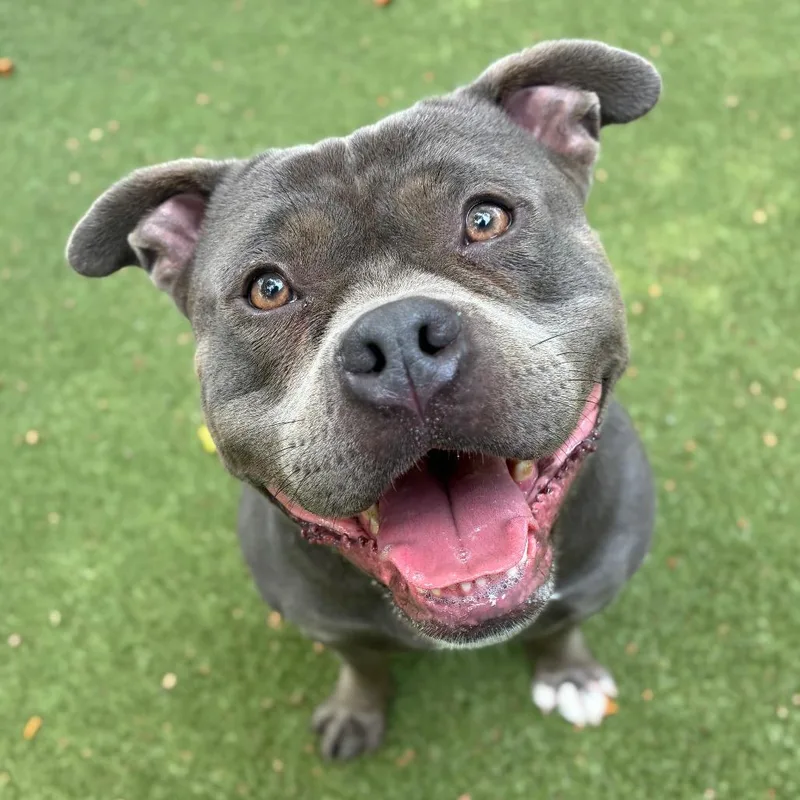
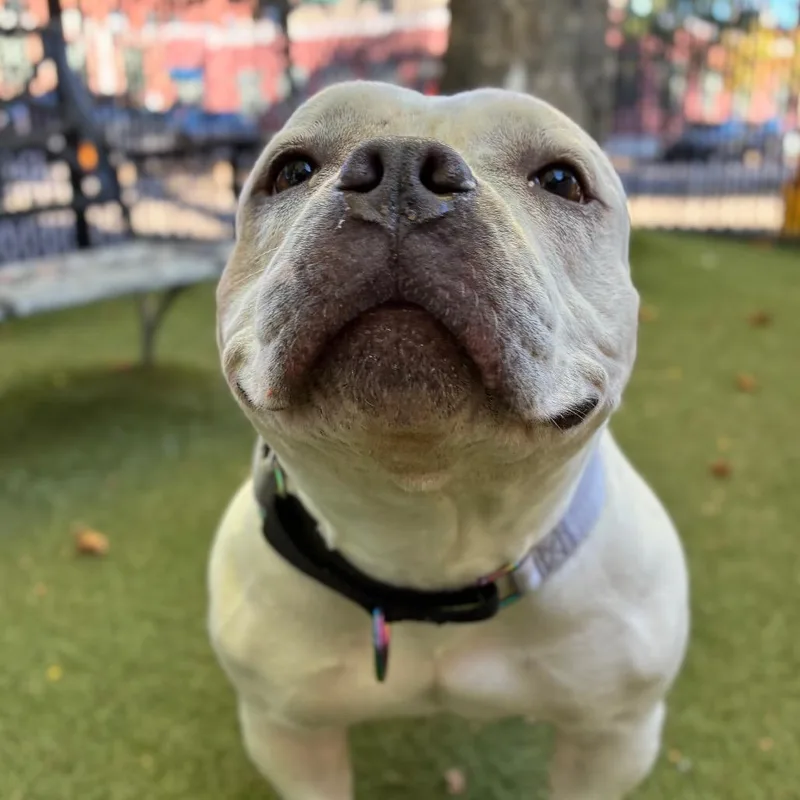
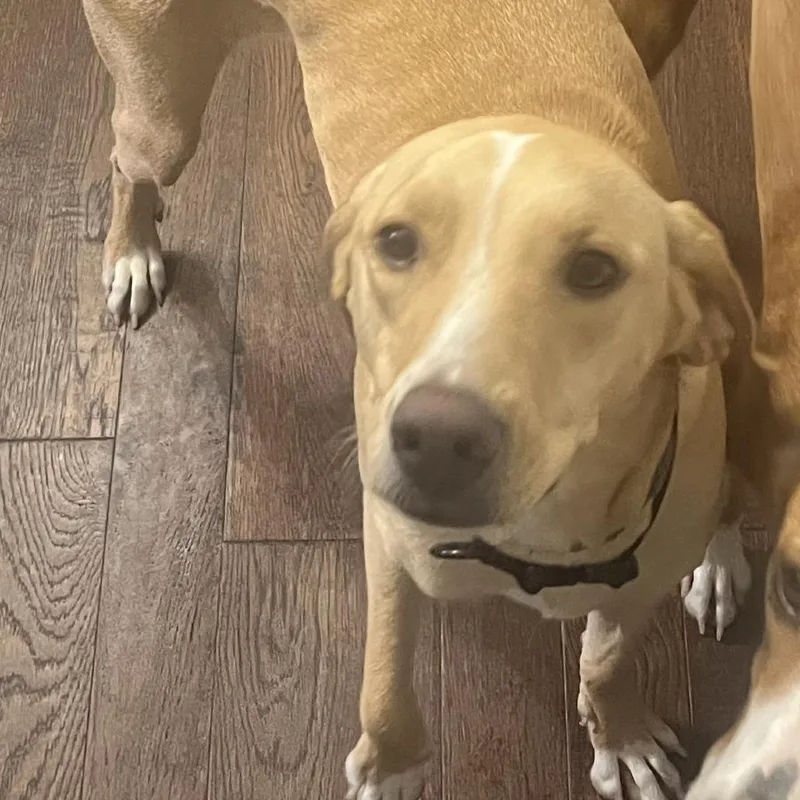
German Pinschers Available for Adoption Near Providence

About the German Pinscher breed

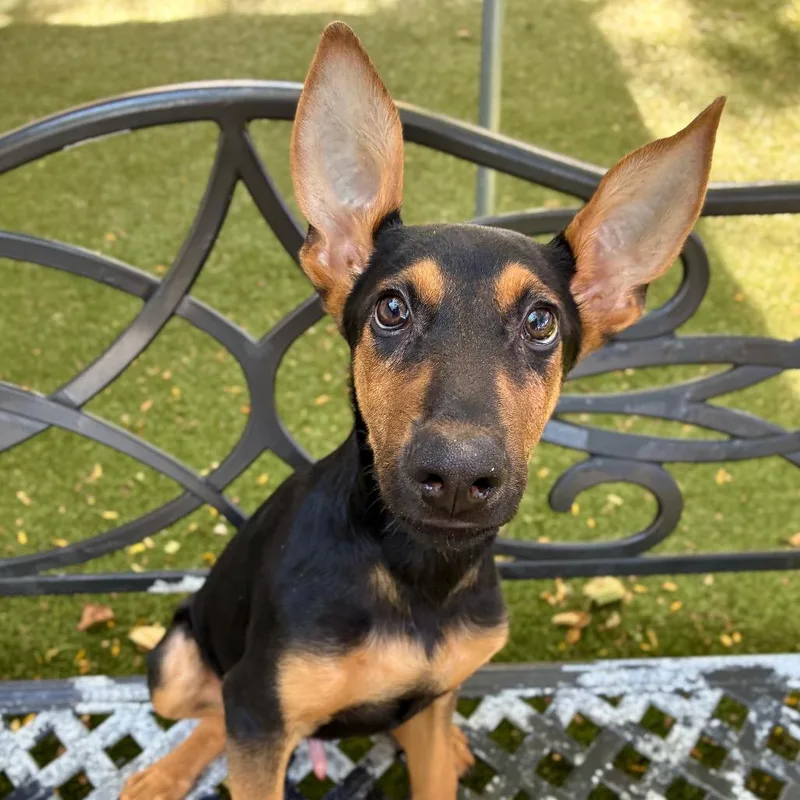
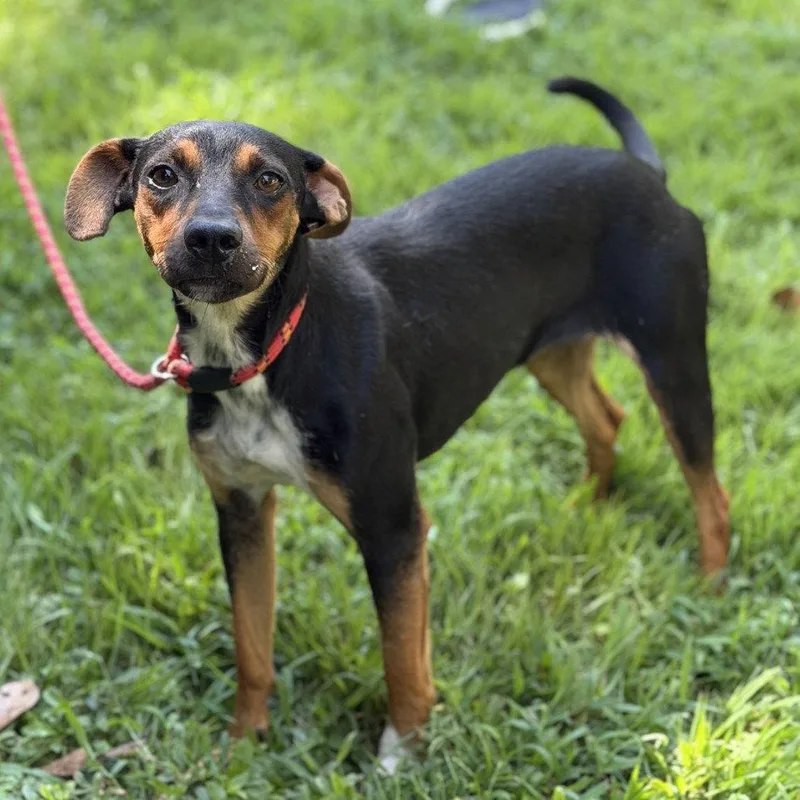
The German Pinscher is a sleek, square, medium-sized German farm dog, once kept to catch rats in stables and guard carriages. It's the smooth-coated cousin of the Standard Schnauzer and helped give rise to the Doberman and Miniature Pinscher. The breed nearly vanished after World War II and is still uncommon, with a short, glossy coat in red or black and rust.

Most are alert, fearless and quick-witted, affectionate with their own people and watchful with strangers, and many have a strong prey drive. That matters on Providence sidewalks, where leashes are required and squirrels are everywhere, so a secure harness and steady recall work are worth the effort. Like any breed, each dog varies, and some are far mellower than the description suggests.

Weight
25–45 lbs
Height
17–20 in
Lifespan
12–14 yrs
Temperament
Alert, Energetic, Intelligent, Protective
Group
Working
Shedding
Low to Moderate

Owning a German Pinscher in Providence

Having a German Pinscher in Providence

Quick reactions, a watchdog's vigilance and an easy wash-and-wear coat define this breed. Its energy, independence and prey drive shape the training, exercise and routine that help a German Pinscher settle into Providence life.

Temperament

German Pinschers are typically confident and closely bonded to their families, but wary of strangers until introduced. On busy Providence sidewalks, early socialization and calm, consistent training keep that watchfulness from turning into reactivity. Some are pushy with other dogs, and most chase small animals, though each dog's personality varies.

Exercise Needs

Plan on a brisk daily walk plus time to run and think: fetch, flirt-pole games, scent work or training sessions. In Providence, Franciscan Park and Waterman Street Dog Park offer off-leash play, while leashed walks cover the rest. Prey drive can override recall, so keep a leash on outside the dog parks.

Health Considerations

Hip dysplasia, cataracts and von Willebrand's disease, an inherited bleeding disorder, are documented in the breed, so a veterinarian can check hips and eyes and should know a dog's clotting status before surgery. Rabies has turned up in raccoons on Providence's East Side, one more reason to keep rabies shots current.

Living Space

A German Pinscher can live in a Providence apartment or house when it gets daily exercise and company. Walk-up triple-deckers work well if the routine includes plenty of outings, but this agile breed can clear low fences, so yards need tall, secure ones. The short coat means it lives indoors with the family.

What it costs to own a German Pinscher in Providence

ExpenseTypical costPer year
Food$35 to $70 per month$420 to $840
Pet insurance$45 to $85 per month$540 to $1,020
Routine vet care$225 to $450 per year$225 to $450
Other*$435 to $1,160 per year$435 to $1,160
Estimated yearly total (after year one)$1,620 to $3,470

Other costs are estimates and vary with size, age and health.

* The $10 Providence dog license, flea, tick and heartworm prevention, a dental cleaning allowance, toys and bedding, and occasional baths and brushing.

Adopt a German Pinscher in Providence.

Now that you know more, let’s find you a new best friend. These rescues and shelters below have dogs available in and near Providence.

Rescues and Shelters in or near Providence

Providence's city shelter and the Providence Animal Rescue League both match dogs with adopters, and availability changes often. Here are the rescues & shelters in the Providence area with dogs available for adoption, worth asking whether a German Pinscher is coming in.

Frequently Asked Questions

Yes, you can own a German Pinscher in Providence. Rhode Island law bars cities from passing rules aimed at a specific breed, so the same rules apply to every dog: a yearly license with current rabies shots, a leash on sidewalks and streets, waste pickup, and spay or neuter at six months unless a veterinarian exempts the dog.

A German Pinscher fits Providence well if you can offer daily exercise and company. Walkable neighborhoods make routines easy, and the dog's alertness suits a busy block. Long workdays alone are harder, since bored dogs get noisy or destructive, and city rules say a dog can't bark in ways that disturb neighbors. A tired dog is usually a quiet one.

Yes, a German Pinscher can live in a Providence apartment if its exercise needs are met. Expect several walks a day plus indoor play or puzzle games. Because the breed is a natural watchdog, teach a quiet cue early, since ongoing barking can draw complaints under city rules. Get your landlord's pet permission in writing before adopting.

Yes, with a plan. Providence winters are cold and snowy, and a German Pinscher's short coat gives little protection, so choose a fitted coat, shorten walks on the coldest days, and wipe salt from paws. Snowbanks can narrow sidewalks for days after a storm, so keep indoor games like flirt-pole and scent work ready for burning energy.

Start with the off-leash options: Franciscan Park, whose loop paths and shade trees suit a good run, and Waterman Street Dog Park, with its wooded trails. For longer leashed outings, the Woonasquatucket River Greenway runs about five miles through Olneyville and Valley. Because prey drive can override recall, save off-leash time for the dog parks.

Mostly no. RIPTA buses allow pets only inside a cage or case that fits on your lap, and most German Pinschers, at 25 to 45 pounds, are too large for that. Service animals are welcome and must be harnessed or leashed. Plan on walking or driving for vet visits and outings.

Sometimes, on patios only. Rhode Island law lets a restaurant allow leashed dogs on its patio, but it's the owner's choice, and dogs can't walk through indoor space to get there. Keep your German Pinscher leashed at your table and never leave the dog unattended. Watchful dogs usually do best at a quiet corner table.

Very little. The short, smooth coat needs a weekly brushing, a little more during seasonal shedding, plus an occasional bath, nail trims and teeth care. Providence's cold winters and heated indoor air can leave skin flaky, so bathe sparingly then. Home grooming keeps costs low, well within the small baths-and-brushing allowance in the Other costs.

Yes, German Pinschers shed, but only lightly to moderately. Their short, smooth coat drops small hairs year-round, with slightly more during seasonal changes. Weekly brushing with a rubber curry or grooming mitt removes most loose hair and keeps the coat shiny. Compared with double-coated breeds, cleanup is easy, though short hairs can still cling to fabric.

Plan on about $35–$70 a month for food, $45–$85 for optional pet insurance, $225–$450 a year for routine vet care, and $435–$1,160 a year for other costs like prevention, dental care and the license. Together that's roughly $1,600–$3,500 a year, before emergencies or any adoption fee.