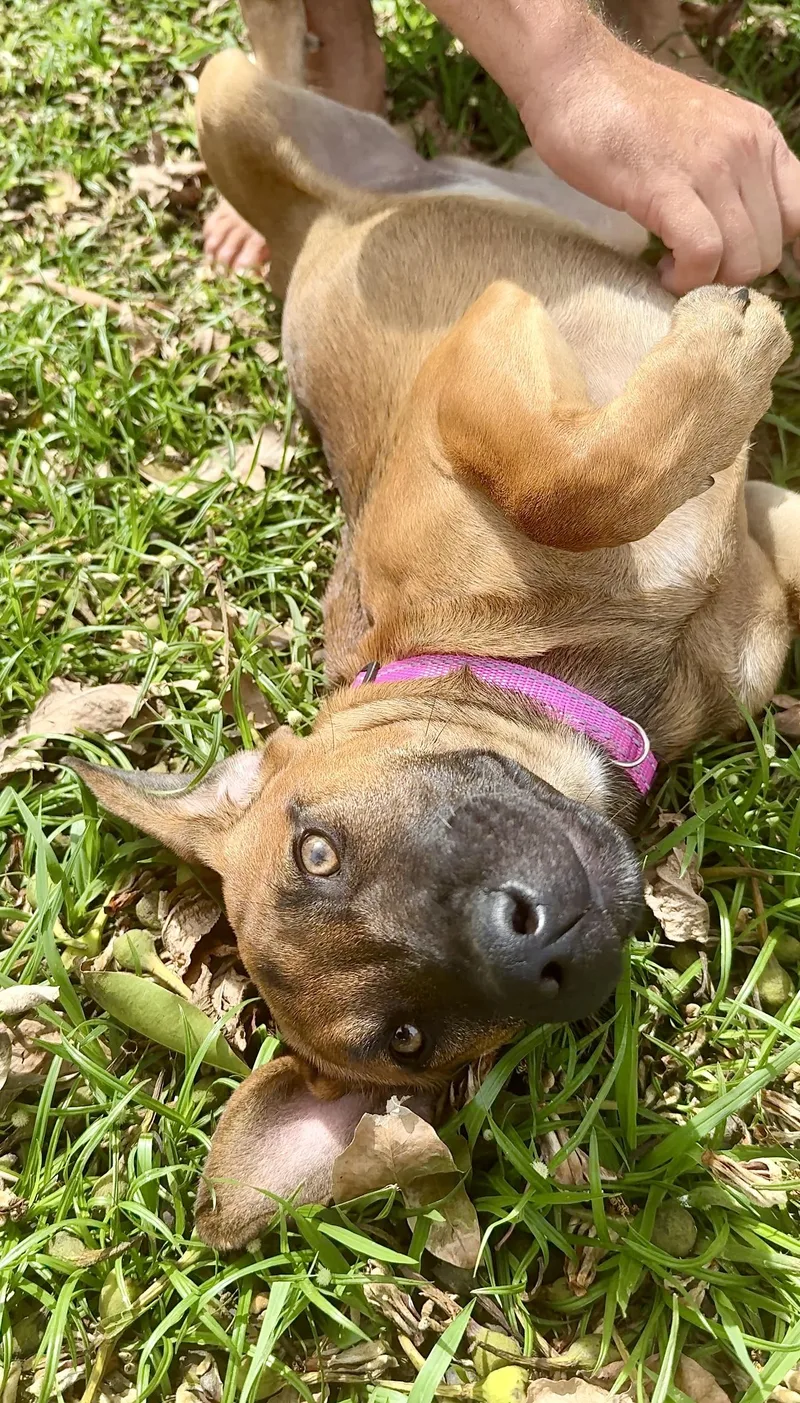
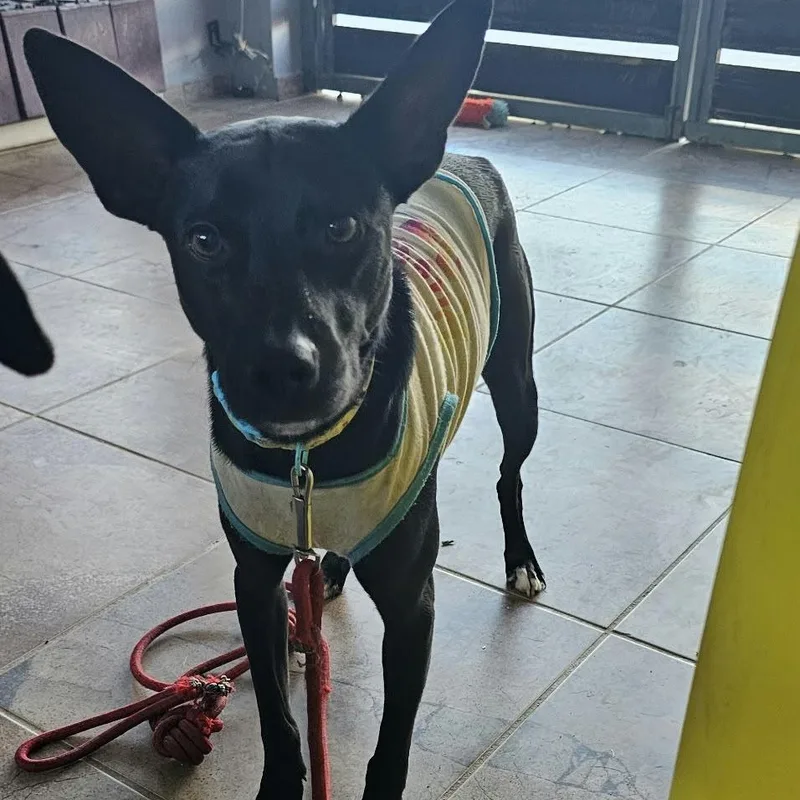
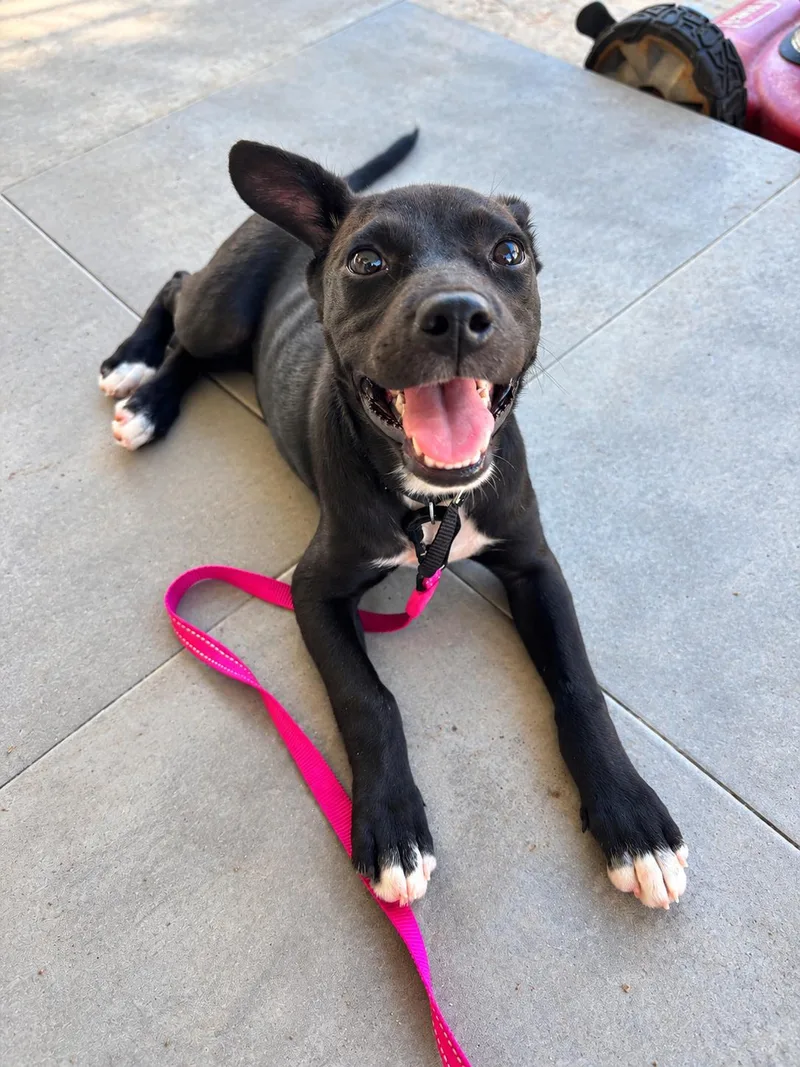
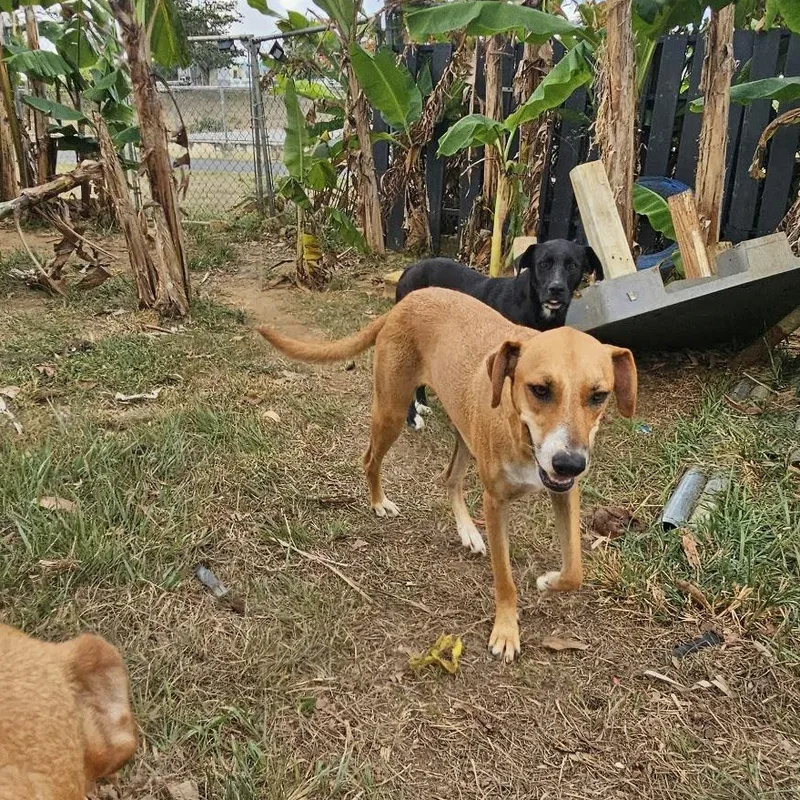
Black Labrador Retriever Dogs for Adoption in Isabela, PR

Your guide to finding and caring for a Black Labrador Retriever in Isabela

Black Labs suit Isabela's house-and-yard way of living, as long as the daily exercise actually happens. Most homes here are detached houses, often with a yard, so a big dog can spread out in a barrio like Mora or Galateo Bajo, with the long Paseo Lineal nearby for a leashed walk along the coast. That dark coat soaks up the sun, so the best walks start at dawn or after sunset. And skip the surf at Jobos, where the rip currents are dangerous.

3060 Black Labrador Retrievers available in Isabela and nationwide

Find your Black Labrador Retriever

While we don't have enough dogs near Isabela, keep in mind that many rescues may offer transport.

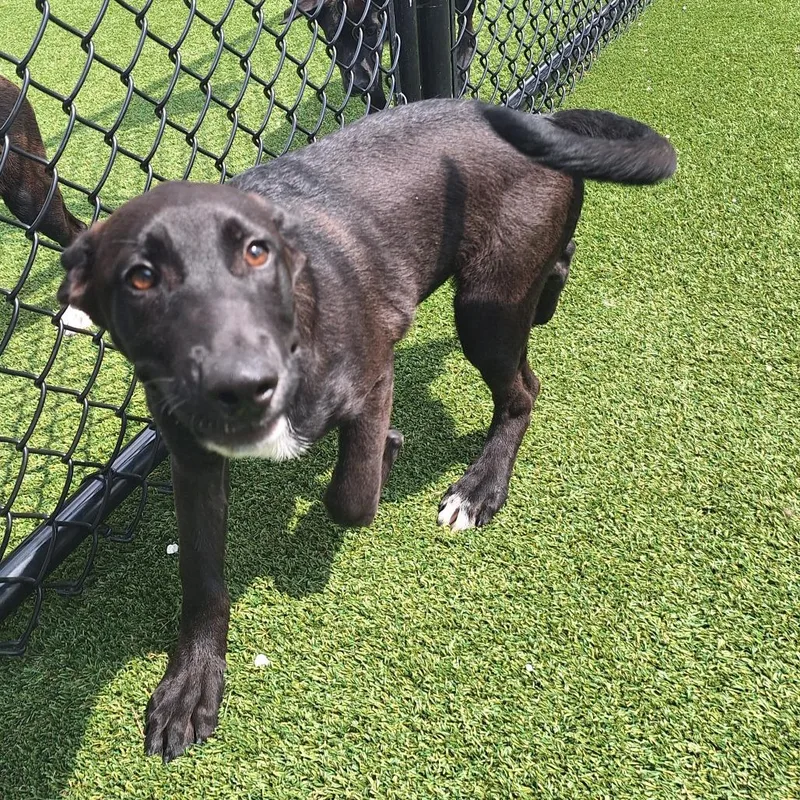
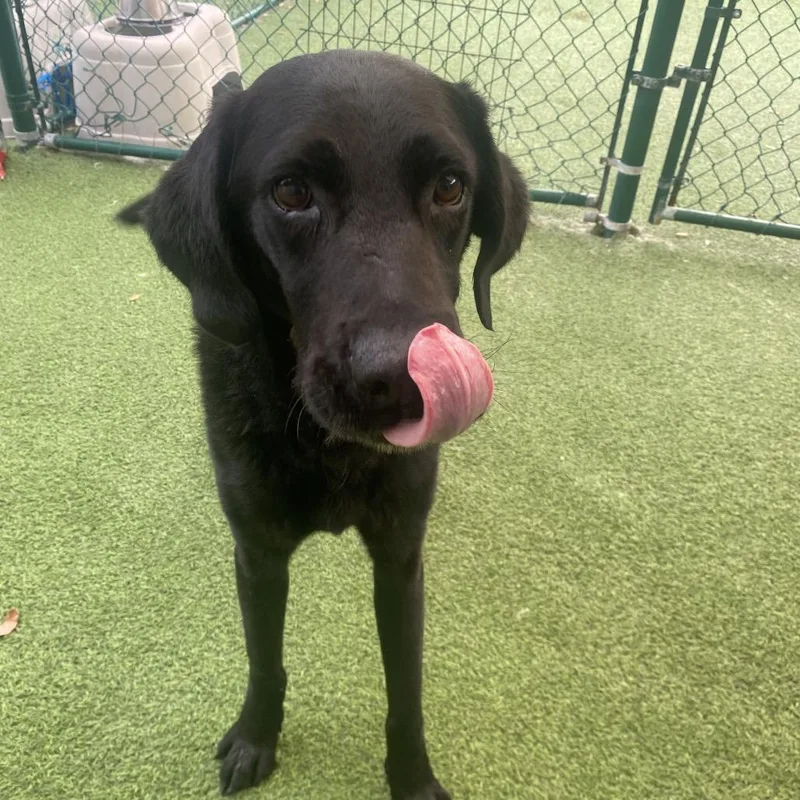
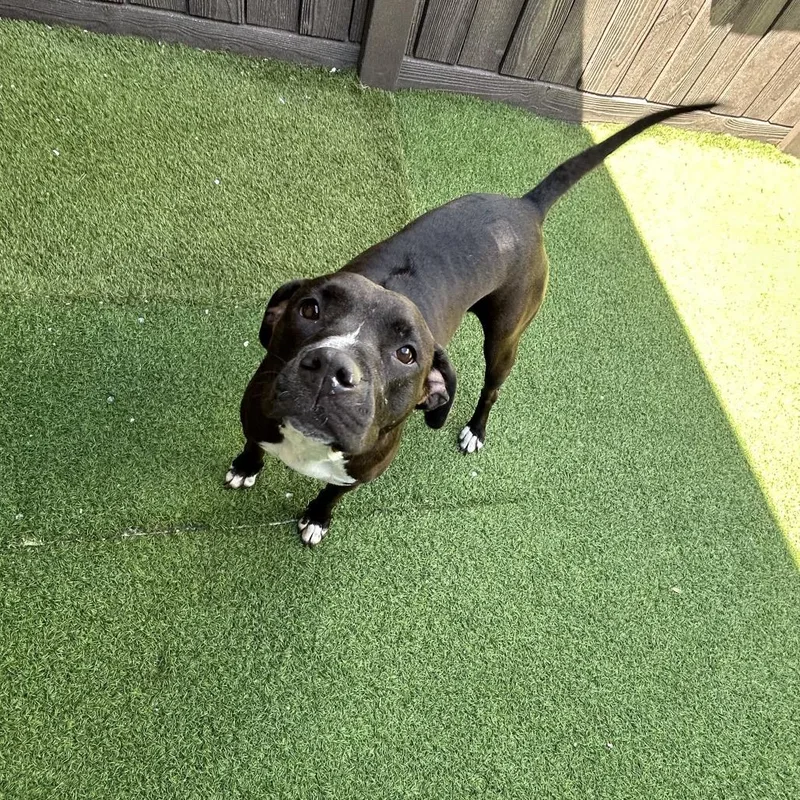
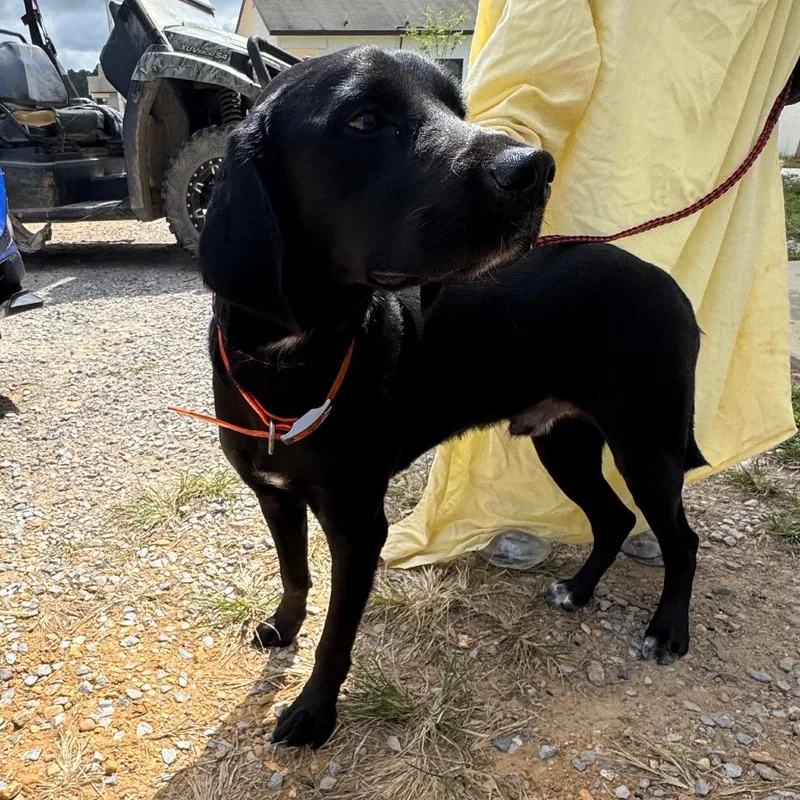
Black Labrador Retrievers Available for Adoption Near Isabela

About the Black Labrador Retriever breed

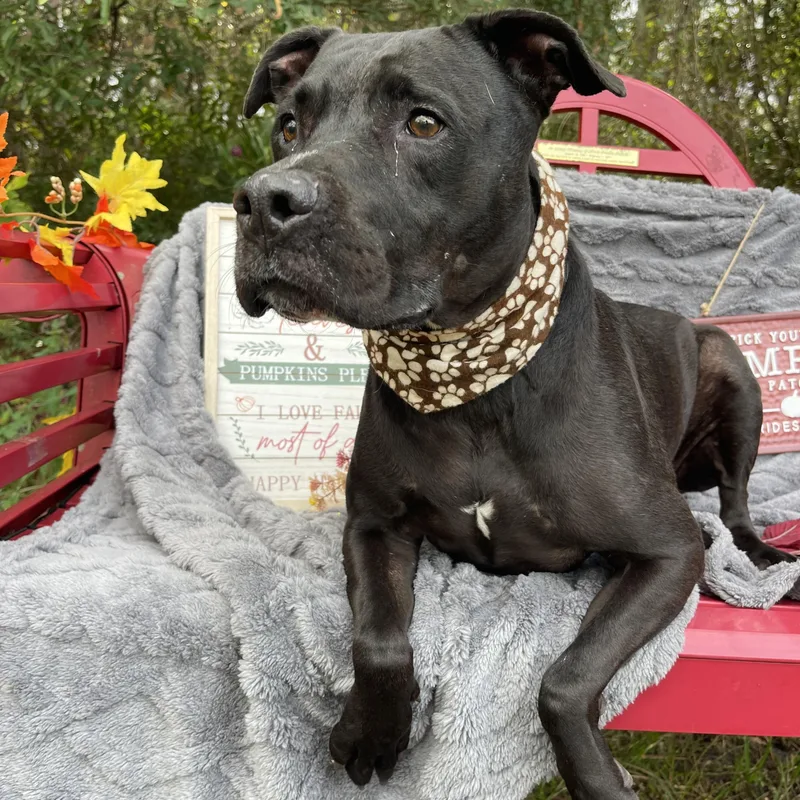
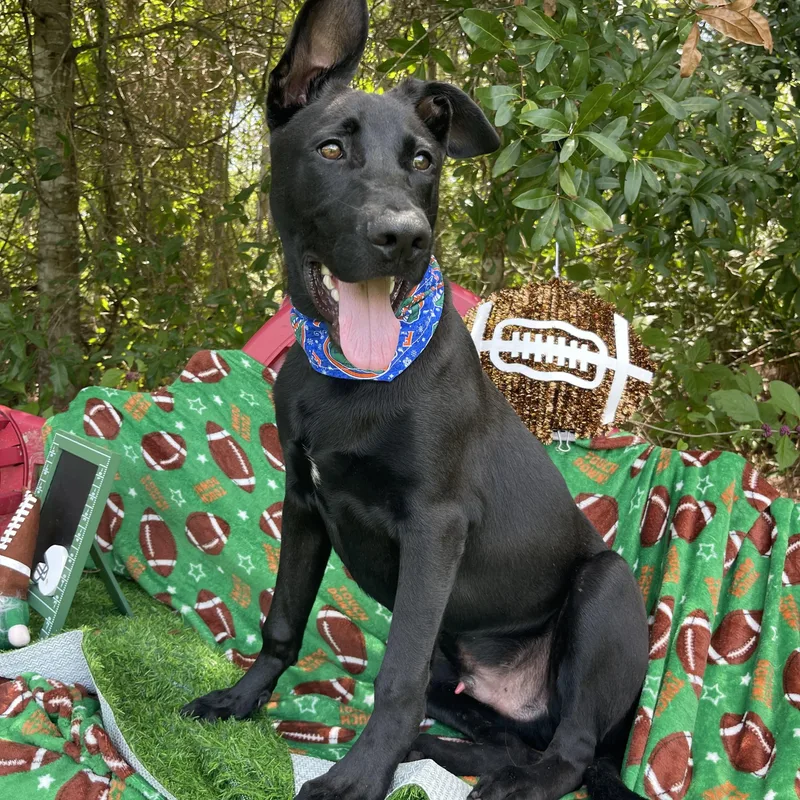
A black Lab is the Labrador Retriever in its original and most familiar color, not a separate breed. The breed descends from the St. John's water dogs of Newfoundland and was refined in Britain as a gun dog. It still has the otter tail, broad head and dense water-resistant double coat that suit retrieving. Adults usually weigh 55 to 80 pounds, and some have a small white spot on the chest.

Color doesn't change personality. Labs are typically friendly, food-motivated and eager to please, though some are leaner and more driven than others. Expect a dog that needs daily exercise, steady training, measured portions and plenty of brushing when it sheds. Labs also mature slowly, so a bouncy adolescence can stretch into the second or third year, which makes a dog's age as important as its breed when you choose.


Weight
55–80 lbs
Height
21–25 in
Lifespan
10–14 yrs
Temperament
Friendly, Outgoing, Active
Group
Sporting
Shedding
Moderate to High

Owning a Black Labrador Retriever in Isabela

Having a Black Labrador Retriever in Isabela

Energy, appetite and heavy seasonal shedding shape daily life with a black Lab more than coat color does. In Isabela's warm, humid climate, the dark coat also makes shade, water and well-timed walks a bigger part of the routine than they would be in a cooler place.

Temperament

Black Labs tend to be outgoing and affectionate with family, visitors and other dogs, and many are patient with respectful children. Young dogs can be mouthy and strong enough to knock over a toddler. Food motivation makes reward-based training work well. A dog's history and socialization matter more than breed reputation or coat color.

Exercise Needs

Plan on an hour or more of activity a day for a healthy adult: brisk walks, fetch and scent games. In Isabela, schedule them around the heat, at dawn or after dark, and favor a leashed coastal walk over open surf. Puppies and seniors need shorter, gentler outings.

Health Considerations

Labs can develop hip and elbow dysplasia, cruciate tears, exercise-induced collapse and eye disease, and many gain weight easily. Ear and skin trouble can flare in humid weather. In Puerto Rico, mongooses carry rabies, leptospirosis is reported more than elsewhere in the US and cane toads are toxic, so a veterinarian can advise on vaccines and year-round parasite prevention.

Living Space

Isabela's mostly detached houses suit a Lab well, and a fenced yard makes play easier, though it can't replace walks. In an apartment or condo, a Lab can still do well if its exercise needs are met. Expect shed hair, a sweeping tail and a dog that wants to be indoors with the family and the air conditioning.

What it costs to own a Black Labrador Retriever in Isabela

ExpenseTypical costPer year
Food$55 to $110 per month$660 to $1,320
Pet insurance$65 to $130 per month$780 to $1,560
Routine vet care$250 to $500 per year$250 to $500
Other*$590 to $1,490 per year$590 to $1,490
Estimated yearly total (after year one)$2,280 to $4,870

Other costs are estimates and vary with size, age and health.

* Flea, tick and heartworm prevention, a dental cleaning allowance, any license fee, toys and bedding, and brushing and baths for heavy seasonal shedding.

Adopt a Black Labrador Retriever in Isabela.

Now that you know more, let’s find you a new best friend. These rescues and shelters below currently have Black Labrador Retrievers available.

Rescues in Isabela with Black Labrador Retrievers Available

Isabela's rescue community includes local groups and municipal staff caring for stray and abandoned dogs across the northwest. Here are the rescues & shelters in the Isabela area where you can find Black Labrador Retrievers and other dogs available for adoption.

Frequently Asked Questions

Often, yes, if you can handle the heat. Most Isabela homes are detached houses, which gives a Lab room to move, and the coast offers places to walk. A black Lab needs daily exercise at cooler hours, shade, water and company, so it suits active people who are home a fair amount more than people away all day.

Yes, with precautions. Isabela is warm all year, but summer humidity and sun are tough on a dark-coated Lab. Walk at dawn or after sunset, keep fresh water and shade available, and use air conditioning or a fan indoors. Watch for heavy panting, drooling or weakness, and call a veterinarian right away if they appear.

Yes. No breed ban is known in Isabela or Puerto Rico, and the island repealed its pit bull ban in 2018. You'll need a collar and leash on walks, and dogs passing through the La Marina and Villa Pesquera area must also be muzzled. Dogs over 60 pounds may need a special collar.

The Paseo Lineal Costero is the best-known option, a roughly four-mile coastal walk toward Jobos that's best at dawn or dusk because much of it is in full sun. Keep your Lab leashed and test the surface with your hand. Guajataca State Forest doesn't allow pets, and Isabela has no municipal dog park.

Less than a long-haired breed, but more than most people expect. Brush a couple of times a week, and daily during heavy shedding. In Isabela's humidity, bathe as needed, dry the ears well to help prevent infections and rinse off sand and salt after beach trips. Most owners handle this at home, within the grooming allowance in Other costs.

It depends on each restaurant. No Puerto Rico rule or Isabela ordinance is known to address dogs on restaurant patios, so access is up to the owner. Look for outdoor seating, bring water and a mat, and keep your Lab leashed and settled. In hot weather, never leave a dog waiting in the car.

A Labrador Retriever is a large sporting dog developed to retrieve game for hunters, especially from water. Labs have a short, dense double coat, a thick otter tail and a broad head, and they come in black, yellow and chocolate. Many are friendly, food-motivated and eager to work, which makes them common family, guide and service dogs.

Labs are large dogs, usually standing about 21.5 to 24.5 inches at the shoulder and weighing about 55 to 80 pounds, with females toward the lower end. Field-bred Labs often look taller and leaner, while show-bred Labs tend to be stockier. Most reach adult height by about a year and keep filling out until around two.

We have 1 rescue with Black Labrador Retrievers available: Silky Sato Foundation, Inc.. You can see every rescue with Black Labrador Retrievers available in the list above these questions, or scroll to the top to see the Black Labrador Retrievers near Isabela.

Expect roughly $2,280 to $4,870 a year for a black Lab. That covers food at $55 to $110 a month, insurance at $65 to $130 a month, routine vet care at $250 to $500 a year and other costs at $590 to $1,490 a year. Food and insurance are the biggest lines, and a healthy weight helps keep vet costs down.