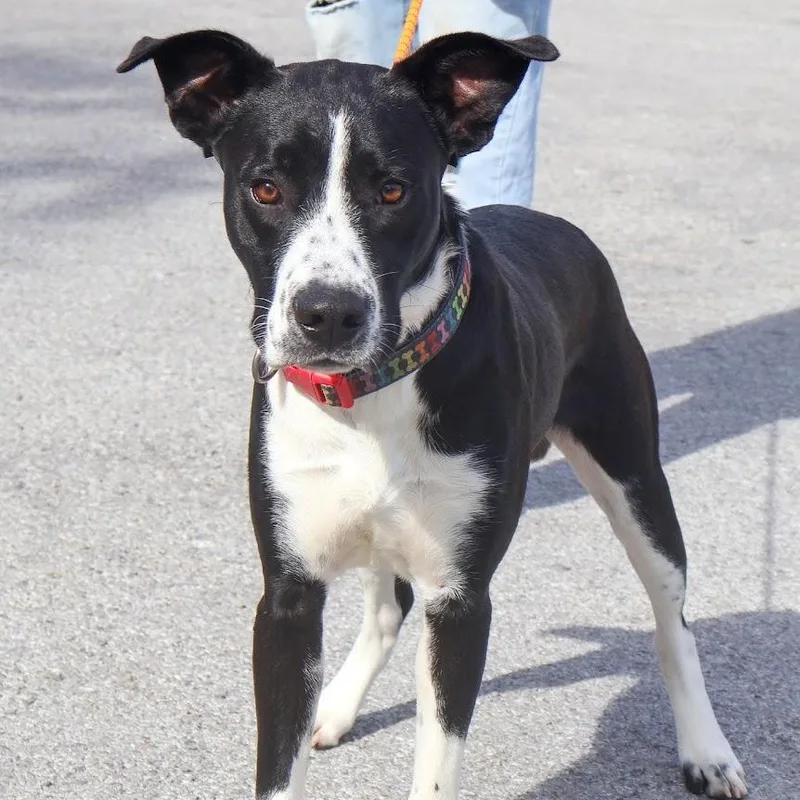
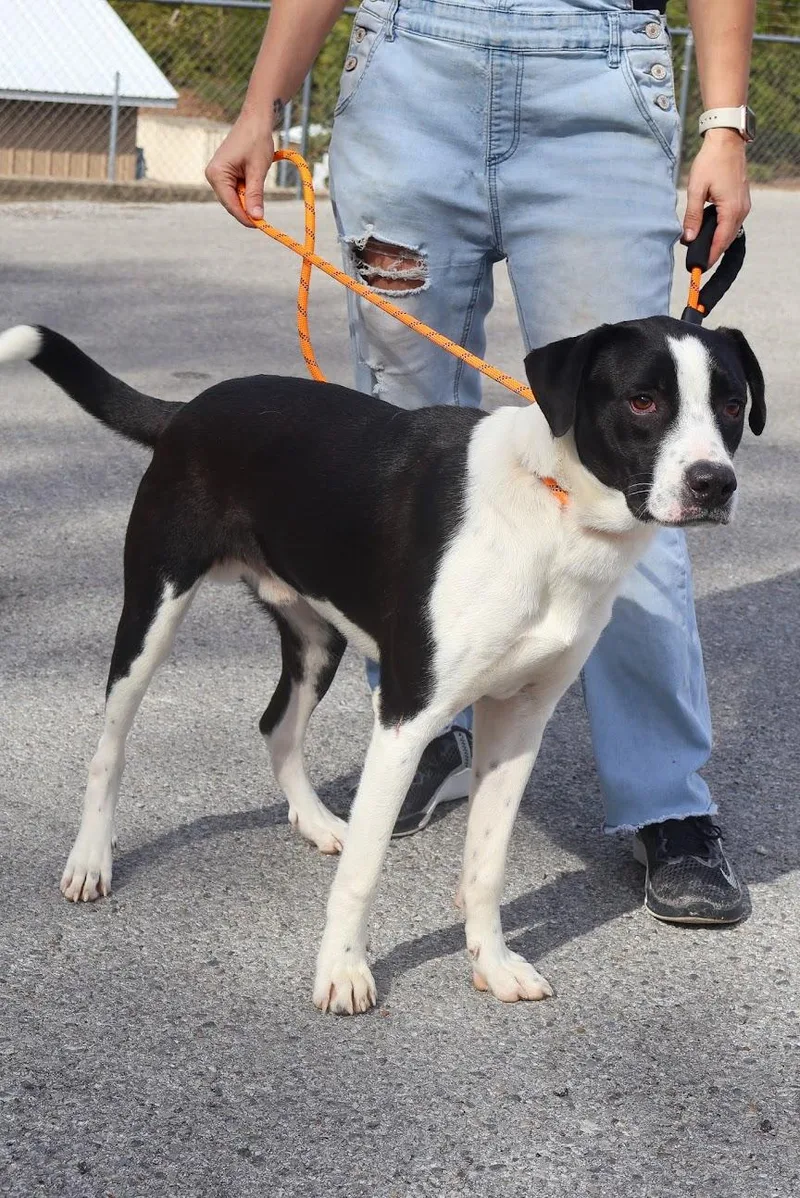
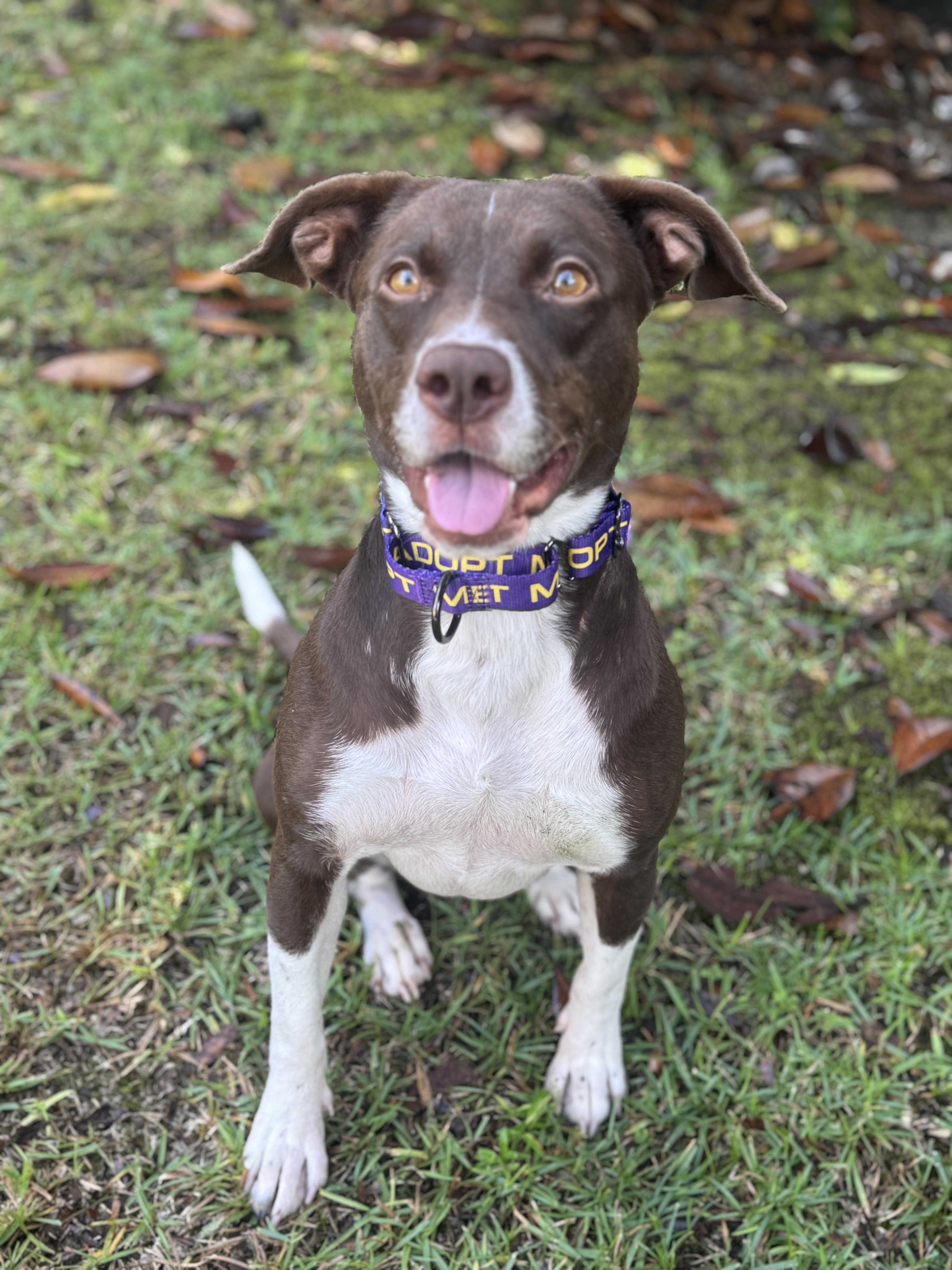
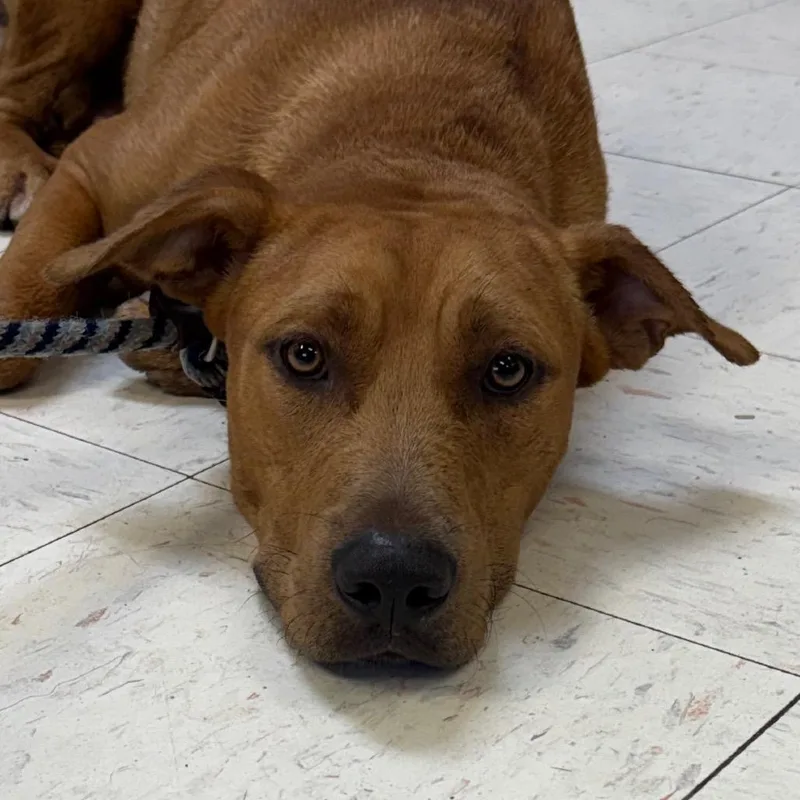
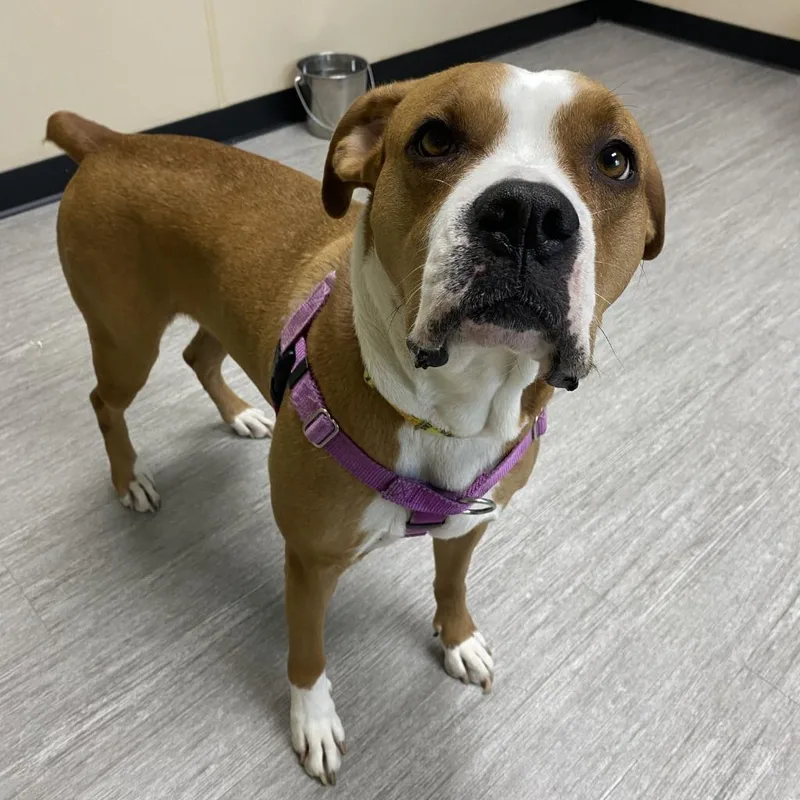
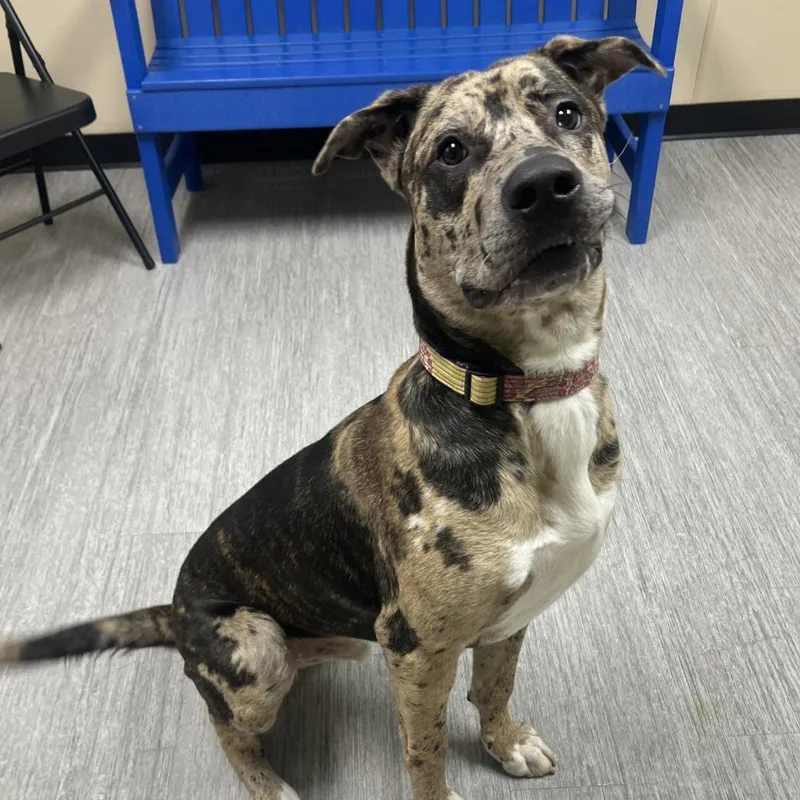
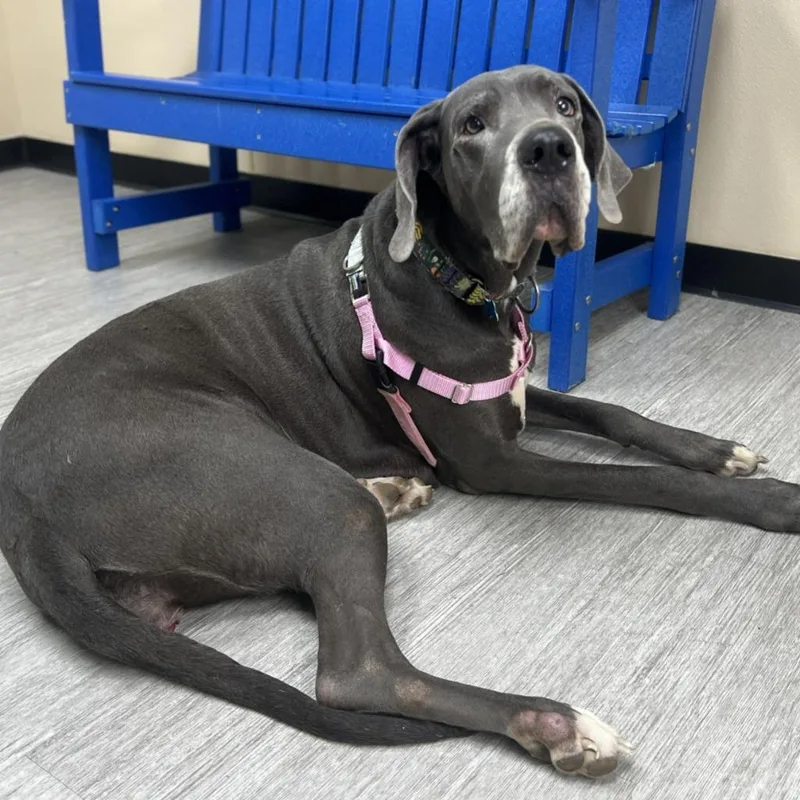
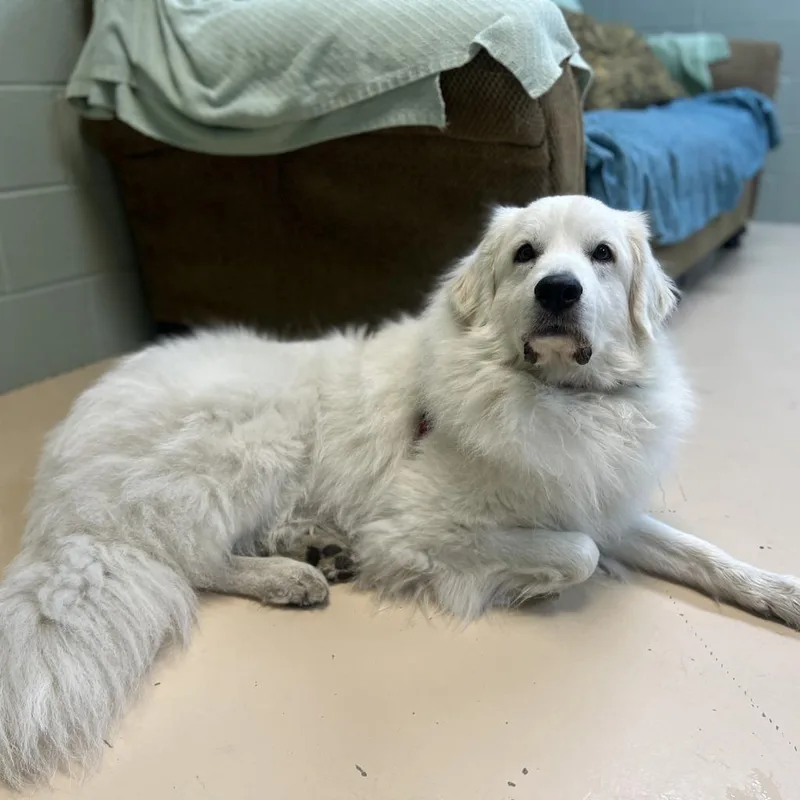
Labrador Retriever Dogs for Adoption in State College, PA

Your guide to finding and caring for a Labrador Retriever in State College

A Labrador Retriever in State College needs a wooded loop close to home, and Penfield and Vallamont have good ones. Lederer Park and Walnut Springs Park both allow leashed dogs, and their paths are the kind of sniff-and-stroll a Lab loves. Quieter Greentree streets make an easy evening walk too. Labs are friendly enough to handle a busy Downtown sidewalk on a football Saturday, but a 55- to 80-pound dog is a bigger ask for a small rental, so size rules are worth reading early.

14098 Labrador Retrievers available in State College and nationwide

Fall for a Labrador Retriever

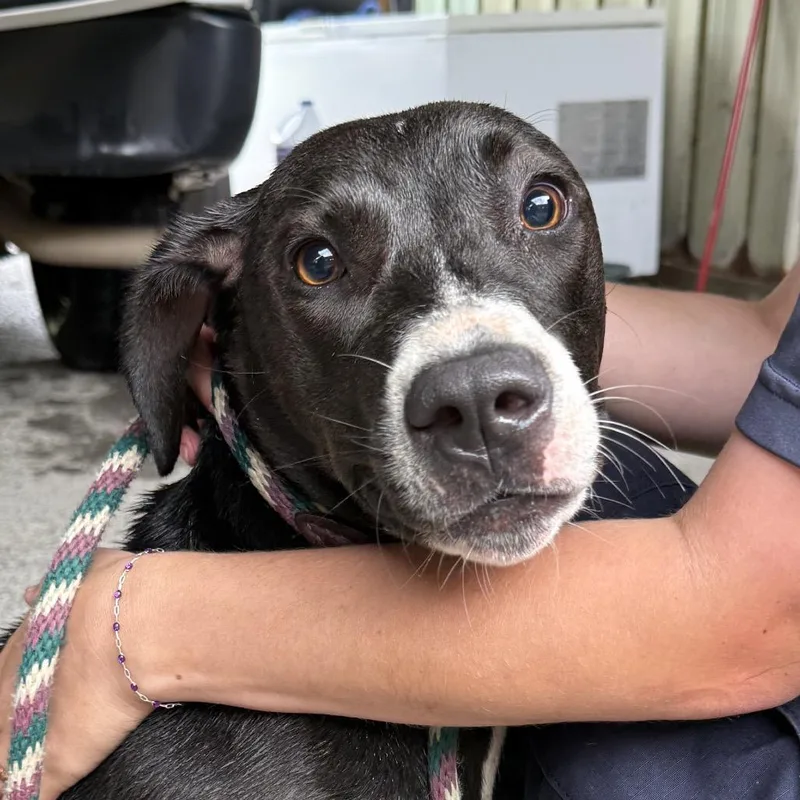
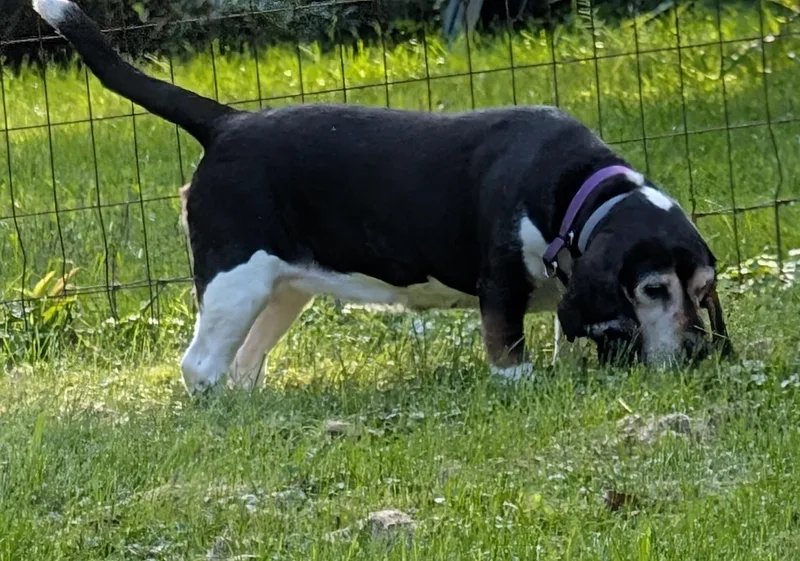
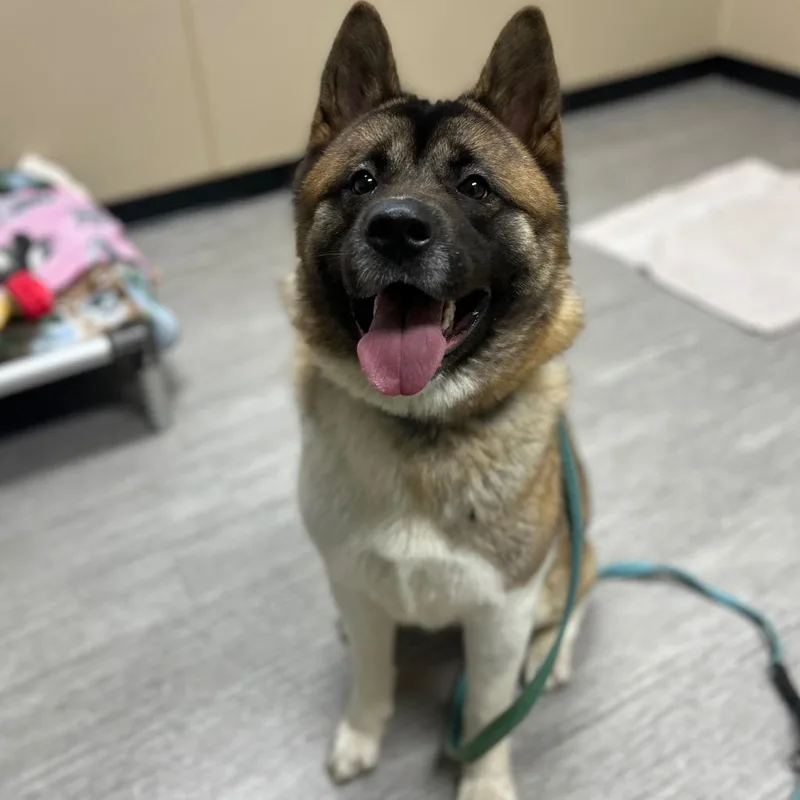
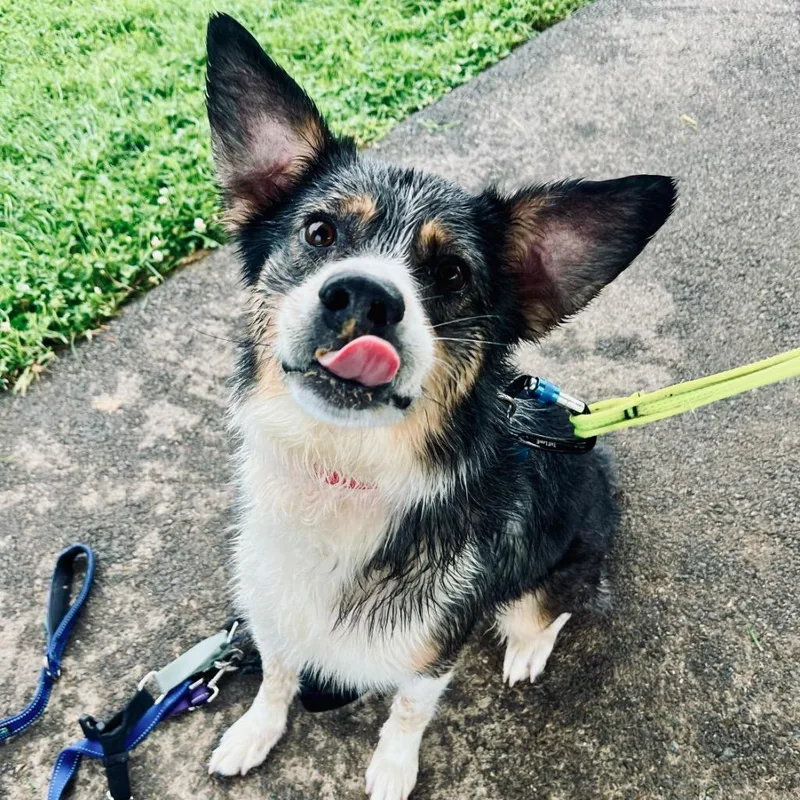
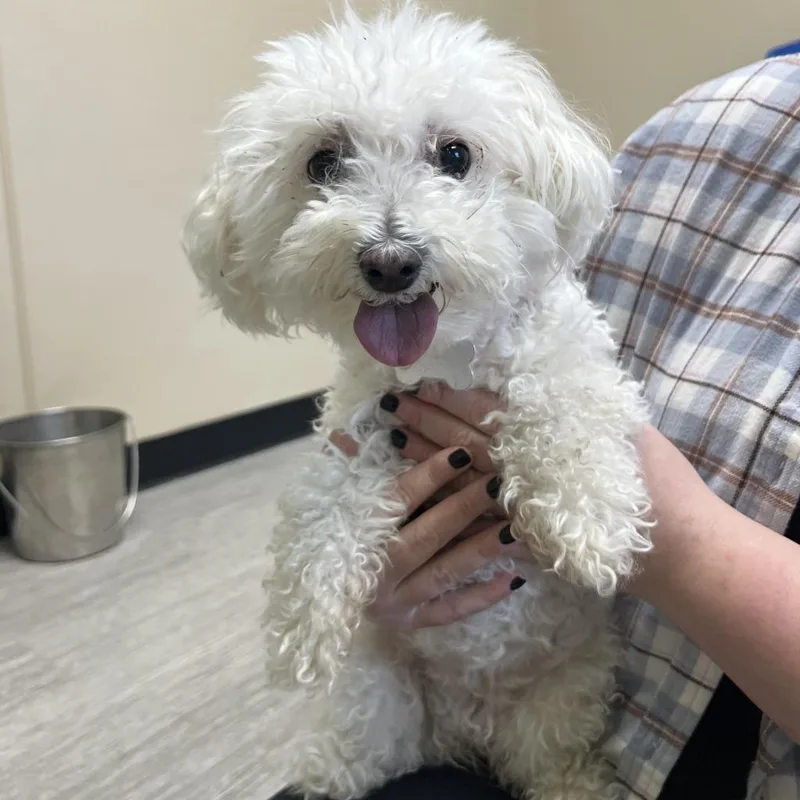
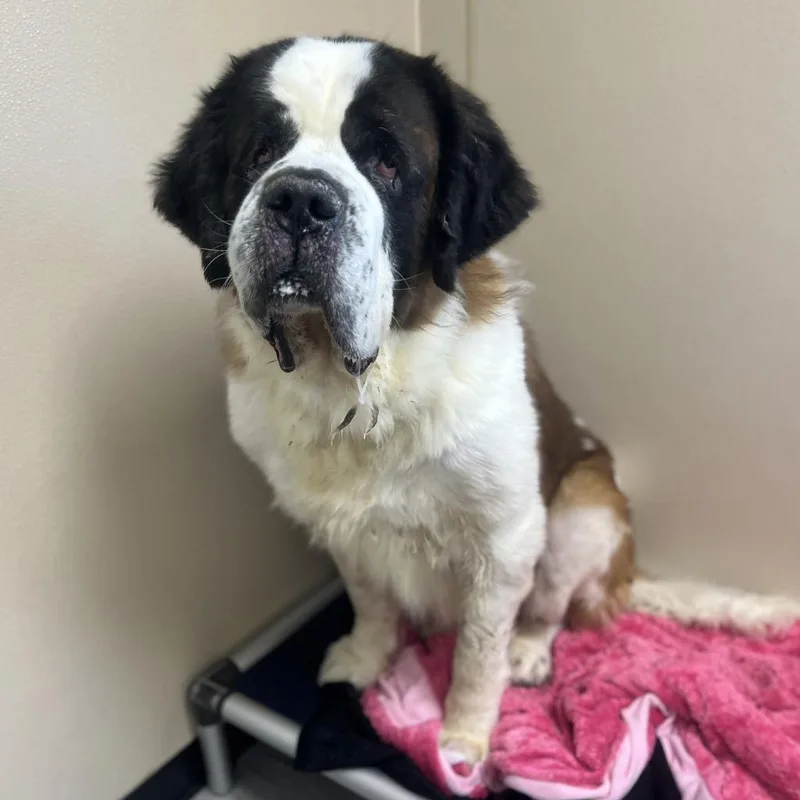
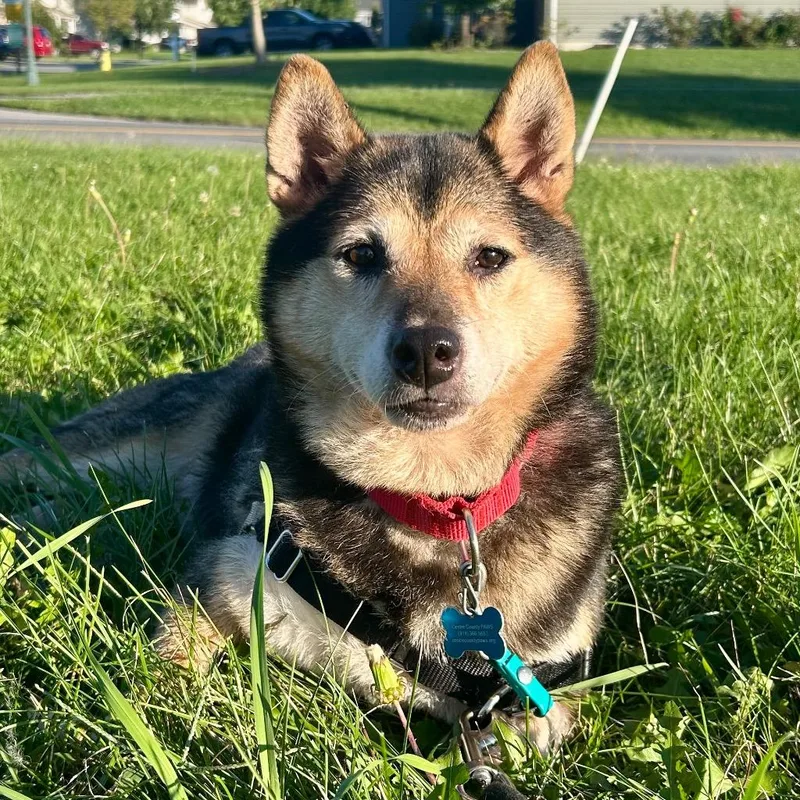
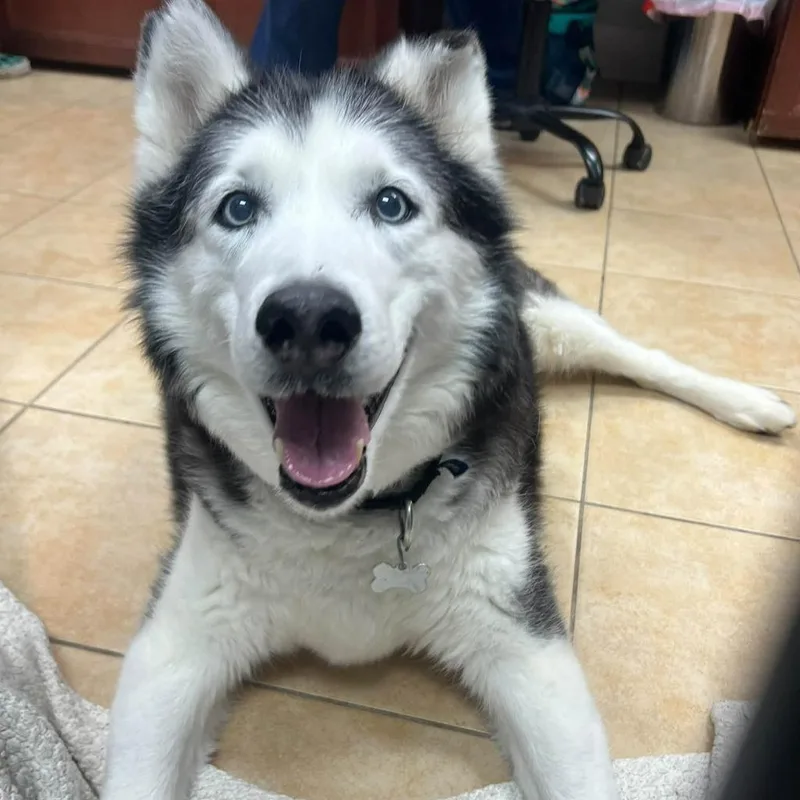
Labrador Retrievers Available for Adoption Near State College

About the Labrador Retriever breed

Labrador Retrievers trace back to the St. John's water dogs of Newfoundland, which British sportsmen refined into steady gun dogs for retrieving game from land and water. The thick otter tail, dense water-resistant double coat and strong build all come from that job. Labs come in black, yellow and chocolate, and field-bred dogs tend to be leaner and more driven than show-bred ones.

Most Labs are sociable, eager to please and happiest around people, balls or water, which is why they're so common as family and assistance dogs. In State College, that sociable streak suits a town full of walkers, but the coat takes work: shedding is heavy, especially in spring and fall, and a long, bouncy adolescence can last until two or three years old. Plan on daily exercise, consistent training and careful portions.

Weight
55–80 lbs
Height
21–25 in
Lifespan
10–14 yrs
Temperament
Friendly, Outgoing, Active
Group
Sporting
Shedding
Moderate to High

Owning a Labrador Retriever in State College

Having a Labrador Retriever in State College

A Lab brings a people-loving outlook and a body built for retrieving, so energy, appetite and shedding shape daily life more than size does. In State College, cold winters and a rental-heavy housing market add a few practical questions worth thinking through before adopting.

Temperament

Labs tend to be friendly with family, visitors and other dogs, which helps on busy State College sidewalks and in shared apartment hallways. Young Labs are often mouthy and bouncy, and strong food motivation makes reward-based training work well. Each dog's history and personality matter more than breed reputation, so judge the dog in front of you.

Exercise Needs

Most adult Labs need a long daily walk plus fetch, swimming or training games. Leashed loops at Lederer Park or Walnut Springs Park cover the walking, while the fenced Tudek Dog Park in nearby Ferguson Township offers off-leash play. On icy or snowy days, indoor scent games and short training sessions keep a Lab from getting bored and destructive.

Health Considerations

Labs can develop hip and elbow dysplasia, cruciate injuries, exercise-induced collapse, ear infections and skin allergies, and many gain weight easily. Slippery winter sidewalks are hard on sore joints, so keep a Lab lean and ask your veterinarian about screening. Tick prevention matters on wooded Centre County trails.

Living Space

A Lab can live in a State College apartment if daily exercise is reliable, though a large dog needs a landlord who allows one. Downtown and West End buildings are mostly rentals, while quieter single-family streets like Greentree's are where yards are more common. Expect shed hair and a tail at coffee-table height.

What it costs to own a Labrador Retriever in State College

ExpenseTypical costPer year
Adoption fee$150, one time$150 in year one
Food$55 to $110 per month$660 to $1,320
Pet insurance$65 to $130 per month$780 to $1,560
Routine vet care$250 to $500 per year$250 to $500
Other*$586 to $1,461 per year$586 to $1,461
Estimated yearly total (after year one)$2,276 to $4,841
First-year total (with adoption fee)$2,426 to $4,991

Adoption fee is the fee on Labrador Retriever listings in State College on GetBuddy today. Other costs are estimates and vary with size, age and health.

* The Centre County dog license, flea, tick and heartworm prevention, a dental cleaning allowance, toys and bedding, and brushing and baths for heavy seasonal shedding.

Adopt a Labrador Retriever in State College.

Now that you know more, let’s find you a new best friend. These rescues and shelters below currently have Labrador Retrievers available.

Rescues in State College with Labrador Retrievers Available

State College's rescue community centers on Centre County PAWS, a non-euthanasia nonprofit that relies on fosters and volunteers. Here are the rescues & shelters in the State College area where you can find Labrador Retrievers and other dogs available for adoption.

Frequently Asked Questions

Yes, you can own a Labrador Retriever in State College. Pennsylvania law bars local breed-specific rules, so Labs face no breed ban. Dogs three months and older need a yearly license through Centre County, and a current rabies vaccination is required. Dogs must be leashed whenever they're off your property, and you're required to clean up after them.

A Lab fits State College if you can give it daily exercise through long winters and a home that welcomes a large dog. The borough is walkable and wooded paths are nearby, but dogs are barred from most parks and rentals dominate. Labs do best with active people who are home a fair amount, since long days alone can lead to chewing.

Yes, a Lab can live in a State College apartment if it gets reliable exercise every day. The bigger hurdle is the lease, since landlords can set breed or size limits and pet-friendly rentals are reportedly hard to find. A ground-floor unit or a building with an elevator helps, and so does a plan for shed hair and slippery winter steps.

Leashed Labs are welcome at Lederer Park in Penfield and Walnut Springs Park in Vallamont, plus Orchard Park's perimeter sidewalks. For off-leash play, nearby Tudek Dog Park in Ferguson Township is fenced, and Patton Woods in Patton Township reportedly allows dogs under owner control. On area hiking trails, watch for ticks and rattlesnakes.

Yes, most Labs handle State College winters well because of their dense, water-resistant double coat. Snow and freezing nights are routine, so rinse salt off paws, watch for ice that strains sore hips and elbows, and remember that state law limits tethering an unattended dog to 30 minutes below 32°F. Senior dogs may appreciate a coat.

State College has CATA buses and no subway. Dogs that aren't service animals may ride only if muzzled or in an approved carrier, and only if they don't risk other passengers or disrupt service, so a 55- to 80-pound Lab is a tough fit. Service animals are permitted. Campus Loop and Link routes are fare-free, and community routes cost $2.50.

Only to patios, and only where the restaurant allows dogs. Pennsylvania reportedly requires restaurants that serve dogs to provide an outdoor or separate area, so indoor dining is limited to service animals. Policies vary by venue and can change, so look for a posted dog-friendly sign. Bring water and a mat, and keep your Lab leashed and settled beside the table.

Labs need little grooming beyond weekly brushing, but the double coat sheds heavily in spring and fall, so brush several times a week then. Wipe off muddy spring paws and rinse winter salt, add a bath every month or two, and keep up nail trims and ear checks. If you use a groomer, budget within the roughly $100 to $300 a year counted under Other costs.

We have 1 rescue with Labrador Retrievers available: Centre County PAWS. You can see every rescue with Labrador Retrievers available in the list above these questions, or scroll to the top to see the Labrador Retrievers near State College.

Expect roughly $2,300 to $4,800 a year for a Lab, covering food at $55–$110 a month, insurance at $65–$130 a month, routine vet care at $250–$500, and about $586–$1,461 in other costs such as parasite prevention, dental care, grooming and the license. Your actual total depends on the dog's age, health and food.