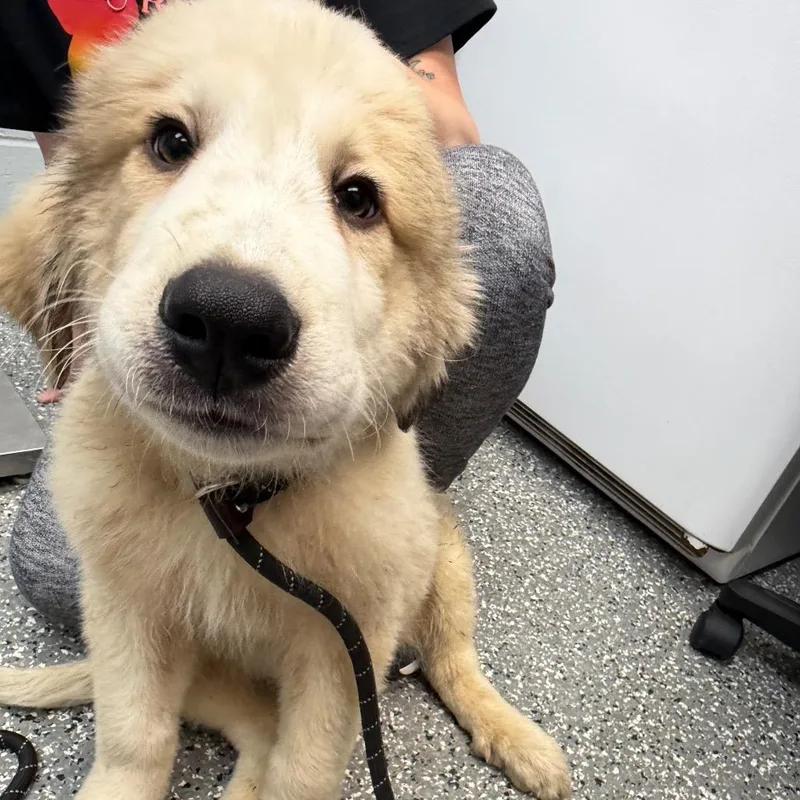
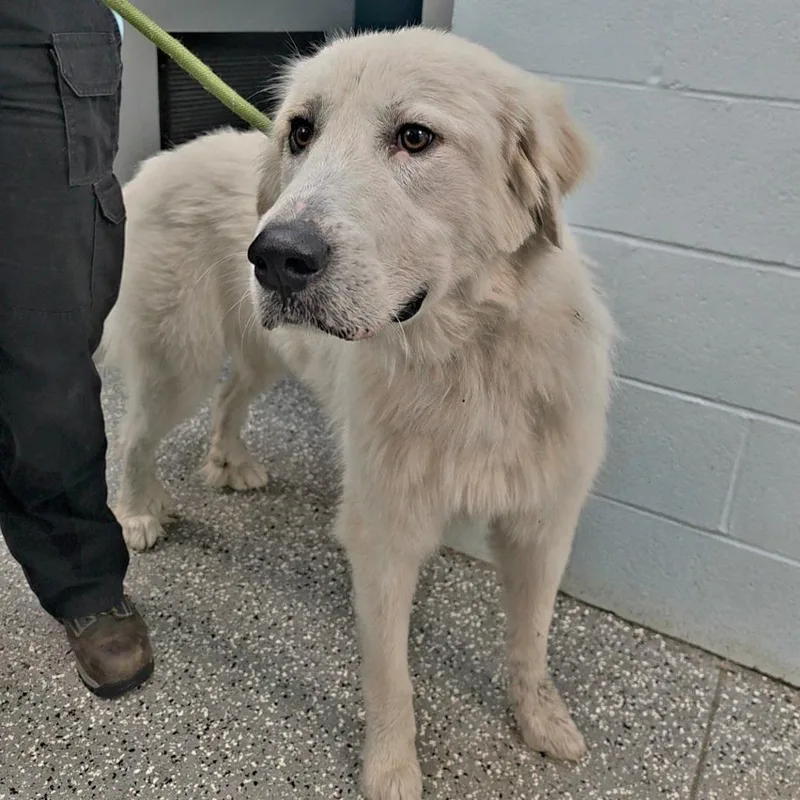
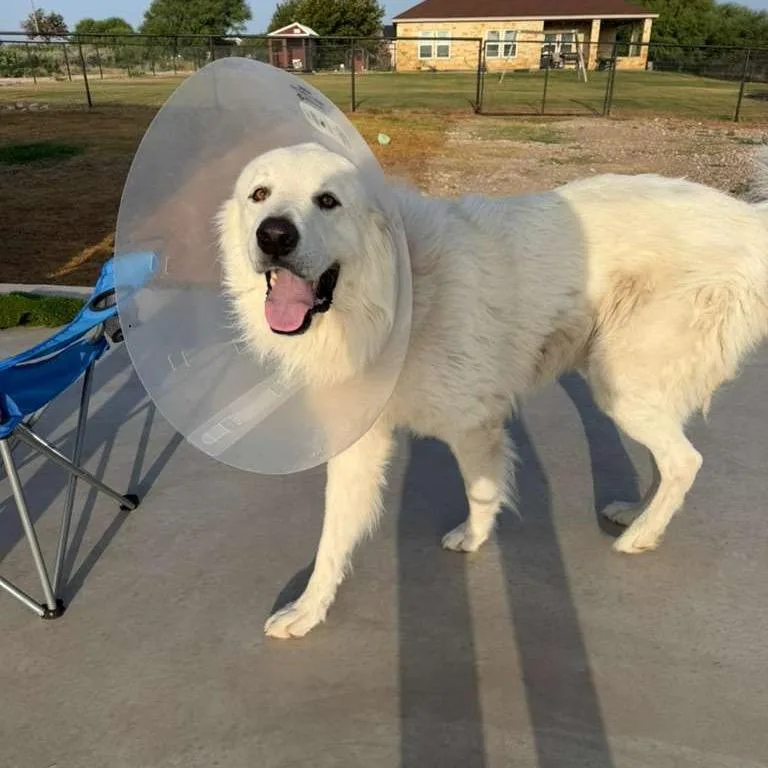
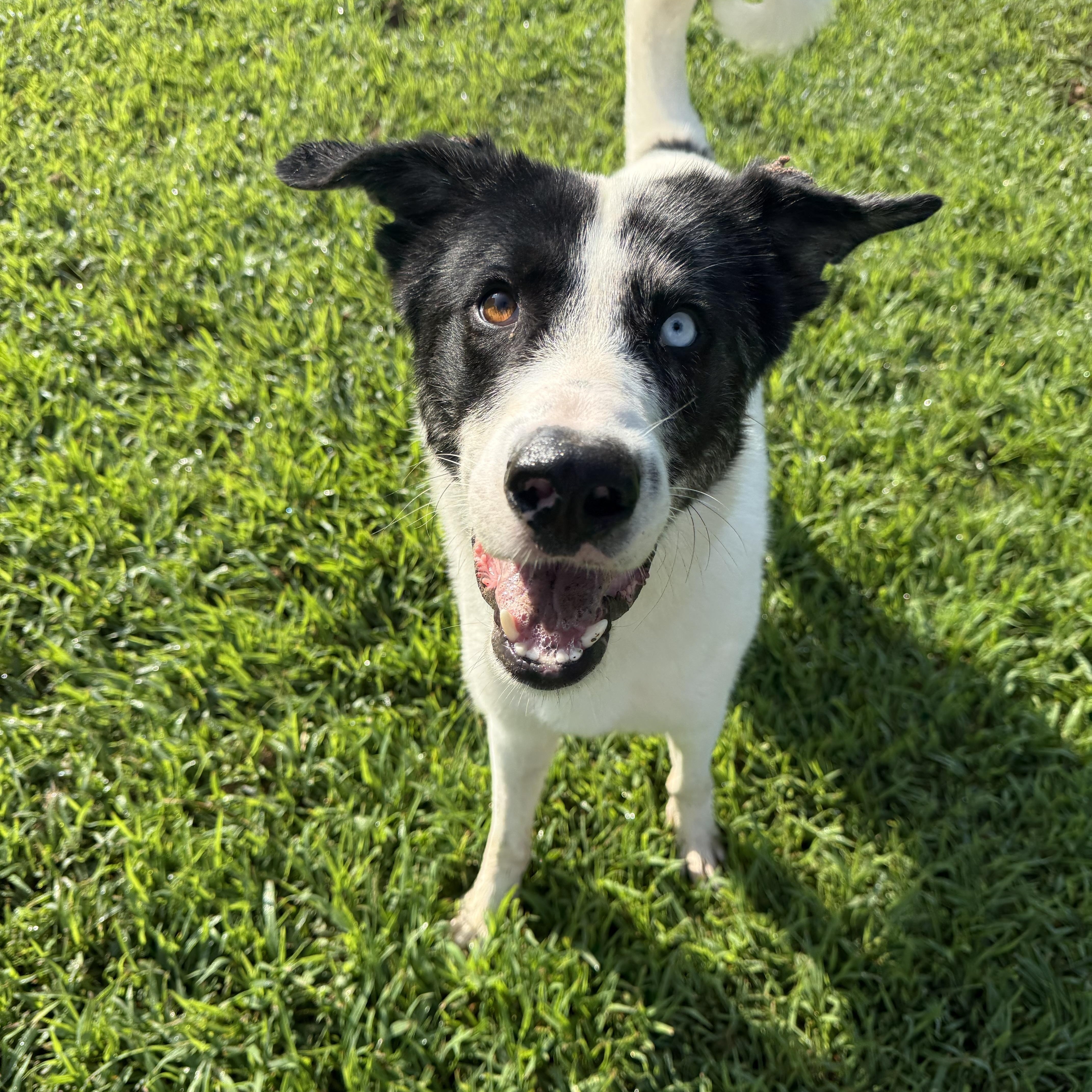
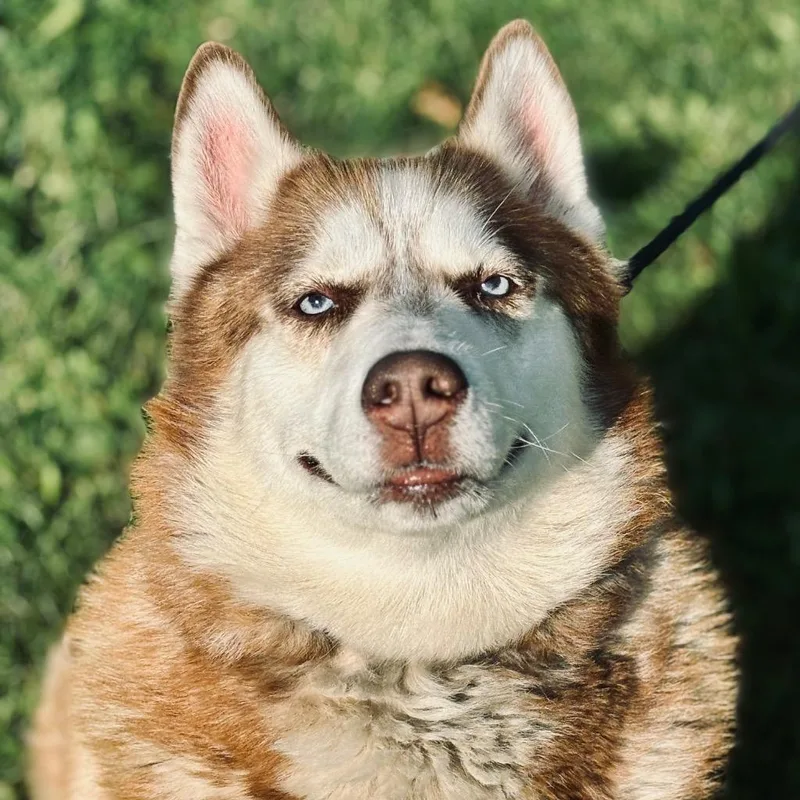
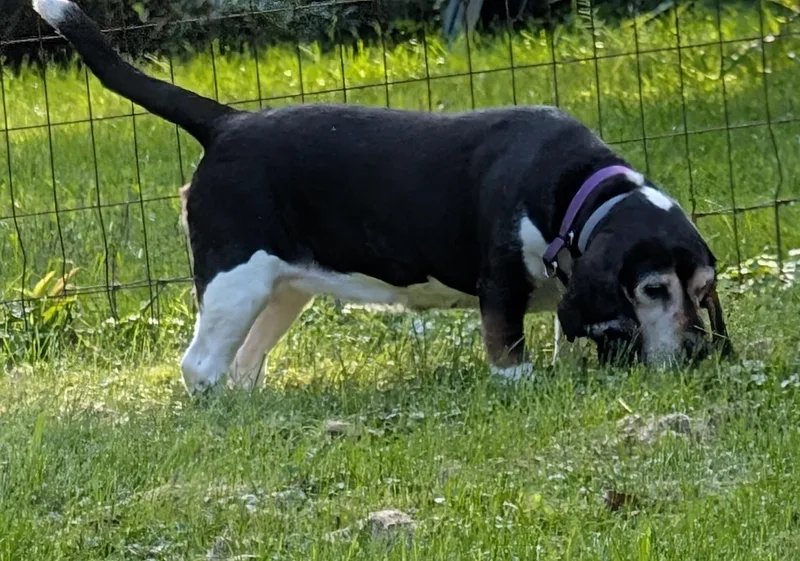
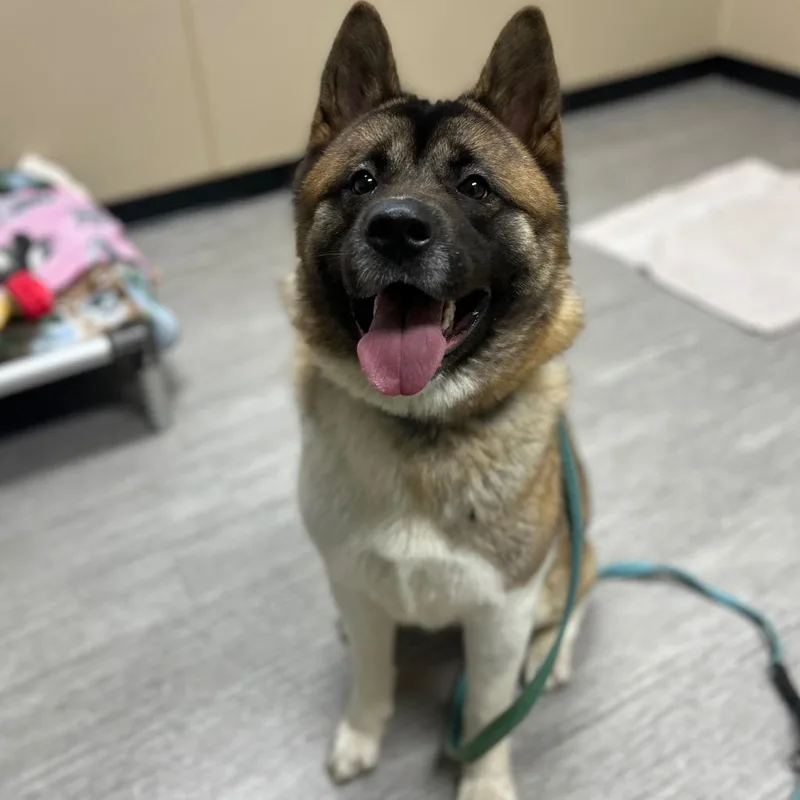
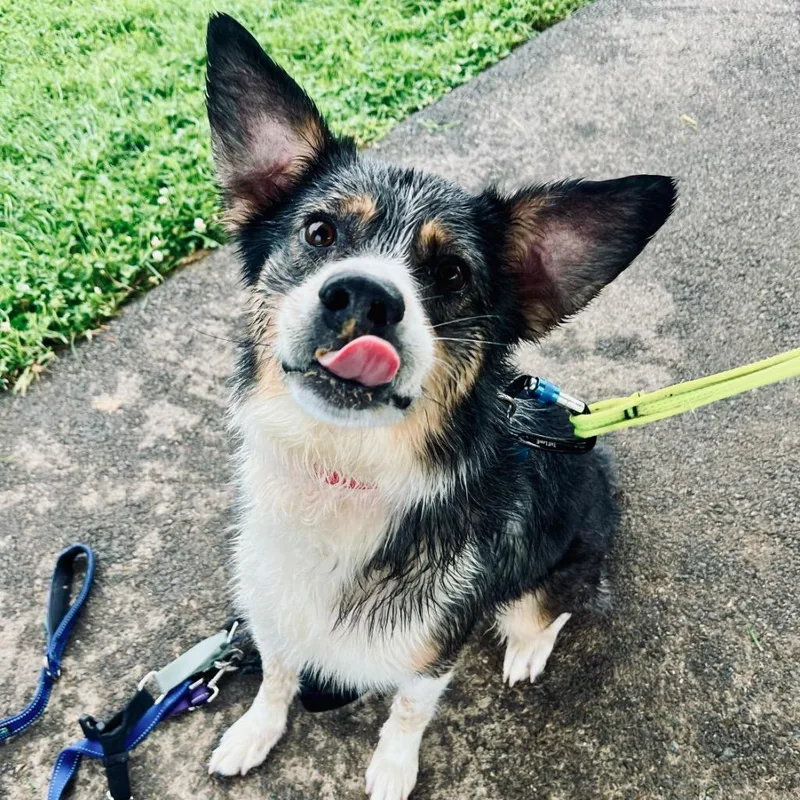
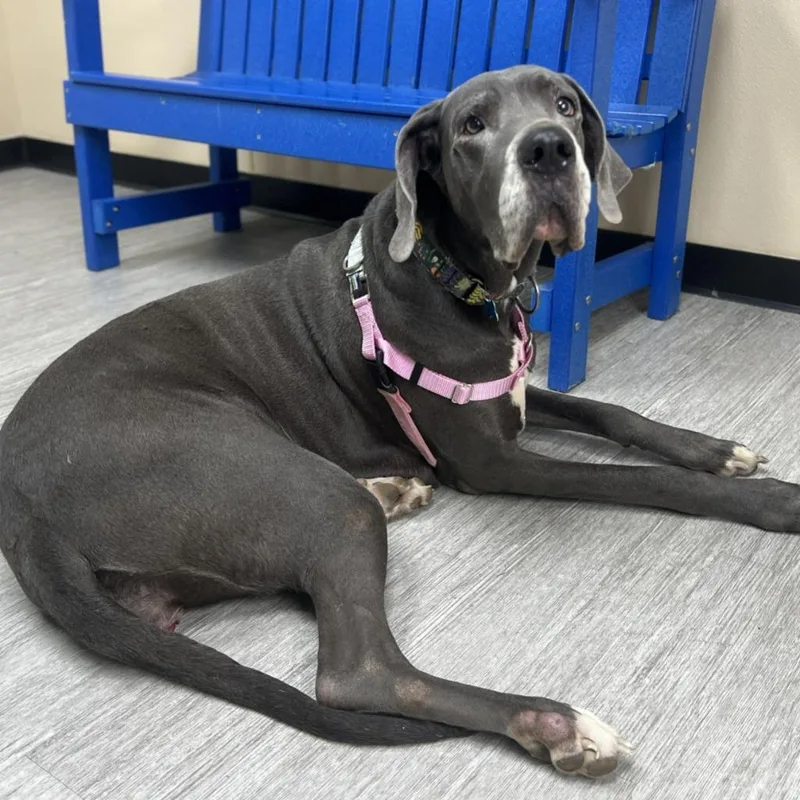
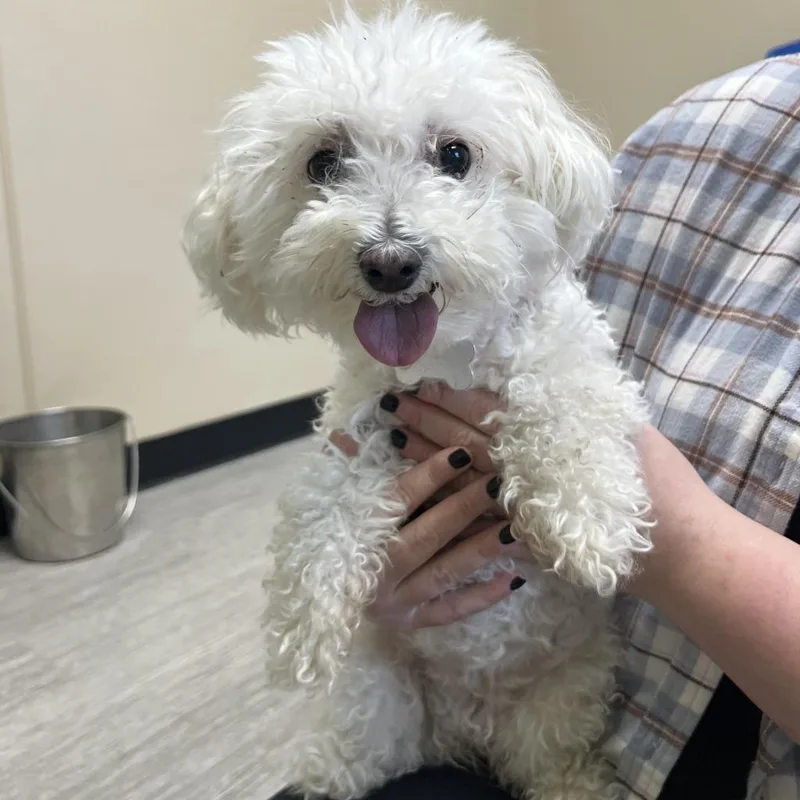
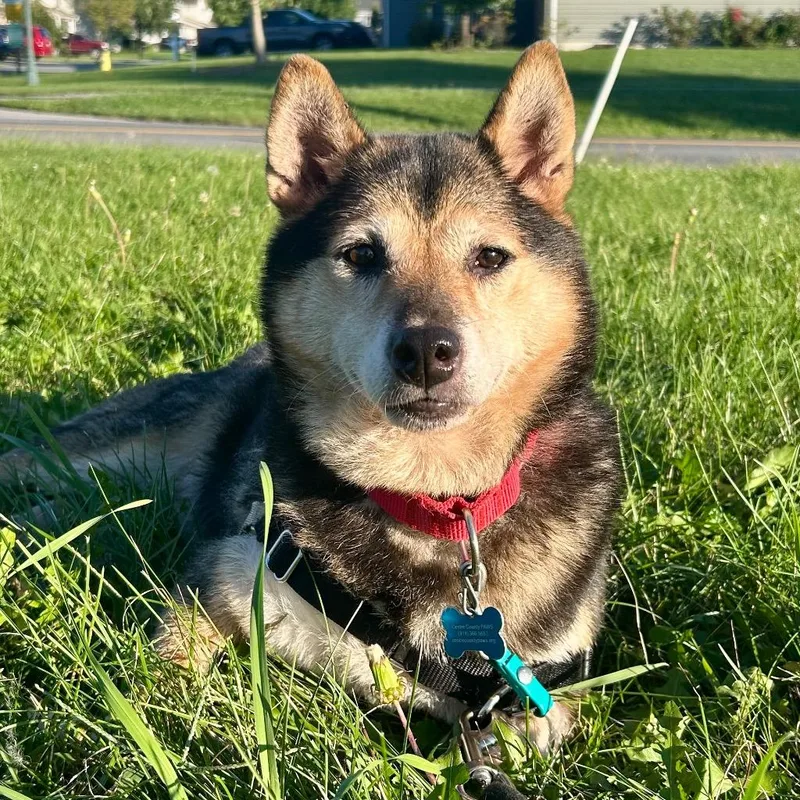
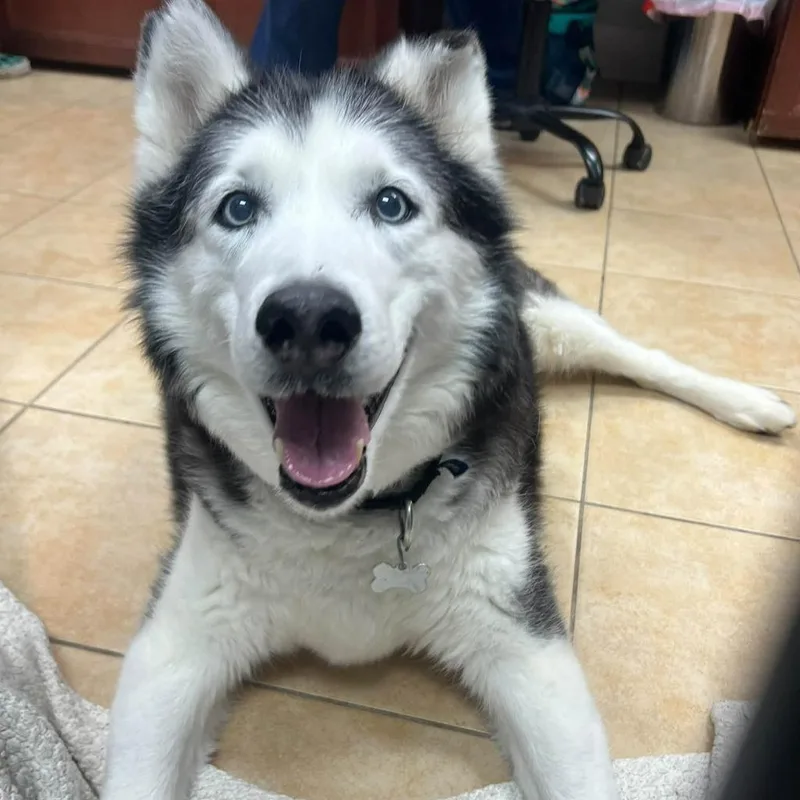
Great Pyrenees dog

Great Pyrenees Dogs for Adoption in State College, PA

Your guide to finding and caring for a Great Pyrenees in State College

A Great Pyrenees suits State College's quieter single-family streets, like Greentree or College Heights, where a fenced yard gives the dog room to patrol. Pyrs are calm indoors and content with moderate walks, which matches the wooded paths at Lederer Park in Penfield. The snowy winters favor that thick white coat, too. What works less well is a small downtown apartment with thin walls, since a Pyr that barks at night wears on neighbors.

2280 Great Pyrenees available in State College and nationwide

Open your home to a Great Pyrenees

While we don't have enough dogs near State College, keep in mind that many rescues may offer transport.

Great Pyrenees Available for Adoption Near State College

About the Great Pyrenees breed

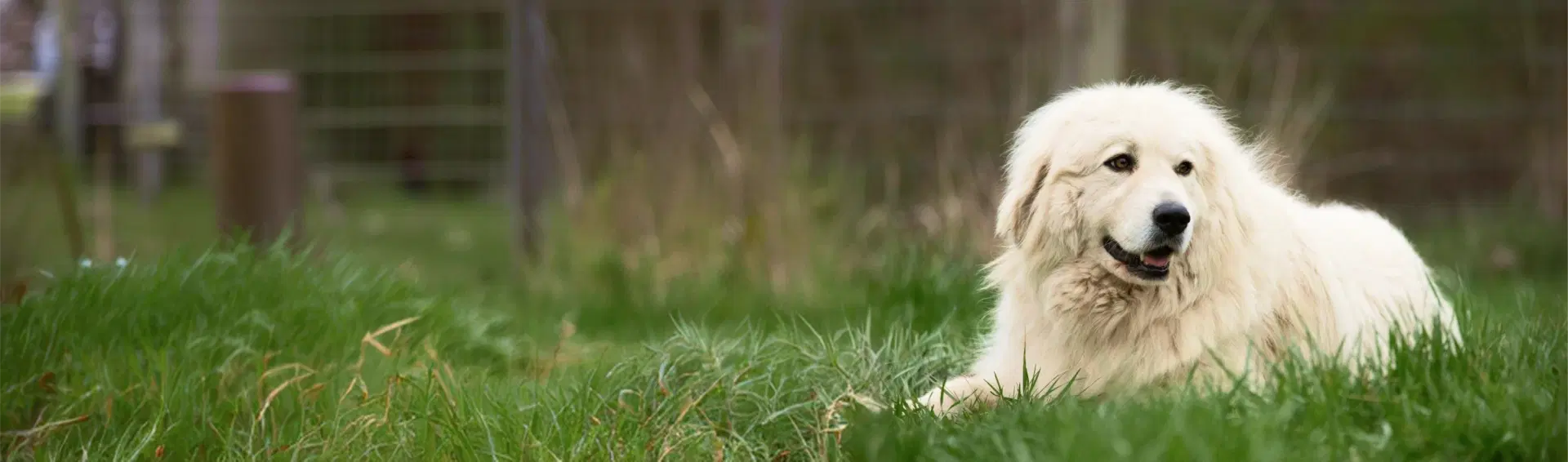
The Great Pyrenees descends from mountain livestock guardians in the Pyrenees, where big white dogs stayed with flocks through snow and drove off wolves and bears. That history explains the thick double coat, the steady calm and the habit of patrolling and barking after dark. Adults stand 25 to 32 inches and typically weigh 85 to 120 pounds, sometimes more.

Pyrs are devoted to their families, but they were bred to make decisions alone, so training takes patience and many ignore commands they find pointless. Expect heavy shedding, especially in spring, and plan on a leash or secure fence, since many roam. In State College, the cold-weather coat is an asset, while a dog this size needs a household with space and a high tolerance for white hair.


Weight
85–120 lbs
Height
25–32 in
Lifespan
10–12 yrs
Temperament
Calm, Protective, Independent
Group
Working
Shedding
High

Owning a Great Pyrenees in State College

Having a Great Pyrenees in State College

A Great Pyrenees is a big, heavily coated guardian that moves at an unhurried pace. In State College, the cold climate suits the coat, while fencing, nighttime barking and rental size limits decide whether a Pyr fits your home.

Temperament

Pyrs are usually gentle and devoted with their families but reserved with strangers, and they bark to announce anything unusual, often at night. Their independence can read as stubbornness. In State College's close-set neighborhoods, early socialization and calm, reward-based training help a Pyr settle, though each dog varies.

Exercise Needs

Expect moderate needs: a couple of daily walks plus time patrolling a secure yard. Leashed walks on the wooded paths of Lederer Park or Walnut Springs Park fit a Pyr's pace, and many Pyrs enjoy cold, snowy days. Keep a leash on outside fences, since many roam.

Health Considerations

Hip and elbow dysplasia, kneecap luxation, bloat and bone cancer are the main concerns, and giant breeds often have shorter lives. Feed several small meals and learn the signs of bloat. Ticks are present across Pennsylvania, so ask a veterinarian about tick prevention before wooded walks.

Living Space

A Pyr does best with a securely fenced yard, which is easier to find on single-family streets like Greentree than in the apartment-heavy downtown. A calm adult can manage an apartment if barking stays under control, and a ground-floor unit helps. Expect white hair on everything.

What it costs to own a Great Pyrenees in State College

ExpenseTypical costPer year
Adoption fee$150, one time$150 in year one
Food$80 to $160 per month$960 to $1,920
Pet insurance$85 to $170 per month$1,020 to $2,040
Routine vet care$250 to $500 per year$250 to $500
Other*$686 to $1,861 per year$686 to $1,861
Estimated yearly total (after year one)$2,916 to $6,321
First-year total (with adoption fee)$3,066 to $6,471

Adoption fee is the fee on Great Pyrenees listings in State College on GetBuddy today. Other costs are estimates and vary with size, age and health.

* The Centre County dog license, flea, tick and heartworm prevention, a dental cleaning allowance, toys and bedding, brushing and baths for heavy shedding, and joint supplements.

Great Pyrenees dog

Adopt a Great Pyrenees in State College.

Now that you know more, let’s find you a new best friend. These rescues and shelters below currently have Great Pyrenees available.

Rescues in State College with Great Pyrenees Available

State College's rescue community centers on Centre County PAWS, a non-euthanasia nonprofit that also runs spay/neuter assistance. Here are the rescues & shelters in the State College area where you can find Great Pyrenees and other dogs available for adoption.

Frequently Asked Questions

Yes, you can own a Great Pyrenees in State College. Pennsylvania law bars local breed-specific rules, so the same requirements apply to every dog: a yearly county license, current rabies vaccination, a leash off your property and waste pickup. Because barking for 10 minutes in an hour counts as a nuisance, plan for a Pyr's nighttime vocalizing.

Yes, State College winters suit most Great Pyrenees. The double coat was developed for snowy mountains, so cold is rarely the problem. Ice and routine matter more: wipe salt off paws, stick to cleared sidewalks when you can, and let the dog patrol a fenced yard rather than stay out unattended on freezing nights. Older or ill dogs may need extra care.

A calm adult Pyr can manage an apartment, but State College makes it harder. Most households rent, and landlords may cap size or weight, so many giant dogs don't qualify. Nighttime barking can also draw complaints. Look for a ground-floor unit or townhouse near walking paths, and read the lease's pet terms before you apply.

Leashed Pyrs can walk Lederer Park and Walnut Springs Park, both wooded, plus Orchard Park's perimeter sidewalks; most other borough parks don't allow dogs. For off-leash time, Tudek Dog Park in Ferguson Township has a fenced section for dogs over 30 pounds. Since Pyrs tend to roam, keep the dog leashed anywhere without a fence.

A Great Pyrenees fits State College if you have a fenced yard or a house-style rental, enjoy cold-weather walks and can live with shedding. It fits less well if you want a downtown apartment or are away for long days, since a bored Pyr may bark and roam. Football weekends bring crowds, so plan quiet routes.

Plan on brushing a Great Pyrenees weekly with a pin or slicker brush, and several times a week during heavy sheds in spring and again after summer. Don't shave the coat, since it insulates against cold and sun. Budget for occasional baths or grooming, which fall within the $686 to $1,861 yearly Other range.

Possibly, with limits. CATA buses allow non-service animals only if they're properly muzzled or in an approved pet carrier, and the animal must not pose a risk to other passengers. An 85-to-120-pound Pyr won't fit a carrier, so a muzzle would be needed, and the operator can still decline. Service animals are always permitted.

Only on some patios. Indoor dining is limited to service animals, and outdoor seating policies are set by each restaurant and can change. A giant Pyr takes up real space, so pick uncrowded times, keep the dog leashed and settled out of walkways, and bring water and a mat for comfort.

We have 1 rescue with Great Pyrenees available: Centre County PAWS. You can see every rescue with Great Pyrenees available in the list above these questions, or scroll to the top to see the Great Pyrenees near State College.

A Pyr typically costs $80 to $160 a month for food and $85 to $170 for pet insurance, plus $250 to $500 a year for routine vet care. Other yearly costs, including prevention, dental care, grooming and joint supplements, run about $686 to $1,861. Giant-breed size drives most of these figures.

Find Great Pyrenees in Nearby Cities

Expand your search to find Great Pyrenees available for adoption near State College.