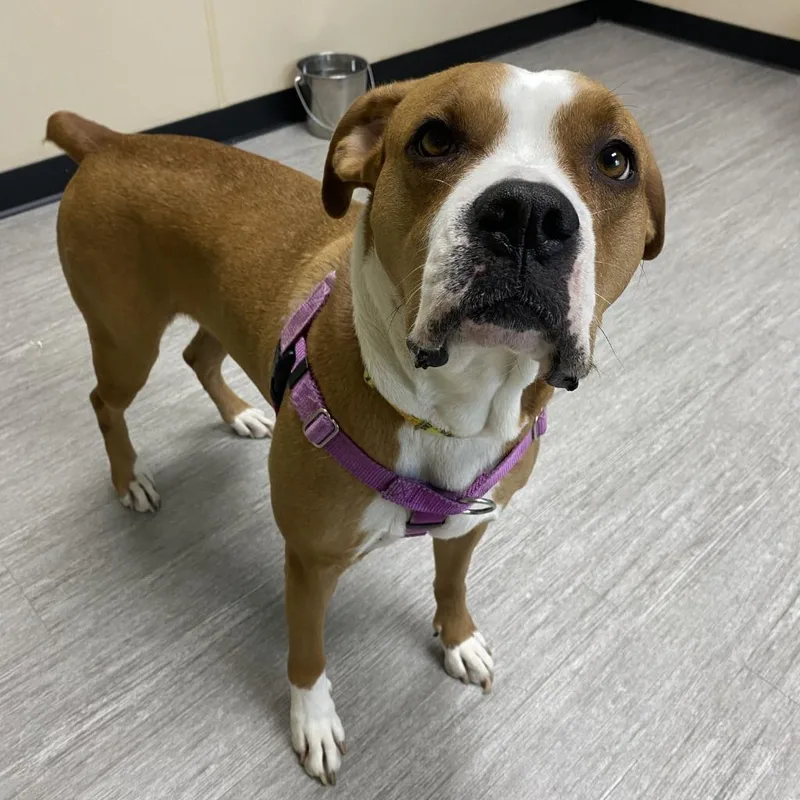
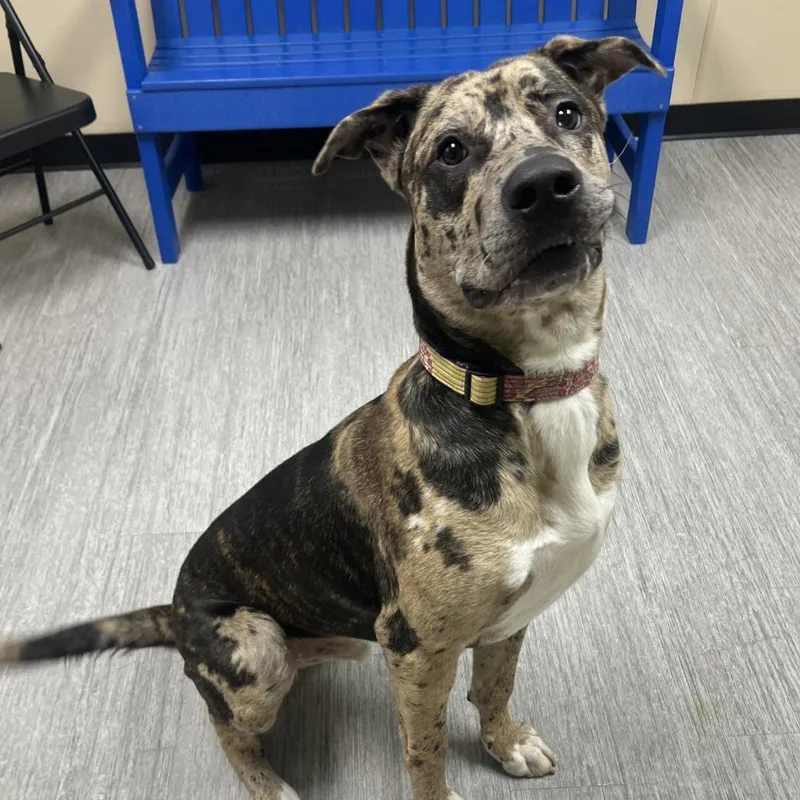
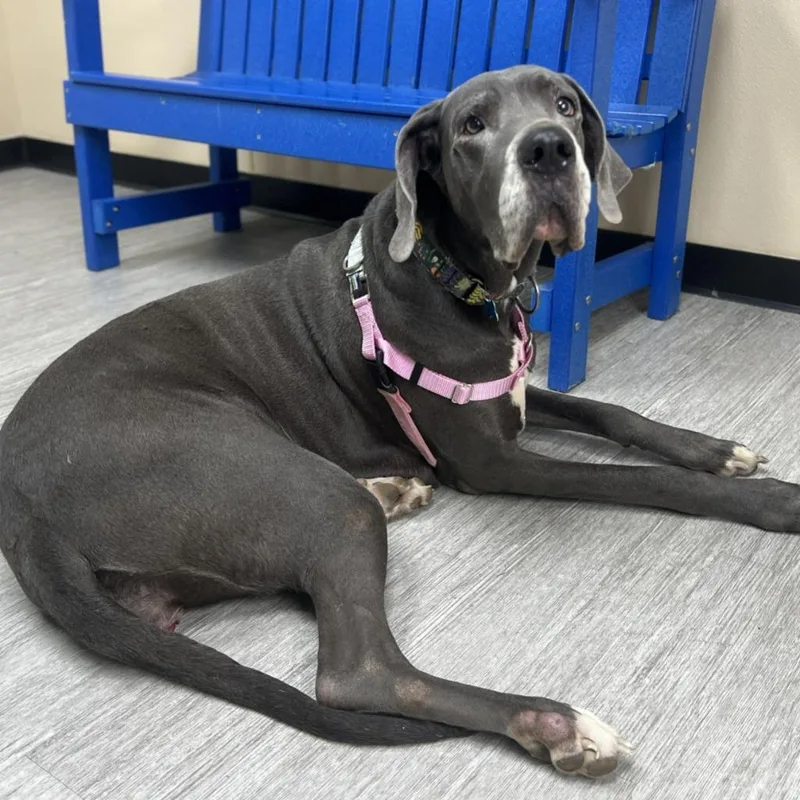
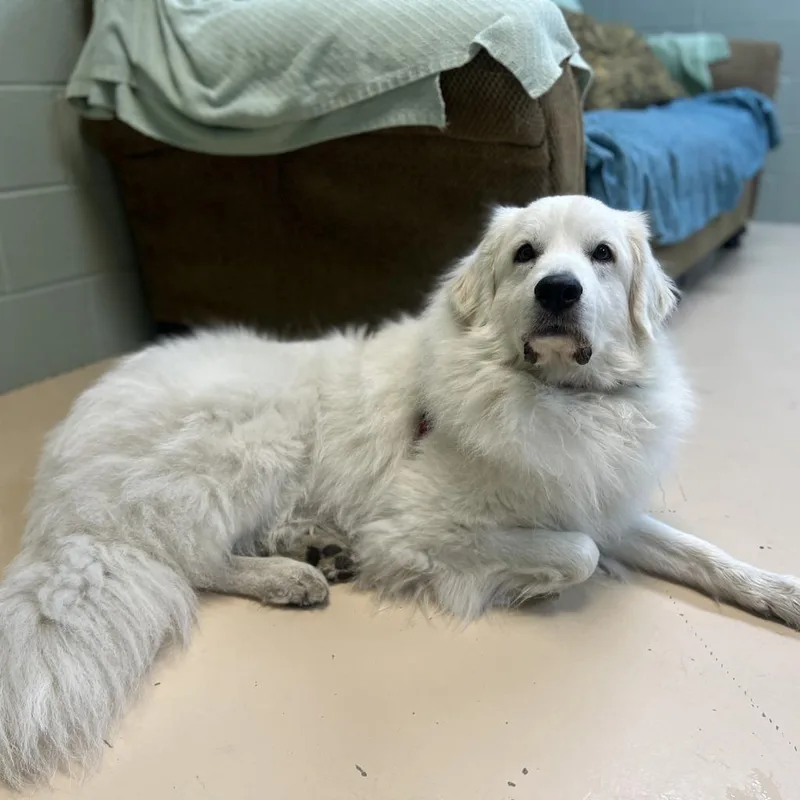
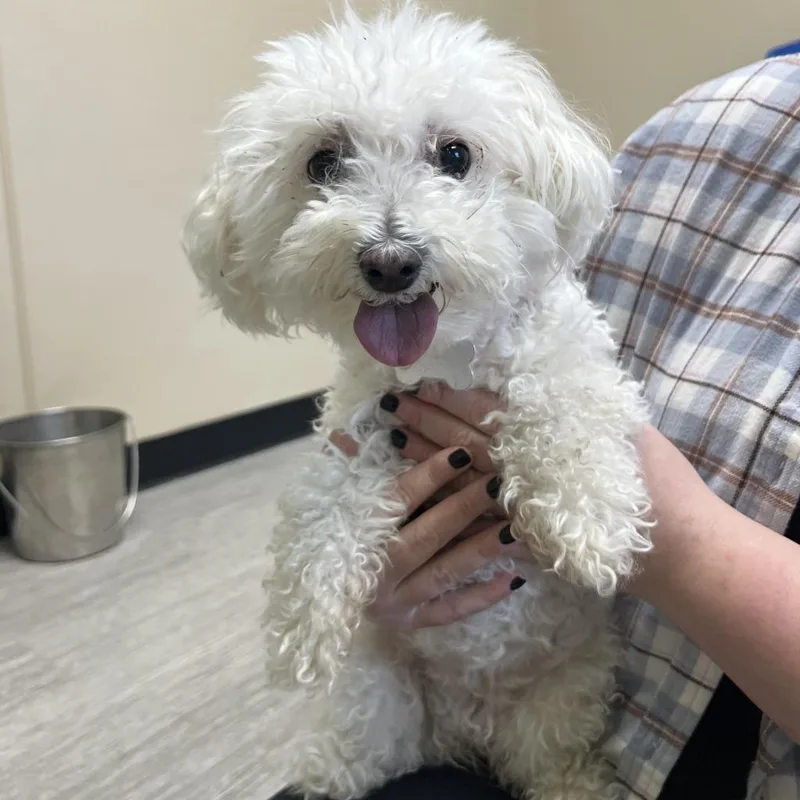
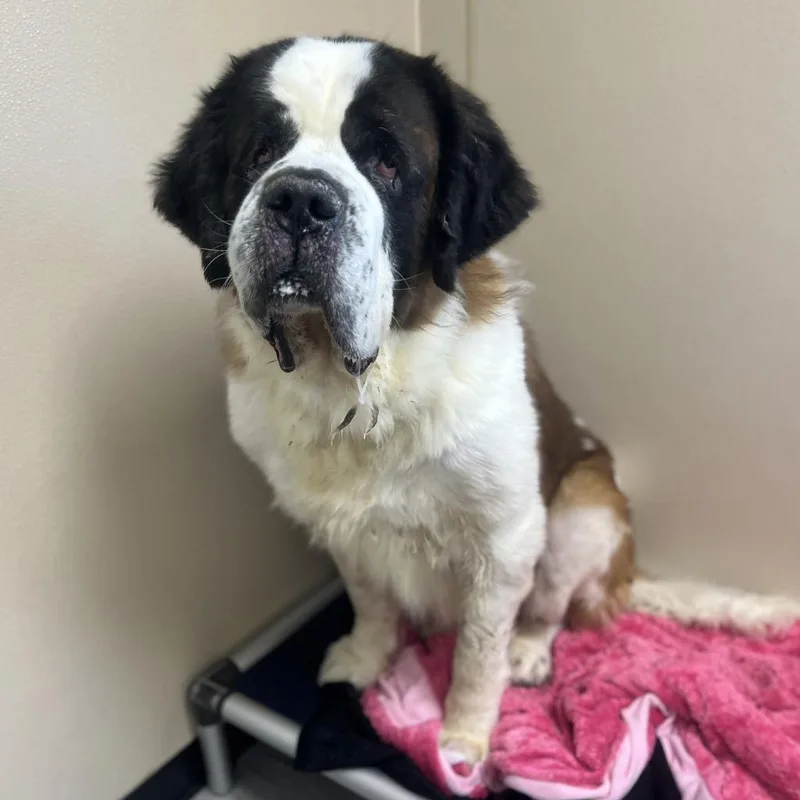
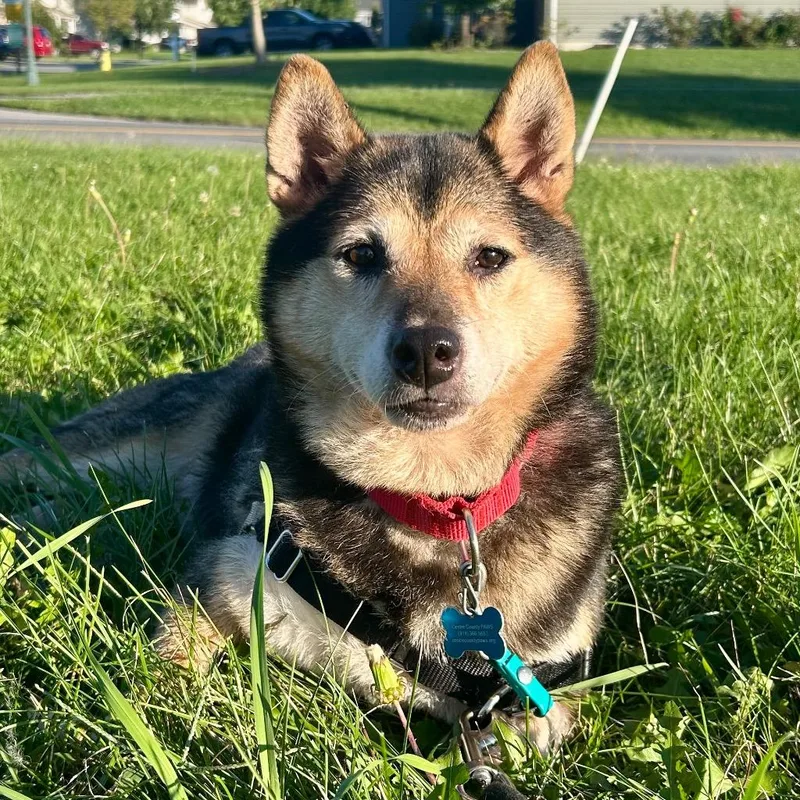
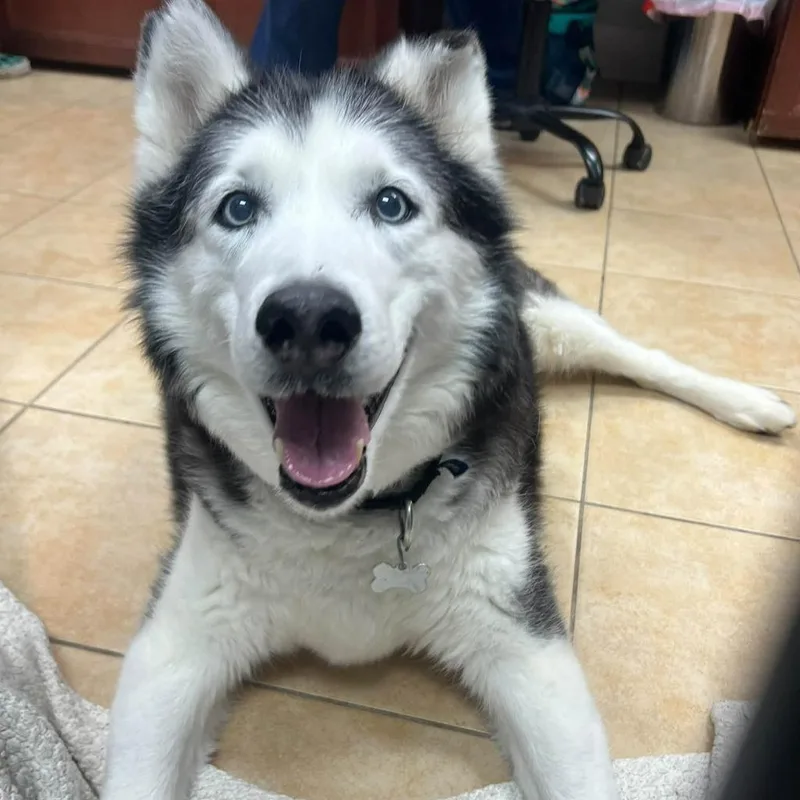
Chihuahua dog

Chihuahua Dogs for Adoption in State College, PA

Your guide to finding and caring for a Chihuahua in State College

A Chihuahua suits State College's apartment-heavy neighborhoods, since a few short walks cover most of its exercise. Around Highlands or Orchard Park, where multi-family buildings are common, a dog under ten pounds needs very little room, though a sweater helps when January highs hover near 34°F. Greentree's quieter single-family streets are good for calm, predictable loops. A Chihuahua here is a sidewalk-and-couch dog, happiest close to its person.

8552 Chihuahuas available in State College and nationwide

Find your Chihuahua

While we don't have enough dogs near State College, keep in mind that many rescues may offer transport.

Chihuahuas Available for Adoption Near State College

About the Chihuahua breed

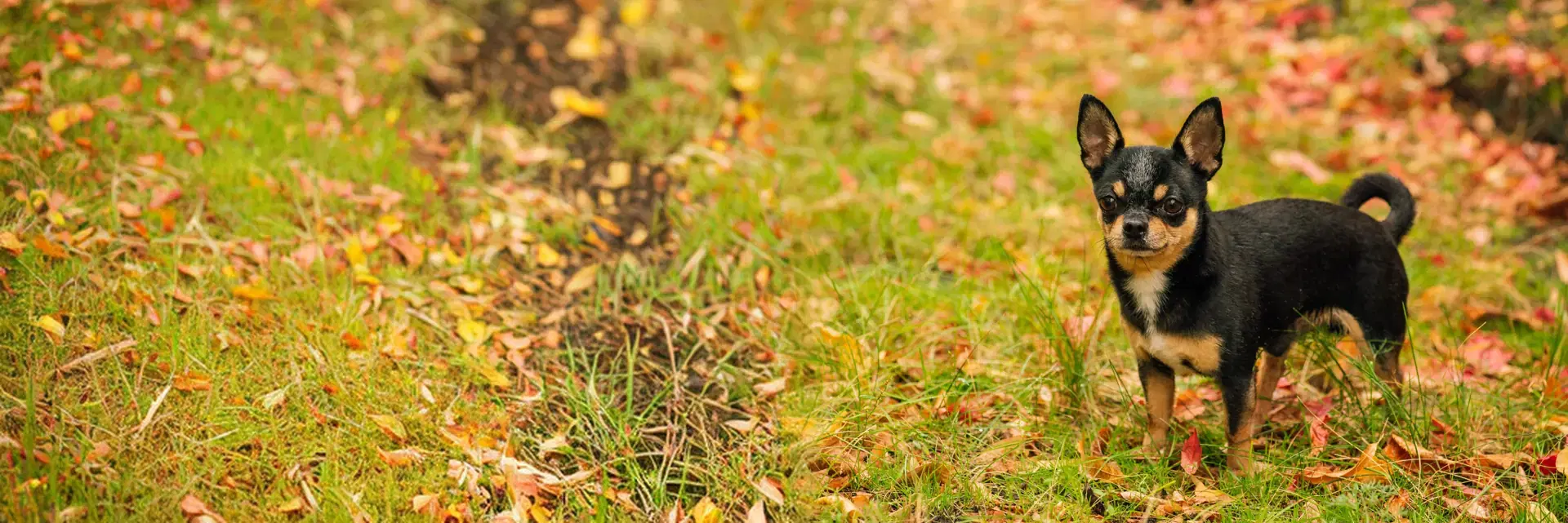
Chihuahuas are named for the Mexican state of Chihuahua, and the AKC registered its first one in 1904. Most pet Chihuahuas weigh between 3 and 9 pounds, with an apple-shaped head, large upright ears and a smooth or long coat in almost any color. Shedding is low to moderate, so regular brushing is usually enough.

The personality runs bold and alert. Many Chihuahuas bond closely with one or two people, bark at unfamiliar sounds and may snap if handled roughly, so gentle socialization matters. They often live 12 to 16 years, which is a long commitment. In State College, their size makes them easy to carry through a crowded downtown sidewalk or settle into a small rental.


Weight
3–9 lbs
Height
5–9 in
Lifespan
12–16 yrs
Temperament
Devoted, Alert, Sassy, Confident
Group
Toy
Shedding
Low to Moderate

Owning a Chihuahua in State College

Having a Chihuahua in State College

Chihuahuas are small, long-lived dogs whose needs center on warmth, gentle handling and dental care. Every dog is different, but these basics shape daily life in a State College apartment or house.

Temperament

Chihuahuas are often devoted to one or two people and wary of strangers, and many bark at footsteps in a hallway. In a busy rental building, that alertness can bother neighbors, so early quiet training and reward-based socialization pay off. Some are shy and some are bold, so meet the dog before deciding.

Exercise Needs

Two or three short walks plus indoor play usually meet a Chihuahua's needs. Sidewalk loops around Highlands or Greentree work well, and since most borough parks bar dogs, lean on streets and indoor games. On snowy days, puzzle toys and scent games keep a Chihuahua busy without a long, cold outing.

Health Considerations

Dental disease, slipping kneecaps, heart valve disease and tracheal collapse are common in Chihuahuas, so a harness is safer than a collar. Puppies can develop low blood sugar. Ticks live throughout Pennsylvania, so keep prevention current, and have a veterinarian check teeth, knees and heart at routine visits.

Living Space

Chihuahuas do well in apartments, townhouses and small homes because they need so little room. The risks come from size: stairs, jumps off furniture and being stepped on in crowded student buildings. Ramps and warm bedding help, and even a fenced yard calls for supervision rather than unattended time.

What it costs to own a Chihuahua in State College

ExpenseTypical costPer year
Food$15 to $35 per month$180 to $420
Pet insurance$30 to $60 per month$360 to $720
Routine vet care$200 to $400 per year$200 to $400
Other*$536 to $1,511 per year$536 to $1,511
Estimated yearly total (after year one)$1,276 to $3,051

Other costs are estimates and vary with size, age and health.

* The $10.80 Centre County dog license, dental cleanings, flea, tick and heartworm prevention, toys and bedding, light coat care, and sweaters for a cold-sensitive dog.

Chihuahua dog

Adopt a Chihuahua in State College.

Now that you know more, let’s find you a new best friend. These rescues and shelters below have dogs available in and near State College.

Rescues and Shelters in or near State College

Centre County PAWS, a nonprofit, non-euthanasia shelter, anchors State College's rescue community alongside foster volunteers. Here are the rescues & shelters in the State College area with dogs available for adoption, worth asking whether a Chihuahua is coming in.

Frequently Asked Questions

Yes, with preparation. Chihuahuas chill easily, and State College has about 122 freezing nights a year. Use a sweater or coat, keep outdoor trips short, wipe salt from paws and provide a warm bed indoors. A Chihuahua should never be left outside in the cold, and booties can help on icy sidewalks.

Often yes, with a carrier. CATA buses allow non-service animals that are muzzled or in an approved carrier, as long as they don't pose a risk or disrupt service, and a carrier is the easiest choice for a Chihuahua. There's no subway or rail here. Campus Loop and Link buses are fare-free.

Leashed dogs are welcome at Lederer Park and Walnut Springs Park, where wooded paths suit a small dog, and on Orchard Park's perimeter sidewalks. For off-leash play, Tudek Dog Park in Ferguson Township has a separate fenced area for dogs under 30 pounds. On hikes, watch for ticks and keep a tiny dog close.

Yes. Pennsylvania law prevents local breed bans, and State College has no known breed rule affecting Chihuahuas. You'll need a current license and rabies vaccination, a leash off your property and a plan for cleaning up waste. Your lease may add its own limits, so read the pet terms before you commit.

Usually only to outdoor patios, and only where the restaurant allows it. Policies are set by each venue and can change, so look for a patio before bringing your dog. Pennsylvania reportedly requires an outdoor or separate area for dogs, and only service animals go inside. A small carrier keeps a Chihuahua safe from foot traffic.

Very little. Smooth coats need a weekly brush, long coats a few times a week, and both shed low to moderate amounts. Add regular nail trims and tooth brushing, since dental care matters most. Dry winter air can itch, so bathe only when needed. A professional groomer is optional and falls under the yearly Other costs.

A Chihuahua is a tiny toy breed from Mexico and the smallest recognized dog breed, usually weighing under six pounds. It has a rounded apple-shaped head, large upright ears and big expressive eyes, with either a smooth or long coat. Many Chihuahuas are bold, alert and deeply loyal to their favorite people, with plenty of attitude for their size.

A Chihuahua is a very small, slightly longer-than-tall dog with a rounded apple-dome skull, a short, slightly pointed muzzle and large ears that stand upright. Its eyes are full, round and dark. The coat can be smooth and glossy or long and soft with fringed ears and a plumed tail, in almost any color or pattern.

Yes, Chihuahuas can be very good dogs for the right home. Many are affectionate, loyal, portable and happy with modest exercise, which suits apartments and less active people. The trade-offs include frequent barking, wariness of strangers, slow house-training and fragility around rough play. An adult Chihuahua with a known temperament can be an excellent companion.

Expect roughly $15 to $35 a month for food, $30 to $60 a month for optional insurance and $200 to $400 a year for routine vet care. Other yearly costs, including the Centre County license, dental care, flea, tick and heartworm prevention, supplies and winter sweaters, run about $536 to $1,511.