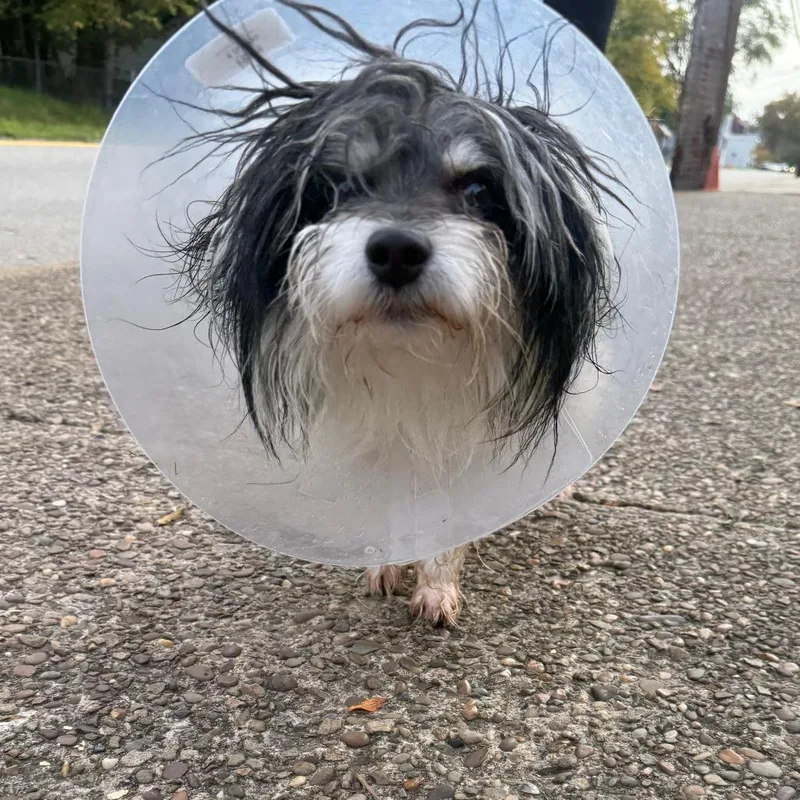
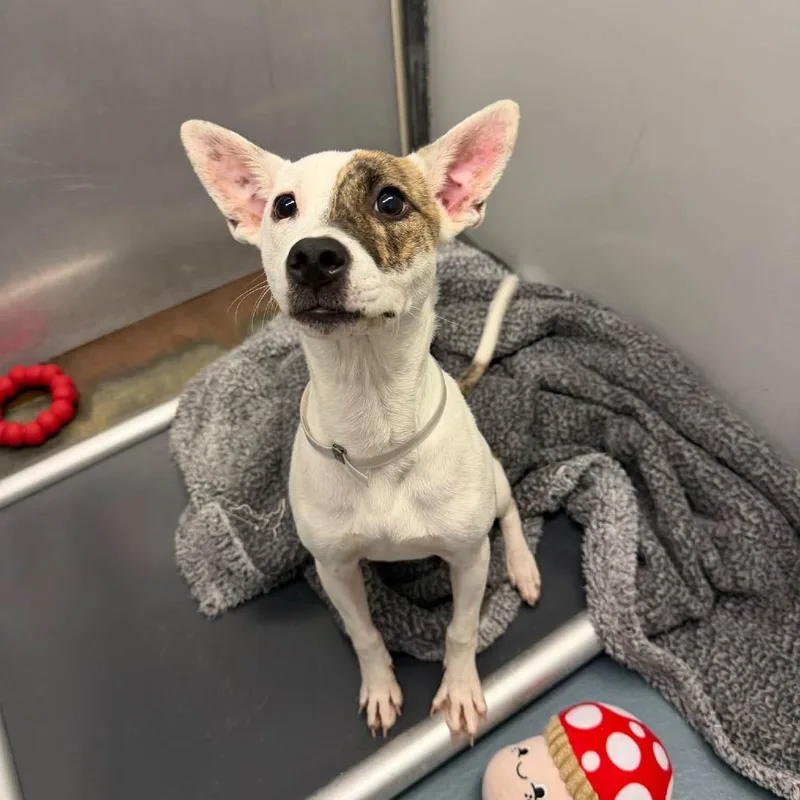
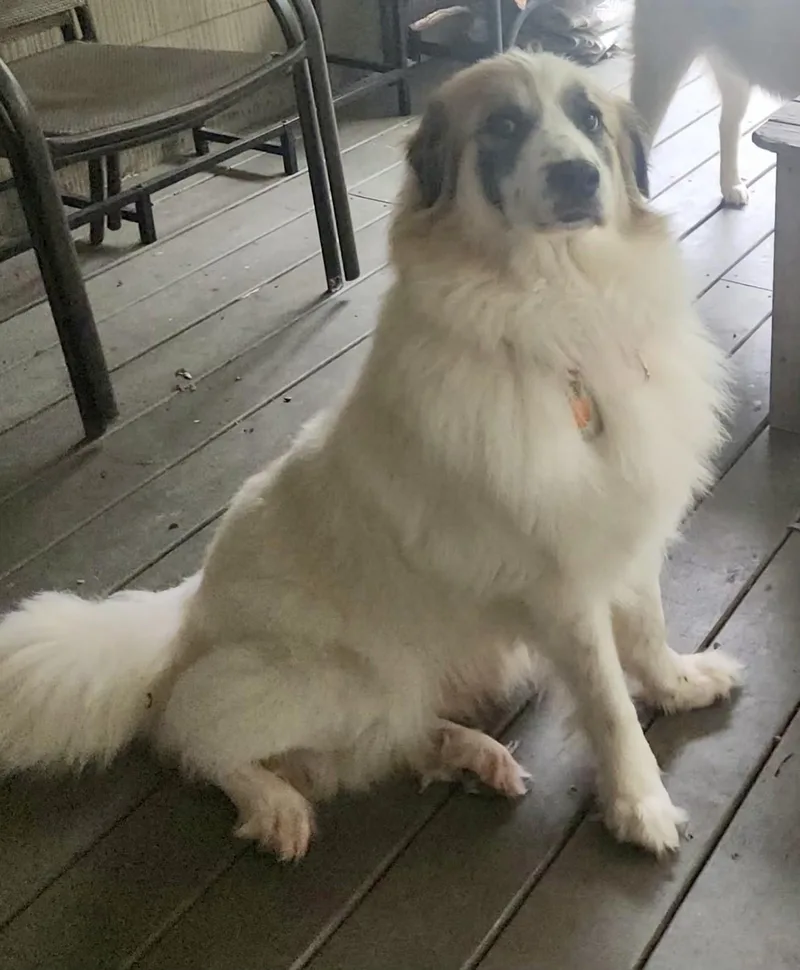
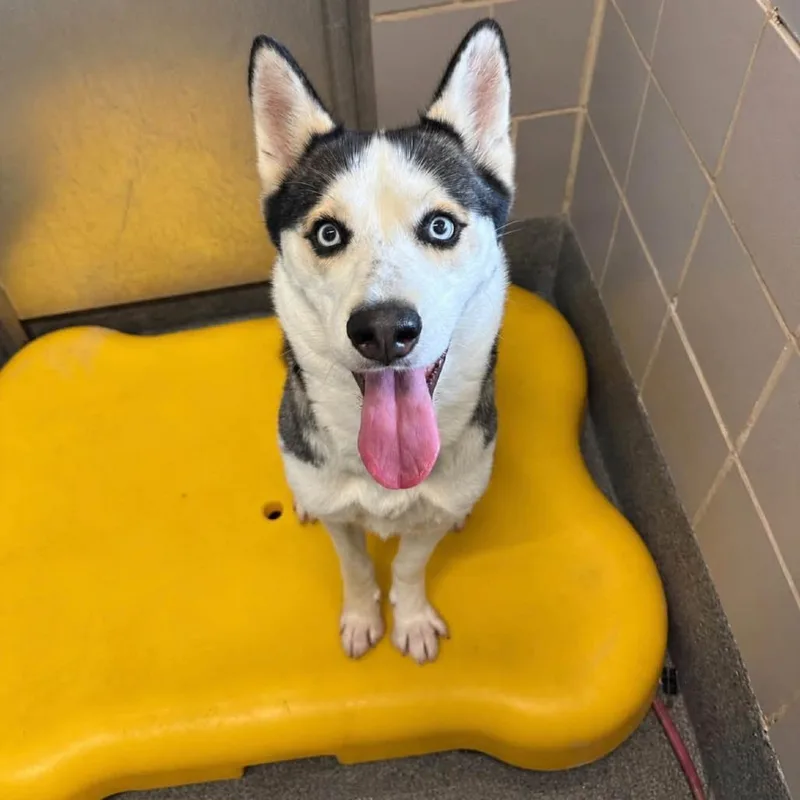
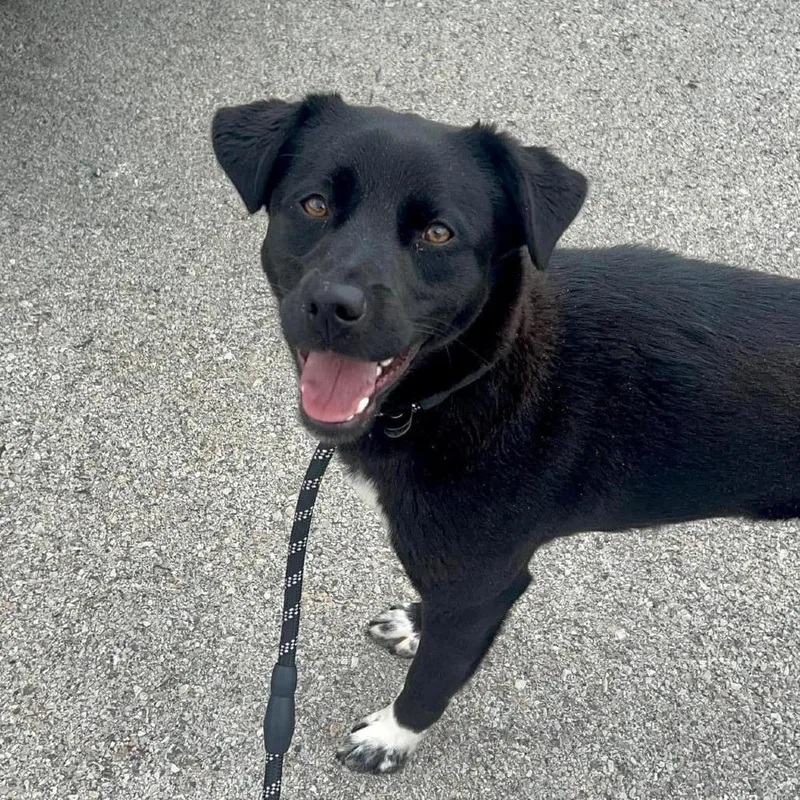
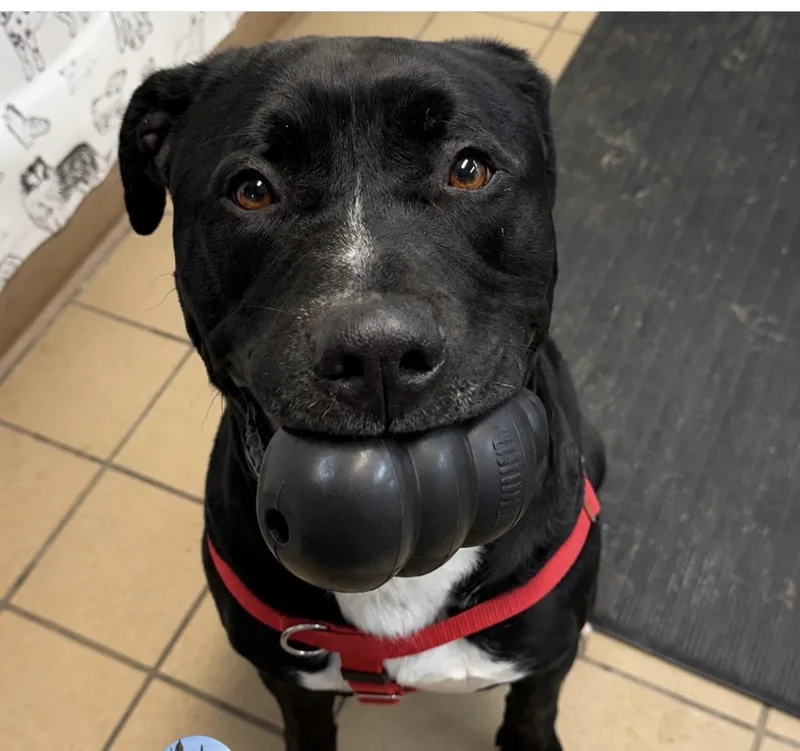
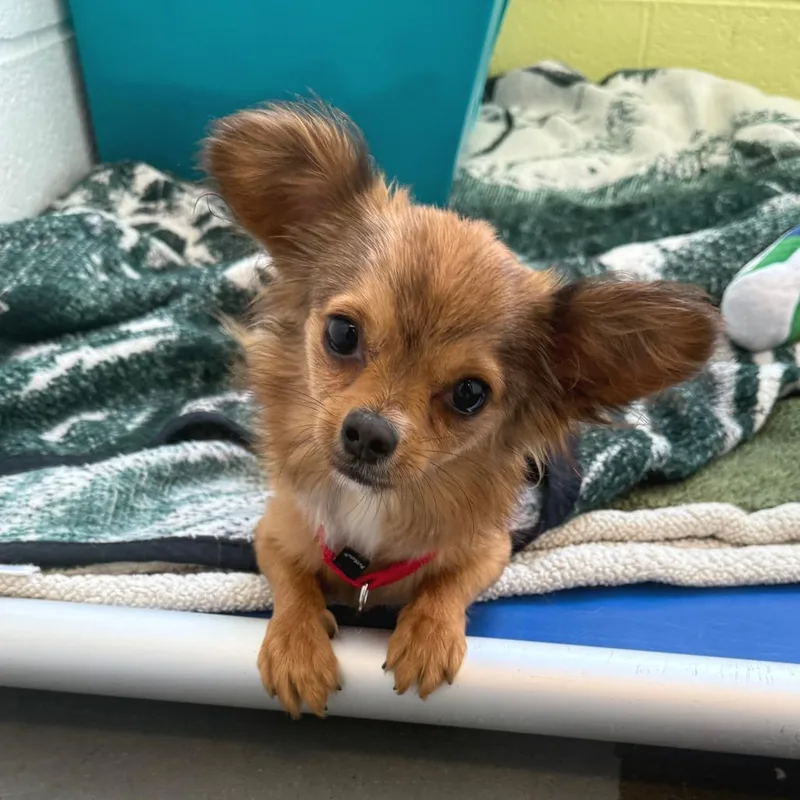
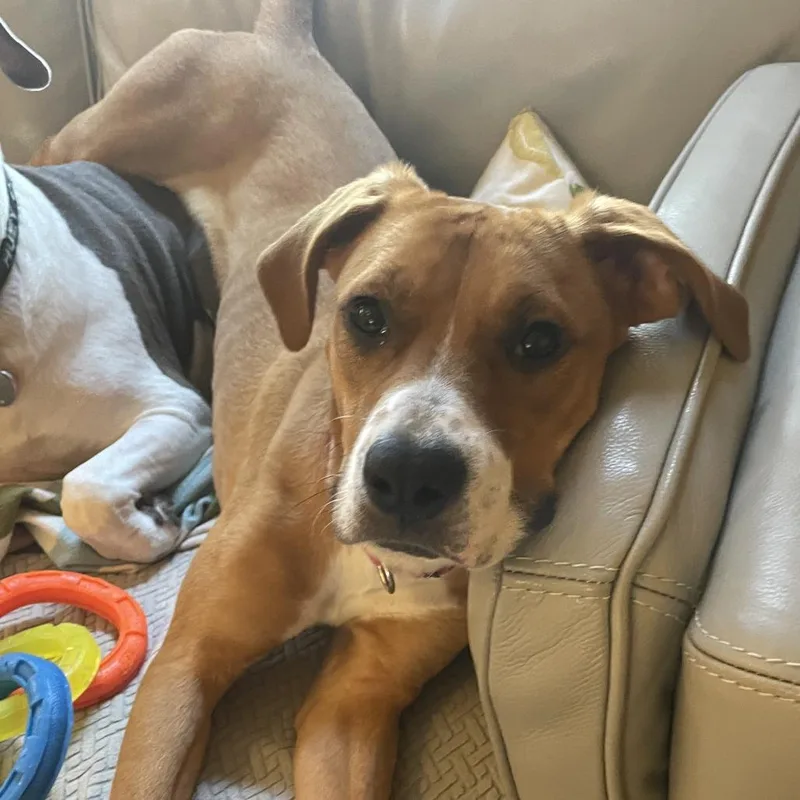
Terrier Dogs for Adoption in Pittsburgh, PA

Your guide to finding and caring for a Terrier in Pittsburgh

A small terrier mix suits Pittsburgh's rowhouse neighborhoods, as long as you don't mind hills. In Bloomfield or on the Mexican War Streets, a compact dog handles narrow sidewalks and stoops easily, and the city steps in Polish Hill or Troy Hill give a dog with energy to burn a real workout. Terriers are alert, so expect a bark when someone walks past your door. It's a good match for people who like a daily walk with a little climb in it.

9700 Terriers available in Pittsburgh and nationwide

Meet your next Terrier mix

Terriers Available for Adoption Near Pittsburgh

About the Terrier breed

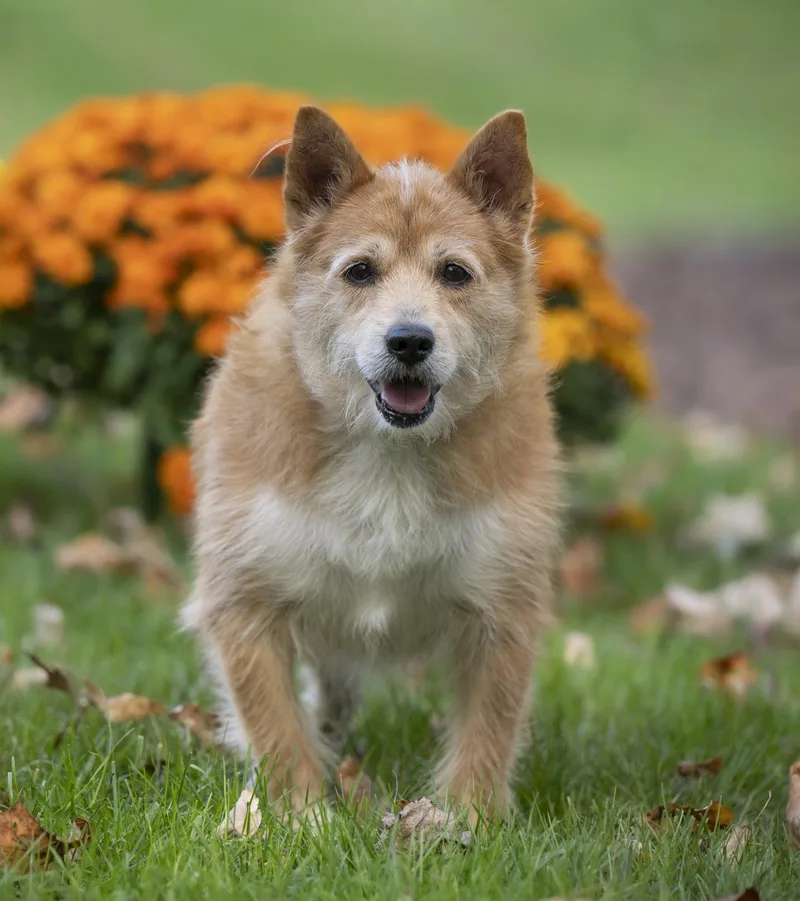
Terrier is a type of dog rather than a single breed. The name comes from the Latin for earth, since these dogs were developed to hunt rats and foxes, often by digging into burrows. Dozens of breeds share the label, and in Pittsburgh you'll often see terrier-like mixes of Jack Russell, Rat, Cairn, Schnauzer or Chihuahua ancestry.

Most are small to medium, typically 10 to 35 pounds, with wiry or smooth coats and a confident, lively outlook. Many are loyal, affectionate and full of personality, though barking, digging and chasing small animals are common habits. Size, coat and energy depend on the dog's mix, so meeting the dog tells you more than the label does. That curious, watchful streak fits a city of stoops, alleys and steep streets.

Weight
10–35 lbs
Height
10–18 in
Lifespan
12–16 yrs
Temperament
Energetic, Bold, Loyal
Group
Terrier
Shedding
Moderate

Owning a Terrier in Pittsburgh

Having a Terrier in Pittsburgh

Terrier covers many breeds and mixes, so these cards describe tendencies most adoptable terriers share: confidence, quick minds, strong prey drive and plenty of energy. How strongly each one shows depends on the dog's ancestry, age and history.

Temperament

Terriers tend to be bold, loyal and opinionated. On Pittsburgh's close-set rowhouse blocks, that alertness can mean plenty of barking at passersby and squirrels unless training starts early. Prey drive is common, so cats and small pets need careful introductions. Reward-based training and steady socialization on busy sidewalks help a terrier settle in.

Exercise Needs

Plan on a brisk daily walk plus play such as fetch, tug or scent games. Pittsburgh's hills and city steps add a natural workout, and the fenced off-leash areas give a dog with reliable recall room to run. Puzzle toys and digging boxes help on snowy days. Working types like Jack Russell mixes may need more than a walk.

Health Considerations

Small terriers commonly face dental disease, kneecap luxation, allergies and skin trouble, and some carry eye conditions or hip problems. Pittsburgh's many stairs are worth watching if a dog has shaky knees. Allegheny County reports Lyme-carrying ticks, so year-round tick prevention, a lean weight and regular veterinary checkups matter.

Living Space

Small terriers usually do well in Pittsburgh's rowhouses, apartments and converted lofts when they get daily exercise. Barking can carry through shared walls, so training matters. A yard needs a dig-proof fence, since many terriers tunnel. Most want to live indoors near their people.

What it costs to own a Terrier in Pittsburgh

ExpenseTypical costPer year
Food$20 to $45 per month$240 to $540
Pet insurance$35 to $70 per month$420 to $840
Routine vet care$200 to $400 per year$200 to $400
Other*$385 to $1,270 per year$385 to $1,270
Estimated yearly total (after year one)$1,245 to $3,050

Other costs are estimates and vary with size, age and health.

* The $10 to $20 Pittsburgh dog license, flea, tick and heartworm prevention, a dental cleaning allowance, toys and bedding, and brushing or occasional grooming.

Adopt a Terrier in Pittsburgh.

Now that you know more, let’s find you a new best friend. These rescues and shelters below have dogs available in and near Pittsburgh.

Frequently Asked Questions

Yes. Pennsylvania law bars local ordinances from banning or limiting a specific breed, so terriers and terrier mixes are welcome citywide. You'll need a city dog license once the dog is three months old, a current rabies vaccination, and a leash no longer than six feet on walks. Households can have up to five dogs and cats combined.

Yes, most small terriers do well in apartments when they get daily walks and play. Barking is the usual problem, so teach quiet cues early and think about shared walls and neighbors. A small dog is also easy to carry up Pittsburgh's hills and city steps. Landlords set their own pet rules, so confirm them before applying.

Mostly yes, with some help. Pittsburgh gets about 44 inches of snow and over 100 freezing nights a year, which is tough on small, short-coated terriers. Use a coat or sweater, wipe road salt off paws after walks, and keep outings short on the coldest nights. Wiry-coated types cope better than smooth-coated ones, but none should stay outside long.

Frick Park and Schenley Park are large parks for leashed walks, and Riverview Park has a popular two-mile loop. For off-leash play, Upper Frick Park, Riverview and Bernard Dog Run in Lawrenceville are city options, and dogs there must be licensed, vaccinated and spayed or neutered. The Three Rivers Heritage Trail also suits leashed walks from dawn to dusk.

Yes, if your terrier fits in a fully enclosed carrier on your lap. Pittsburgh Regional Transit allows pets on its buses and the T, including the Downtown subway stations, at no extra fare, but pets can't ride on seats or block aisles. Most small terriers fit a carrier, while a larger dog can't ride unless it's a service animal.

Only to outdoor patios, and only where the restaurant has county health department approval, so access varies by venue. Dogs aren't allowed inside dining rooms, though service animals are exempt. Bring a water bowl, keep your terrier leashed and settled under the table, and practice calm manners first, since barking at passing dogs is a common terrier habit.

Often, yes, for people who enjoy daily walks. A small terrier handles rowhouse blocks, hills and city steps well, and Pittsburgh has plenty of green space nearby. The trade-offs are winter gear, barking in close quarters, and a strong prey drive around squirrels and wildlife. Active owners who are home a fair amount tend to suit terriers best.

It depends on the coat. Smooth-coated terriers need weekly brushing, while wiry coats may need brushing a few times a week plus occasional trims or hand-stripping. In Pittsburgh, add paw rinsing after salty winter walks and tick checks after time in parks. Grooming sits within the $385 to $1,270 yearly Other costs, and many owners handle the basics at home.

A terrier is a type of dog originally bred to hunt vermin such as rats, rabbits and foxes, often by going into burrows after them. The group includes dozens of breeds of many sizes, from Yorkshire Terriers to Airedales. Shelters also label terrier-looking mixed-breed dogs as terriers. Most share a bold, energetic, tenacious temperament and strong prey drive.

Expect a terrier to cost roughly $1,245 to $3,050 a year. Food runs $20 to $45 a month, insurance $35 to $70 a month, routine vet care $200 to $400 a year, and other costs such as the license, dental care, parasite prevention and supplies $385 to $1,270 a year.