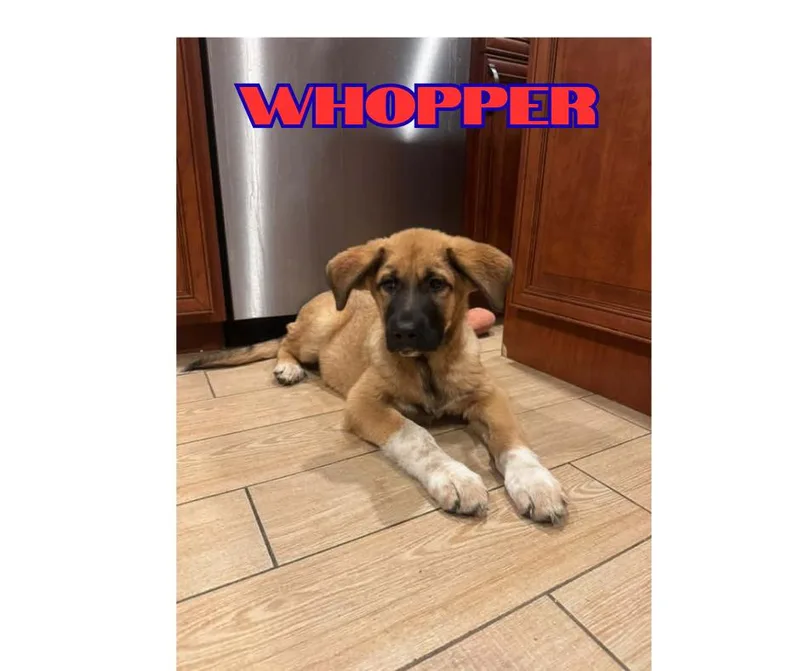
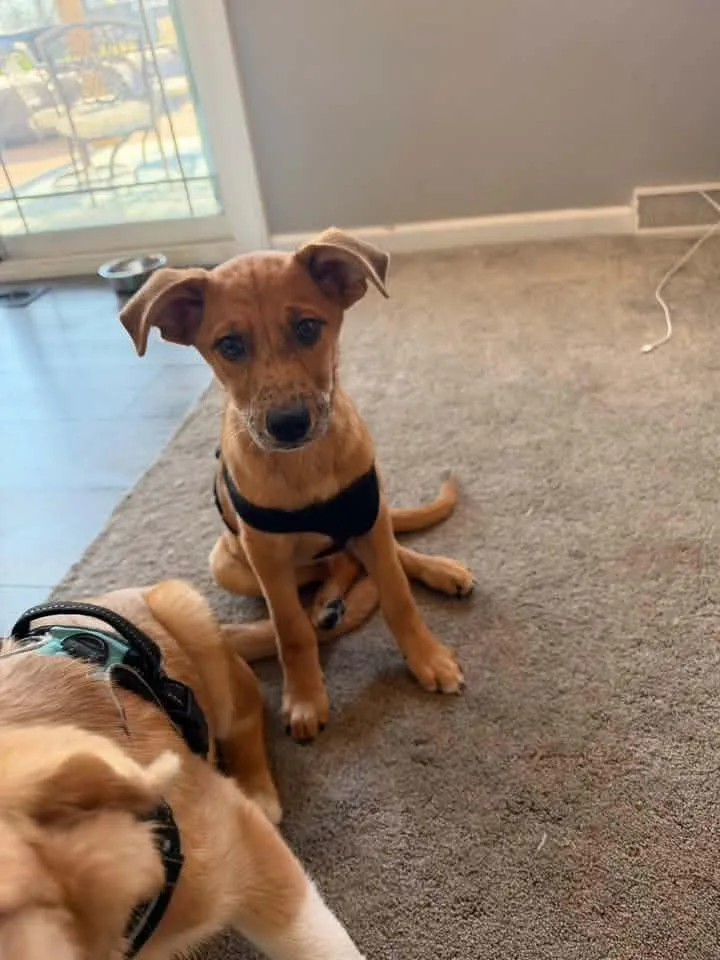
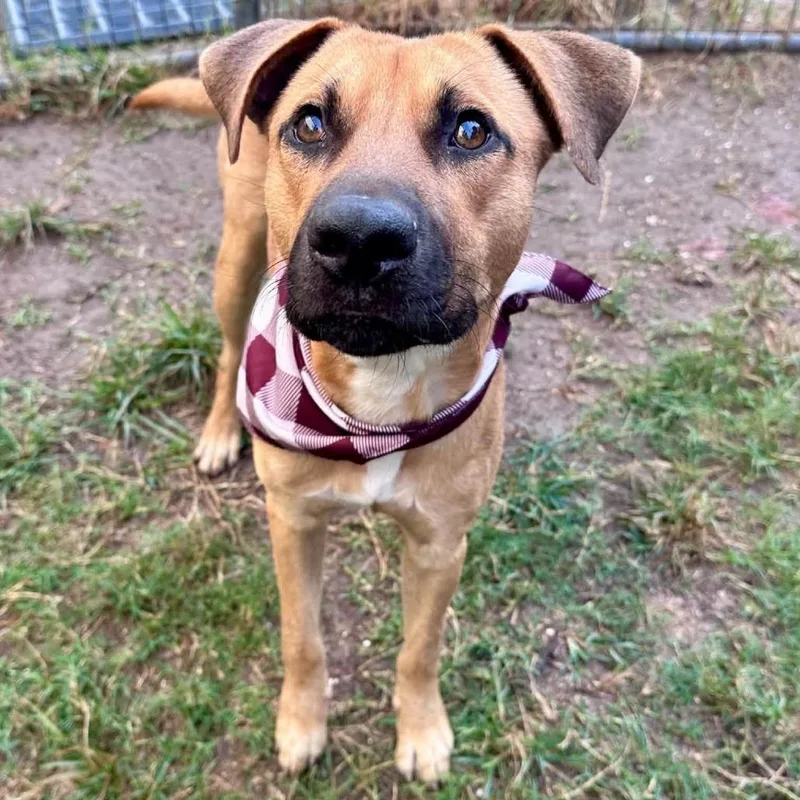
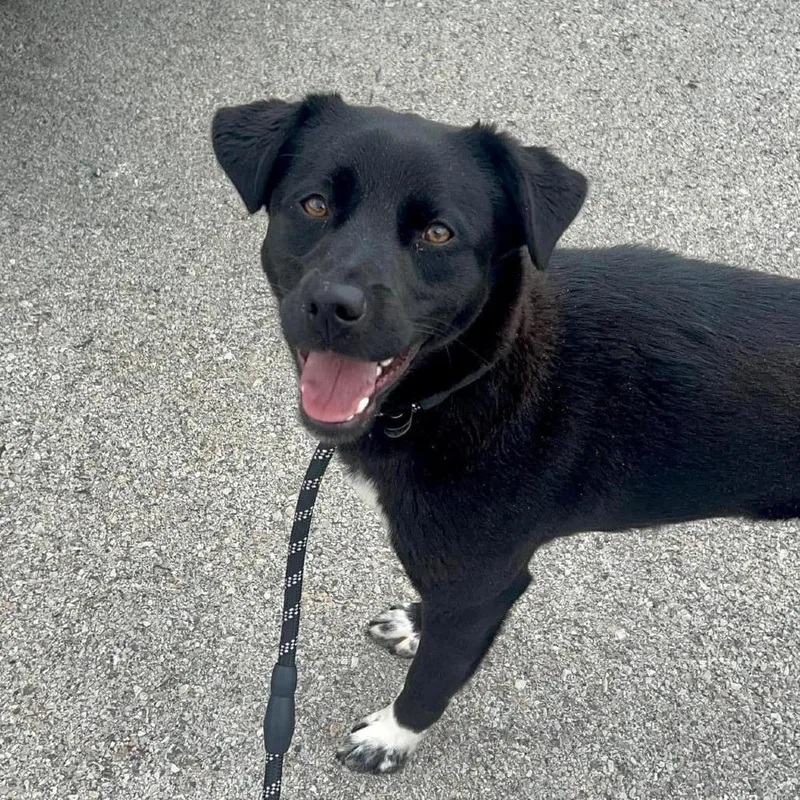
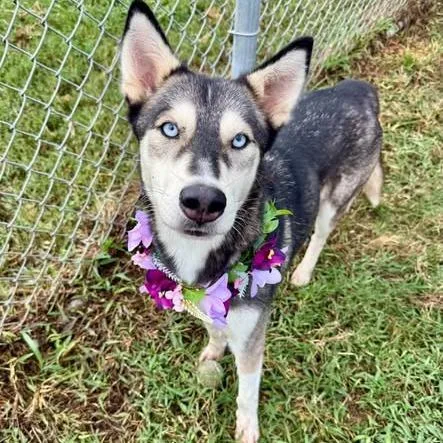
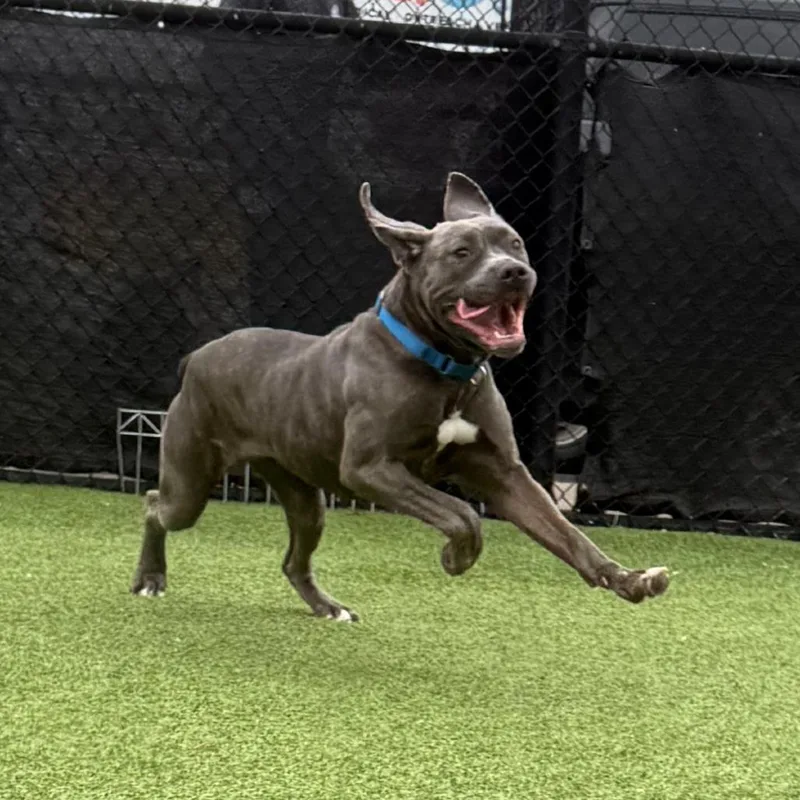
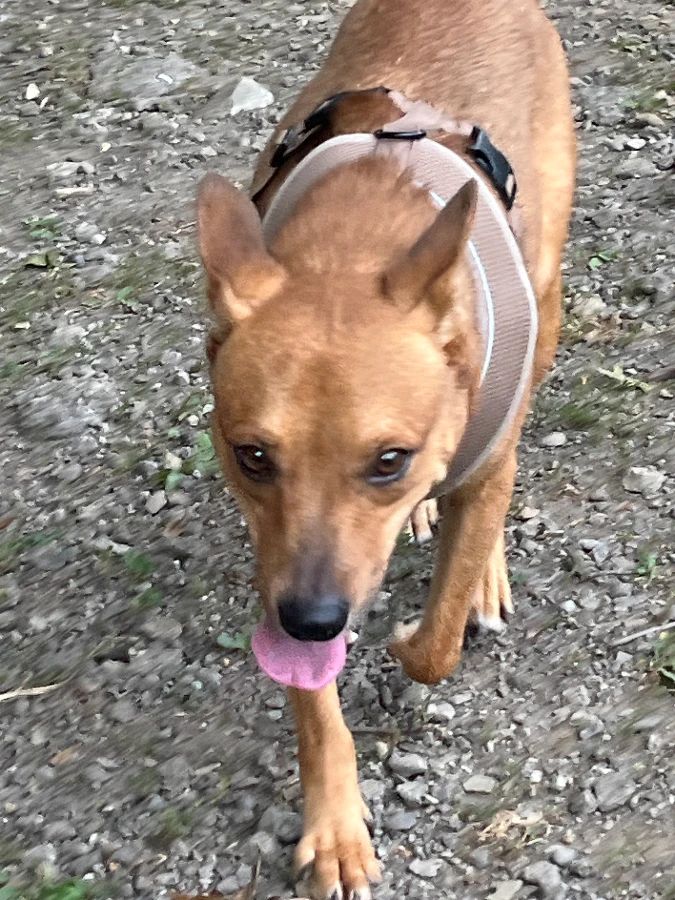
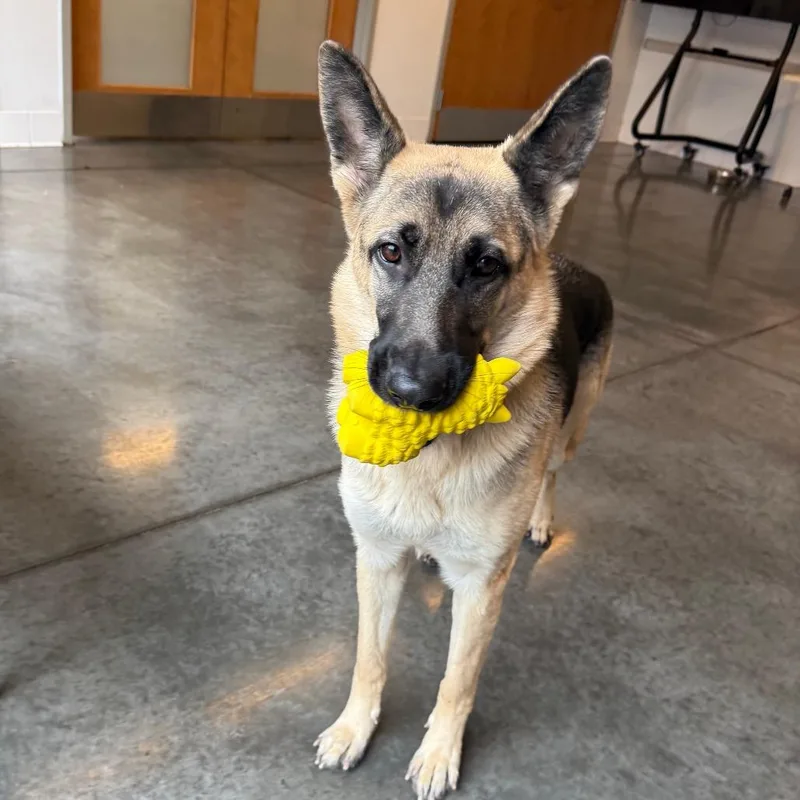
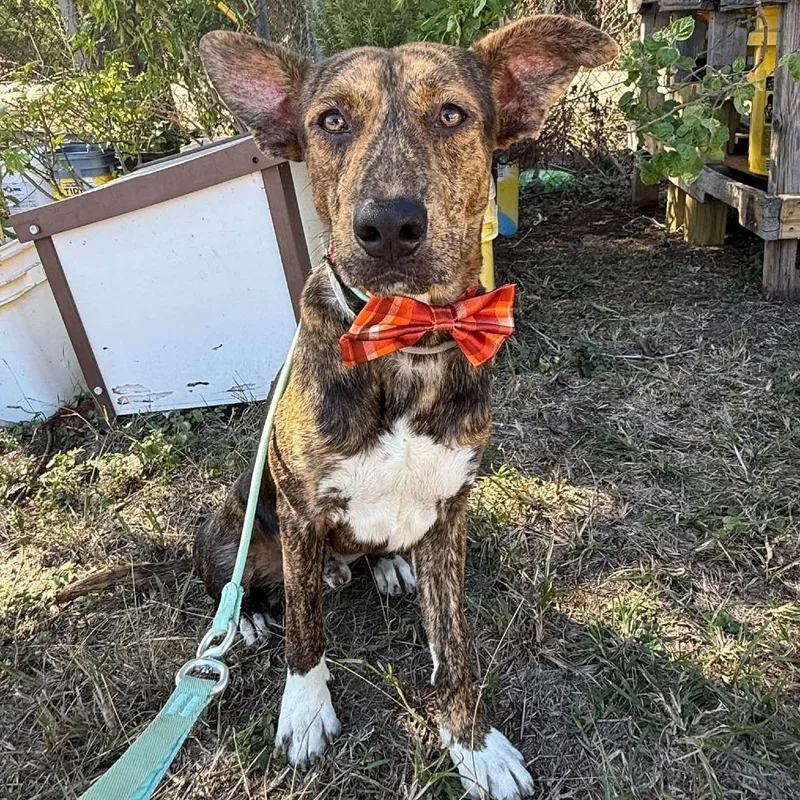
Great Pyrenees dog

Great Pyrenees Dogs for Adoption in Pittsburgh, PA

Your guide to finding and caring for a Great Pyrenees in Pittsburgh

Great Pyrenees fit best in Pittsburgh neighborhoods with some yard, like Brighton Heights. Its stone and brick houses sit beside Riverview Park, where a Pyr's slow, steady pace suits the two-mile loop. Hills are the catch. A 100-pound dog has to handle steep streets and city steps, and a Pyr that patrols and barks at night will be noticed on a tight block of rowhouses. A fenced yard and gentle walking routes matter more than any zip code.

2263 Great Pyrenees available in Pittsburgh and nationwide

Open your home to a Great Pyrenees

While we don't have enough dogs near Pittsburgh, keep in mind that many rescues may offer transport.

Great Pyrenees Available for Adoption Near Pittsburgh

About the Great Pyrenees breed

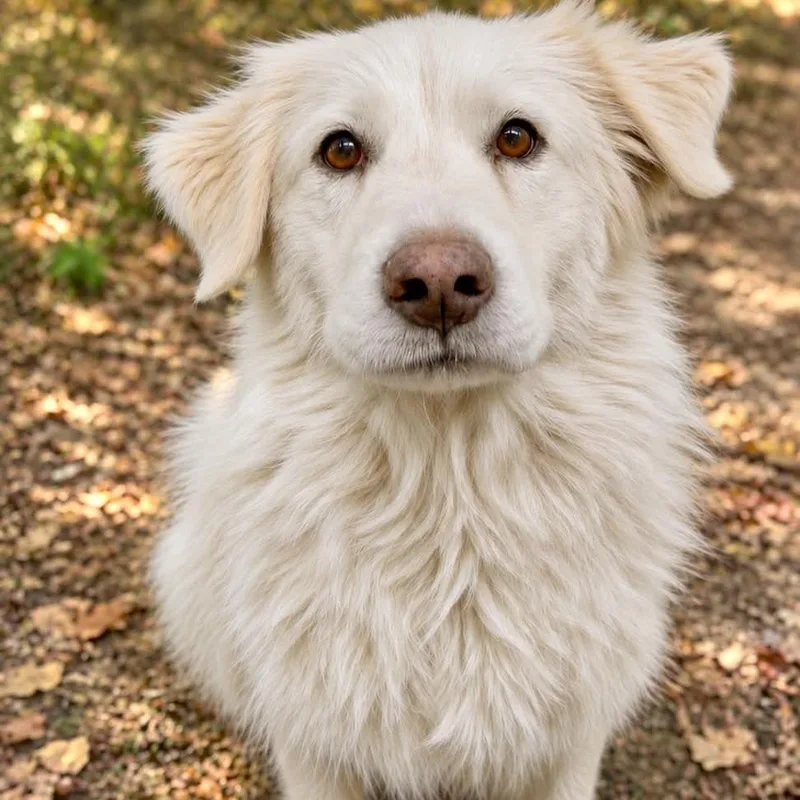
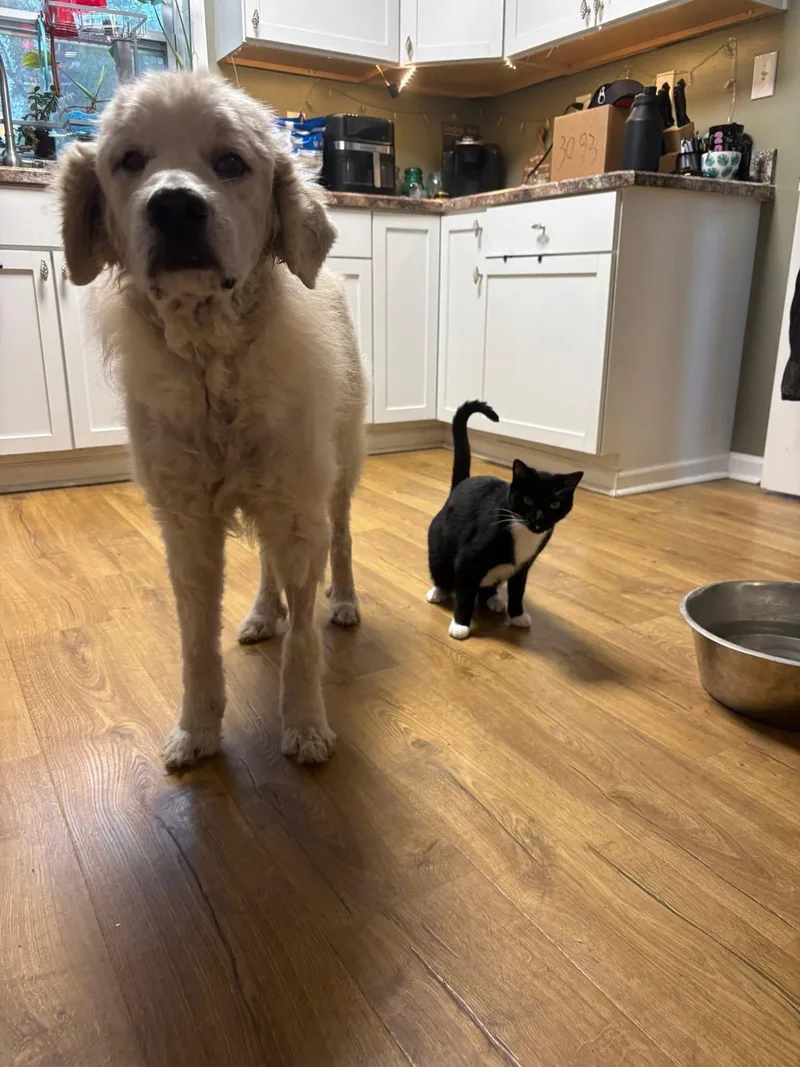
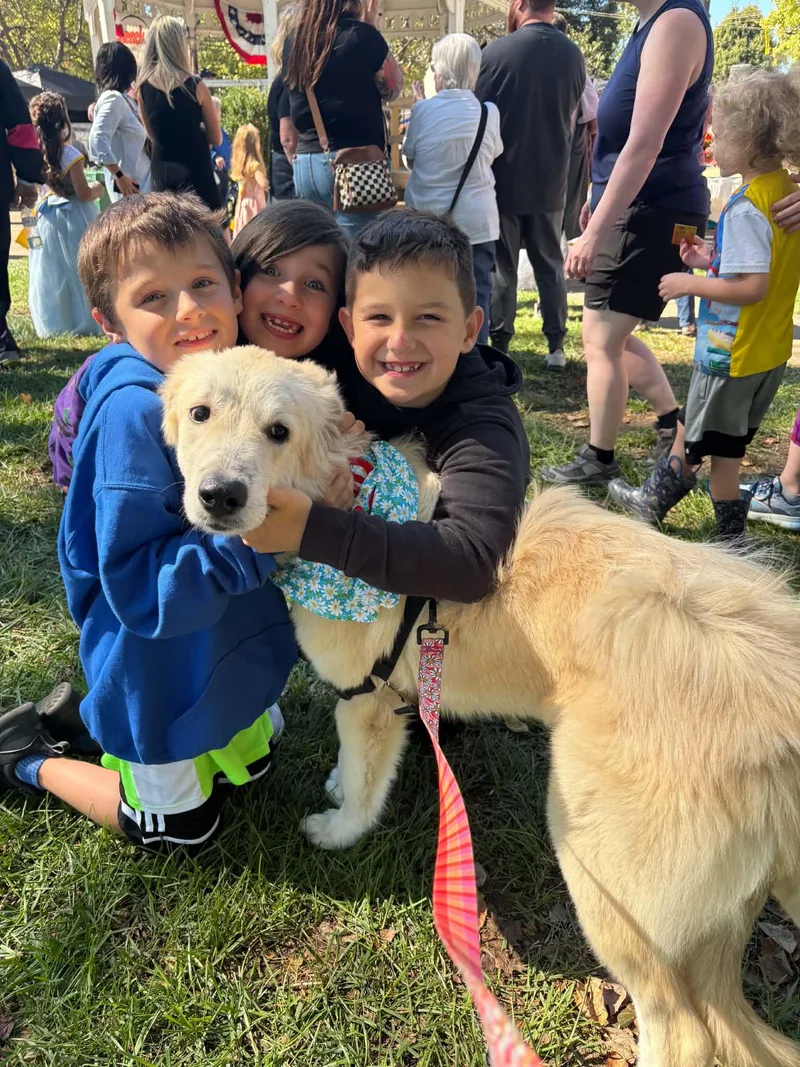
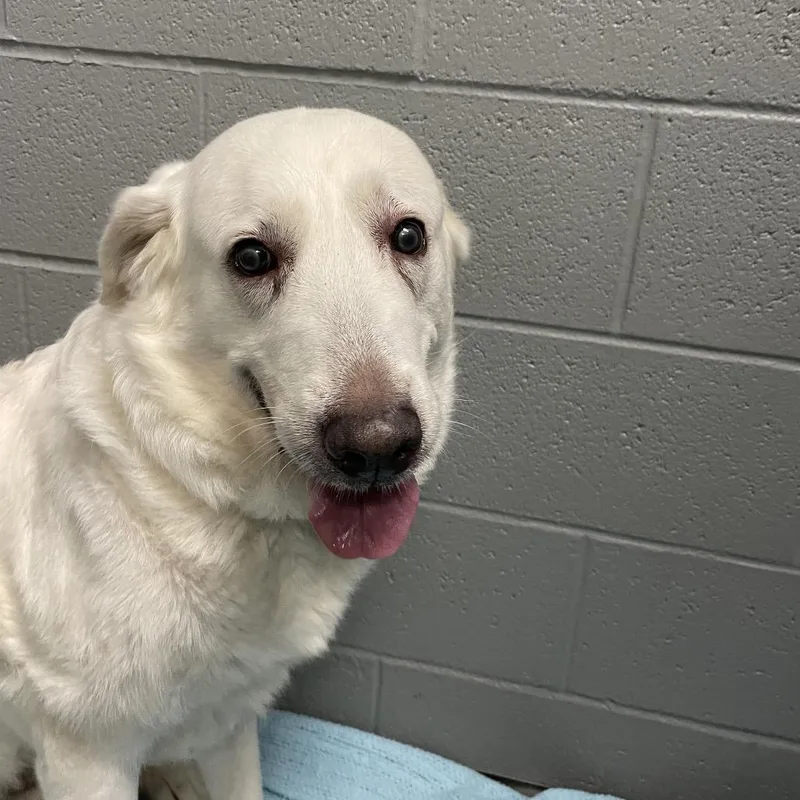
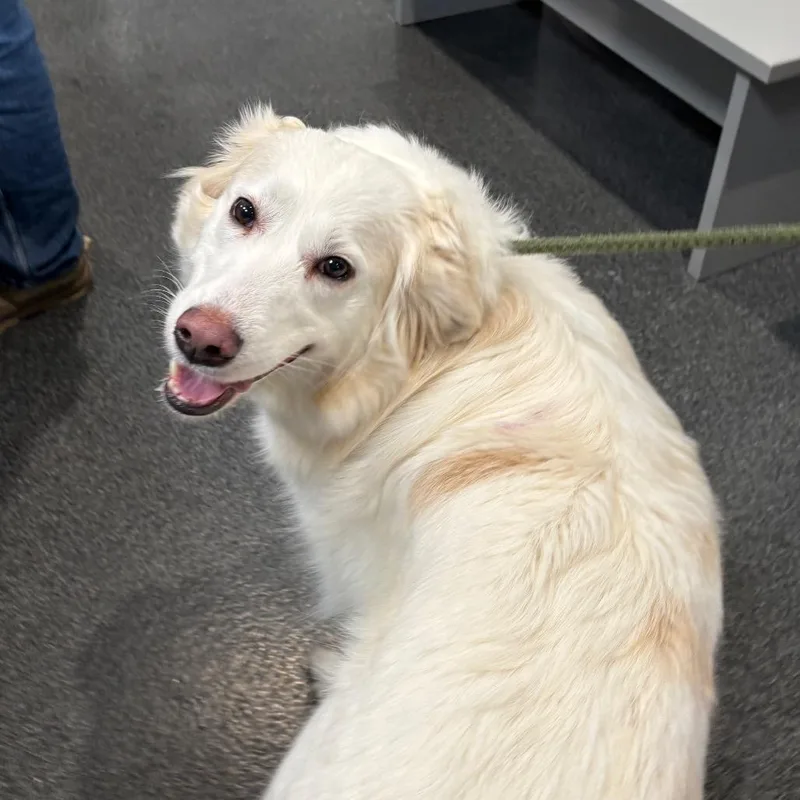
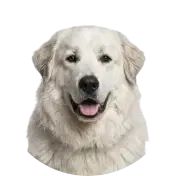
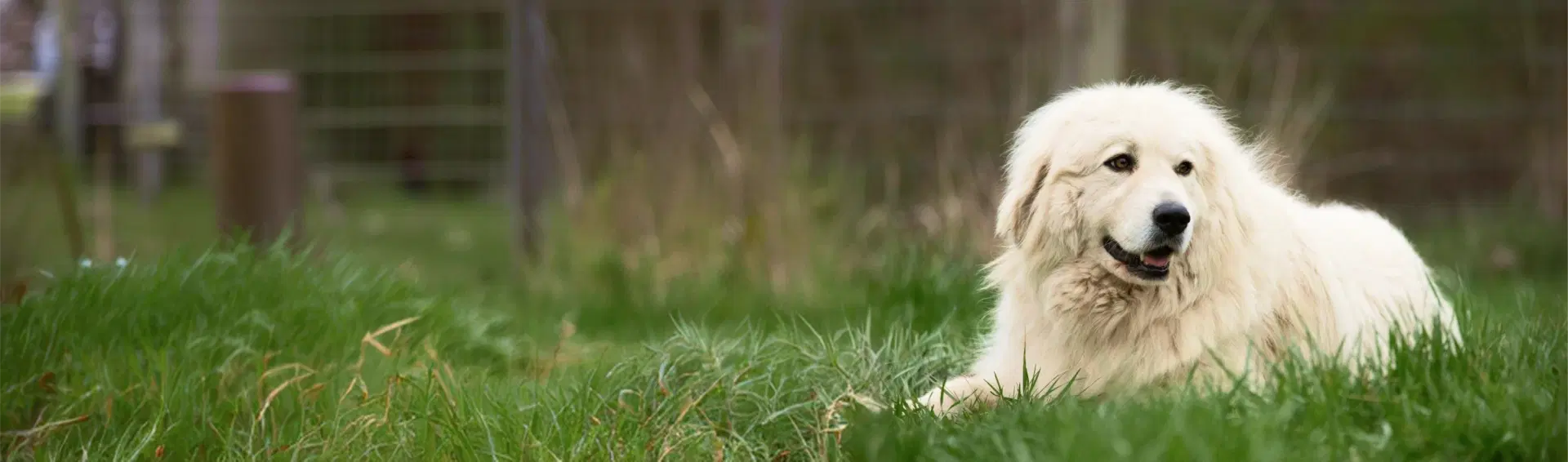
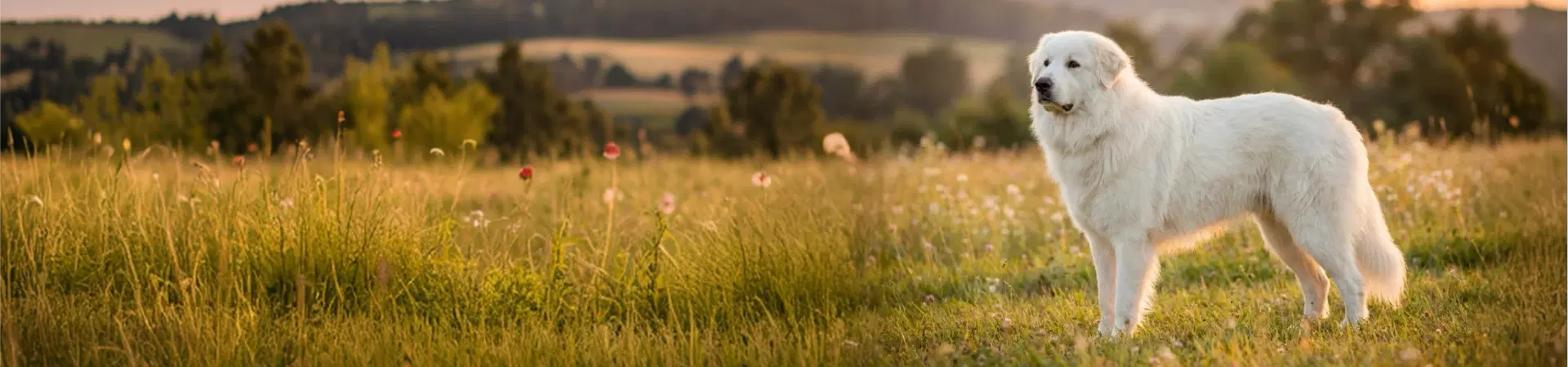
The Great Pyrenees is a centuries-old livestock guardian from the mountains between France and Spain, built to sit with flocks and drive off wolves and bears. Today's Pyr is a giant white dog, usually 85 to 120 pounds, with a thick double coat, a plumed tail and double dewclaws on each hind leg. Most are calm and devoted to their people, though dogs vary.

That guarding history shapes daily life. Pyrs make decisions on their own, so training takes patience and rewards rather than repetition, and many bark at night or wander if a fence has gaps. In Pittsburgh, expect a dog that handles the cold season well, sheds heavily and needs a secure yard or a leash on every outing. Pyrs and Pyr mixes turn up often in shelters and rescues.

Weight
85–120 lbs
Height
25–32 in
Lifespan
10–12 yrs
Temperament
Calm, Protective, Independent
Group
Working
Shedding
High

Owning a Great Pyrenees in Pittsburgh

Having a Great Pyrenees in Pittsburgh

A Pyr is a quiet, heavy-coated giant with a guardian's independence. In Pittsburgh, its size, nighttime barking and shedding shape daily life more than its energy does, especially with hilly streets, city steps and long cold winters to plan around.

Temperament

Pyrs are usually gentle and affectionate with family and wary of strangers. They guard their territory by barking, often at night, which matters on Pittsburgh's close-set rowhouse blocks. Their independence can look like stubbornness, so patient reward-based training and early socialization help. Temperament varies from dog to dog.

Exercise Needs

Most Pyrs need moderate exercise: daily walks plus time to patrol a fenced yard. Pittsburgh's hills give a steady workout, but steep city steps are hard on a heavy dog's joints. Frick and Riverview parks offer leashed walking. Keep a leash on, since many roam, and skip hard exercise around meals.

Health Considerations

Pyrs can face hip and elbow dysplasia, kneecap luxation, bloat and bone cancer. Feed several small meals and keep the dog lean. Lyme-carrying ticks are found throughout Allegheny County, so year-round tick prevention matters, especially for dogs that walk Frick, Schenley or Riverview parks. A veterinarian can screen hips and knees.

Living Space

A Pyr does best with a securely fenced yard, which fits the stone-and-brick houses of places like Highland Park or Squirrel Hill. Apartments can work for calm adults, but size and barking make it harder. Hillside streets and stairs mean ground-floor or elevator access helps. Expect white hair everywhere.

What it costs to own a Great Pyrenees in Pittsburgh

ExpenseTypical costPer year
Food$80 to $160 per month$960 to $1,920
Pet insurance$85 to $170 per month$1,020 to $2,040
Routine vet care$250 to $500 per year$250 to $500
Other*$685 to $1,870 per year$685 to $1,870
Estimated yearly total (after year one)$2,915 to $6,330

Other costs are estimates and vary with size, age and health.

* The $10 Pittsburgh dog license for a spayed or neutered dog ($20 if not), flea, tick and heartworm prevention, a dental cleaning allowance, toys and bedding, grooming for heavy shedding, and joint supplements.

Great Pyrenees dog

Adopt a Great Pyrenees in Pittsburgh.

Now that you know more, let’s find you a new best friend. These rescues and shelters below currently have Great Pyrenees available.

Frequently Asked Questions

A Great Pyrenees fits Pittsburgh best with a fenced yard, a calm routine and tolerance for hills. The cold, snowy winters suit its coat, and leashed parks are plentiful. The tradeoffs are steep streets and city steps for a 100-pound dog, heavy shedding, and nighttime barking on close-packed blocks. Each Pyr varies, so match the dog to your home.

A Great Pyrenees can live in a Pittsburgh apartment if it's a calm adult and you can manage its size and barking. About half the city rents, so read the lease for size and breed rules first. Ground-floor or elevator units beat walk-ups on hillside streets, and a Pyr still needs daily leashed walks.

Yes, Great Pyrenees generally handle Pittsburgh winters well, since the double coat was made for cold, and snow is normal from November through March. Watch for road salt and ice on sidewalks and city steps, and keep outings short on single-digit nights. Humid July and August are the harder months for a Pyr.

Frick Park, Riverview Park and Highland Park all work for leashed Pyr walks, and the Three Rivers Heritage Trail requires leashes too. Riverview has a popular two-mile loop. City off-leash areas require licensed, spayed or neutered dogs with voice control, so many Pyrs do better leashed. Coyotes have been reported in city parks.

Generally no. Pittsburgh Regional Transit allows pets on buses and the T, including its Downtown subway, only in a fully enclosed carrier that fits on your lap, with no extra fare. A Great Pyrenees is far too big for that, so plan on driving or walking. Service animals are the exception.

Only to outdoor patios, and not every restaurant has one. Allegheny County health rules keep dogs out of dining rooms, except service animals, and allow pets only in outdoor areas the county has approved, so patio access varies. A giant Pyr needs space beside the table, so quieter off-peak hours work better.

Plan on a thorough brushing at least weekly, and several times a week when a Pyr blows its coat in spring and fall. Winter means wiping salt from paws and checking for ice between the toes, and the dense coat should be checked for ticks after park walks. Brushing at home keeps costs down, and occasional professional baths fit within the yearly Other costs listed on this page.

A Great Pyrenees is a giant livestock guardian dog from the Pyrenees mountains between France and Spain, bred to protect sheep from predators. It has a thick, weather-resistant white coat, often with gray, tan or badger markings, and double dewclaws on its hind legs. Many are calm, gentle and devoted to family, yet independent and watchful.

We have 1 rescue with Great Pyrenees available: Great Pyrenees Club of Western Pennsylvania. You can see every rescue with Great Pyrenees available in the list above these questions, or scroll to the top to see the Great Pyrenees near Pittsburgh.

Plan on about $80 to $160 a month for food and $85 to $170 a month for pet insurance. Routine vet care runs $250 to $500 a year, and other costs, including the city license, parasite prevention, dental care, grooming for heavy shedding and joint supplements, add roughly $685 to $1,870 a year.