Retriever Dogs for Adoption in Philadelphia, PA

Your guide to finding and caring for a Retriever in Philly

A retriever-type dog fits best in Philly neighborhoods that sit close to big parks. Think Fox Chase or Mayfair, with Pennypack Park's soft trails nearby, or East Falls, where Kelly Drive and the Schuylkill River Trail are a short walk. Retriever mixes need a real walk and a game of fetch every day, and a rowhouse with a small yard works if you're out with the dog often. They're people dogs, so long empty days are hard on them.

871 Retrievers available in Philadelphia and nationwide

Bring home a Retriever mix

Retrievers Available for Adoption Near Philadelphia

About the Retriever breed

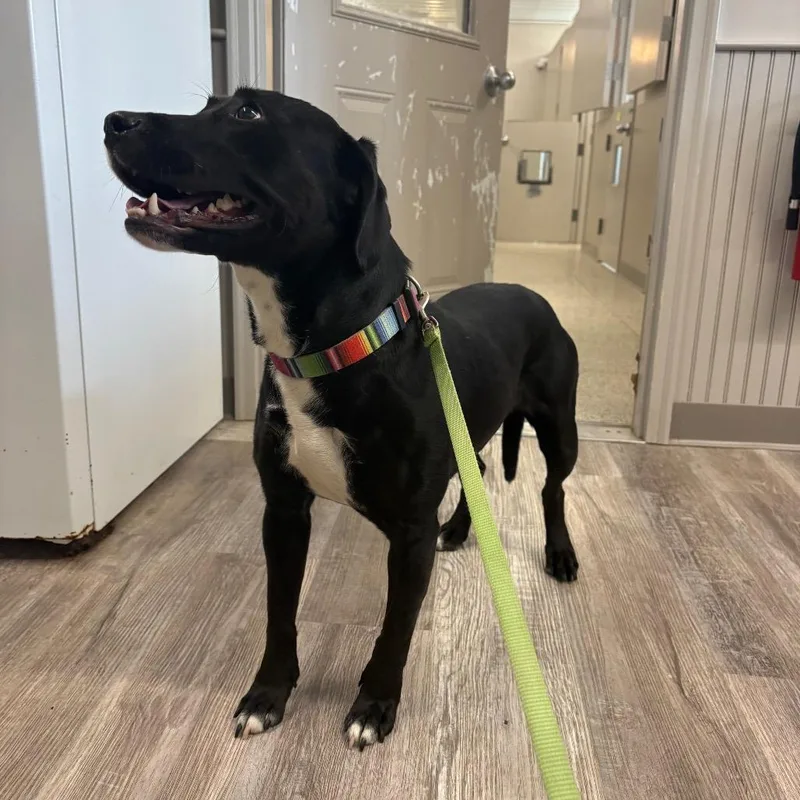
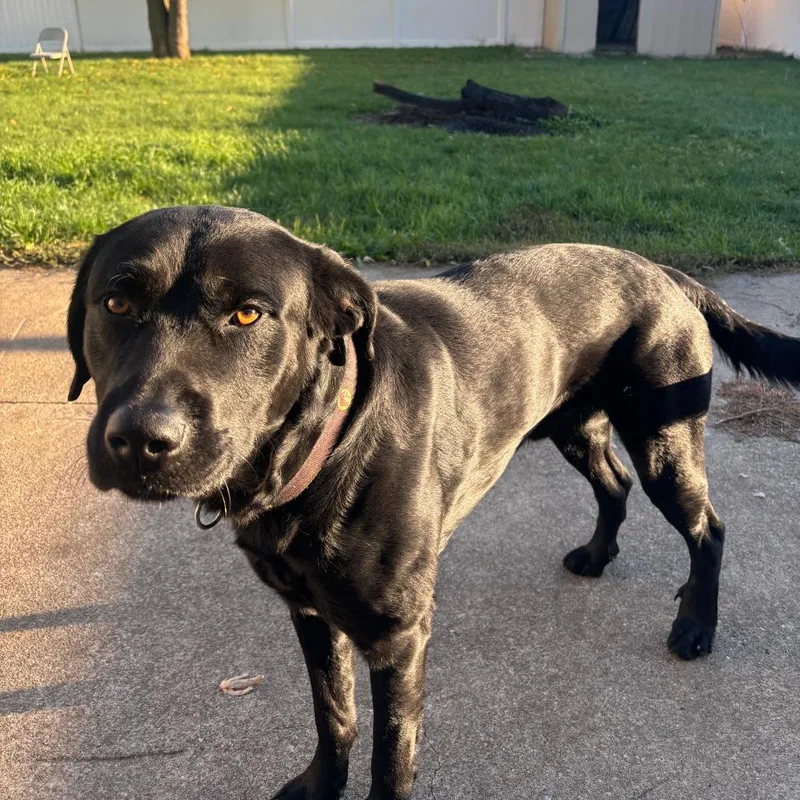
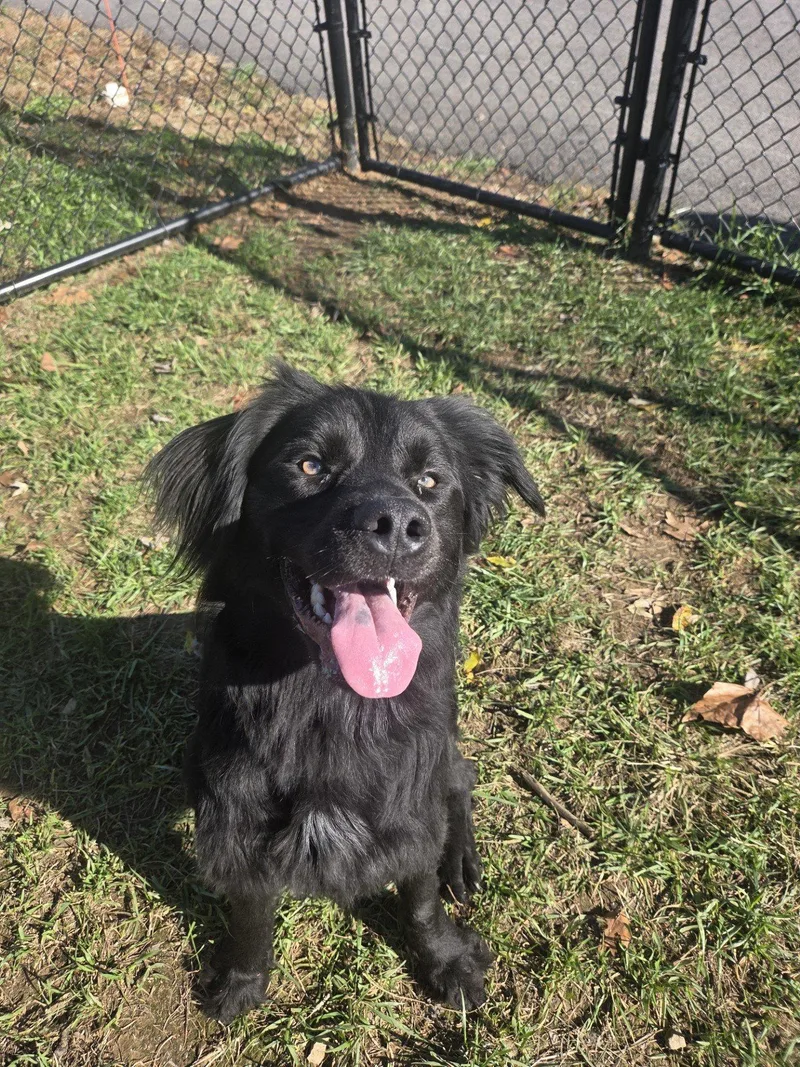
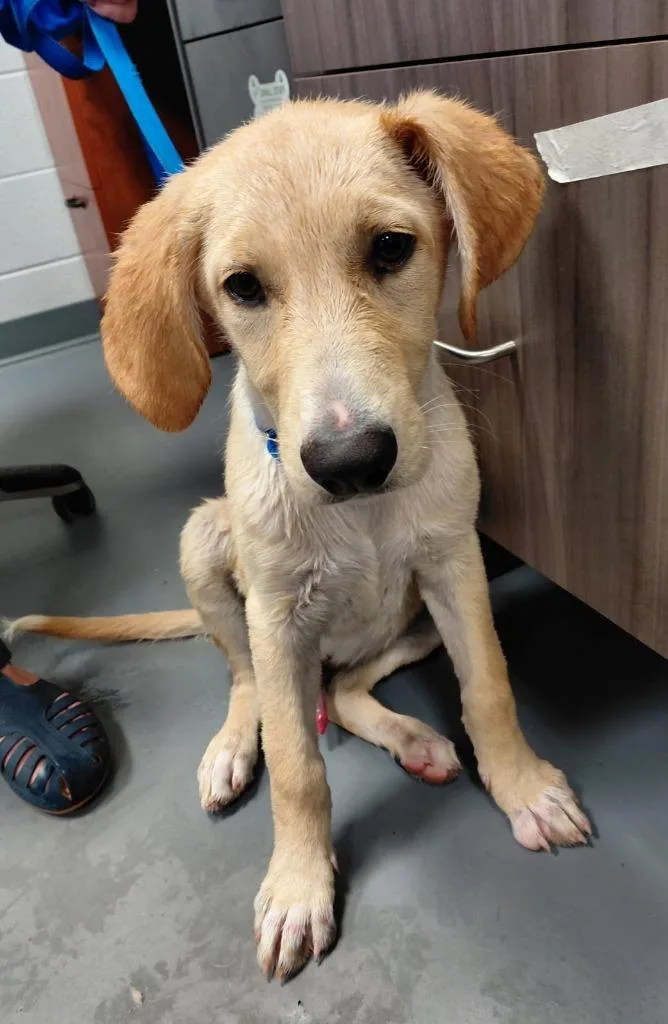
Retriever is a type of gun dog rather than a single breed. The label covers dogs developed to find shot birds and carry them back gently, and on adoption listings it most often means a Labrador or Golden Retriever mix, or a dog with that look and unknown ancestry. Chesapeake Bay, Flat-Coated, Curly-Coated and Nova Scotia Duck Tolling Retrievers belong to the same family.

Most retriever-type dogs are medium to large, often 50 to 80 pounds, with a water-resistant coat that sheds a good deal. Many are sociable, eager to work with people and happiest carrying something in their mouths. They need daily exercise and training, and a long, bouncy adolescence is common. Because ancestry varies, meeting the dog tells you more than the label does, and Philly's rowhouse blocks and riverside trails suit one well when the walks are reliable.

Weight
50–80 lbs
Height
20–25 in
Lifespan
10–14 yrs
Temperament
Friendly, Outgoing, Active
Group
Sporting
Shedding
Moderate to High

Owning a Retriever in Philadelphia

Having a Retriever in Philly

Retriever covers many breeds and mixes, so these cards describe tendencies common to retriever-type dogs: a people-focused nature, a drive to fetch and carry, steady stamina and a coat that sheds. Age and ancestry change how strongly each one shows.

Temperament

Retriever-type dogs tend to be friendly with family, visitors and other dogs, which helps on busy Philly sidewalks and in shared rowhouse stairwells. Young dogs can be mouthy and bouncy, and their enthusiasm can overwhelm toddlers. Most respond well to food and praise in training. Each dog differs, so the dog's own personality matters more than the label.

Exercise Needs

Plan on vigorous activity every day: long leashed walks, hikes on the Wissahickon's trails, or fetch in a fenced yard or dog run. Off leash is allowed only in the city's volunteer-run dog runs, so use them for retrieving games. Training sessions and scent games tire the mind too. Without outlets, many chew, dig or demand attention.

Health Considerations

Hip and elbow dysplasia, cruciate ligament injuries, ear infections, skin allergies and weight gain are common across retrievers, and some carry inherited eye disease or higher cancer risk. Keeping a dog lean protects its joints. In Philly, blacklegged ticks that carry Lyme disease have turned up at 29 of 41 City sites sampled, so check the coat after park walks.

Living Space

A retriever can do well in a rowhouse or apartment if exercise is reliable, though a fenced yard makes play easier. Many Philly rowhouses have small or no yards and narrow stairs, which can be hard on big or older dogs. These dogs want to be indoors with their people. Expect shed hair and a tail that clears coffee tables.

What it costs to own a Retriever in Philadelphia

ExpenseTypical costPer year
Food$55 to $110 per month$660 to $1,320
Pet insurance$55 to $110 per month$660 to $1,320
Routine vet care$250 to $500 per year$250 to $500
Other*$590 to $1,490 per year$590 to $1,490
Estimated yearly total (after year one)$2,160 to $4,630

Other costs are estimates and vary with size, age and health.

* Flea, tick and heartworm prevention, a dental cleaning allowance, the Philadelphia dog license ($16 spayed or neutered, $40 unaltered), toys and bedding, and brushing and baths for a shedding coat.

Adopt a Retriever in Philadelphia.

Now that you know more, let’s find you a new best friend. These rescues and shelters below have dogs available in and near Philadelphia.

Rescues and Shelters in or near Philadelphia

Philly's shelters and rescues list dogs of every age, size and mix, and this page shows the ones currently posted. Here are the rescues & shelters in the Philly area with dogs available for adoption, worth asking whether a Retriever is coming in.

Frequently Asked Questions

Yes. Philadelphia has no breed bans, and state law stops cities from limiting specific breeds, so any retriever mix is fine. You'll need a city license and a rabies vaccine, and Pennsylvania's tethering rules say a dog shouldn't be tied outside more than 30 minutes when it's above 90°F or below 32°F. A landlord's lease may set its own limits.

Often, for active people who are home a fair amount. Retriever-type dogs are social and sturdy, and Philly's park-edge neighborhoods make daily walks easy. The tradeoffs are shedding, hot humid summers and rowhouse stairs. Because retriever is a type, a dog's age, size and energy vary, so match the dog in front of you to your schedule.

Forbidden Drive in the Wissahickon is flat gravel that suits a strong walker, while the park's hillier side trails add a workout. Pennypack Park and Kelly Drive along the Schuylkill River Trail are other big leashed options. For off-leash fetch, try a Parks & Rec dog run such as Pretzel Park in Manayunk or Schuylkill River Park.

Yes, if the dog gets daily exercise and isn't left alone for long stretches. Roughly half of Philly households rent, and many rowhouses are split into apartments, so check lease weight limits and stair access. Shared walls carry barking, and a tired dog is a quieter neighbor, so plan on several walks a day plus a play session.

Yes, with some care. July highs sit near 88°F and the air is humid, and the City warns that pavement can burn paws. Keep the dog in air conditioning on the hottest days, walk early or late, and bring water. Because retrievers carry a thick double coat, watch for heavy panting, drooling or lagging behind.

Only in a carrier, which rules out most retrievers. SEPTA allows pets on its property only in a standard, sturdy carrier that doesn't obstruct others, and the animal can't be disruptive. That covers the subway, buses, trolleys and Regional Rail. A dog of 50 to 80 pounds won't fit, so plan on walking or driving. Service animals ride leashed or harnessed.

Sometimes, on patios. Some restaurants and beer gardens welcome dogs outdoors at their own discretion, while only service animals go inside. Check a venue's policy before you go, pick a quiet hour, and bring water and a mat. Expect a friendly retriever to want to greet every passerby, so a short leash and treats help.

Plan on brushing a few times a week, and more often during spring and fall shedding. A bath every month or two keeps the coat fresh, and drying the dog and its ears after muddy or snowy walks helps. Check for ticks after park outings. Home brushing keeps grooming costs near the low end of the yearly $590 to $1,490 Other range.

Most retriever-type dogs live about 10 to 14 years, with some reaching 15. Retriever is a type label rather than one breed, so mixes and different retriever breeds vary. Keeping a retriever lean, staying current on veterinary checkups all support a longer, more comfortable life.

Expect food around $55 to $110 a month and insurance about $55 to $110 a month. Routine vet care runs roughly $250 to $500 a year. Other yearly costs, including parasite prevention, dental care, the city license and grooming supplies for a shedding coat, add about $590 to $1,490. Smaller or lower-shedding mixes land near the low end.