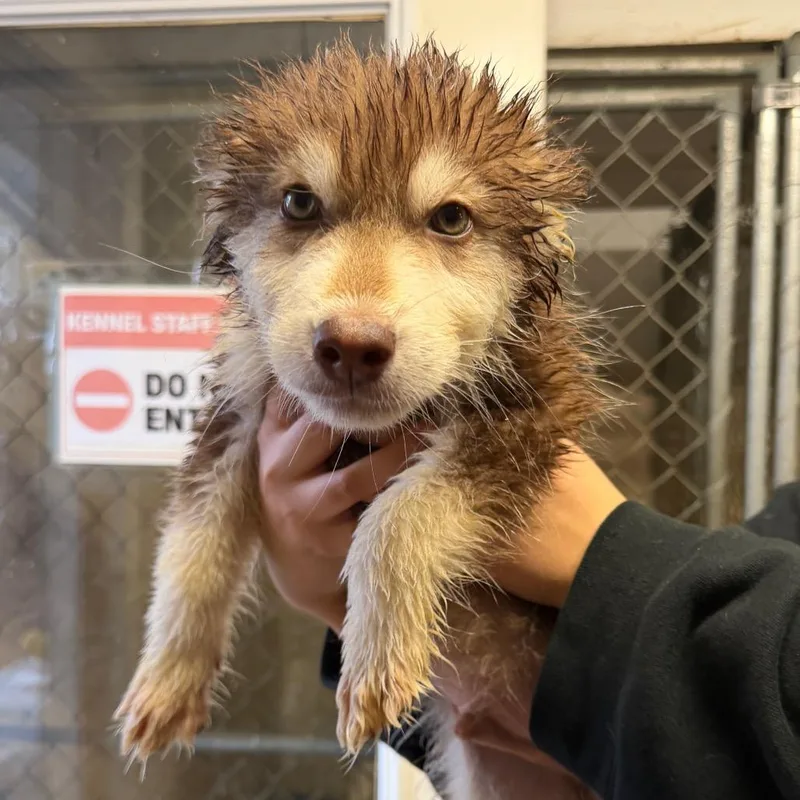
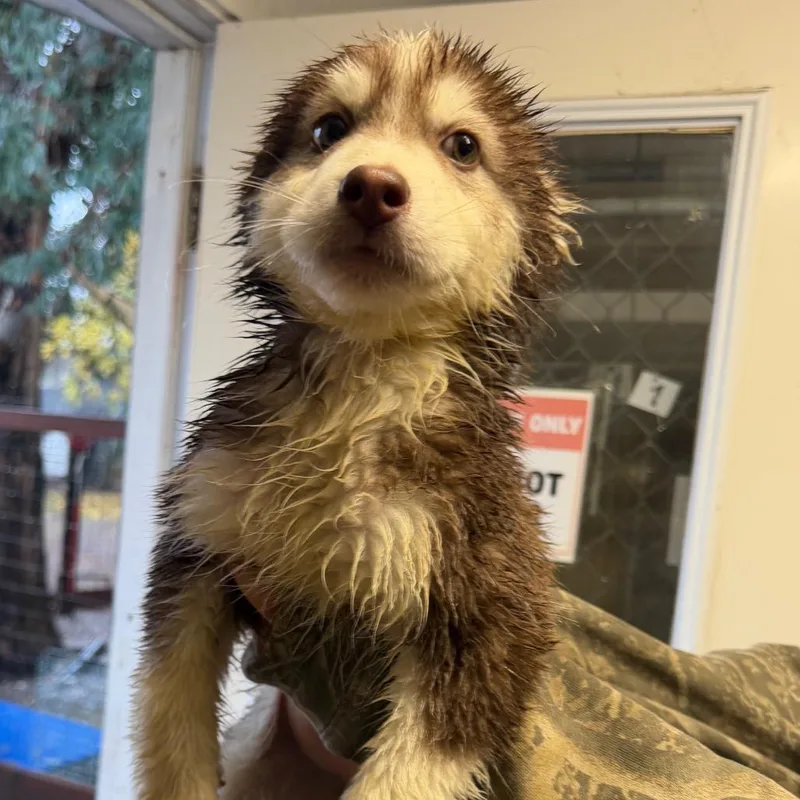
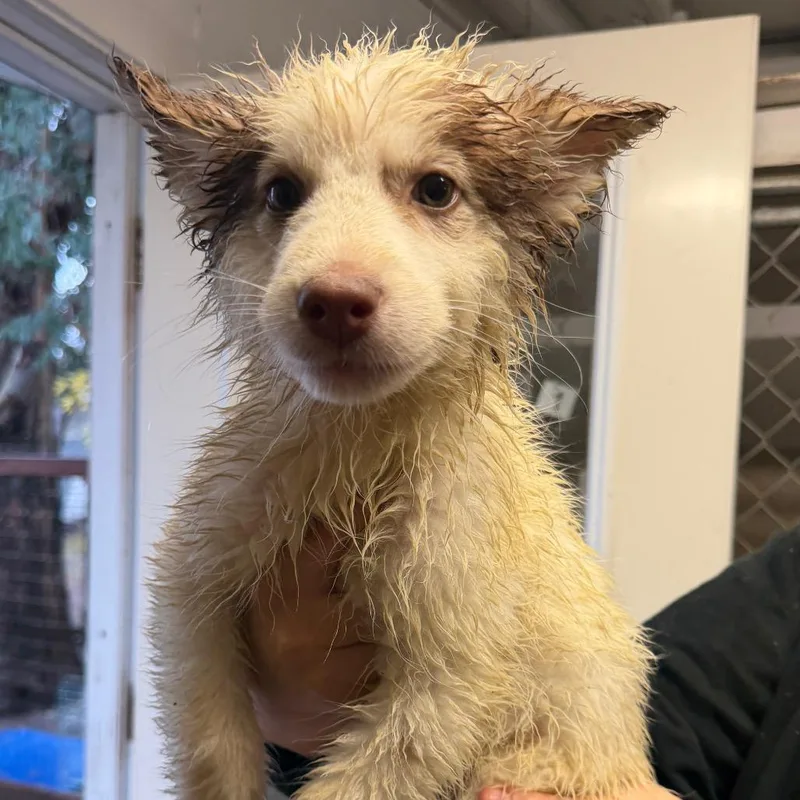
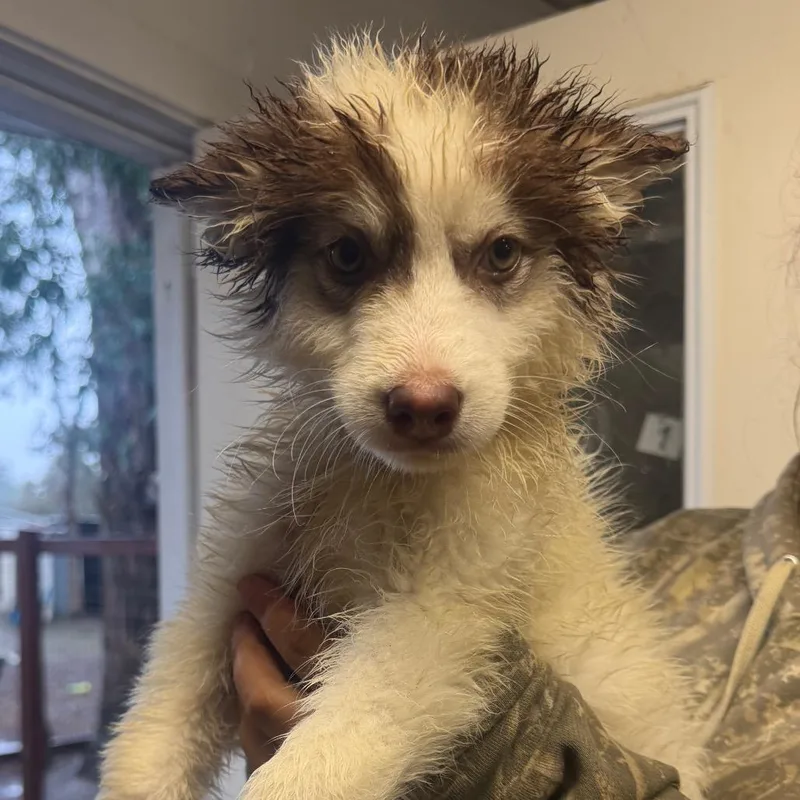
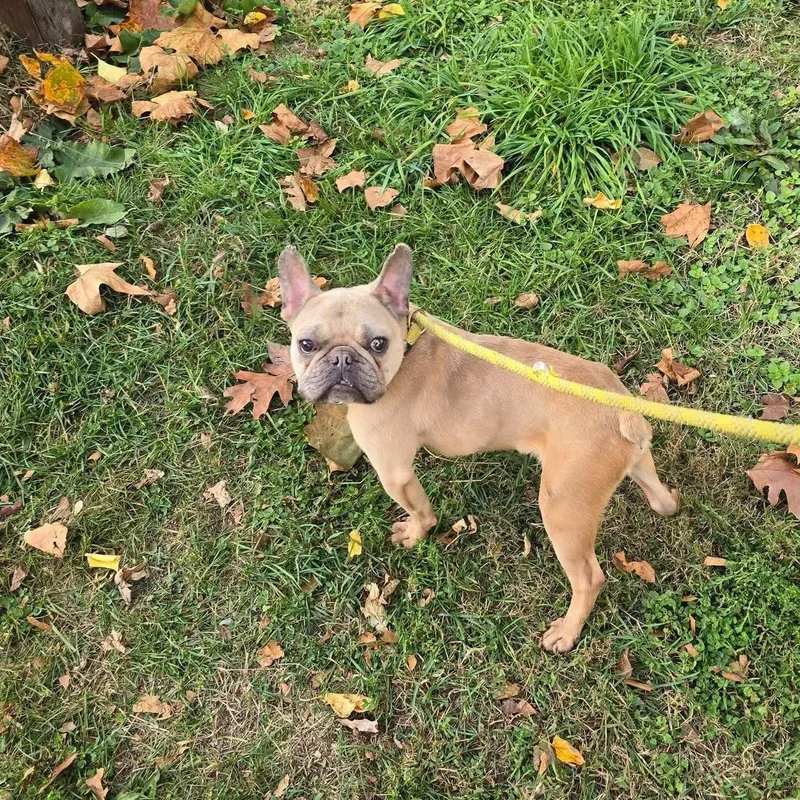
Klee Kai Dogs for Adoption in Philadelphia, PA

Your guide to finding and caring for a Klee Kai in Philly

A Klee Kai suits Philadelphia's rowhouse blocks, as long as its owner is ready for the howling and the daily exercise. At 6 to 22 pounds, it's small enough for a Fairmount walk-up, and Kelly Drive is close for a brisk leashed loop along the Schuylkill. Klee Kai are talkative, though, and shared party walls carry sound. Many are also wary of strangers, so a busy Philly sidewalk takes patient practice. It suits active adults who are home a good part of the day.

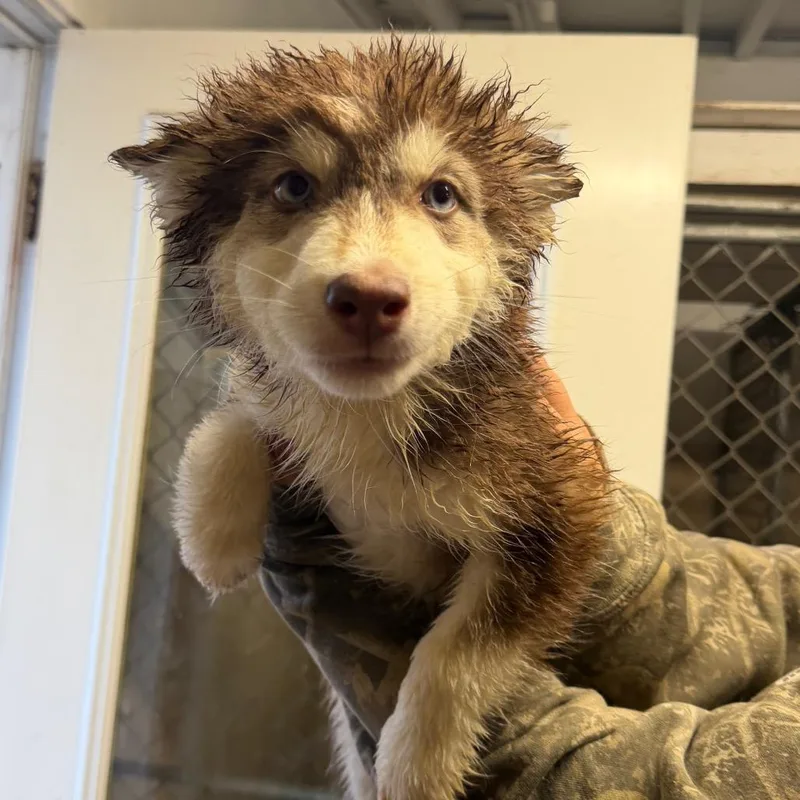
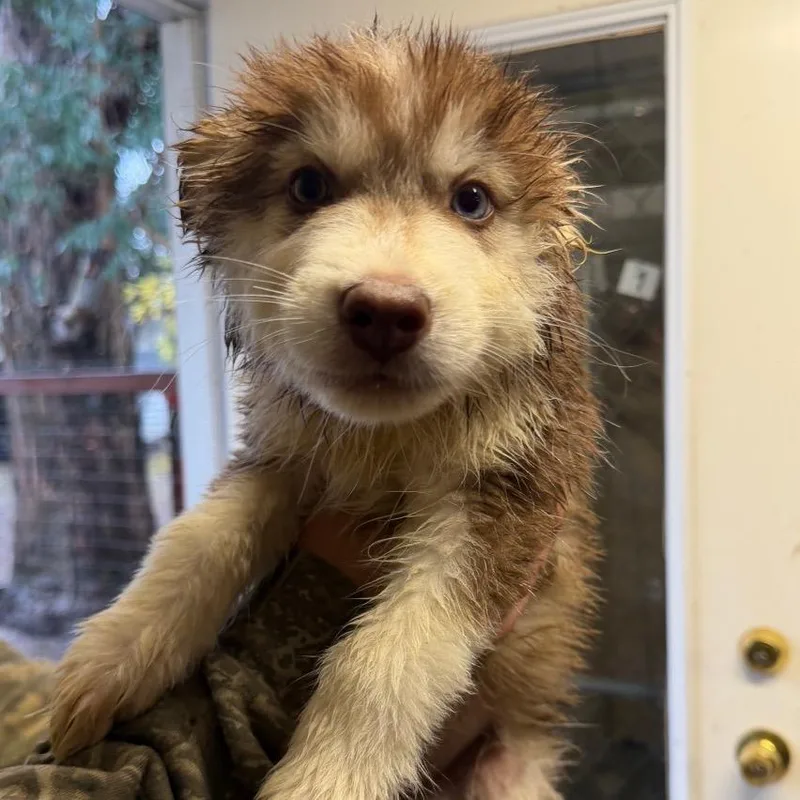
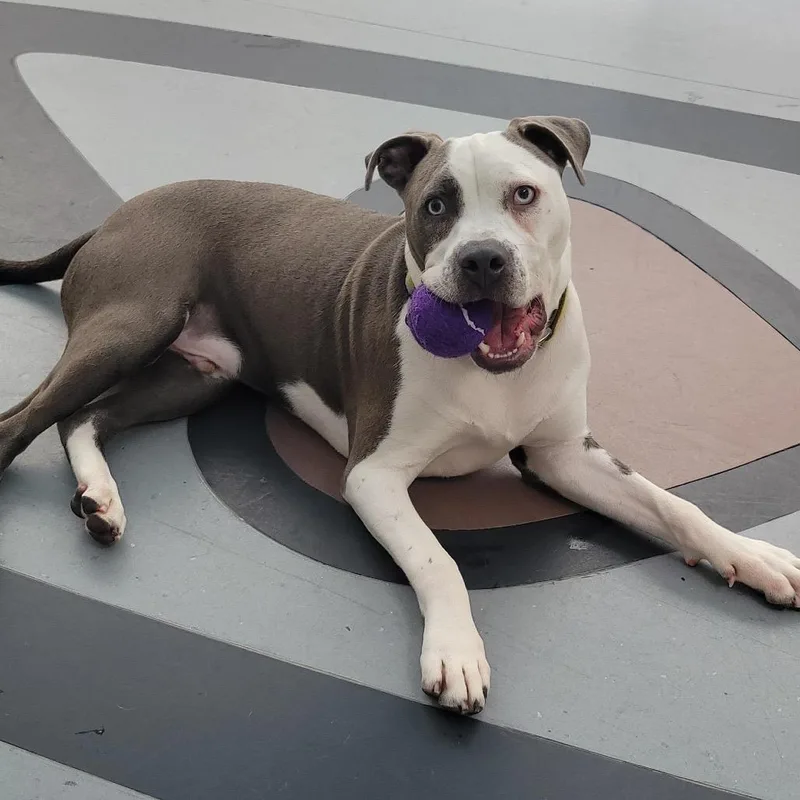
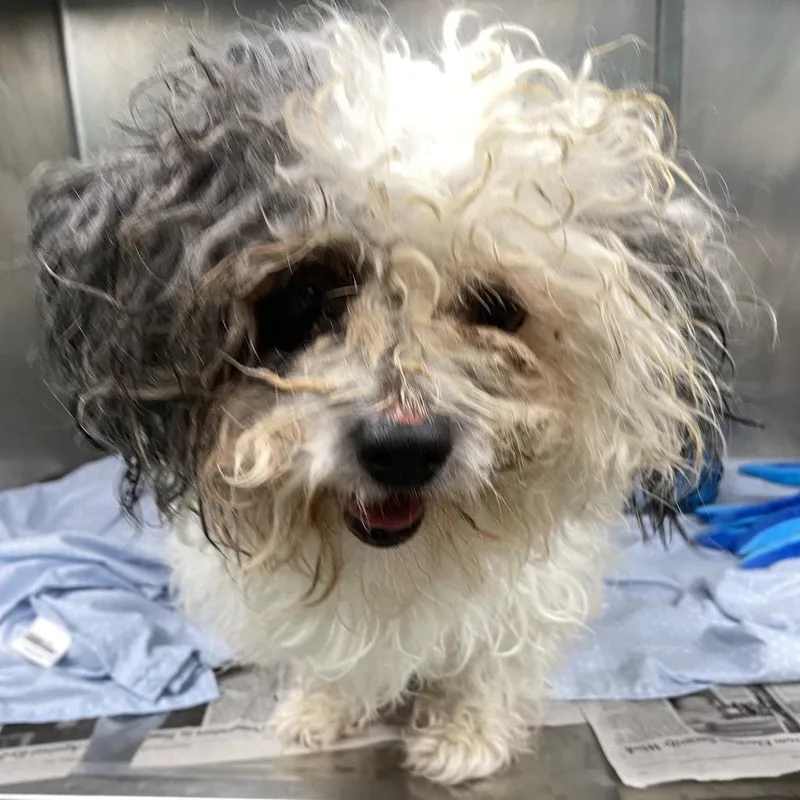
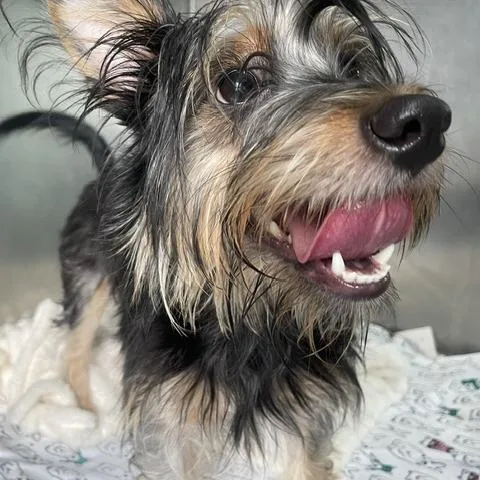
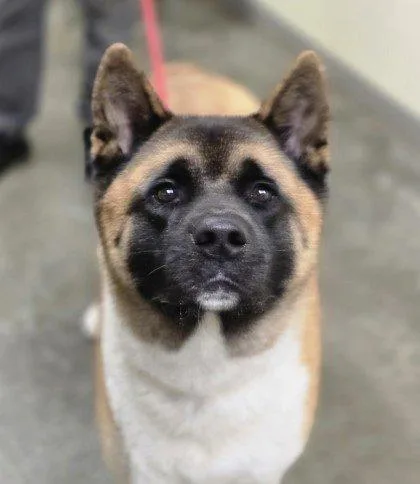
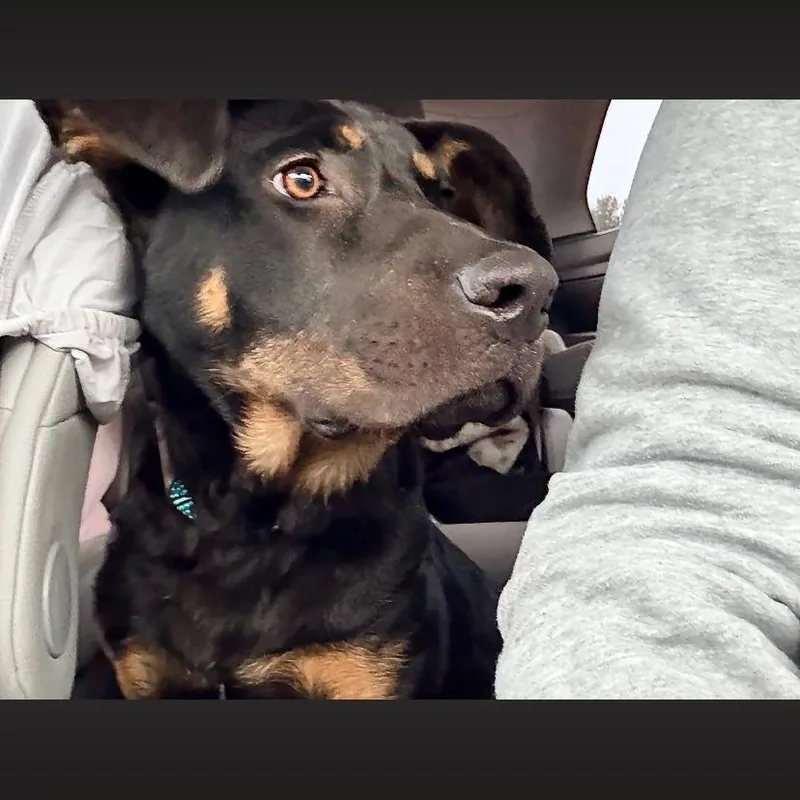
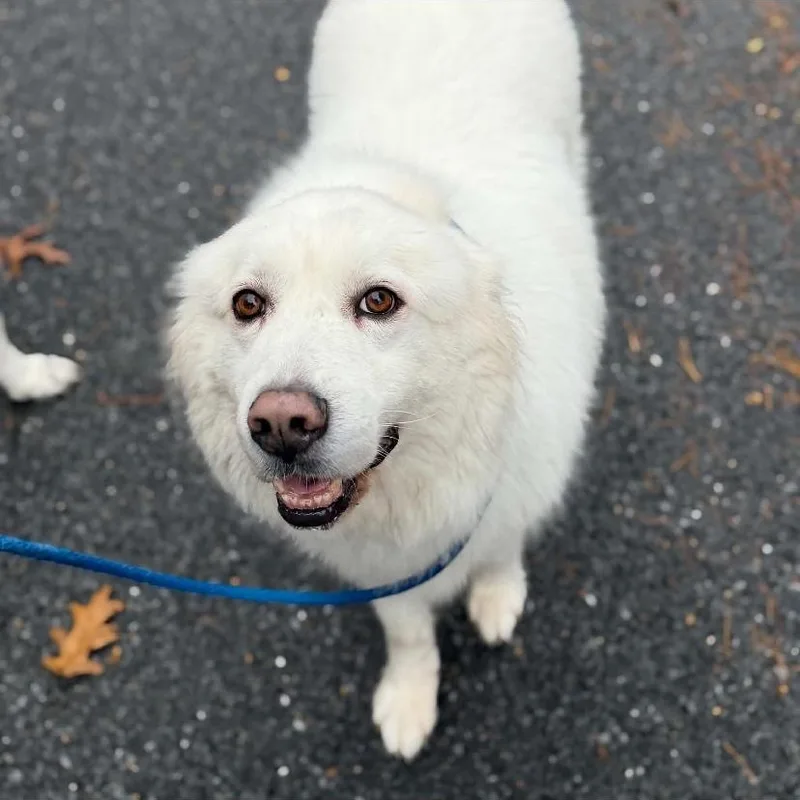
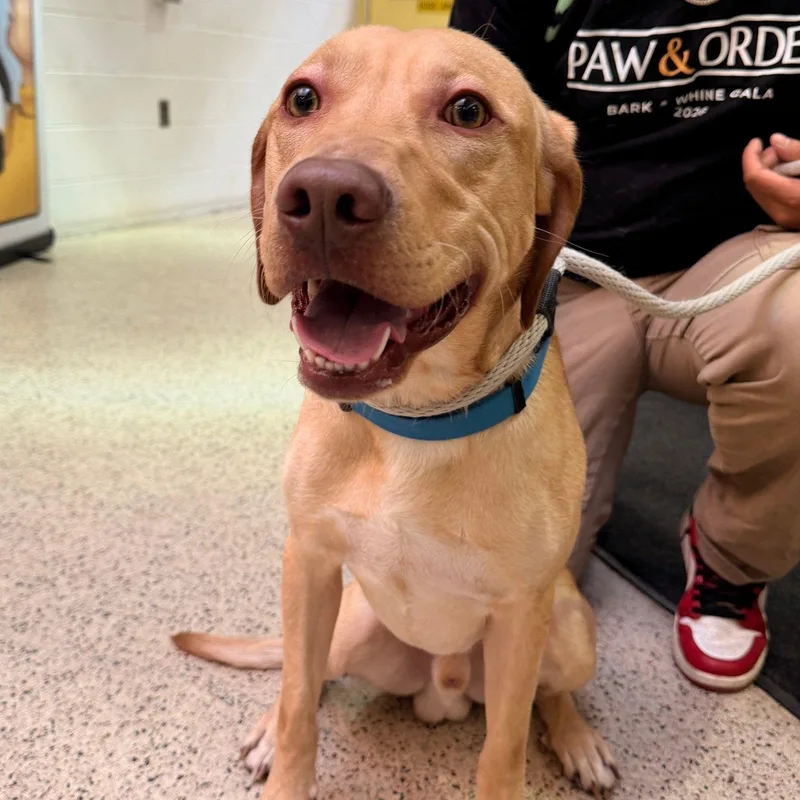
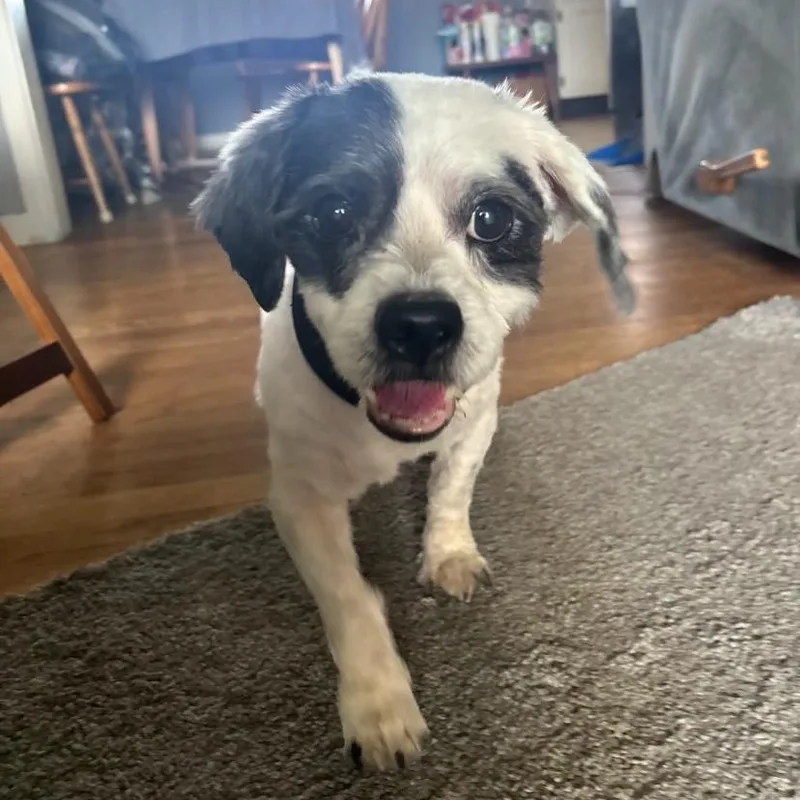
17 Klee Kais available in Philadelphia and nationwide

Your Klee Kai is waiting

While we don't have enough dogs near Philadelphia, keep in mind that many rescues may offer transport.

Klee Kais Available for Adoption Near Philadelphia

About the Klee Kai breed

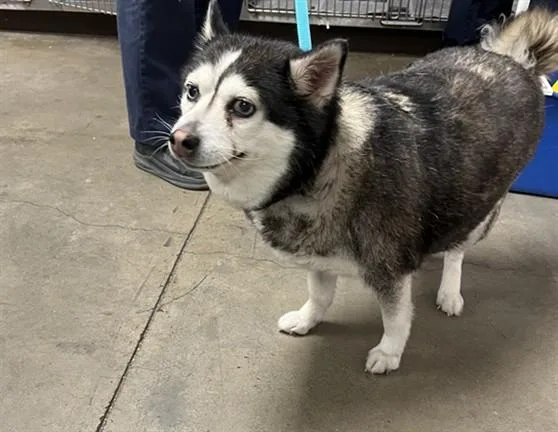
The Alaskan Klee Kai was developed in Alaska in the 1970s as a companion-sized, husky-looking dog, with Schipperke and American Eskimo Dog added to bring the size down. It comes in toy, miniature and standard sizes, with a face mask, erect ears, a curled tail and a thick double coat that sheds moderately all year and heavily a couple of times a year.

Many Klee Kai are reserved with strangers but playful and devoted at home. They're clever, vocal and quick, and small animals can trigger a chase. In Philadelphia, that means a six-foot leash on every trail, since off-leash time is limited to the dog runs, and a snug harness for squirrel-heavy park walks. Dogs vary, so judge each Klee Kai by its own personality, not the breed's reputation.

Weight
6–22 lbs
Height
12–17 in
Lifespan
12–16 yrs
Temperament
Alert, Curious, Intelligent, Energetic
Group
Miscellaneous
Shedding
Moderate to High

Owning a Klee Kai in Philadelphia

Having a Klee Kai in Philly

Klee Kai pack a lot into a small frame: energy, quick thinking and a talkative streak. In Philly, the practical questions are how a dog copes with rowhouse noise, crowded sidewalks and humid summers, and how reliably it stays close on a leash.

Temperament

Klee Kai are often devoted with their own people and wary with new ones, which can make crowded sidewalks, stoops and busy dog runs feel like a lot. Gradual, positive exposure helps. Many are vocal, and a dog that howls through a shared rowhouse wall can strain neighbors. Each dog differs, so watch how a dog handles new people.

Exercise Needs

Plan on brisk walks plus play or training sessions every day. Philadelphia's leash limit is six feet outside the dog runs, so a sturdy harness matters for a dog that bolts after squirrels. Kelly Drive and Pennypack Park offer long leashed outings, and puzzle toys and trick training fill rainy days.

Health Considerations

Documented breed concerns include juvenile cataracts, liver disease, heart and thyroid problems, slipping kneecaps and factor VII deficiency, an inherited clotting disorder with a DNA test. Talk to your veterinarian about screening, and share any bleeding-disorder results before surgery. After wooded Philadelphia walks, check for ticks daily; Lyme-carrying blacklegged ticks have turned up at 29 of 41 sampled City sites.

Living Space

A Klee Kai's size suits rowhouses, walk-ups and apartments when daily exercise is covered. The catch is sound: party walls carry howling, and small back yards need tall, dig-proof fencing because these dogs jump and climb well. Narrow stairs are rarely a problem at this size. Homes with cats or other small pets need careful planning.

What it costs to own a Klee Kai in Philadelphia

ExpenseTypical costPer year
Food$20 to $45 per month$240 to $540
Pet insurance$35 to $70 per month$420 to $840
Routine vet care$200 to $400 per year$200 to $400
Other*$490 to $1,290 per year$490 to $1,290
Estimated yearly total (after year one)$1,350 to $3,070

Other costs are estimates and vary with size, age and health.

* The Philadelphia dog license ($16 a year if spayed or neutered, $40 if not), flea, tick and heartworm prevention, a dental cleaning, toys and bedding, and extra brushing when the double coat sheds out.

Adopt a Klee Kai in Philadelphia.

Now that you know more, let’s find you a new best friend. These rescues and shelters below have dogs available in and near Philadelphia.

Rescues and Shelters in or near Philadelphia

Philadelphia's animal care and control shelter and its rescue groups work year-round to match dogs with adopters. Here are the rescues & shelters in the Philly area with dogs available for adoption, worth asking whether a Klee Kai is coming in.

Frequently Asked Questions

The Wissahickon, Pennypack Park and Kelly Drive in Fairmount Park are Philadelphia's big leashed options, all with six-foot-or-shorter leashes. Forbidden Drive's flat gravel is easy going. For off-leash play, about eight volunteer-run dog runs include Pretzel Park in Manayunk and Schuylkill River Park. Coyote activity has been reported in the Wissahickon, so keep a quick, wary Klee Kai close.

Mostly yes. A double coat handles Philadelphia's cold winters well, so heat is the bigger concern, since summers are hot and humid. Walk at dawn or dusk, keep the dog in air conditioning on hot afternoons, and always provide water and shade. Rain or snow falls every month, so keep a towel by the door.

Only in a carrier. SEPTA allows pets, subway included, only in a standard, sturdy carrier that doesn't obstruct others, and the dog can't be disruptive. A toy or small Klee Kai may fit, while a standard-size dog near 22 pounds probably won't. Service animals are the exception and ride leashed and under control.

Yes. Pennsylvania law bars local breed-specific rules, so Philadelphia can't ban or limit Klee Kai, though a landlord can still set pet rules in a lease. State tethering rules matter too: a dog tied outside can't be tethered more than 30 minutes above 90°F or below 32°F. A Klee Kai is better off inside with you anyway.

It can be, for active adults who are home a fair amount. Philadelphia offers plenty of leashed trails and a rowhouse-friendly size, but a Klee Kai's wariness of strangers can make crowded sidewalks and stoops stressful, and its voice carries through party walls. Gradual socialization and daily exercise decide how well a dog adapts.

Sometimes, on patios. Some Philadelphia restaurants and beer gardens welcome dogs outdoors, but that's up to each business, and only service animals are allowed indoors. Look for a posted policy before you go. A wary Klee Kai may find a crowded patio stressful, so choose a quiet corner, bring water and keep the leash short.

Plan on brushing a few times a week, and daily when the double coat blows out, usually twice a year. Don't shave it, since the coat insulates against both heat and cold. Philly's humid summers and tick season make post-walk checks worthwhile. Most owners brush at home, so grooming sits within the Other line of the cost table.

Alaskan Klee Kai come in three sizes: toy dogs stand up to 13 inches at the shoulder, miniatures over 13 to 15 inches, and standards over 15 to 17 inches. Weights typically run from under 10 pounds for toys to about 16 to 22 pounds for standards. Even within a litter, puppies can grow into different size varieties.

An Alaskan Klee Kai is a small, husky-like companion dog developed in Alaska in the 1970s from Alaskan Husky, Siberian Husky, Schipperke and American Eskimo Dog lines. It has a facial mask, erect ears, a curled tail and a double coat, and comes in three sizes. Many are energetic, intelligent and vocal, and often reserved with strangers.

Expect roughly $1,350 to $3,070 a year for a Klee Kai in Philadelphia, based on the table's ranges. Food runs $20 to $45 a month and insurance $35 to $70. Routine vet care is $200 to $400 a year, and other costs run $490 to $1,290.