Dalmatian Dogs for Adoption in Latrobe, PA

Your guide to finding and caring for a Dalmatian in Latrobe

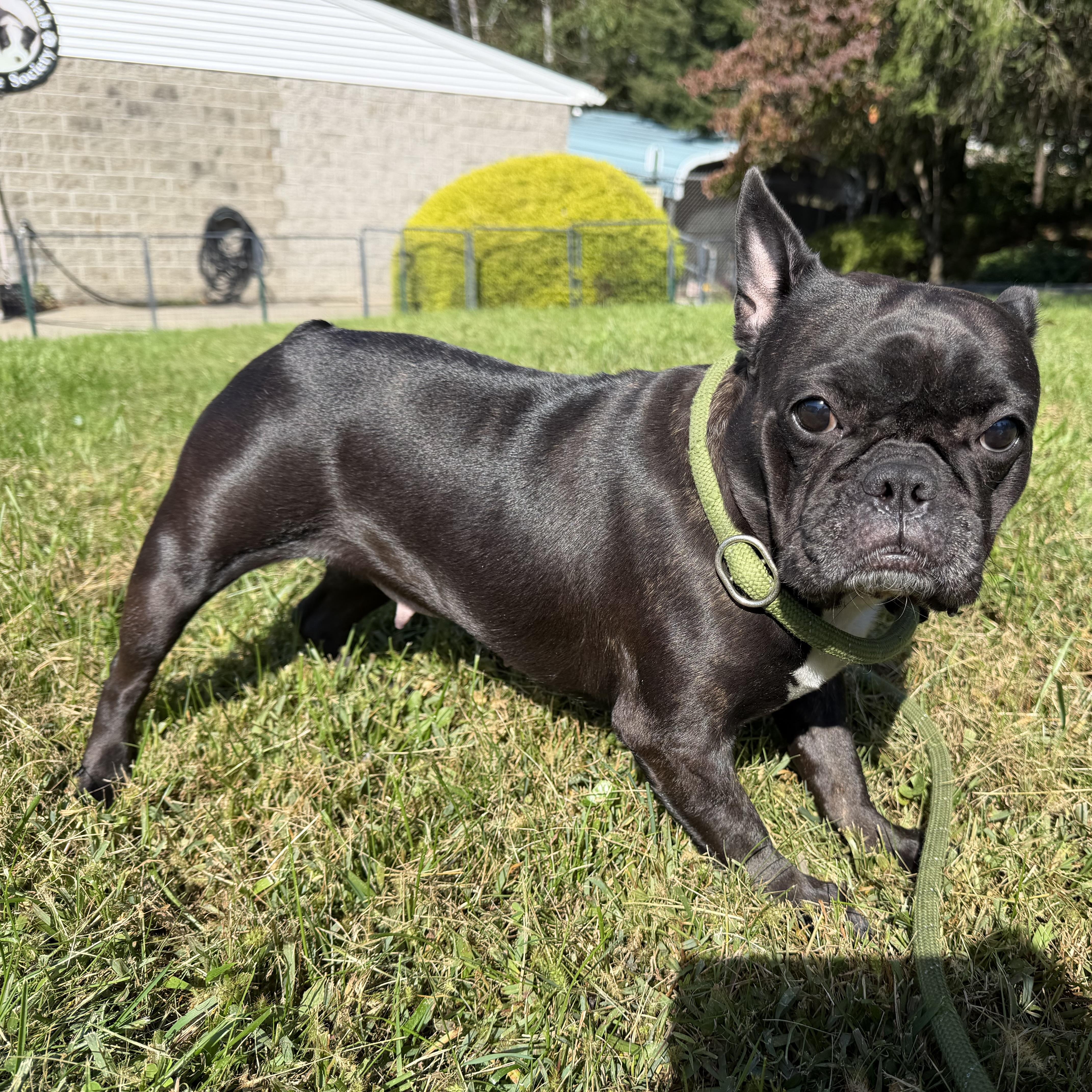
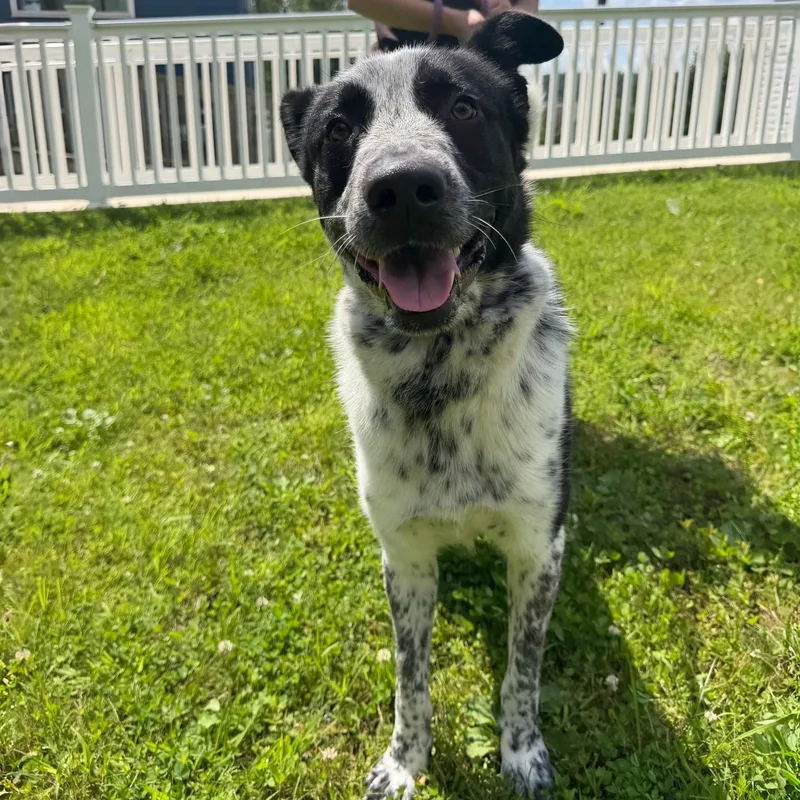
215 Dalmatians available in Latrobe and nationwide

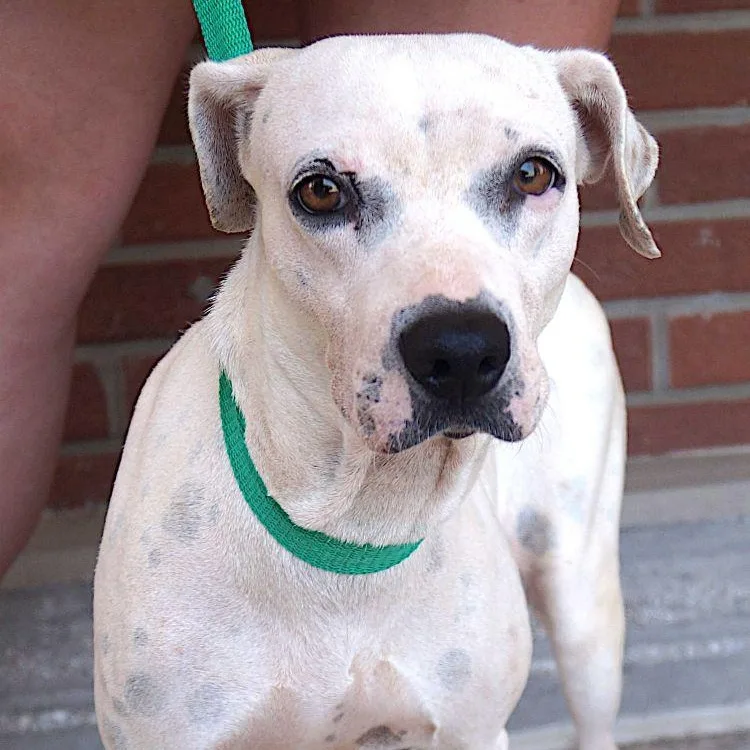
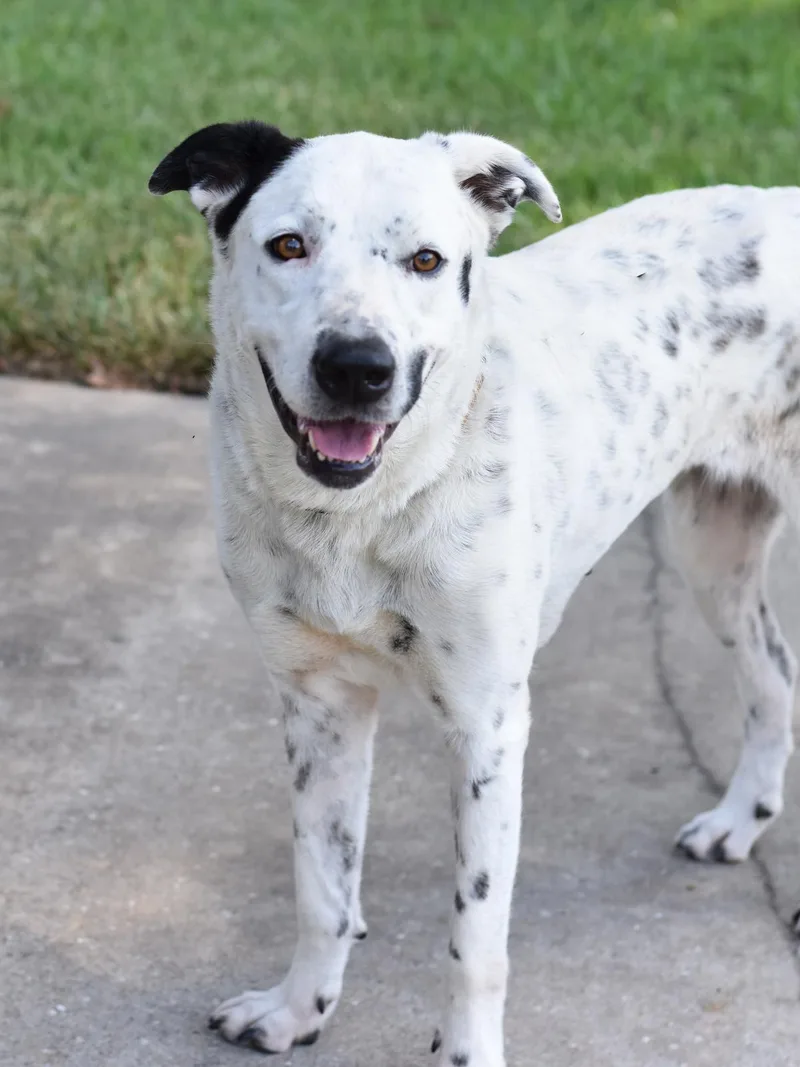
Adopt a Dalmatian today

While we don't have enough dogs near Latrobe, keep in mind that many rescues may offer transport.

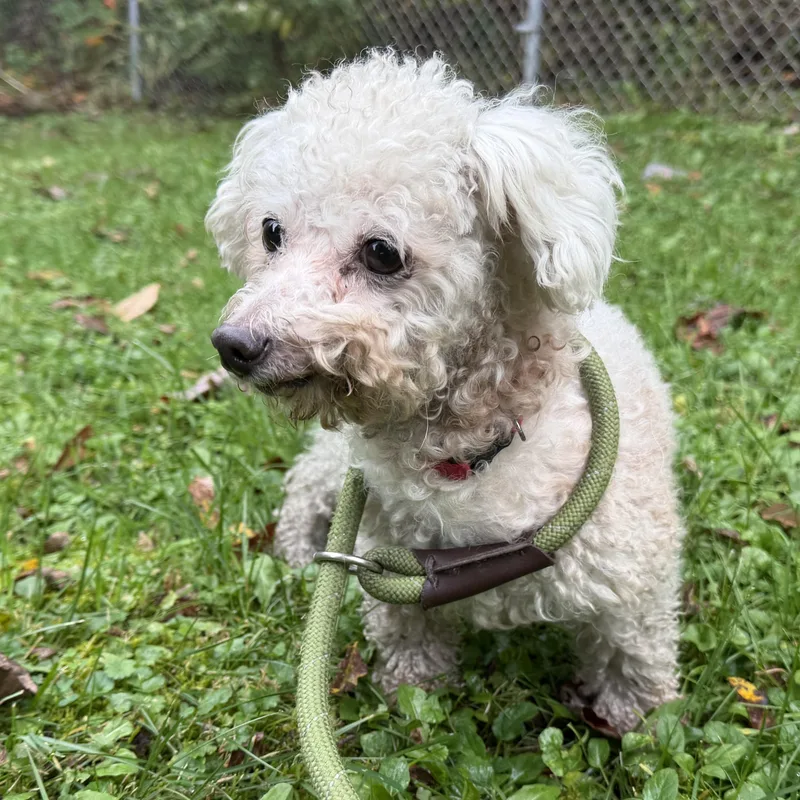
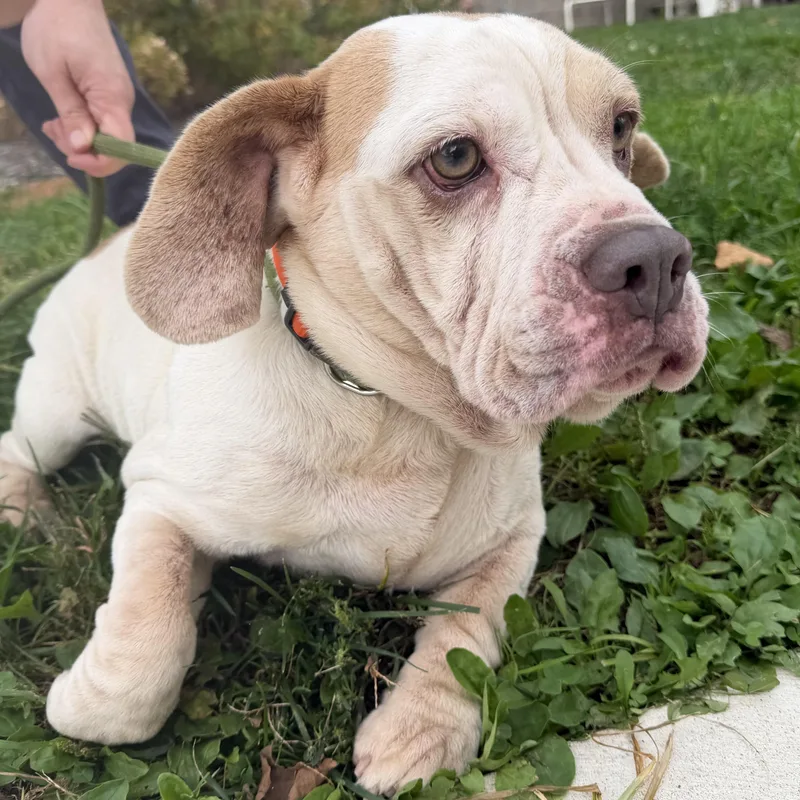
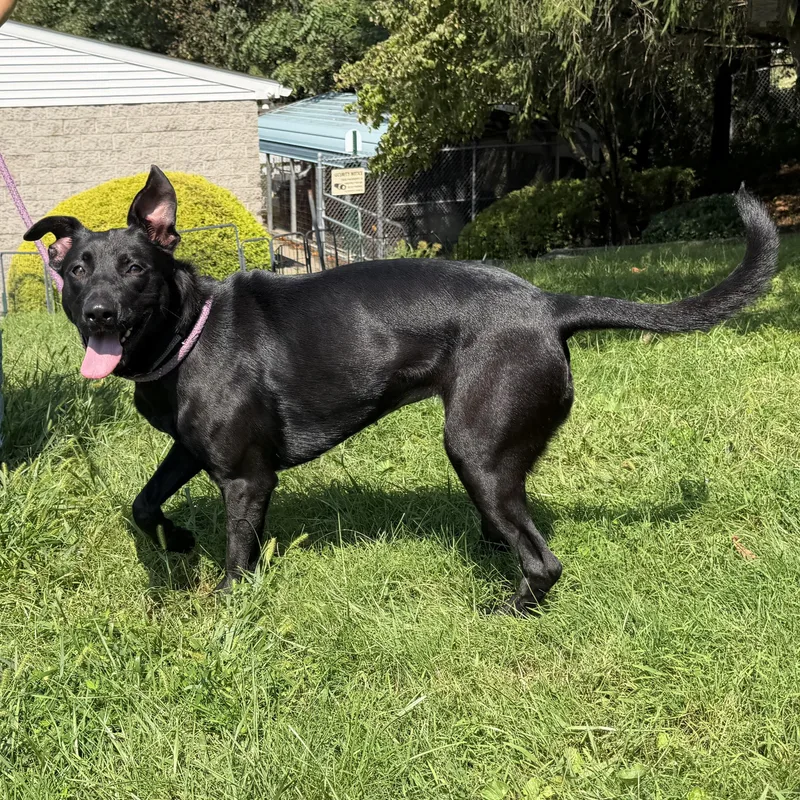
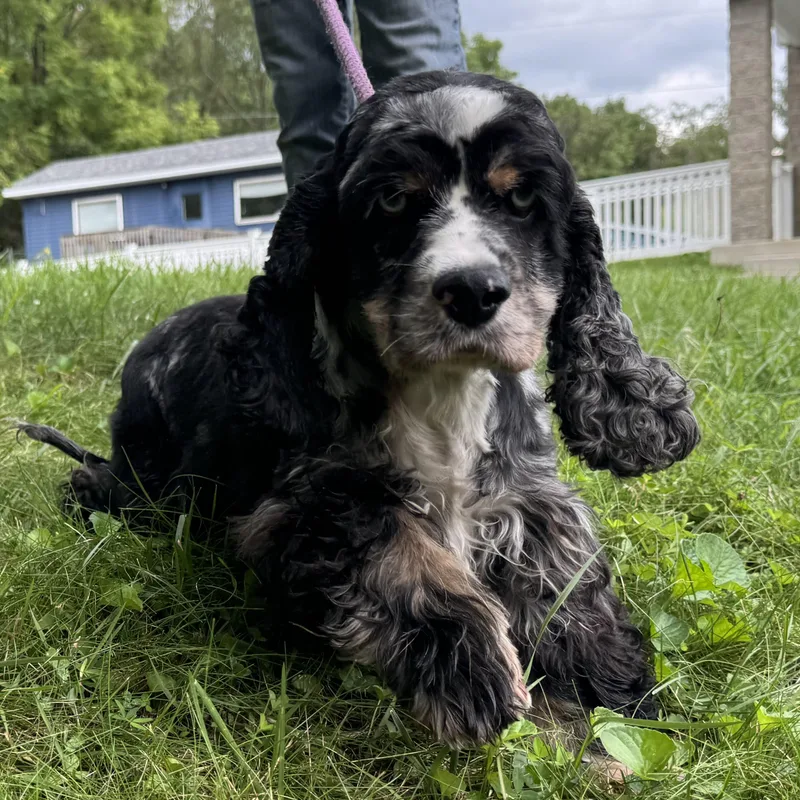
Dalmatians Available for Adoption Near Latrobe

About the Dalmatian breed

Named for Dalmatia, the Adriatic coast of Croatia, the Dalmatian is best known for its crisp black or liver spots on a pure white coat. Records of spotted dogs in the region go back centuries, and the breed later found its niche in England as a coach dog, trotting for miles beside horse-drawn carriages and guarding the stable at night. That job later carried over to fire engines, which is why Dalmatians remain firehouse icons. Puppies are born white and develop spots within weeks.

Many Dalmatians are energetic, outgoing and devoted to their families, while some stay reserved with strangers. They were bred for endurance, so most need far more exercise than a neighborhood stroll. Adopters should also know that the short coat sheds heavily all year, deafness is relatively common, and every standard Dalmatian has a tendency to form urinary stones, which shapes diet and water habits.

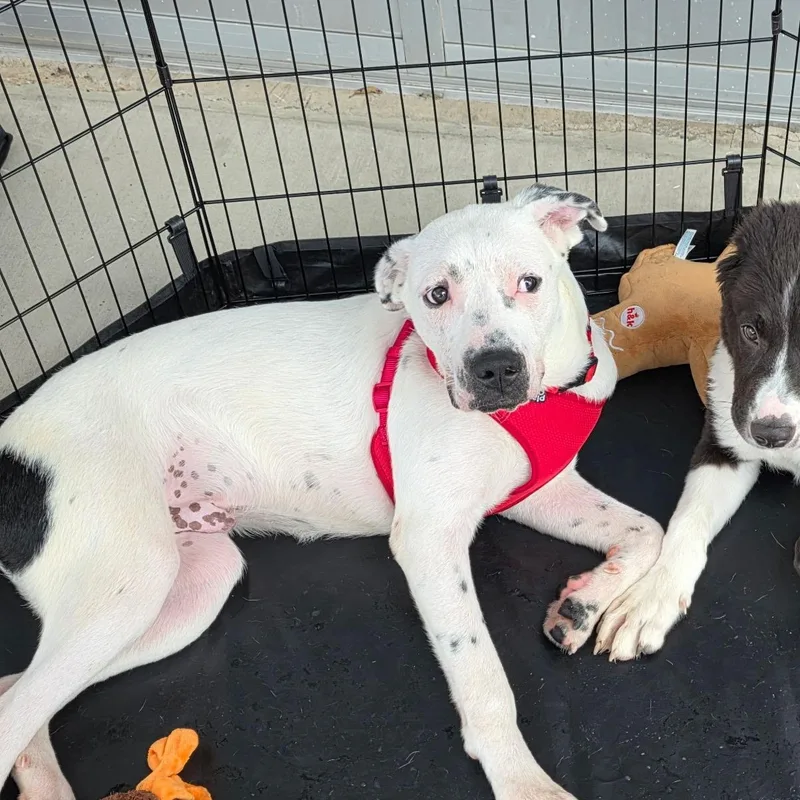
Weight
45–70 lbs
Height
19–24 in
Lifespan
11–14 yrs
Temperament
Energetic, Outgoing, Loyal
Group
Non-Sporting
Shedding
High

Owning a Dalmatian in Latrobe

Having a Dalmatian in Latrobe

A Dalmatian pairs head-turning looks with an athlete's stamina and a strong attachment to its people. Its exercise needs, constant shedding and breed-specific health considerations matter far more day to day than its spots, so adopters should plan for an active, involved lifestyle.

Temperament

Dalmatians tend to be lively, playful and affectionate with their families, and many form a close bond with one or two people. Some are aloof or wary with strangers, and poorly socialized dogs can become reactive. Deaf Dalmatians can be startled when touched unexpectedly. Reward-based training and early socialization help, and a dog's history matters most.

Exercise Needs

Most Dalmatians need vigorous daily exercise, such as running, long brisk walks, hiking or active fetch, plus mental work like obedience or agility. Their coach-dog stamina means a short leash walk rarely tires them. Under-exercised Dalmatians often become restless or destructive. Puppies need shorter, gentler sessions while their joints are still developing.

Health Considerations

Every standard Dalmatian inherits a trait that raises uric acid in urine, so urate bladder stones are a real risk, especially for males. Plenty of water and a lower-purine diet help prevent them. Deafness in one or both ears affects a notable share of the breed, and skin allergies are common. Ask about hearing tests and keep regular checkups.

Living Space

A Dalmatian can adapt to a house or an apartment when its considerable exercise needs are met every day, but a securely fenced yard makes life easier. Short white hairs end up woven into fabric throughout the home. These dogs are people-oriented and do best living indoors, and their short coat needs protection in cold weather.

What it costs to own a Dalmatian

ExpenseTypical costPer year
Food$35 to $70 per month$420 to $840
Pet insurance$55 to $100 per month$660 to $1,200
Routine vet care$225 to $450 per year$225 to $450
Other*$540 to $1,390 per year$540 to $1,390
Estimated yearly total (after year one)$1,845 to $3,880

Other costs are national averages for Dalmatians; we don't have costs specific to Latrobe yet.

* Flea, tick and heartworm prevention, a dental cleaning allowance, a dog license, toys and bedding, and frequent brushing for heavy year-round shedding; license fees vary by city.

Adopt a Dalmatian in Latrobe.

Now that you know more, let’s find you a new best friend. These rescues and shelters below currently have Dalmatians available.

Rescues in Latrobe with Dalmatians Available

Here are the rescues & shelters in the Latrobe area where you can find Dalmatians and other dogs available for adoption.

Frequently Asked Questions

A Dalmatian is a medium-to-large, athletic dog best known for its black or liver spots on a white coat. The breed is named for Dalmatia in Croatia and was famous in England as a coach dog that ran beside horse-drawn carriages. Many Dalmatians are energetic, playful and loyal companions that need plenty of exercise.

Dalmatians come from Dalmatia, the coastal region of present-day Croatia, which the international kennel federation recognizes as the breed's country of origin. Written references to spotted dogs there date back to at least the 1300s. The breed was developed further in England during the 1700s and 1800s, where it became the classic coach dog.

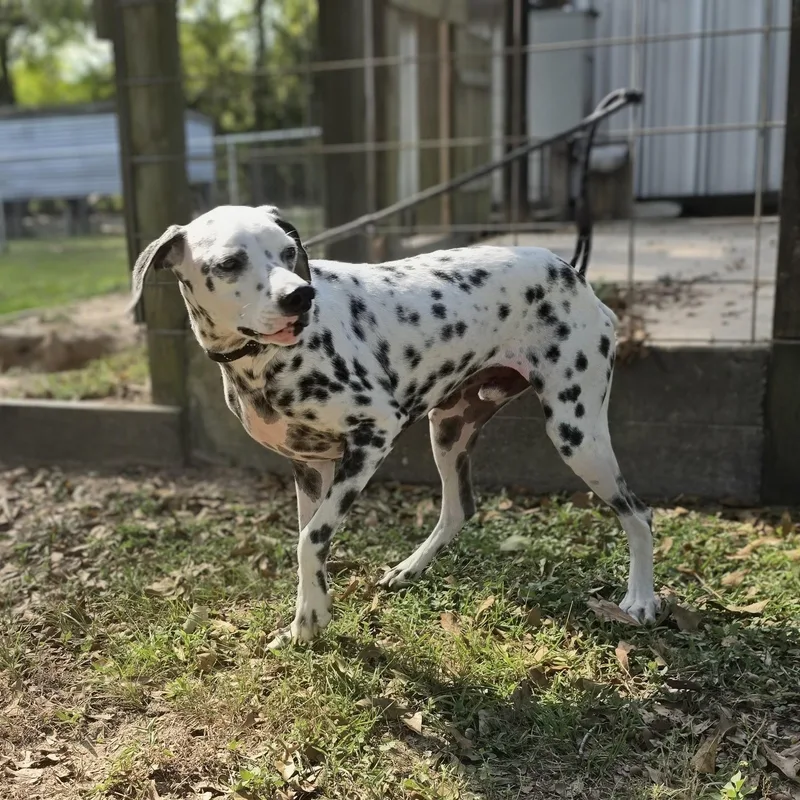
A Dalmatian is a sleek, muscular dog with a short, glossy white coat covered in round black or liver spots, usually dime to half-dollar size and smaller on the head and legs. It has a long tapering tail, high-set ears that are often spotted, and brown, blue or mixed eye color. The body is about as long as it is tall.

Dalmatians are not rare, but they are less common than they once were. Registrations surged after the 101 Dalmatians films and then fell sharply, dropping about 90 percent between 2000 and 2010. Today they sit in the middle of the AKC's popularity rankings, and shelters and breed rescues place Dalmatians regularly.

Most adult Dalmatians weigh about 45 to 70 pounds, with males usually heavier than females. Weight depends on frame and muscle, so veterinarians judge by body condition: you should feel the ribs easily and see a defined waist. Lean, athletic dogs are healthier than heavy ones, especially for joints and endurance.

Dalmatians typically live about 11 to 14 years, and a large UK study estimated their life expectancy at about 13 years, a little above the average for purebred dogs. Plenty of water to prevent urinary stones, a healthy weight and regular veterinary care help them reach the upper end of that range.

A Dalmatian usually stands about 19 to 24 inches at the shoulder and weighs roughly 45 to 70 pounds when fully grown. Males tend to be taller and heavier. Most reach full height around their first birthday and finish filling out by about 18 months to two years, though they often stay puppyish longer.

Dalmatians are used today mainly as companions and family dogs, and some compete in agility, obedience, road trials and other dog sports. Historically they served as coach dogs, guard dogs for stables, firehouse dogs, hunting dogs and circus performers. Many fire departments still keep them as mascots, honoring that past.

No one knows how many Dalmatians exist worldwide, because there is no global dog census and many dogs are never registered. The breed is found across North America, Europe and beyond, and it remains fairly well known. Registration numbers in the United States are far lower than during the 1990s peak.

We have 1 rescue with Dalmatians available: Action For Animals Inc. Humane Society. You can see every rescue with Dalmatians available in the list above these questions, or scroll to the top to see the Dalmatians near Latrobe.

Find Dalmatians in Nearby Cities

Expand your search to find Dalmatians available for adoption near Latrobe.