Basenji Dogs for Adoption in Chester Springs, PA

Your guide to finding and caring for a Basenji in Chester Springs

115 Basenjis available in Chester Springs and nationwide

Fall for a Basenji

While we don't have enough dogs near Chester Springs, keep in mind that many rescues may offer transport.

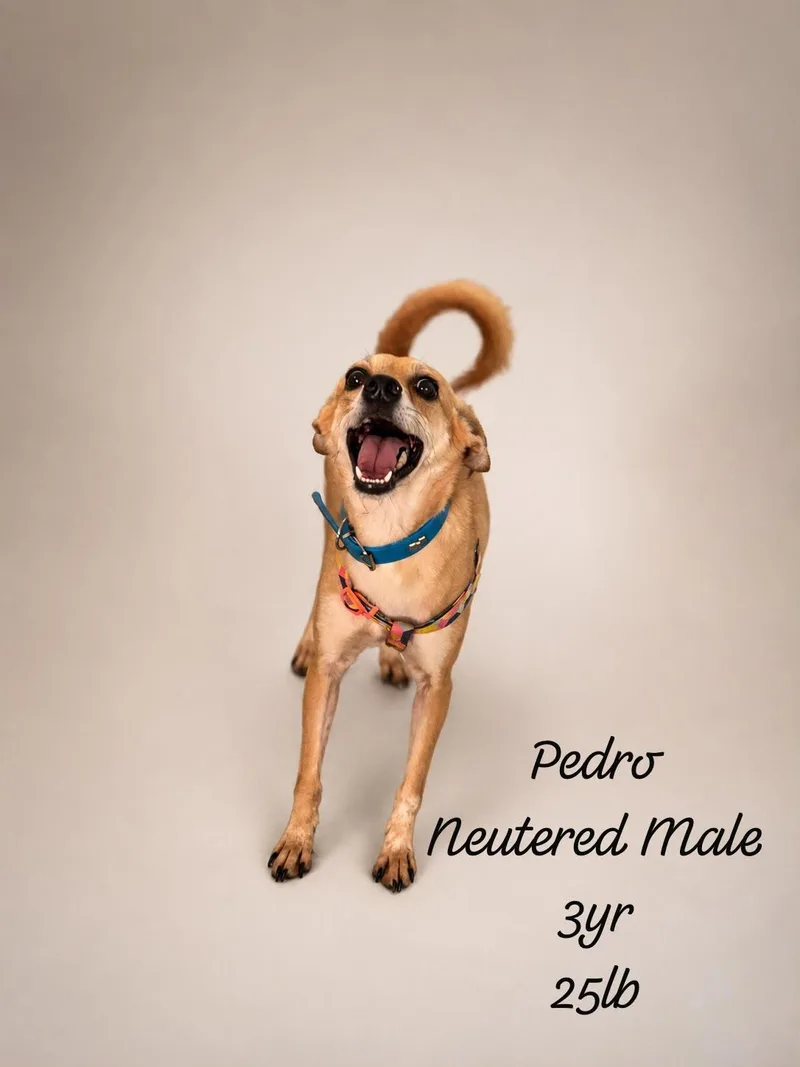
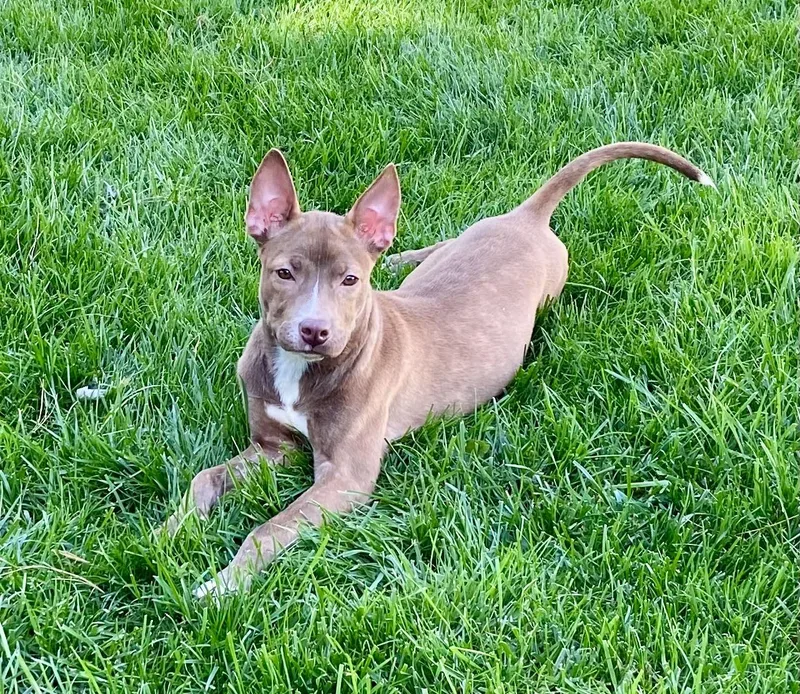
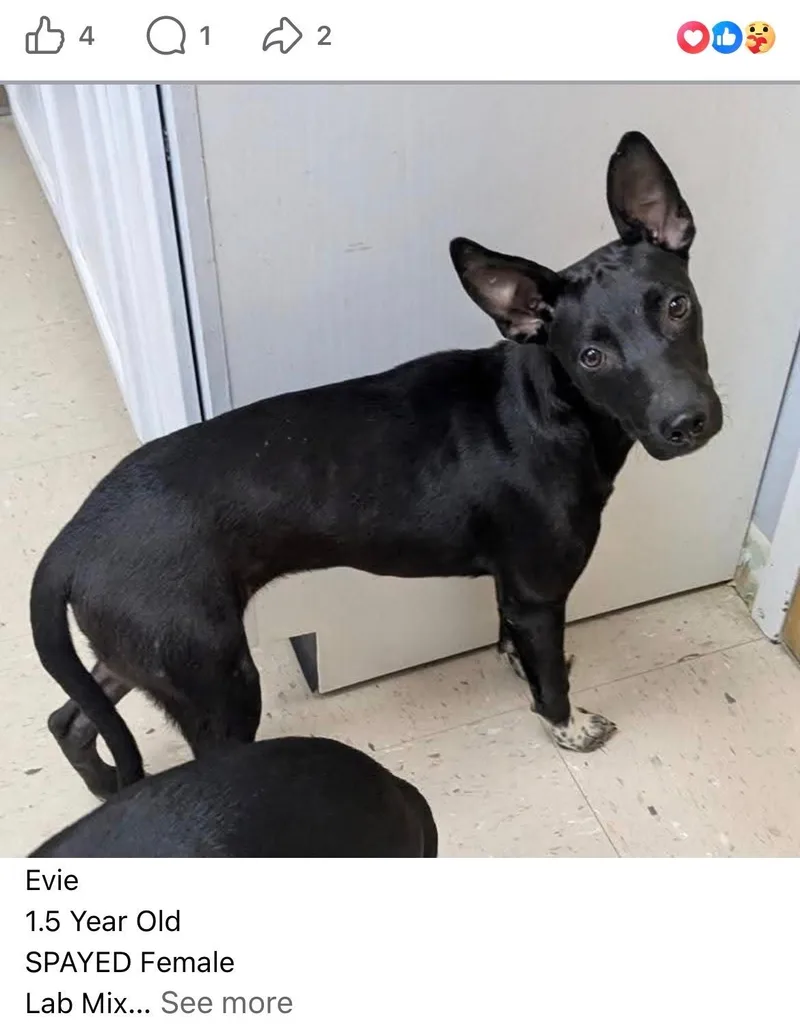
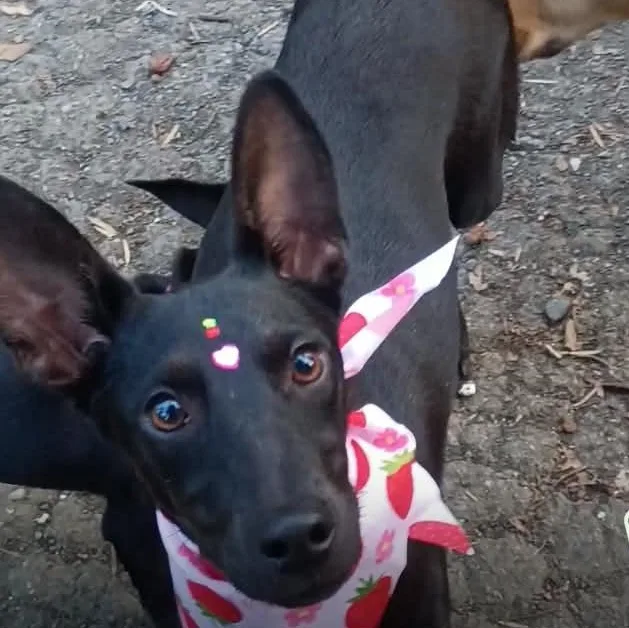
Basenjis Available for Adoption Near Chester Springs

About the Basenji breed

Often called Africa's barkless dog, the Basenji is a small, ancient hunting breed from the forests of Central Africa, especially the Congo basin. Village hunters relied on these quick, quiet dogs to find small game and drive it into nets, and genetic studies place the breed among the oldest dog lineages. Instead of barking, Basenjis yodel, howl and make a distinctive sound called a baroo, thanks to an unusually shaped larynx.

With a wrinkled forehead, upright ears, tightly curled tail and short, fine coat, the Basenji is elegant and remarkably clean, grooming itself much like a cat. Many are affectionate with their people but independent, reserved with strangers and strongly driven to chase. They also tend to be clever escape artists and enthusiastic chewers, so adopters should expect secure fencing, plenty of exercise and patient, creative training.

Weight
20–26 lbs
Height
15–18 in
Lifespan
12–15 yrs
Temperament
Independent, Intelligent, Alert, Affectionate
Group
Hound
Shedding
Low

Owning a Basenji in Chester Springs

Having a Basenji in Chester Springs

A Basenji's catlike independence, hunter's drive and unusual voice set it apart from most small dogs. Understanding how these traits affect training, exercise, safety and daily routine helps adopters decide whether this clever, quirky hound fits their household and patience.

Temperament

Basenjis tend to be affectionate with their families, alert and often aloof with strangers. They are independent thinkers rather than people-pleasers, so they may ignore commands that seem pointless. Strong prey drive can make small pets risky. Some enjoy other dogs, while others prefer to be the only dog; individual history matters greatly.

Exercise Needs

Most Basenjis are energetic and need daily vigorous exercise, such as brisk walks, running in a securely fenced area or lure coursing. Their chase instinct means off-leash time in open spaces is risky. Mental stimulation through puzzle toys, scent games and training helps prevent destructive chewing and escape attempts, especially in young dogs.

Health Considerations

Basenjis are often long-lived but can inherit Fanconi syndrome, a kidney disorder, along with progressive retinal atrophy, a hemolytic anemia called pyruvate kinase deficiency and hypothyroidism. DNA tests exist for some of these. Ask about any testing or history, and discuss periodic urine screening and checkups with a veterinarian to catch problems early.

Living Space

Basenjis can adapt to apartments or houses if they get enough daily exercise and mental work, and their lack of barking helps in close quarters, though they can yodel. Security matters more than space: they climb fences, slip through gaps and chew through barriers. Many dislike cold and rain, so indoor comfort is important.

What it costs to own a Basenji

ExpenseTypical costPer year
Adoption fee$500, one time$500 in year one
Food$20 to $45 per month$240 to $540
Pet insurance$40 to $85 per month$480 to $1,020
Routine vet care$200 to $400 per year$200 to $400
Other*$390 to $1,090 per year$390 to $1,090
Estimated yearly total (after year one)$1,310 to $3,050
First-year total (with adoption fee)$1,810 to $3,550

Adoption fee is the fee on Basenji listings in Chester Springs on GetBuddy today. Other costs are national averages for Basenjis; we don't have costs specific to Chester Springs yet.

* Flea, tick and heartworm prevention, a dental cleaning allowance, a dog license, durable chew toys and bedding, and minimal grooming for a short, self-cleaning coat; license fees vary by city.

Adopt a Basenji in Chester Springs.

Now that you know more, let’s find you a new best friend. These rescues and shelters below currently have Basenjis available.

Rescues in Chester Springs with Basenjis Available

Here are the rescues & shelters in the Chester Springs area where you can find Basenjis and other dogs available for adoption.

Frequently Asked Questions

A Basenji is a small, ancient hunting dog from Central Africa, famous for not barking. It belongs to the AKC Hound Group and was recognized in 1943. Basenjis are lean and elegant, with a wrinkled forehead, upright ears and a tightly curled tail. They tend to be clever, independent, clean and energetic, with a strong instinct to chase.

A Basenji looks like a small, athletic dog with a short, fine coat, upright pointed ears, a wrinkled forehead and a tail curled tightly over its back. Common colors are chestnut red, black, tricolor and brindle, always with white feet, chest and tail tip. It moves with a quick, springy trot often compared to a trotting racehorse.

Basenjis can be excellent dogs for owners who enjoy a clever, independent companion and can provide exercise, secure fencing and patient training. They are clean, quiet compared to barking breeds and often affectionate. They are less suited to people wanting an obedient, easygoing dog, as they can be stubborn, destructive when bored and determined escape artists.

Basenjis are small dogs. Males typically stand about 17 inches at the shoulder and weigh around 24 pounds, while females stand about 16 inches and weigh around 22 pounds. Most adults fall between about 20 and 26 pounds. Their lean, athletic build means a healthy Basenji has a visible waist and easily felt ribs.

Basenjis were bred to help hunters in Central Africa find and drive small game. Working with village hunters, they used their keen sight and scent to locate prey and flush it into waiting nets, and their silence helped them work without alerting animals. They were also valued for keeping villages free of rodents.

Basenjis come from Central Africa, particularly the forests of the Congo basin, where they have lived and hunted with local people for a very long time. Western explorers brought them to Europe in the late nineteenth and early twentieth centuries, and the breed reached the United States in the 1930s. The AKC recognized it in 1943.

Basenjis can be good family dogs for active households that understand their independence and prey drive. Many are affectionate and playful with their families and do well with older, respectful children. They are less ideal for homes with small pets or toddlers, and families should be ready for training challenges, chewing and escape attempts.

Basenjis hunted mostly small game in Central Africa. With village hunters, they located animals such as small antelope and rodents by sight and scent, then flushed them toward nets. Their quiet working style and agility suited dense forest. Today, that strong prey drive often shows up as chasing squirrels, cats and other small animals.

Basenjis are not easy to train, even though they are smart. They are independent and often decide whether a request is worth following, and repetitive drills bore them quickly. Short, varied, reward-based sessions work best. Patience and creativity help, and many owners find training more of a negotiation than with eager-to-please breeds.

We have 1 rescue with Basenjis available: 1Love4Animals inc.. You can see every rescue with Basenjis available in the list above these questions, or scroll to the top to see the Basenjis near Chester Springs.