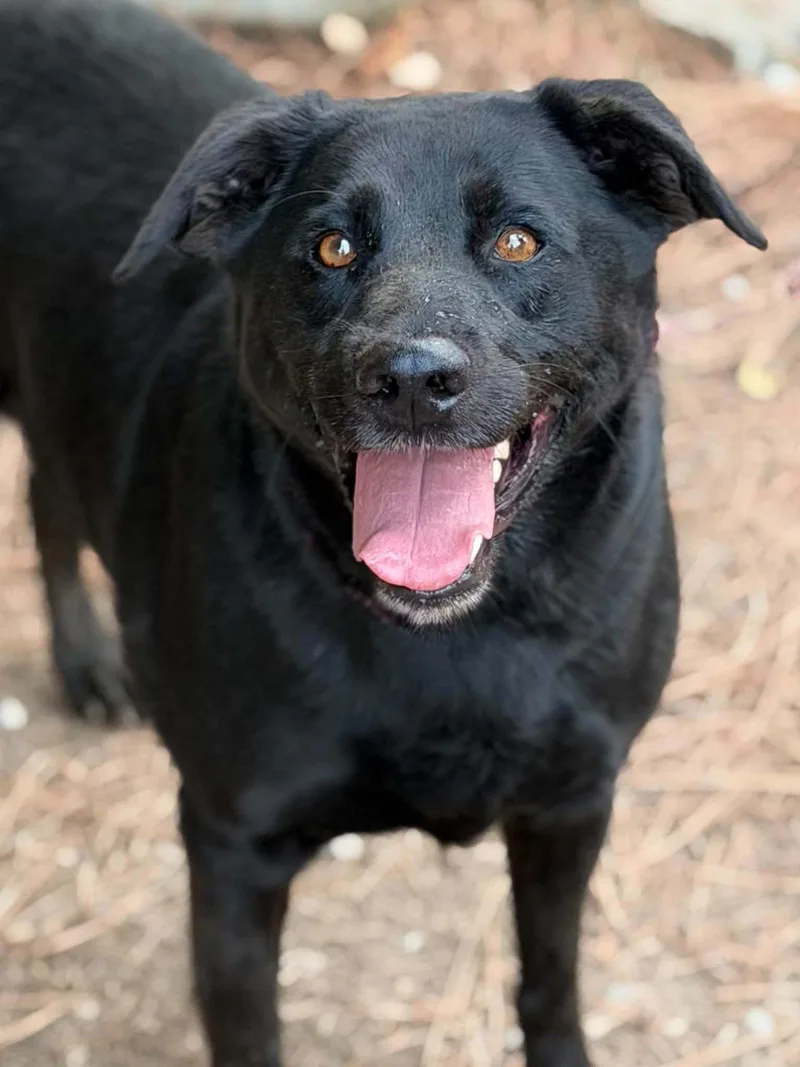
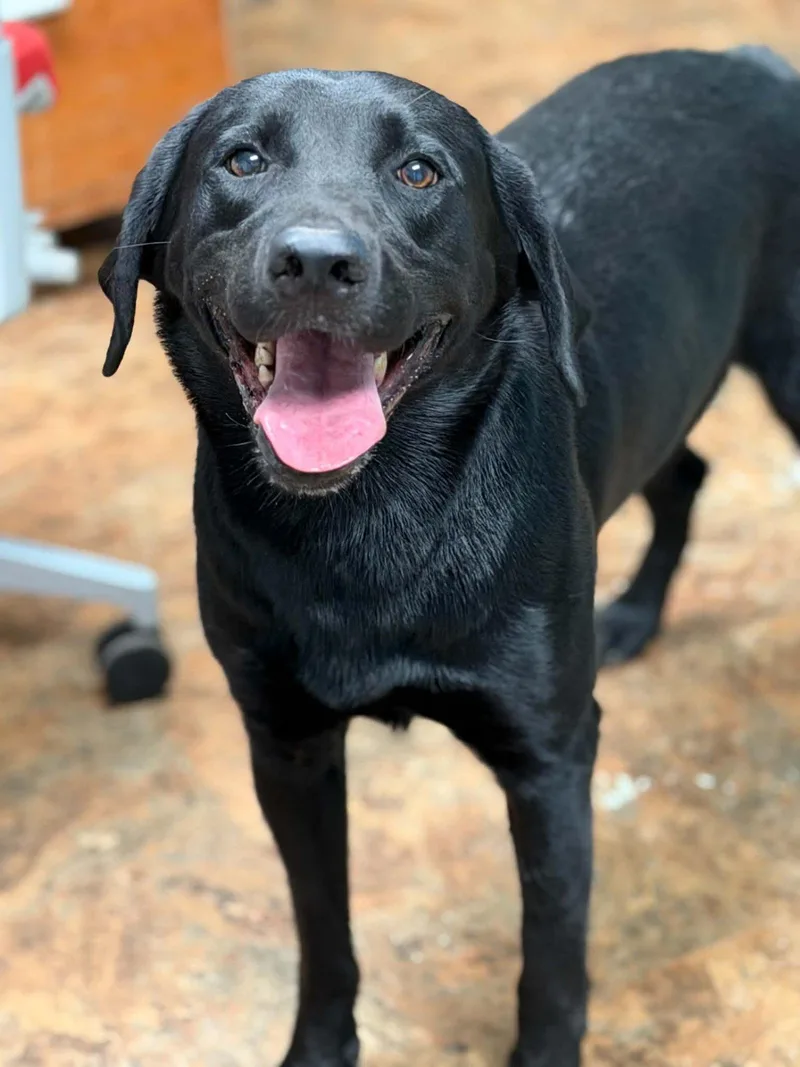
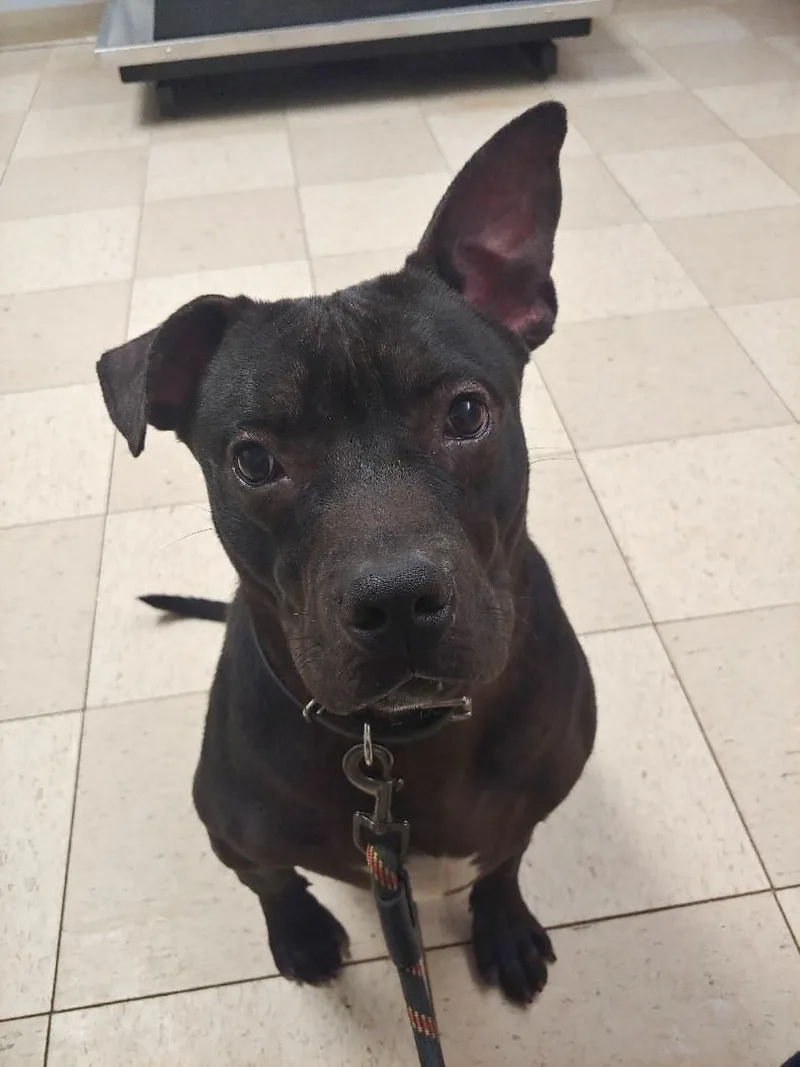
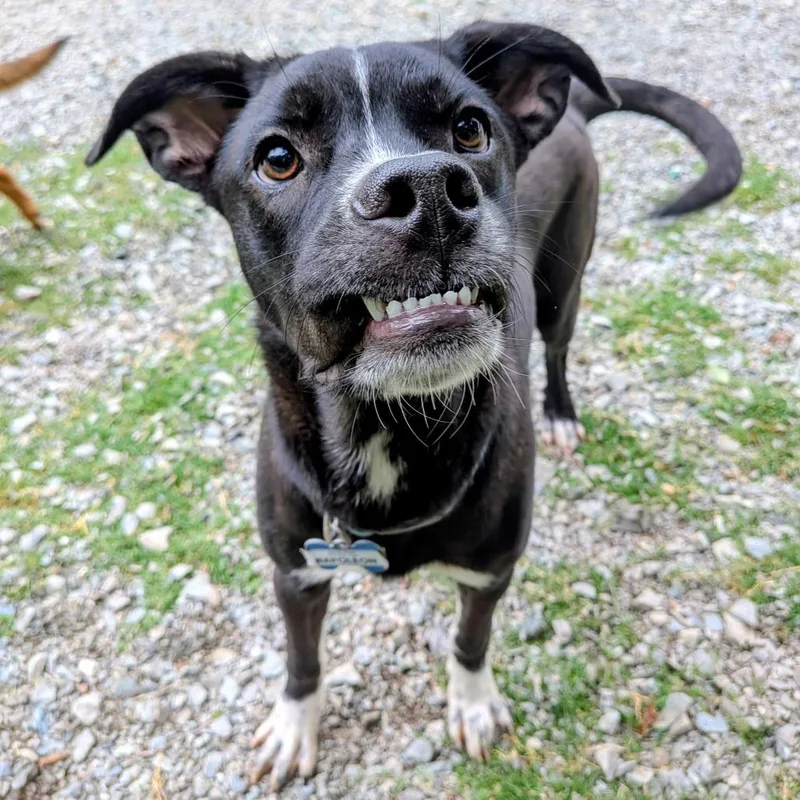
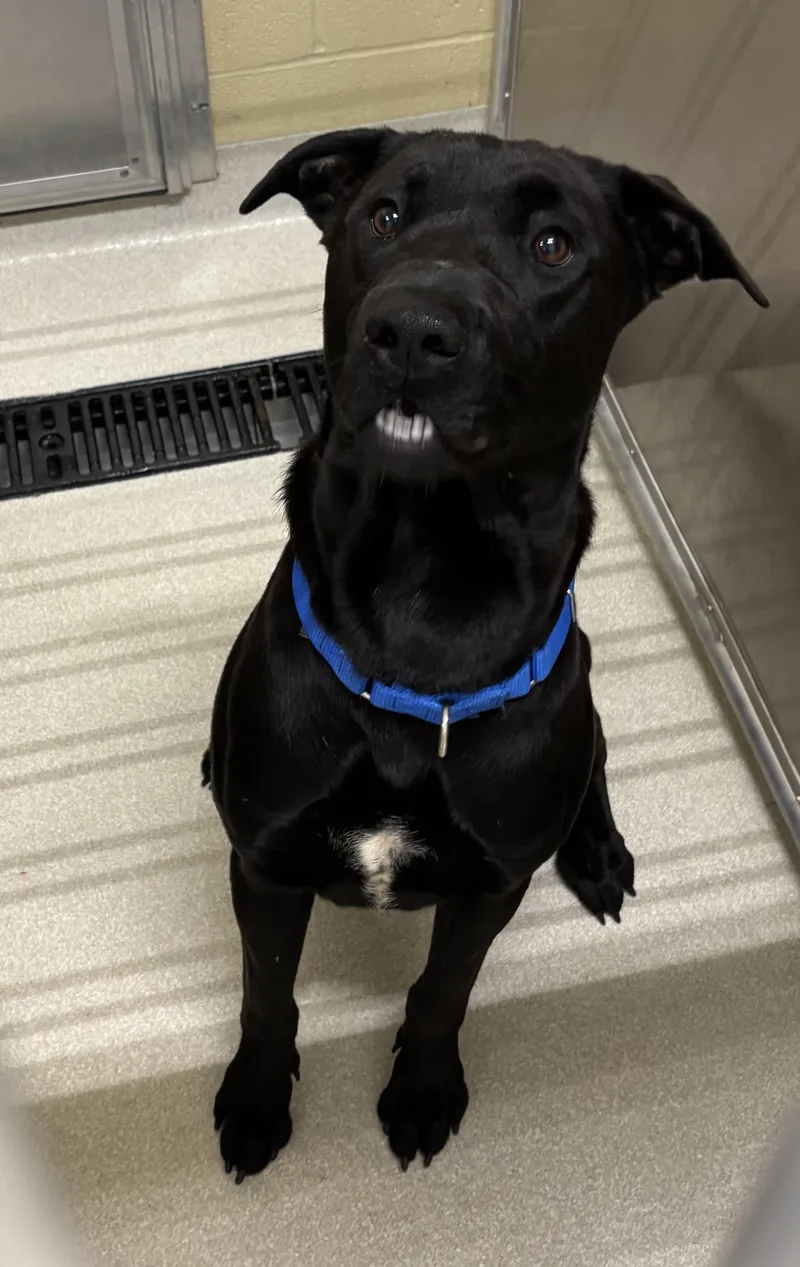
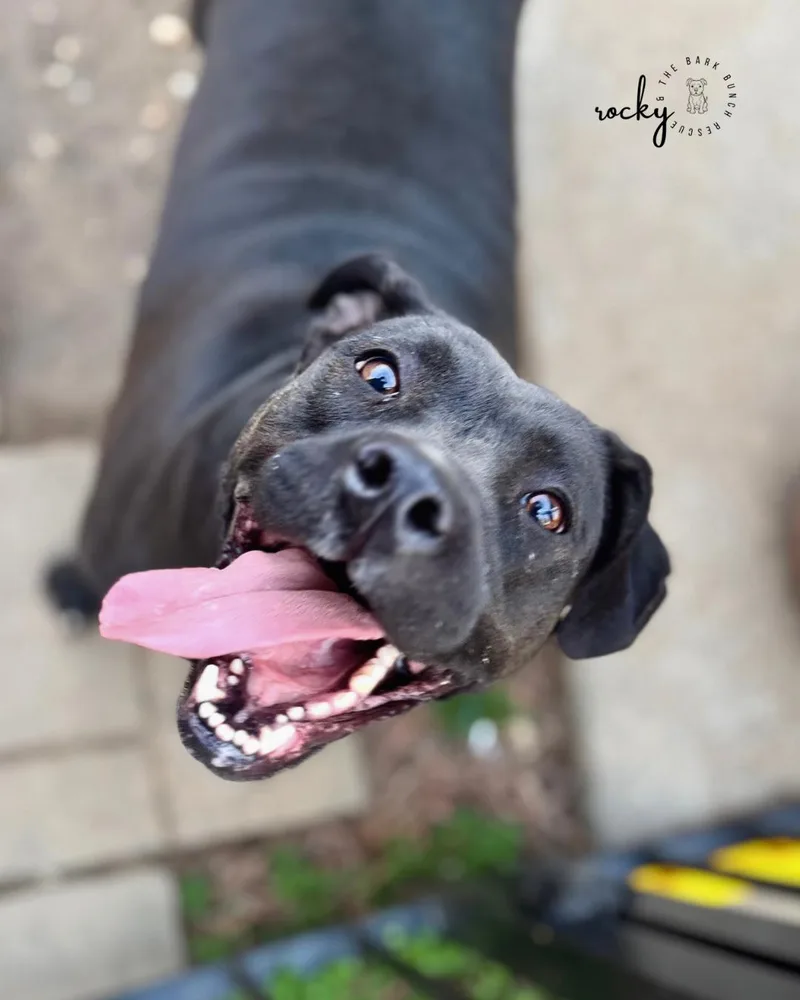
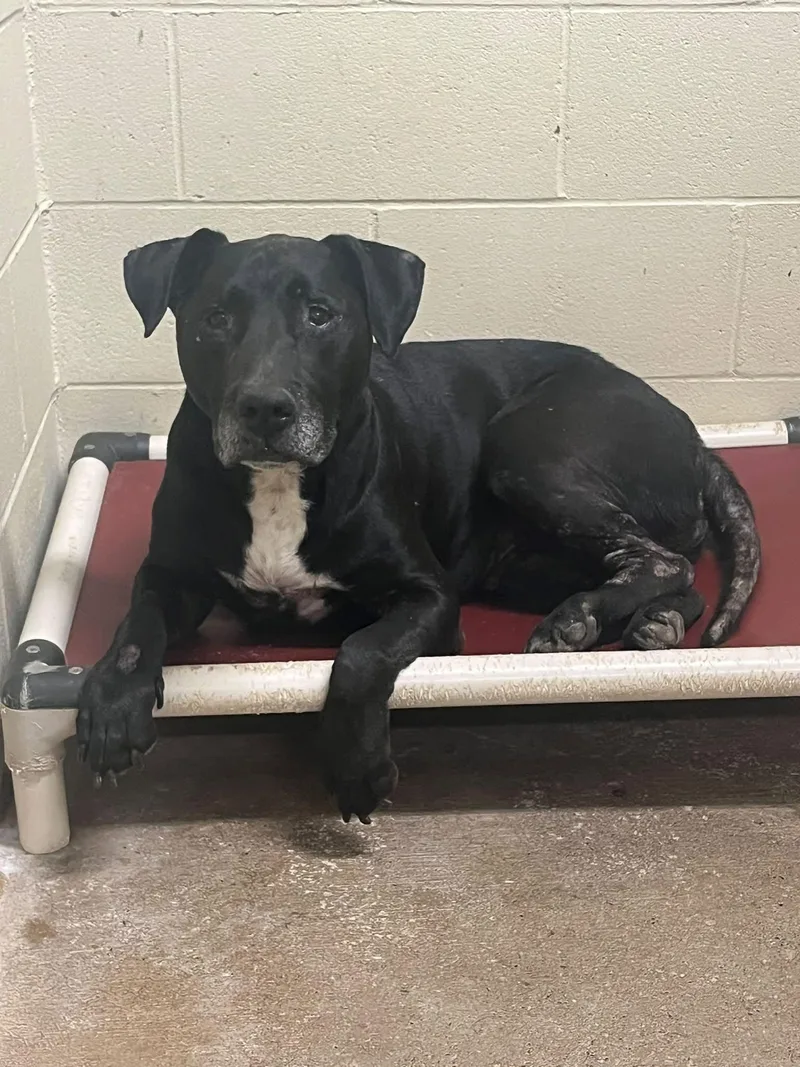
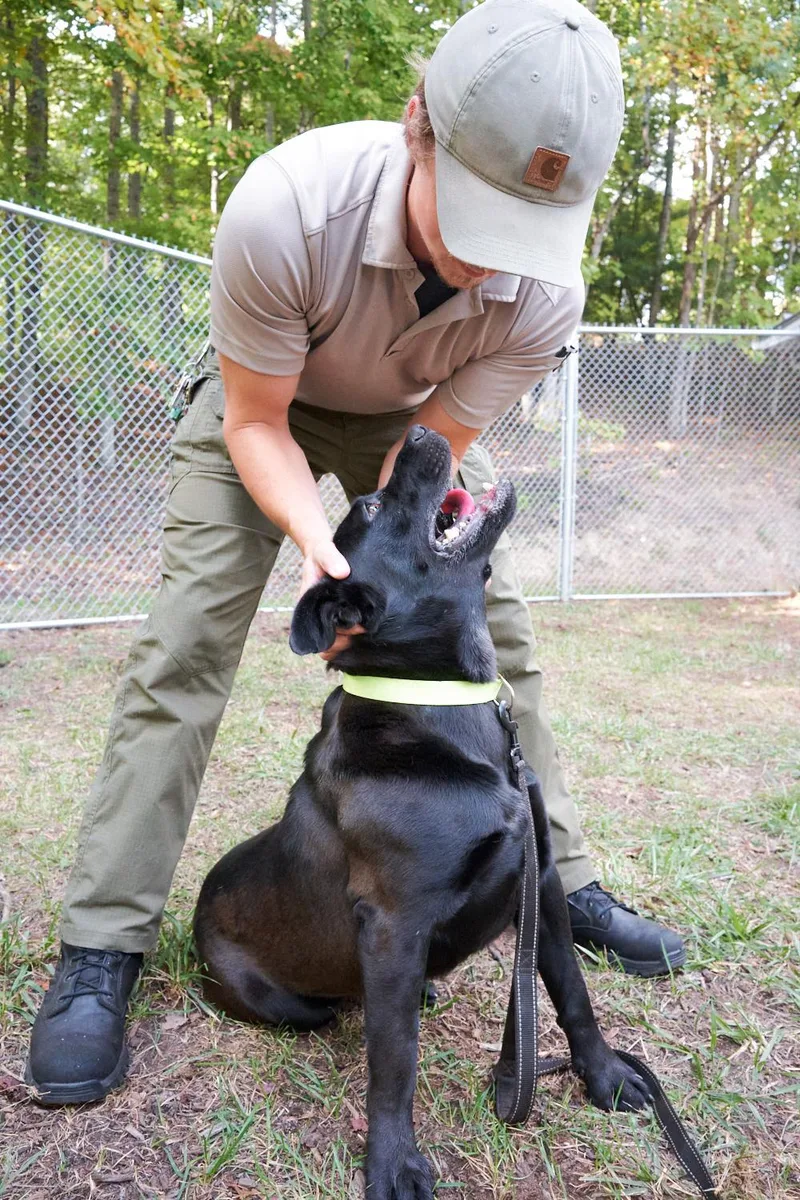
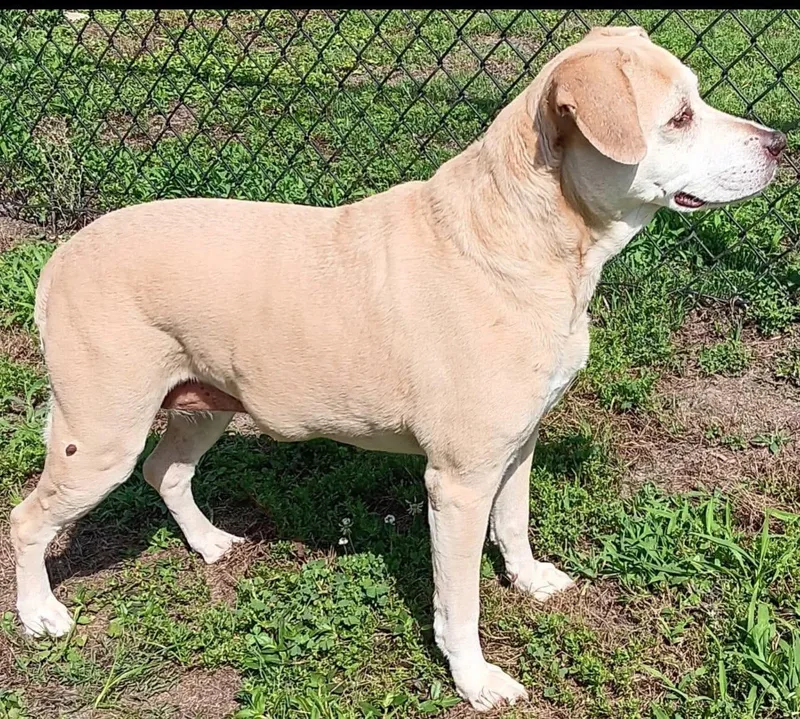
Black Labrador Retriever Dogs for Adoption in Bethlehem, PA

Your guide to finding and caring for a Black Labrador Retriever in Bethlehem

Black Labs suit Bethlehem if you can give them a real walk every day. A South Side rowhouse works well when the South Bethlehem Greenway is close for a morning loop, and the dog gets a second outing along Monocacy Creek after work. Labs want company and a job, so they do best with people who are home a fair amount. Their dark coats soak up July sun, which means shade and water on summer afternoons. Expect shed hair on the stairs, too.

3060 Black Labrador Retrievers available in Bethlehem and nationwide

Find your Black Labrador Retriever

Black Labrador Retrievers Available for Adoption Near Bethlehem

About the Black Labrador Retriever breed

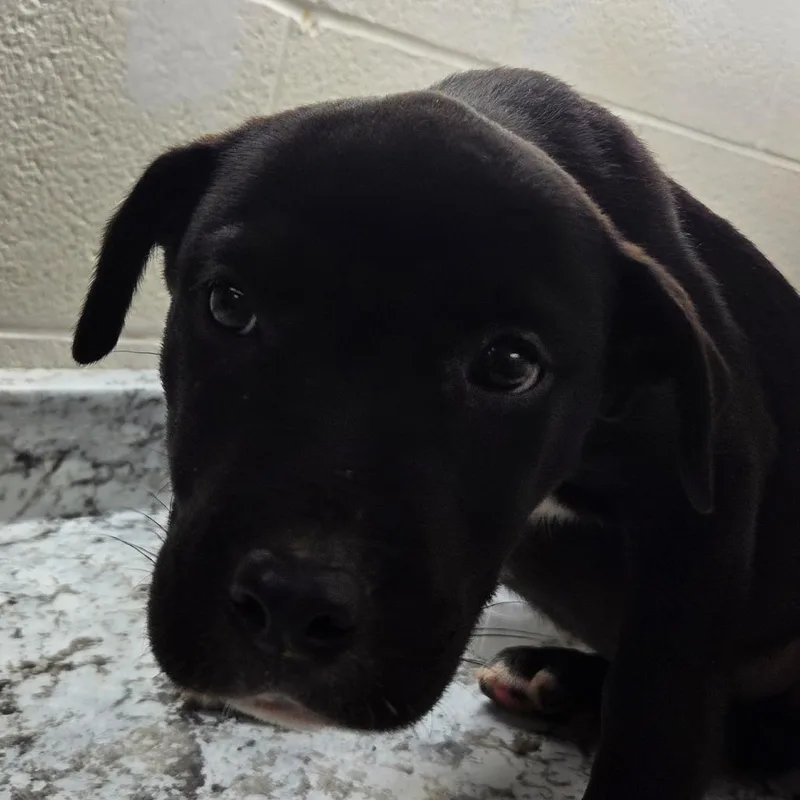
A black Lab is a Labrador Retriever in the breed's original and most familiar color, not a separate breed. The breed traces to the St. John's water dogs of Newfoundland and was refined in Britain into a gun dog, which explains the dense, water-resistant double coat, the thick otter tail and the athletic build that carries most adults between 55 and 80 pounds.

Color doesn't change personality. Black Labs tend to be friendly, food-motivated and eager to please, though field-bred dogs are often leaner and more driven than show-bred ones. In Bethlehem, that means a dog who'll enjoy creekside trails and neighborhood walking routes, and who needs steady training, measured portions and plenty of brushing through shedding season. Most mature slowly, so expect a bouncy adolescence.

Weight
55–80 lbs
Height
21–25 in
Lifespan
10–14 yrs
Temperament
Friendly, Outgoing, Active
Group
Sporting
Shedding
Moderate to High

Owning a Black Labrador Retriever in Bethlehem

Having a Black Labrador Retriever in Bethlehem

A black Lab brings sociable energy and working stamina in a dark coat. Age, drive and appetite shape daily life more than color does, so match the dog in front of you to your routine, whether that's a Bethlehem rowhouse or a house with a yard.

Temperament

Black Labs are usually outgoing and affectionate with family, visitors and other dogs, which helps on shared sidewalks and busy trails. Young dogs can be mouthy and boisterous, and their love of food makes reward-based training work well. A dog's history and socialization say more than breed or coat color.

Exercise Needs

Plan on vigorous daily exercise once a Lab is grown: brisk walks, fetch and scent games. Around Bethlehem, leashed outings on the South Bethlehem Greenway, Monocacy Way and the D&L Trail all work. City parks require a leash of 6 feet or less, and the Monocacy Dog Park adds variety for city residents.

Health Considerations

Labs can develop hip and elbow dysplasia, cruciate ligament tears, exercise-induced collapse and progressive retinal atrophy, and many gain weight easily. Ear infections and skin allergies also occur. Deer ticks live in every Pennsylvania county, so keep tick prevention current, weigh your dog regularly, and have a veterinarian check the hips and elbows.

Living Space

A black Lab can do well in a rowhouse, twin or apartment when daily exercise is covered. A fenced yard helps but doesn't replace walks. Expect shed hair, a sweeping tail that clears coffee tables, and a dog who wants to be indoors with you.

What it costs to own a Black Labrador Retriever in Bethlehem

ExpenseTypical costPer year
Food$55 to $110 per month$660 to $1,320
Pet insurance$65 to $130 per month$780 to $1,560
Routine vet care$250 to $500 per year$250 to $500
Other*$586 to $1,461 per year$586 to $1,461
Estimated yearly total (after year one)$2,276 to $4,841

Other costs are estimates and vary with size, age and health.

* The county dog license ($10.80 a year), flea, tick and heartworm prevention, a dental cleaning allowance, toys and bedding, and brushing and baths for heavy seasonal shedding.

Adopt a Black Labrador Retriever in Bethlehem.

Now that you know more, let’s find you a new best friend. These rescues and shelters below have dogs available in and near Bethlehem.

Rescues and Shelters in or near Bethlehem

Shelters and rescues across the Lehigh Valley work to place dogs of every size, from small seniors to big adolescents. Here are the rescues & shelters in the Bethlehem area with dogs available for adoption, worth asking whether a Black Labrador Retriever is coming in.

Frequently Asked Questions

Yes. Pennsylvania law bars local breed-specific bans, and Bethlehem's animal code has no breed rules. You'll need a county dog license by 3 months of age with the tag on the collar, a current rabies vaccination, and a leash off your property. Each home is limited to six pets six months or older without a city permit.

Yes, if the lease allows a dog of 55 to 80 pounds and you can cover daily exercise. Rowhouses and small multi-unit buildings are common here, so plan on a couple of leashed walks plus some play every day. A bored Lab may bark or chew, and the city's noise ordinance covers animal noise that disturbs neighbors.

Monocacy Park is the top pick, with the Monocacy Dog Park for city residents and the Monocacy Way trail along the creek. The South Bethlehem Greenway, Saucon Park and Sand Island Park suit leashed walks. Parks require a licensed, vaccinated dog on a leash of 6 feet or less. Avoid riverside and creekside paths after heavy rain.

Yes. A Lab's thick double coat suits Bethlehem winters, where about 118 nights a year drop to freezing. Many dogs enjoy snow, but icy sidewalks are hard on stiff joints, so older Labs may need shorter walks. Wipe paws after salted sidewalks, and don't leave your Lab outside for long stretches in the cold.

Brush a black Lab about once a week, and daily during the heavy sheds in spring and fall as the coat changes with Bethlehem's seasons. A bath every month or two is plenty, and the coat needs no haircuts. Brushing and baths fall under the yearly Other costs, whether you do them yourself or use a groomer.

Probably not a full-grown one. Bethlehem has LANta buses but no subway or passenger rail, and the only published pet rule, for paratransit, requires non-service animals to ride in a carrier. A 55-to-80-pound Lab won't fit in one, so plan on walking or driving. Trained service dogs are the exception.

Only on a patio, and only where the restaurant welcomes dogs. Pennsylvania reportedly requires restaurants that allow dogs to offer an outdoor or separate area away from other diners, so indoor seating is limited to service animals. Policies vary by restaurant, so look for a dog-friendly patio sign. Musikfest bans pets, so leave your Lab home that week.

A Labrador Retriever is a large sporting dog developed to retrieve game for hunters, especially from water. Labs have a short, dense double coat, a thick otter tail and a broad head, and they come in black, yellow and chocolate. Many are friendly, food-motivated and eager to work, which makes them common family, guide and service dogs.

Labs are large dogs, usually standing about 21.5 to 24.5 inches at the shoulder and weighing about 55 to 80 pounds, with females toward the lower end. Field-bred Labs often look taller and leaner, while show-bred Labs tend to be stockier. Most reach adult height by about a year and keep filling out until around two.

Budget about $55 to $110 a month for food and $65 to $130 a month for pet insurance for a black Lab. Routine vet care runs roughly $250 to $500 a year, and other yearly costs such as prevention, dental care and grooming add about $586 to $1,461. Large dogs eat and medicate more, so expect the higher end.

Explore Other Breeds in Bethlehem

Looking for a different breed? Browse other dogs available for adoption in Bethlehem.