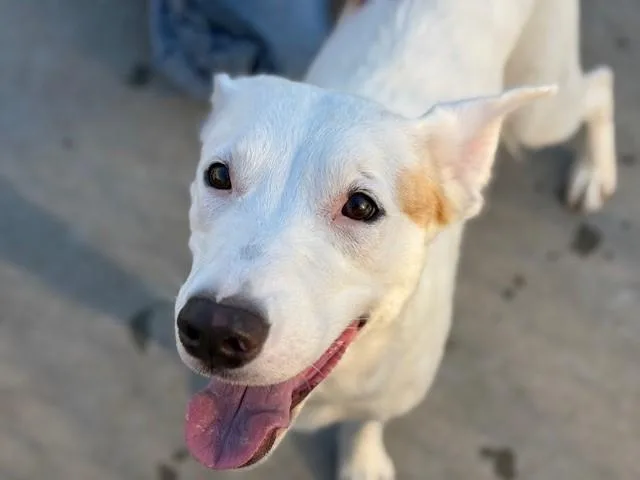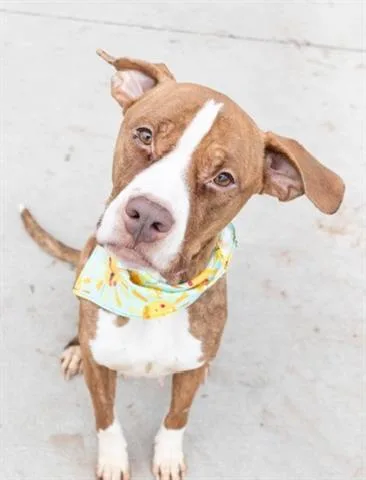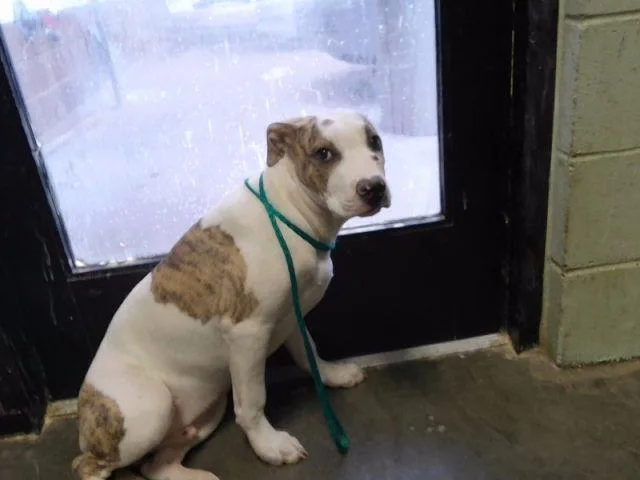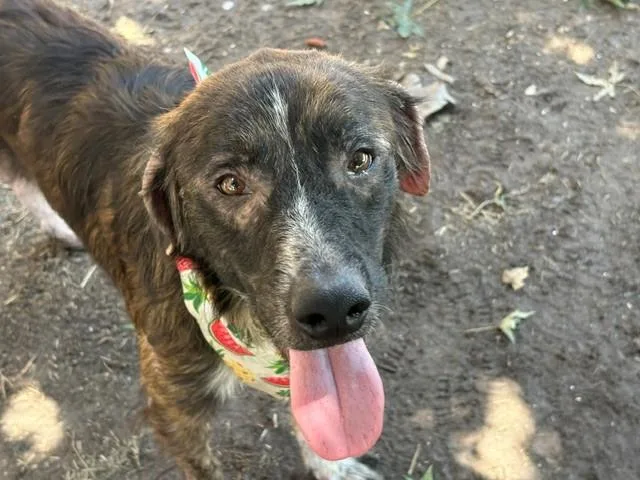
Yellow Labrador Retriever Dogs for Adoption in Tulsa, OK

Your guide to finding and caring for a Yellow Labrador Retriever in Tulsa

A yellow Lab suits the ranch-house streets of Patrick Henry, where 1950s and '60s homes sit on large lots. A fenced backyard handles fetch and zoomies, and the River Parks trails are a short drive for longer leashed walks. Labs are friendly and want to be near their people, so they do best with someone home a fair amount. July afternoons run hot, so plan on early-morning walks in summer. A light coat shows less dirt than black, though the shedding is just as heavy.

825 Yellow Labrador Retrievers available in Tulsa and nationwide

Find your Yellow Labrador Retriever

While we don't have enough dogs near Tulsa, keep in mind that many rescues may offer transport.

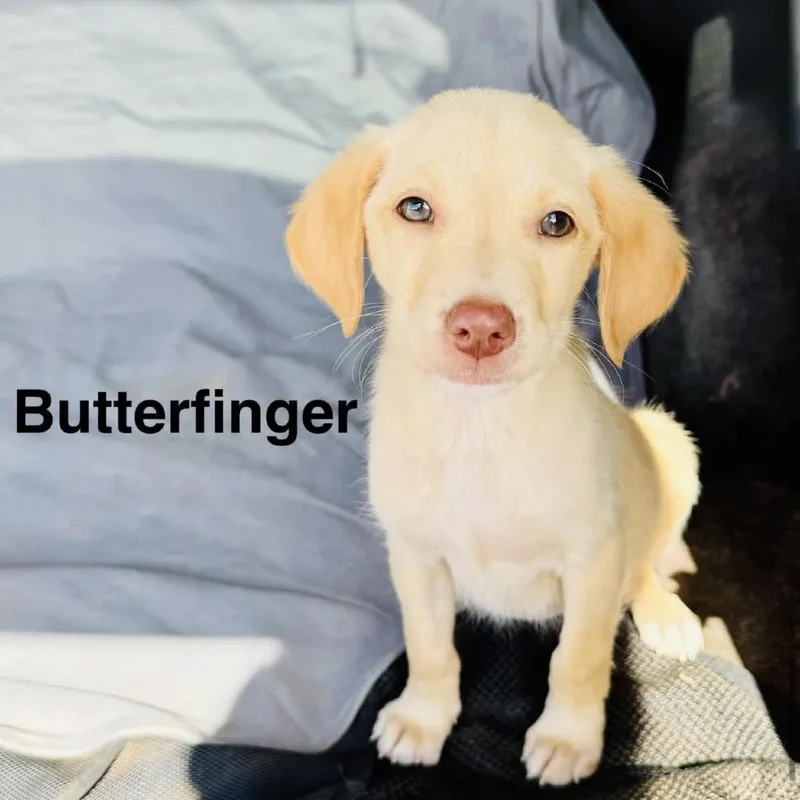
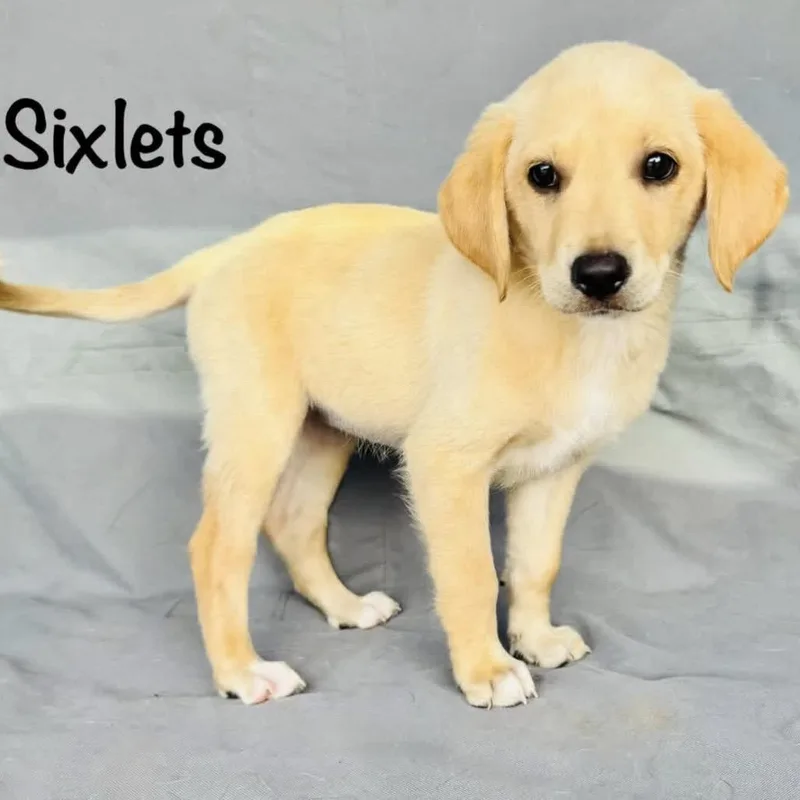
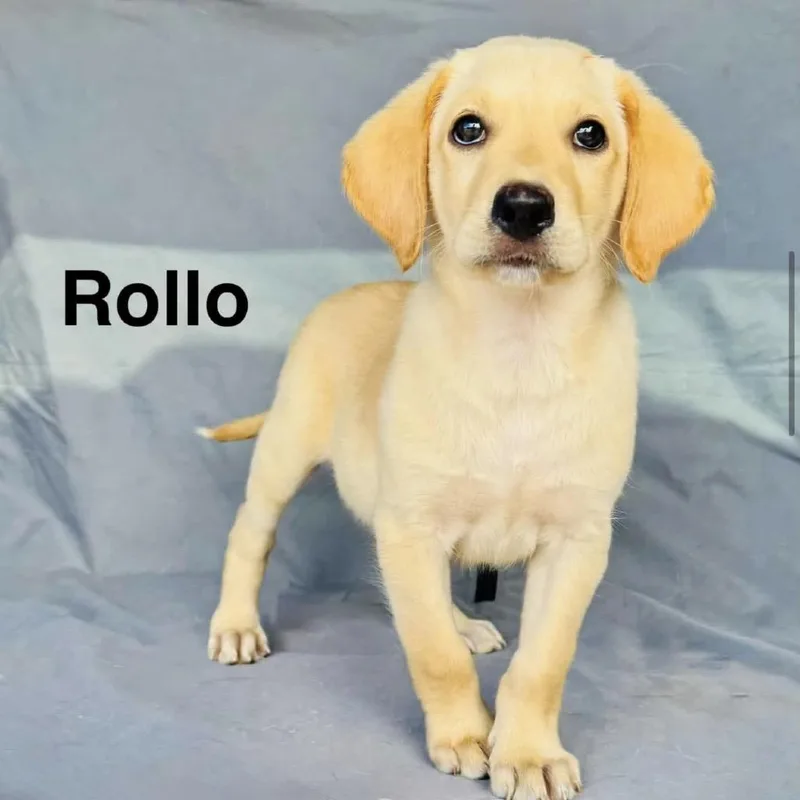
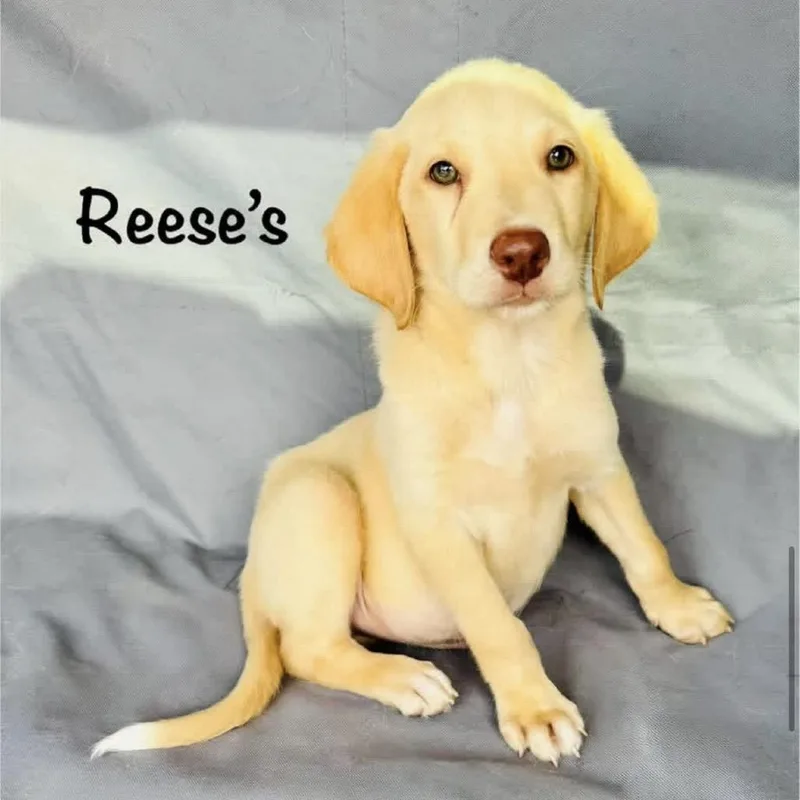
Yellow Labrador Retrievers Available for Adoption Near Tulsa

About the Yellow Labrador Retriever breed

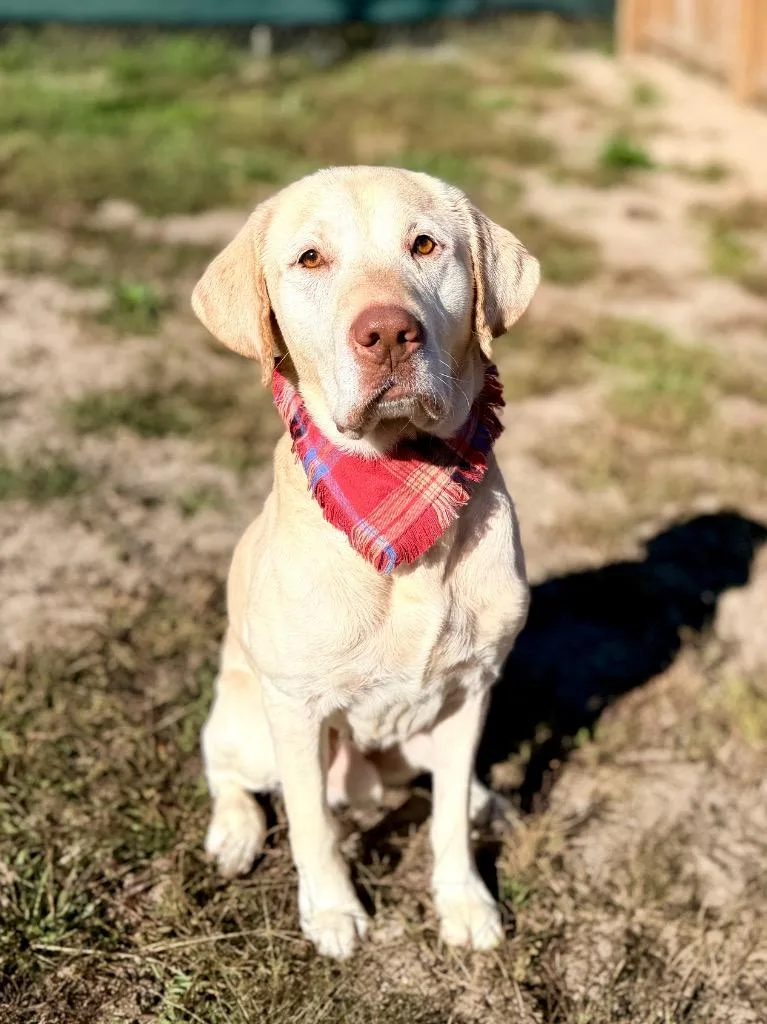
A yellow Lab is a Labrador Retriever in one of the breed's three recognized colors, with a coat anywhere from pale cream to fox red. The breed descends from Newfoundland water dogs and was developed in Britain as a gun dog, which explains the dense double coat, otter tail and love of carrying things in the mouth.

Most yellow Labs are friendly, eager to please and driven by food, so they do well with active households that enjoy training. Expect shedding year-round, with heavier coat blows as the seasons turn, and a dog that gains weight easily when portions get generous. Pale noses can fade in winter or sunburn in strong summer light. Dogs vary, so a Lab's age, energy and socialization matter more than coat shade.

Weight
55–80 lbs
Height
21–25 in
Lifespan
10–14 yrs
Temperament
Friendly, Outgoing, Active
Group
Sporting
Shedding
Moderate to High

Owning a Yellow Labrador Retriever in Tulsa

Having a Yellow Labrador Retriever in Tulsa

Coat shade doesn't change a Lab's personality, but the breed's size, appetite and energy shape every day. In Tulsa, that means planning for hot summers, regular trail time and a home that tolerates shedding and a sweeping tail.

Temperament

Yellow Labs are usually cheerful and people-focused, greeting visitors warmly and often getting along with other dogs. That sociable streak suits neighborhood walks and dog park visits, though young Labs can be boisterous and mouthy. Strong food drive makes reward-based training work well. A dog's age and socialization tell you more than coat color.
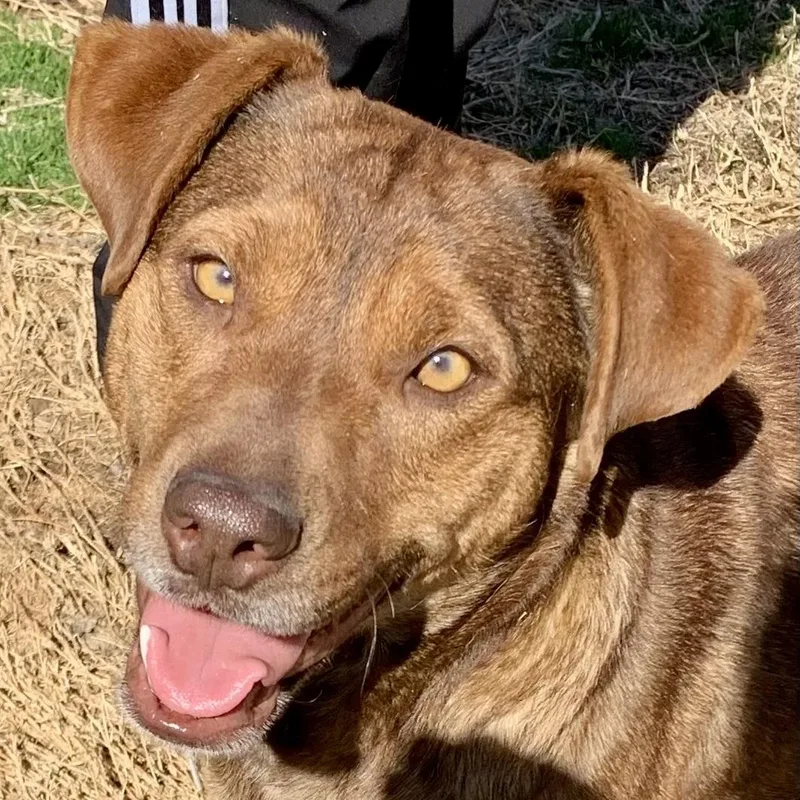
Exercise Needs

Plan on vigorous activity every day: brisk walks, fetch, or leashed hiking on Turkey Mountain's dirt trails and the River Parks paths. Scent games and short training sessions give the mind a job too. In summer, shift exercise to early morning or evening. Under-exercised Labs often chew, dig or raid the trash.

Health Considerations

Labs are prone to hip and elbow dysplasia, cruciate injuries, exercise-induced collapse, inherited eye disease and ear infections, and they gain weight easily, which strains joints. Pale noses can sunburn. A veterinarian can check hips, eyes and weight, and recommend heartworm, flea and tick prevention for Tulsa's long warm season.

Living Space

Yellow Labs adapt to ranch houses, duplexes and apartments when exercise is reliable, though a fenced yard makes play easier. Coyotes live throughout Tulsa, so supervise backyard time and avoid leaving a dog out alone between dusk and dawn. Expect pale hair on dark furniture and a dog that wants to be indoors with its people.

What it costs to own a Yellow Labrador Retriever in Tulsa

ExpenseTypical costPer year
Food$55 to $110 per month$660 to $1,320
Pet insurance$65 to $130 per month$780 to $1,560
Routine vet care$250 to $500 per year$250 to $500
Other*$580 to $1,455 per year$580 to $1,455
Estimated yearly total (after year one)$2,270 to $4,835

Other costs are estimates and vary with size, age and health.

* The $5 Tulsa dog license, a dental cleaning allowance, flea, tick and heartworm prevention, toys and bedding, and brushing and baths for heavy seasonal shedding.

Adopt a Yellow Labrador Retriever in Tulsa.

Now that you know more, let’s find you a new best friend. These rescues and shelters below have dogs available in and near Tulsa.

Frequently Asked Questions

Yes. Tulsa has no breed-specific rules, and Oklahoma law requires dangerous-dog regulations to be breed neutral. A yellow Lab over six months needs a city license, which requires rabies vaccination and proof of spay or neuter, and must be leashed or under physical control off your property. Households can have up to five dogs and cats combined.

Turkey Mountain's miles of dirt trails and the River Parks paths along the Arkansas River suit an energetic Lab, with the dog on a leash and water in your pack. Joe Station and Benjamin's Biscuit Acres offer off-leash play for licensed, vaccinated, spayed or neutered dogs at least six months old, with a three-dog limit per person.

Yes, most healthy Labs can with a plan. Exercise before mid-morning or after sunset, test the pavement with your hand, and keep a cool indoor spot available. Heavy panting, drooling or slowing down means stop and cool the dog with shade and water. Overweight and senior Labs struggle most, so a veterinarian can advise on safe activity.

Yes, if daily exercise is reliable. Walkable pockets like Swan Lake, with its older duplexes and apartment buildings, or the lofts of East Village make leashed outings easy. Labs are social and do poorly left alone for long stretches, so plan for midday breaks, chew toys and enough room for a dog that sheds and wags hard.

Brush weekly most of the year and daily during the heavy sheds that come with spring and fall. A bath every month or two is plenty. Don't shave the double coat in summer, since it helps with heat. Brushing and baths are part of the yearly Other costs, and many owners do them at home.

Mostly no. MetroLink Tulsa buses, including the Aero line on Peoria Avenue, allow pets only in a secure carrier, with an exception for service animals. A Lab at 55 to 80 pounds won't fit a lap-size carrier, so plan on driving to trails and parks unless the dog is a service animal.

Sometimes, on patios. Oklahoma's health code lets restaurants welcome dogs outdoors if they meet state conditions, such as a separate outdoor entrance and single-use water bowls, but dogs aren't allowed inside and each restaurant decides. Patio-heavy areas like Brookside's South Peoria strip are worth trying. Teach your Lab to settle under the table first.

A Labrador Retriever is a large sporting dog developed to retrieve game for hunters on land and in water. Labs have a short, dense double coat, a thick otter tail and a broad head, and they come in black, yellow and chocolate. Many are friendly, food-motivated and keen to work, which is why they are popular family, guide and service dogs.

Labrador Retrievers are large dogs. Males usually stand about 22.5 to 24.5 inches at the shoulder and weigh 65 to 80 pounds, while females stand about 21.5 to 23.5 inches and weigh 55 to 70 pounds. Field-bred Labs often look taller and leaner, and show-bred dogs stockier. Yellow Labs fall in the same range as black and chocolate ones.

Plan on about $55–$110 a month for food, $65–$130 a month for insurance, $250–$500 a year for routine vet care and $580–$1,455 a year for other costs like prevention, dental care and grooming. That puts a typical year at roughly $2,300 to $4,800, before emergencies or boarding.

Find Yellow Labrador Retrievers in Nearby Cities

Expand your search to find Yellow Labrador Retrievers available for adoption near Tulsa.