Shar-Pei Dogs for Adoption in Tulsa, OK

Your guide to finding and caring for a Shar-Pei in Tulsa

Shar-Peis suit Tulsa's quieter, tree-lined streets, like the ranch-house blocks of Ranch Acres or the walkable grid around Swan Lake. They're calm indoors and happy with a couple of moderate walks, which makes them easy to fit around a workday. They're reserved with strangers, so a fenced yard or a leashed loop past the lake works better than a busy crowd. Summer afternoons run hot here, and a Shar-Pei's heavy facial skin holds heat, so plan walks for early morning or after sunset.

681 Shar-Peis available in Tulsa and nationwide

Bring home a Shar-Pei

While we don't have enough dogs near Tulsa, keep in mind that many rescues may offer transport.

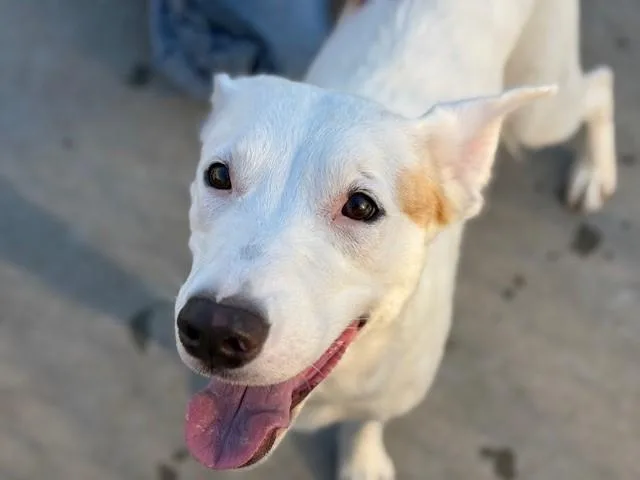
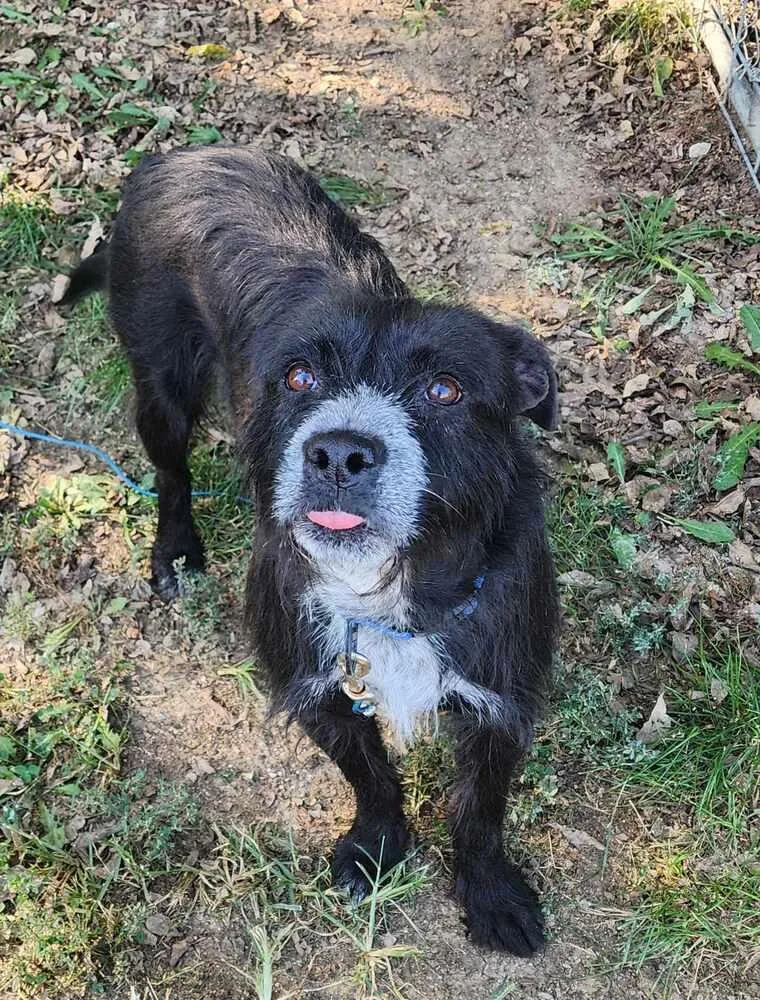
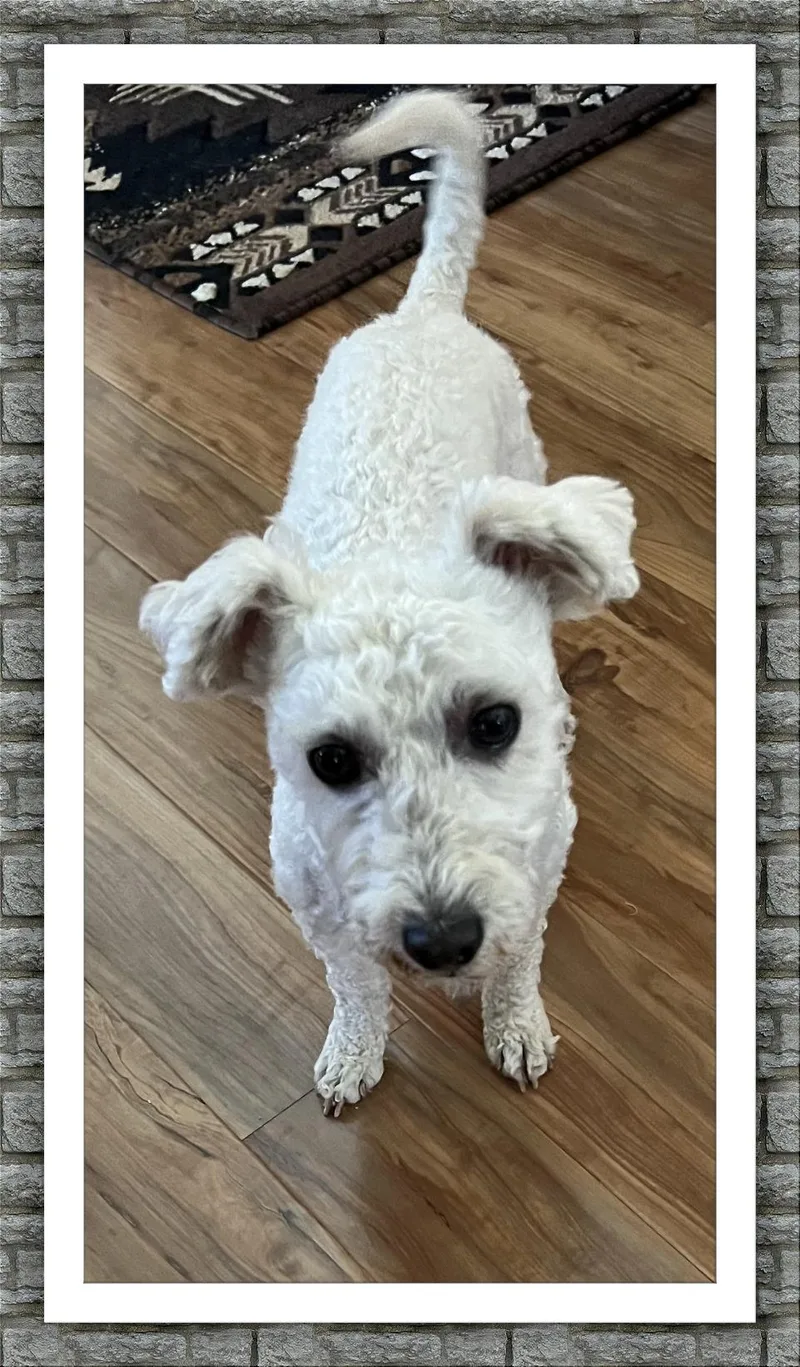
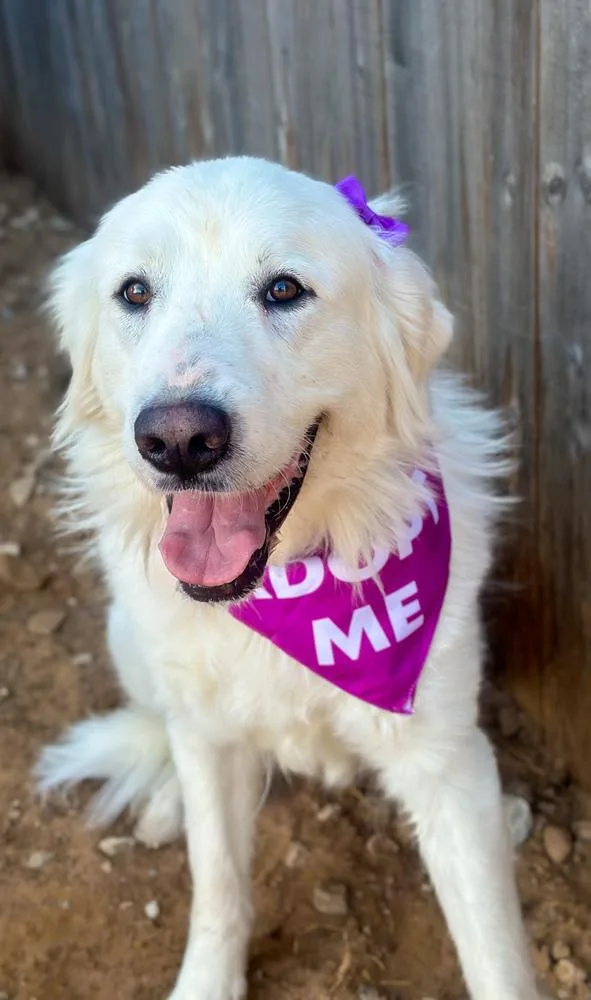
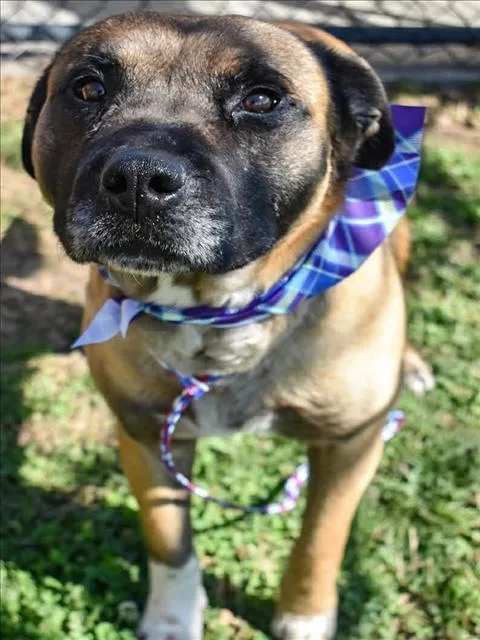
Shar-Peis Available for Adoption Near Tulsa

About the Shar-Pei breed

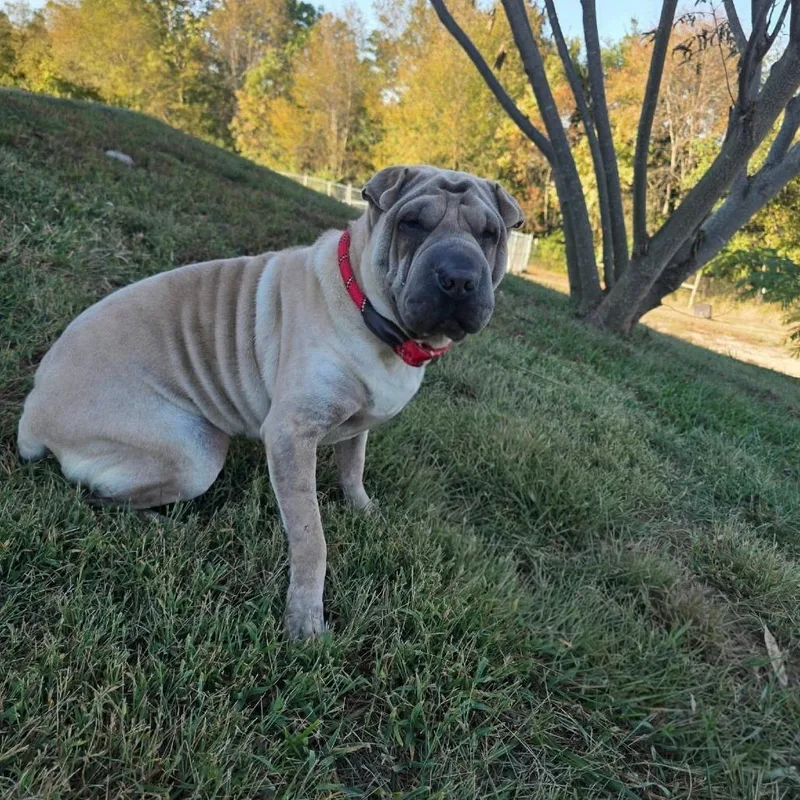
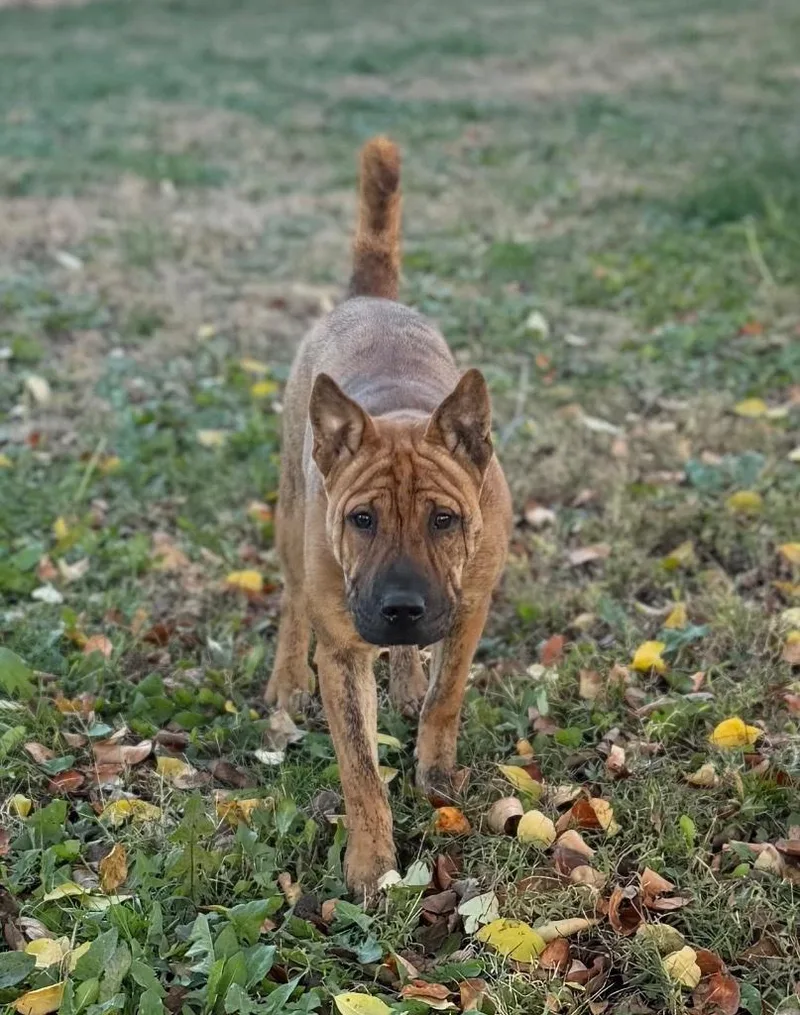
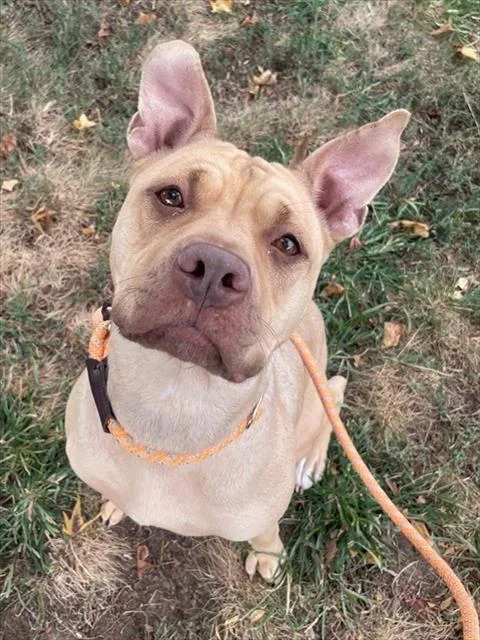
The Shar-Pei is a medium-sized dog from southern China, recognized by its deep wrinkles, broad "hippopotamus" muzzle, small flat ears and bristly coat. The name means "sand skin." Once a guardian of homes and livestock, the breed nearly disappeared in the twentieth century before being revived, and the AKC recognizes it as the Chinese Shar-Pei.

Most adults weigh 45 to 60 pounds and tend to be calm, clean and devoted to their own people while staying aloof with strangers. Some are choosy about other dogs. In Tulsa, that reserved streak means careful introductions matter, whether the dog lives in a duplex or a house with a yard. Folds, eyes and ears need regular attention, and a veterinarian who knows the breed is a real help.

Weight
45–60 lbs
Height
18–20 in
Lifespan
8–12 yrs
Temperament
Independent, Loyal, Protective, Calm
Group
Non-Sporting
Shedding
Moderate

Owning a Shar-Pei in Tulsa

Having a Shar-Pei in Tulsa

A Shar-Pei is a dignified, independent dog whose upkeep is more involved than its short coat suggests. Reserved manners, moderate exercise, skin and eye care, and an inherited fever risk all shape whether one fits your household, and Tulsa's heat adds one more factor.

Temperament

Many Shar-Peis are calm, loyal and watchful, with a reserved streak around strangers and sometimes other dogs. That suits a quiet Tulsa home but calls for early socialization and steady, reward-based training. Expect a thoughtful dog rather than an eager-to-please one, and remember that each dog's history and personality vary.

Exercise Needs

Two daily walks plus some play usually cover it. In Tulsa, River Parks trails and neighborhood loops work well on a leash, and shorter outings suit the hot months. Food puzzles and training games add mental work. Because the broad muzzle and heavy skin hold heat, walk early or after sunset in summer.

Health Considerations

Shar-Peis can inherit familial Shar-Pei fever, and they're prone to entropion (eyelids rolling inward), skin allergies, fold infections and ear trouble. Tulsa's humid summers can aggravate skin problems if folds stay damp. A veterinarian can check eyes, ears and skin, and should see any fever with swollen hocks promptly.

Living Space

A Shar-Pei is usually quiet indoors, so a Tulsa apartment or a ranch-style house can both work. Choose a cool spot for hot months, and plan a sturdy fence or a leash, since coyotes live throughout the city and Shar-Peis can be protective. Visitors need careful introductions.

What it costs to own a Shar-Pei in Tulsa

ExpenseTypical costPer year
Food$35 to $70 per month$420 to $840
Pet insurance$55 to $100 per month$660 to $1,200
Routine vet care$225 to $450 per year$225 to $450
Other*$480 to $1,465 per year$480 to $1,465
Estimated yearly total (after year one)$1,785 to $3,955

Other costs are estimates and vary with size, age and health.

* The Tulsa dog license ($5 a year, or $15 for three years), flea, tick and heartworm prevention, a dental cleaning allowance, toys and bedding, simple coat care, and cleansers and wipes for skin folds and ears.

Adopt a Shar-Pei in Tulsa.

Now that you know more, let’s find you a new best friend. These rescues and shelters below currently have Shar-Peis available.

Frequently Asked Questions

Yes. Tulsa has no breed-specific rules, and Oklahoma law bars local breed-specific dangerous-dog rules. State rules require rabies vaccination by four months of age. Tulsa bans overnight tethering and requires dogs to come inside at 25°F or during tornado warnings, so a Shar-Pei needs an indoor home base rather than a backyard-only life.

Yes, with planning, but heat is their main challenge. About 74 days a year reach 90°F, and the breed's broad muzzle and heavy facial skin hold heat. Walk at dawn or after sunset, choose grass over hot pavement, provide shade and cool water, and keep the dog indoors on the hottest afternoons.

Yes, a Shar-Pei can do well in a Tulsa apartment because it's usually quiet and calm indoors. Daily walks and a cool, comfortable floor matter more than square footage. Look for a building that accepts a 45- to 60-pound dog, easy access to outdoor potty breaks, and a unit that stays cool in summer.

For leashed walks, River Parks trails are the simplest choice. Tulsa's off-leash parks are Benjamin's Biscuit Acres in Hunter Park, Joe Station on Charles Page Boulevard and Gunboat North near downtown. Dogs must be licensed, vaccinated, spayed or neutered and at least six months old. Many Shar-Peis are choosy about other dogs, so go at quiet times.

It can be, especially for someone who prefers moderate walks over long runs and a calm home over a busy social one. Tulsa's mix of ranch-style houses with yards and walkable older neighborhoods gives a reserved Shar-Pei room to settle. Households with frequent guests or other dogs need careful introductions, and skin and eye care is part of the routine.

Only if the dog fits in a secure carrier, which most Shar-Peis won't. MetroLink Tulsa buses, including the Aero line on Peoria, allow pets in carriers, with service animals as the exception. Tulsa has no rail transit, and a 45- to 60-pound dog is usually too big for a lap-size carrier, so plan on driving or walking.

Possibly on patios, but not indoors. Oklahoma's health code lets restaurants welcome dogs in outdoor dining areas that meet state conditions, and each restaurant decides. Brookside's South Peoria strip has many patios, though that doesn't mean each allows dogs. Bring water, skip hot afternoons, and keep a wary Shar-Pei settled away from passersby.

Very little brushing, since the short, harsh coat needs a weekly brush at most. The real work is skin: wipe and dry folds, clean ears and trim nails regularly, especially after humid summers and spring rain. Fold and ear care supplies are part of the Other costs in the cost table, so budgeting stays modest.

We have 1 rescue with Shar-Peis available: C.A.R.E Compassionate Animal Rescue Efforts. You can see every rescue with Shar-Peis available in the list above these questions, or scroll to the top to see the Shar-Peis near Tulsa.

Plan on roughly $1,800 to $3,950 a year for a Shar-Pei in Tulsa, based on food at $35–$70 a month, insurance at $55–$100 a month, routine vet care at $225–$450 a year, and other costs of $480–$1,465 a year. Skin, eye and ear problems can add expenses beyond routine visits.

Find Shar-Peis in Nearby Cities

Expand your search to find Shar-Peis available for adoption near Tulsa.