Saint Bernard dog

Saint Bernard Dogs for Adoption in Tulsa, OK

Your guide to finding and caring for a Saint Bernard in Tulsa

A Saint Bernard suits Tulsa's ranch-house neighborhoods, where a giant dog has room to stretch out. In Patrick Henry, with its 1950s and 60s ranch homes on large lots, a Saint can have a shady yard and a slow evening walk. They're gentle and patient, but they weigh as much as a person and drool freely, so plan for floor space and a towel by the door. Summer is the season to plan around, since Saints tire fast once Tulsa climbs into the 90s.

203 Saint Bernards available in Tulsa and nationwide

Give a Saint Bernard a home

While we don't have enough dogs near Tulsa, keep in mind that many rescues may offer transport.

Saint Bernards Available for Adoption Near Tulsa

About the Saint Bernard breed

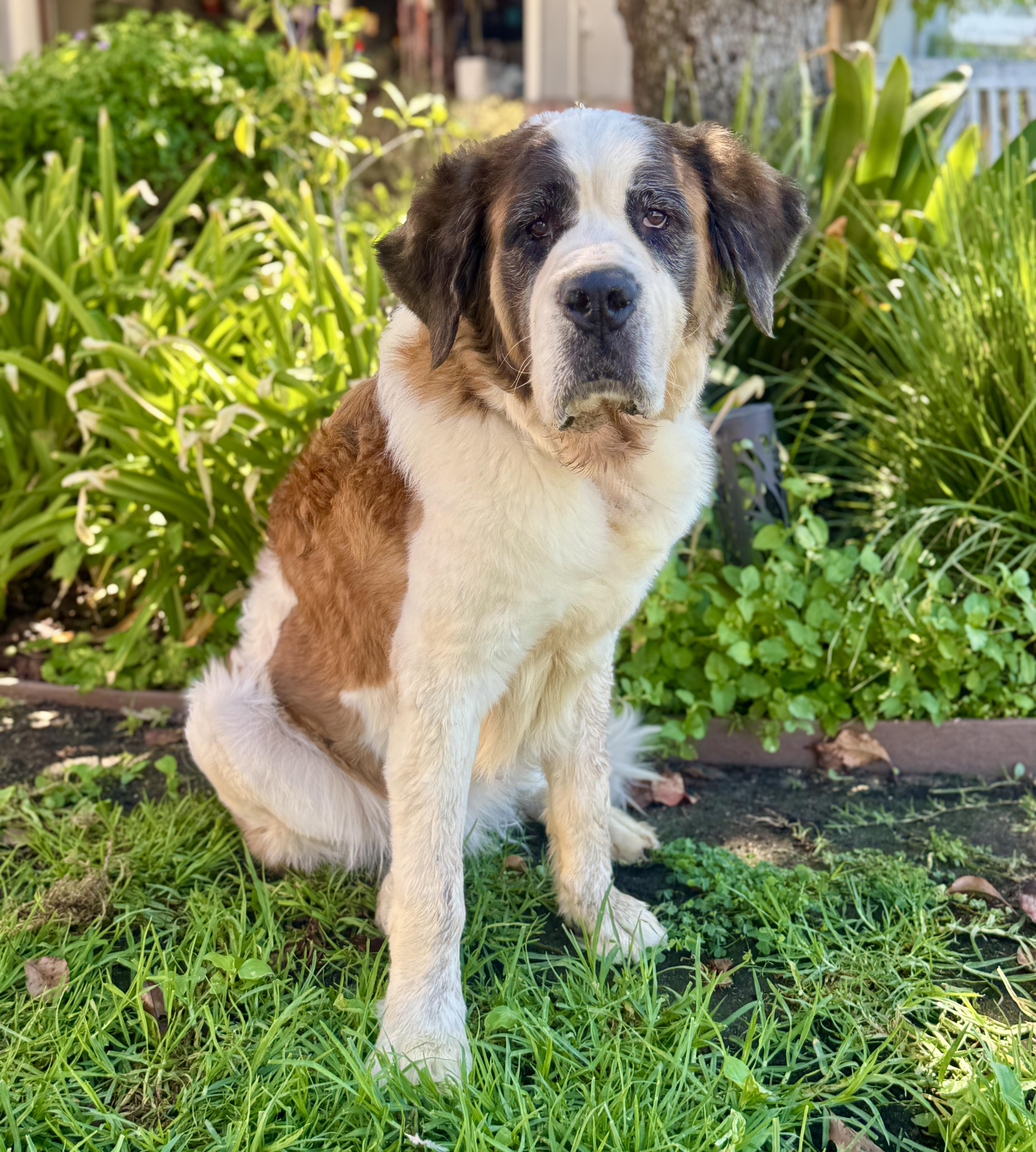
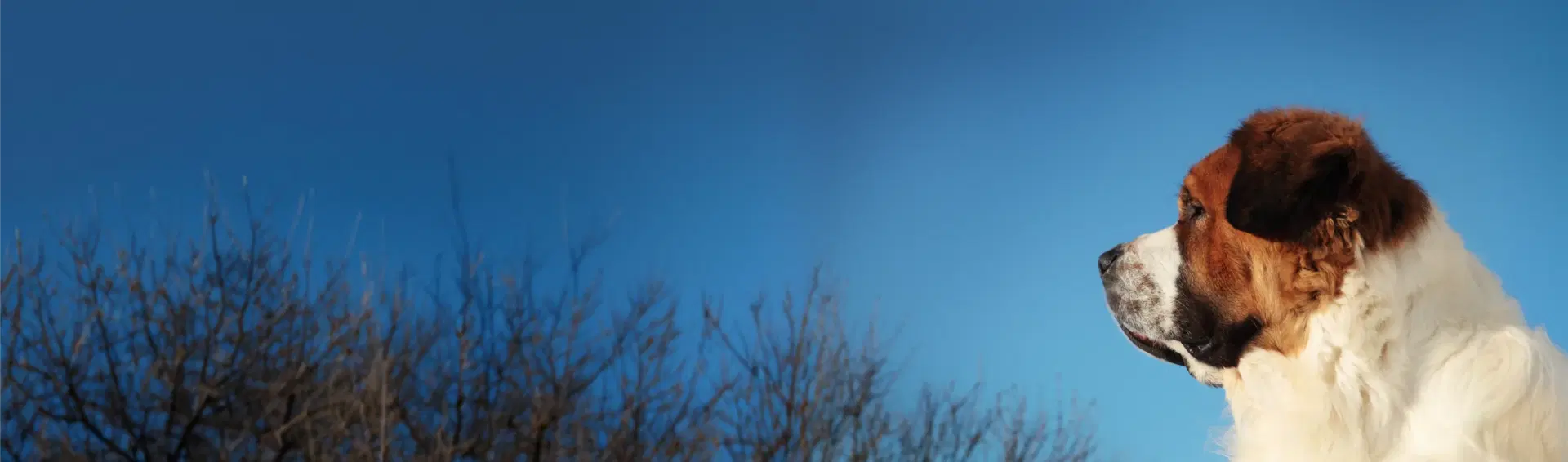
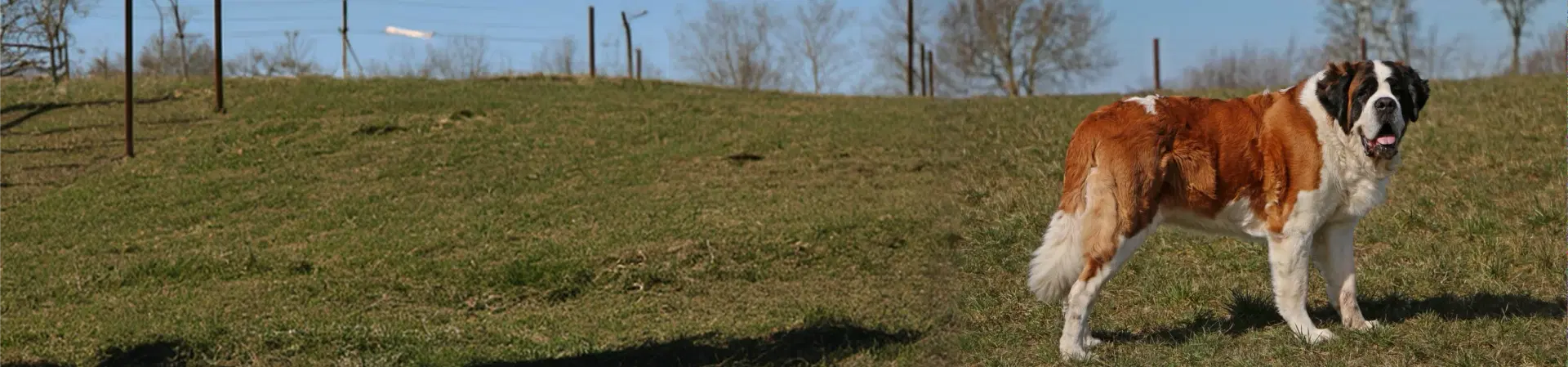
Saint Bernards come from the Great St Bernard Hospice, high on a snowy Alpine pass between Switzerland and Italy, where monks kept them from the late 1600s to find travelers lost in snow and fog. Today's Saint is a giant, massive-headed dog of roughly 120 to 180 pounds, in shorthaired and longhaired coats, always white with red or brindle markings. Both coats are dense and shed heavily, especially by season.

Saints are known as calm, patient and kind, and many are gentle with children. A coat built for the Alps is a lot to carry through a Tulsa summer, though, so cool indoor space matters. Early training matters because of the dog's size, and giant-breed health risks and a lifespan of 8 to 10 years mean budgeting for food, joint care and vet visits. Dogs vary.

Weight
120–180 lbs
Height
26–30 in
Lifespan
8–10 yrs
Temperament
Gentle, Patient, Calm, Friendly
Group
Working
Shedding
Moderate to High

Owning a Saint Bernard in Tulsa

Having a Saint Bernard in Tulsa

In Tulsa, a Saint Bernard's size and heat sensitivity shape daily life more than its easygoing nature does. Exercise timing, cool indoor space, joint care and a home that fits a giant dog are the main things to weigh before adopting.

Temperament

Saint Bernards tend to be patient, friendly and affectionate, and many are gentle with kids. Their bark and size can deter strangers, though they're rarely aggressive. On Tulsa's busy sidewalks and trails, early training and good leash manners matter, since even a friendly Saint can pull a person off balance. Each dog varies.

Exercise Needs

Expect steady daily walks and relaxed play rather than hard runs. In Tulsa, neighborhood sidewalks and the leash-only River Parks trails work well, ideally early in the morning or after dark in summer. Pavement can top 130°F in the 90s, so choose grass. Puppies should skip long forced exercise and jumping.

Health Considerations

Saints are prone to hip and elbow dysplasia, cruciate ligament injuries, bone cancer, heart disease and bloat, a stomach emergency in deep-chested giants. Eyelid problems also occur. Keeping a Saint lean protects the joints, and a veterinarian can check hips, elbows and heart. Heat stress adds risk in Tulsa summers, so learn the signs of overheating.

Living Space

A Saint does best with cool indoor space and a yard or easy outdoor access, like the ranch-style neighborhoods of midtown and south Tulsa. A calm adult can manage an apartment with enough walks, but stairs, slick floors and small cars get hard with a giant dog. Saints should live indoors with the family.

What it costs to own a Saint Bernard in Tulsa

ExpenseTypical costPer year
Food$80 to $160 per month$960 to $1,920
Pet insurance$85 to $170 per month$1,020 to $2,040
Routine vet care$250 to $500 per year$250 to $500
Other*$680 to $1,855 per year$680 to $1,855
Estimated yearly total (after year one)$2,910 to $6,315

Other costs are estimates and vary with size, age and health.

* The $5-a-year Tulsa dog license, flea, tick and heartworm prevention, a dental cleaning allowance, large bedding and toys, brushing and baths for heavy shedding, and joint supplements.

Saint Bernard dog

Adopt a Saint Bernard in Tulsa.

Now that you know more, let’s find you a new best friend. These rescues and shelters below currently have Saint Bernards available.

Frequently Asked Questions

Yes, you can own a Saint Bernard in Tulsa, because Oklahoma law forbids breed-specific local rules and the city has no breed restrictions. Dogs over six months need a city license, which requires a rabies certificate and proof of spay/neuter, and they must be leashed off your property. Overnight tethering is banned, and households can have five dogs and cats combined.

Saint Bernards can handle Tulsa summers only with careful management. About 74 days a year reach 90°F and roughly 11 reach 100°F, which is risky for a heavy-coated giant breed. Keep a Saint in air conditioning, walk on grass at dawn or after dark, and never leave the dog in a car. Get vet help quickly for heavy panting or weakness.

The River Parks trails along the Arkansas River, where dogs must be leashed, and Joe Station Dog Park, which is fenced and lit until 11 p.m., are good choices. City dog parks require dogs to be six months or older, licensed, vaccinated and spayed or neutered. Oxley Nature Center bans pets, and Turkey Mountain's rugged trails have copperheads, so stay on marked trails.

Yes, a calm adult Saint Bernard can live in a Tulsa apartment, but a house with a yard is easier. Read the lease for weight limits, which often apply to giant dogs, and look for a ground-floor or elevator unit, since stairs are hard on big joints. Air conditioning is essential in summer, and daily walks matter more than square footage.

A Saint Bernard needs brushing a few times a week, and daily during heavy shedding, plus baths as needed. Both coat types are dense and double-layered, so shedding is often heaviest in spring and fall. Wipe the face and skin folds to manage drool, and dry the coat well after wet spring weather. Brushing and baths are counted in the cost table's Other line.

You can bring a Saint Bernard to some Tulsa restaurants, but only to patios. Oklahoma's health code lets restaurants admit dogs to outdoor dining areas that meet state conditions, and each restaurant decides whether to allow them. Dogs aren't allowed inside. A giant dog needs room beside the table, and summer patios get hot, so choose shade and bring water.

In practice, no. MetroLink Tulsa buses require pets to ride in a carrier, and a Saint Bernard is far too big for one. Only service animals are exempt from the carrier rule. Tulsa has no rail transit, so buses are the only option. For vet visits and outings, plan on a car with enough room for a giant dog.

Saint Bernards were kept by monks at the Great St Bernard Hospice in the Swiss Alps to help find and rescue travelers lost in snow and fog on the dangerous mountain pass. They also guarded the hospice and served as companions. Elsewhere in Switzerland, similar dogs worked on farms as watchdogs and draft dogs, pulling carts and guarding property.

We have 1 rescue with Saint Bernards available: Tulsa Animal Welfare. You can see every rescue with Saint Bernards available in the list above these questions, or scroll to the top to see the Saint Bernards near Tulsa.

Plan on roughly $2,900 to $6,300 a year for a Saint Bernard in Tulsa: $80 to $160 a month for food, $85 to $170 a month for insurance, $250 to $500 for routine vet care, and $680 to $1,855 for everything else. Joint care and vet bills for a giant breed can push spending toward the high end.

Find Saint Bernards in Nearby Cities

Expand your search to find Saint Bernards available for adoption near Tulsa.