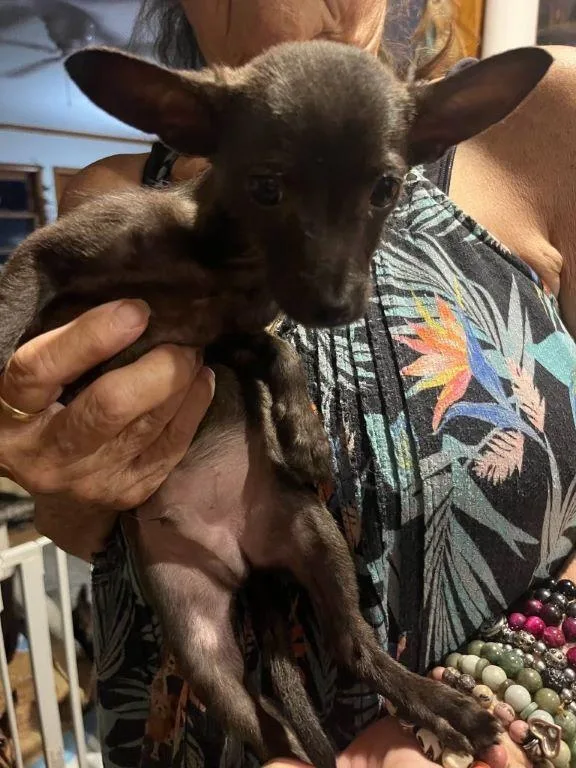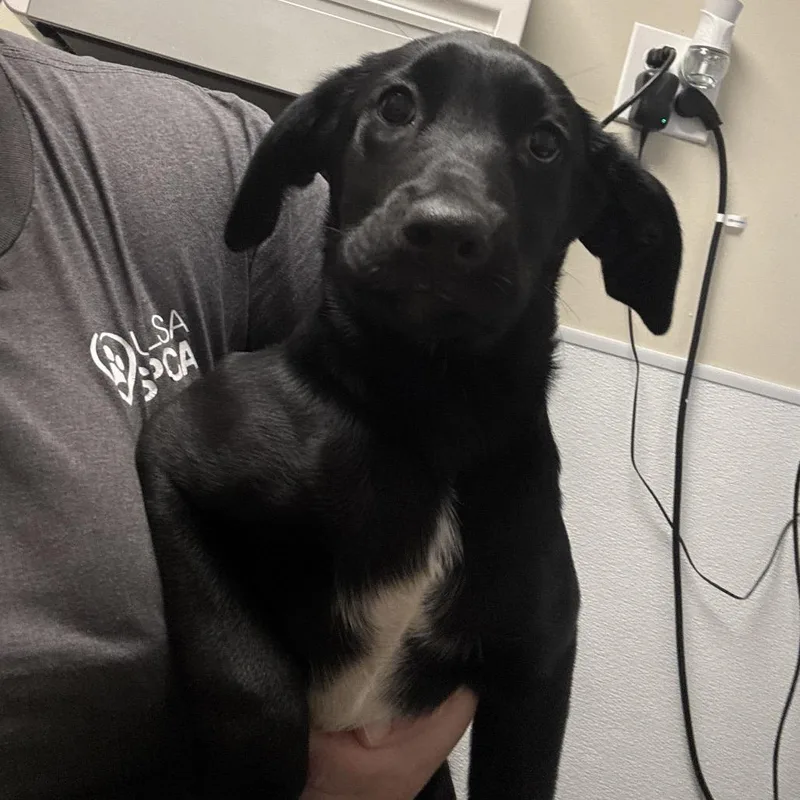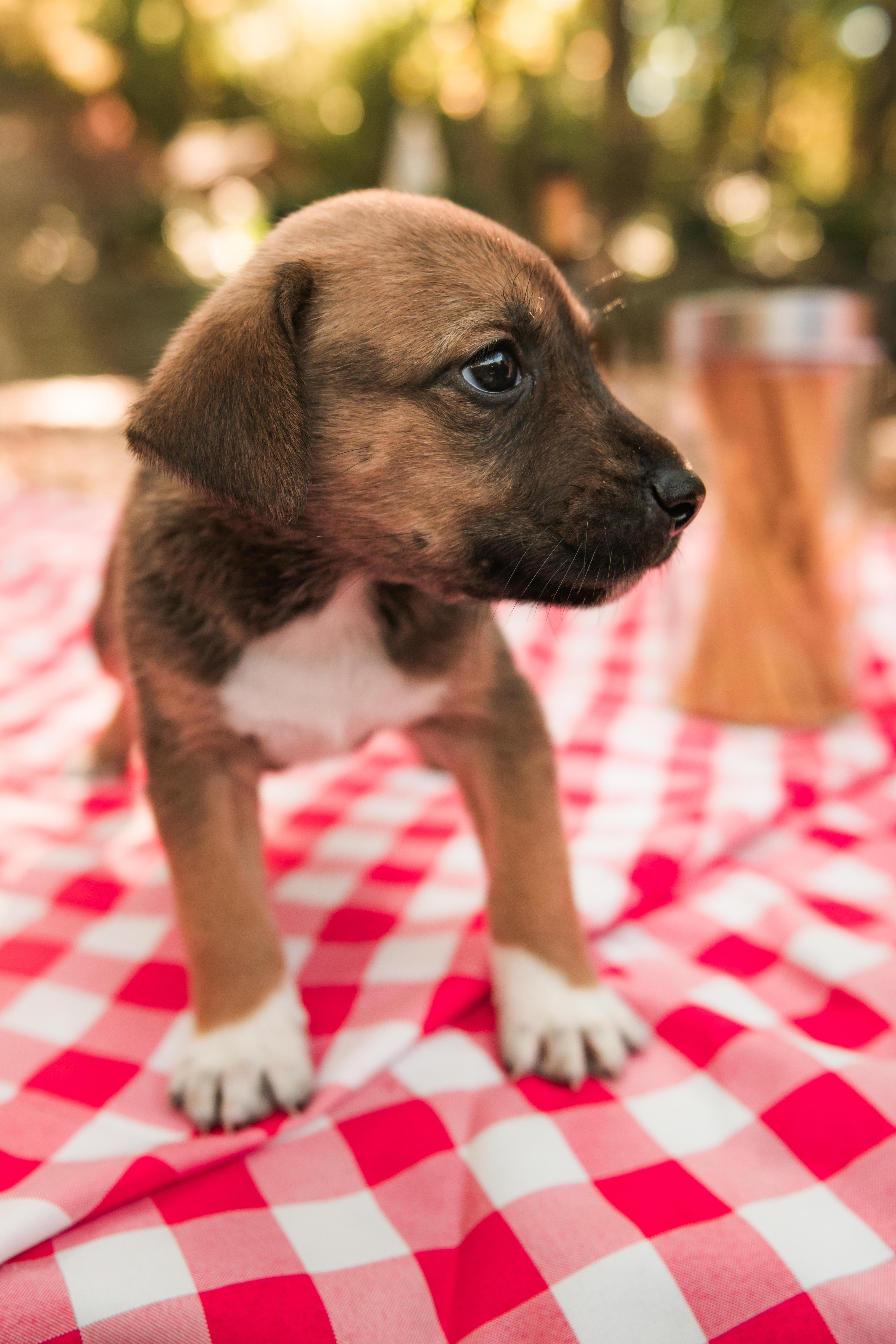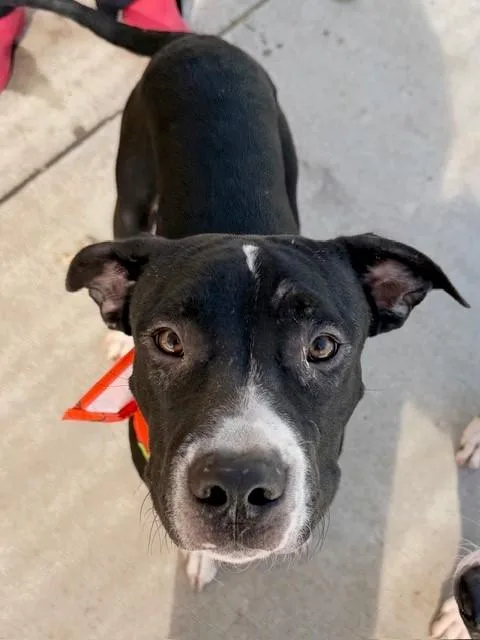
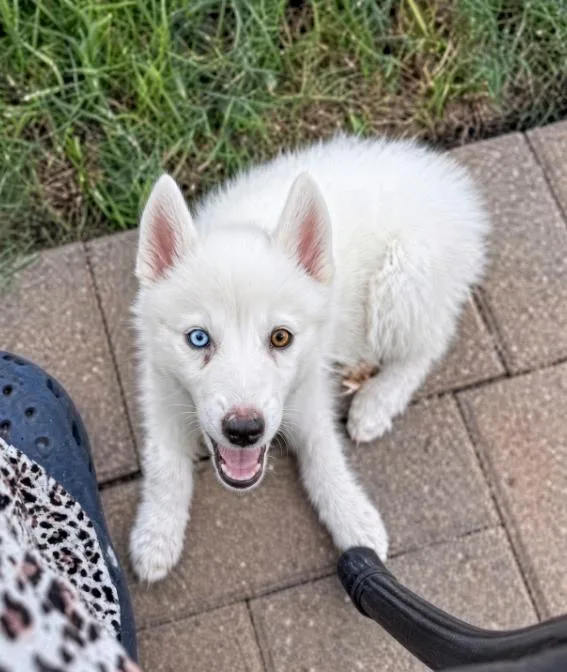

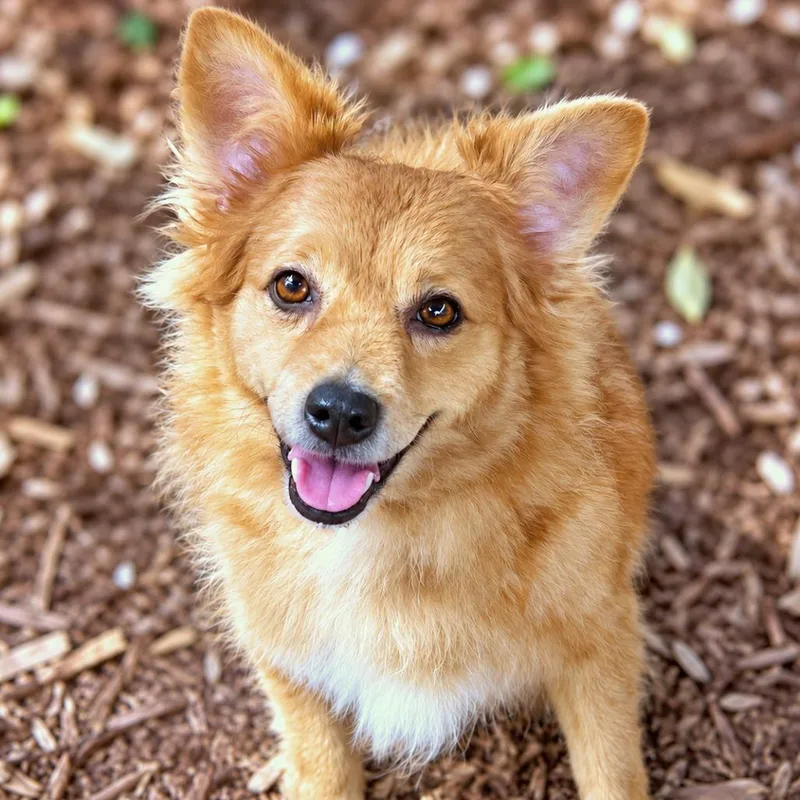
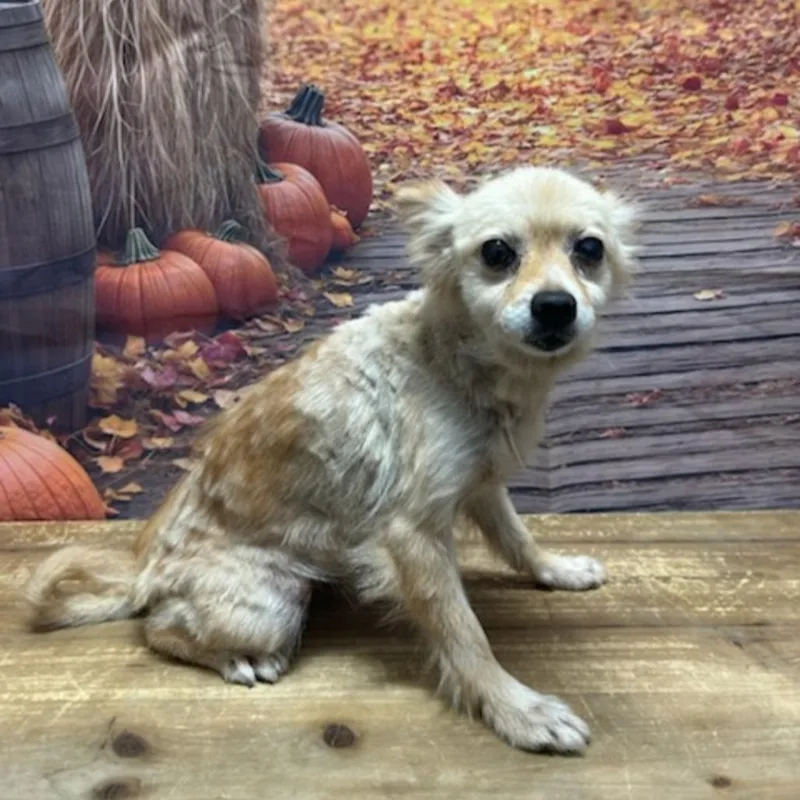
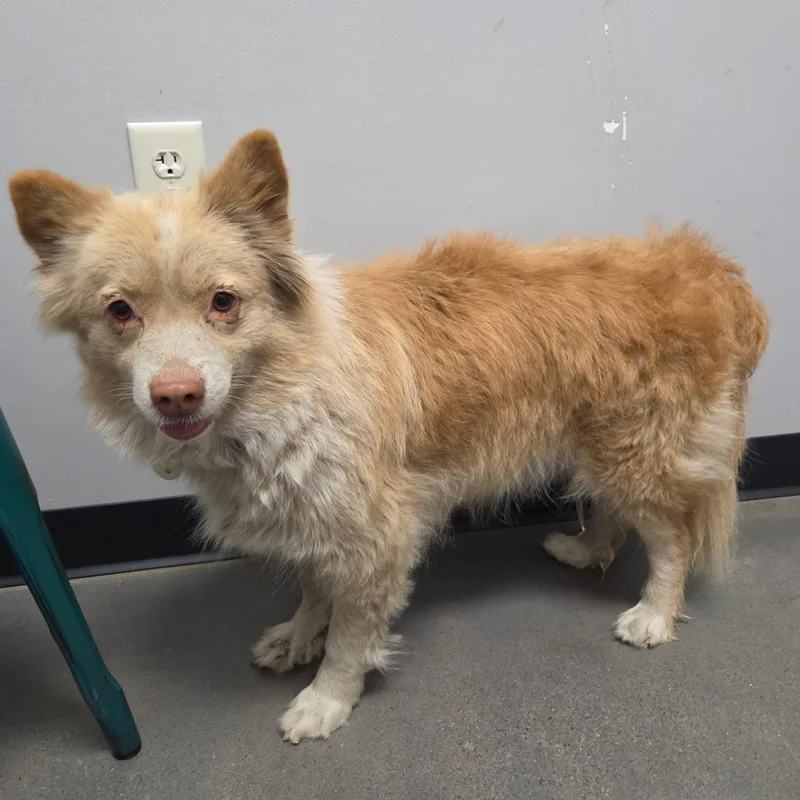
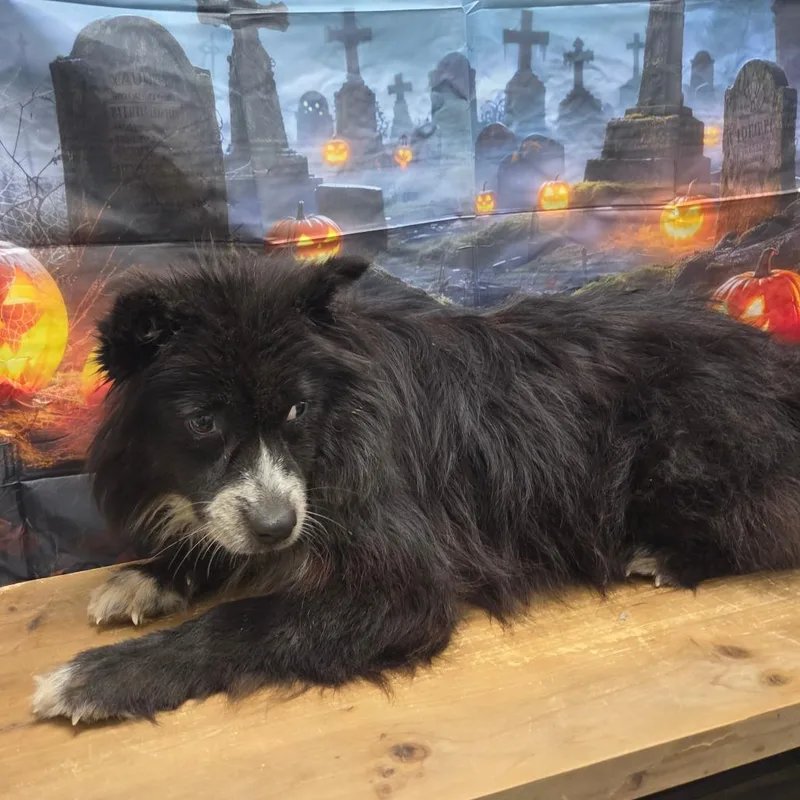
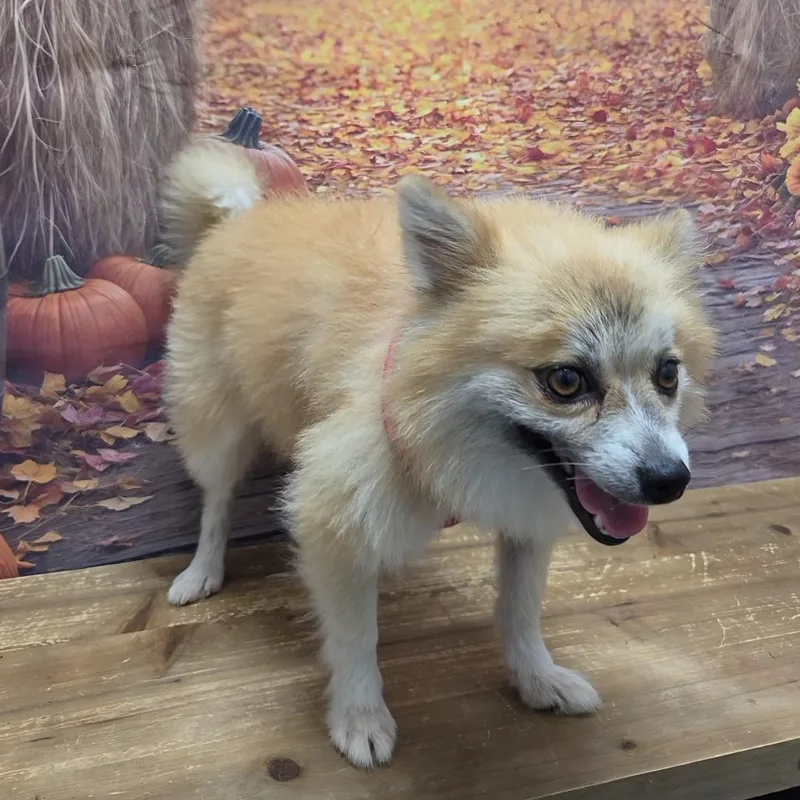

Pomeranian dog

Pomeranian Dogs for Adoption in Tulsa, OK

Your guide to finding and caring for a Pomeranian in Tulsa

Pomeranians fit Tulsa's older, walkable neighborhoods well, since a few short walks cover most of what they need. Around Swan Lake, the duplexes and 1920s apartment buildings sit on a tight street grid, so a loop past the lake is easy to fit in before work. A Pom's sharp bark carries through thin walls, so training matters in those buildings. Summers get hot, and a thick double coat does best with early-morning walks.

684 Pomeranians available in Tulsa and nationwide

Bring home a Pomeranian

While we don't have enough dogs near Tulsa, keep in mind that many rescues may offer transport.

Pomeranians Available for Adoption Near Tulsa

About the Pomeranian breed

Pomeranians descend from larger German Spitz dogs and take their name from Pomerania, a Baltic coast region. Queen Victoria's fondness for small Poms in the late 1800s helped shrink the breed to today's 3 to 7 pounds, though some pet Poms run heavier. Under the standoff double coat is a sturdy little spitz with a plumed tail, small pricked ears and a fox-like face.

In Tulsa, expect a bold, chatty companion that bonds closely with its household. Weekly brushing, dental care and gentle handling matter more than space. Coyotes live throughout the city and treat small dogs as prey, so a Pom needs supervision outside and a leash on walks. Each Pom's personality varies, so judge the dog in front of you rather than the label.

Weight
3–7 lbs
Height
6–11 in
Lifespan
12–16 yrs
Temperament
Lively, Alert, Curious, Bold
Group
Toy
Shedding
Moderate to High

Owning a Pomeranian in Tulsa

Having a Pomeranian in Tulsa

A Pomeranian is a small dog with a big voice and a thick coat. In Tulsa, the main questions are barking in shared buildings, keeping a double coat comfortable in summer heat, and protecting a fragile frame from falls and coyotes.

Temperament

Pomeranians are typically lively, confident and quick to announce visitors. Many attach to one or two favorite people and may bark at hallway noise, so early socialization and reward-based training help in Tulsa's duplexes and apartment buildings. Some act bossy toward larger dogs, which is worth remembering at the dog park. Each Pom's personality differs.
Exercise Needs

Plan on a few short daily walks plus indoor play, tricks or puzzle toys. A harness protects the trachea. In Tulsa, dogs must be leashed in city parks and on River Parks trails, and once temperatures pass 90°F, walk on grass, since pavement can burn small paws quickly.

Health Considerations

Luxating kneecaps, collapsing trachea, dental disease and coat loss from alopecia X are the common Pomeranian concerns. A veterinarian can check knees, teeth and heart after adoption. Heartworm prevention matters in Tulsa's warm, humid months, and a lean weight eases pressure on joints and windpipe.

Living Space

A Pom's size suits Tulsa's apartments, duplexes, bungalows and ranch houses. Barking is the main issue with close neighbors. Even in a fenced yard, supervise outdoor time, since coyotes can climb fences, and block off stairs and high furniture to prevent falls and joint injuries.

What it costs to own a Pomeranian in Tulsa

ExpenseTypical costPer year
Adoption fee$300, one time$300 in year one
Food$15 to $35 per month$180 to $420
Pet insurance$35 to $70 per month$420 to $840
Routine vet care$200 to $400 per year$200 to $400
Other*$580 to $1,405 per year$580 to $1,405
Estimated yearly total (after year one)$1,380 to $3,065
First-year total (with adoption fee)$1,680 to $3,365

Adoption fee is the fee on Pomeranian listings in Tulsa on GetBuddy today. Other costs are estimates and vary with size, age and health.

* The $5 Tulsa dog license, dental cleanings, flea, tick and heartworm prevention, grooming and coat care, and supplies like bedding and toys.

Pomeranian dog

Adopt a Pomeranian in Tulsa.

Now that you know more, let’s find you a new best friend. These rescues and shelters below currently have Pomeranians available.

Frequently Asked Questions

Yes, a Pomeranian can be a good fit for Tulsa if you plan around heat, storms and coyotes. The dog's size suits apartments, duplexes and houses, and short walks cover most exercise. Expect hot summers and a few hard freezes, keep the dog leashed and supervised outside, and train early so barking doesn't become a problem with neighbors.

Yes, with precautions. Tulsa sees about 74 days a year at 90°F or higher, and pavement can top 130°F, so walk a Pomeranian at dawn or after sunset and stick to grass. Keep the coat brushed rather than shaved, offer cool water, and never leave the dog in a parked car, even briefly.

Yes, but only in a carrier. MetroLink Tulsa buses, including the Aero line on Peoria, allow pets in a secure carrier, while service animals are exempt. Most Pomeranians fit a small carrier, which makes them easier to bring along than larger dogs. Keep the dog inside for the whole ride and check current MetroLink rules before your first trip.

Benjamin's Biscuit Acres in south Tulsa has a small-dog area, and Joe Station, west of downtown, and little Gunboat North, by the Pearl District, are the city's other off-leash parks. For walks, try River Parks trails or Turkey Mountain on a leash, carrying water and watching for copperheads. Keep a small dog close, since coyotes live throughout Tulsa.

Sometimes, on patios. Oklahoma's health code lets restaurants admit dogs to outdoor dining areas that meet state conditions, such as a separate outdoor entrance, but each restaurant decides, and dogs aren't allowed inside. A Pom is easy to keep leashed under a chair. Brookside's South Peoria strip has many patios, so confirm a patio's policy before you go.

A Pomeranian needs brushing a few times a week, daily during heavy shedding, plus a bath every few weeks. In Tulsa's hot summers, a clean, well-brushed undercoat helps airflow, but don't shave it. Budget for grooming within the $580 to $1,405 yearly Other costs, which also cover dental care and parasite prevention.

Pomeranians come from the Pomerania region along the Baltic Sea, now part of northern Poland and northeastern Germany, where its larger German Spitz ancestors developed. The breed as we know it was shaped in England, where royals including Queen Charlotte and Queen Victoria kept them in the 1700s and 1800s and the dogs grew steadily smaller. The first English breed club formed in 1891.

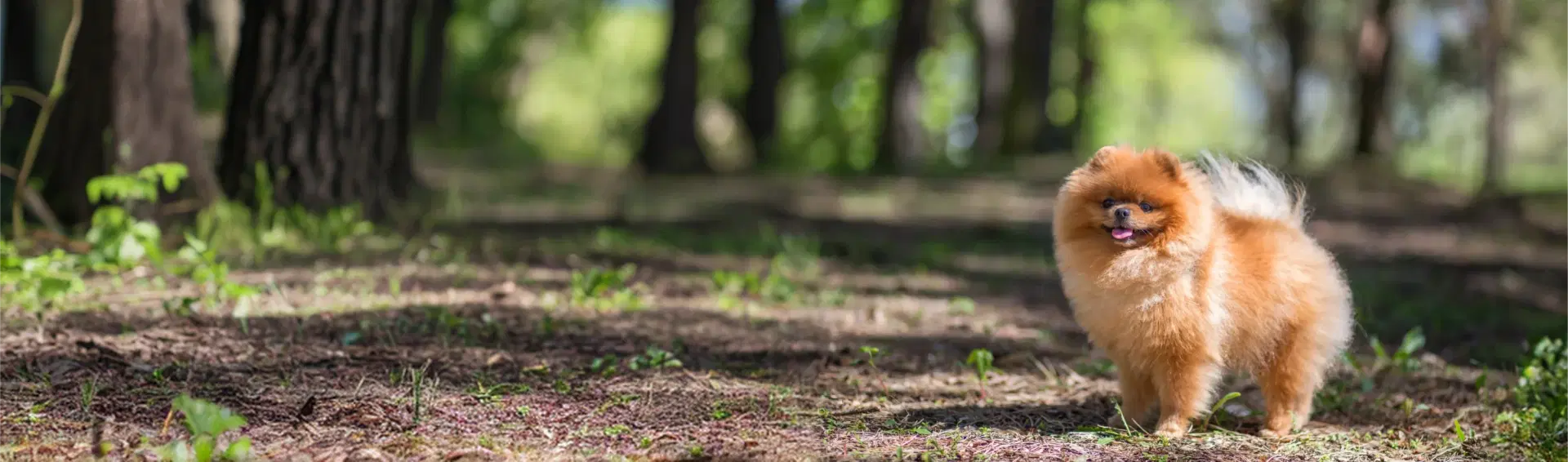
A Pomeranian is a tiny, compact dog with a short back, a wedge-shaped head and a fox-like face with small pricked ears and bright almond eyes. Its signature feature is an abundant double coat that stands away from the body, forming a ruff around the neck and a plumed tail carried flat over the back. Poms come in many colors and patterns.

We have 2 rescues with Pomeranians available: Animal Rescue Foundation and Oklahoma Pet Collective Society. You can see every rescue with Pomeranians available in the list above these questions, or scroll to the top to see the Pomeranians near Tulsa.

A Pomeranian typically costs about $1,400 to $3,100 a year in Tulsa. Food runs $15 to $35 a month and insurance $35 to $70. Routine vet care is $200 to $400 a year, and dental care, parasite prevention, grooming and supplies bring other costs to $580 to $1,405 a year.

Find Pomeranians in Nearby Cities

Expand your search to find Pomeranians available for adoption near Tulsa.