Hound Dogs for Adoption in Tulsa, OK

Your guide to finding and caring for a Hound in Tulsa

A hound mix suits Tulsa's ranch-house neighborhoods, where a yard gives that nose room to work. In Ranch Acres or Patrick Henry, it can sniff its way around the yard and down quiet streets, and in a Swan Lake duplex the walkable street grid gives it plenty to follow. Hounds are friendly and sociable, but they're loud and easily led off by a scent, so a fence and a leash matter. Most do best with someone home for much of the day.

4760 Hounds available in Tulsa and nationwide

Your Hound mix is waiting

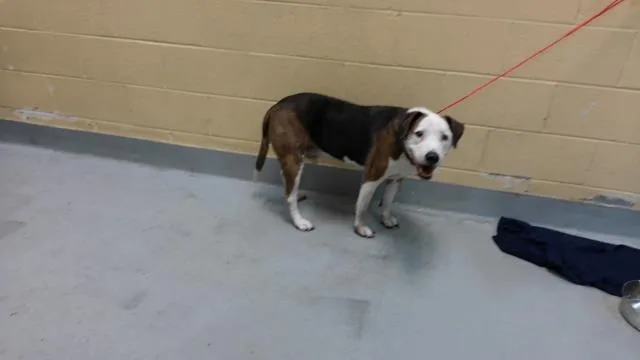
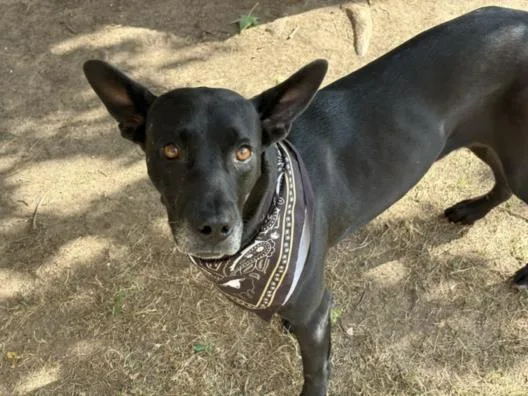
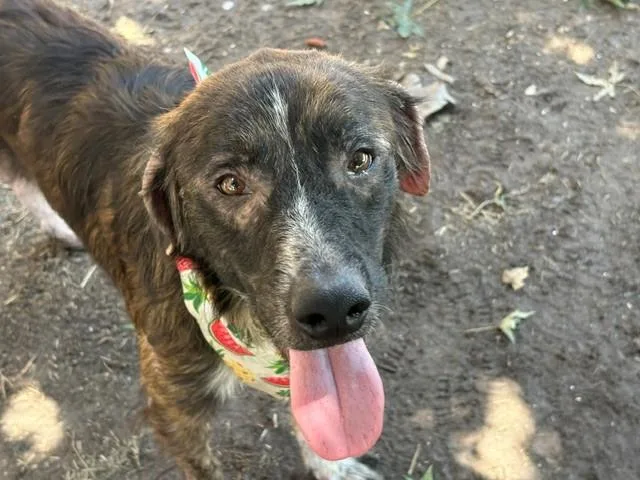
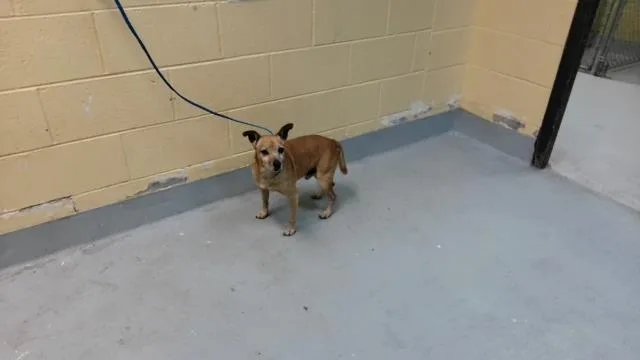
Hounds Available for Adoption Near Tulsa

About the Hound breed

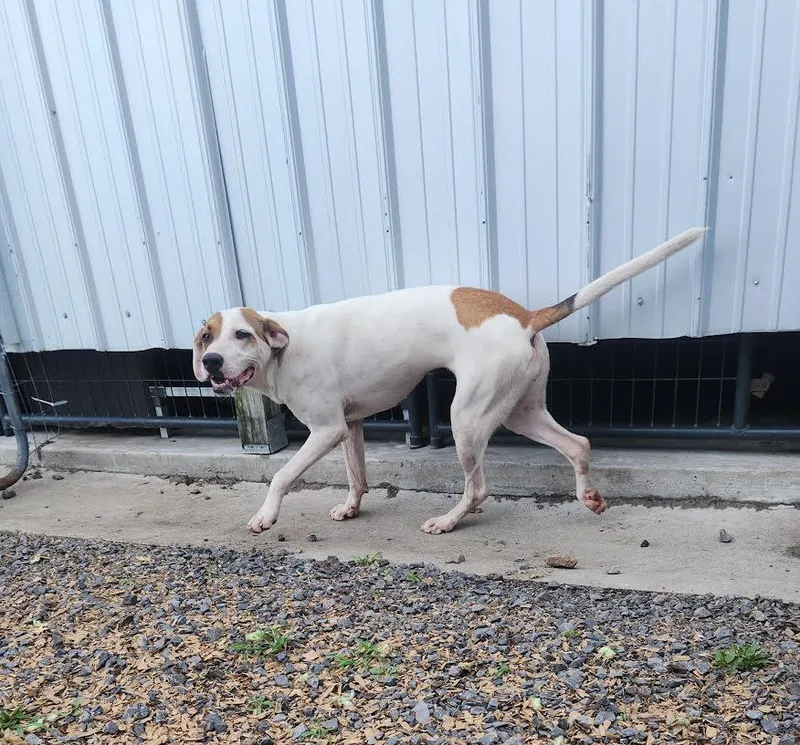
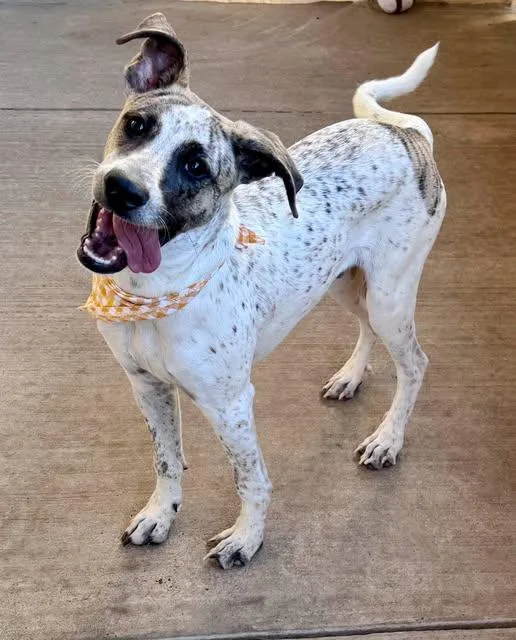
Hound isn't a single breed but a family of hunting dogs. Scent hounds such as Beagles, Coonhounds and Foxhounds follow a trail by nose, while sighthounds such as Greyhounds and Whippets chase what they see. On adoption listings, the label usually points to scent hound ancestry, with a short coat, long ears and a big voice.

Most hounds are easygoing with people and other dogs, and happiest with a nose to the ground. They can also be stubborn, howl or bay, and wander after a scent. In Tulsa, where coyotes live throughout the city and dogs must be leashed off their owner's property, that means a secure fence and a leash on walks. Ancestry varies so much that size, energy and voice can differ a lot from one hound to the next.

Weight
20–70 lbs
Height
13–27 in
Lifespan
10–14 yrs
Temperament
Friendly, Independent, Vocal
Group
Hound
Shedding
Moderate

Owning a Hound in Tulsa

Having a Hound in Tulsa

Hound covers many ancestries, so these cards describe what most adoptable hounds share: a strong nose, an independent streak, a sociable nature and a voice. How strongly each shows depends on the dog, and Tulsa's heat, storms and coyotes shape daily care.

Temperament

Most hounds are friendly, pack-minded dogs that enjoy people and usually get along with other dogs. They can also be stubborn, since hounds were bred to follow a trail without waiting for direction, so patient, food-based training works best. Baying and howling are common, and in Tulsa's closer-set neighborhoods that voice may be noticed by neighbors.

Exercise Needs

Plan on a daily walk long enough to sniff and explore, plus scent games or food puzzles. In Tulsa, the River Parks paths and Turkey Mountain's trails give a scent hound plenty to follow, but keep the leash on, since a squirrel or strong scent can override recall. Sighthound types prefer short sprints and long naps.

Health Considerations

Long, hanging ears trap moisture, so ear infections are common in scent hounds; check and dry the ears after baths and wet walks. Many hounds gain weight if food is left out, and larger hounds can develop hip dysplasia. In Tulsa, year-round heartworm and tick prevention and regular vet checkups are sensible.

Living Space

Hounds can live in a house or apartment if they get enough outdoor time, but baying carries through thin walls. A secure fence is a real asset in Tulsa, since many hounds dig, climb or follow a scent through gaps, and coyotes can climb fences too. Keep food and trash out of reach, because counter surfing is common.

What it costs to own a Hound in Tulsa

ExpenseTypical costPer year
Adoption fee$150, one time$150 in year one
Food$35 to $70 per month$420 to $840
Pet insurance$45 to $85 per month$540 to $1,020
Routine vet care$225 to $450 per year$225 to $450
Other*$430 to $1,165 per year$430 to $1,165
Estimated yearly total (after year one)$1,615 to $3,475
First-year total (with adoption fee)$1,765 to $3,625

Adoption fee is the fee on Hound listings in Tulsa on GetBuddy today. Other costs are estimates and vary with size, age and health.

* The $5 Tulsa dog license, a dental cleaning allowance, flea, tick and heartworm prevention, toys and bedding, and basic brushing and ear care.

Adopt a Hound in Tulsa.

Now that you know more, let’s find you a new best friend. These rescues and shelters below currently have Hounds available.

Frequently Asked Questions

Yes. Oklahoma law forbids breed-specific local rules, so Tulsa treats a hound like any other dog. State law requires rabies vaccination by four months, the city caps households at five dogs and cats combined, and Tulsa bans chaining or tethering dogs overnight, so a hound that bays at night can't be left tied outside.

Yes, if the dog gets daily outings and the lease allows it. Baying is the main risk in shared buildings, so a well-exercised, quieter hound fits better. Oklahoma sets no cap on pet deposits, and refundable deposits must be held in escrow and returned within 45 days, so get pet terms in writing before signing.

Turkey Mountain's miles of dirt trails suit a hound's nose, but dogs must stay leashed, trails close when muddy, and copperheads live there, so carry water and stay on marked paths. The Tuckabache Trail beside the Gathering Place allows dogs daily. Oxley Nature Center and Redbud Valley Nature Preserve don't allow pet dogs.

Yes, most manage with routine changes. Shift scent walks to dawn or after sunset, and use indoor scent games and food puzzles on the hottest afternoons. Heavy panting, drooling, wobbling or vomiting can signal heat stress, so move the dog somewhere cool and call a veterinarian right away. Always keep fresh water within reach.

Only small ones. MetroLink Tulsa buses, including the Aero line on Peoria Avenue, allow pets only in a secure carrier, with an exception for service animals. Tulsa has no rail system. Many hounds are too big for any carrier, so plan on car trips or walkable errands, and confirm current MetroLink rules before riding with a small hound.

Sometimes, on patios only. Oklahoma's health code lets restaurants welcome dogs outdoors if they meet state conditions, such as a separate outdoor entrance and single-use water bowls, but it doesn't require them to, and dogs can't go inside. Brookside's South Peoria strip has many patios; confirm each venue's policy first, and bring a chew to keep a hound settled.

Very little. Most hounds have short, dense coats that need a weekly brushing to control moderate shedding, plus nail trims. Ears matter more: clean and dry them weekly and after baths or rainy walks, since Tulsa's humid stretches encourage infections. Home brushing and ear care are inexpensive and fall within the yearly Other costs shown on this page.

It can be, for people who offer fencing, exercise and patience. Tulsa's yards and walkable midtown streets suit a scent hound, but coyotes live throughout the city, so don't leave a hound outside unattended from dusk to dawn. Hounds do best with people home often, since long solo days can lead to howling and digging.

We have 3 rescues with Hounds available: C.A.R.E Compassionate Animal Rescue Efforts, Oklahoma Pet Collective Society and Route 66 Pet Rescue. You can see every rescue with Hounds available in the list above these questions, or scroll to the top to see the Hounds near Tulsa.

Expect roughly $1,600 to $3,500 a year for a hound: food at $35 to $70 a month, insurance at $45 to $85 a month, routine vet care at $225 to $450 a year, and $430 to $1,165 a year for other costs like prevention, dental care and the license. Larger, hungrier dogs land toward the top.