German Shorthaired Pointer Dogs for Adoption in Tulsa, OK

Your guide to finding and caring for a German Shorthaired Pointer in Tulsa

A German Shorthaired Pointer suits Tulsa best when its person loves trail time. Turkey Mountain's dirt trails on the west bank of the Arkansas River give a leashed GSP real distance to cover, and Patrick Henry's ranch homes on large lots offer the kind of space where a fenced yard helps. The yard won't replace the daily run, though. If you're away from home long hours, a GSP may struggle, so plan your schedule first.

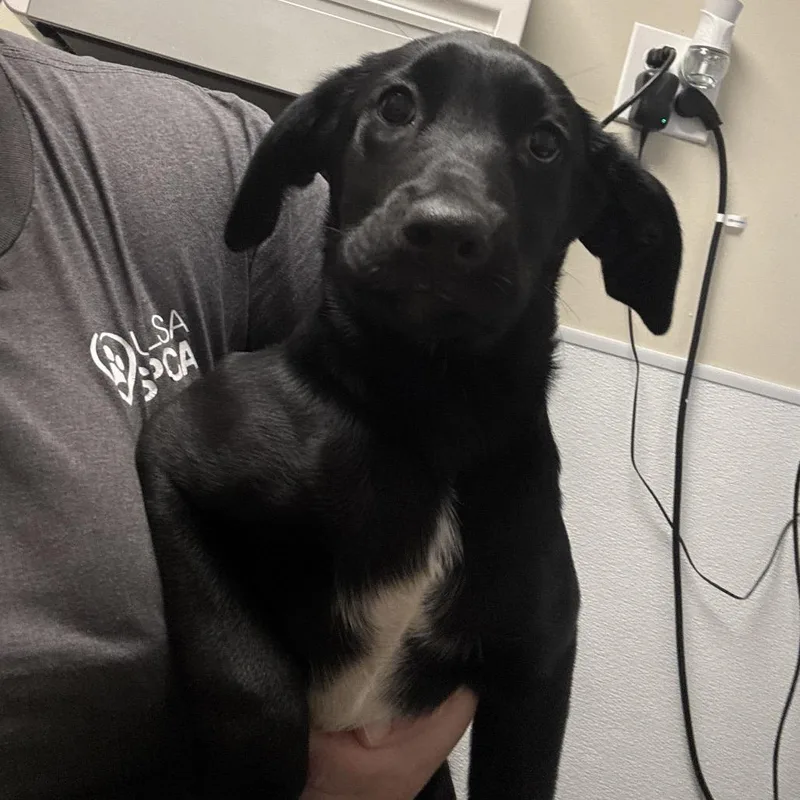
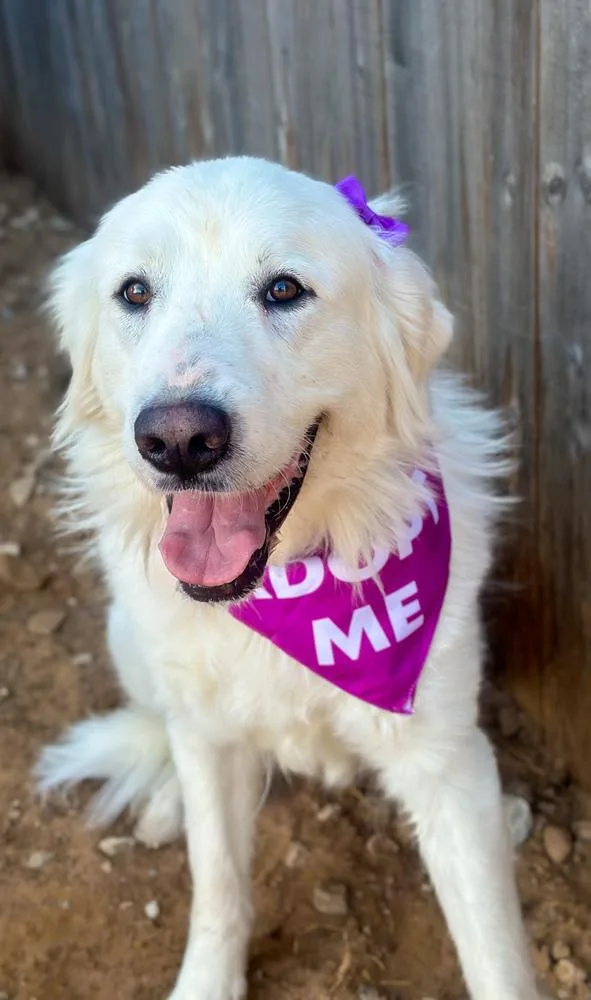
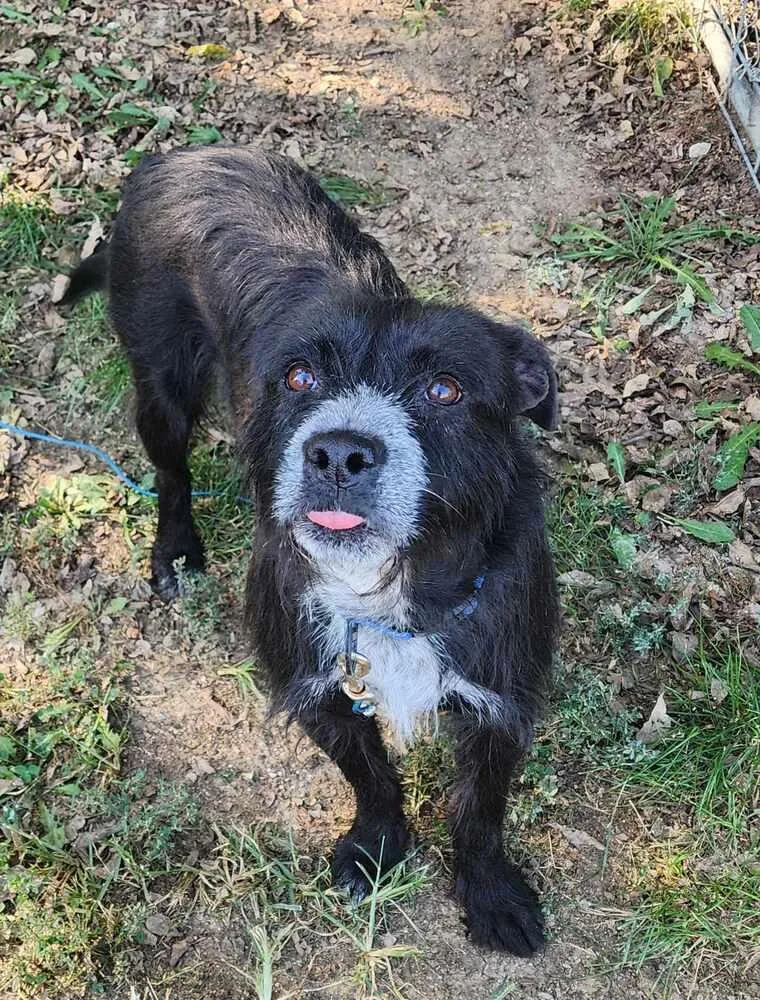
329 German Shorthaired Pointers available in Tulsa and nationwide

Fall for a German Shorthaired Pointer

While we don't have enough dogs near Tulsa, keep in mind that many rescues may offer transport.

German Shorthaired Pointers Available for Adoption Near Tulsa

About the German Shorthaired Pointer breed

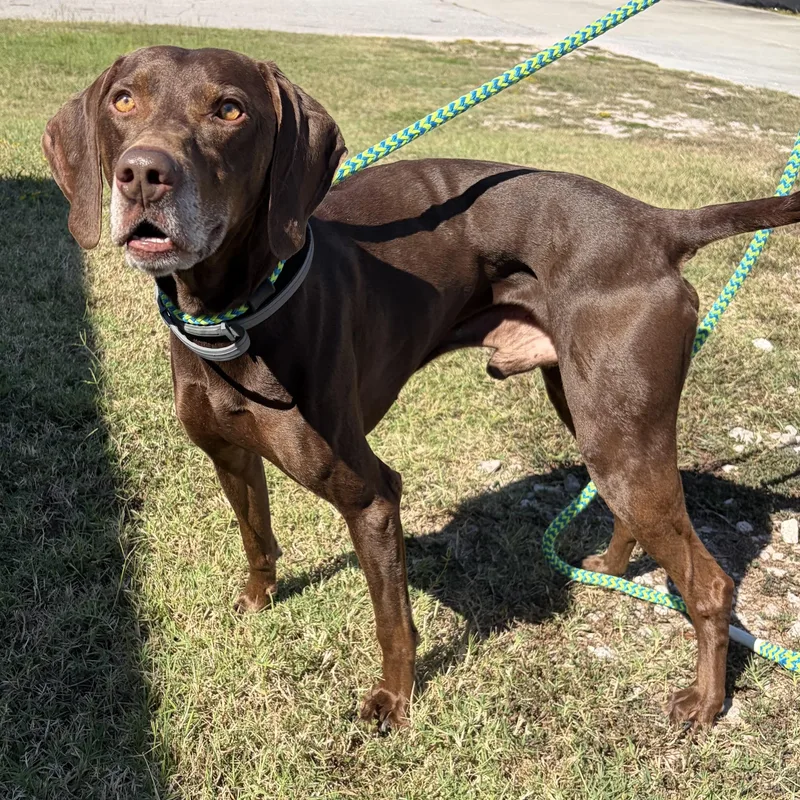
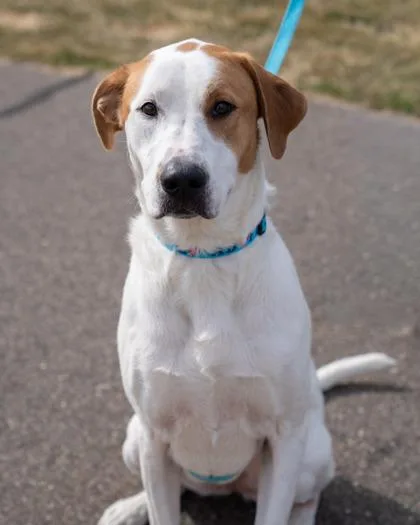
The German Shorthaired Pointer came out of nineteenth-century Germany as an all-purpose hunting dog that could point birds, track wounded game and retrieve from land or water. Lean and muscular, it has a short, dense coat in liver or liver and white, often ticked or roan, and weighs roughly 45 to 70 pounds.

In Tulsa, that history shows up as a dog built for distance. A GSP is friendly, affectionate and eager to please, but many stay very energetic until two or three years old, and a bored one may chew, bark or jump fences. Shedding is moderate year-round, and the short coat needs little more than weekly brushing. Dogs vary, so a calm adult can be a very different housemate from a young one.

Weight
45–70 lbs
Height
21–25 in
Lifespan
10–14 yrs
Temperament
Energetic, Friendly, Intelligent
Group
Sporting
Shedding
Moderate

Owning a German Shorthaired Pointer in Tulsa

Having a German Shorthaired Pointer in Tulsa

GSPs pair athletic drive with a strong attachment to their people. In Tulsa, that means planning for daily running room, hot summers, a secure yard or a committed routine, and a few health issues worth discussing with a veterinarian.

Temperament

Many GSPs are cheerful, affectionate and eager to learn, and they often follow their people from room to room. Prey drive can be strong, so cats, birds and small pets need careful introductions. Coyotes live throughout Tulsa, which makes a leash or a fenced yard the safer choice. Each dog's personality varies.

Exercise Needs

Expect an hour or more of real running each day, not just a leash walk. Turkey Mountain's dirt trails suit a leashed GSP, and fetch or a trail run fits around Tulsa's heat when it happens early or late. Nose games and training sessions help tire the mind too.

Health Considerations

GSPs can face hip dysplasia, bloat, eye conditions, hereditary lymphedema and some bleeding or skin disorders. Their deep chests make hard exercise right around meals a bad idea. In Tulsa, ask a veterinarian about flea, tick and heartworm prevention, and check pads and skin after trail runs. A new dog should have a veterinary exam soon after adoption.

Living Space

A GSP does best with a securely fenced yard, ideally five to six feet tall, and a family that's home often. Tulsa's ranch-style neighborhoods with larger lots fit the breed well. An apartment can work only if the dog gets hard exercise outside every day, since GSPs don't do well kept apart from their people.

What it costs to own a German Shorthaired Pointer in Tulsa

ExpenseTypical costPer year
Food$55 to $110 per month$660 to $1,320
Pet insurance$55 to $110 per month$660 to $1,320
Routine vet care$250 to $500 per year$250 to $500
Other*$480 to $1,265 per year$480 to $1,265
Estimated yearly total (after year one)$2,050 to $4,405

Other costs are estimates and vary with size, age and health.

* The $5 to $15 Tulsa dog license, a dental cleaning allowance, flea, tick and heartworm prevention, durable toys and bedding, and occasional grooming for a short coat.

Adopt a German Shorthaired Pointer in Tulsa.

Now that you know more, let’s find you a new best friend. These rescues and shelters below currently have German Shorthaired Pointers available.

Frequently Asked Questions

Yes, you can own a German Shorthaired Pointer in Tulsa, because Oklahoma law forbids breed-specific local rules. Dogs over six months need a city license, which requires a rabies certificate and proof of spay or neuter. Keep your GSP leashed or under physical control off your property, and note the limit of five dogs and cats per household.

It's possible, but only for an active owner. A GSP needs an hour or more of hard running daily, so an apartment works only if you reliably provide that at places like Turkey Mountain or the River Parks trails. Landlords may set weight limits, and a 45 to 70 pound dog can exceed them, so confirm before applying.

Turkey Mountain Urban Wilderness has over 750 acres of dirt trails for leashed dogs; watch for copperheads and carry water. River Parks trails along the Arkansas River also require leashes. For off-leash play, Joe Station and Benjamin's Biscuit Acres admit licensed, vaccinated, spayed or neutered dogs six months and older. Biscuit Acres is closed Mondays.

Yes, with planning. About 74 days a year reach 90°F, so run your GSP at dawn or after sunset and bring water. The City warns that pavement can top 130°F, so choose grass when it's hot. Never leave your dog in a car, even briefly, and give outdoor time plenty of shade.

Sometimes, on patios. Oklahoma's health code lets restaurants welcome dogs outdoors if they meet state conditions, such as a separate outdoor entrance, so access depends on the venue. Dogs aren't allowed inside. Exercise your GSP well beforehand, since a settled, leashed dog under the table makes patio visits far easier.

Very little. Weekly brushing with a rubber mitt or bristle brush handles the moderate year-round shedding, and a bath every one to three months is plenty unless your GSP finds mud. Check pads, ears and skin after trail runs, especially in wet spring. Professional grooming is optional, so it adds little to yearly costs.

Mostly no. MetroLink Tulsa buses, including the Aero line, allow pets only in a secure carrier, and a 45 to 70 pound GSP won't fit in one. Service animals are the exception. Tulsa has no rail, so plan car trips with your dog secured in a crate or harness, and never leave it in a parked car.

A GSP is a German Shorthaired Pointer, a versatile hunting dog from Germany bred to point, track and retrieve game on land and in water. GSPs are athletic, medium-to-large dogs with short liver or liver-and-white coats and a keen expression. Many are affectionate, high-energy companions who thrive with active people and daily exercise.

We have 1 rescue with German Shorthaired Pointers available: Pet Adoption League. You can see every rescue with German Shorthaired Pointers available in the list above these questions, or scroll to the top to see the German Shorthaired Pointers near Tulsa.

Most GSP owners in Tulsa can expect roughly $110 to $220 a month for food and insurance, $250 to $500 a year for routine vet care, and $480 to $1,265 a year for other costs like the license, parasite prevention, dental care and supplies. That's about $2,050 to $4,400 a year, before any emergencies.

Find German Shorthaired Pointers in Nearby Cities

Expand your search to find German Shorthaired Pointers available for adoption near Tulsa.