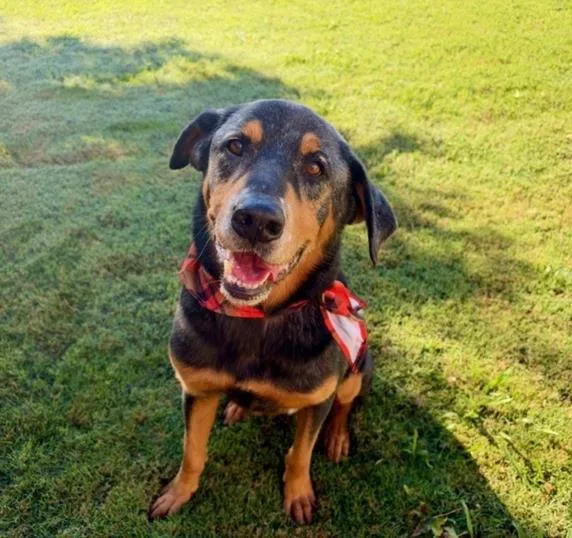
Chocolate Labrador Retriever Dogs for Adoption in Tulsa, OK

Your guide to finding and caring for a Chocolate Labrador Retriever in Tulsa

Chocolate Labs suit Tulsa's ranch-house neighborhoods, like Ranch Acres, where a big, friendly dog can have a daily loop under the pecan trees. They're just as happy on the dirt trails at Turkey Mountain or a leashed walk along the river, and they'll want a real workout most days. When you're home, expect a shadow at your feet. Expect brown hair on the couch too, and a lot of tail-wagging at the neighbors.

559 Chocolate Labrador Retrievers available in Tulsa and nationwide

Fall for a Chocolate Labrador Retriever

While we don't have enough dogs near Tulsa, keep in mind that many rescues may offer transport.

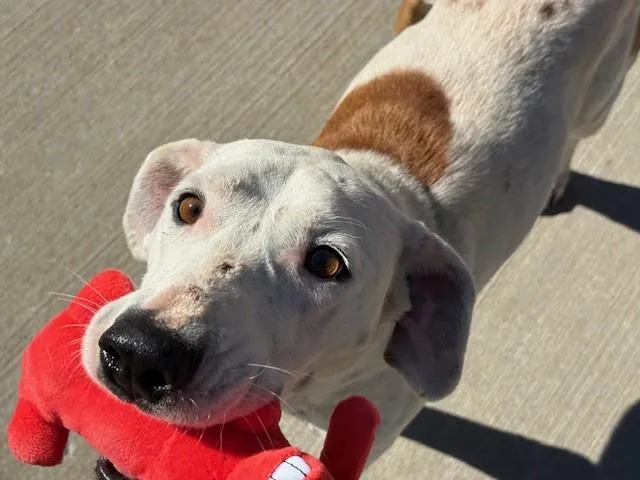
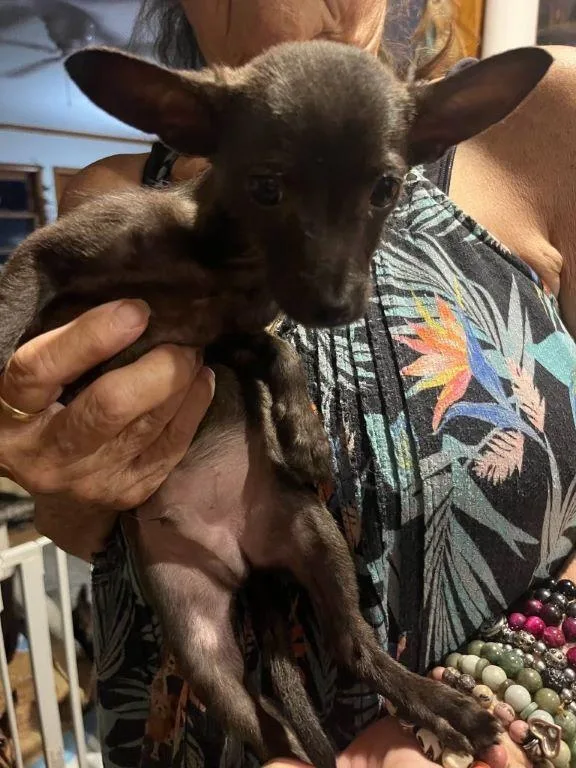
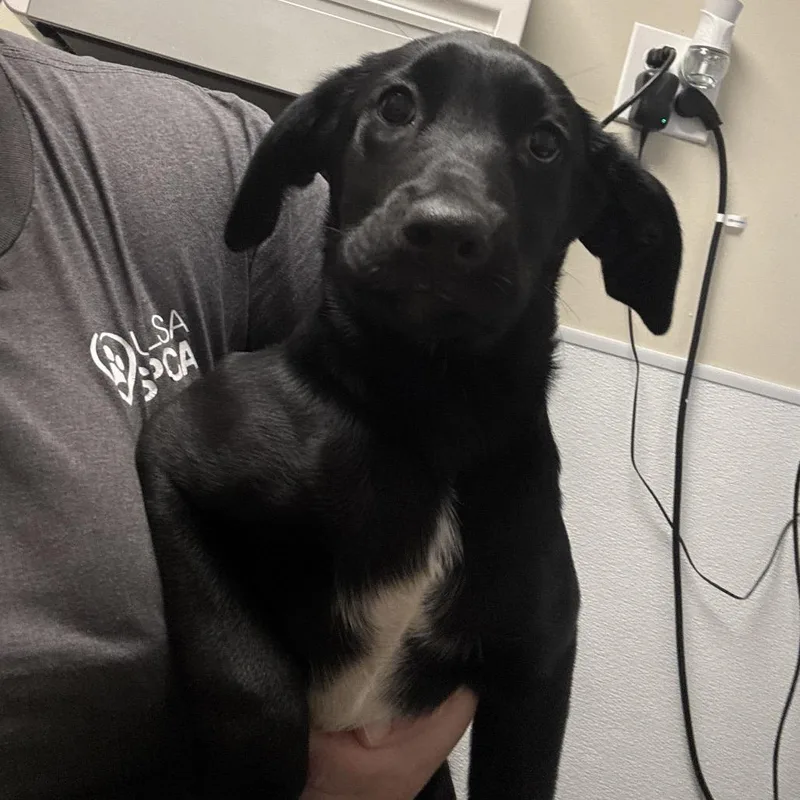
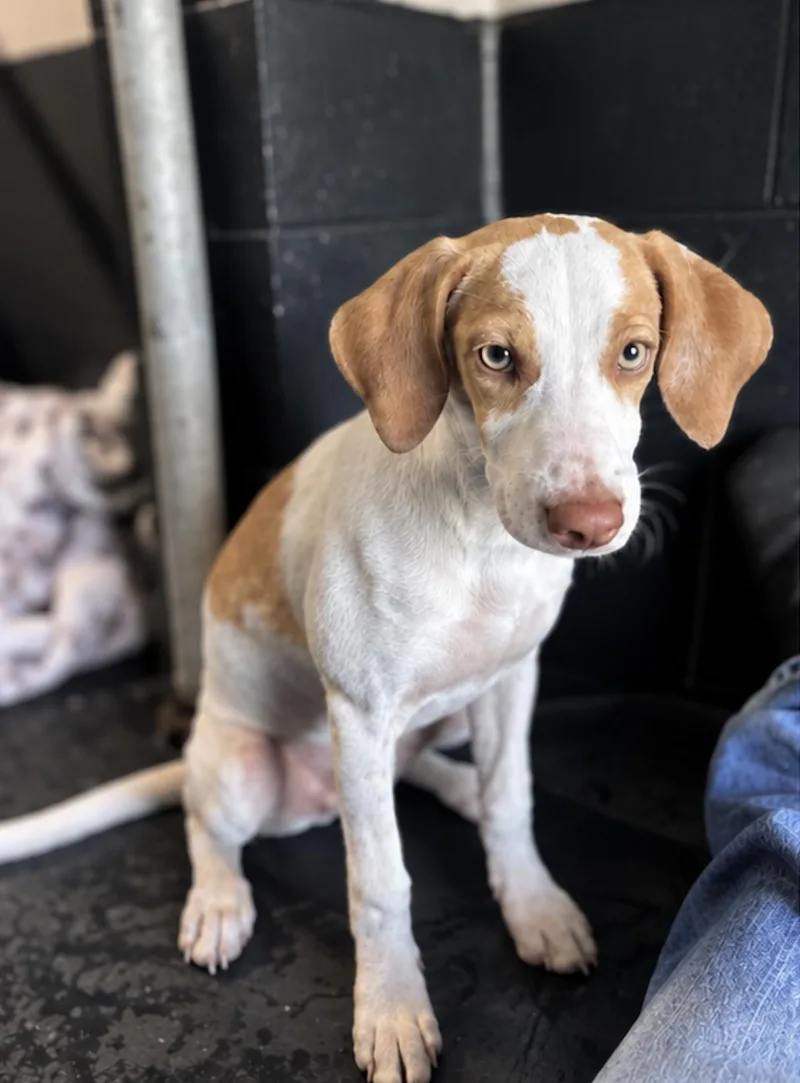
Chocolate Labrador Retrievers Available for Adoption Near Tulsa

About the Chocolate Labrador Retriever breed

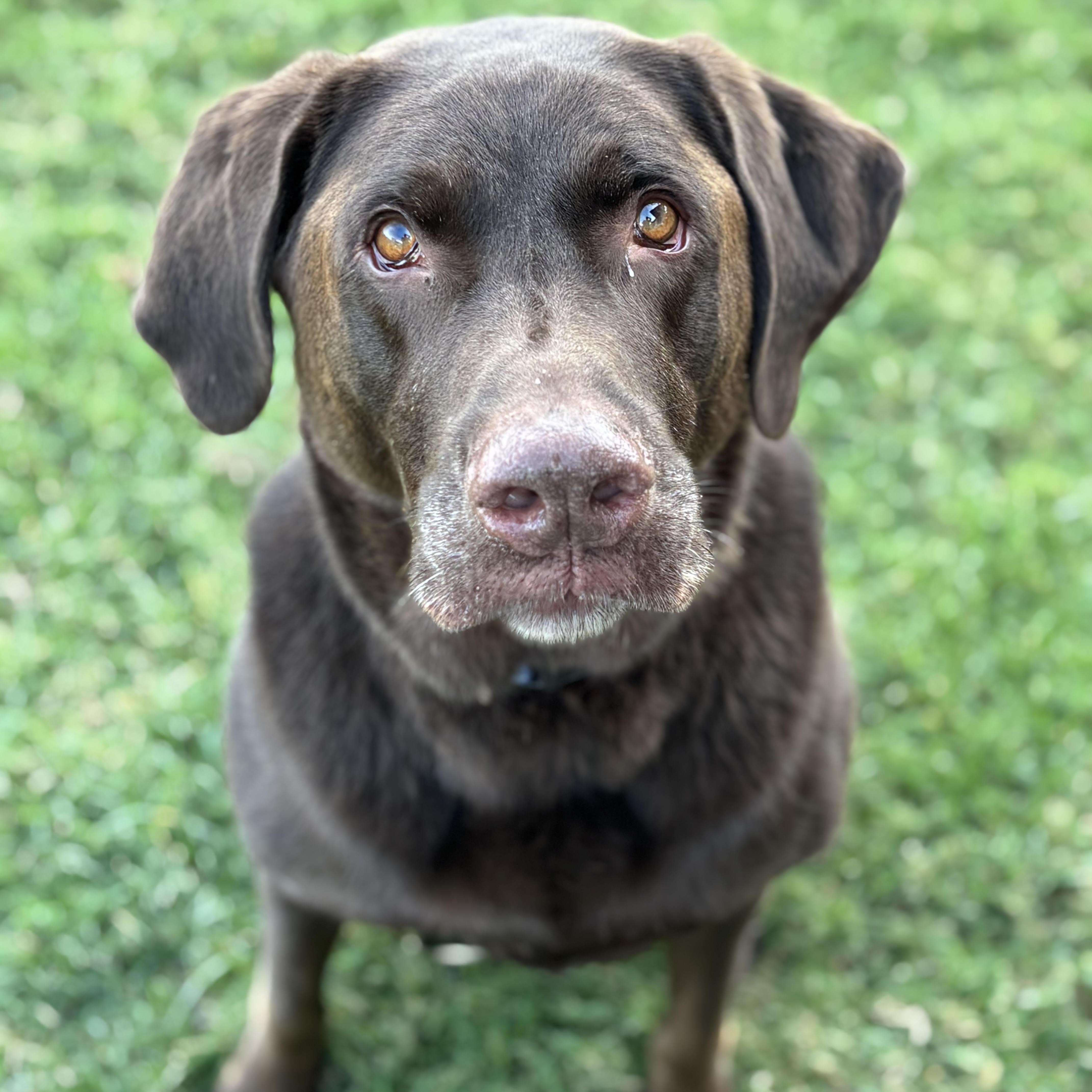
A chocolate Lab is a Labrador Retriever in the breed's liver-brown coat, one of three colors the breed standard accepts. Labs descend from the St. John's water dog of Newfoundland and were developed in Britain as gun dogs, which explains the otter tail, dense water-shedding double coat and love of fetch and swimming. Chocolates have brown noses and brown or hazel eyes.

Most chocolate Labs are friendly, food-motivated and eager to work with people, though each dog's personality and energy differ. They need daily exercise, steady training and careful portion control. One color-linked point is worth knowing: a large UK study found chocolates lived about a year and a half less on average and had more ear and skin problems.

Weight
55–80 lbs
Height
21–25 in
Lifespan
10–13 yrs
Temperament
Friendly, Outgoing, Active
Group
Sporting
Shedding
Moderate to High

Owning a Chocolate Labrador Retriever in Tulsa

Having a Chocolate Labrador Retriever in Tulsa

Chocolate Labs are sociable, energetic retrievers, and in Tulsa the big questions are heat, daily exercise and ear care. Dogs vary, so the cards below cover what these breed-level traits mean for everyday life here.

Temperament

Chocolate Labs are typically outgoing and eager to please, which suits Tulsa's friendly sidewalks and busy neighborhood parks. Young dogs can be boisterous and mouthy, so reward-based training pays off. Coat color doesn't predict personality, and many Labs dislike long stretches alone, so think about your work schedule.

Exercise Needs

Plan on an hour or more of real activity daily, such as brisk walks, fetch or swimming. In Tulsa, River Parks paths and Turkey Mountain's dirt trails give leashed Labs room to work, while hot afternoons call for early or evening outings. Scent games and short training sessions add mental exercise.

Health Considerations

Labs are prone to hip and elbow dysplasia, cruciate injuries and obesity, and chocolates have shown more ear infections and hot spots. Tulsa's wet springs and summer swims make weekly ear checks worthwhile. Year-round heartworm prevention and a lean weight help, and a veterinarian can review joints and any screening history.

Living Space

Tulsa offers both ranch-style houses with yards and plenty of apartments, and a chocolate Lab can adapt to either with enough daily exercise. A yard helps but doesn't replace walks. Expect a large dog with a sweeping tail, brown hair on floors and furniture, and a keen interest in anything left on counters.

What it costs to own a Chocolate Labrador Retriever in Tulsa

ExpenseTypical costPer year
Adoption fee$116, one time$116 in year one
Food$55 to $110 per month$660 to $1,320
Pet insurance$65 to $130 per month$780 to $1,560
Routine vet care$250 to $500 per year$250 to $500
Other*$580 to $1,465 per year$580 to $1,465
Estimated yearly total (after year one)$2,270 to $4,845
First-year total (with adoption fee)$2,386 to $4,961

Adoption fee is the fee on Chocolate Labrador Retriever listings in Tulsa on GetBuddy today. Other costs are estimates and vary with size, age and health.

* The Tulsa dog license, flea, tick and heartworm prevention, a dental cleaning allowance, toys and bedding, and brushing and baths for heavy seasonal shedding.

Adopt a Chocolate Labrador Retriever in Tulsa.

Now that you know more, let’s find you a new best friend. These rescues and shelters below currently have Chocolate Labrador Retrievers available.

Frequently Asked Questions

Yes. Tulsa has no breed-specific rules, and Oklahoma law bars local breed-based regulation of dangerous dogs. What matters is how you keep the dog: Tulsa bans overnight tethering, bars tethering unspayed or unneutered dogs, and requires dogs inside during tornado warnings. A Lab can't be a backyard-only dog here.

Turkey Mountain's dirt trails and the River Parks paths along the Arkansas River suit a leashed Lab well, though copperheads live at Turkey Mountain, so stay on marked trails. For off-leash play, Benjamin's Biscuit Acres and Joe Station welcome licensed, vaccinated, spayed or neutered dogs. Oxley Nature Center doesn't allow dogs.

Yes, if the dog gets daily exercise outside. About 49% of Tulsa households rent, so many Lab owners do. A big dog needs long walks, fetch or trail time, and enough company to avoid chewing. Weight limits vary by building, so read the pet terms in the lease before you apply.

Yes, with care. Tulsa sees about 74 days a year at 90°F or higher, and a Lab's dense coat holds heat. Exercise early or late, use grass instead of hot pavement, and provide shade, cool water and indoor rest. Dogs kept outside need shade and ventilation once it hits 85°F.

Only in limited cases. MetroLink Tulsa buses, including the Aero line on Peoria, allow pets in a secure carrier, and service animals are exempt. A full-grown Lab won't fit in a carrier, so plan on driving or walking. Tulsa has no rail transit.

Often only to patios. Oklahoma's health code lets restaurants welcome dogs outdoors if they meet state conditions, such as a separate outdoor entrance and single-use bowls, but each restaurant decides. Dogs aren't allowed inside. A Lab that settles calmly under the table makes a patio visit much easier.

Plan on weekly brushing, and daily during the heavier spring and fall sheds. Baths every month or two are enough for most. Tulsa's wet springs and summer swims make weekly ear checks and thorough drying important for chocolates. Grooming is a modest part of the Other cost line, especially if you brush at home.

A Labrador Retriever is a large sporting dog developed in Britain from Newfoundland water dogs to retrieve shot birds from land and water. Labs have a short, dense double coat, an otter-like tail and a broad head, and come in black, yellow or chocolate. Many are friendly, food-motivated and trainable, which makes them common family, guide and detection dogs.

We have 3 rescues with Chocolate Labrador Retrievers available: Tulsa SPCA, Animal Aid of Tulsa, Inc. and Pet Adoption League. You can see every rescue with Chocolate Labrador Retrievers available in the list above these questions, or scroll to the top to see the Chocolate Labrador Retrievers near Tulsa.

Budget about $55–$110 a month for food, $65–$130 a month for insurance, $250–$500 a year for routine vet care, and $580–$1,465 a year for other costs, including prevention, dental care and grooming. Together that comes to roughly $2,270–$4,845 a year, before any emergency or illness bills.