Catahoula Leopard Dogs for Adoption in Tulsa, OK

Your guide to finding and caring for a Catahoula Leopard Dog in Tulsa

Catahoula Leopard Dogs fit Tulsa best with people who spend real time outdoors. A ranch house on a big Patrick Henry lot gives a Catahoula room to patrol, and the dirt trails at Turkey Mountain give it a weekend job. They're loyal and watchful, so a tall, solid fence matters more than a pretty yard. Summer afternoons in the 90s push the long runs to dawn or after dark.

1459 Catahoula Leopard Dogs available in Tulsa and nationwide

Give a Catahoula Leopard Dog a home

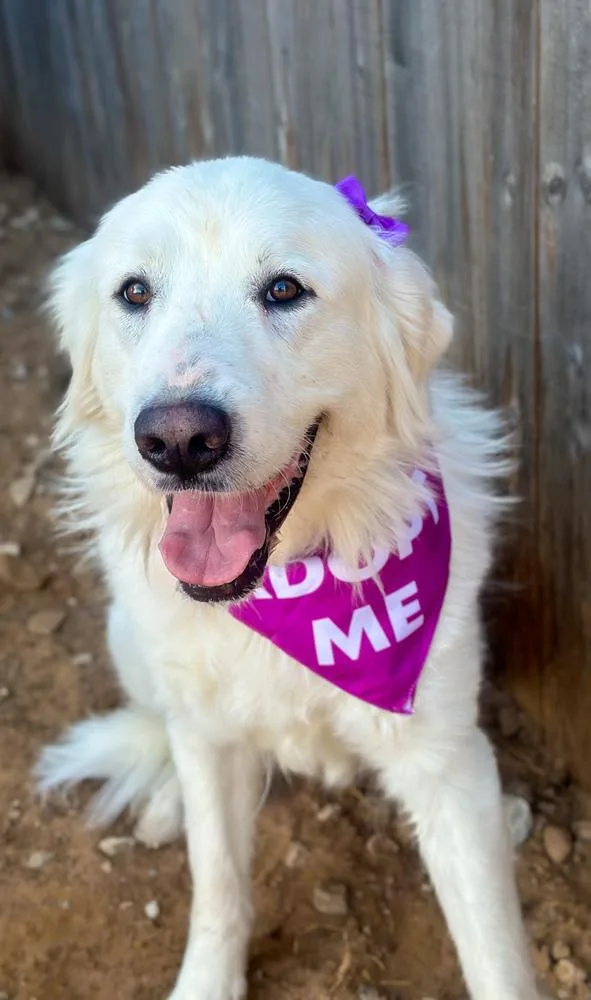
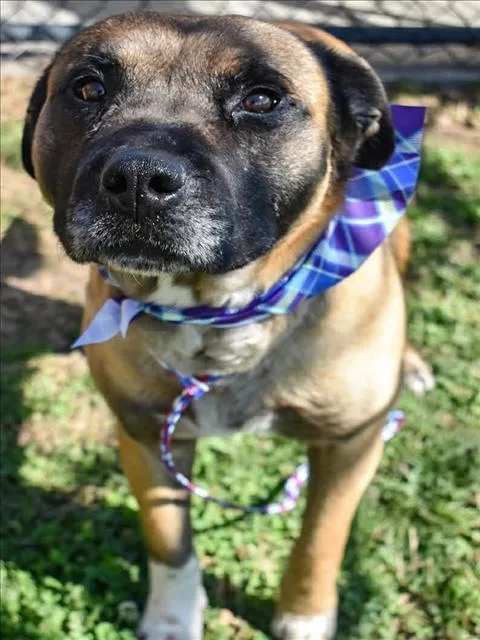
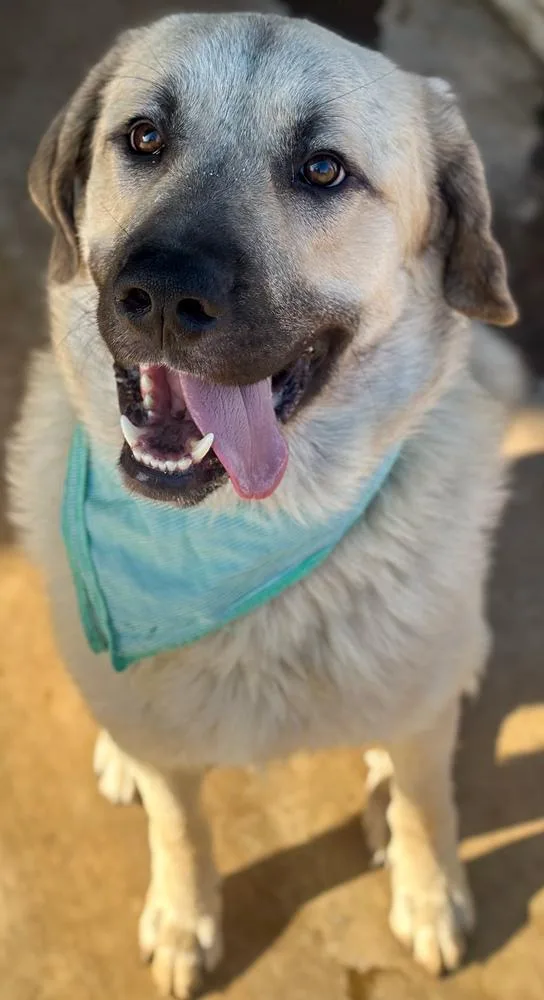
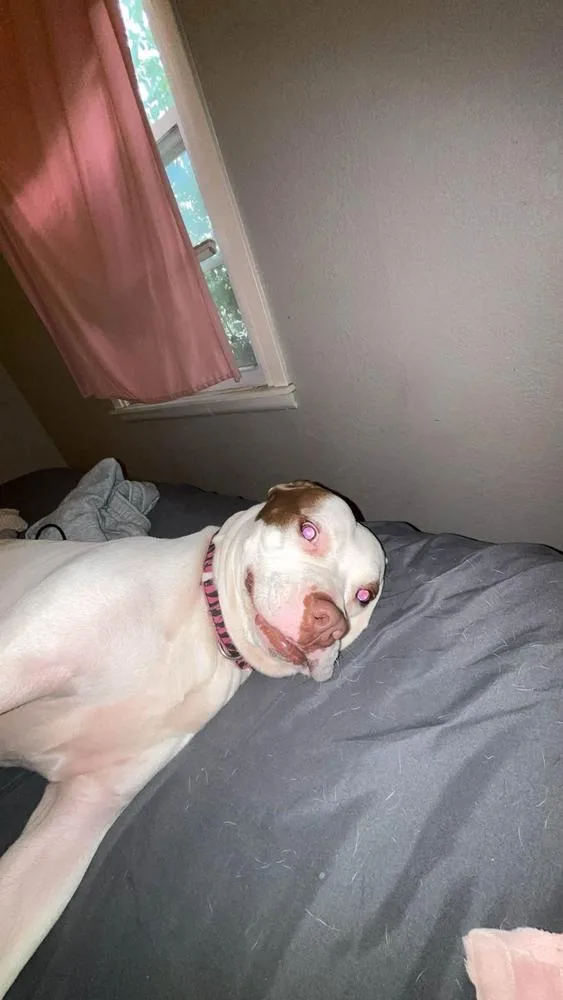
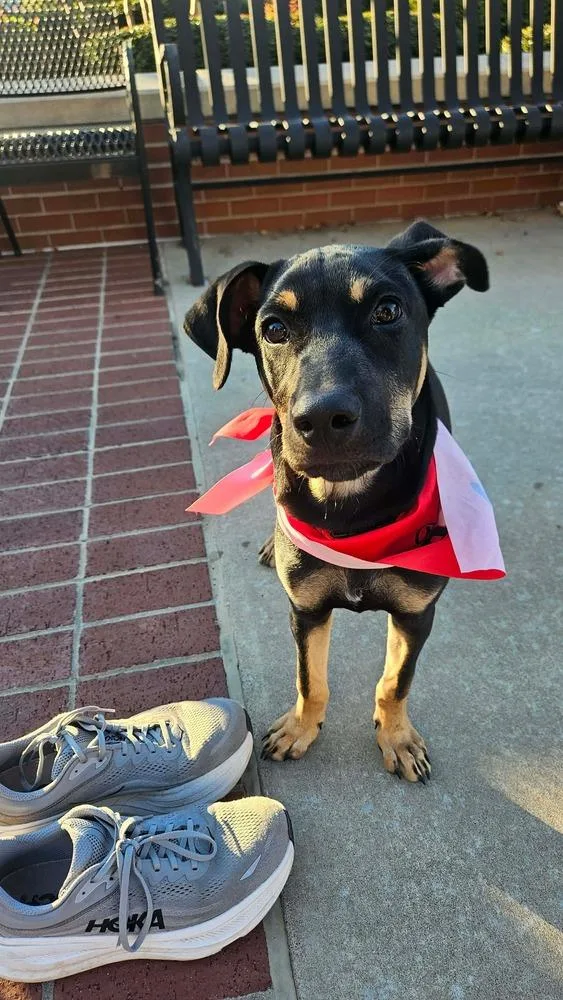
Catahoula Leopard Dogs Available for Adoption Near Tulsa

About the Catahoula Leopard Dog breed

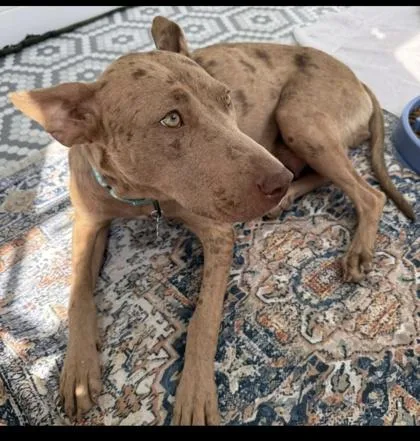
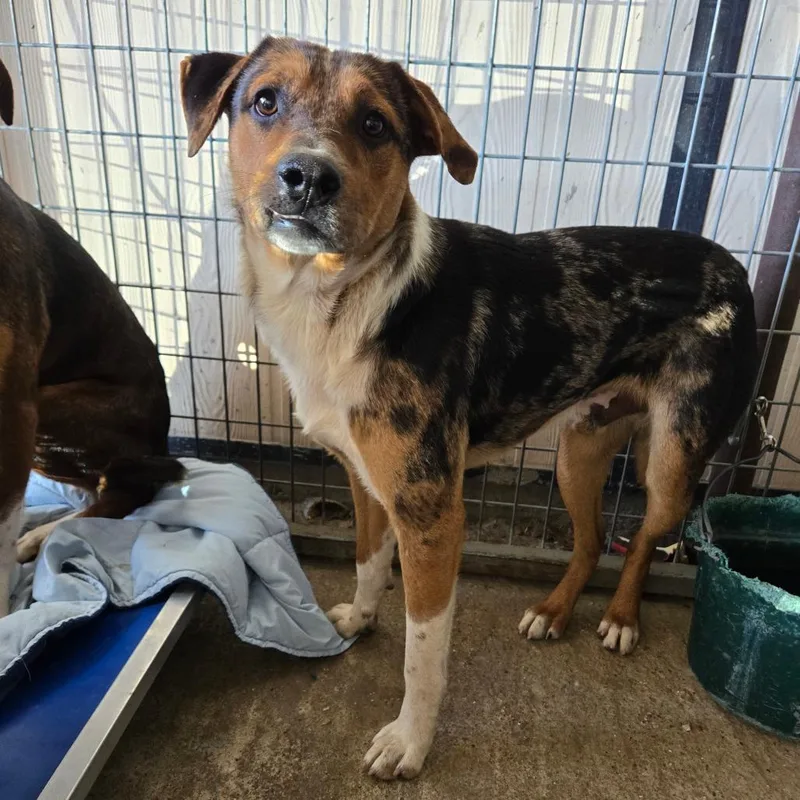
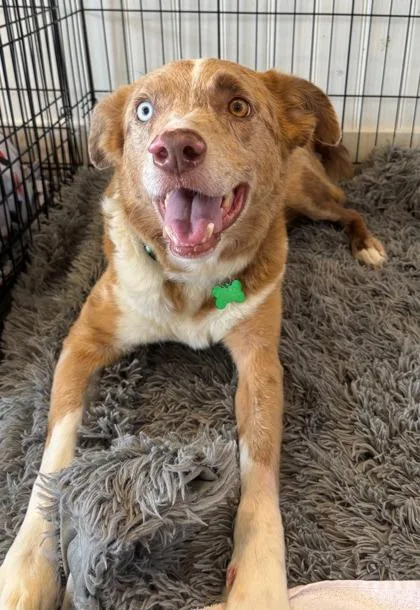
Named for Catahoula Parish in Louisiana, this working dog was developed in the swamps and woods of the Gulf South to find and hold feral hogs and gather semi-wild cattle. Selection favored ability over looks, so size and build vary widely, often from about 50 to 95 pounds. Many wear a merle "leopard" coat with glass-blue or mismatched eyes, though brindle and solid colors are common too.

Catahoulas tend to be intelligent, independent and loyal, with a protective streak. They often bond closely with family and stay wary of strangers, and some are selective with other dogs or small animals. Expect daily vigorous exercise, firm reward-based training and early socialization. Many dogs labeled Catahoula are mixes, so each dog's own energy and manners matter more than the label.

Weight
50–95 lbs
Height
20–26 in
Lifespan
10–14 yrs
Temperament
Energetic, Independent, Protective
Group
Herding
Shedding
Moderate

Owning a Catahoula Leopard Dog in Tulsa

Having a Catahoula Leopard Dog in Tulsa

A Catahoula's working roots show in its stamina, independence and watchfulness. In Tulsa, those traits meet hot summers, leash-required trails and plenty of backyards, so the real questions are how much you'll exercise it, how secure your fence is and how you'd handle a cautious dog.

Temperament

Catahoulas are often devoted to their own people but reserved with strangers, and some are choosy about other dogs or chase small animals. Careful introductions for visitors, steady reward-based training and early socialization shape how a dog turns out. Spend time with a dog before deciding, since temperament varies from dog to dog.

Exercise Needs

Plan on long daily runs, hikes or fetch, plus mental work like scent games or puzzle feeders. Turkey Mountain's dirt trails and the River Parks paths suit leashed outings, and Tulsa's city dog parks offer off-leash play for dogs over six months. In hot months, shift exercise to early morning or evening.

Health Considerations

Deafness is a documented risk in Catahoulas, especially heavily white or double-merle dogs, which can also have eye defects. Hip dysplasia occurs too. After adoption, a veterinarian can check hearing, eyes and hips. Stay consistent with flea, tick and heartworm prevention through Tulsa's long warm season, especially after trail days.

Living Space

A securely fenced yard suits a Catahoula best, and Tulsa's ranch-style neighborhoods often have one. Because many Catahoulas jump and dig, choose a tall fence and check the bottom edge. Apartments can work only with very reliable, vigorous daily exercise, and a watchful dog needs calm introductions to neighbors.

What it costs to own a Catahoula Leopard Dog in Tulsa

ExpenseTypical costPer year
Adoption fee$116 to $200, one time$116 to $200 in year one
Food$55 to $110 per month$660 to $1,320
Pet insurance$55 to $110 per month$660 to $1,320
Routine vet care$250 to $500 per year$250 to $500
Other*$480 to $1,255 per year$480 to $1,255
Estimated yearly total (after year one)$2,050 to $4,395
First-year total (with adoption fee)$2,166 to $4,595

Adoption fee is the range of fees on Catahoula Leopard Dog listings in Tulsa on GetBuddy today. Other costs are estimates and vary with size, age and health.

* The $5-a-year Tulsa dog license, flea, tick and heartworm prevention, a dental cleaning allowance, toys and bedding, and basic brushing supplies for the short coat.

Adopt a Catahoula Leopard Dog in Tulsa.

Now that you know more, let’s find you a new best friend. These rescues and shelters below currently have Catahoula Leopard Dogs available.

Frequently Asked Questions

Yes, Tulsa has no breed-specific rules, and Oklahoma law forbids local breed-specific regulation of dangerous dogs. You'll need a city license once the dog is over six months old, which requires a rabies certificate and proof of spay/neuter. Dogs must be leashed off your property, overnight tethering is banned, and households can have up to five dogs and cats.

It can be, if you're active outdoors and have a secure yard. Tulsa offers miles of leashed dirt and river trails, plus ranch-style neighborhoods with fenced lots. It's a harder fit if you're away for long stretches, since Catahoulas that don't get enough exercise and attention may dig, bark or try to escape.

Turkey Mountain's rugged dirt trails and the River Parks paths along the Arkansas River are the top picks for leashed exercise. Tulsa's three city dog parks allow off-leash play for licensed, vaccinated, spayed or neutered dogs over six months. Because some Catahoulas are selective with other dogs, watch the group before unclipping the leash.

Yes, with sensible routines. Their short coat sheds heat reasonably well, but Tulsa's humid heat still calls for early or late walks, shade, fresh water and grass instead of hot pavement. An outdoor dog's shelter must be shaded and ventilated or cooled once it reaches 85°F, and a hot car is never safe.

Mostly no. MetroLink Tulsa buses, including the Aero line on Peoria Avenue, allow pets only in a secure carrier, and service animals are the exception. A Catahoula at 50 to 95 pounds won't fit a carrier that sits on a lap, so plan on driving to trails and the vet.

Only to patios, and only where the restaurant allows it. Oklahoma's health code lets restaurants welcome dogs outdoors if they meet state conditions, such as a separate outdoor entrance, but each venue decides. Dogs can't go inside. Since Catahoulas are watchful with strangers, practice settling quietly beside your chair before trying a busy patio.

Not much. The short coat needs a weekly brush to manage moderate shedding, plus occasional baths after muddy spring trails. Tulsa's warm, humid months make ear checks and a tick check after Turkey Mountain outings worthwhile, and nails need regular trims. Grooming is a small part of yearly costs, mostly brushing supplies.

A Catahoula Leopard Dog is a medium-to-large working breed from Louisiana, developed to hunt and bay feral hogs and to herd cattle. It is athletic and muscular, often with a merle coat and striking light or mismatched eyes. Catahoulas are typically intelligent, loyal, independent and energetic, and they need experienced handling, training and lots of activity.

We have 5 rescues with Catahoula Leopard Dogs available, including Oklahoma Pet Collective Society, Tulsa SPCA and Furends, Inc.. You can see every rescue with Catahoula Leopard Dogs available in the list above these questions, or scroll to the top to see the Catahoula Leopard Dogs near Tulsa.

Expect roughly $2,050 to $4,400 a year for a Catahoula in Tulsa. That covers food at $55 to $110 a month, insurance at $55 to $110 a month, routine vet care at $250 to $500 a year, and other costs at $480 to $1,255 a year. Training, boarding and emergencies are extra.