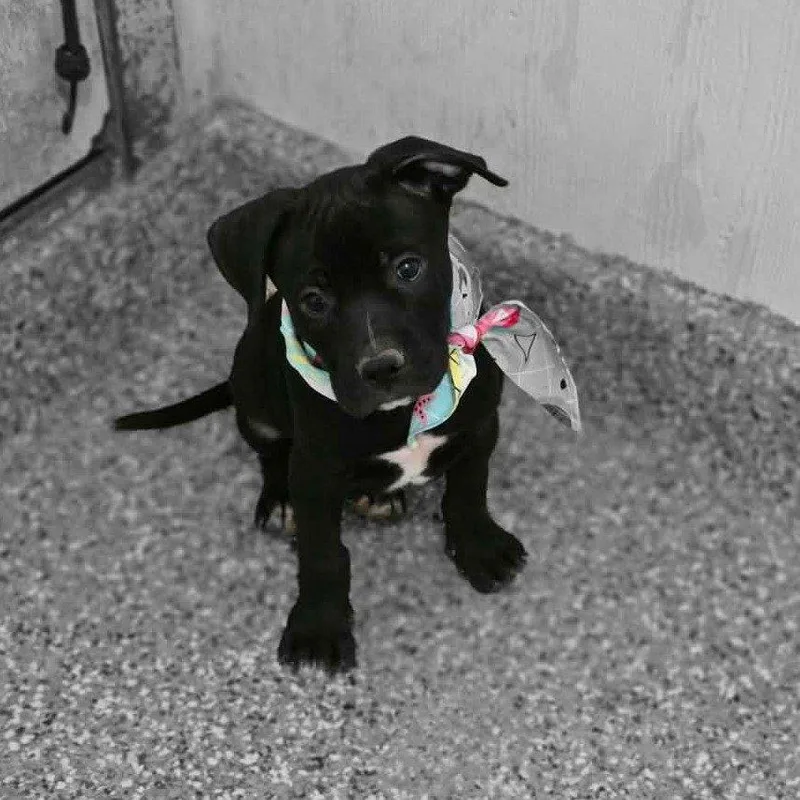
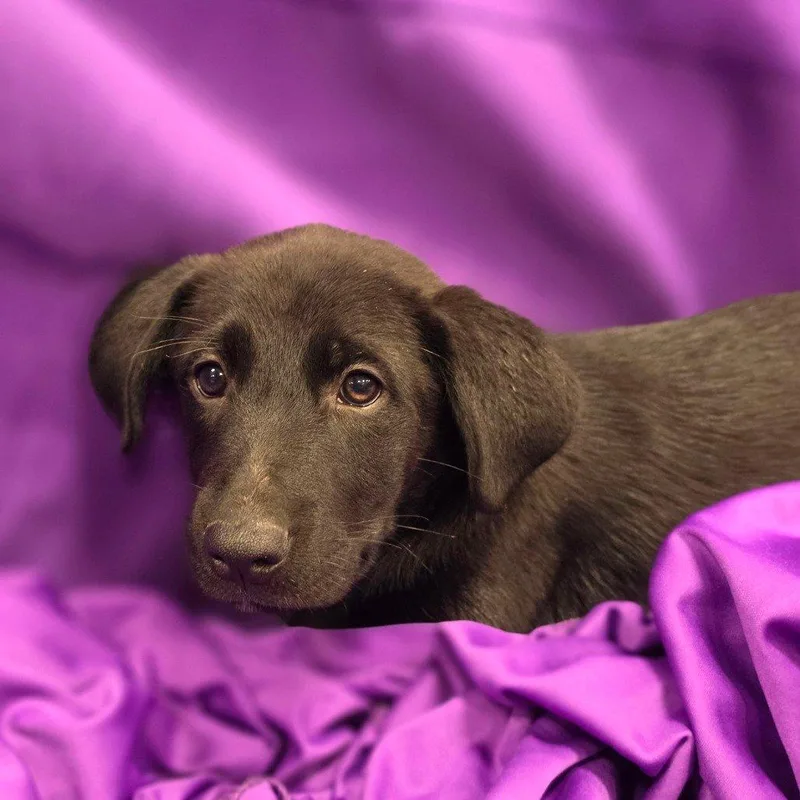
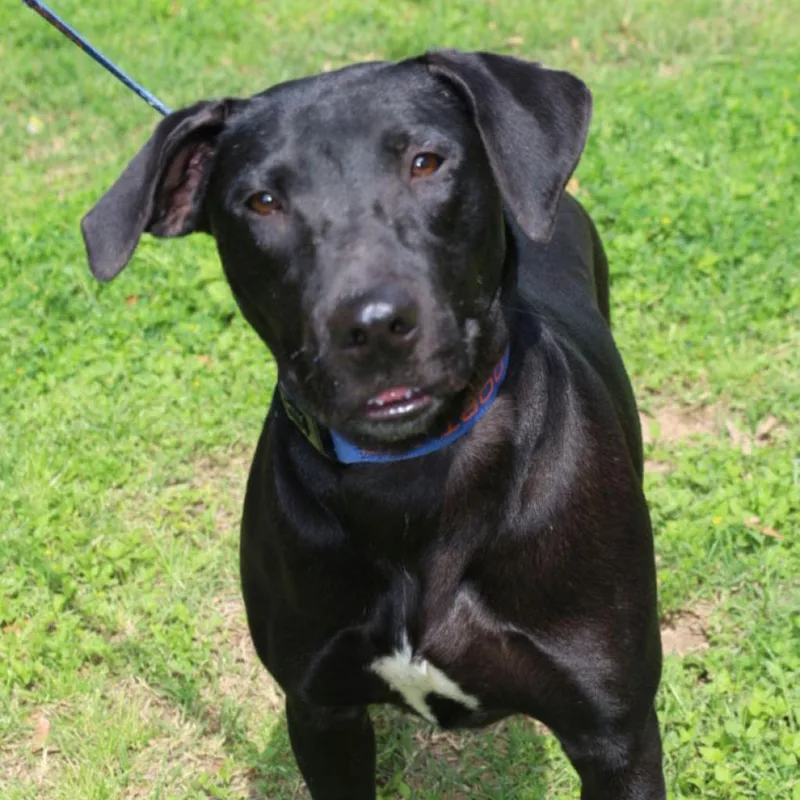
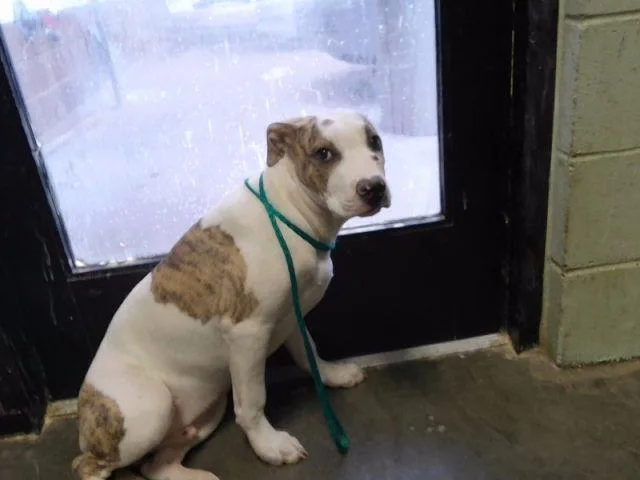
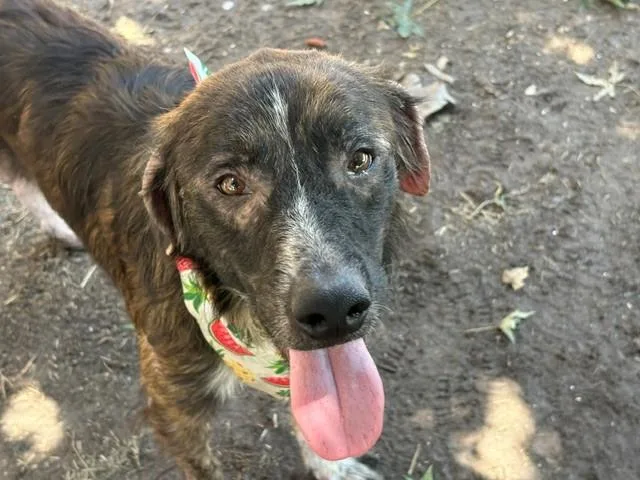
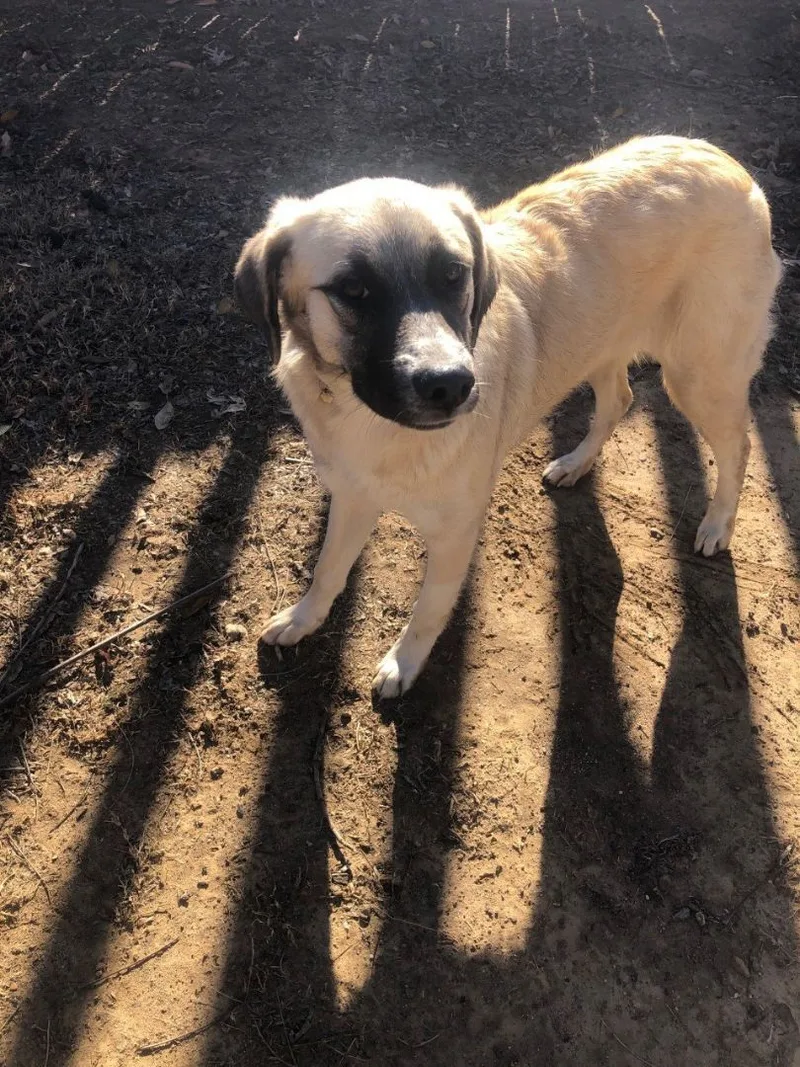
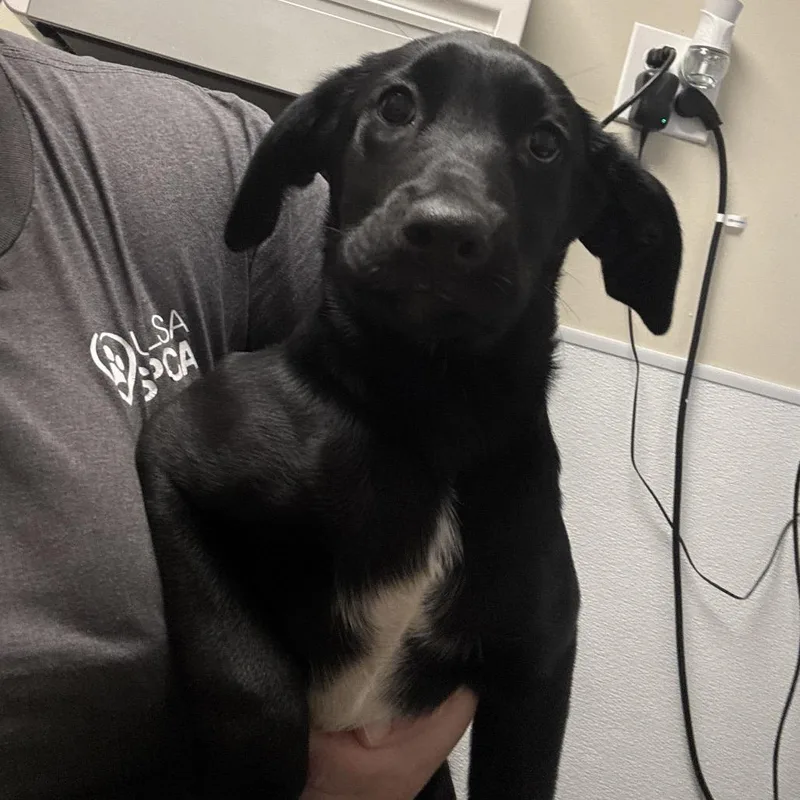
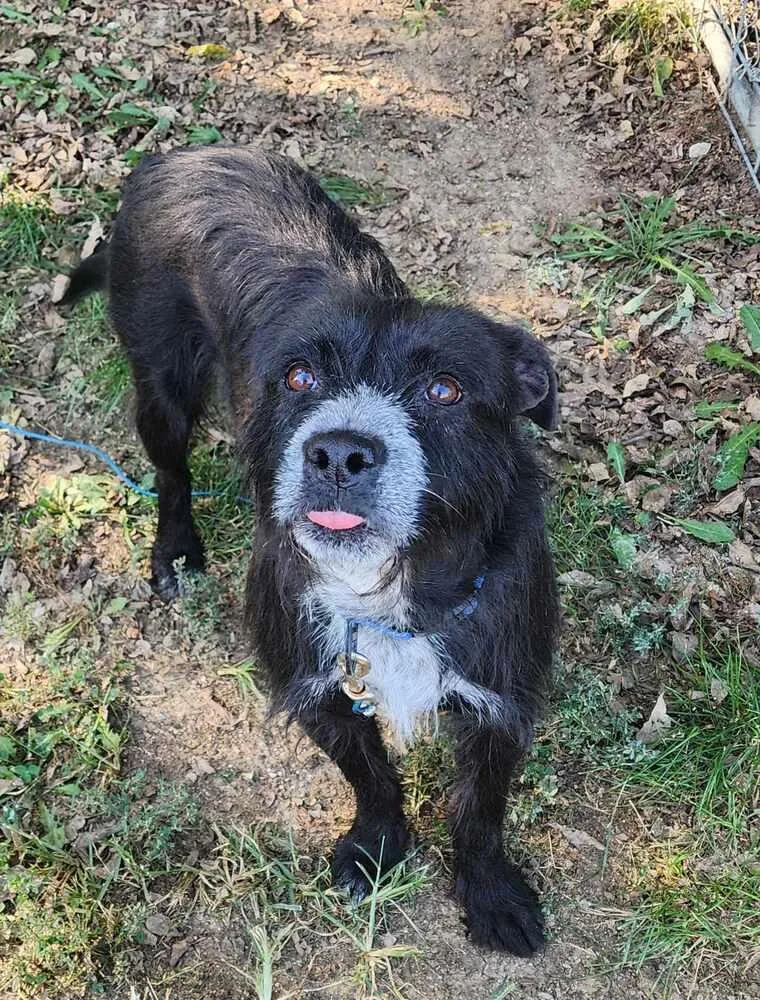
Black Labrador Retriever Dogs for Adoption in Tulsa, OK

Your guide to finding and caring for a Black Labrador Retriever in Tulsa

Black Labs fit Tulsa best when there's a yard or a trail close by. In Ranch Acres or Patrick Henry, where ranch houses sit on generous lots, a Lab has room to burn off energy, and the River Parks trails along the Arkansas make a good long walk. They're friendly with neighbors and keen on dinner. Summer afternoons run hot, though, and a black coat soaks up sun, so mornings and evenings work best.

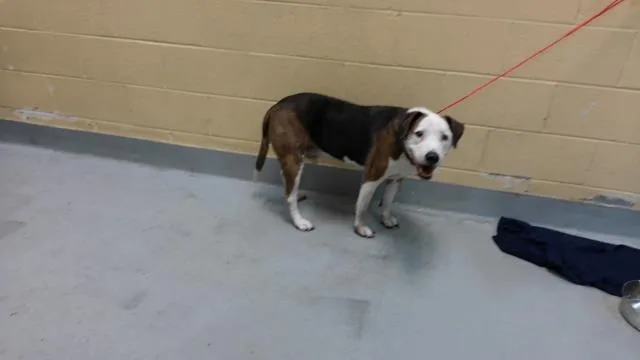
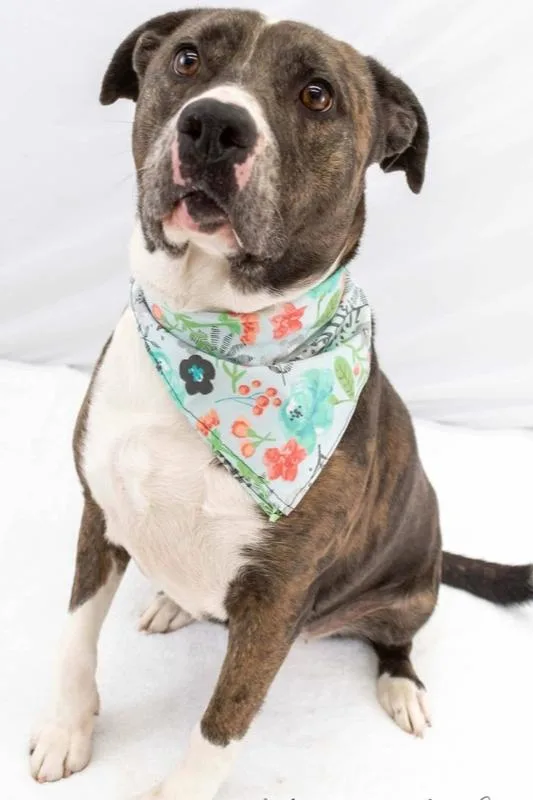
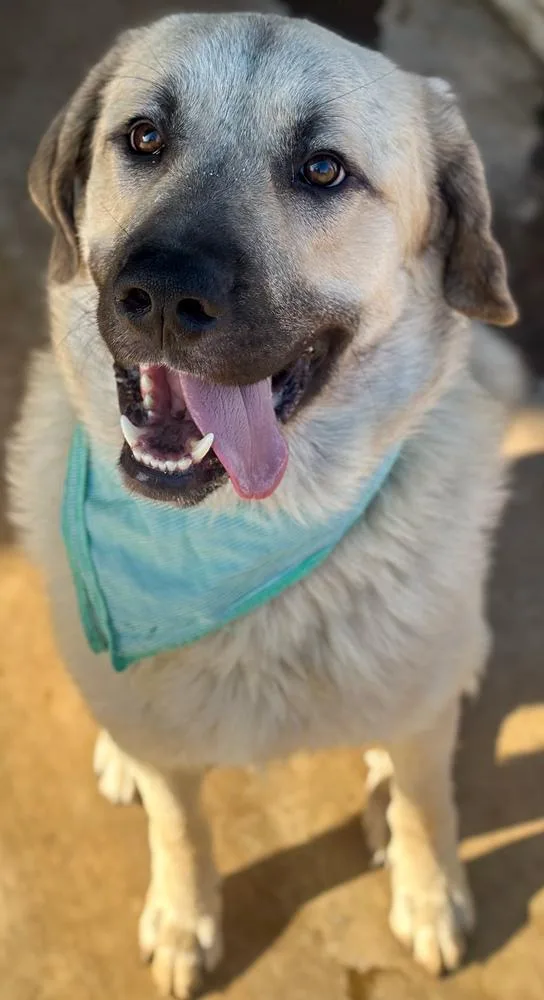
3405 Black Labrador Retrievers available in Tulsa and nationwide

Find your Black Labrador Retriever

Black Labrador Retrievers Available for Adoption Near Tulsa

About the Black Labrador Retriever breed

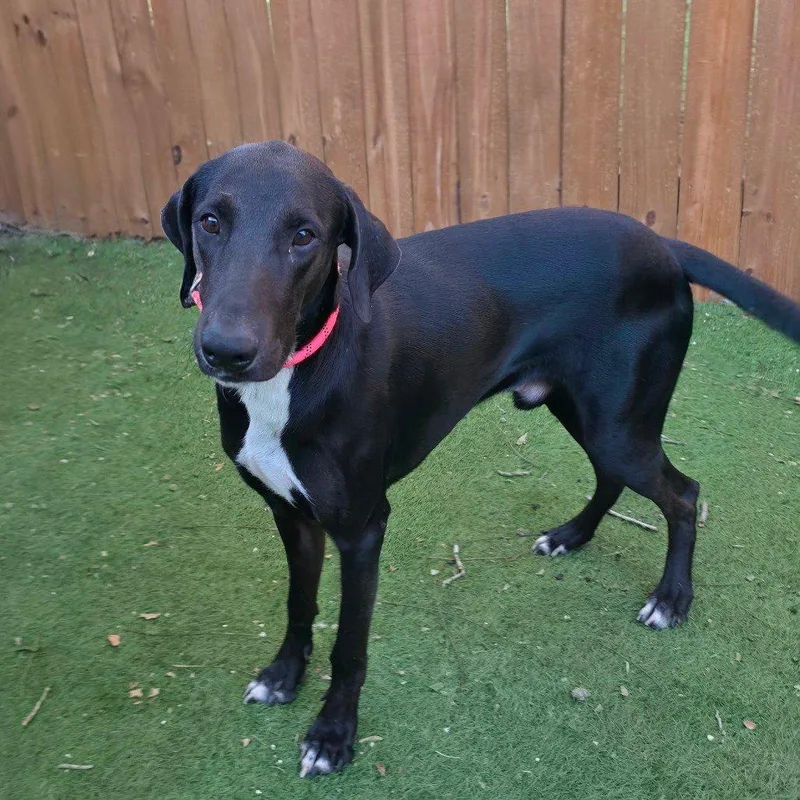
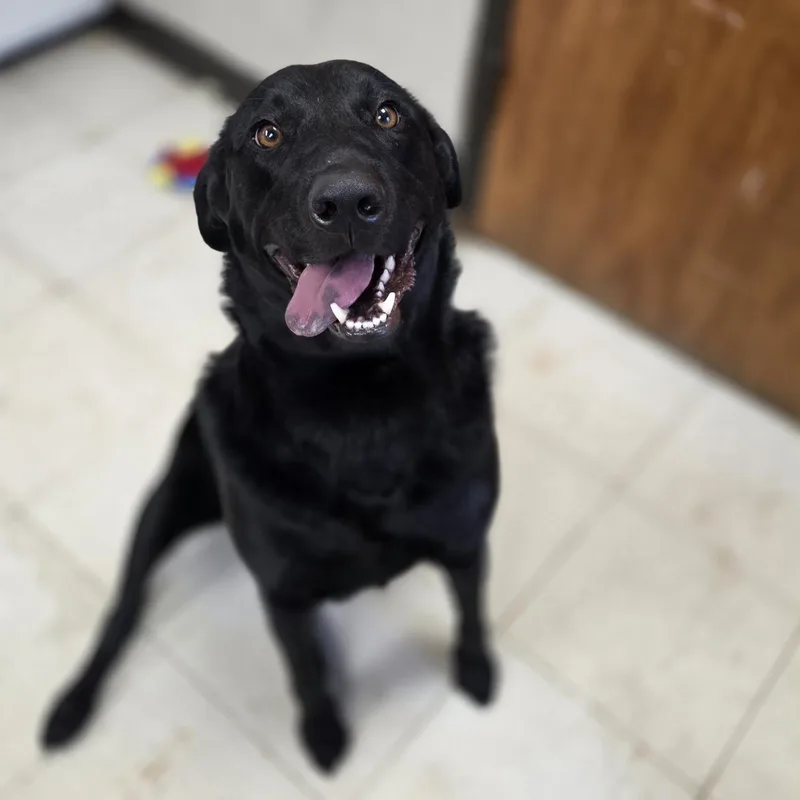
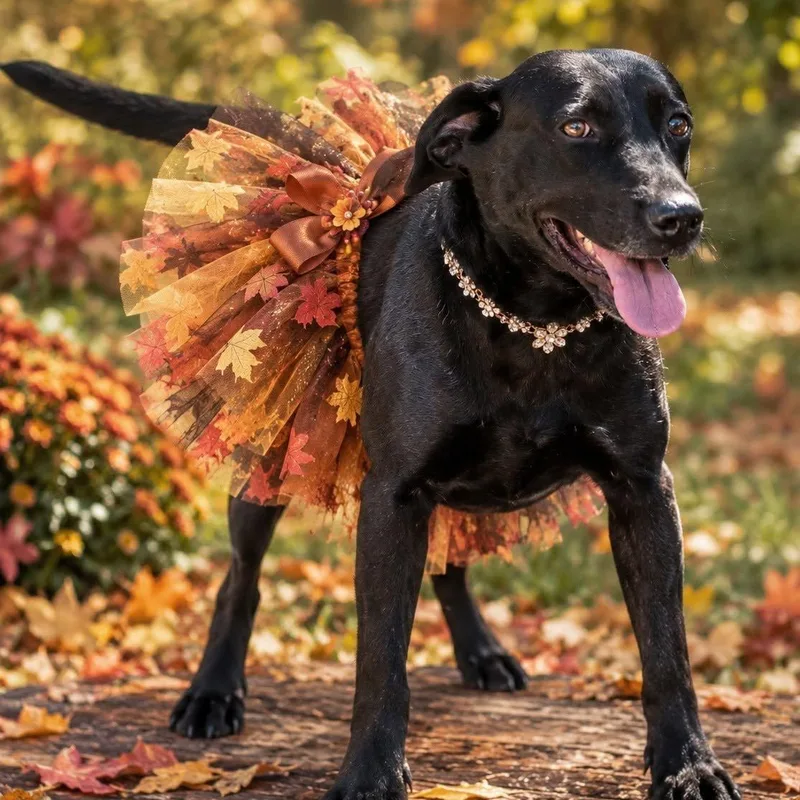
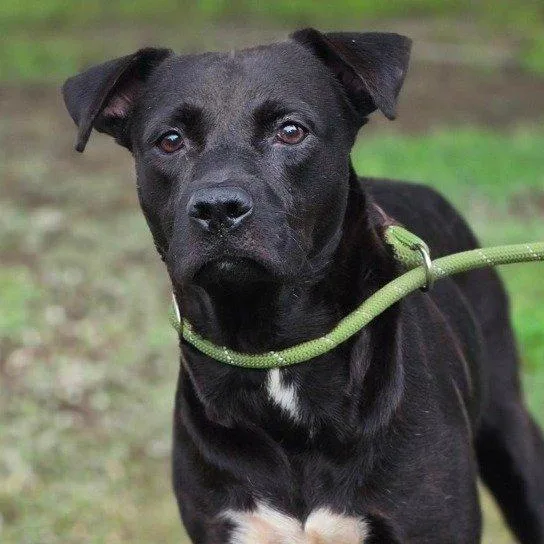
The black Lab is the Labrador Retriever in its original and most familiar color, not a separate breed. Descended from Newfoundland water dogs and refined in Britain as a gun dog, the breed has a broad head, an otter tail and a dense, water-resistant double coat. Adults run about 55 to 80 pounds, and some have a small white spot on the chest.

Color doesn't set personality. Black Labs tend to be friendly, food-motivated and eager to please, though energy varies, and dogs from working lines are often leaner and more driven. In Tulsa, that means a dog who wants daily exercise, steady training, measured meals and plenty of brushing when the coat sheds. Labs also mature slowly, so a bouncy adolescence is common.

Weight
55–80 lbs
Height
21–25 in
Lifespan
10–14 yrs
Temperament
Friendly, Outgoing, Active
Group
Sporting
Shedding
Moderate to High

Owning a Black Labrador Retriever in Tulsa

Having a Black Labrador Retriever in Tulsa

Black Labs pair a sociable outlook with working-dog stamina, so exercise, portion control and regular brushing shape daily life more than coat color does. Dogs vary with age and background, so match the dog in front of you to your routine.

Temperament

Black Labs are usually outgoing and affectionate, and many enjoy neighborhood walks where they meet new people and dogs. Young dogs can be mouthy and boisterous, and their love of food makes reward-based training work well. A dog's age, history and socialization say more about behavior than coat color does.

Exercise Needs

Most black Labs need an hour or more of activity daily, such as brisk walks, fetch or swimming. In Tulsa, River Parks trails and Turkey Mountain's dirt paths add variety, while yard play and scent games fill the gaps. Hot afternoons call for early or late outings, and seniors still benefit from gentler walks.

Health Considerations

Labs can be affected by hip and elbow dysplasia, cruciate ligament tears, exercise-induced collapse and eye disease, and many gain weight easily. Ear infections and skin allergies also occur. Tulsa's long warm season makes flea, tick and heartworm prevention worth keeping up. A veterinarian can check hips and elbows and track weight at regular visits.

Living Space

A black Lab can live in a Tulsa apartment or a ranch house if its exercise needs are met. A fenced yard helps, but coyotes live throughout the city and can climb fences, so supervise yard time, especially from dusk to dawn. Expect shed hair, a sweeping tail and a dog that wants to live indoors.

What it costs to own a Black Labrador Retriever in Tulsa

ExpenseTypical costPer year
Adoption fee$116 to $150, one time$116 to $150 in year one
Food$55 to $110 per month$660 to $1,320
Pet insurance$65 to $130 per month$780 to $1,560
Routine vet care$250 to $500 per year$250 to $500
Other*$580 to $1,455 per year$580 to $1,455
Estimated yearly total (after year one)$2,270 to $4,835
First-year total (with adoption fee)$2,386 to $4,985

Adoption fee is the range of fees on Black Labrador Retriever listings in Tulsa on GetBuddy today. Other costs are estimates and vary with size, age and health.

* The $5 Tulsa dog license, flea, tick and heartworm prevention, dental cleanings, toys and bedding, and brushing and baths for heavy seasonal shedding.

Adopt a Black Labrador Retriever in Tulsa.

Now that you know more, let’s find you a new best friend. These rescues and shelters below currently have Black Labrador Retrievers available.

Frequently Asked Questions

Yes, you can own a Black Labrador Retriever in Tulsa. Oklahoma law bars breed-specific local rules, so Labs face no breed restrictions. Dogs over six months need a city license, which requires a rabies certificate and proof of spay/neuter unless you hold a permit. Dogs must be leashed off your property, and households can have up to five dogs and cats combined.

Turkey Mountain has miles of leashed dirt trails; carry water and stay on marked paths because copperheads live there. Benjamin's Biscuit Acres, in Hunter Park at 91st and Sheridan, is a fenced off-leash park that's closed Mondays. The Gathering Place allows leashed dogs on Wednesdays, Saturdays and Sundays, and daily on the trails passing it.

Yes, with planning, though summer is the hardest season for a dark coat. About 74 days a year reach 90°F, so walk early or late. Pavement can top 130°F in the 90s, so choose grass and test the ground with your hand. Provide shade and cool water, and never leave a dog in a parked car.

Yes, a Black Labrador Retriever can live in a Tulsa apartment if daily exercise is covered. About half of Tulsa households rent, with median rent around $1,099, and Oklahoma sets no cap on pet deposits, so read the lease closely. Some buildings set weight limits that a 55 to 80 pound Lab may exceed. Plan on long walks, since indoor space can't replace them.

A black Lab needs weekly brushing most of the year and near-daily brushing during heavy sheds, often in spring and fall. A deshedding rake or grooming glove keeps hair manageable. Baths every month or two are usually enough, and the double coat should never be shaved to beat Tulsa's heat. Grooming costs fall within the Other line of the cost table.

Generally no, because MetroLink Tulsa buses, including the Aero line on Peoria, require pets to ride in a secure carrier. Service animals ride without one. A full-grown black Lab won't fit a carrier, so plan trips by car or on foot. Tulsa has no rail system, so buses are the only public transit.

Only on patios, and only where the restaurant allows it. Oklahoma's health code lets restaurants welcome dogs outdoors if they meet state conditions, such as a separate outdoor entrance, so access varies by venue. Dogs aren't allowed inside. Brookside's South Peoria strip has many patios. Bring a leash and a settled dog, since Labs tend to greet everyone.

A Labrador Retriever is a large sporting dog developed to retrieve game for hunters, especially from water. Labs have a short, dense double coat, a thick otter tail and a broad head, and they come in black, yellow and chocolate. Many are friendly, food-motivated and eager to work, which makes them common family, guide and service dogs.

We have 3 rescues with Black Labrador Retrievers available: Tulsa SPCA, Pet Adoption League and Route 66 Pet Rescue. You can see every rescue with Black Labrador Retrievers available in the list above these questions, or scroll to the top to see the Black Labrador Retrievers near Tulsa.

Plan on roughly $2,270 to $4,835 a year for a black Lab in Tulsa. Food runs $55 to $110 a month and insurance $65 to $130, while routine vet care is $250 to $500 a year. Other costs, including the $5 city license, prevention, dental cleanings and shedding care, add $580 to $1,455 yearly.