Bichon Frise Dogs for Adoption in Tulsa, OK

Your guide to finding and caring for a Bichon Frise in Tulsa

Bichon Frises fit Tulsa's older midtown streets well, especially around Swan Lake. The tight street grid there is easy to stroll, and the duplexes and small apartment buildings suit a dog that weighs 12 to 18 pounds. A Bichon will happily trot laps around the park and greet every neighbor it meets. The catch is company: most hate long days alone, so they suit people who work from home or can pop back at lunch.

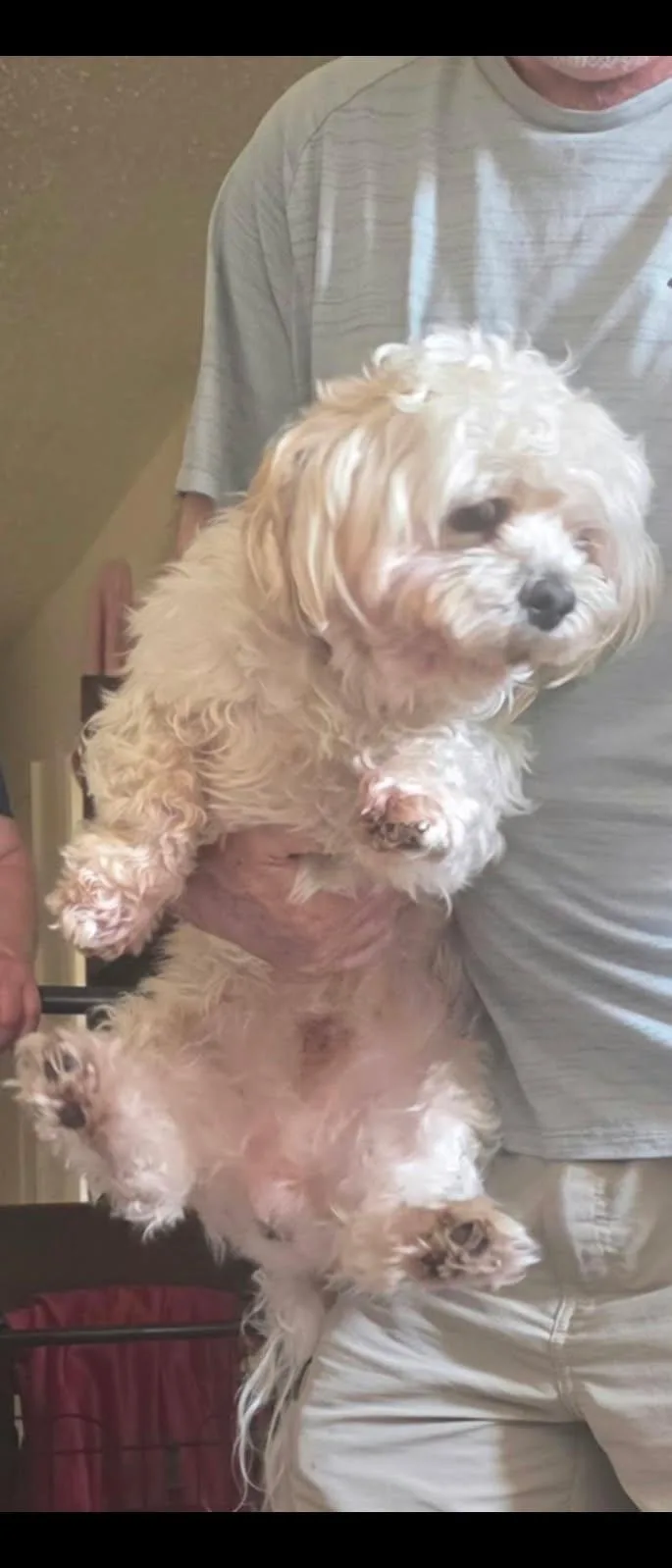
12 Bichon Frises available for adoption in Tulsa

Give a Bichon Frise a home

Bichon Frises Available for Adoption in Tulsa

About the Bichon Frise breed

The Bichon Frise is a small white companion dog from the Mediterranean, with a loosely curled coat, dark round eyes and a plumed tail carried over its back. Sailors carried early Bichons between ports, European nobles kept them as pets, and street and circus performers later put them on stage. The breed was standardized in France and Belgium.

Adults usually weigh 12 to 18 pounds and live 12 to 15 years. Most are cheerful, sociable and playful, though every dog varies. The low-shedding coat traps loose hair, so it mats without regular brushing and needs professional grooming every four to eight weeks. Wet spring walks in Tulsa mean muddy feet and damp curls to dry. Allergies, dental disease and bladder stones are worth planning for.

Weight
12–18 lbs
Height
9–12 in
Lifespan
12–15 yrs
Temperament
Cheerful, Playful, Affectionate, Gentle
Group
Non-Sporting
Shedding
Low

Owning a Bichon Frise in Tulsa

Having a Bichon Frise in Tulsa

Bichons pair a sunny personality with a small frame, moderate energy and a coat that needs steady upkeep. In Tulsa, the main things to plan around are time alone, grooming every few weeks, hot summer pavement and coyote-aware habits.

Temperament

Many Bichons greet strangers, children and other dogs with enthusiasm, which suits busy sidewalks and shared apartment hallways. They're sensitive, respond best to gentle reward-based training, and can bark or fret when left alone. House training sometimes takes longer than expected. Each dog's personality varies, so spend time with a dog before deciding.

Exercise Needs

Plan on a couple of daily walks plus indoor play like fetch, tricks or puzzle toys. In Tulsa summers, keep outings to mornings and evenings and use grass when it's over 90°F. Benjamin's Biscuit Acres in Hunter Park has a small-dog area, and leashed laps around a neighborhood park count too.

Health Considerations

Bichons can be prone to skin allergies, bladder stones, dental disease, kneecap dislocation and cataracts. Brush teeth daily and watch for itching, straining to urinate or limping. Tulsa's long warm season makes year-round flea, tick and heartworm prevention worth discussing with a veterinarian after adopting.

Living Space

A Bichon suits Tulsa's bungalows, duplexes, lofts and apartments alike, since its size and energy fit small spaces. Company matters more than square footage. The coat offers little protection from heat or ice, so the dog should live indoors, and any yard needs a fence and supervision because coyotes live around Tulsa.

What it costs to own a Bichon Frise in Tulsa

ExpenseTypical costPer year
Adoption fee$200 to $300, one time$200 to $300 in year one
Food$20 to $45 per month$240 to $540
Pet insurance$40 to $85 per month$480 to $1,020
Routine vet care$200 to $400 per year$200 to $400
Other*$930 to $2,305 per year$930 to $2,305
Estimated yearly total (after year one)$1,850 to $4,265
First-year total (with adoption fee)$2,050 to $4,565

Adoption fee is the range of fees on Bichon Frise listings in Tulsa on GetBuddy today. Other costs are estimates and vary with size, age and health.

* The $5-a-year Tulsa dog license (or $15 for three years), professional grooming, dental cleanings, flea, tick and heartworm prevention, and supplies like toys and bedding.

Adopt a Bichon Frise in Tulsa.

Now that you know more, let’s find you a new best friend. These rescues and shelters below currently have Bichon Frises available.

Frequently Asked Questions

Yes, a Bichon Frise suits Tulsa best with someone who's home often. The breed is small, sociable and fine in houses or apartments, but it dislikes long stretches alone. Summers call for early or late walks, ice and cold snaps call for indoor time, and coyotes live around the city, so supervise yard time and keep walks leashed.

Yes, a Bichon Frise can live comfortably in a Tulsa apartment, since its size and moderate energy fit small spaces. Barking when bored can bother neighbors, so build in daily walks, puzzle toys and company. Plan a regular potty routine too, because house training can be slow. The citywide limit of five dogs and cats combined applies in apartments as well.

Top picks for a Bichon are the small-dog area at Benjamin's Biscuit Acres, River Parks trails and Turkey Mountain, with dogs leashed on the trails. At Turkey Mountain, stay on marked trails because copperheads live there, and carry water. The Gathering Place allows leashed dogs on Wednesdays, Saturdays and Sundays, and Oxley Nature Center doesn't allow dogs.

A Bichon Frise needs brushing several times a week and professional grooming about every four to eight weeks in Tulsa. Humid summers and wet springs tangle the curly coat quickly, so dry and brush after rain. A shorter trim can make summer easier. Grooming is the biggest piece of the yearly Other costs in the cost table.

Yes, with precautions. A Bichon Frise can handle Tulsa summers as an indoor dog, since July and August each average 22 to 24 days at 90°F or higher. Walk early or late, use grass when it's above 90°F because pavement can top 130°F, provide cool water, and never leave the dog in a car, even briefly.

Yes, on MetroLink buses, but only in a carrier. MetroLink Tulsa allows pets in a secure carrier, and a Bichon's small size makes that practical. The Aero line on Peoria follows the same rule. Tulsa has no rail system, so it's buses only, and service animals are the exception to the carrier requirement.

Sometimes, on patios only. Oklahoma's health code lets restaurants welcome dogs on outdoor patios that meet state conditions, such as a separate outdoor entrance, but each restaurant decides, and dogs aren't allowed inside. Brookside's South Peoria strip has many patios. Keep your Bichon leashed and under control, and check a restaurant's policy before you go.

A Bichon Frise is a small, sturdy companion dog with a fluffy white curly coat, dark eyes and a tail that curls over its back. It belongs to the AKC Non-Sporting Group and usually weighs 12 to 18 pounds. Bichons are known for cheerful, sociable personalities and need regular professional grooming to keep their coats healthy.

We have 3 rescues with Bichon Frises available: Small Paws Rescue Inc., Animal Rescue Foundation and Oklahoma Pet Collective Society. You can see every rescue with Bichon Frises available in the list above these questions, or scroll to the top to see the Bichon Frises in Tulsa.

Expect roughly $1,850 to $4,250 a year for a Bichon in Tulsa. Food runs $20 to $45 a month, insurance $40 to $85, routine vet care $200 to $400 a year, and other costs $930 to $2,305, mostly grooming and dental care. Grooming every few weeks is the biggest variable.