Black Russian Terrier Dogs for Adoption in Oklahoma City, OK

Your guide to finding and caring for a Black Russian Terrier in OKC

Black Russian Terriers fit the roomier parts of Oklahoma City best. The city covers about 606 square miles, so ranch-house blocks like Edwards Heights and the suburban stretch near Quail Springs give a 100-pound dog more space than a downtown loft would. A Black Russian wants a daily walk, maybe a loop of the 3.2-mile Overholser Trail, and then a spot on the floor near its people. The thick black coat does mean July afternoons are for shade and air conditioning.

2696 dogs similar to Black Russian Terrier available in Oklahoma City and nationwide

Find your Black Russian Terrier

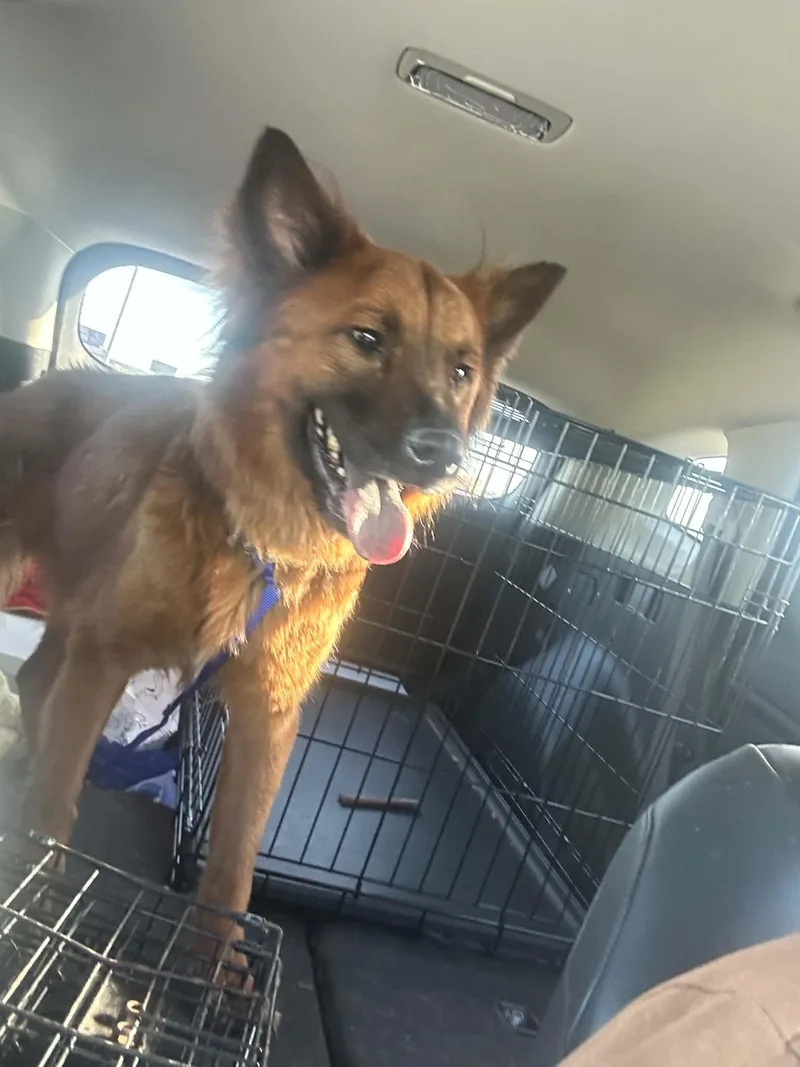
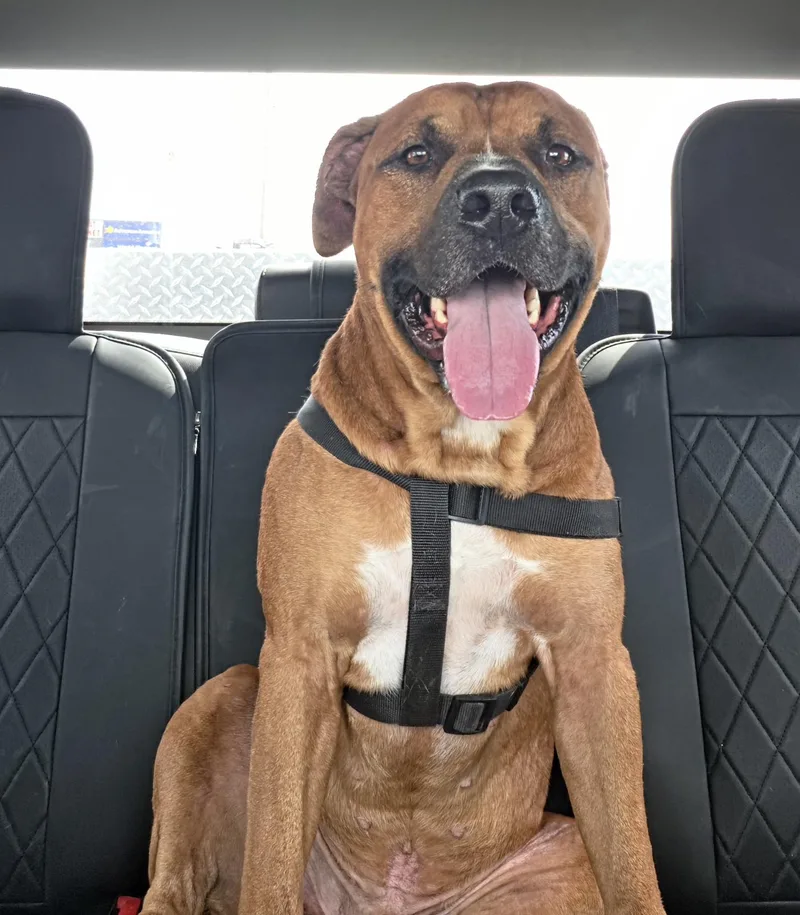
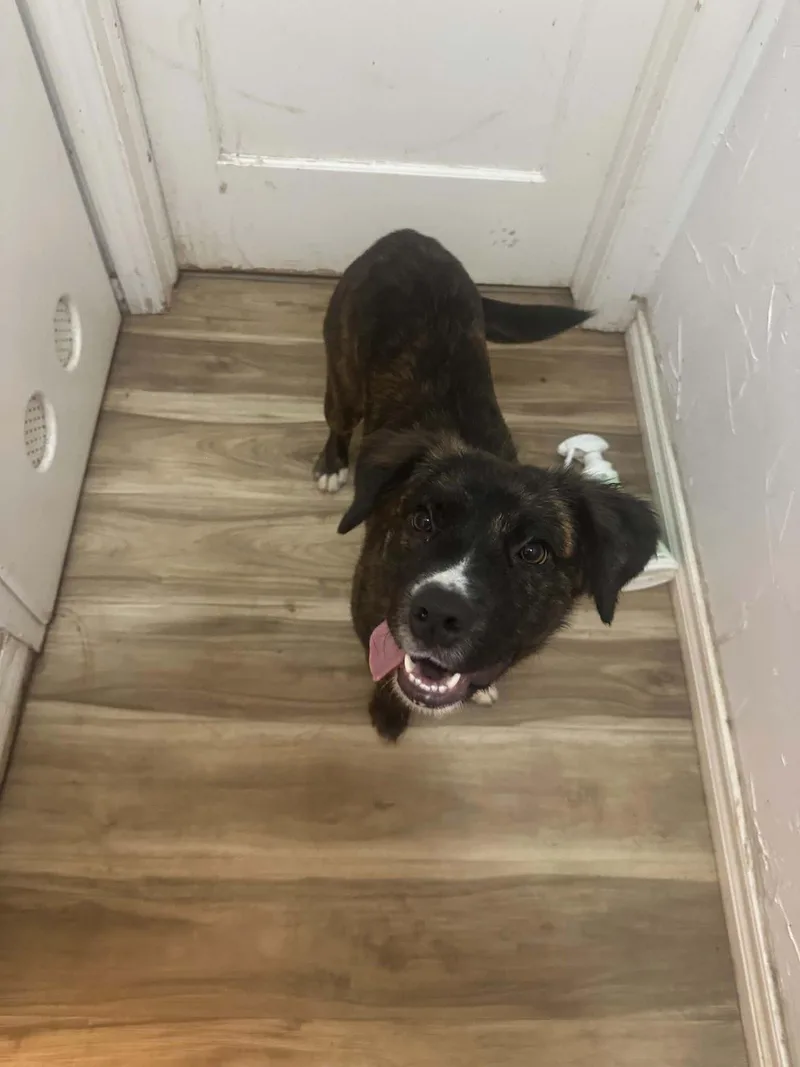
While we don't have enough dogs near Oklahoma City, keep in mind that many rescues may offer transport.

Black Russian Terriers and Similar Breeds Available for Adoption Near Oklahoma City

About the Black Russian Terrier breed

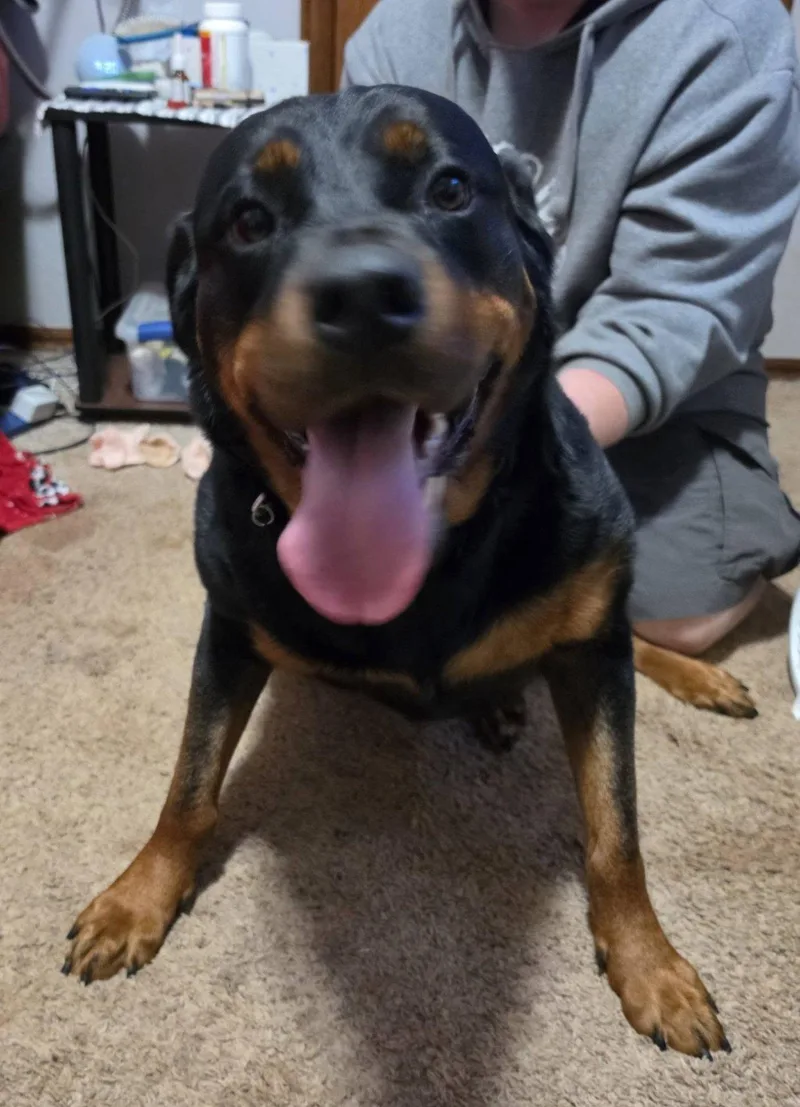
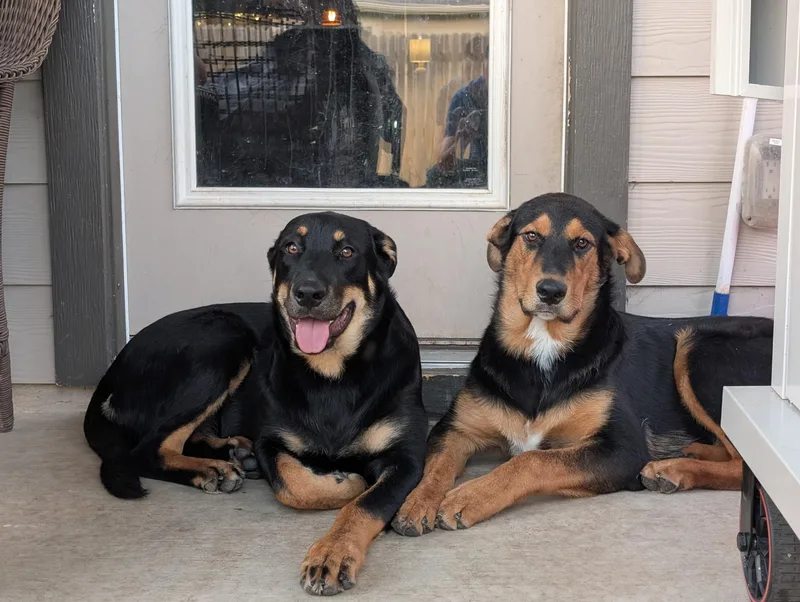
Despite the name, the Black Russian Terrier is not a true terrier. It was created in the late 1940s and 1950s at the Soviet Army's Red Star Kennel as a large, hardy working dog, drawing on about 17 breeds including the Giant Schnauzer, Airedale, Rottweiler and Newfoundland. The result is a heavy-boned dog with a wavy black double coat, a bearded muzzle and eyebrows that fall over the eyes. The AKC added it to the Working Group in 2004.

Many Black Russians are calm, confident and deeply loyal to their families while staying aloof with strangers, a reflection of their guarding origins. They are intelligent and usually take well to training, but their size and protective instincts call for an experienced, consistent handler. The low-shedding coat still needs regular brushing and professional trims, and the beard holds water and food.

Weight
80–130 lbs
Height
26–30 in
Lifespan
10–12 yrs
Temperament
Confident, Protective, Loyal
Group
Working
Shedding
Low

Owning a Black Russian Terrier in Oklahoma City

Having a Black Russian Terrier in OKC

A Black Russian Terrier pairs a guardian's watchfulness with a steady, family-centered nature and a coat that needs real upkeep. In Oklahoma City, size, training and grooming time deserve as much thought as space, along with a plan for both hot summers and freezing nights.

Temperament

Black Russian Terriers are typically calm, confident and devoted to their own family, often following a favorite person from room to room. Many are reserved with strangers and watchful at the door, which matters on streets with regular deliveries and walkers. Early socialization and steady, reward-based training help, and each dog's own personality counts for more than the breed label.

Exercise Needs

Plan on two good walks a day plus play, with a job such as obedience or tracking to keep a smart mind busy. In OKC, the paved Hefner and Overholser loops offer long leashed miles, and dawn walks work best from June through September. Skip hard exercise around mealtimes because of bloat risk.

Health Considerations

Hip and elbow dysplasia, progressive retinal atrophy, bladder stones from hyperuricosuria, and juvenile laryngeal paralysis can affect the breed, and deep-chested giants face bloat risk. A veterinarian can check the joints and discuss screening after adoption. Keep the dog lean, schedule regular checkups, and watch for heavy panting during OKC's hot afternoons.

Living Space

A house with a securely fenced yard suits a Black Russian best, and much of OKC's sprawling layout offers that kind of space. A calm adult can manage an apartment with reliable daily exercise, but expect a big dog taking up floors and sofa. The thick coat means living indoors with the family, with shade and water outside.

What it costs to own a Black Russian Terrier in Oklahoma City

ExpenseTypical costPer year
Food$80 to $160 per month$960 to $1,920
Pet insurance$85 to $170 per month$1,020 to $2,040
Routine vet care$250 to $500 per year$250 to $500
Other*$1,025 to $2,750 per year$1,025 to $2,750
Estimated yearly total (after year one)$3,255 to $7,210

Other costs are estimates and vary with size, age and health.

* Flea, tick and heartworm prevention, a dental cleaning allowance, professional trims every 6–8 weeks, joint supplements, and toys and bedding.

Adopt a Black Russian Terrier in Oklahoma City.

Now that you know more, let’s find you a new best friend. These rescues and shelters below have dogs available in and near Oklahoma City.

Frequently Asked Questions

Yes. Oklahoma law keeps cities from adopting breed-specific dangerous-dog rules, and Oklahoma City has no breed ban. You'll need a rabies vaccine by four months of age with the tag worn at all times, and the dog must be leashed or confined on your property. Because of the breed's size and guarding instincts, solid socialization matters.

Yes, with care. About 73 days a year reach 90°F and roughly 12 to 13 reach 100°F, mostly in July and August, and the thick black coat absorbs heat. Walk at dawn, keep the dog in air conditioning through the afternoon, offer constant water, and watch for heavy panting, stumbling or weakness.

PAW Park near Lake Hefner has separate small and large dog areas and a pond, though it requires membership. Scissortail Park's fenced dog park suits off-leash play downtown. For long walks, the 9.8-mile Bert Cooper Trails loop around Lake Hefner works well, and dogs must stay leashed on city trails.

It's possible for a calm adult with reliable daily exercise, but a giant dog is a tight fit. Look for a ground-floor or elevator building with quick outdoor access, and check weight limits before applying. A bored Black Russian may get destructive or pushy, and the beard drips water onto floors.

It can be for an experienced adopter with time and space. Oklahoma City's spread-out layout leaves room for yards and long trail walks, but the dog needs a summer cooling plan, an indoor winter routine and a calm way to ride out spring storm warnings. Households away all day may struggle with this people-focused breed.

Plan on brushing a few times a week and professional trims about every 6 to 8 weeks, which are part of the Other line in the cost table. Spring mud and the beard's water-holding habit mean extra towel-drying and combing. In summer, ask the groomer for a shorter trim rather than a shave.

Only to patios, and only where the restaurant chooses to allow dogs. State health rules let restaurants admit dogs and cats outdoors if conditions are met, but pet dogs aren't allowed in dining rooms. Keep the dog leashed, and make sure a guarding breed that's aloof with strangers can lie calmly under the table.

Don't count on it. EMBARK's policy covers trained service animals on its buses and the OKC Streetcar, and emotional support animals aren't treated as service animals. An 80-to-130-pound dog can't travel in a carrier anyway, so check EMBARK's current rules before planning a trip and use a car for vet visits.

Black Russian Terriers can be good family dogs for experienced owners. Many are affectionate, calm and protective with their own families and gentle with children they are raised with. Their size and guarding instincts mean they need training, socialization and supervision around visiting kids. An adult rescue with a known history in a family home can be a strong match.

Expect roughly $3,300 to $7,200 a year for a Black Russian Terrier in OKC. That covers food at $80–$160 a month, insurance at $85–$170 a month, routine vet care at $250–$500 a year, and other costs of $1,025–$2,750 a year, mostly professional trims and parasite prevention.