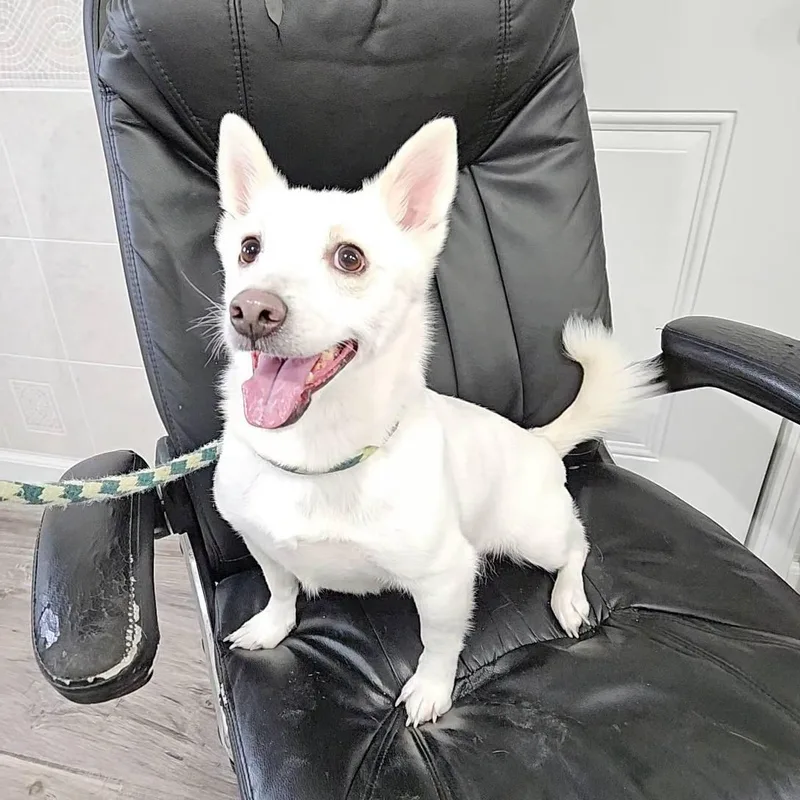
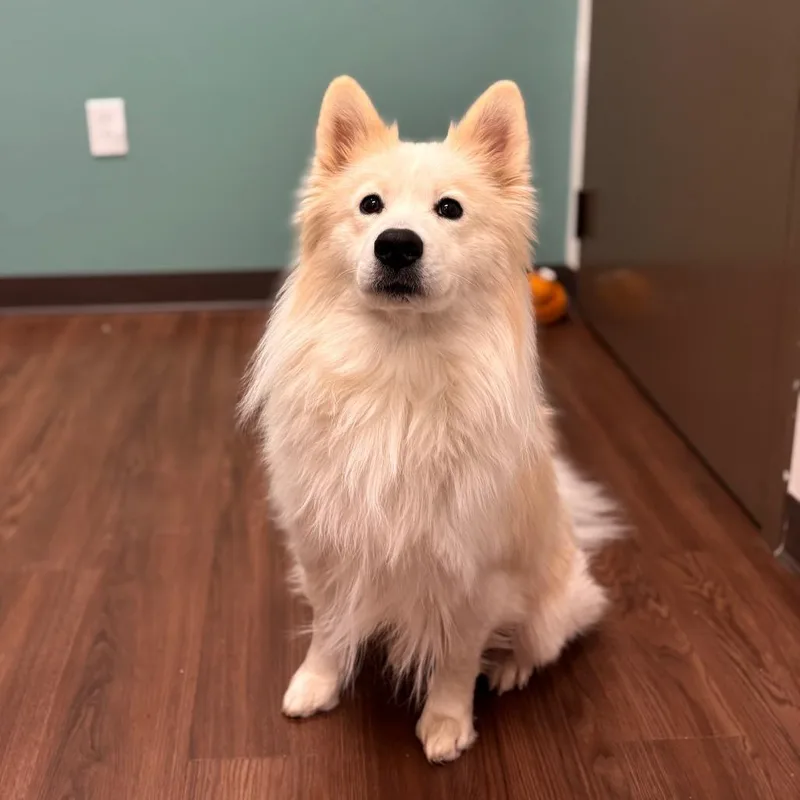
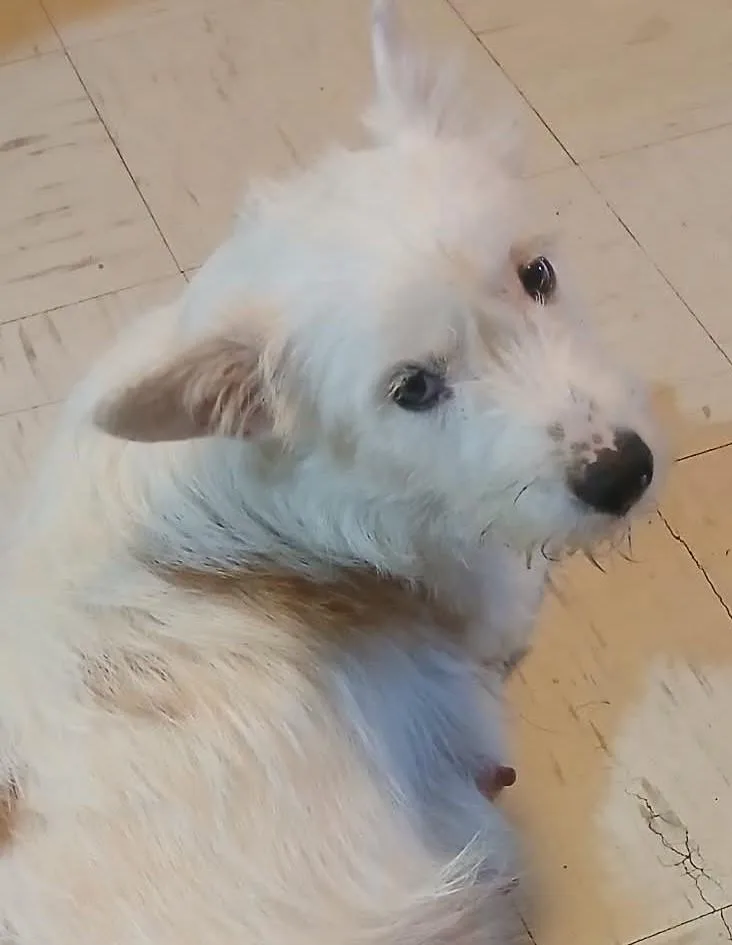
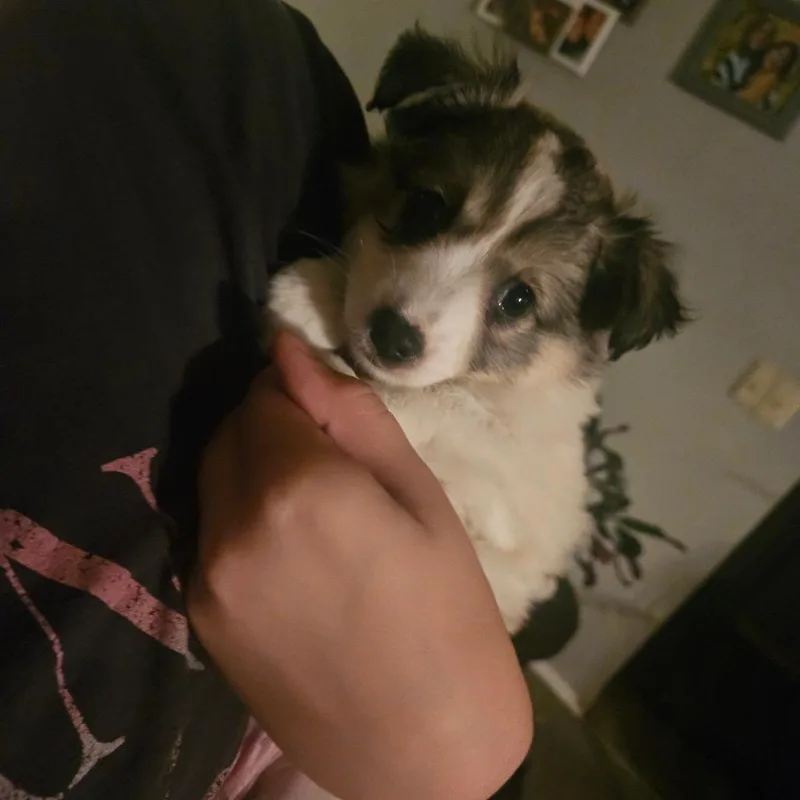
American Eskimo Dogs for Adoption in Oklahoma City, OK

Your guide to finding and caring for an American Eskimo Dog in OKC

American Eskimo Dogs fit OKC's apartment neighborhoods well, as long as the barking is managed. A toy or miniature Eskie can do fine in a Deep Deuce low-rise or an Automobile Alley loft, and the turf at Midtown Mutts gives a bright, busy dog a place to burn off energy. They're alert and will announce every footstep in the hallway. Standards usually want more room, like a house with a yard near Mesta Park. Expect white fur on dark sofas either way.

66 American Eskimo Dogs available in Oklahoma City and nationwide

An American Eskimo Dog is ready for you

While we don't have enough dogs near Oklahoma City, keep in mind that many rescues may offer transport.

American Eskimo Dogs Available for Adoption Near Oklahoma City

About the American Eskimo Dog breed

Despite the name, the American Eskimo Dog has no ties to Arctic sled dogs. It descends from white German Spitz dogs that immigrants brought to the United States in the early 1900s, and anti-German feeling around World War I led to the new name. Eskies became circus stars in the 1920s and 1930s, and they come in toy, miniature and standard sizes, from roughly 6 to 35 pounds.

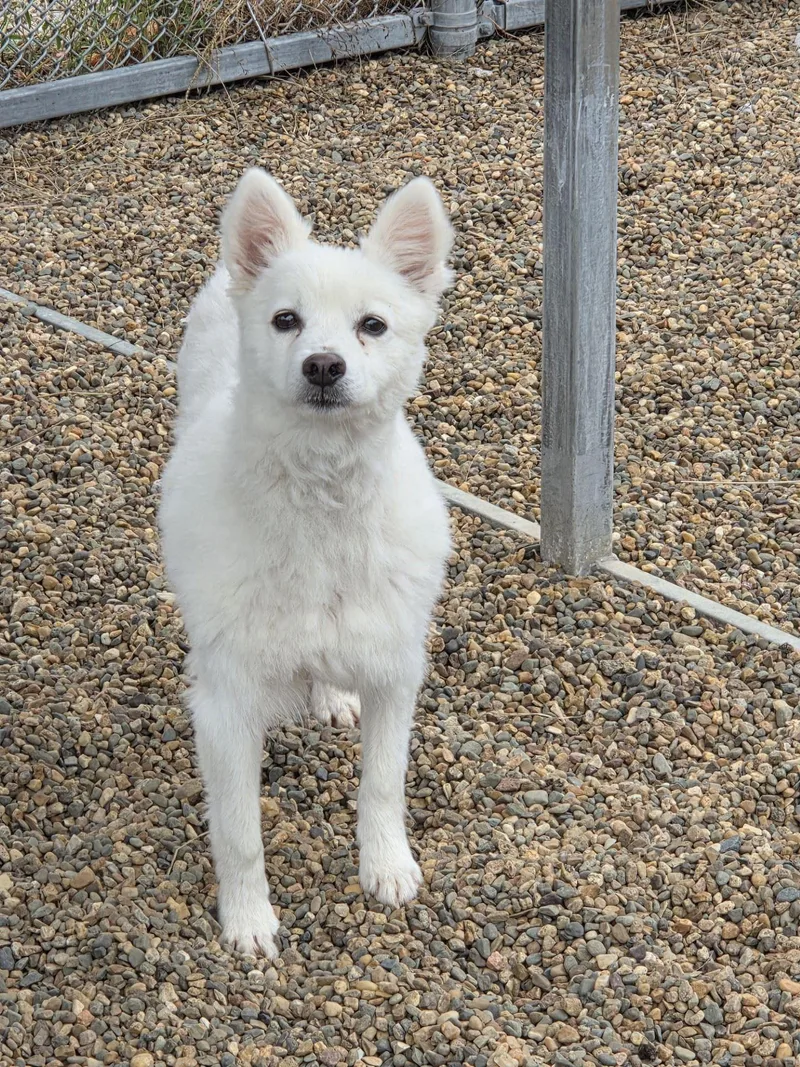
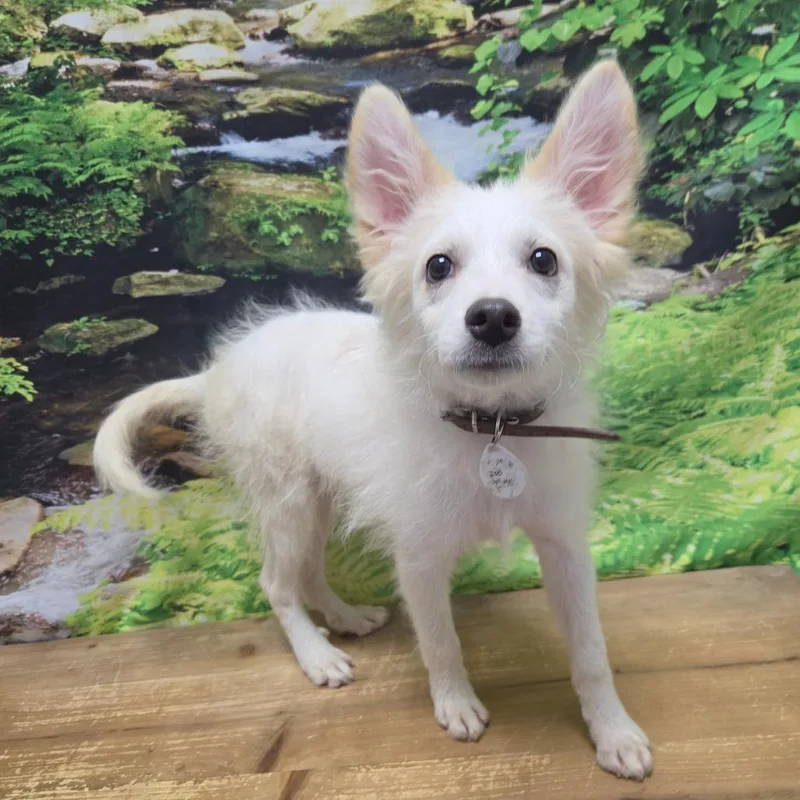
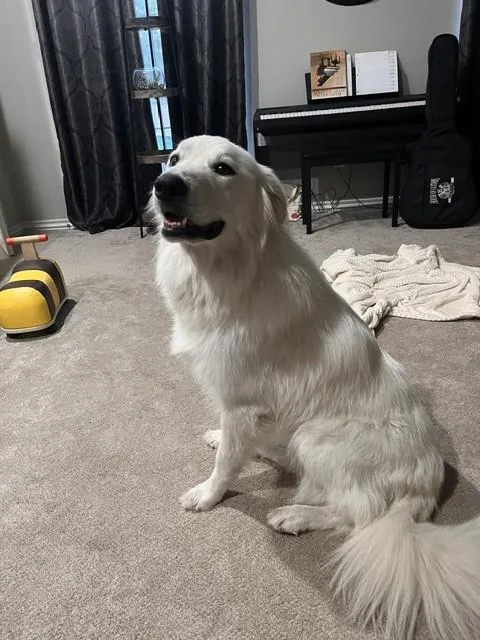
With a white double coat, lion-like ruff and plumed tail, Eskies are striking, and many are playful and eager to please. They also tend to be watchful, bark readily and stay reserved with strangers. Plan for heavy shedding, regular brushing, daily activity and plenty of companionship, since a bored or lonely Eskie may get noisy. Dogs vary, so each one's own personality matters.

Weight
6–35 lbs
Height
9–19 in
Lifespan
13–15 yrs
Temperament
Intelligent, Alert, Playful, Vocal
Group
Non-Sporting
Shedding
High

Owning an American Eskimo Dog in Oklahoma City

Having an American Eskimo Dog in OKC

Eskies pair sharp minds and a showy white coat with real upkeep: barking, heavy shedding and a need for company. In OKC, shared-wall living, storm season and icy winters shape how those needs play out day to day.

Temperament

Eskies are usually bright, affectionate with their people and watchful with visitors. Many bark at new sounds, which matters in OKC's shared-wall apartments and busy downtown buildings. Early socialization and positive training help, and every dog differs, so watch how a dog handles strangers and time alone before deciding if the match fits.

Exercise Needs

Plan on daily walks plus play or trick training. Options include the leashed 9.8-mile Bert Cooper loop at Lake Hefner and the fenced dog park at Scissortail Park downtown. Puzzle toys fill rainy spring days. In July and August, walk early, when OKC nights cool to the upper 60s.

Health Considerations

Conditions seen in the breed include progressive retinal atrophy, hip dysplasia, kneecap luxation, juvenile cataracts and diabetes. A veterinarian can check a dog's eyes and joints after adoption. In Oklahoma's warm months, keep up flea, tick and heartworm prevention, and mention tear staining or itchy skin at routine visits.

Living Space

Toy and miniature Eskies often adapt to apartments in Deep Deuce or Midtown, while standards usually prefer a yard. Barking carries through shared walls, so practice short absences early. Eskies do best living indoors with their family, with a cool resting spot for OKC summers.

What it costs to own an American Eskimo Dog in Oklahoma City

ExpenseTypical costPer year
Food$20 to $45 per month$240 to $540
Pet insurance$35 to $70 per month$420 to $840
Routine vet care$200 to $400 per year$200 to $400
Other*$475 to $1,250 per year$475 to $1,250
Estimated yearly total (after year one)$1,335 to $3,030

Other costs are estimates and vary with size, age and health.

* Flea, tick and heartworm prevention, a yearly dental cleaning, toys and bedding, and brushing tools and occasional baths for a heavy-shedding double coat.

Adopt an American Eskimo Dog in Oklahoma City.

Now that you know more, let’s find you a new best friend. These rescues and shelters below have dogs available in and near Oklahoma City.

Frequently Asked Questions

Yes. Oklahoma law bars cities from banning breeds, and OKC has no breed-specific rules for Eskies. Dogs need a rabies vaccine by four months and must wear the tag, and they must be leashed or securely confined. Households can have four dogs and four cats over six months old. Continuous barking isn't allowed, which matters with an alert Eskie.

Leashed trails are plentiful. The Oklahoma River Trails run 13 miles past Scissortail Park and the Boathouse District, and the Katy Trail covers 7.3 miles from Washington Park toward NE 50th. Dogs must be leashed on city trails. Martin Park Nature Center prohibits pets entirely, so choose a different woodland walk for your Eskie.

Mostly, with planning. Winters suit the thick coat, though ice storms and freezing nights mean a dog needs an indoor plan. Summers bring about 73 days at 90°F or above, so Eskies do best living inside in air conditioning and walking early. Spring storms can unsettle noise-sensitive dogs, so set up a calm spot.

Only to patios, and only where the restaurant chooses to allow dogs. Oklahoma health rules let restaurants admit dogs on outdoor dining areas that meet certain conditions, such as a separate entrance, but dining rooms are off limits except for service animals. Keep your Eskie leashed, and bring a mat to help limit barking at passersby.

EMBARK runs buses and the OKC Streetcar, but no subway. Its policies clearly cover trained service animals, while emotional support animals are not treated as service animals. Pet rules aren't spelled out the same way, so check EMBARK's current rules before boarding with a toy or miniature Eskie in a carrier.

Plan on brushing several times a week, and daily during the heavy sheds that typically come once or twice a year. Skip shaving, since the double coat helps with OKC's summer heat. Baths are occasional. Grooming sits within the Other costs of roughly $475 to $1,250 a year, shared with dental care and parasite prevention.

American Eskimo Dogs typically live about 13 to 15 years, and some reach their late teens. Smaller toy and miniature Eskies often live slightly longer than standards, as is common in dogs. Good nutrition, a healthy weight, dental care and regular veterinary checkups help, and early screening for eye disease and diabetes can catch problems before they become serious.

American Eskimo Dogs come in three sizes. Toys stand about 9 to 12 inches and weigh roughly 6 to 10 pounds, miniatures stand 12 to 15 inches and weigh about 10 to 20 pounds, and standards stand 15 to 19 inches and weigh around 25 to 35 pounds. Shelter Eskies of unknown background may fall between these ranges.

Yes, American Eskimo Dogs shed a lot. Their thick double coat drops hair year-round and sheds heavily, often called blowing coat, about once or twice a year. Brushing several times a week, and daily during heavy sheds, keeps loose fur and mats under control. Expect white hair on clothes and furniture even with good grooming.

Plan on roughly $1,335 to $3,030 a year for an Eskie in OKC, covering food ($20 to $45 a month), insurance ($35 to $70 a month), routine vet care ($200 to $400 a year) and other costs ($475 to $1,250 a year). Toy-sized dogs land near the low end, and heavy-coated standards near the high end.