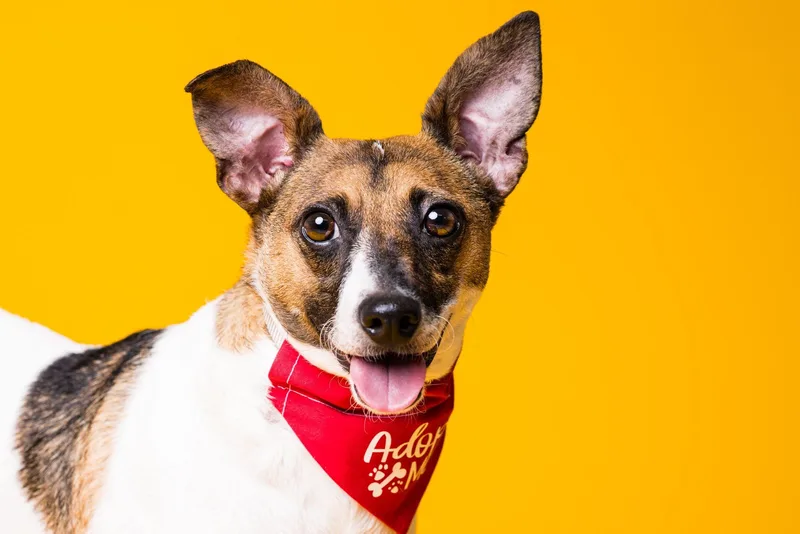
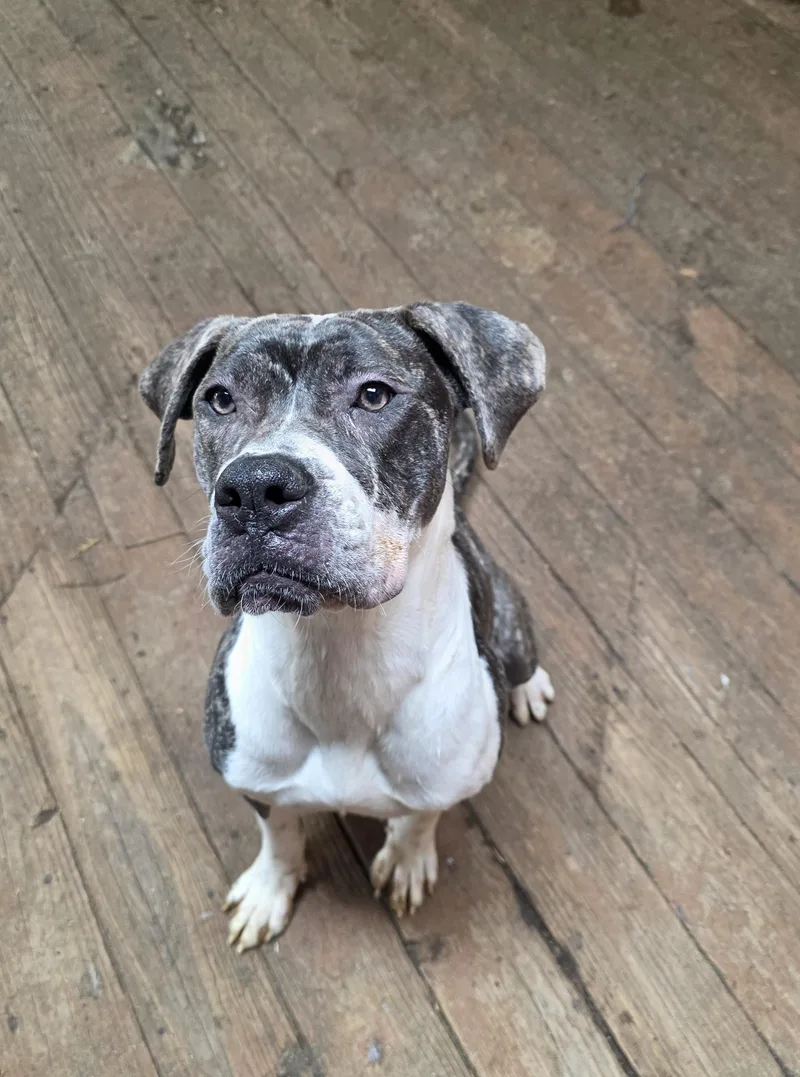
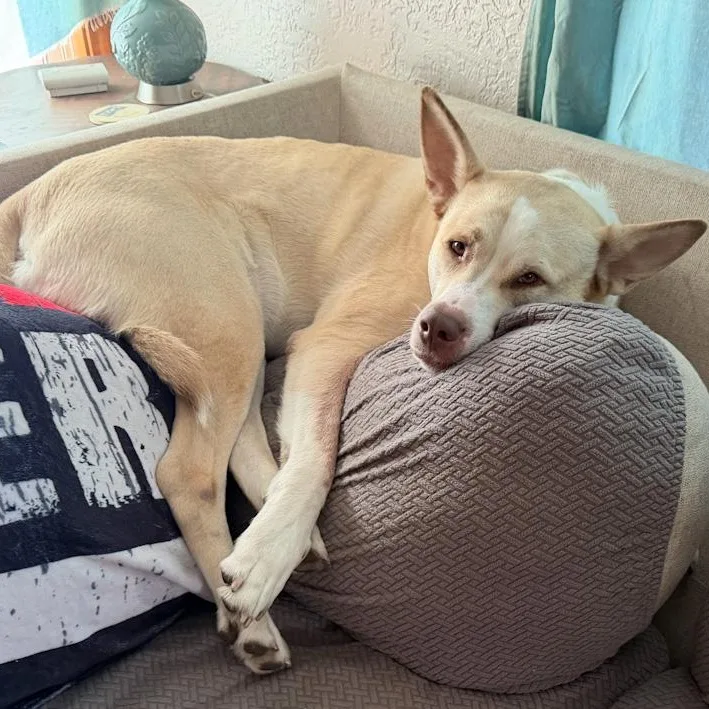
Yellow Labrador Retriever Dogs for Adoption in Toledo, OH

Your guide to finding and caring for a Yellow Labrador Retriever in Toledo

A yellow Lab suits Toledo's neighborhood streets and big parks equally well. In Glendale-Heatherdowns, the curved, tree-lined blocks make easy daily loops, and the Swan Creek Preserve trails are close for longer weekend walks. Yellow is only a coat color, so these dogs have the same friendly, eager Lab personality as black or chocolate ones. They need real exercise every day and they shed a lot, so keep a lint roller handy and towels by the door for muddy spring walks.

757 Yellow Labrador Retrievers available in Toledo and nationwide

Find your Yellow Labrador Retriever

While we don't have enough dogs near Toledo, keep in mind that many rescues may offer transport.

Yellow Labrador Retrievers Available for Adoption Near Toledo

About the Yellow Labrador Retriever breed

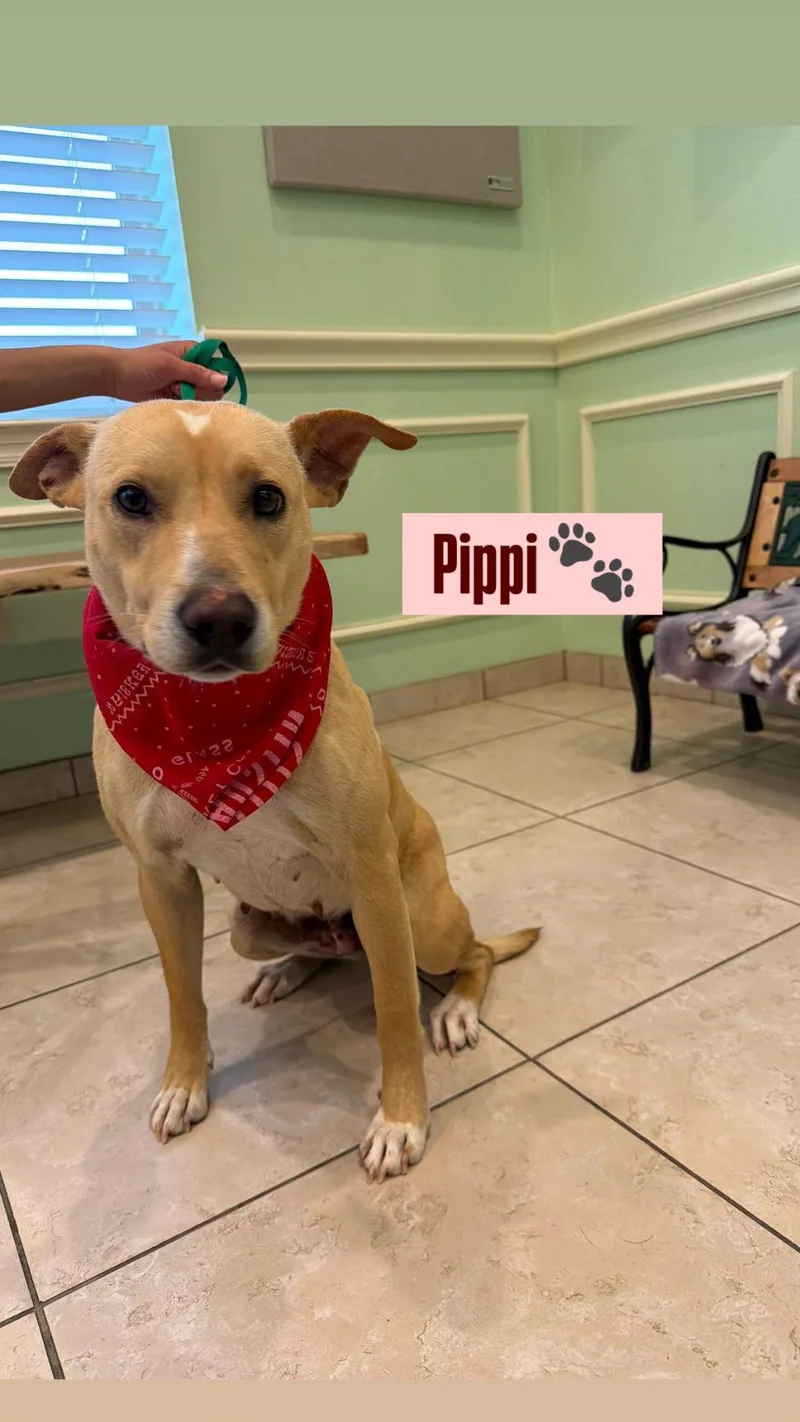
A yellow Lab is a Labrador Retriever in one of the breed's three recognized colors, anywhere from pale cream to deep fox red. Labs descend from Newfoundland water dogs and were developed in Britain as gun dogs, which explains the dense double coat, the otter tail and the love of water and of carrying things around.

Most are friendly, food-motivated and eager to join in, which suits Toledo households that like to be outdoors. They need daily exercise, patient guidance through a long, bouncy adolescence and careful portions, because the breed gains weight easily. Light coats show less dirt than black ones but still shed heavily. Dogs vary, so a Lab's age, energy and history matter more than breed averages.

Weight
55–80 lbs
Height
21–25 in
Lifespan
10–14 yrs
Temperament
Friendly, Outgoing, Active
Group
Sporting
Shedding
Moderate to High

Owning a Yellow Labrador Retriever in Toledo

Having a Yellow Labrador Retriever in Toledo

Coat color changes how a yellow Lab looks, not who it is. A sociable nature, working-dog energy, a big appetite and heavy shedding shape daily life, and Toledo's cold winters and muddy springs add a few local twists.

Temperament

Yellow Labs tend to be cheerful and people-oriented, greeting neighbors and other dogs warmly, which helps on busy Toledo sidewalks and at the park. Young Labs can be boisterous and mouthy, and many are strongly food-motivated, so reward-based training works well. A dog's history and socialization say more than color or breed reputation.

Exercise Needs

Plan on an hour or more of activity a day: brisk walks, fetch, hiking or training games. The off-leash area at Middlegrounds downtown and leashed Metroparks trails, such as the 9.4 miles at Wildwood Preserve, give a Lab room to move. Field-bred dogs are often more driven, and bored Labs chew and dig.

Health Considerations

Hip and elbow dysplasia, cruciate ligament injuries, exercise-induced collapse and progressive retinal atrophy occur in the breed, and obesity worsens joint problems, so measure meals. Ears and skin need watching, especially after swims. Pale noses can sunburn or fade. A veterinarian can check for inherited problems and set up regular checkups.

Living Space

A yellow Lab can do well in a Toledo house with a fenced yard or in an apartment, as long as daily exercise is reliable. Expect pale hair on dark furniture, a tail that clears coffee tables and a dog that wants to be indoors with its people rather than left outside, even in a fenced yard.

What it costs to own a Yellow Labrador Retriever in Toledo

ExpenseTypical costPer year
Food$55 to $110 per month$660 to $1,320
Pet insurance$65 to $130 per month$780 to $1,560
Routine vet care$250 to $500 per year$250 to $500
Other*$590 to $1,490 per year$590 to $1,490
Estimated yearly total (after year one)$2,280 to $4,870

Other costs are estimates and vary with size, age and health.

* Flea, tick and heartworm prevention, a dental cleaning allowance, the $25 Lucas County dog license, toys and bedding, and brushing and baths for heavy seasonal shedding.

Adopt a Yellow Labrador Retriever in Toledo.

Now that you know more, let’s find you a new best friend. These rescues and shelters below have dogs available in and near Toledo.

Frequently Asked Questions

Yes. Toledo's dog code has no breed-specific rules, so a yellow Lab is treated like any other dog. Ohio requires a license from three months of age, which costs $25 a year in Lucas County, and the tag must be worn. Dogs must be restrained or under reasonable control, and any rental lease may add its own pet limits.

Generally yes. The dense double coat copes well with Toledo's roughly 123 freezing nights and about 37 inches of snow. The real hazards are ice and road salt on paws, so wipe feet after walks. Toledo limits unattended tethering to 30 minutes and requires weather-proof shelter, so winter time outside should be brief and supervised.

Middlegrounds Metropark downtown has a free off-leash area, and Glass City Metropark offers three miles of riverfront trail. Wildwood Preserve has about 9.4 miles of leashed trails, and Ottawa Park has a 2.1-mile paved path. Toledo Botanical Garden doesn't allow dogs, and Maumee Bay State Park keeps dogs off its beach.

No. TARTA buses and Flex vans allow service animals only, so pet dogs can't ride, even in a carrier. Toledo has no subway or rail. A yellow Lab will need a car for trips to Metroparks, or you can stick to walks from home, which suits an active Lab anyway.

Yes, if the lease allows a dog of 55 to 80 pounds and you can provide daily exercise. Labs are social and can get noisy when bored, and Toledo treats barking heard beyond your property for 15 continuous minutes as a nuisance. Ground-floor units near a park make the daily routine easier.

Only to patios, and only where the restaurant chooses to allow dogs. Ohio law requires a separate outdoor entrance, so you can't walk through the dining room. Dogs must stay off chairs and tables and get water only in disposable cups. A well-mannered, leashed Lab that settles under the table is the best candidate.

Brush a yellow Lab weekly, and daily during the heavy sheds in spring and fall. Baths every month or two are plenty, with extra rinses after muddy April walks or late-summer swims in river or bay water. Wipe paws in winter to remove salt. Grooming costs fall under the Other line in the cost table.

It can be, for people who'll get out daily in all four seasons. Toledo's parks, off-leash area and moderate summers suit an energetic Lab, and a dense coat handles the winters. Be ready for heavy shedding, a big appetite and cold, icy walks. Households away from home all day may find a Lab's need for company hard.

A Labrador Retriever is a large sporting dog developed to retrieve game for hunters on land and in water. Labs have a short, dense double coat, a thick otter tail and a broad head, and they come in black, yellow and chocolate. Many are friendly, food-motivated and keen to work, which is why they are popular family, guide and service dogs.

Expect food to run about $55–$110 a month and pet insurance about $65–$130 a month. Routine vet care typically costs $250–$500 a year. Other yearly costs, including the dog license, parasite prevention, dental care, supplies and grooming for heavy shedding, add roughly $590–$1,490.