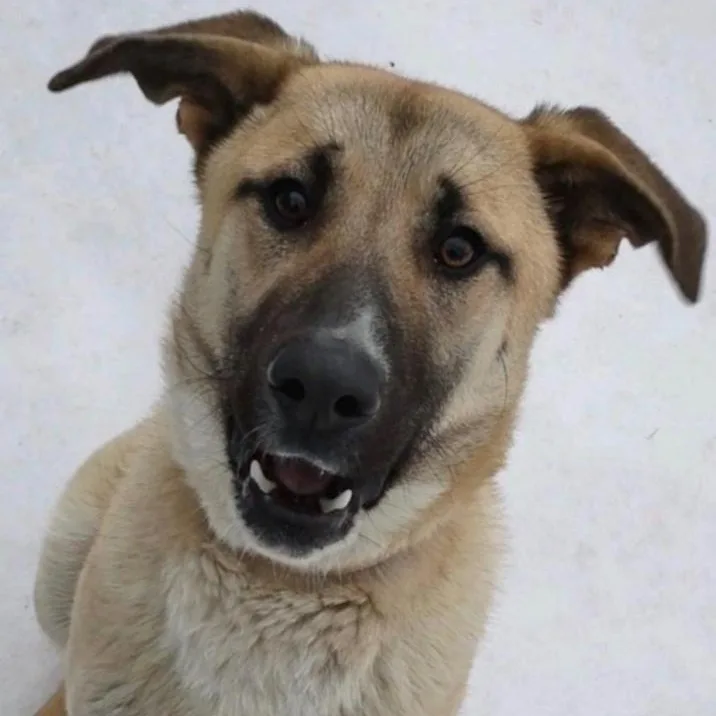
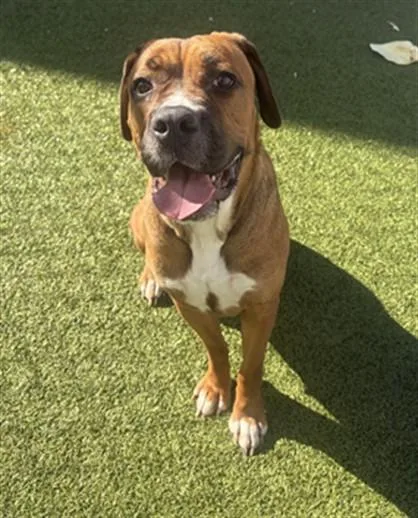
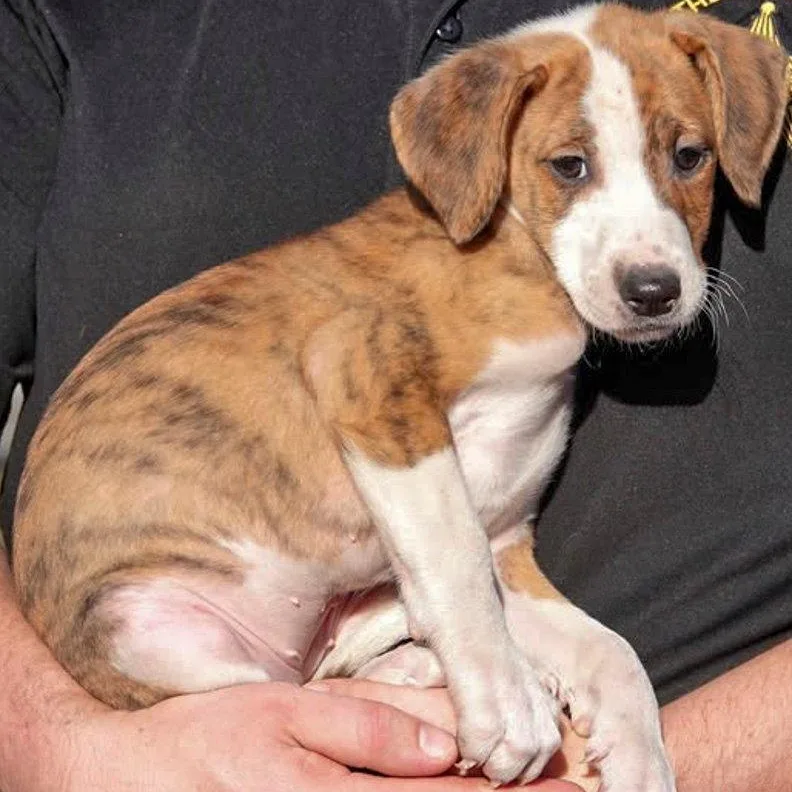
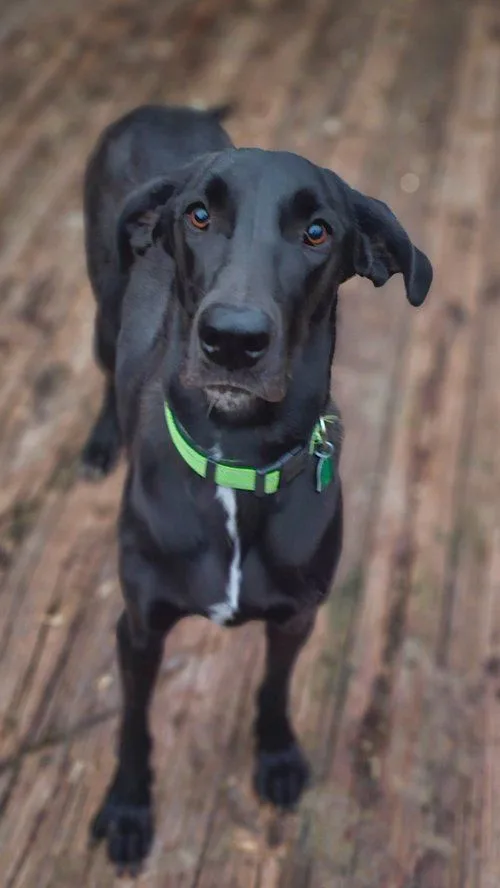
Black Labrador Retriever Dogs for Adoption in Toledo, OH

Your guide to finding and caring for a Black Labrador Retriever in Toledo

A black Lab suits South Toledo's Glendale-Heatherdowns, where the curved, tree-lined streets are made for daily walks. Swan Creek Preserve has an entrance on Glendale Avenue, so a leashed Lab can get a long trail walk before work and a game of fetch when you're home. Labs are sociable and food-motivated, and young ones can be boisterous. If you're adopting a black Lab in Toledo, plan a full routine of exercise and training.

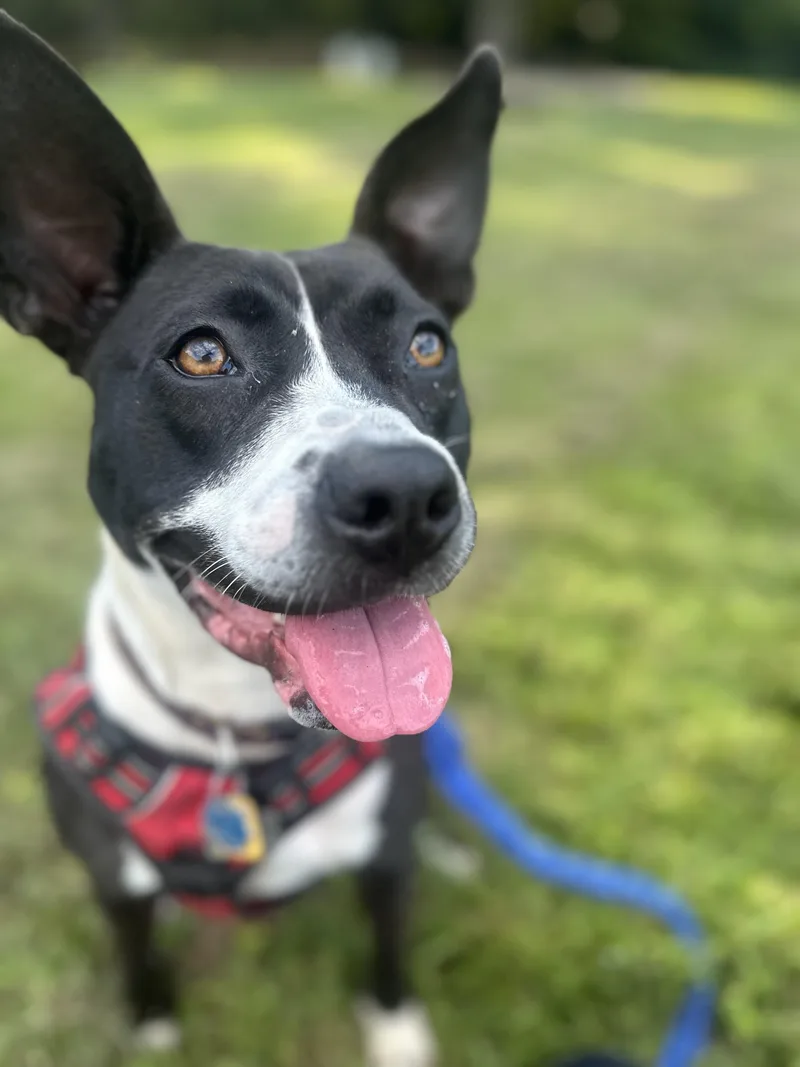
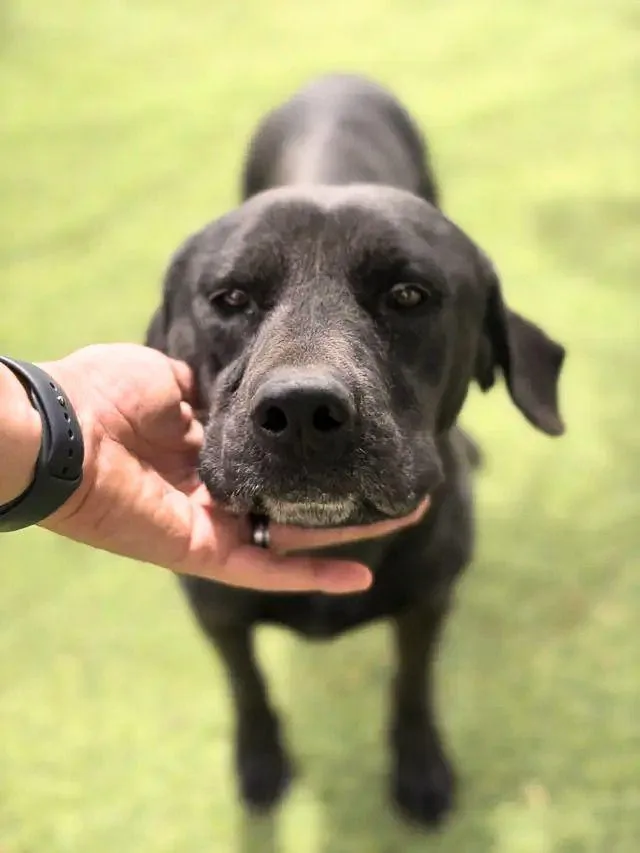
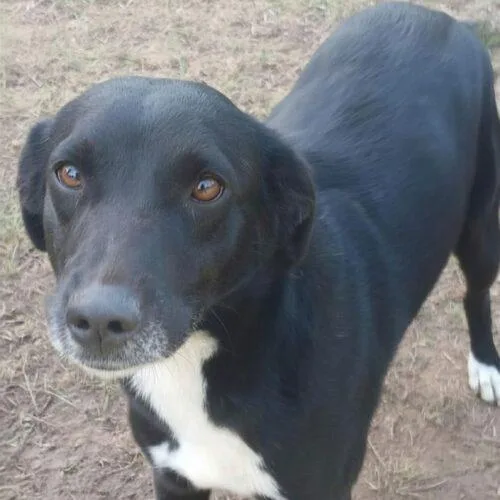
3405 Black Labrador Retrievers available in Toledo and nationwide

Find your Black Labrador Retriever

While we don't have enough dogs near Toledo, keep in mind that many rescues may offer transport.

Black Labrador Retrievers Available for Adoption Near Toledo

About the Black Labrador Retriever breed

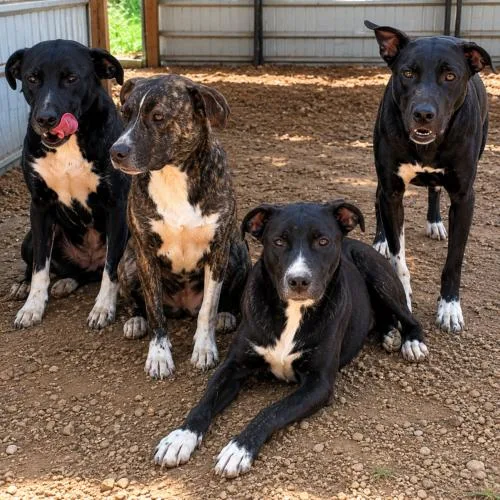
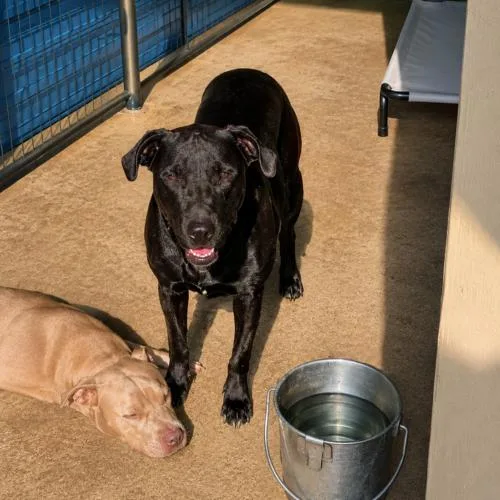
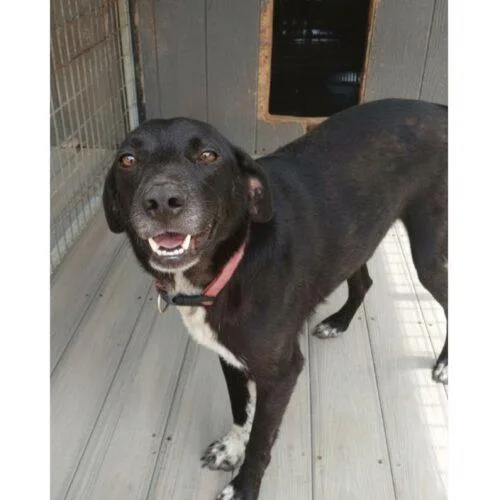
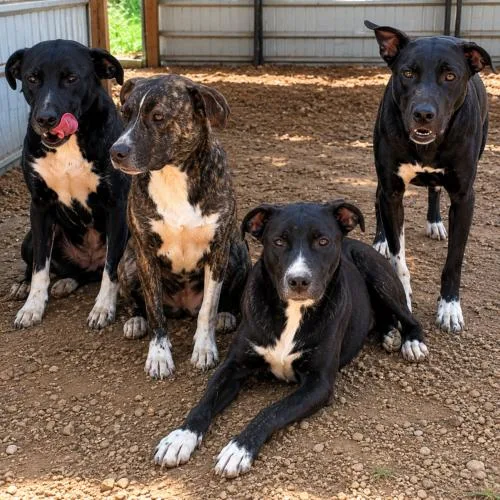
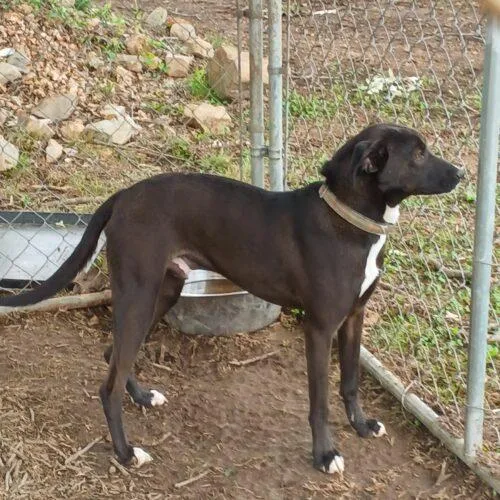
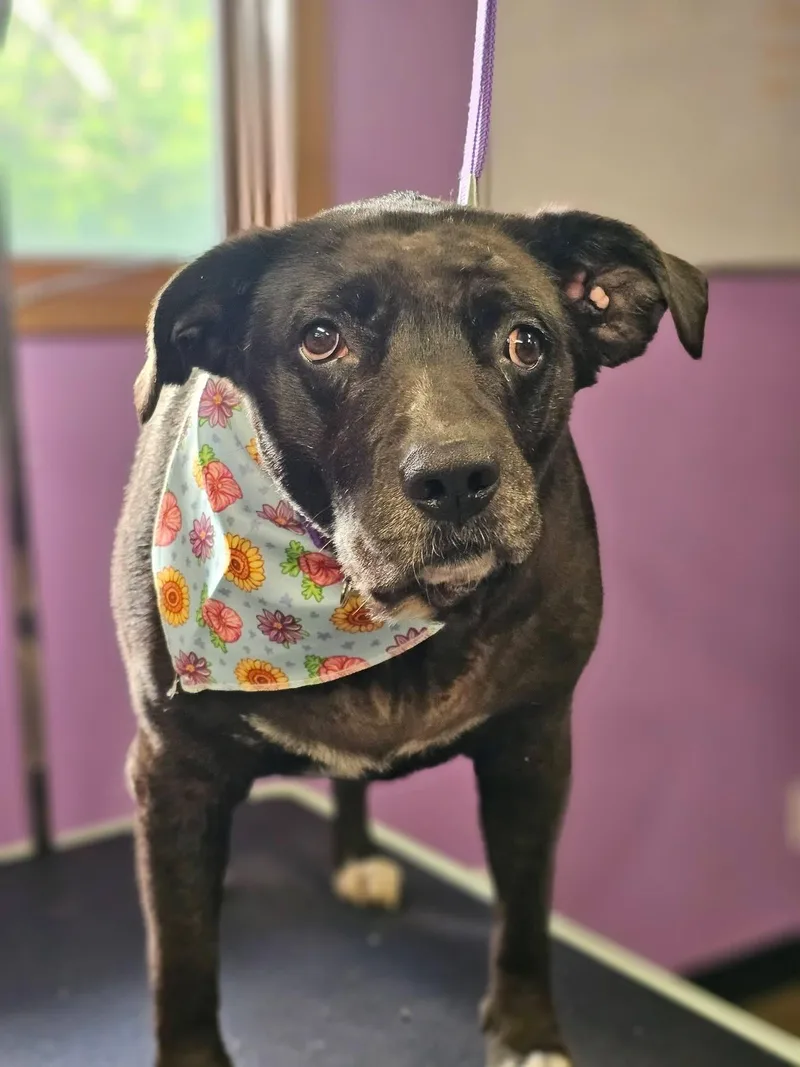
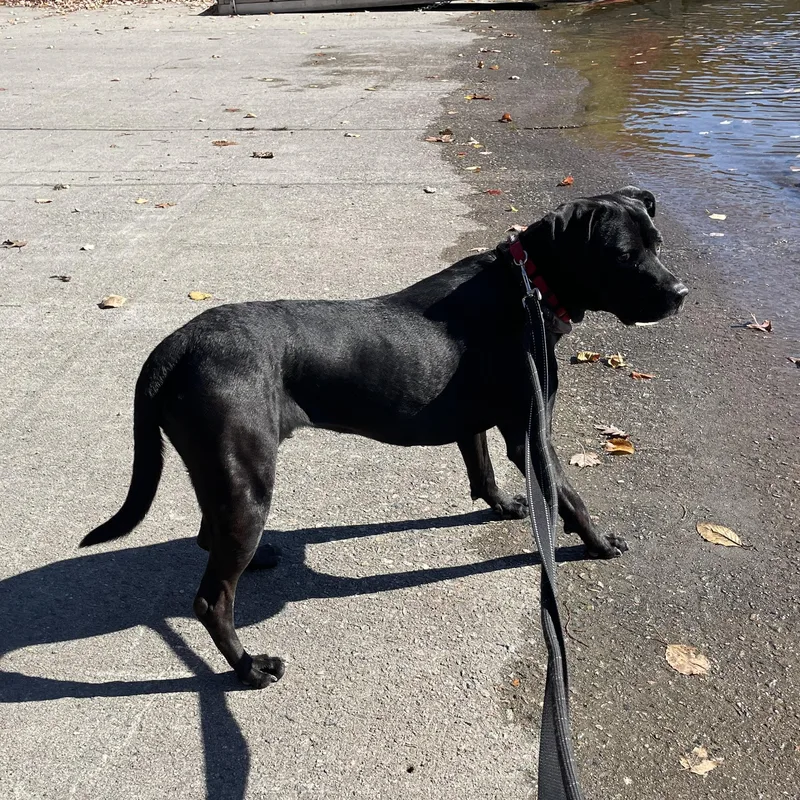
A black Lab is a Labrador Retriever in the breed's original and most familiar color, not a separate breed. Labs descend from the St. John's water dogs of Newfoundland and were refined in Britain as gun dogs, which explains the dense, water-resistant double coat, the otter tail and the love of retrieving. Some have a small white chest spot.

Color doesn't change personality. Most Labs are friendly, food-motivated and eager to please, though field-bred dogs tend to be leaner and more driven than show-bred ones. Expect a dog that needs daily exercise, consistent training, measured meals and plenty of brushing through the shedding seasons. Labs also mature slowly, so a bouncy adolescence is normal.

Weight
55–80 lbs
Height
21–25 in
Lifespan
10–14 yrs
Temperament
Friendly, Outgoing, Active
Group
Sporting
Shedding
Moderate to High

Owning a Black Labrador Retriever in Toledo

Having a Black Labrador Retriever in Toledo

Black Labs pair a sociable, eager outlook with real working stamina. In Toledo, their energy, appetite and heavy seasonal shedding shape daily life more than coat color, so match a dog's age and drive to your routine.

Temperament

Black Labs tend to be outgoing and affectionate with family, guests and other dogs, which suits busy sidewalks and trail traffic. Young dogs can be mouthy and boisterous, and their love of food makes reward-based training work well. A dog's history and socialization matter more than breed reputation or coat color.

Exercise Needs

Most grown Labs need vigorous daily activity such as brisk walks, fetch or a trail run. Toledo's Metroparks, including Wildwood Preserve's 9.4 miles of trails, give leashed dogs room to roam, and scent games or training sessions keep minds busy on icy days. Field-bred dogs often need more.

Health Considerations

Labs can face hip and elbow dysplasia, cruciate ligament tears, exercise-induced collapse, progressive retinal atrophy, ear infections and skin allergies. Obesity is common, and Toledo's icy months can tempt owners to shorten walks while meals stay the same. Have a veterinarian check the hips and elbows, and keep up weigh-ins and rabies vaccination.

Living Space

A black Lab can live in a Toledo house or apartment if daily exercise is covered. A fenced yard makes play easier but doesn't replace walks and time with you. Expect shed hair, a sweeping tail and a dog that wants to be indoors with the family.

What it costs to own a Black Labrador Retriever in Toledo

ExpenseTypical costPer year
Adoption fee$150 to $600, one time$150 to $600 in year one
Food$55 to $110 per month$660 to $1,320
Pet insurance$65 to $130 per month$780 to $1,560
Routine vet care$250 to $500 per year$250 to $500
Other*$590 to $1,490 per year$590 to $1,490
Estimated yearly total (after year one)$2,280 to $4,870
First-year total (with adoption fee)$2,430 to $5,470

Adoption fee is the range of fees on Black Labrador Retriever listings in Toledo on GetBuddy today. Other costs are estimates and vary with size, age and health.

* The $25 Lucas County dog license, flea, tick and heartworm prevention, a dental cleaning allowance, toys and bedding, and brushing and baths for heavy seasonal shedding.

Adopt a Black Labrador Retriever in Toledo.

Now that you know more, let’s find you a new best friend. These rescues and shelters below currently have Black Labrador Retrievers available.

Frequently Asked Questions

Yes. Toledo's dog code has no breed-specific rules, so a black Lab is treated like any other dog, under behavior-based nuisance, dangerous and vicious designations. Any dog three months or older needs a Lucas County license with the tag worn at all times, and the dog must be restrained or under reasonable control.

Middlegrounds Metropark downtown has a free off-leash area with a separate fenced section for large dogs. Dogs must be licensed, vaccinated, spayed or neutered, and at least four months old. For leashed walks, try Wildwood Preserve's 9.4 miles of trails or Glass City Metropark's riverfront trail. Maumee Bay State Park doesn't allow dogs on its beach.

Yes, most can. A Lab's dense, water-resistant double coat copes well with Toledo's snow and the roughly 41 days a year that stay below freezing. Keep walks shorter on the coldest days, wipe off road salt and ice, and don't leave the dog outside for long. Seniors and thin-coated dogs may need more indoor time.

Yes, if the lease allows it and the dog gets daily exercise. Some buildings set weight limits, and a full-grown Lab can reach 80 pounds, so confirm the policy before applying. Also plan around noise: Toledo treats barking that lasts 15 continuous minutes, or 30 minutes of on-and-off barking, as a public nuisance.

No. TARTA buses and Flex vans allow service animals only, so pet dogs can't ride, even in a carrier. Toledo has no subway or rail system either. Plan on driving to trailheads and parks, or walk to the green spaces near your home. Bring a water bottle and a leash for longer outings.

Only to patios, and only where the restaurant chooses to allow dogs. Ohio law requires leashed dogs to enter through an outdoor entrance, stay off chairs and tables, and drink from disposable containers. Indoor dining is off-limits except for service animals. Look for the posted sign at the entrance, and bring a well-exercised Lab.

Labs need brushing a few times a week, and daily during the heavy spring and fall shedding. Toledo's muddy springs and salty winters mean frequent paw wipes and the occasional bath, and a late-summer river swim calls for a rinse. Most owners brush at home, and occasional professional baths fit within the Other line of the cost table.

A Labrador Retriever is a large sporting dog developed to retrieve game for hunters, especially from water. Labs have a short, dense double coat, a thick otter tail and a broad head, and they come in black, yellow and chocolate. Many are friendly, food-motivated and eager to work, which makes them common family, guide and service dogs.

We have 2 rescues with Black Labrador Retrievers available: DogWorks Inc. Canine Rescue and Placement and Operation Saves Rescue. You can see every rescue with Black Labrador Retrievers available in the list above these questions, or scroll to the top to see the Black Labrador Retrievers near Toledo.

Expect roughly $2,280 to $4,870 a year for a black Lab in Toledo, covering food, insurance, routine vet care and other costs. Food runs $55 to $110 a month and insurance $65 to $130. Routine vet care is $250 to $500 a year, and other costs are $590 to $1,490. Adoption fees appear on each listing.