Norwich Terrier Dogs for Adoption in Lancaster, OH

Your guide to finding and caring for a Norwich Terrier in Lancaster

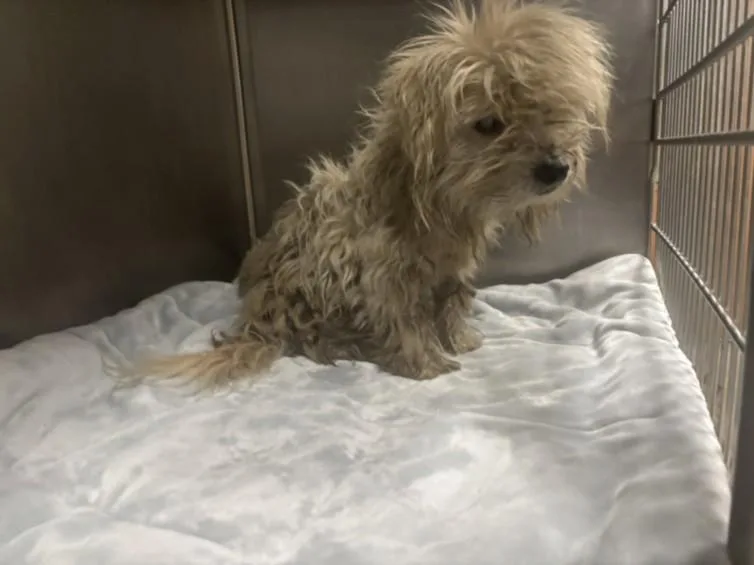
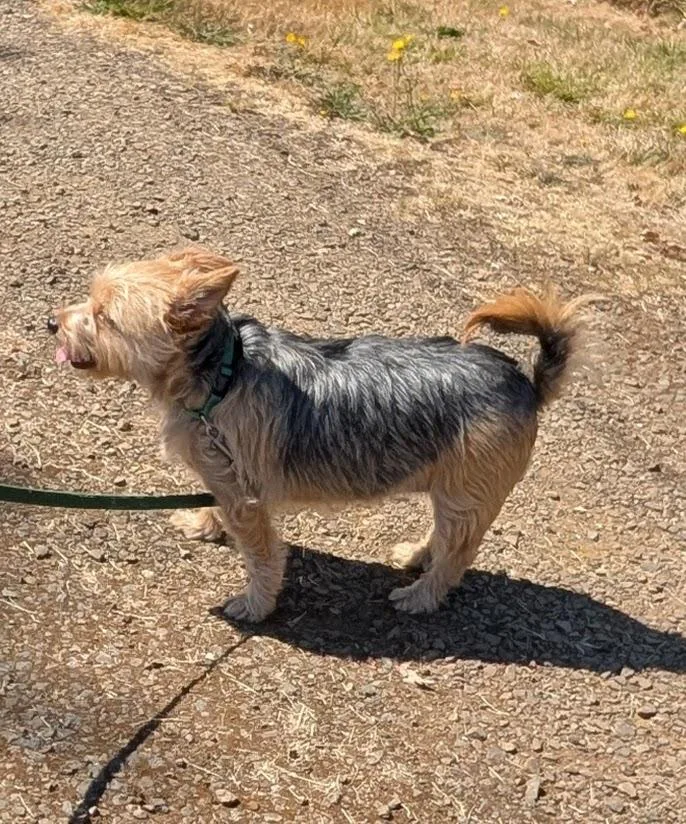
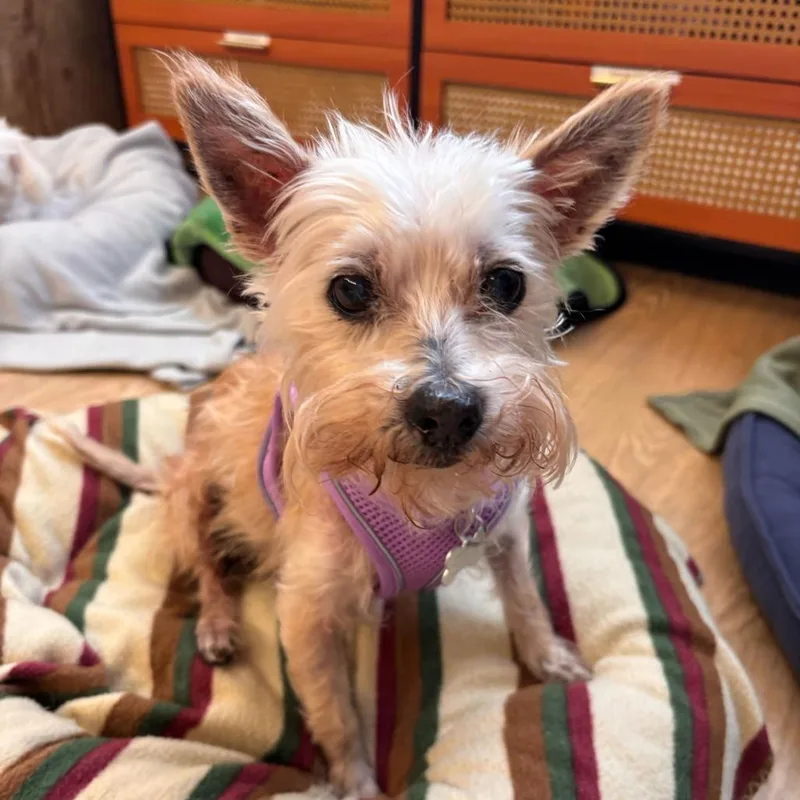
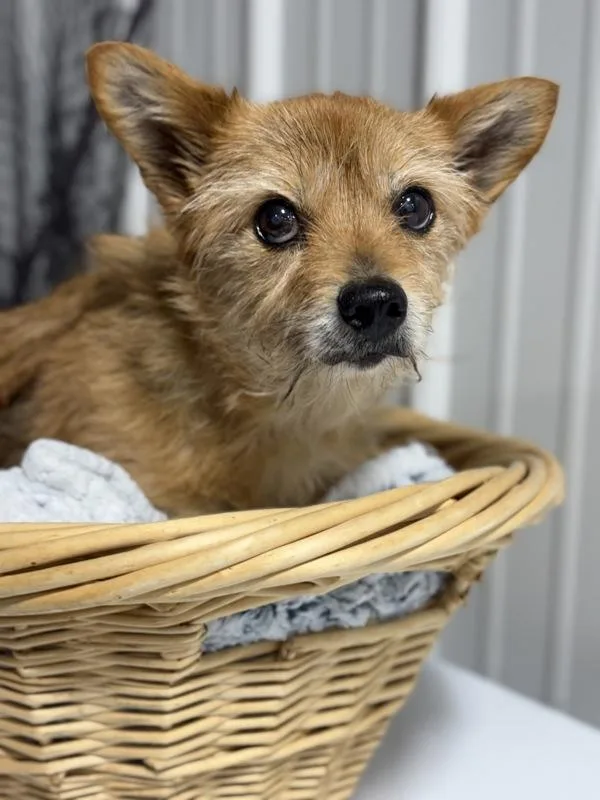
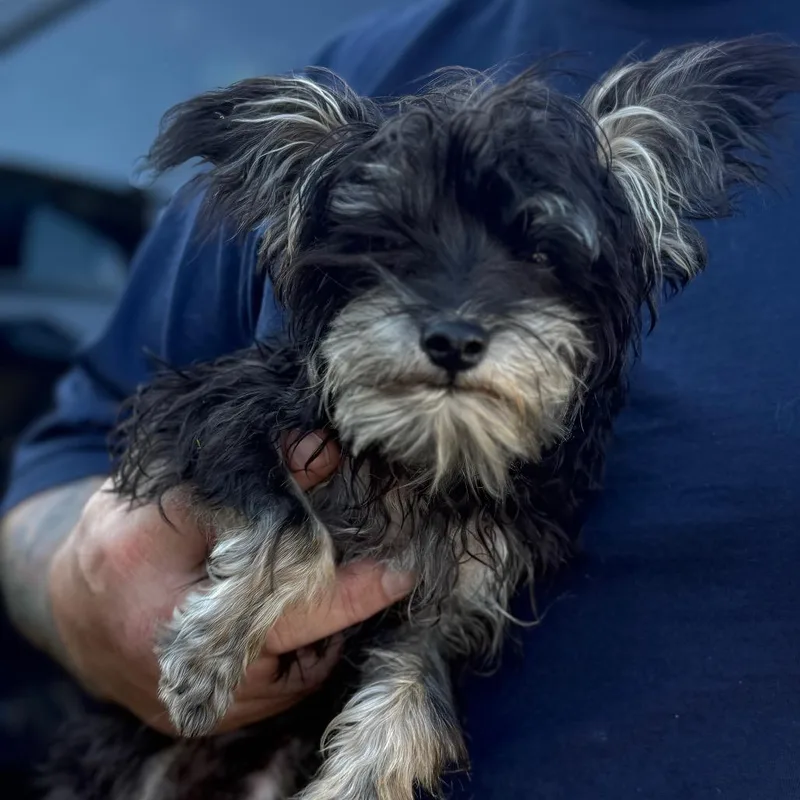
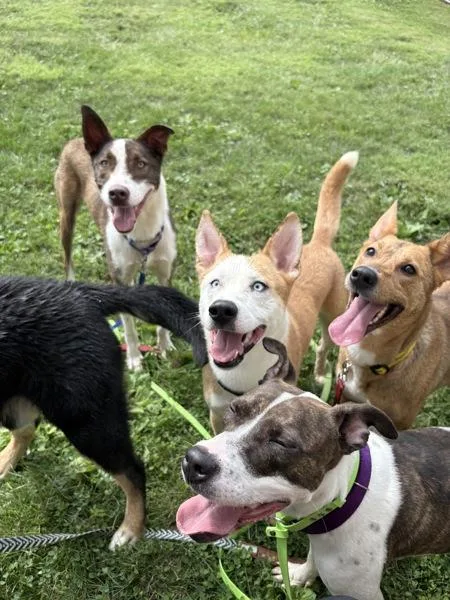
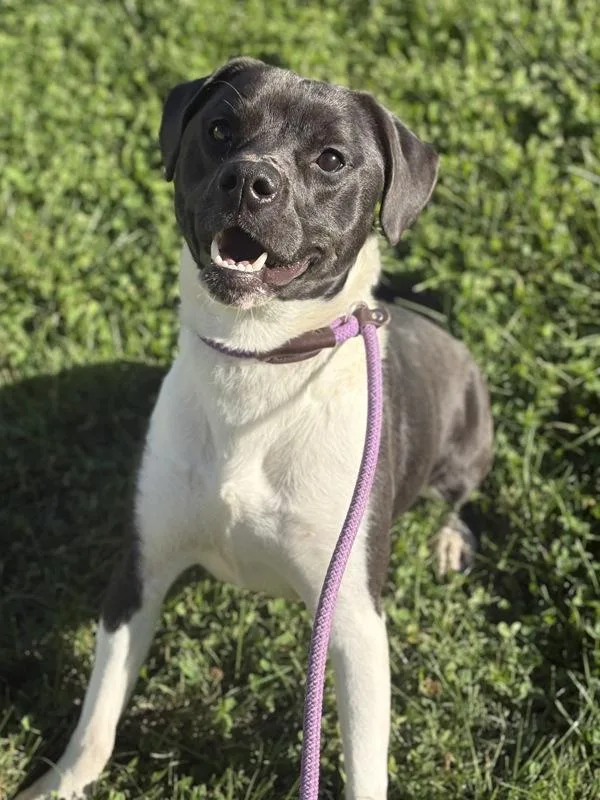
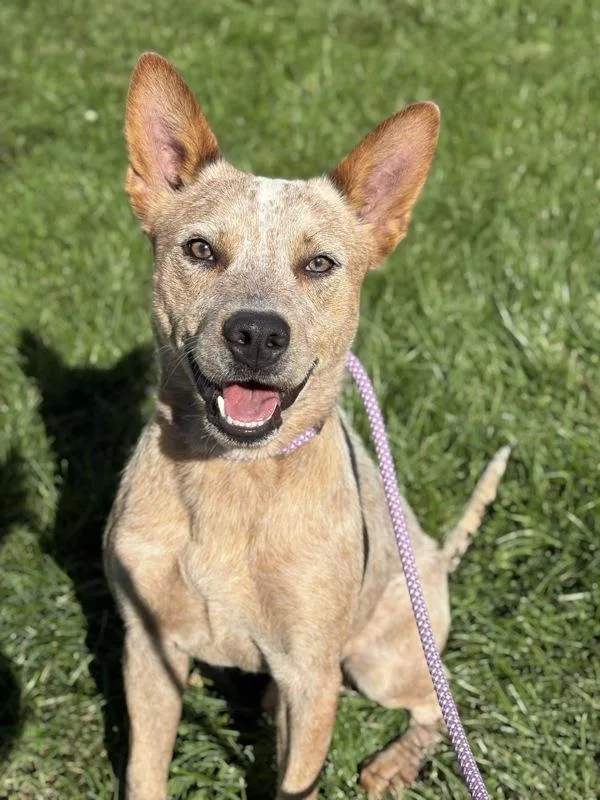
16 Norwich Terriers available in Lancaster and nationwide

Meet your next Norwich Terrier

While we don't have enough dogs near Lancaster, keep in mind that many rescues may offer transport.

Norwich Terriers Available for Adoption Near Lancaster

About the Norwich Terrier breed

One of the smallest working terriers, the Norwich Terrier stands about 10 inches tall and weighs around 12 pounds, yet carries itself like a much bigger dog. It developed in East Anglia, England, around the turn of the twentieth century as a ratter and stable dog, and its sensitive prick ears are what set it apart from the drop-eared Norfolk Terrier, once considered the same breed. The wiry coat comes in red, wheaten, black and tan or grizzle.

Many Norwich are cheerful, fearless and affectionate, sturdy enough for active families and small enough for modest homes. Adopters should be ready for terrier habits: barking, digging, chasing small animals and a stubborn streak that calls for patient, playful training. Their harsh coat also needs regular hand-stripping or clipping to stay healthy and tidy.

Weight
10–15 lbs
Height
9–10 in
Lifespan
12–15 yrs
Temperament
Spirited, Affectionate, Loyal
Group
Terrier
Shedding
Low to Moderate

Owning a Norwich Terrier in Lancaster

Having a Norwich Terrier in Lancaster

A Norwich Terrier packs a big personality into a compact, sturdy body. The cards below look at how its fearless terrier outlook, energy, coat care and breed-specific health risks play out in daily life, helping adopters decide if this little dog fits.

Temperament

Norwich Terriers are often cheerful, confident and affectionate, and many get along with people and other dogs. True to their ratting roots, they may chase cats, squirrels and small pets, and some bark readily. They can be independent and bore quickly with repetition, so short, fun, reward-based training sessions usually work best.

Exercise Needs

Most Norwich need daily walks plus active play, and young dogs often want more vigorous exercise than their size suggests. Games of chase, digging boxes, scent work and earthdog or agility classes give their busy minds a job. They should be walked on leash or in fenced areas, because a scent can override recall.

Health Considerations

Norwich Terriers can be affected by upper airway syndrome, a breed-linked narrowing of the airway, plus portosystemic shunts, cataracts, seizures, allergies and kneecap or hip problems. Small mouths make dental disease common. Watch for noisy breathing or exercise intolerance, keep up with veterinary dental care.

Living Space

A Norwich adapts well to apartments, condos or houses as long as it gets daily outings and attention. Yards should be securely fenced and checked for digging escapes. Neighbors may notice barking, so early training helps in close quarters. These sociable dogs prefer living indoors with family rather than spending long hours alone.

What it costs to own a Norwich Terrier

ExpenseTypical costPer year
Food$20 to $45 per month$240 to $540
Pet insurance$40 to $85 per month$480 to $1,020
Routine vet care$200 to $400 per year$200 to $400
Other*$940 to $2,340 per year$940 to $2,340
Estimated yearly total (after year one)$1,860 to $4,300

Other costs are national averages for Norwich Terriers; we don't have costs specific to Lancaster yet.

* Professional hand-stripping or clipping, flea, tick and heartworm prevention, extra dental care for a small breed, a dog license, and toys and bedding; license fees vary by city.

Adopt a Norwich Terrier in Lancaster.

Now that you know more, let’s find you a new best friend. These rescues and shelters below currently have Norwich Terriers available.

Rescues in Lancaster with Norwich Terriers Available

Here are the rescues & shelters in the Lancaster area where you can find Norwich Terriers and other dogs available for adoption.

Frequently Asked Questions

Norwich Terriers shed only lightly when their coat is kept properly. Their harsh, wiry outer coat and soft undercoat hold dead hair rather than dropping it all over the house, which is why the coat is hand-stripped to remove it. An unstripped or clipped coat may shed a bit more. Weekly combing catches loose hair between grooming sessions.

To hand strip a Norwich Terrier, you pull out the loose, dead outer hairs with your fingers or a dull stripping knife, working a small section at a time in the direction the hair grows. Ready hair comes out easily and shouldn't hurt. Many owners strip lightly every few weeks to keep the coat rolling, and a groomer experienced with terriers can teach the technique.

Grooming a Norwich Terrier means combing through the coat weekly, hand-stripping the dead outer hair every few months, and tidying the feet, ears and tail. Nails need trimming every few weeks, and teeth benefit from regular brushing because small breeds are prone to dental disease. Many owners use a professional groomer experienced with hand-stripping terriers.

Trimming a Norwich Terrier should be kept minimal; the breed is meant to look natural rather than sculpted. Use scissors to tidy hair around the feet and pads, around the tail and under the body, and thin straggly hairs on the ears. Clippers are an option for older or busy households, but they soften the coat's texture and fade its color.

No, Norwich Terriers are not hypoallergenic, since no dog breed is free of allergens. Their wiry coat sheds little when stripped, which some people with mild allergies find easier, but dander and saliva still carry allergens. Spending time with the specific dog, keeping it out of bedrooms and grooming regularly can help, though reactions differ from person to person.

A Norwich Terrier is a small, stocky dog with short legs, a broad, slightly rounded head, a foxy expression and pointed, upright ears. Its hard, wiry coat forms a mane around the neck and shoulders, with short, smooth hair on the head. Colors include all shades of red, wheaten, black and tan, and grizzle, with white markings undesirable.

A Norwich Terrier is one of the smallest working terriers, developed in East Anglia, England, to catch rats and other vermin. It stands about 10 inches tall, has prick ears and a wiry coat, and belongs to the AKC Terrier Group. Its cousin, the Norfolk Terrier, has folded ears. Norwich are known for being fearless, cheerful and affectionate.

A Norwich Terrier's coat is not soft; the outer coat is meant to feel hard and wiry, like a natural weatherproof jacket. Underneath is a softer, insulating undercoat, and the hair on the head and ears is short and smooth. Coats that are clipped instead of hand-stripped tend to grow in softer and fluffier, which many pet owners don't mind.

No, Norwich Terriers are not bird dogs. They were bred to hunt rats, rabbits and other small vermin, sometimes following prey underground. That strong prey drive means many will still chase birds, squirrels and anything else that moves quickly, so outdoor time works best on leash or in fenced areas, and pet birds need careful supervision.

We have 1 rescue with Norwich Terriers available: Fairfield County Dog Shelter. You can see every rescue with Norwich Terriers available in the list above these questions, or scroll to the top to see the Norwich Terriers near Lancaster.