German Pinscher Dogs for Adoption in Columbus, OH

Your guide to finding and caring for a German Pinscher in Columbus

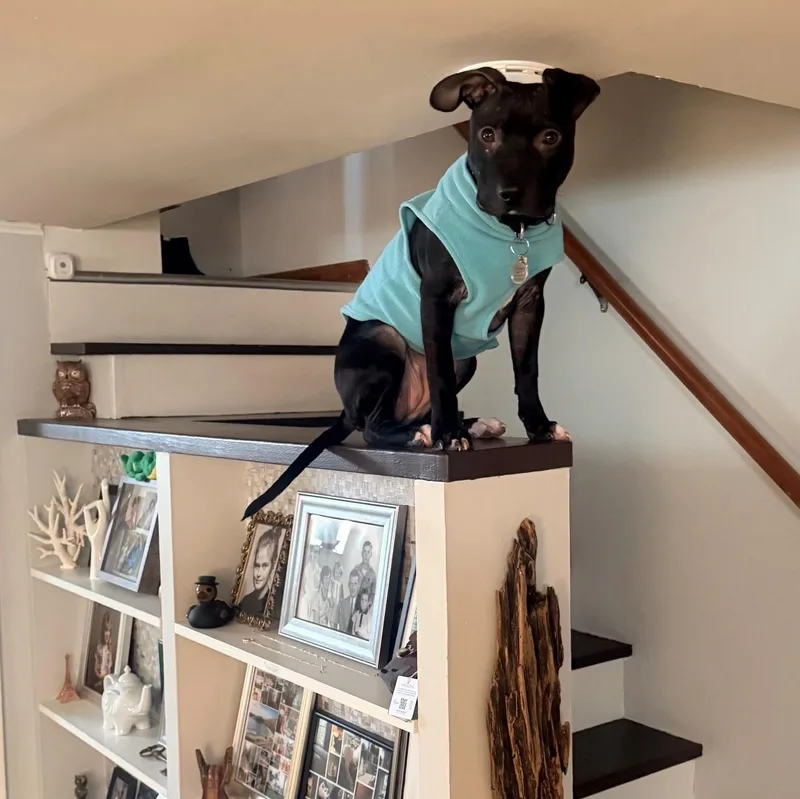
German Pinschers fit Columbus best when they have a job, like a daily lap on the Camp Chase Trail. On the Hilltop, where many 1920s Cape Cods sit on quarter-acre lots, a fenced yard gives this alert, quick dog room to patrol, though a Pinscher that can clear a low fence needs a tall one. Columbus winters are hard on that short coat, so a sweater by the door is part of the routine.

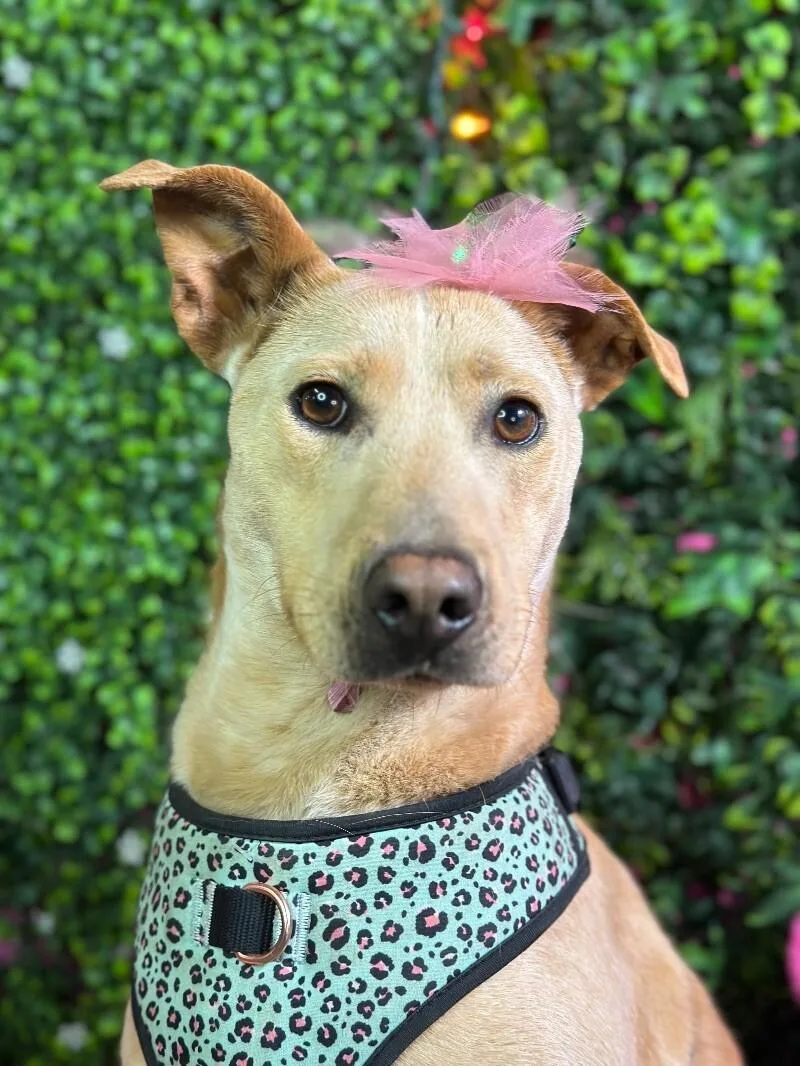
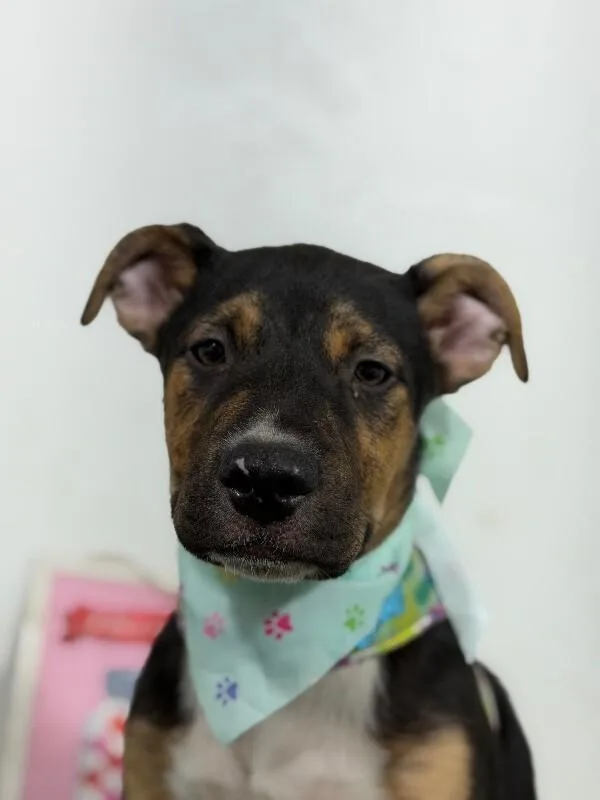
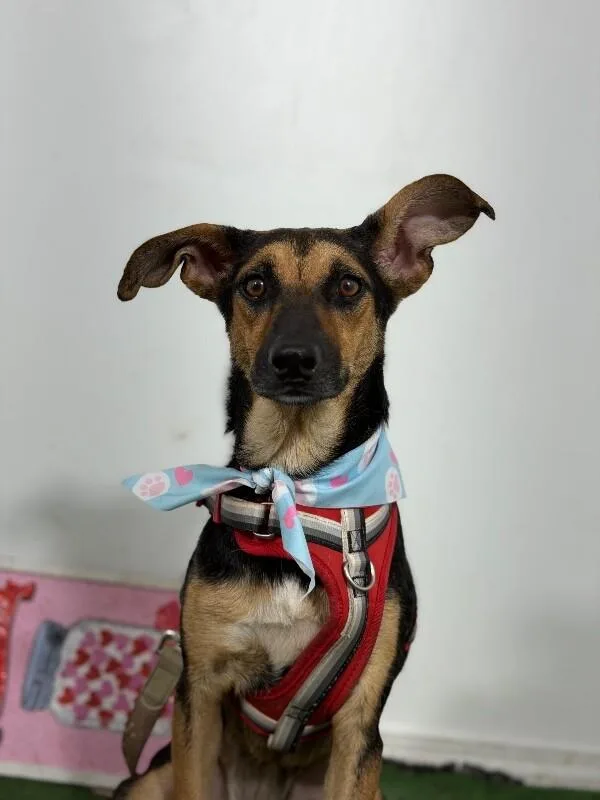
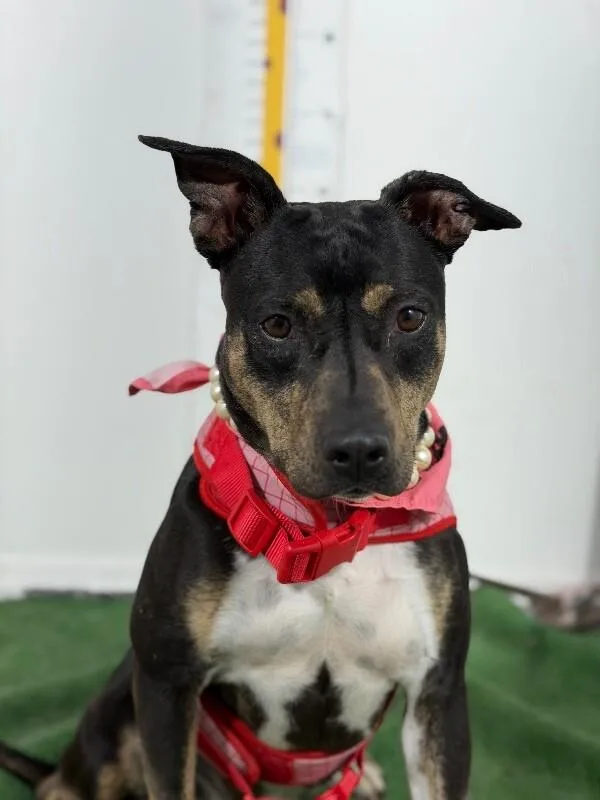
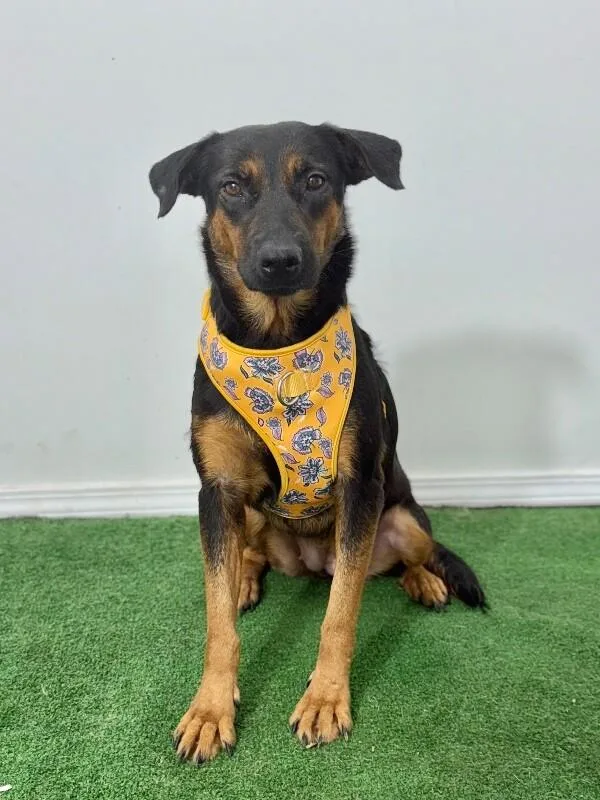
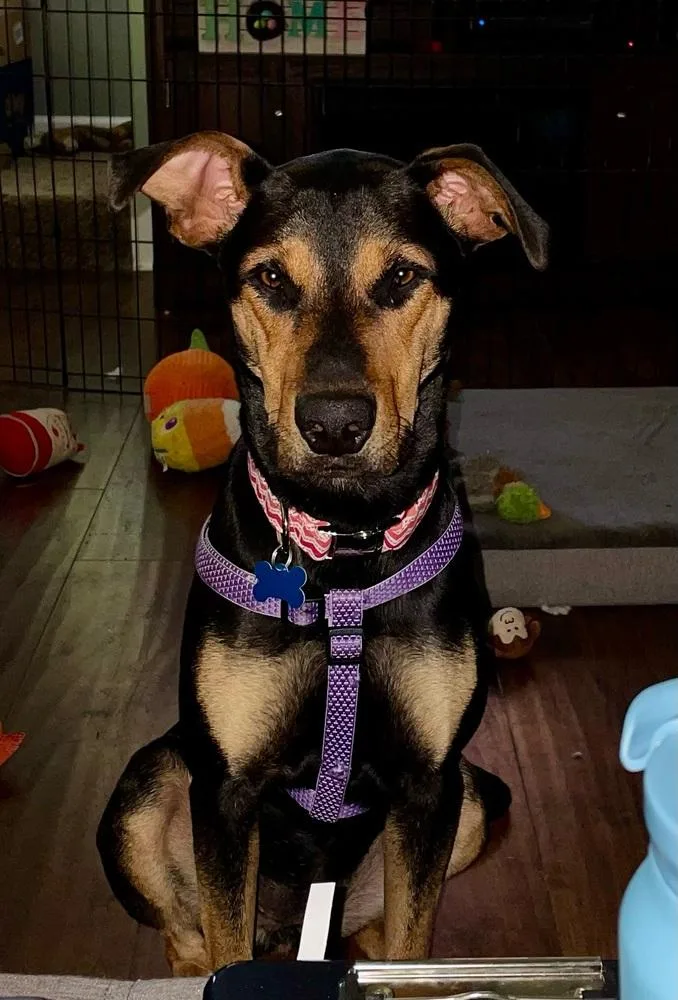
68 German Pinschers available in Columbus and nationwide

Give a German Pinscher a home

While we don't have enough dogs near Columbus, keep in mind that many rescues may offer transport.

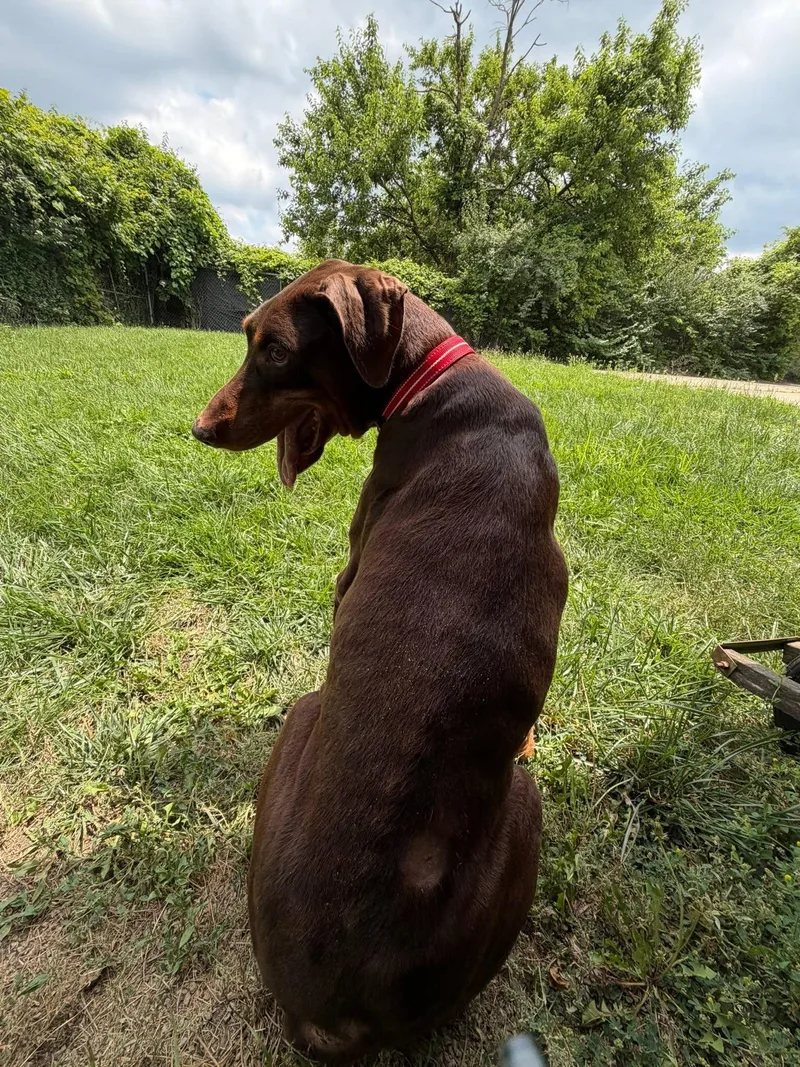
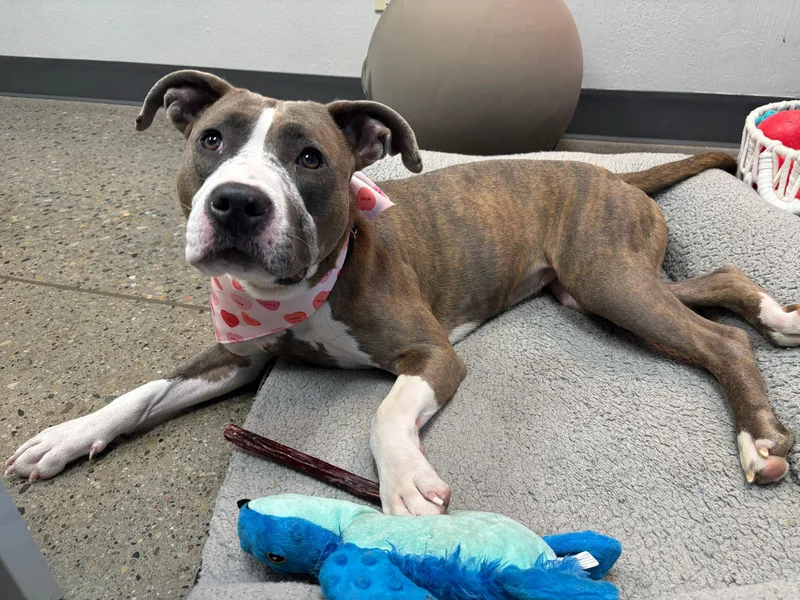
German Pinschers Available for Adoption Near Columbus

About the German Pinscher breed

The German Pinscher is a medium-sized, square, muscular dog that stands 17 to 20 inches tall and weighs roughly 25 to 45 pounds. It began as a German stable dog and ratter, and it's the smooth-coated cousin of the Standard Schnauzer. The breed nearly disappeared after World War II and is still uncommon, with a short, glossy coat in red or black and rust.

In Columbus, that heritage shows up in everyday ways. A German Pinscher is watchful at the front window, quick to notice a squirrel along a Clintonville ravine, and usually happiest with a task, whether that's scent games or a training class. Dogs vary, but most want a close bond with their people and clear, consistent rules. Weekly brushing handles the coat, which sheds lightly to moderately.


Weight
25–45 lbs
Height
17–20 in
Lifespan
12–14 yrs
Temperament
Alert, Energetic, Intelligent, Protective
Group
Working
Shedding
Low to Moderate

Owning a German Pinscher in Columbus

Having a German Pinscher in Columbus

German Pinschers pair quick reactions with a watchdog's vigilance, so daily mental work matters as much as walks. In Columbus, cold-season gear, secure fencing and a leash-friendly trail routine shape most day-to-day decisions for this breed.

Temperament

Confident and curious, many German Pinschers bond tightly with family and stay watchful with strangers. In Columbus, where neighbors share sidewalks and walls, early socialization helps a Pinscher stay calm around passersby, delivery workers and other dogs. Dogs vary, but most chase small animals and test rules, so patient, consistent training pays off.

Exercise Needs

Plan on a brisk daily walk plus time to run and think. Columbus has over 230 miles of regional greenway trail and fenced dog parks for off-leash play, which help burn energy. Keep the leash on elsewhere, since prey drive can override recall. Flirt-pole games and scent work cover rainy or icy days.

Health Considerations

Hip dysplasia, cataracts and von Willebrand's disease, an inherited bleeding disorder, are documented in German Pinschers. A veterinarian can check the hips and eyes at the first visit, and should know the breed before any surgery. Year-round heartworm, flea and tick prevention is sensible in Ohio's humid summers.

Living Space

With enough exercise, a German Pinscher can do well in a Columbus apartment or a house like those on the Hilltop. A fence helps, but this agile dog can clear low ones, so aim for tall, secure fencing. The short coat offers little warmth, so this is an indoor family dog.

What it costs to own a German Pinscher in Columbus

ExpenseTypical costPer year
Food$35 to $70 per month$420 to $840
Pet insurance$45 to $85 per month$540 to $1,020
Routine vet care$225 to $450 per year$225 to $450
Other*$440 to $1,190 per year$440 to $1,190
Estimated yearly total (after year one)$1,625 to $3,500

Other costs are estimates and vary with size, age and health.

* Flea, tick and heartworm prevention, a dental cleaning allowance, the county dog license, toys and bedding, and occasional baths and brushing.

Adopt a German Pinscher in Columbus.

Now that you know more, let’s find you a new best friend. These rescues and shelters below have dogs available in and near Columbus.

Frequently Asked Questions

Only in a carrier, in most cases. COTA runs buses only, with no subway or rail, and pets may ride only inside a cage or case that fits on your lap. A German Pinscher at 25 to 45 pounds is too big for that, so plan on walking or driving unless the dog is a service animal. Check current fares and rules with COTA.

Yes, with gear and shorter walks. Columbus winters bring freezing nights and snow, and a German Pinscher's thin coat offers little insulation. Plan on a coat or sweater, wiping off road salt, and indoor living. City code also bans tethering during cold advisories, so no dog can be left outside on a chain.

Scioto Audubon's 1.5-acre dog park near Downtown is partly artificial turf, which stays mud-free in wet weather, and Wheeler Memorial in Harrison West has separate large-dog space. For leashed miles, try the Olentangy Trail or Whetstone Park in Clintonville. Remember the two-dogs-per-handler limit and the six-foot leash rule on greenways.

Yes. Columbus City Code has no breed-specific rules, and Ohio no longer defines any breed as vicious; dangerous-dog designations depend on behavior. You'll need a yearly Franklin County license, a rabies vaccine after three months, and a leash or reliable direct control off your property. Neighboring suburbs have their own rules, so check before moving outside Columbus.

Yes, as long as it gets daily exercise and mental work. Barking is the risk, and city code covers unreasonably loud barking, so teach quiet habits early. Ohio doesn't cap pet fees or deposits, so read the lease for pet rent and breed or weight limits, since some landlords and insurers list pinscher-type dogs.

It can be, for active people who are home a fair amount. The city's greenways and dog parks give this energetic dog outlets, and mild fall days suit it well. Winter calls for coats and shorter walks, and a strong prey drive means leashes near wooded parks, since coyotes live in the city. Dogs vary, so judge each dog by its own energy.

Sometimes, on patios. Ohio law lets restaurants allow dogs in outdoor dining areas, but each restaurant decides, and dogs must stay under control and out of indoor areas. Inside, only service dogs are allowed. A well-trained Pinscher that settles under the table fits best, though a watchful dog may bark at passersby.

Very little. The short, smooth coat needs weekly brushing, with extra passes during heavier shedding, plus an occasional bath and nail trims. In Columbus, the main extras are wiping paws after winter road salt and rinsing off mud in spring. Grooming costs are small and fall within the Other line of the cost table.

Yes, German Pinschers shed, but only lightly to moderately. Their short, smooth coat drops small hairs year-round, with slightly more during seasonal changes. Weekly brushing with a rubber curry or grooming mitt removes most loose hair and keeps the coat shiny. Compared with double-coated breeds, cleanup is easy, though short hairs can still cling to fabric.
Expect roughly $1,600 to $3,500 a year for a German Pinscher in Columbus. Food runs $35 to $70 a month and insurance $45 to $85 a month, while routine vet care is $225 to $450 a year. Other costs add $440 to $1,190 a year, including a county license, about $18 a year for a fixed dog.