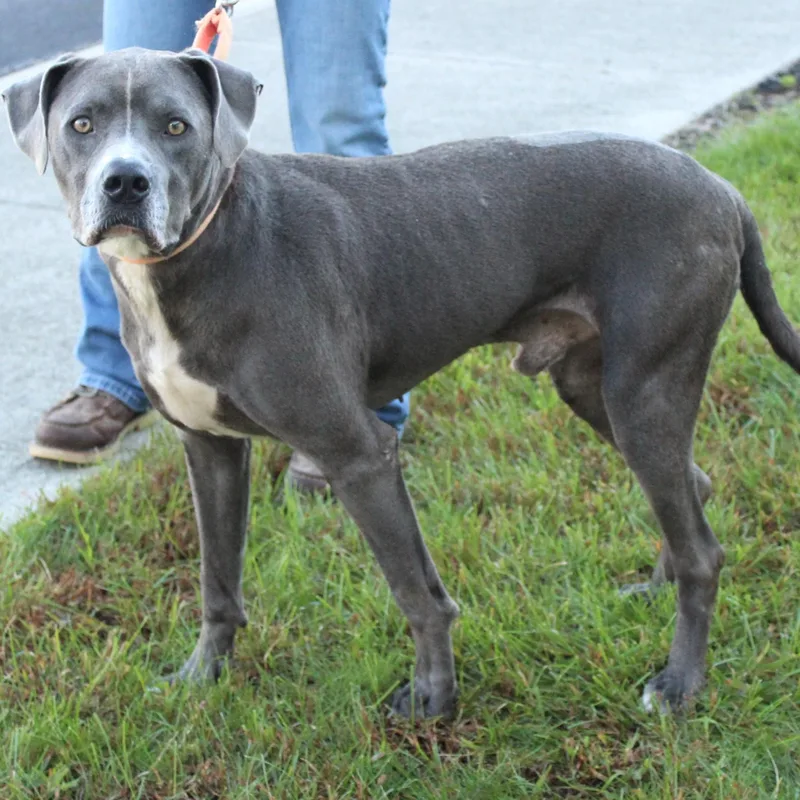
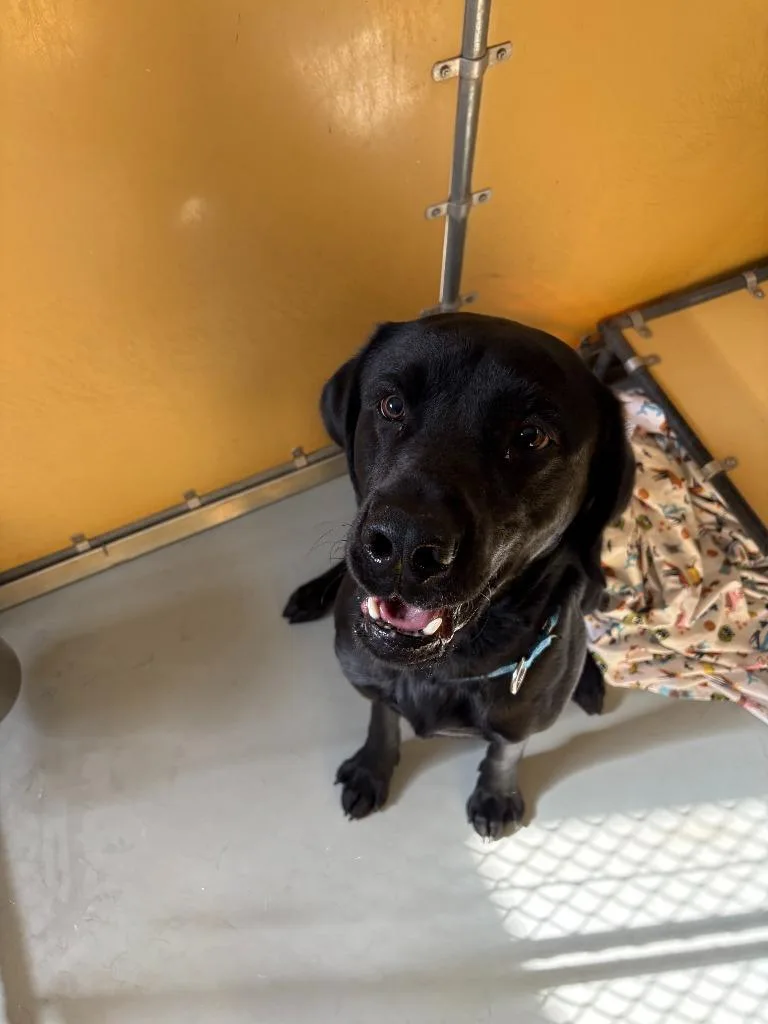
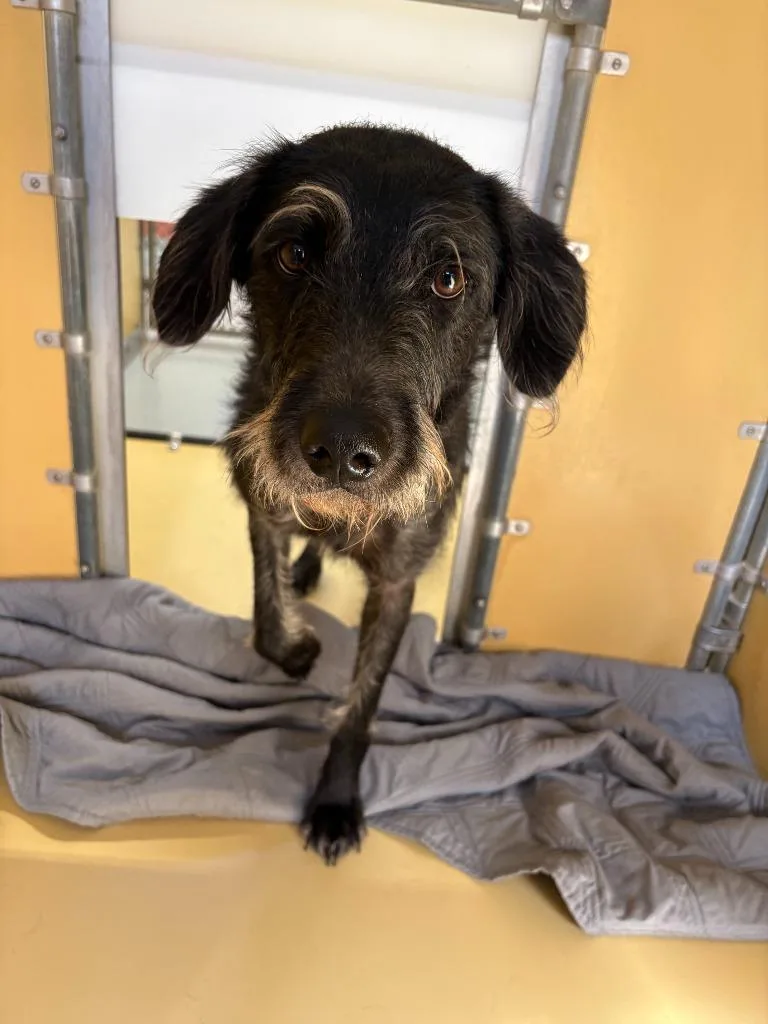
Labrador Retriever Dogs for Adoption in Canfield, OH

Your guide to finding and caring for a Labrador Retriever in Canfield

9522 Labrador Retrievers available in Canfield and nationwide

Fall for a Labrador Retriever

Labrador Retrievers Available for Adoption Near Canfield

About the Labrador Retriever breed

Labrador Retrievers descend from the St. John's water dogs of Newfoundland, which British sportsmen imported in the nineteenth century and refined into a steady gun dog for retrieving shot game from land and water. That working purpose still shows in the breed's thick otter tail, dense water-resistant double coat, strong build and remarkable food motivation. Labs come in black, yellow and chocolate, and field-bred dogs are often leaner and more driven than show-bred ones.

Many Labs are sociable, eager to please and keen on anything involving people, balls or water, which explains their long run as one of America's favorite family dogs and their wide use as guide and assistance dogs. That enthusiasm comes with real needs: daily exercise, consistent training, careful portion control and patience through a long, bouncy adolescence that can last until two or three years old.

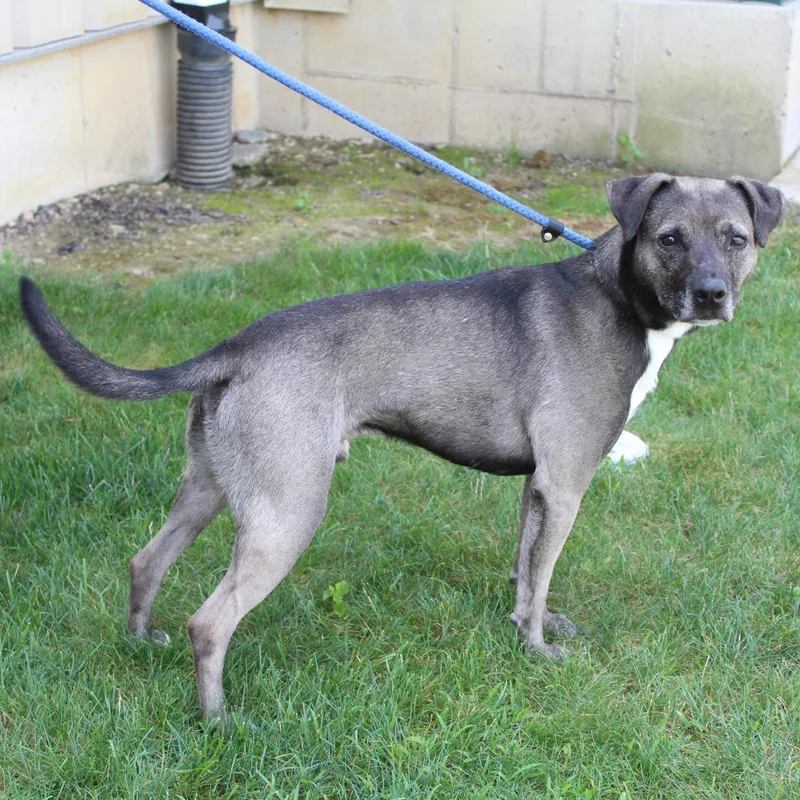
Weight
55–80 lbs
Height
21–25 in
Lifespan
10–14 yrs
Temperament
Friendly, Outgoing, Active
Group
Sporting
Shedding
Moderate to High

Owning a Labrador Retriever in Canfield

Having a Labrador Retriever in Canfield

A Lab's appeal often comes from an open, people-loving outlook paired with a body built for hours of retrieving. Understanding how that energy, appetite and heavy seasonal shedding play out day to day helps adopters choose a Labrador whose stage of life fits their routine.

Temperament

Labradors tend to be friendly with family, visitors and other dogs, and many are gentle with respectful children. Their exuberance can still knock over toddlers, and young Labs are often mouthy chewers. Reward-based training usually works well because food motivates them strongly. A shelter Lab's history and socialization matter more than breed reputation.

Exercise Needs

Most Labs need vigorous daily activity such as brisk walks, fetch, swimming or running beside a bike once fully grown. Mental work matters too: retrieving games, scent puzzles and short training sessions help prevent boredom-driven chewing and digging. Field-bred dogs often need more than show-bred ones, and seniors benefit from gentler, regular movement.

Health Considerations

Labs can be affected by hip and elbow dysplasia, cruciate ligament injuries, exercise-induced collapse and progressive retinal atrophy. Many carry a gene variant tied to stronger appetite, so obesity is a common, preventable problem that worsens joint disease. Ear infections and skin allergies also appear often. Keep regular veterinary checkups.

Living Space

A Labrador can adapt to a house or an apartment when its exercise needs are met reliably every day. Space matters less than routine, though a securely fenced yard makes play easier. Expect a large, wagging tail at coffee-table height, plenty of shed hair, and a dog that does best living indoors with its people.

What it costs to own a Labrador Retriever

ExpenseTypical costPer year
Food$55 to $110 per month$660 to $1,320
Pet insurance$65 to $130 per month$780 to $1,560
Routine vet care$250 to $500 per year$250 to $500
Other*$590 to $1,490 per year$590 to $1,490
Estimated yearly total (after year one)$2,280 to $4,870

Other costs are national averages for Labrador Retrievers; we don't have costs specific to Canfield yet.

* Flea, tick and heartworm prevention, a dental cleaning allowance, a dog license, toys and bedding, and brushing and baths for heavy seasonal shedding; license fees vary by city.

Adopt a Labrador Retriever in Canfield.

Now that you know more, let’s find you a new best friend. These rescues and shelters below currently have Labrador Retrievers available.

Rescues in Canfield with Labrador Retrievers Available

Here are the rescues & shelters in the Canfield area where you can find Labrador Retrievers and other dogs available for adoption.

Frequently Asked Questions

Most Labrador Retrievers live about 10 to 14 years. A large UK veterinary study found a median lifespan of 12 years, with chocolate Labs living about a year and a half less on average than black or yellow ones. Healthy weight, regular veterinary care and good dental and joint care all help, but no lifespan is guaranteed.

A Labrador Retriever is a large sporting dog originally developed to retrieve game birds for hunters, especially from water. Labs have a short, dense double coat, a thick otter-like tail and a broad head, and they come in black, yellow and chocolate. Many are friendly, food-motivated and eager to work, which makes them popular family, guide and service dogs.

Most Labrador Retrievers reach close to their adult height around 12 months but keep filling out until about 18 months to two years. Chest depth and muscle are usually the last to mature. Because growth plates close gradually, veterinarians often advise avoiding long, repetitive runs on hard surfaces until a young Lab has finished growing. Mentally, many stay puppyish even longer.

Yes, Labs are generally considered smart, especially at learning from people. They pick up cues quickly, work well with food rewards, and are widely used as guide and assistance dogs. Intelligence varies from dog to dog, and a bored or under-exercised Lab can use that cleverness to find its own entertainment, like chewing or raiding the trash.

Labrador Retrievers come from Newfoundland, despite the name. They descend from the St. John's water dog, which was imported to Britain starting in the 1830s and developed there into a gun dog. The UK Kennel Club recognized the breed in 1903, and the American Kennel Club began registering Labs in 1917.

Labrador Retrievers are large dogs, usually standing about 21.5 to 24.5 inches at the shoulder, with females toward the lower end. Most healthy adults weigh between about 55 and 80 pounds. Field-bred Labs often look taller and leaner, while show-bred dogs tend to be stockier. Individual size within a litter can vary, so an adult rescue's current measurements are the best guide.

No, Labrador Retrievers are not generally aggressive; the breed standard calls for a kindly, outgoing nature that is non-aggressive toward people and animals. Individual Labs can still guard food or toys, react from fear or pain, or behave poorly without training. A sudden change in behavior deserves a veterinary check, since joint pain and ear infections can make dogs irritable.

Yes, Labrador Retrievers are often excellent dogs for people who can match their energy. Many are affectionate, sociable, trainable and forgiving, which is why they are so common as family pets and working assistance dogs. The trade-offs are heavy shedding, a big appetite, a long and boisterous adolescence and a real need for daily exercise and training.

A Labrador Retriever is a sturdy, athletic dog with a broad head, kind brown or hazel eyes and ears that hang close to the face. Its short, dense coat comes in solid black, yellow ranging from cream to fox red, or chocolate. The thick, tapering otter tail is a signature feature, and the chest and hindquarters are strongly muscled.

We have 1 rescue with Labrador Retrievers available: Angels For Animals. You can see every rescue with Labrador Retrievers available in the list above these questions, or scroll to the top to see the Labrador Retrievers near Canfield.