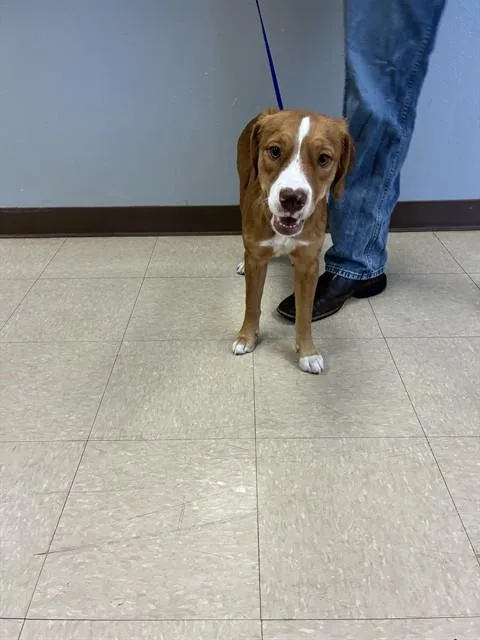
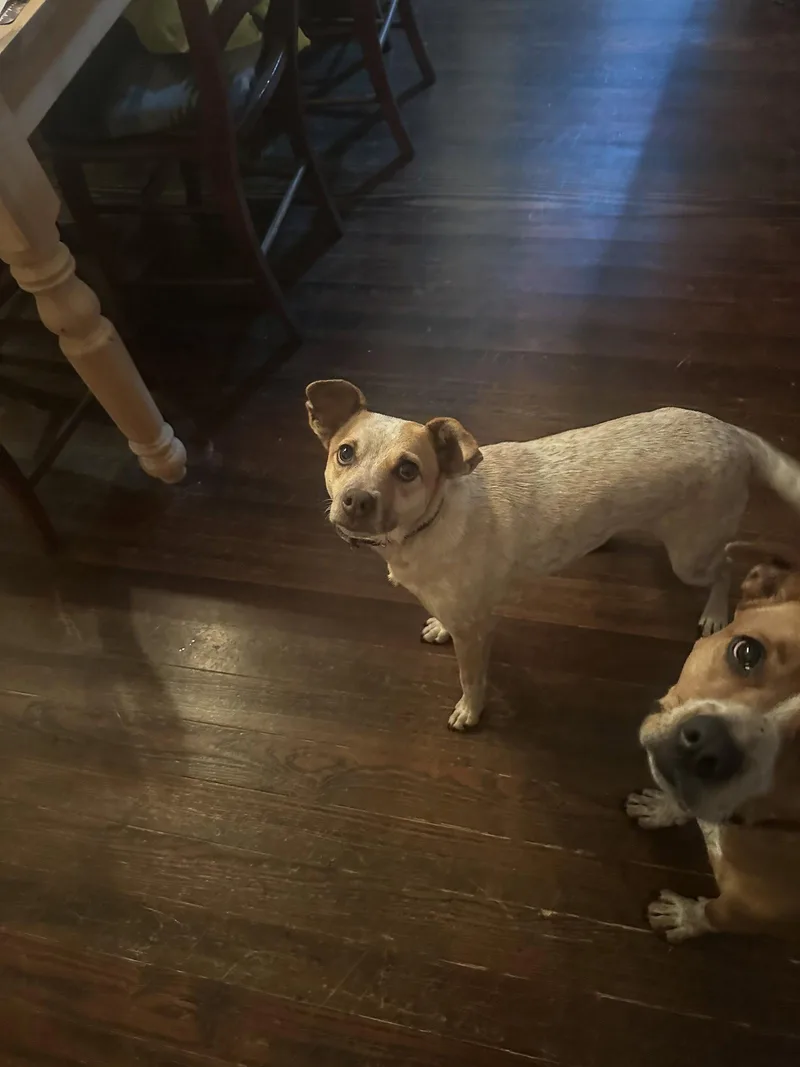
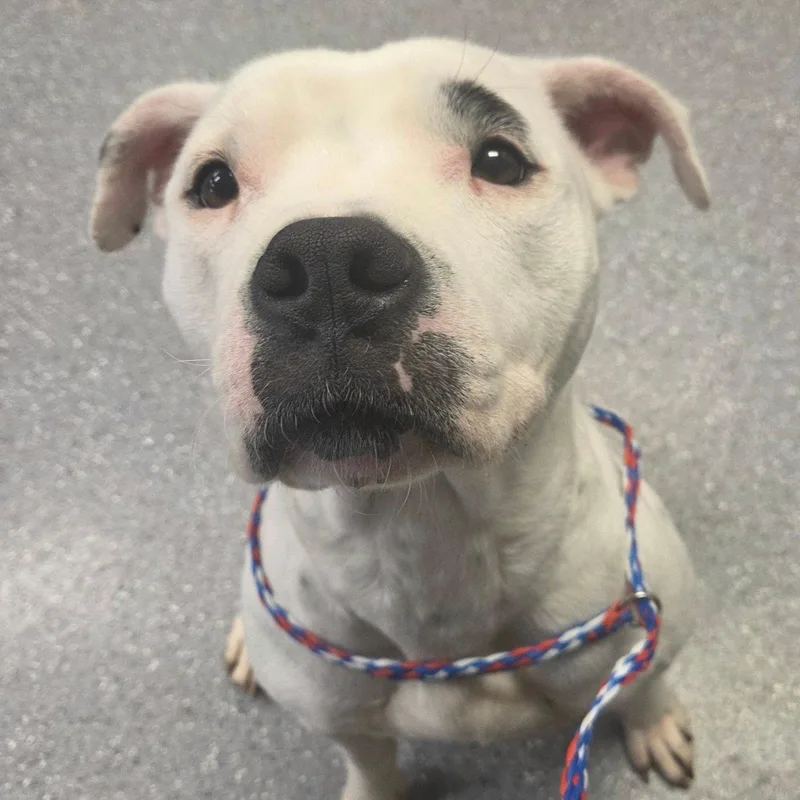
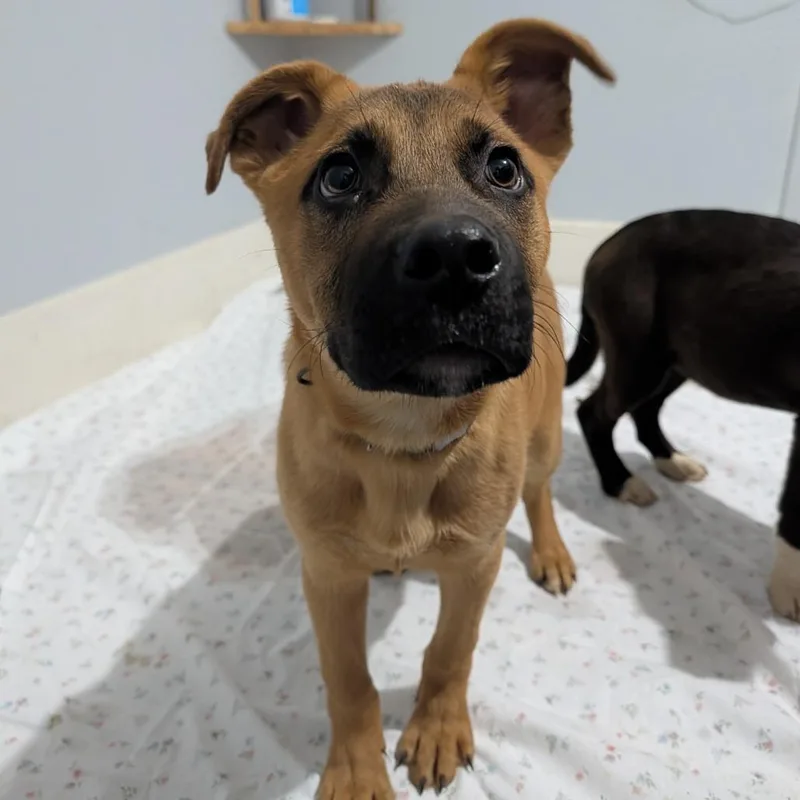
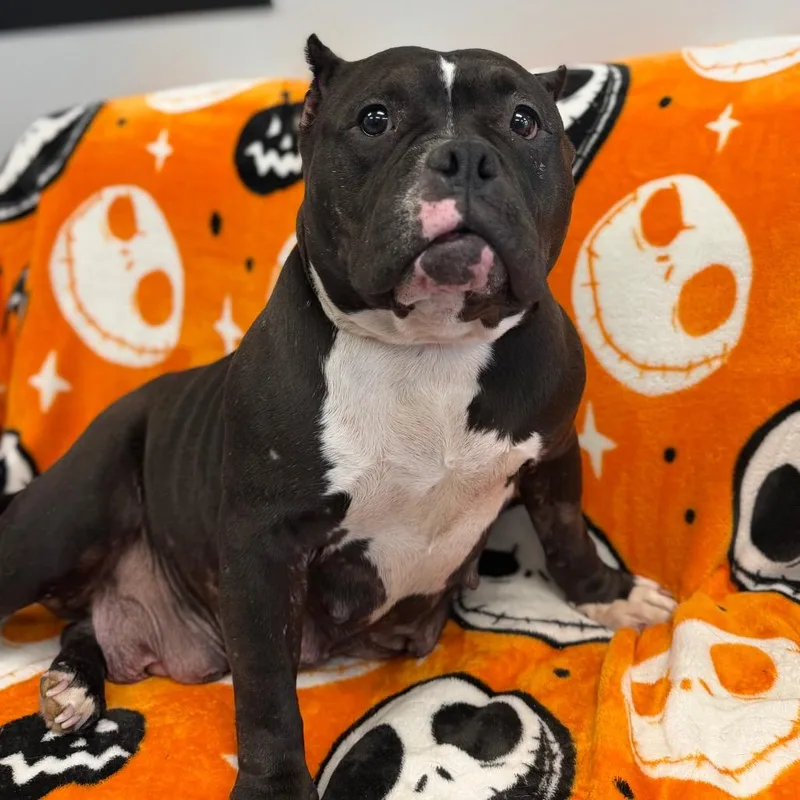
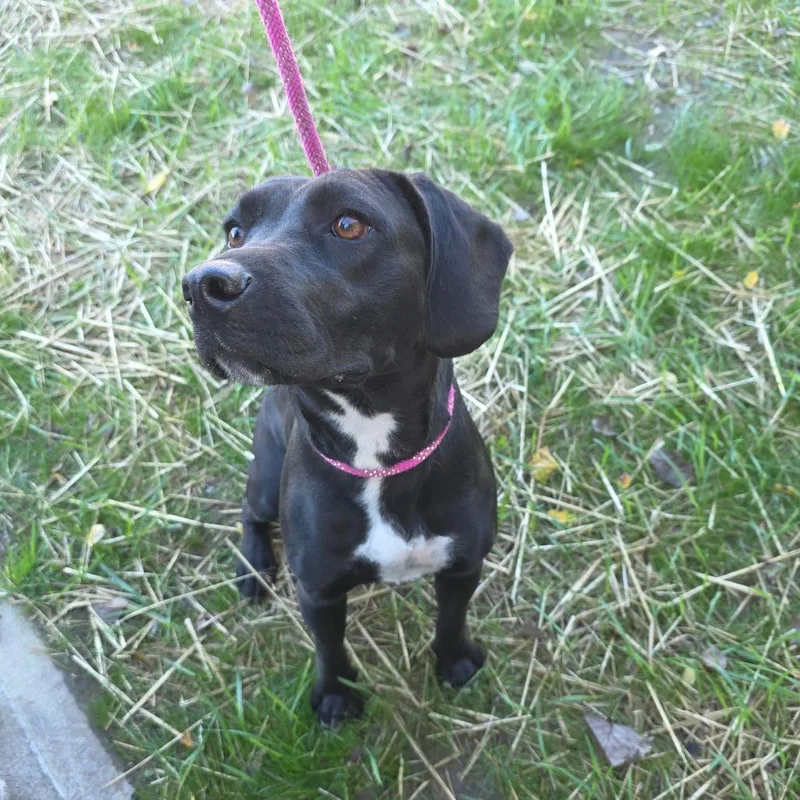
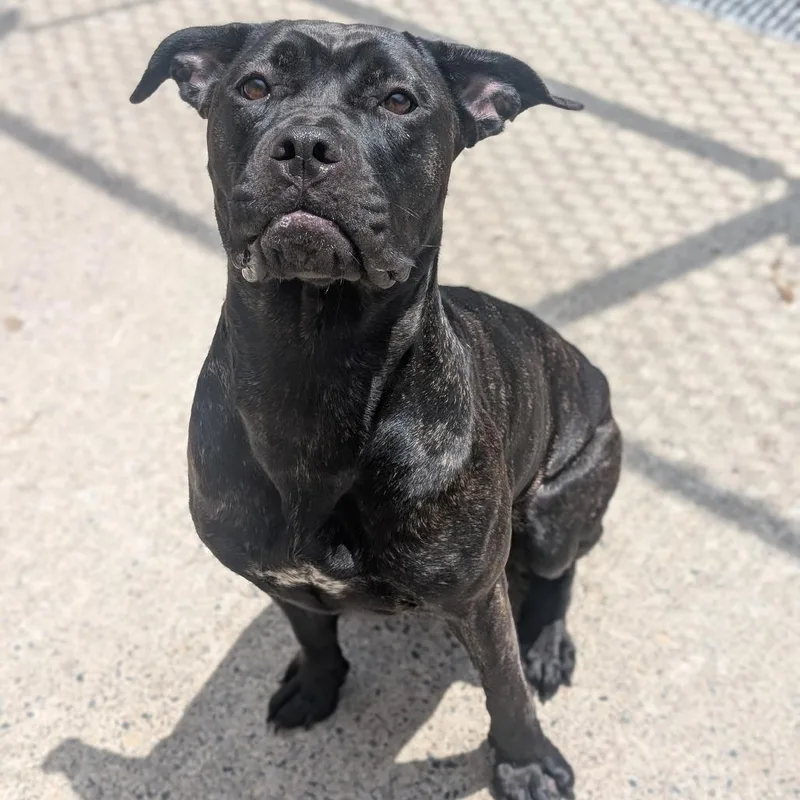
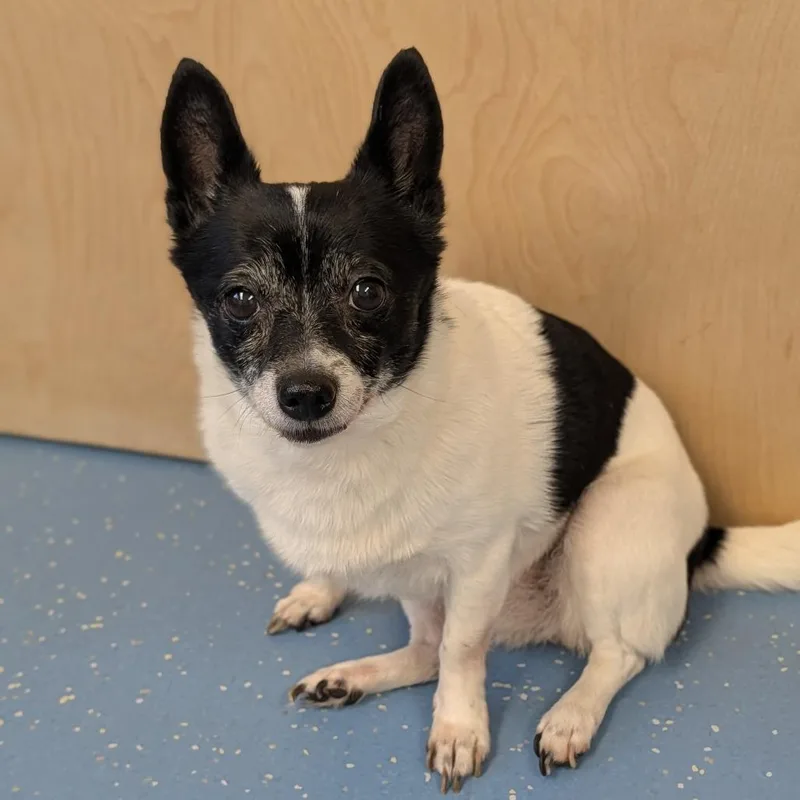
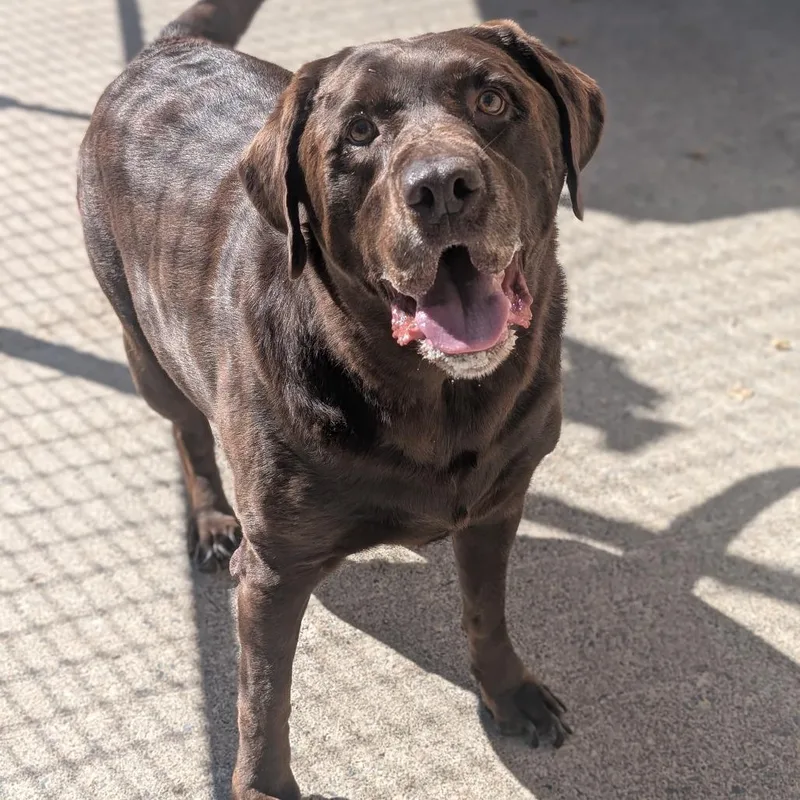
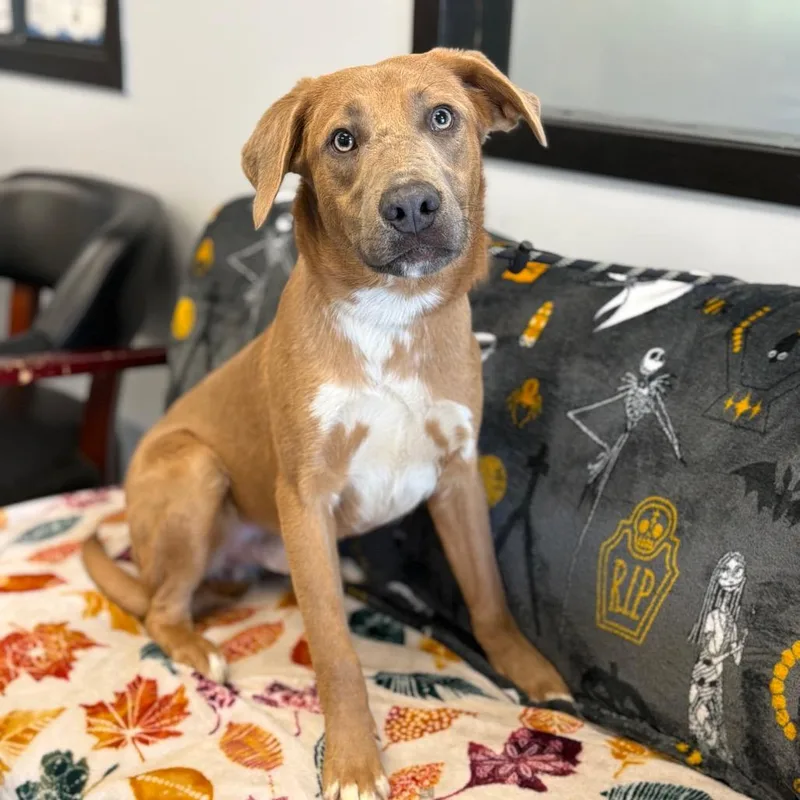
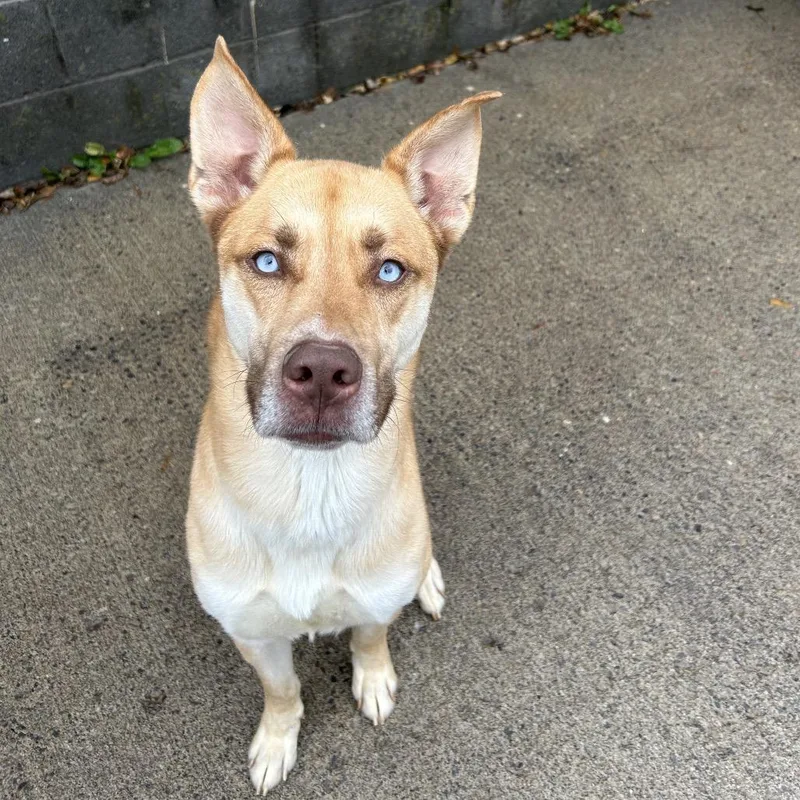
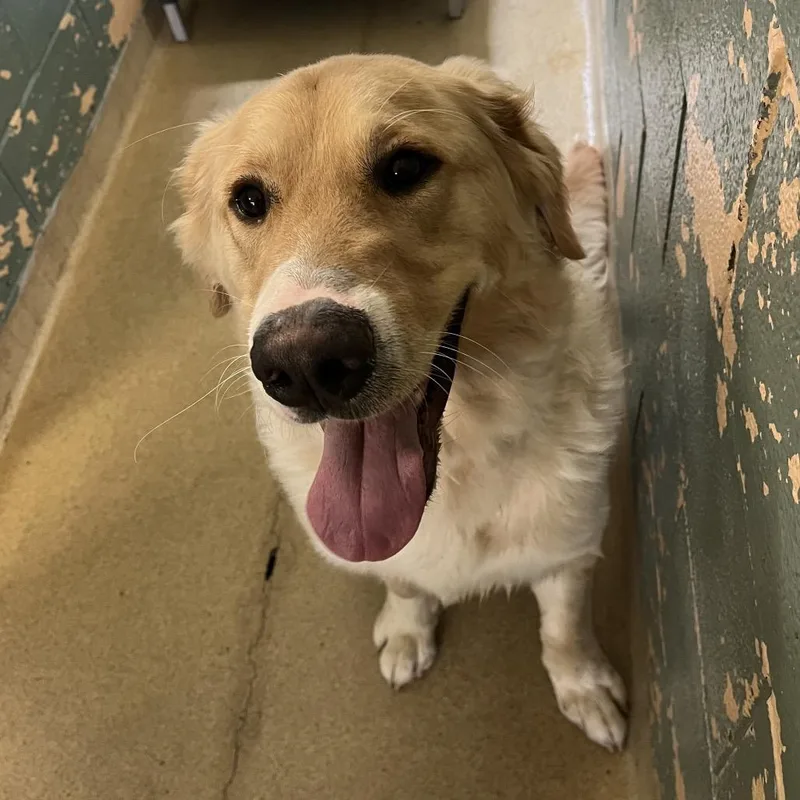
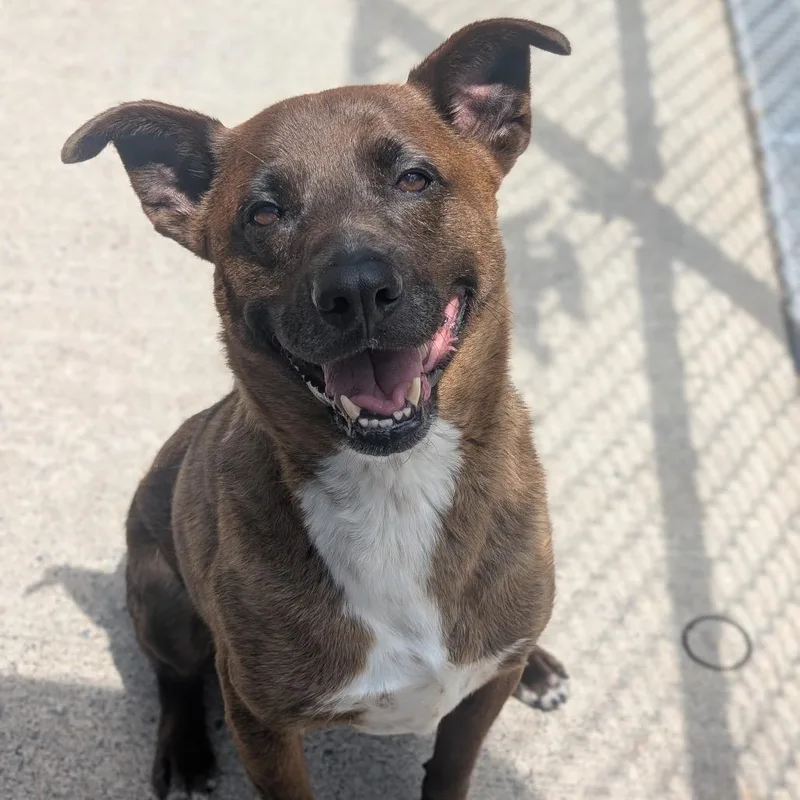
Australian Cattle Dog / Blue Heelers for Adoption in Watertown, NY

Your guide to finding and caring for an Australian Cattle Dog / Blue Heeler in Watertown

A Blue Heeler in Watertown needs a job, and Thompson Park gives it plenty of ground to work with. The 450 acres in Knickerbocker have trails, sledding hills and ski routes, which suit a dog that can run all day. The leashed Black River Trail starts on Walker Avenue and adds a long, steady walk with river views. Heelers bond hard with their people and stay wary of strangers, so they suit someone who's home a good part of the day. Even a snowy Watertown winter suits that weather-resistant coat.

4296 Australian Cattle Dog / Blue Heelers available in Watertown and nationwide

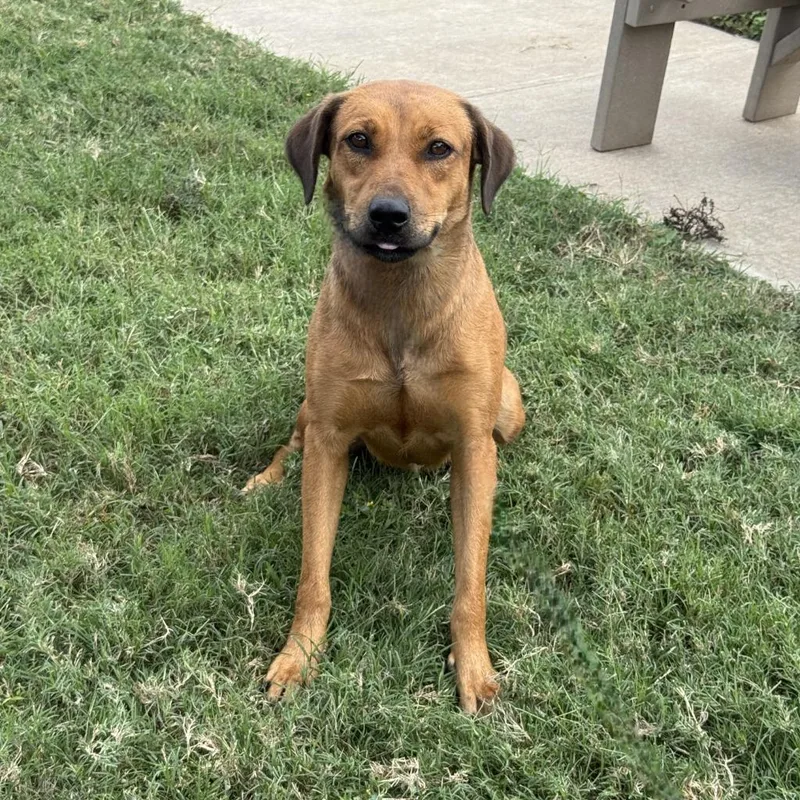
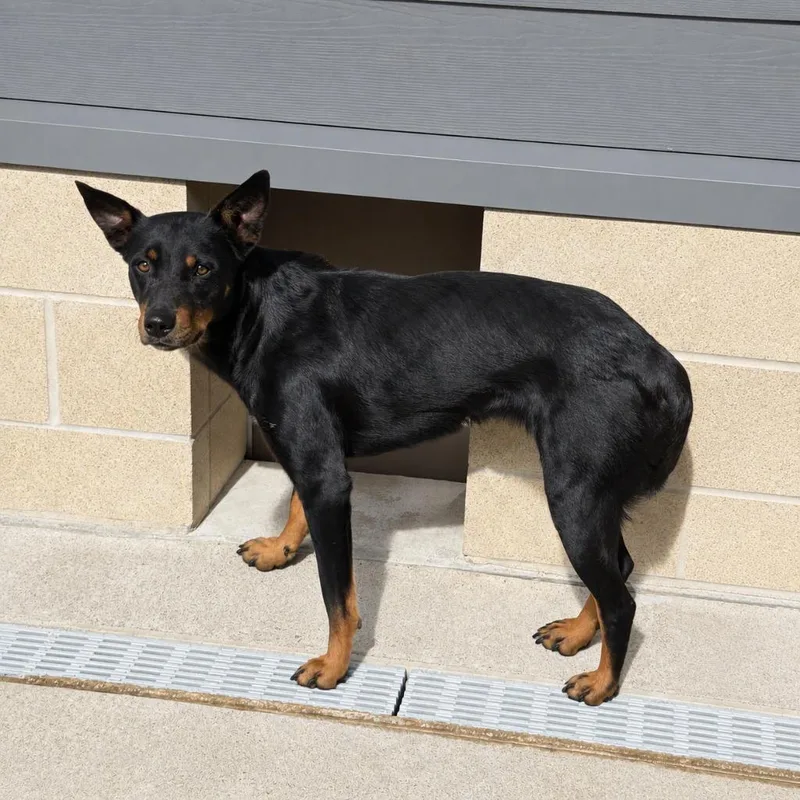
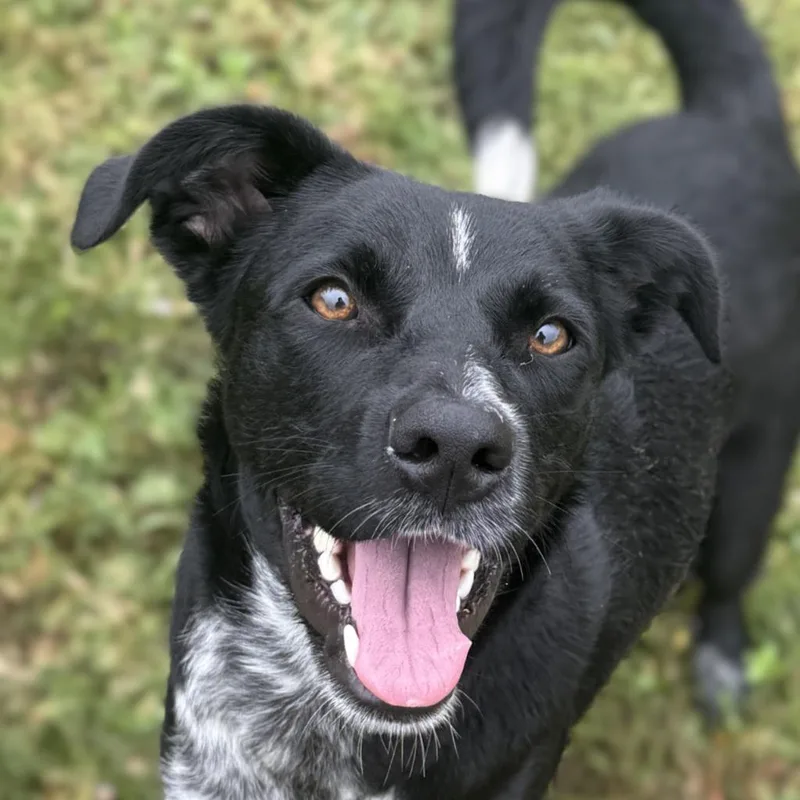
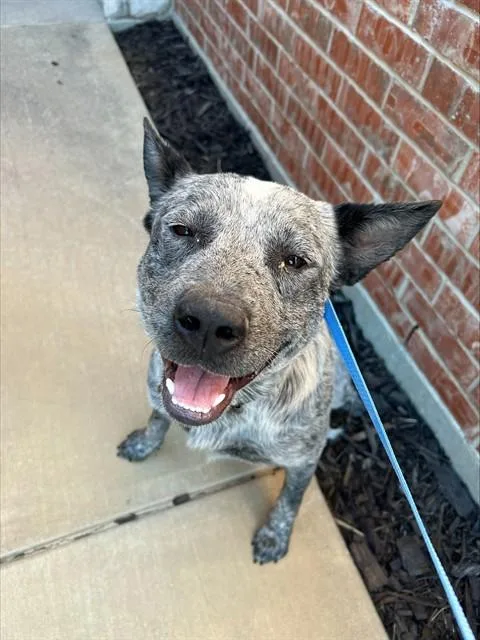
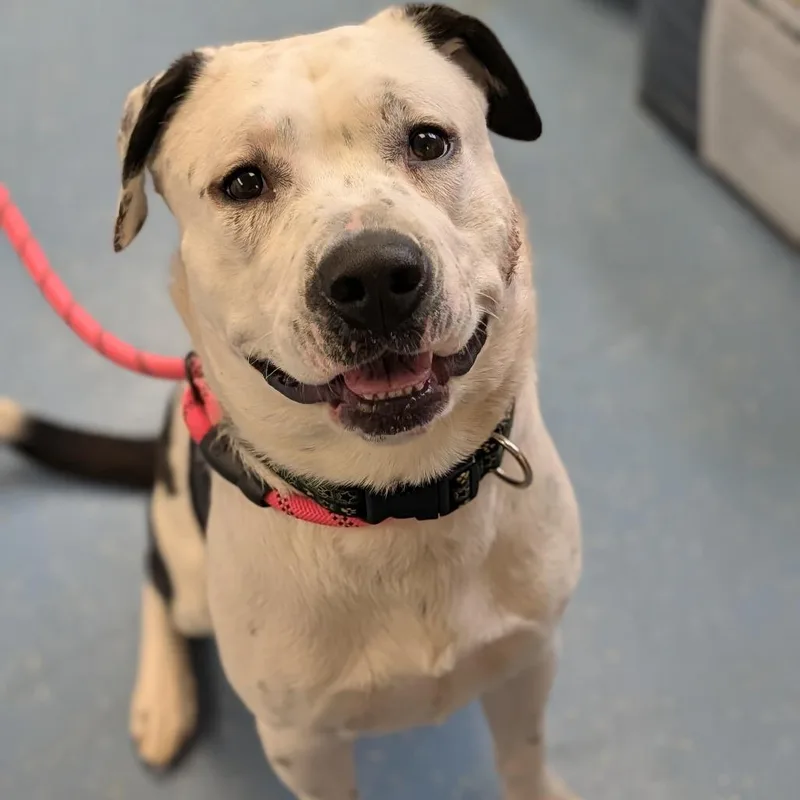
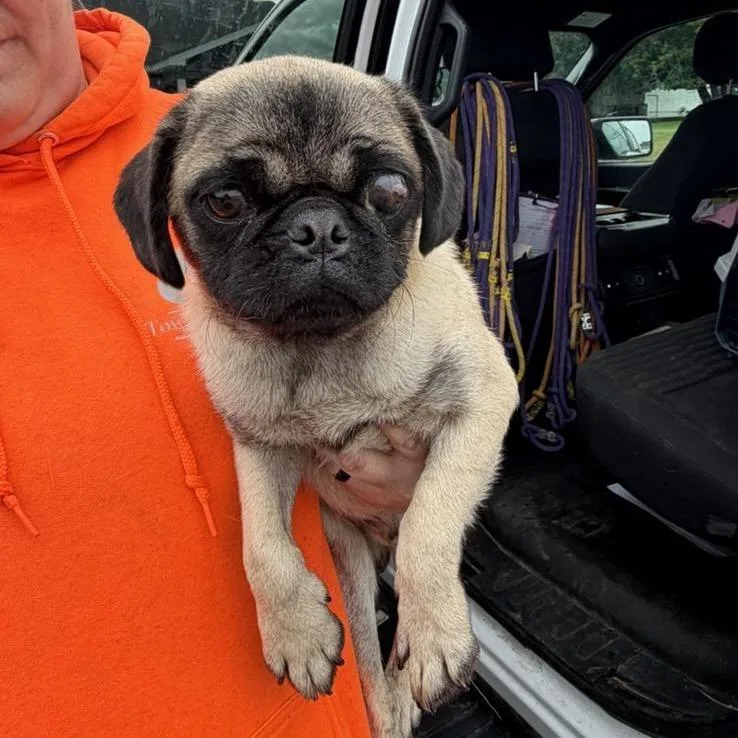
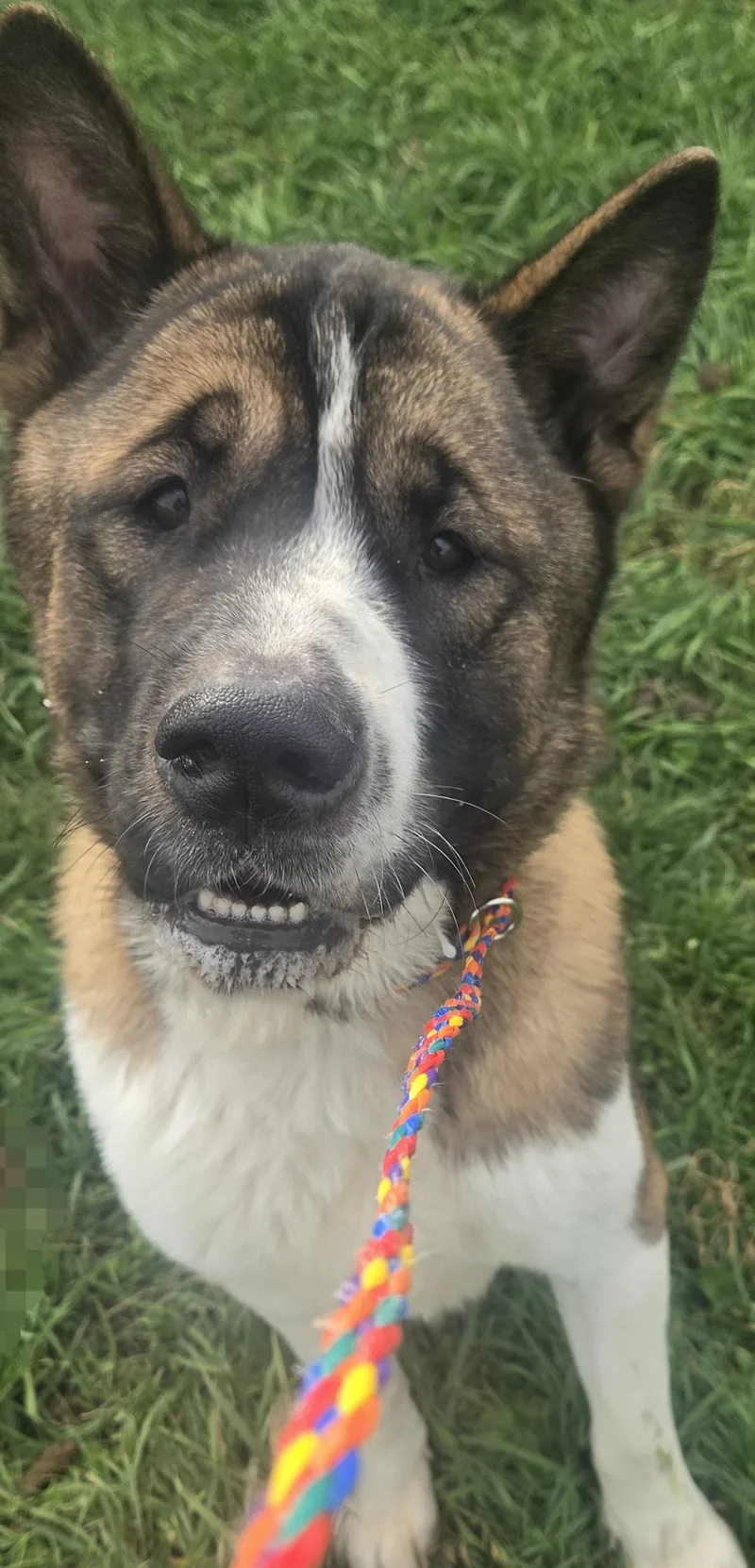
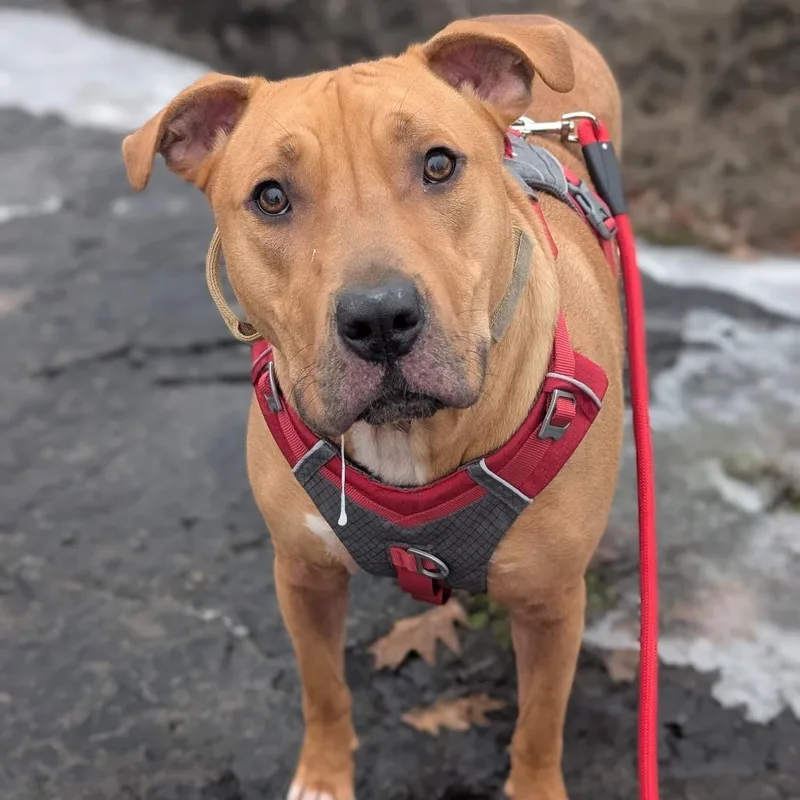
Say hello to your Blue Heeler

While we don't have enough dogs near Watertown, keep in mind that many rescues may offer transport.

Australian Cattle Dog / Blue Heelers Available for Adoption Near Watertown

About the Australian Cattle Dog / Blue Heeler breed

Australian Cattle Dogs, also called Blue Heelers or Queensland Heelers, were developed in nineteenth-century Australia to move cattle across long, hot distances. Settlers crossed collie-type herding dogs with dingoes to produce a tough, quiet worker that nips at heels to move stock. The result is a compact, muscular dog of 35 to 50 pounds with a dense, weather-resistant double coat in blue or red speckle.

Heelers are clever, loyal and alert, and many attach closely to one person. Their stamina and urge to chase and herd can show up as nipping at children, bikes or other pets, so training matters. In Watertown, where lake-effect storms can bury yards for days, a bored Heeler can turn to chewing and digging, so plan indoor games for storm days. With a real outlet, many are hardy companions, often living 12 to 16 years.

Weight
35–50 lbs
Height
17–20 in
Lifespan
12–16 yrs
Temperament
Energetic, Intelligent, Loyal, Alert
Group
Herding
Shedding
Moderate

Owning an Australian Cattle Dog / Blue Heeler in Watertown

Having an Australian Cattle Dog / Blue Heeler in Watertown

Work drive matters more than size with a Heeler. Stamina, a sharp mind and herding instincts reward active owners, and Watertown's long snowy season means planning indoor outlets as well as outdoor ones. Each dog's drive varies, so energy level deserves as much thought as looks.

Temperament

Heelers tend to be loyal, alert and confident, often bonding with one person and staying reserved with strangers. In apartment buildings with shared hallways, that wariness can mean barking at footsteps. Early socialization and reward-based training help, and herding urges like nipping at heels vary a lot from dog to dog.

Exercise Needs

Expect an hour or more of vigorous activity daily, plus mental work like training and puzzle toys. Thompson Park's trails and the leashed Black River Trail suit running and hiking. When snow buries the paths, swap in indoor games, nose work and tug, since a bored young Heeler may chew, dig or nip.

Health Considerations

Heelers are often long-lived, but documented concerns include congenital deafness, progressive retinal atrophy, primary lens luxation and hip and elbow dysplasia. A veterinarian can check hearing, eyes and joints and discuss screening. Active dogs can also strain joints on icy ground, so ease into winter runs. Keep rabies vaccination current, since rabies is active in Jefferson County.

Living Space

A Heeler can live in a Watertown apartment if the owner commits to long daily exercise, though a securely fenced yard makes life easier. Many homes here are older, often with small yards, so a yard needs a solid fence for an athletic dog. Heelers watch everything and may bark at passersby, so a unit away from busy stairwells helps.

What it costs to own an Australian Cattle Dog / Blue Heeler in Watertown

ExpenseTypical costPer year
Adoption fee$350, one time$350 in year one
Food$35 to $70 per month$420 to $840
Pet insurance$55 to $100 per month$660 to $1,200
Routine vet care$225 to $450 per year$225 to $450
Other*$440 to $1,175 per year$440 to $1,175
Estimated yearly total (after year one)$1,745 to $3,665
First-year total (with adoption fee)$2,095 to $4,015

Adoption fee is the fee on Australian Cattle Dog / Blue Heeler listings in Watertown on GetBuddy today. Other costs are estimates and vary with size, age and health.

* The $15 to $25 Watertown dog license, flea, tick and heartworm prevention, a dental cleaning, durable toys and bedding, and light home grooming for a short coat.

Adopt an Australian Cattle Dog / Blue Heeler in Watertown.

Now that you know more, let’s find you a new best friend. These rescues and shelters below currently have Australian Cattle Dog / Blue Heelers available.

Rescues in Watertown with Australian Cattle Dog / Blue Heelers Available

Watertown's shelters and rescues serve Jefferson County and the wider North Country, and their listings change often. Here are the rescues & shelters in the Watertown area where you can find Australian Cattle Dog / Blue Heelers and other dogs available for adoption.

Frequently Asked Questions

Yes. New York law doesn't allow cities to regulate dogs by breed, so Watertown can't single out Australian Cattle Dogs; rules apply to behavior instead, such as dangerous-dog findings after an attack. Any dog kept outdoors in snow or cold must have insulated shelter under state law, though a Heeler belongs indoors with its people.

It can be, for active owners. Watertown offers Thompson Park's trails and ski routes plus the Black River Trail, and a Heeler's weather-resistant coat handles most of the cold. The catch is storm days: lake-effect snow can bury yards for days, so you'll need indoor exercise, training games and a shoveled potty spot. Heelers do best with someone home much of the day.

Yes, if you can give it vigorous daily exercise and training. Many Watertown renters live in older buildings or garden-style complexes, where shared walls make a watchful Heeler's barking more noticeable. Get pet approval in writing and plan indoor games for snowed-in days. A well-exercised Heeler usually settles better indoors.

Thompson Park and the Black River Trail are the best bets. Thompson Park's roughly 450 acres in Knickerbocker offer trails, sledding hills and ski routes for a high-energy Heeler, while the Black River Trail gives leashed dogs a long walk by the river. Pick quieter hours so a wary Heeler isn't crowded, and keep the leash on near the water.

No. CitiBus allows service animals only, and pets can't ride even in a carrier. There's no subway or rail in Watertown either, and CitiBus doesn't run on Sundays. Plan on driving or walking for vet visits and outings, which suits a Heeler that needs lots of walking anyway.

Only on outdoor patios, and only where the restaurant chooses to allow dogs. New York law lets restaurants permit leashed dogs in outdoor dining areas, but it's optional, and dogs generally aren't allowed inside. Look for posted signs, keep the leash short, and bring a mat, since a watchful Heeler may bark at passersby.

Very little. A weekly brush handles a Heeler's short, dense double coat, with daily brushing during the once- or twice-yearly coat blow. Watertown winters add paw care instead of haircuts: rinse off road salt, check between the toes for ice and keep nails trimmed. Home grooming costs little and falls within the yearly Other costs on this page.

Blue Heelers typically live about 12 to 16 years, and a recent UK study put the breed's average life expectancy at about 14 years, longer than many purebreds. A famous Australian Cattle Dog named Bluey reportedly lived over 29 years, though such records are hard to verify. Staying lean and active and getting regular checkups support a long life.

We have 1 rescue with Australian Cattle Dog / Blue Heelers available: Jefferson County S.P.C.A.. You can see every rescue with Australian Cattle Dog / Blue Heelers available in the list above these questions, or scroll to the top to see the Australian Cattle Dog / Blue Heelers near Watertown.

Plan on roughly $1,750 to $3,650 a year for a Heeler in Watertown. That adds up food at $35 to $70 a month, insurance at $55 to $100 a month, routine vet care at $225 to $450 a year, and other yearly costs of $440 to $1,175. Emergency care and illness come on top.