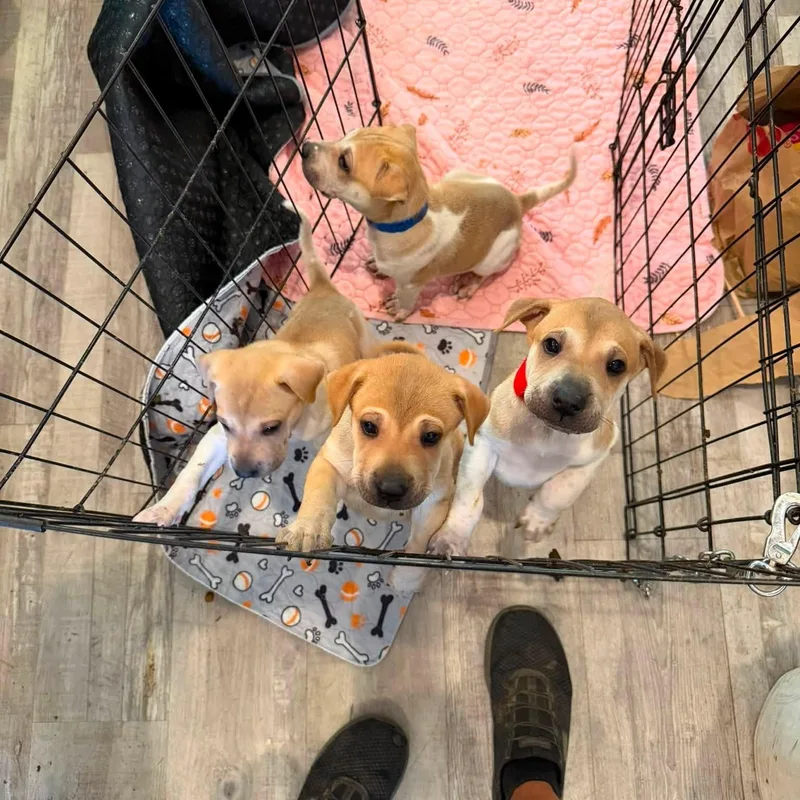
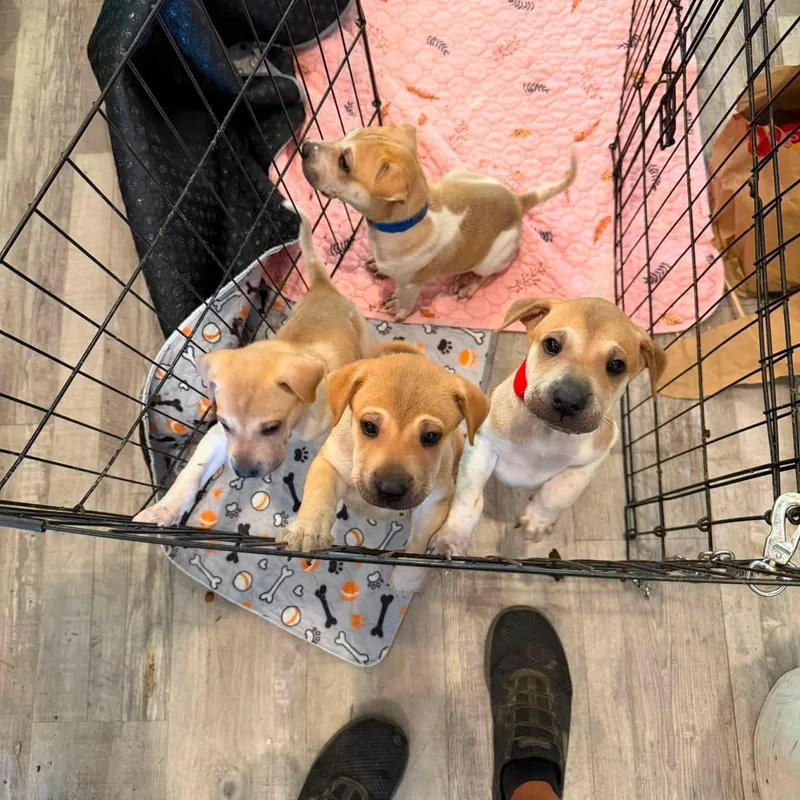
Shar-Pei Dogs for Adoption in New York, NY

Your guide to finding and caring for a Shar-Pei in NYC

A Shar-Pei fits NYC apartment life better than its stern scowl suggests. Most are calm and quiet indoors, so a Long Island City high-rise works as long as the dog gets a couple of good walks a day. They can be reserved with strangers, which matters in elevators and on crowded sidewalks, so practice with passersby early. The Hunters Point South dog run is a handy place to burn off energy without a long trek.

622 Shar-Peis available in New York and nationwide

Bring home a Shar-Pei

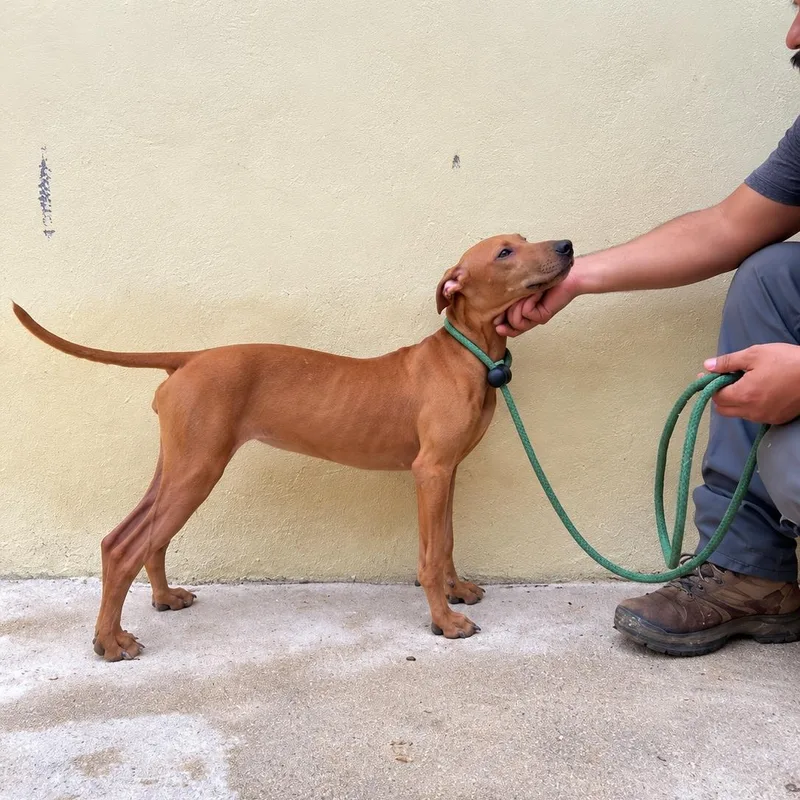
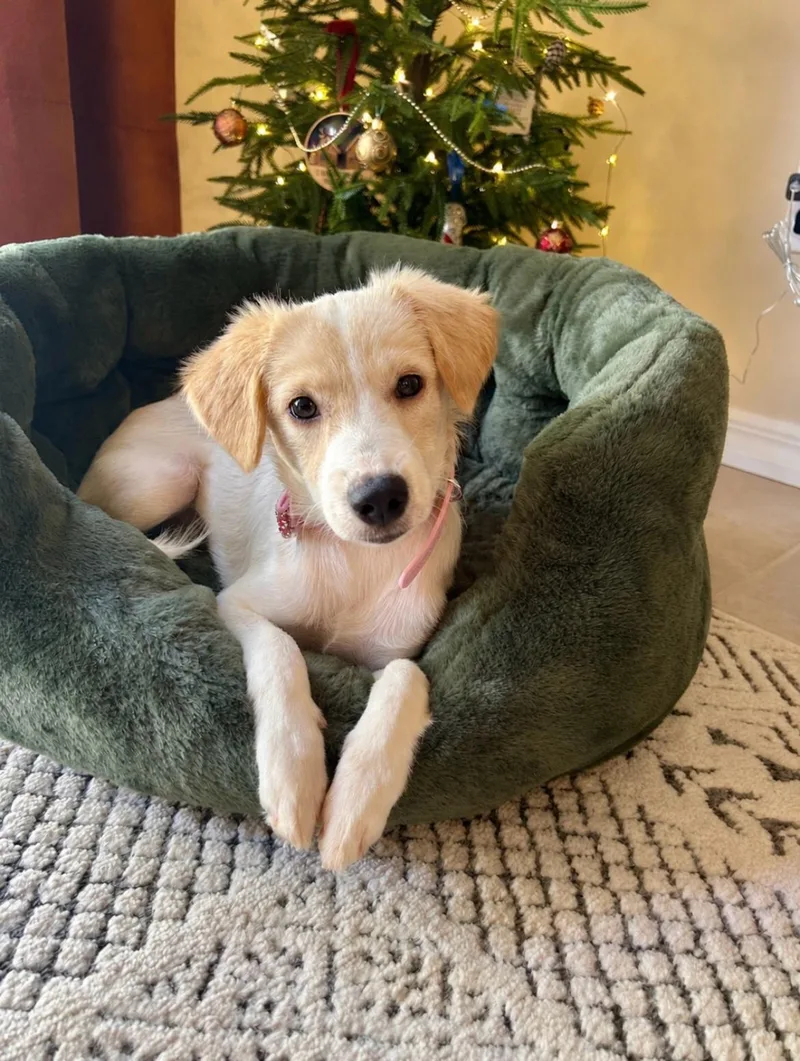
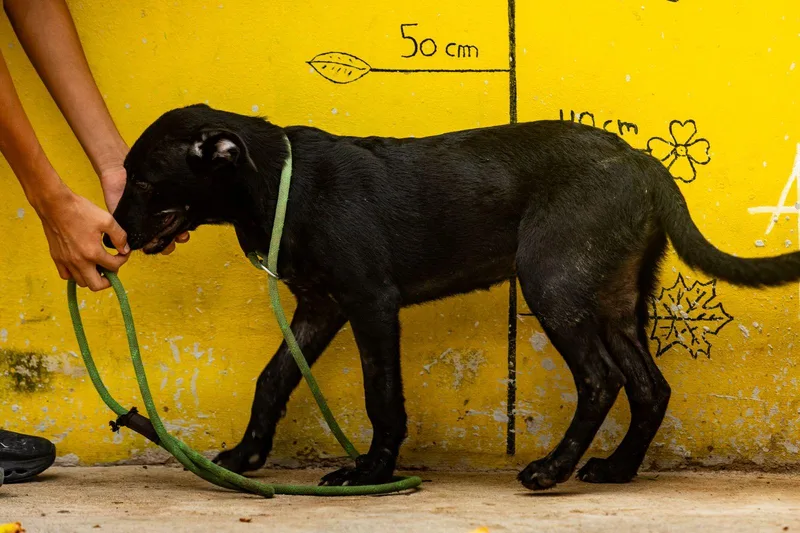
Shar-Peis Available for Adoption Near New York

About the Shar-Pei breed

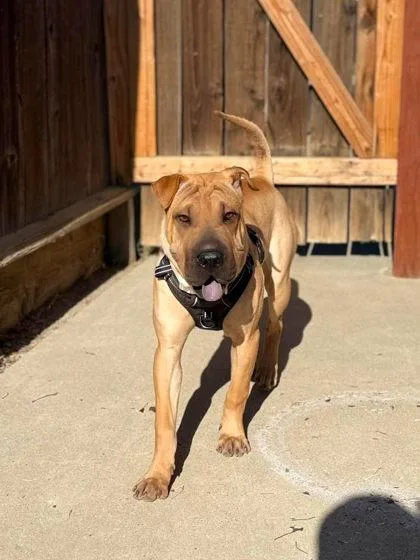
The Chinese Shar-Pei comes from southern China, where it guarded farms and homes, and it nearly disappeared in the twentieth century before being revived. Its deep wrinkles, wide muzzle, tiny ears and blue-black tongue make it unmistakable. The short, harsh coat is easy to keep tidy with a weekly brush, and many are naturally tidy dogs.

In the city, the Shar-Pei's dignified, independent streak tends to show up as calm loyalty at home and aloofness outside it. Plan on early socialization, steady reward-based training and a veterinarian who knows the breed, since skin folds, eyes, ears and an inherited fever syndrome need regular attention. Dogs vary, so look at each dog's own personality rather than the breed label.


Weight
45–60 lbs
Height
18–20 in
Lifespan
8–12 yrs
Temperament
Independent, Loyal, Protective, Calm
Group
Non-Sporting
Shedding
Moderate

Owning a Shar-Pei in New York

Having a Shar-Pei in NYC

A Shar-Pei is a dignified, fairly low-key dog with moderate exercise needs, which suits many city routines. The trade-off is upkeep: skin folds, eyes and ears need regular care, and an inherited fever syndrome makes regular veterinary visits important.

Temperament

Shar-Peis are typically loyal and calm with their own people and reserved with strangers, which can show up on busy NYC sidewalks and in shared hallways. Some are choosy about other dogs. Early socialization and consistent, reward-based training help, though each dog's history and personality differ.

Exercise Needs

Plan on two daily walks plus some play or a training game. In NYC that can mean a neighborhood loop, a dog run, or courtesy off-leash hours in designated park areas, generally before 9 a.m. and after 9 p.m. Keep outings short and shaded when it's hot, since heavy skin and a broad muzzle raise overheating risk.

Health Considerations

Watch for unexplained fevers or swollen hocks, which can point to familial Shar-Pei fever, and for squinting or watery eyes from entropion. Skin allergies, fold infections and ear infections are common. A veterinarian familiar with the breed can check these at a first visit and set up a preventive plan.

Living Space

A Shar-Pei is usually quiet and calm indoors, so apartments, including smaller ones, work well when the dog gets daily walks. An elevator building means more hallway encounters with strangers and dogs, so practice calm greetings. Air conditioning or a cool room helps a lot in summer.

What it costs to own a Shar-Pei in New York

ExpenseTypical costPer year
Adoption fee$575 to $650, one time$575 to $650 in year one
Food$35 to $70 per month$420 to $840
Pet insurance$55 to $100 per month$660 to $1,200
Routine vet care$225 to $450 per year$225 to $450
Other*$484 to $1,484 per year$484 to $1,484
Estimated yearly total (after year one)$1,789 to $3,974
First-year total (with adoption fee)$2,364 to $4,624

Adoption fee is the range of fees on Shar-Pei listings in New York on GetBuddy today. Other costs are estimates and vary with size, age and health.

* The NYC dog license, flea, tick and heartworm prevention, a dental cleaning allowance, toys and bedding, simple coat care, and cleansers and wipes for skin folds and ears.

Adopt a Shar-Pei in New York.

Now that you know more, let’s find you a new best friend. These rescues and shelters below currently have Shar-Peis available.

Frequently Asked Questions

Yes, a Shar-Pei can live in an NYC apartment, because most are quiet and calm indoors once exercised. Plan on two daily walks, a cool room in summer, and practice with elevators, stairs and hallway neighbors, since many Shar-Peis are reserved with strangers and some are choosy about other dogs. Read your building's own pet rules before you adopt.

Usually not. Pets on the NYC subway and buses must be enclosed in a bag or container, and a 45-to-60-pound Shar-Pei won't fit in one; only service animals are exempt. A leashed dog can ride Metro-North, and NYC Ferry allows short-leashed, quiet, house-trained dogs, so those are options for longer trips.

Start with NYC Parks dog runs such as Tompkins Square Park, Carl Schurz Park or McCarren Park, where dogs can go off leash. Prospect Park's Long Meadow and Central Park have off-leash areas during courtesy hours, which in Central Park are 6–9 a.m. and 9 p.m.–1 a.m. Keep your Shar-Pei leashed elsewhere, and go early in summer.

Yes, with care. Summer highs average about 83°F, and Central Park sees around 17 days a year at or above 90°F. A Shar-Pei's heavy skin and broad muzzle make heat harder, so walk at dawn or after dark, keep a cool room and water available, and never leave the dog in a car. Heavy panting is a sign to cool down.

Only to outdoor dining areas, and only where the restaurant chooses to allow dogs; pet dogs aren't allowed indoors. Expect the dog to be leashed or in a carrier within arm's length and staying on the ground. Restaurants may limit dog size or breed, so a calm Shar-Pei that's relaxed around strangers has the best chance.

Not much. The short, harsh coat needs a weekly brushing, with baths only as needed. The real work is skin: wipe and fully dry folds and ears, especially after rainy or humid days, and wipe paws after salted winter walks. Professional grooming is optional and sits within the Other yearly costs shown above, along with skin-fold care supplies.

Yes. NYC has no breed-specific ownership rules, and state law bars breed-specific dangerous-dog programs. Your Shar-Pei does need a city license and a current rabies vaccination, and you should carry proof of both in public. Landlords, co-ops and public housing can set their own pet rules, so read your lease or house rules first.

It can be, for adopters who want a calm, low-key companion and can give daily walks, early socialization and careful heat management. A Shar-Pei's reserved nature suits quieter routines more than constant visitors and crowded dog runs. If you're away for long stretches or can't budget for skin and eye care, another breed may suit better.

We have 1 rescue with Shar-Peis available: Miracles for Satos Rescue. You can see every rescue with Shar-Peis available in the list above these questions, or scroll to the top to see the Shar-Peis near New York.

Expect about $35–$70 a month for food and $55–$100 a month for pet insurance. Routine vet care runs roughly $225–$450 a year, and other yearly costs such as prevention, dental care, supplies and skin-fold care add about $484–$1,484. Vet bills can run higher with skin, eye or fever problems, so get local quotes.