Klee Kai Dogs for Adoption in New York, NY

Your guide to finding and caring for a Klee Kai in NYC

A Klee Kai is small enough for a New York walk-up but needs more exercise than its size suggests. Even a standard tops out around 22 pounds, so an Upper East Side apartment or a Brooklyn brownstone floor works fine, as long as there's a daily run at a fenced spot like the Washington Park dog run. Many Klee Kai are wary of strangers, so a packed sidewalk takes patient practice. They're also talkative, which matters with thin walls.

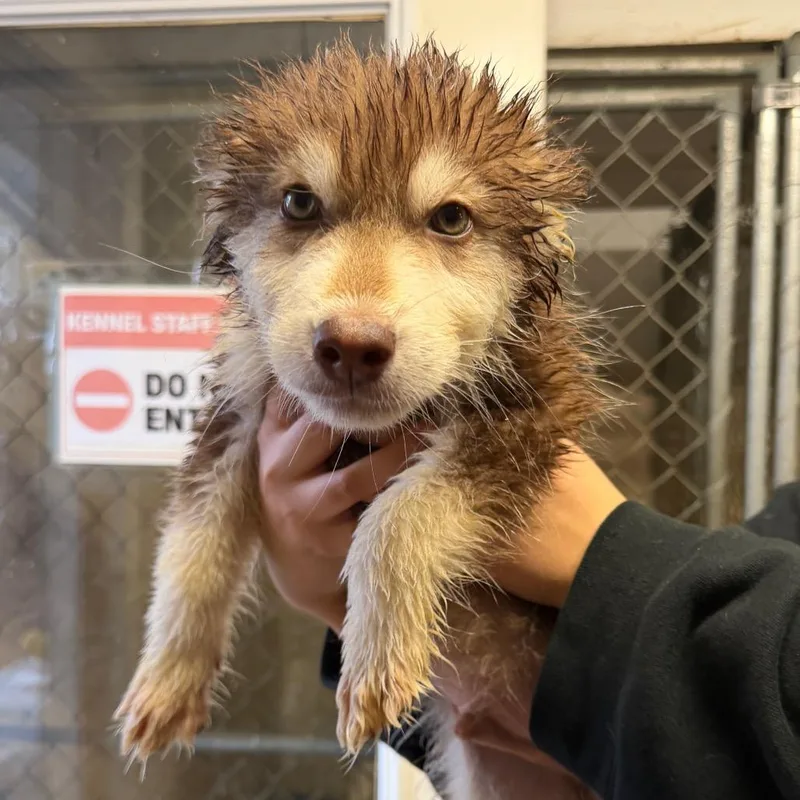
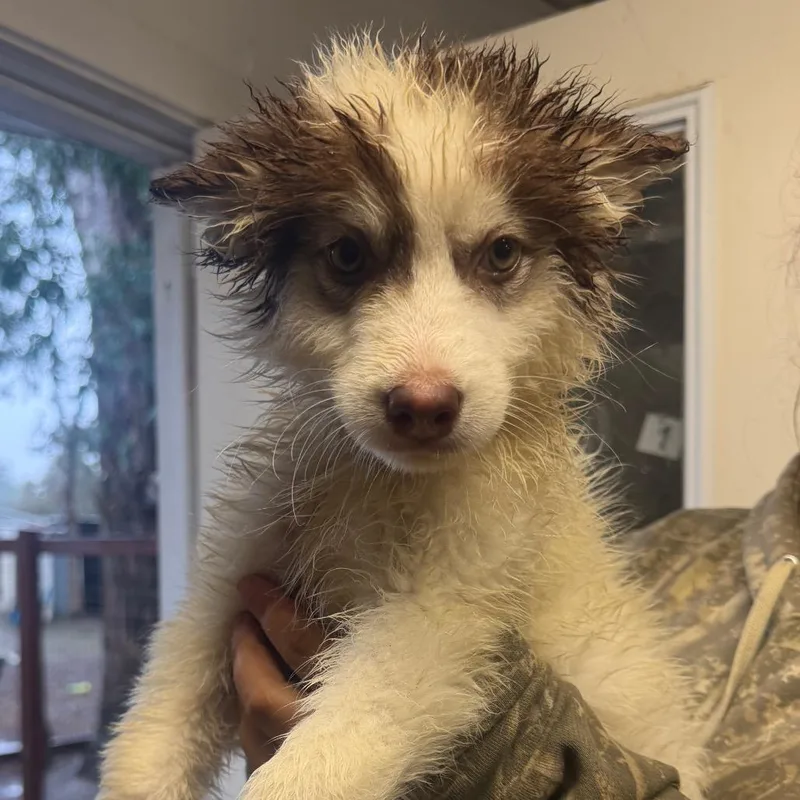
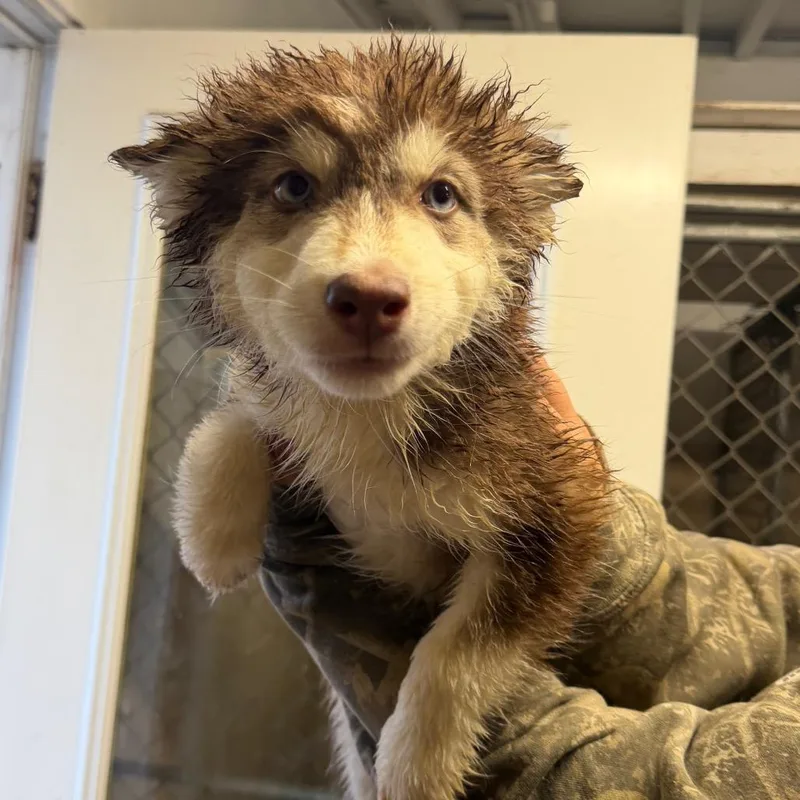
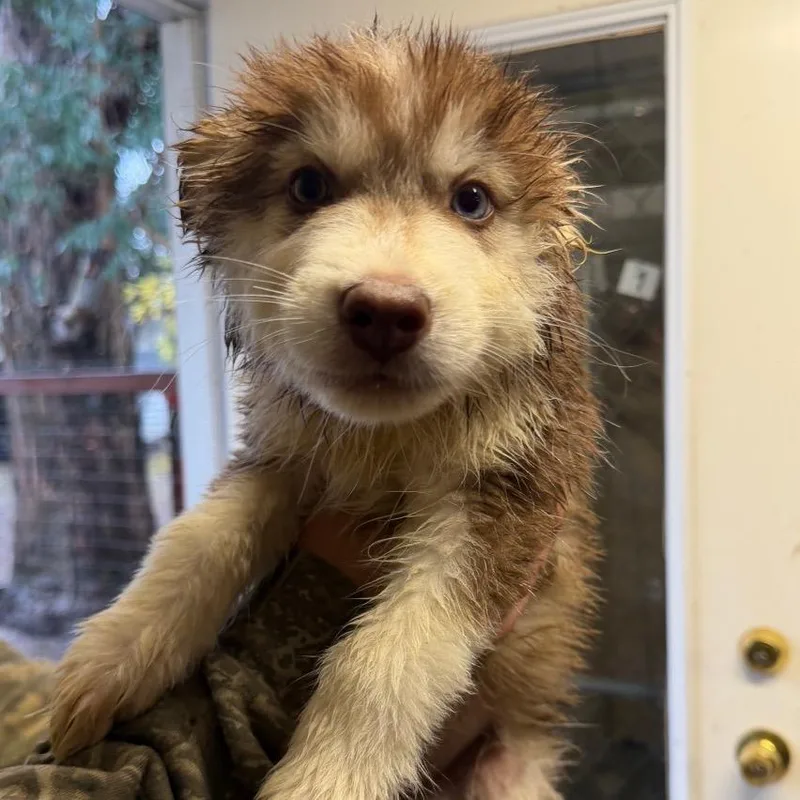
17 Klee Kais available in New York and nationwide

Your Klee Kai is waiting

While we don't have enough dogs near New York, keep in mind that many rescues may offer transport.

Klee Kais Available for Adoption Near New York

About the Klee Kai breed

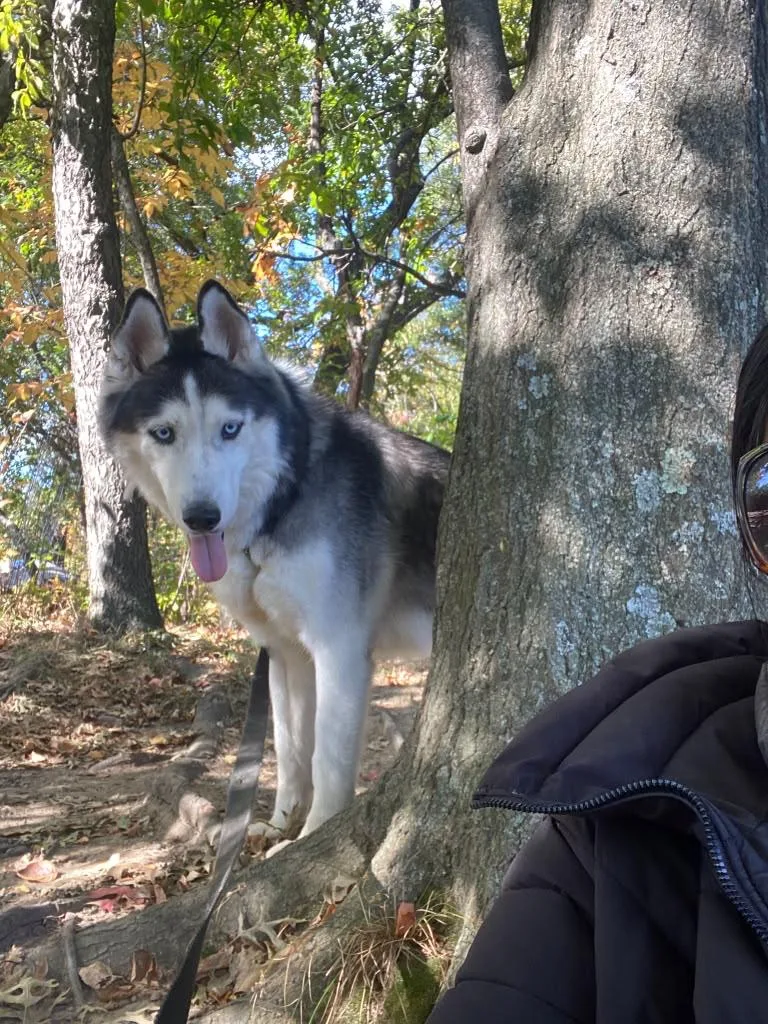
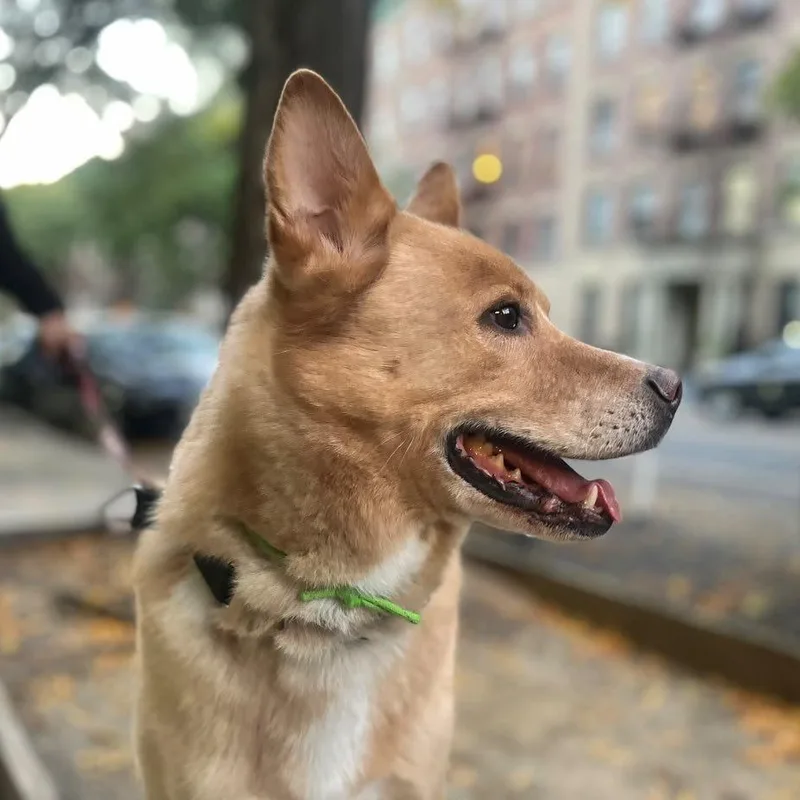
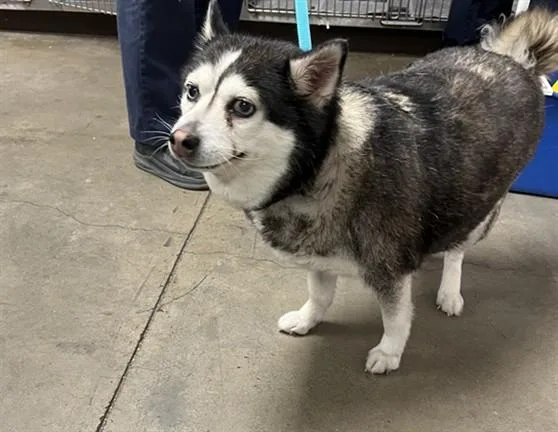
The Alaskan Klee Kai was developed in Alaska in the 1970s as a companion-sized version of the Alaskan Husky, with Siberian Husky, Schipperke and American Eskimo Dog added to bring the size down. The result looks like a husky in miniature, with a facial mask, erect ears, a curled tail and a double coat, in toy, miniature and standard sizes of roughly 6 to 22 pounds.

Personality is where Klee Kai differ most from their Siberian cousins. Many are reserved with strangers, devoted to their own people, clever and talkative in a husky way. They shed moderately all year and blow coat about twice a year. In a dense city, that means early socialization on busy sidewalks, steady training and a plan for keeping a quick, agile dog securely leashed. Every dog varies, so a dog's own behavior matters more than the breed description.

Weight
6–22 lbs
Height
12–17 in
Lifespan
12–16 yrs
Temperament
Alert, Curious, Intelligent, Energetic
Group
Miscellaneous
Shedding
Moderate to High

Owning a Klee Kai in New York

Having a Klee Kai in NYC

Klee Kai pair husky-style energy and intelligence with a small frame. Their wariness of strangers, chasing instinct and talkative nature shape city life most, and how strongly each dog shows them varies.

Temperament

Many Klee Kai are affectionate with their household but cautious with new people, and some are selective with other dogs. On crowded NYC sidewalks and in elevators, that wariness can show up as backing away or barking. Gradual, positive exposure to crowds, strollers and bikes helps. Pigeons and squirrels may trigger chasing.

Exercise Needs

Plan on brisk walks plus real play each day, and puzzle toys or trick training for the mind. In NYC, fenced dog runs suit fast, agile dogs that may bolt after squirrels, and parks require a leash no longer than six feet outside off-leash areas and hours. Use a secure harness. Bored Klee Kai often dig, chew or howl.

Health Considerations

Documented breed concerns include juvenile cataracts, liver disease, heart problems, thyroid issues, slipping kneecaps and factor VII deficiency, an inherited clotting disorder with a DNA test. A veterinarian can check eyes, kneecaps and heart at the first exam. Mention any bleeding disorder result before surgery. Wipe paws after winter walks to remove de-icing chemicals.

Living Space

A Klee Kai's small size suits most NYC apartments, as long as daily exercise happens outside the home. Its vocal habits can test thin walls and close neighbors, so teaching quiet routines early helps. Plan carefully if you share a home with cats or other small pets, since chasing instincts vary. A secure leash matters at every door and elevator.

What it costs to own a Klee Kai in New York

ExpenseTypical costPer year
Food$20 to $45 per month$240 to $540
Pet insurance$35 to $70 per month$420 to $840
Routine vet care$200 to $400 per year$200 to $400
Other*$484 to $1,259 per year$484 to $1,259
Estimated yearly total (after year one)$1,344 to $3,039

Other costs are estimates and vary with size, age and health.

* The $8.50 NYC license for a spayed or neutered dog, flea, tick and heartworm prevention, a yearly dental cleaning allowance, toys and bedding, and extra brushing while the double coat sheds.

Adopt a Klee Kai in New York.

Now that you know more, let’s find you a new best friend. These rescues and shelters below have dogs available in and near New York.

Rescues and Shelters in or near New York

These NYC shelters and rescues list adoptable dogs, and their listings change often, so check back on this page for new arrivals. Here are the rescues & shelters in the NYC area with dogs available for adoption, worth asking whether a Klee Kai is coming in.

Frequently Asked Questions

Yes, NYC has no breed-specific ownership rules for Klee Kai. Every dog needs a city license on its collar, $8.50 a year if spayed or neutered, plus a current rabies vaccination. Private landlords and co-ops can set their own pet rules, though the city's three-month pet law can waive a no-pet clause. NYCHA caps dogs at 25 pounds, which fits a Klee Kai.

Yes, a Klee Kai's compact size suits most NYC apartments, since about two-thirds of households rent. The harder part is noise: these dogs howl and chatter, and the city can act on barking heard for 10 straight minutes during the day. Daily runs and puzzle toys keep a dog calmer, and early quiet-time training helps with neighbors.

Yes, if your Klee Kai rides in a bag or other container carried so it doesn't annoy other riders. The same rule covers buses, and service animals are exempt. Since the breed ranges up to about 22 pounds, a standard may be tough to carry. Practice carrier time early. Metro-North, by contrast, lets leashed dogs ride.

Fenced dog runs are the safest pick for an agile Klee Kai, such as Hunters Point South Park in Queens or Washington Park in Brooklyn. Central Park allows off-leash time 6 to 9 a.m. and 9 p.m. to 1 a.m. in specified areas. Keep your dog close there, because coyotes have been seen, and always leash it elsewhere.

Only to outdoor dining areas, and only where the restaurant chooses to allow dogs. Your Klee Kai must stay leashed within arm's length or in a carrier, on the ground and out of aisles. Restaurants can limit dog size or breed, and pet dogs aren't allowed indoors. A quiet, settled dog makes outdoor meals much easier.

Yes, the double coat makes NYC winters manageable for most Klee Kai. Central Park averages about 67 freezing nights and 29.8 inches of snow a year. The main local concern is salted sidewalks: wipe paws after every walk, since ice-melting chemicals can make dogs sick. Bring your dog indoors during extreme cold.

Plan on brushing a few times a week, and daily while the double coat blows out in spring and fall. Never shave the coat. Wipe paws after salted winter walks and rinse off mud in rainy months. Most grooming is done at home, and any professional visits fit within the yearly Other cost range of $484 to $1,259.

Alaskan Klee Kai come in three sizes: toy dogs stand up to 13 inches at the shoulder, miniatures over 13 to 15 inches, and standards over 15 to 17 inches. Weights typically run from under 10 pounds for toys to about 16 to 22 pounds for standards. Even within a litter, puppies can grow into different size varieties.

An Alaskan Klee Kai is a small, husky-like companion dog developed in Alaska in the 1970s from Alaskan Husky, Siberian Husky, Schipperke and American Eskimo Dog lines. It has a facial mask, erect ears, a curled tail and a double coat, and comes in three sizes. Many are energetic, intelligent and vocal, and often reserved with strangers.

Plan on roughly $20 to $45 a month for food, $35 to $70 a month for pet insurance, $200 to $400 a year for routine vet care, and $484 to $1,259 a year for other costs such as parasite prevention, dental care and brushing. NYC's overall price level is high, so compare local quotes.