Hamiltonstovare Dogs for Adoption in New York, NY

Your guide to finding and caring for a Hamiltonstovare in NYC

A Hamiltonstovare in NYC needs real miles, not just a lap around the block. Pelham Bay Park in the Bronx and Forest Park in Queens give a medium-sized hound room to stretch out on a leash, and the breed's friendly, even-tempered nature copes well with sidewalk crowds. It's a scent hound, though, and a fresh smell can drown out your voice. Hamiltonstovares are rare in this country, so expect few listings and save a search here to catch one.

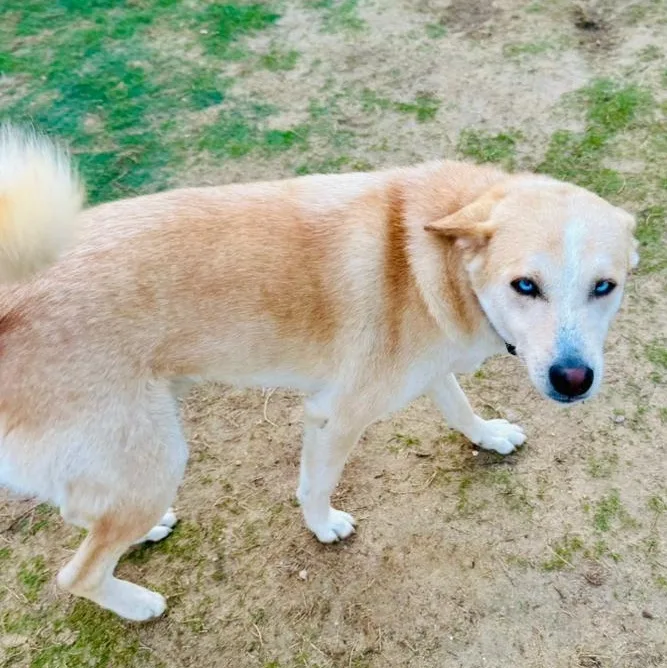
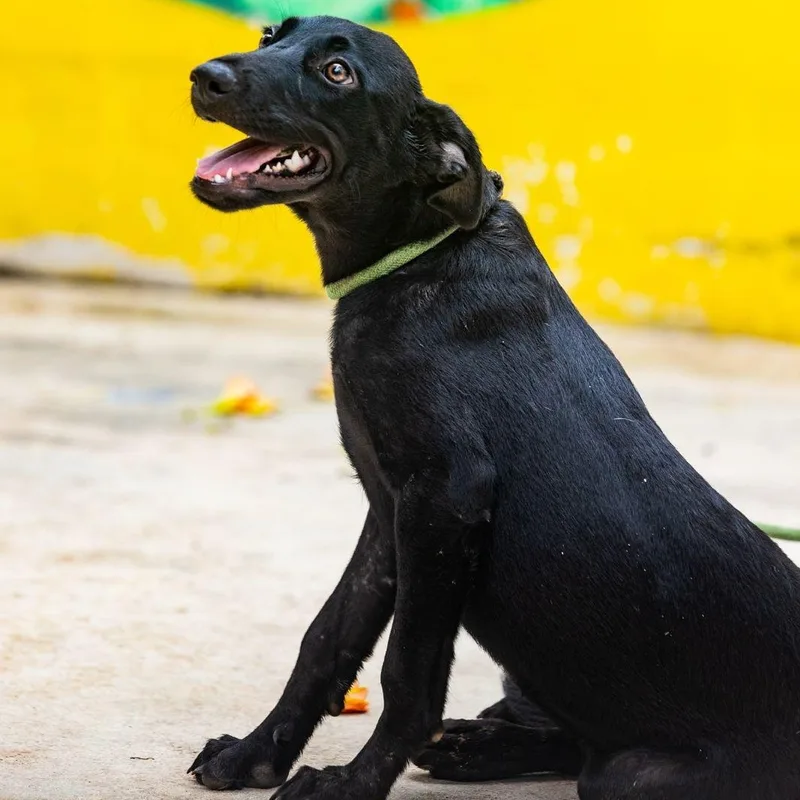
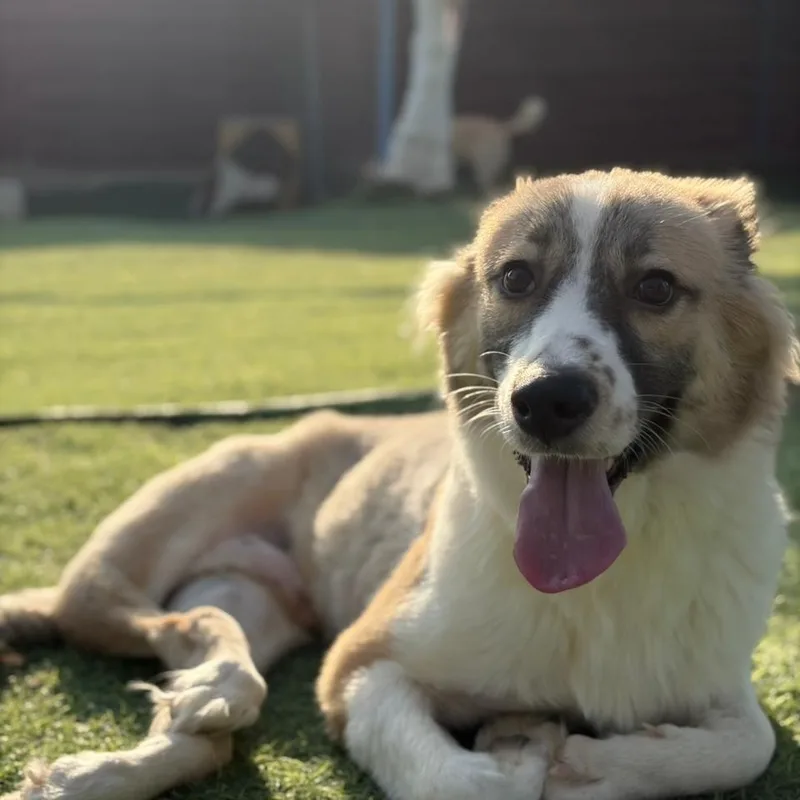
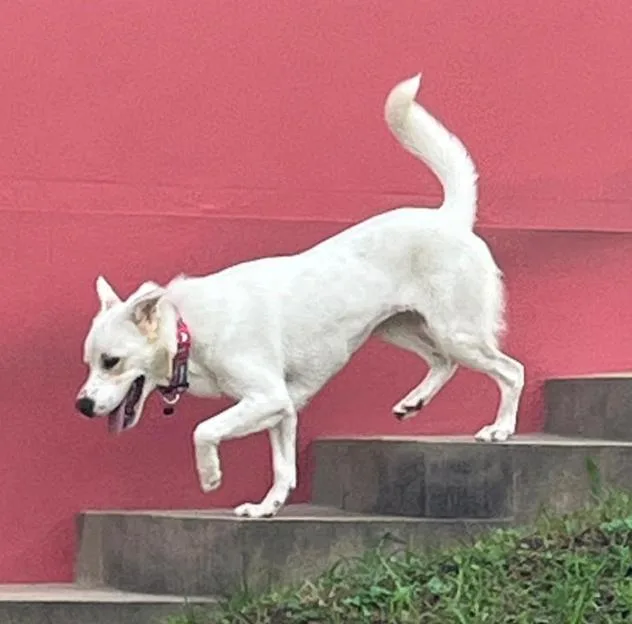
5101 dogs similar to Hamiltonstovare available in New York and nationwide

Say hello to your Hamiltonstovare

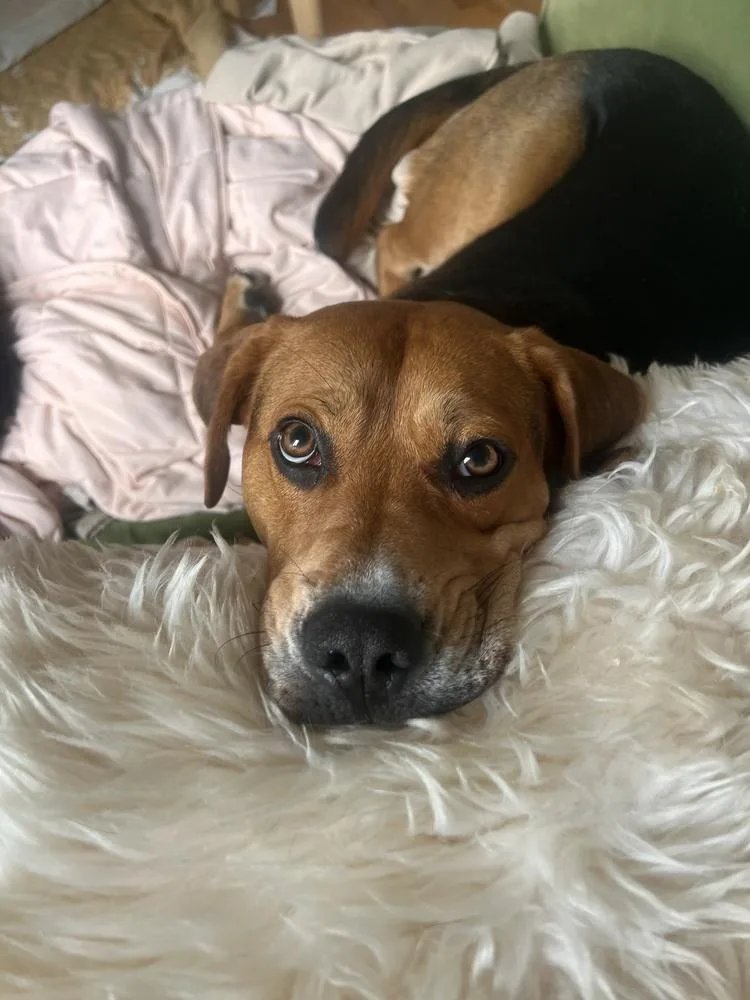
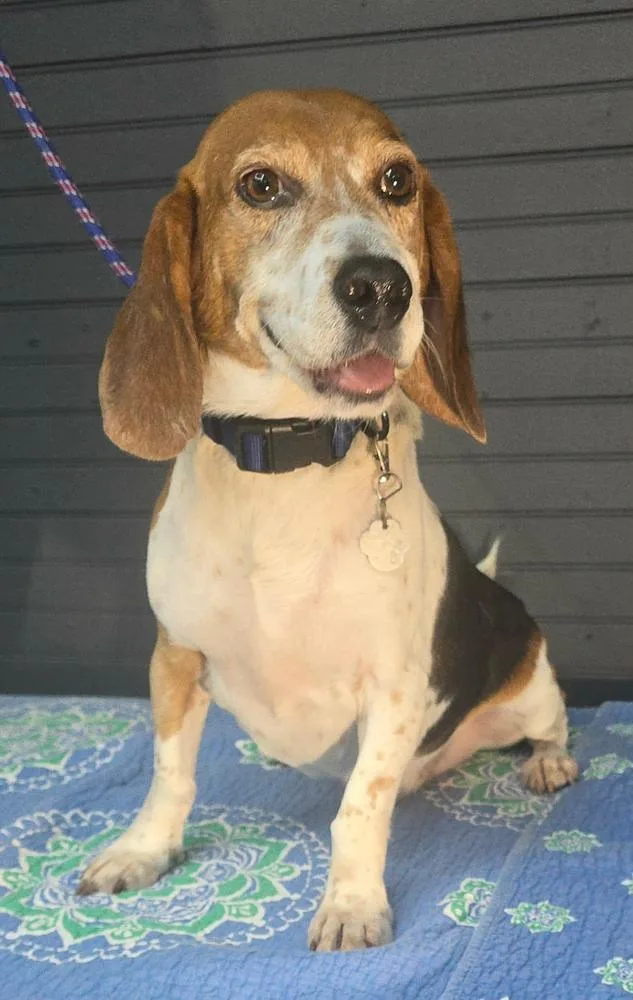
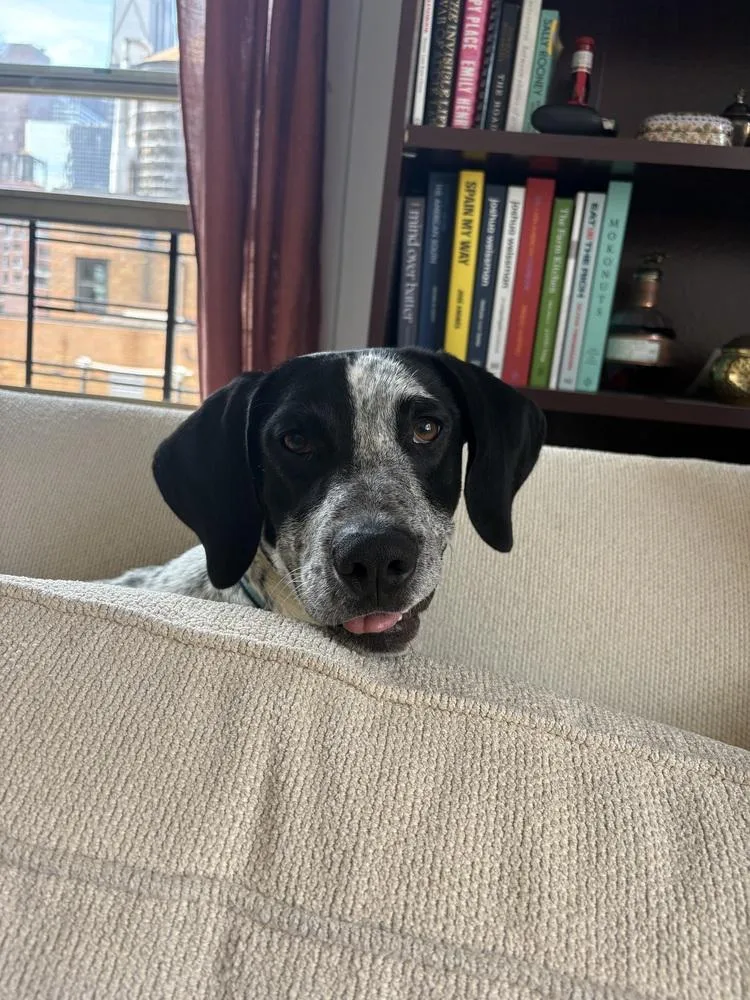
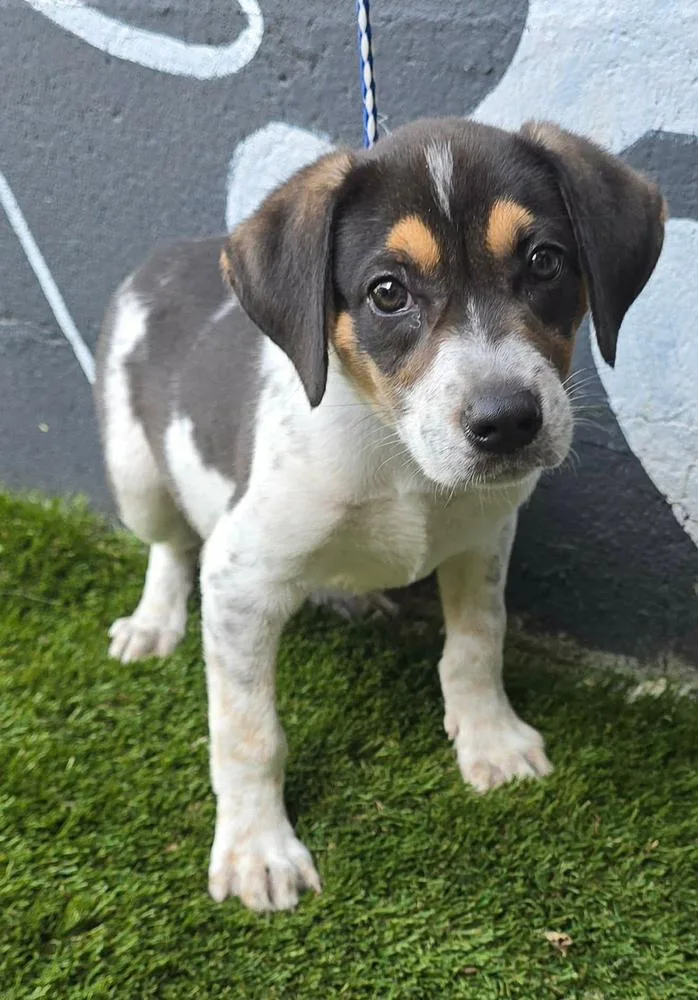
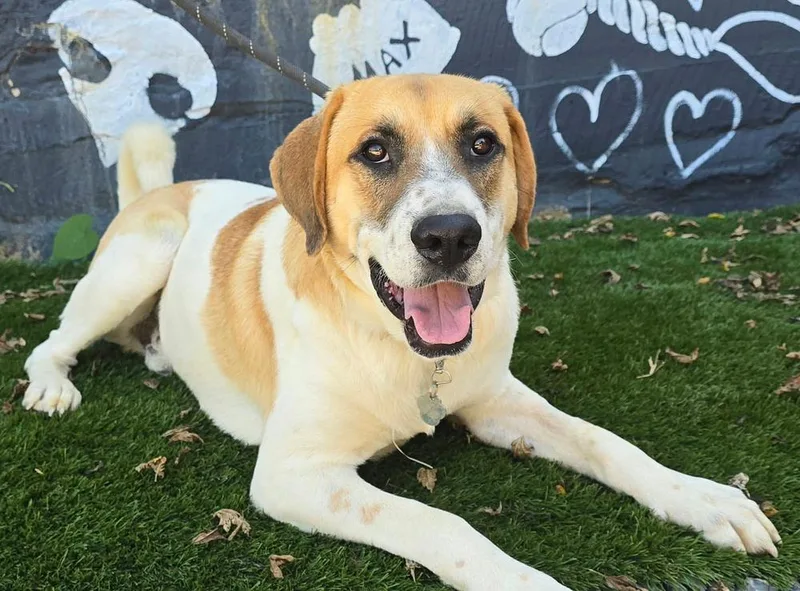
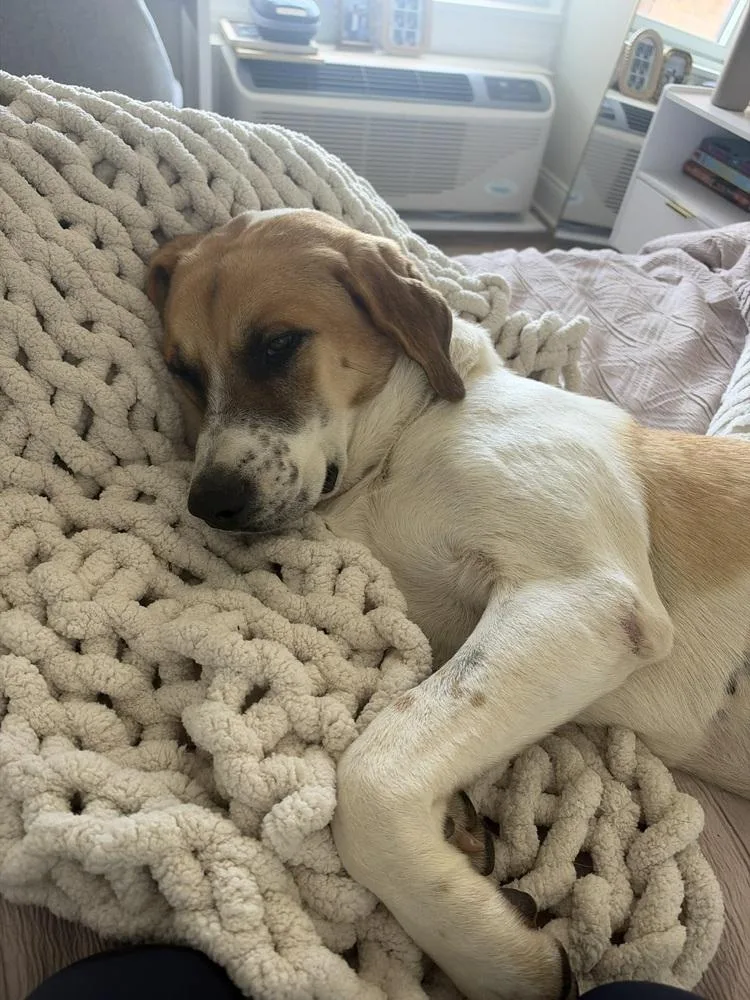
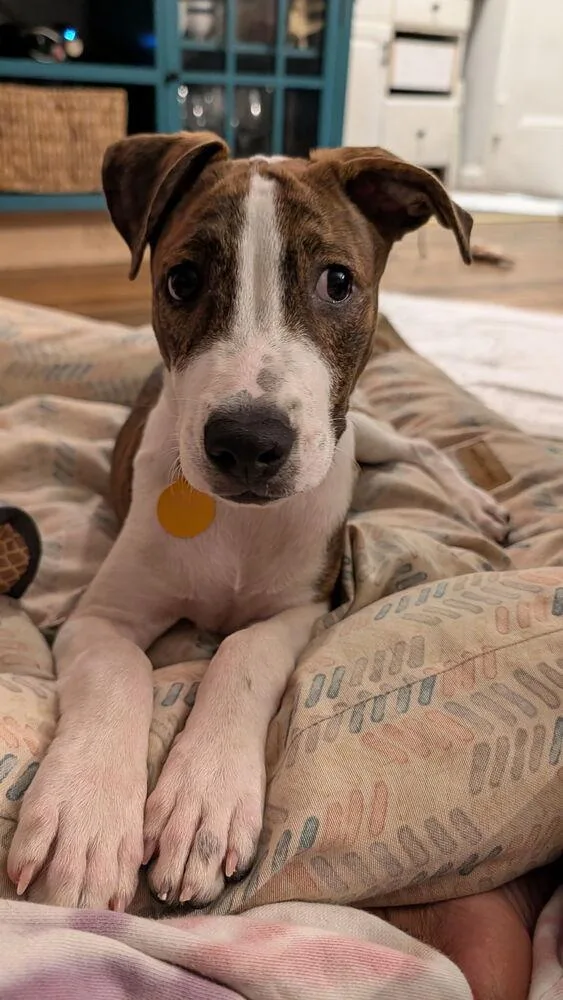
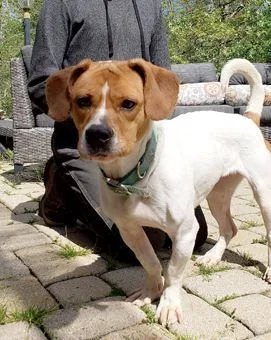
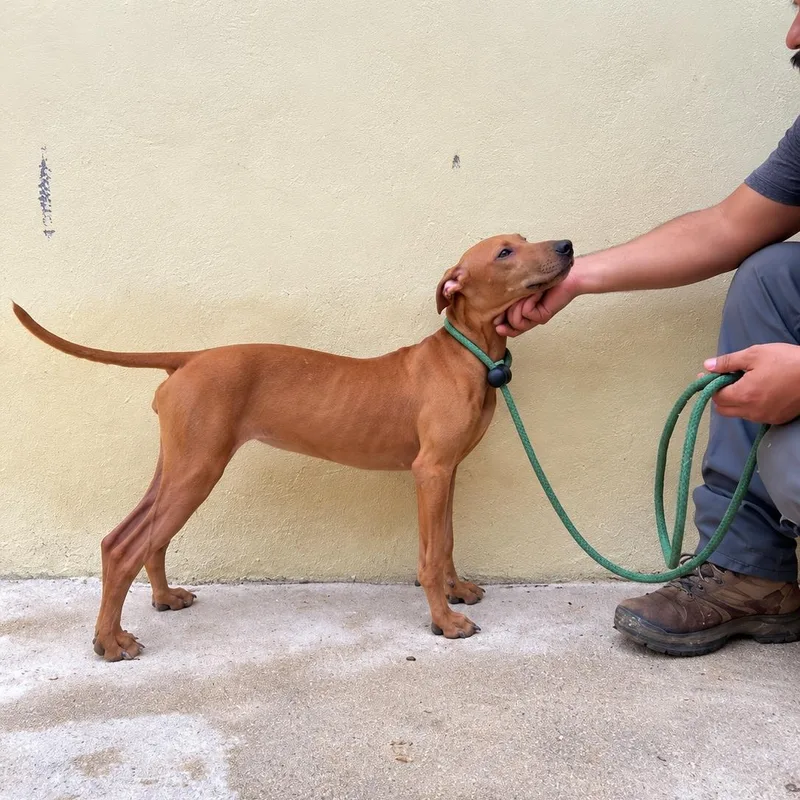
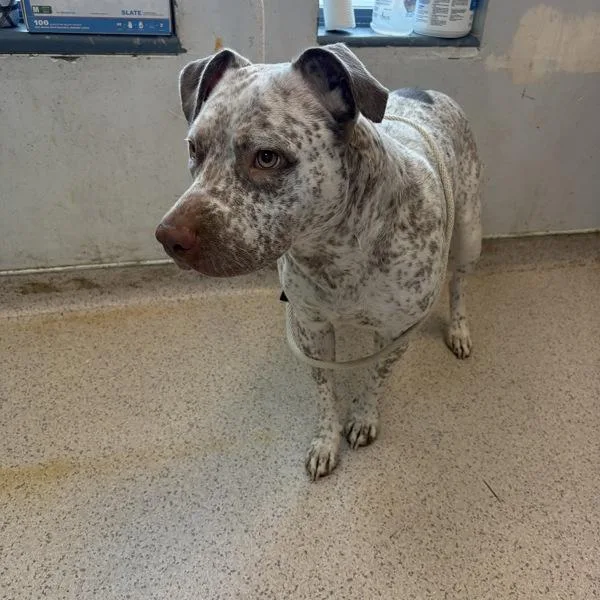
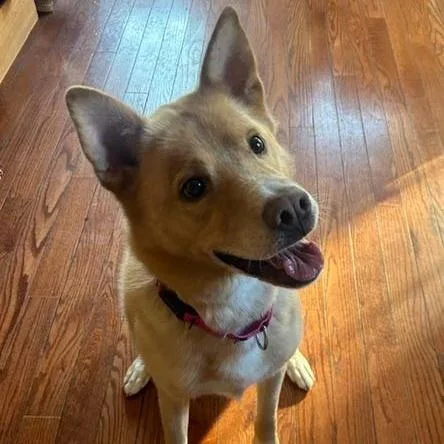
Hamiltonstovares and Similar Breeds Available for Adoption Near New York

About the Hamiltonstovare breed

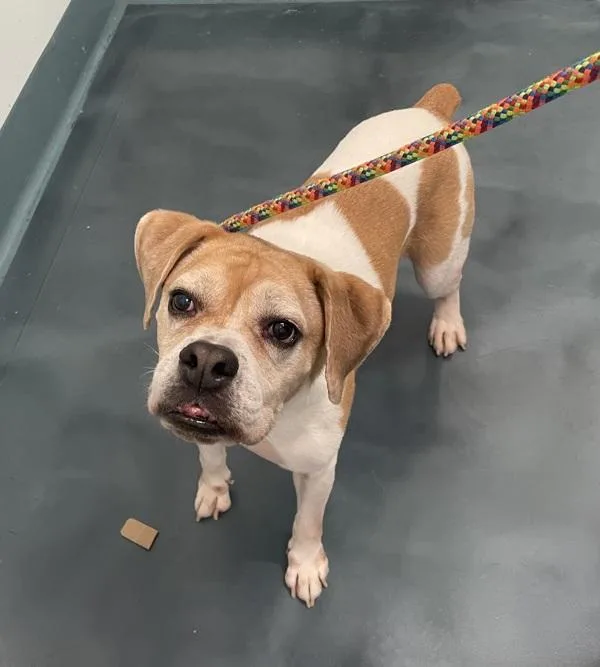
The Hamiltonstovare is a Swedish scent hound named for Count Adolf Hamilton, founder of the Swedish Kennel Club, who showed the first examples in 1886. It was developed to trail hare and fox alone and to announce the trail with its voice. It's a medium-sized, athletic dog with a close-lying coat in black, tan and white.

At home, many Hamiltonstovares are friendly and even-tempered with people and other dogs, but the nose still leads. They need daily exercise, patient training and secure fencing. The breed is rare outside Scandinavia, and the AKC lists it in its Foundation Stock Service, so a purebred is an uncommon find in NYC. Similar hounds and hound mixes are more likely to appear.

Weight
50–60 lbs
Height
19–24 in
Lifespan
10–13 yrs
Temperament
Friendly, Energetic, Independent
Group
Hound
Shedding
Moderate

Owning a Hamiltonstovare in New York

Having a Hamiltonstovare in NYC

Hamiltonstovares pair a relaxed home manner with the stamina of a hound bred to work alone over long distances. In NYC, the nose, the voice and the need for daily movement matter more than the medium size or tidy coat.

Temperament

Most Hamiltonstovares are friendly and even-tempered, and many enjoy other dogs, which helps at crowded dog runs. They can be stubborn and easily distracted by smells, so keep training sessions short and rewarding. Squirrels and pigeons may trigger a chase, so hold the leash firmly in parks. Each dog varies.

Exercise Needs

Plan on a long walk or jog every day, plus sniffing games. Outside dog runs and designated off-leash areas, NYC Parks requires a leash of six feet or less. Because recall is unreliable around strong scents, fenced dog runs are the safest place to let a Hamiltonstovare run free.

Health Considerations

Hamiltonstovares are generally sturdy, but hip dysplasia occurs in the breed and drop ears need regular checks for infection. Keeping the dog lean eases the load on its joints. Wipe its paws after winter walks, since ice-melting chemicals can make a dog sick. A veterinarian can check hips and ears at the first wellness visit.

Living Space

An adult Hamiltonstovare can manage in an NYC apartment if it gets long outings. Baying is the catch: a bored dog left alone may be heard through shared walls, and the city's noise code lets DEP act on barking heard for 10 straight minutes in the daytime. Choose a home where someone is around often.

What it costs to own a Hamiltonstovare in New York

ExpenseTypical costPer year
Food$35 to $70 per month$420 to $840
Pet insurance$45 to $85 per month$540 to $1,020
Routine vet care$225 to $450 per year$225 to $450
Other*$434 to $1,159 per year$434 to $1,159
Estimated yearly total (after year one)$1,619 to $3,469

Other costs are estimates and vary with size, age and health.

* The $8.50 NYC dog license for a spayed or neutered dog, flea, tick and heartworm prevention, a dental cleaning allowance, toys and bedding, and occasional brushing and baths.

Adopt a Hamiltonstovare in New York.

Now that you know more, let’s find you a new best friend. These rescues and shelters below have dogs available in and near New York.

Frequently Asked Questions

Yes, an adult Hamiltonstovare can live in an NYC apartment if it gets long daily walks and isn't left alone for hours. The main risk is baying, which neighbors may hear through shared walls. Look for a building where you're home often, and plan on a dog run or park visit every day for real exercise rather than only quick potty breaks.

Probably not. Pets on the subway and buses must be in a bag or container carried so they don't annoy other riders, and a 50–60 pound Hamiltonstovare won't fit in one. Only service animals are exempt. Metro-North allows a leashed dog, and NYC Ferry allows quiet, short-leashed dogs, so those are options for longer trips.

Fenced dog runs like those in Pelham Bay Park, Forest Park and McCarren Park are the safest places for a Hamiltonstovare to run, since a scent can override recall. Central Park allows off-leash dogs 6–9 a.m. and 9 p.m.–1 a.m., and Prospect Park's Long Meadow during courtesy hours. Elsewhere, keep this hound on a leash of six feet or less.

Yes. NYC has no breed-specific ownership rules, and state law bars them. You'll need a dog license on the collar, $8.50 a year for a spayed or neutered dog. Read your lease first: NYCHA public housing caps dogs at 25 pounds, and private landlords or co-op boards may set their own size limits.

It can be, if you're active and home often. The breed is friendly and sturdy, and fenced dog runs give it somewhere safe to run. It's a poor match for long workdays away, since a bored hound may bay, or for anyone who wants a dog reliably off leash. Each dog varies, so weigh your own routine honestly.

Only outdoors, and only where the restaurant allows it. Pet dogs aren't permitted indoors; service dogs are. Outside, the dog must be leashed or in a carrier within arm's length, stay on the ground and keep out of aisles. Restaurants can also limit the size or breed of dogs, so a medium-sized hound may be turned away.

Yes, most handle it well. Their close-lying double coat suits cold weather, and the breed was developed for Swedish winters. The bigger issues are salted sidewalks and ice, so wipe paws after every walk. The coat is very short on the ears and legs, so bring the dog indoors in extreme cold.

Very little. A weekly brushing keeps the close-lying coat healthy, with a bit more during the seasonal coat change. Give baths as needed, trim nails and check the drop ears regularly, especially after wet weather. In winter, wipe paws after salted sidewalks. Professional grooming isn't required, so it's only a small part of the Other cost line.

Yes, Hamiltonstovares shed, though their short, close-lying coat makes care easy. Expect a moderate amount of hair year-round, with heavier shedding when the coat changes with the seasons. A weekly once-over with a rubber curry brush or hound glove removes most loose hair. They are not hypoallergenic, so people with dog allergies should spend time with one before adopting.

Budget roughly $35–$70 a month for food, $45–$85 a month for insurance, $225–$450 a year for routine vet care, and $434–$1,159 a year for other costs such as the license, parasite prevention, dental care and supplies. NYC's overall prices are among the highest in the country, so get local quotes for vets and dog walkers.