Curly-Coated Retriever Dogs for Adoption in New York, NY

Your guide to finding and caring for a Curly-Coated Retriever in NYC

A Curly-Coated Retriever in NYC does best near a park big enough for a proper run. At 60 to 95 pounds and among the tallest retrievers, a Curly fills a small apartment, so a home close to Forest Park in Queens or Van Cortlandt Park in the Bronx makes the daily outings easier. Many Curlies are reserved with strangers, which can suit a busy sidewalk once they've had time to get used to the crowds. They're rare, so keep an eye on the listings on this page.

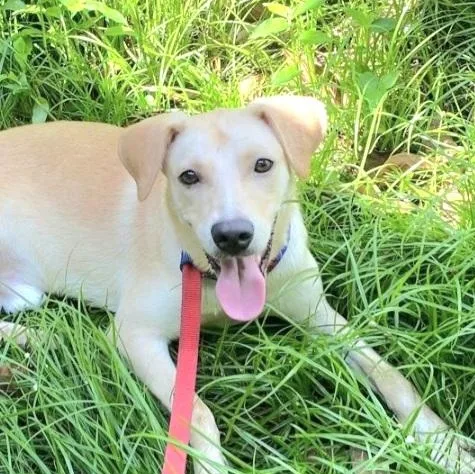
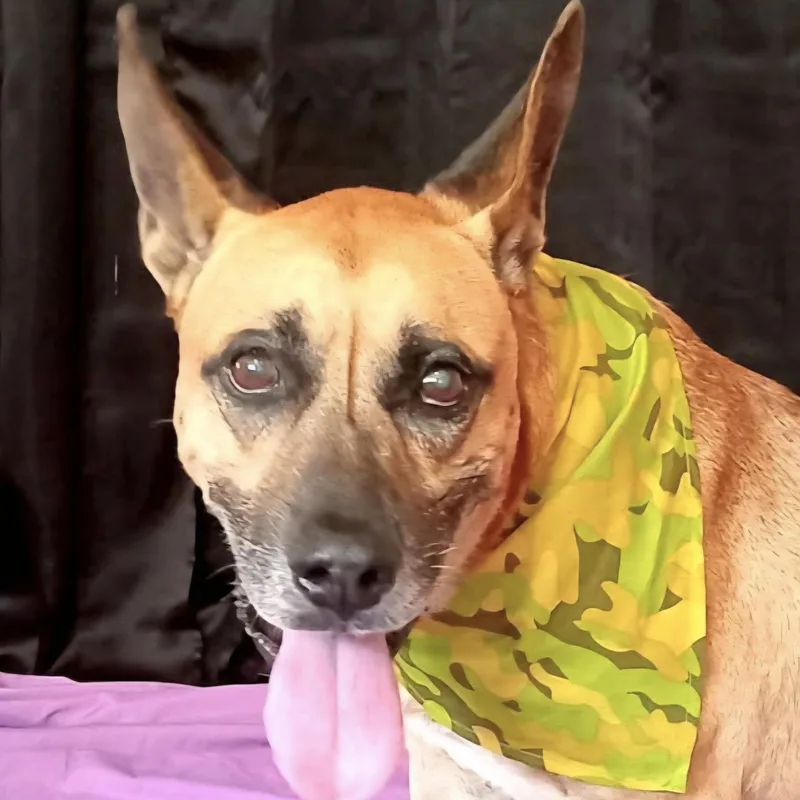
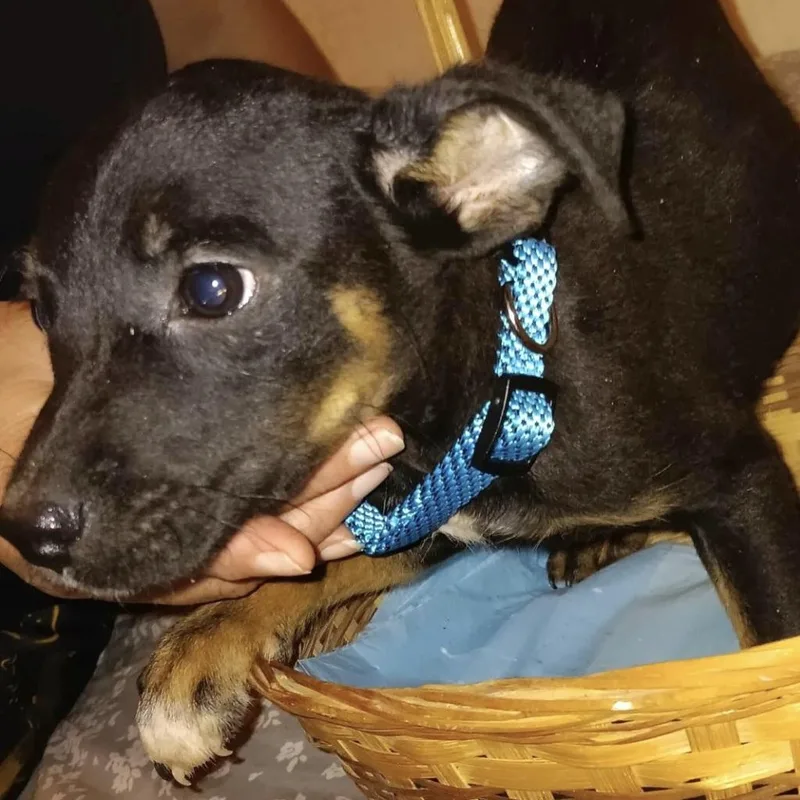
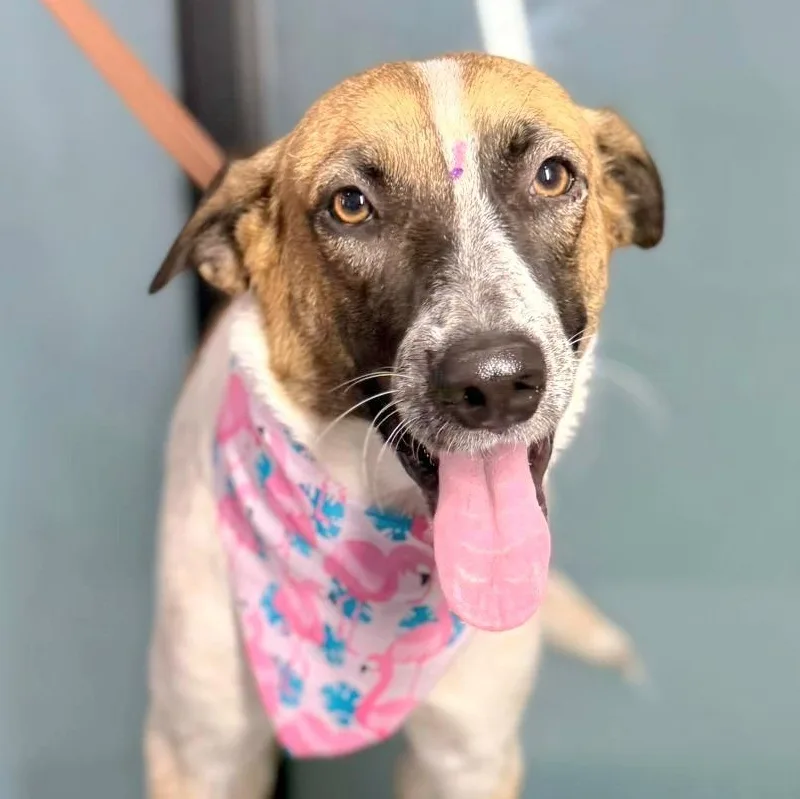
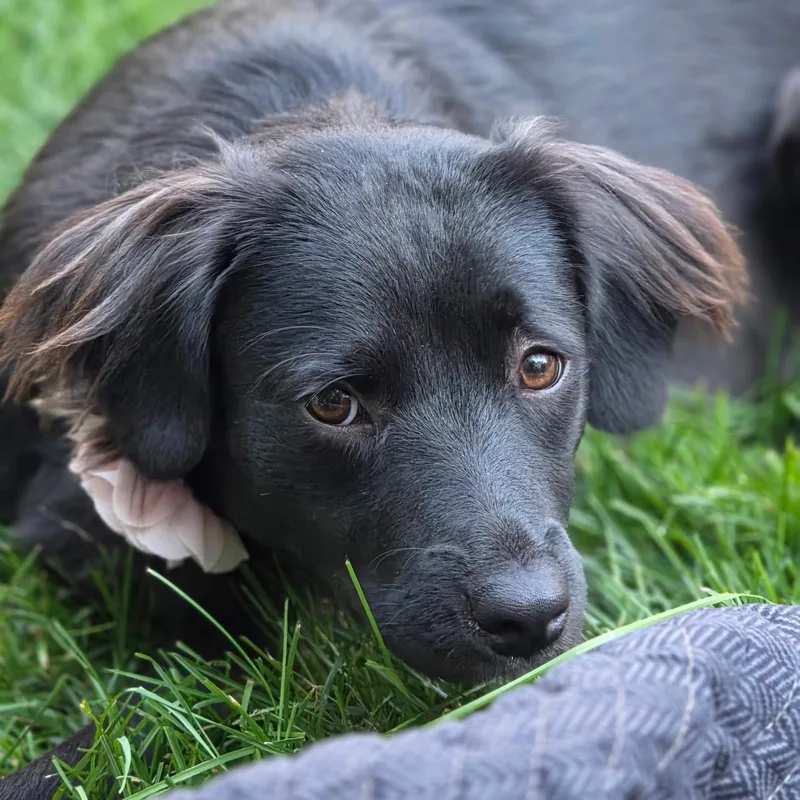
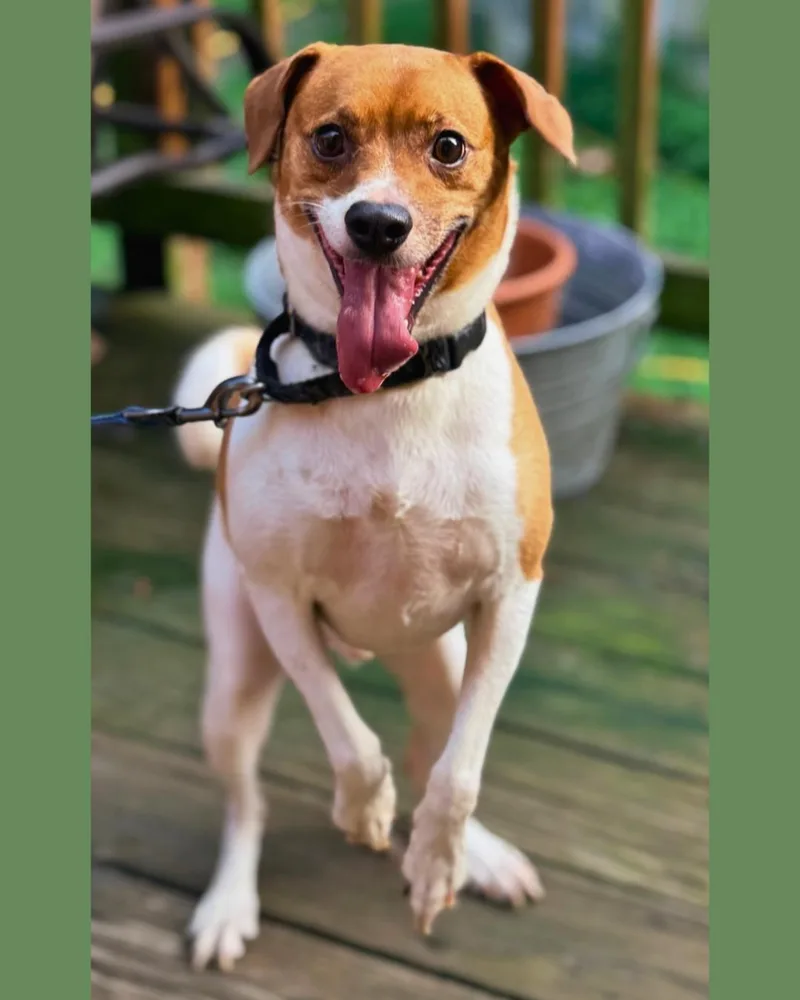
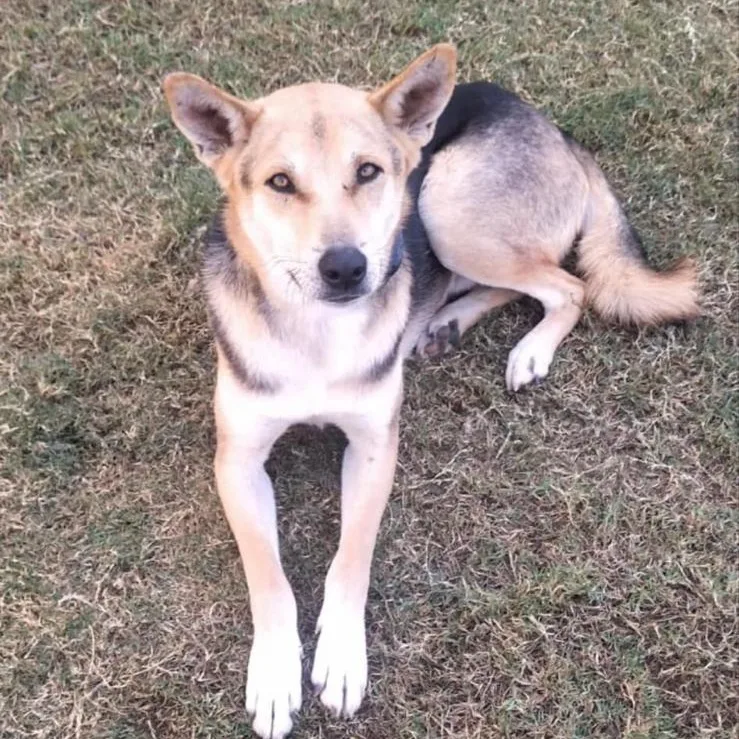
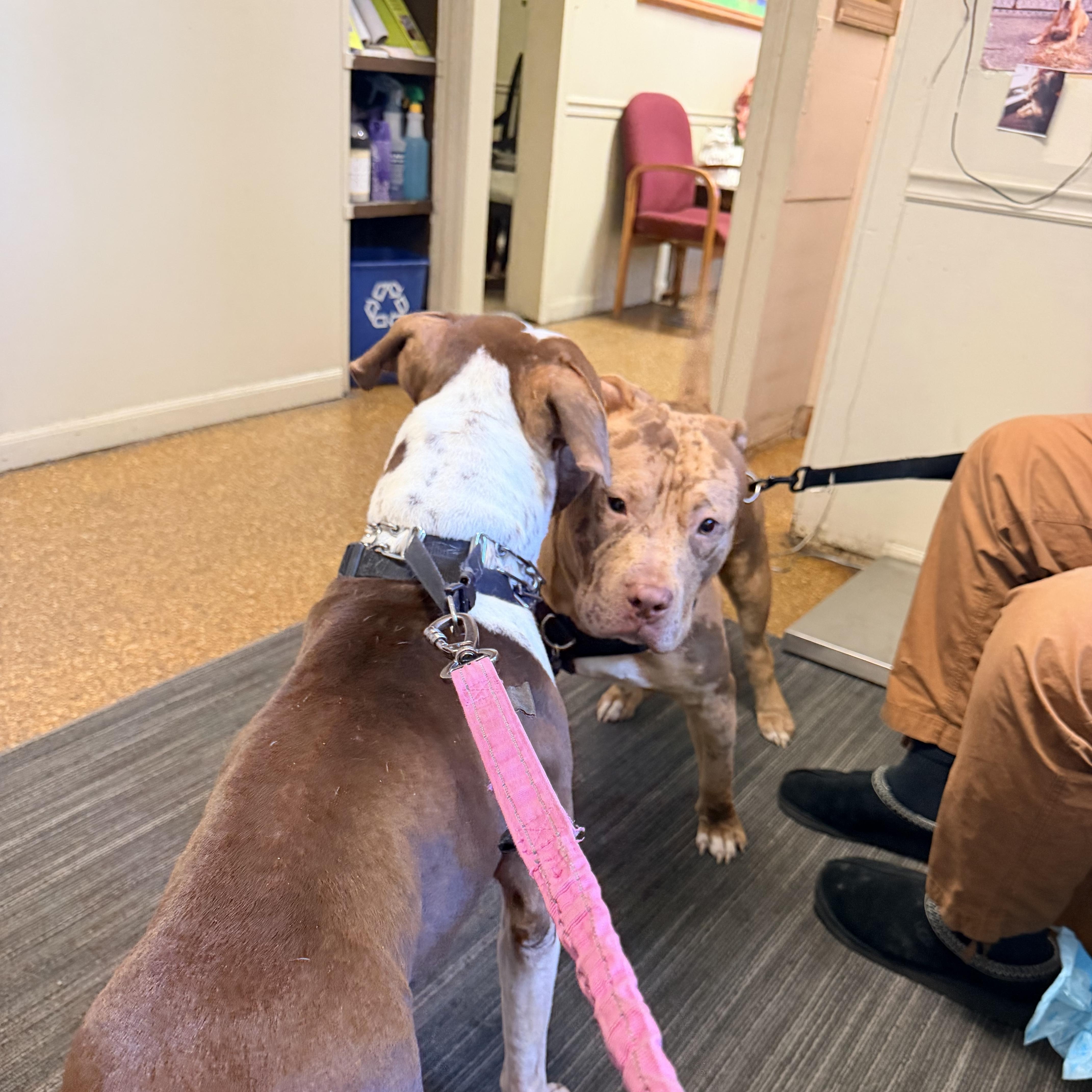
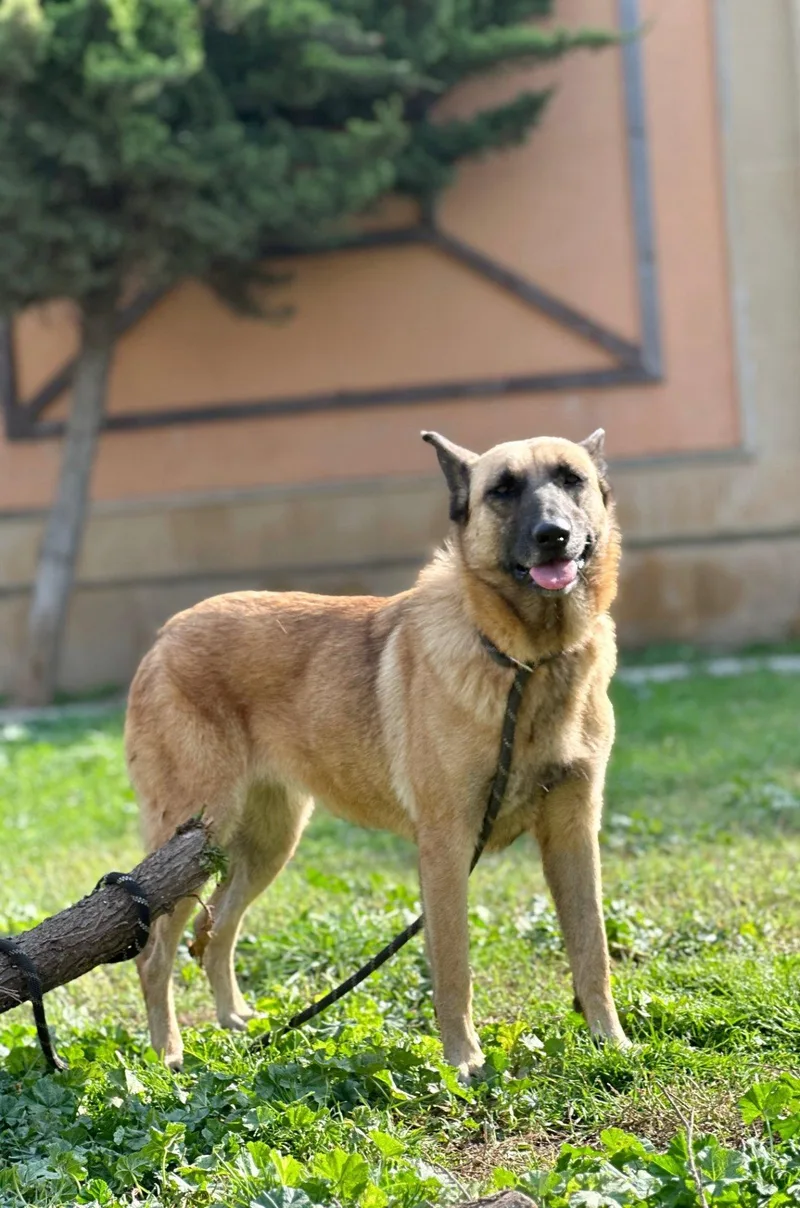
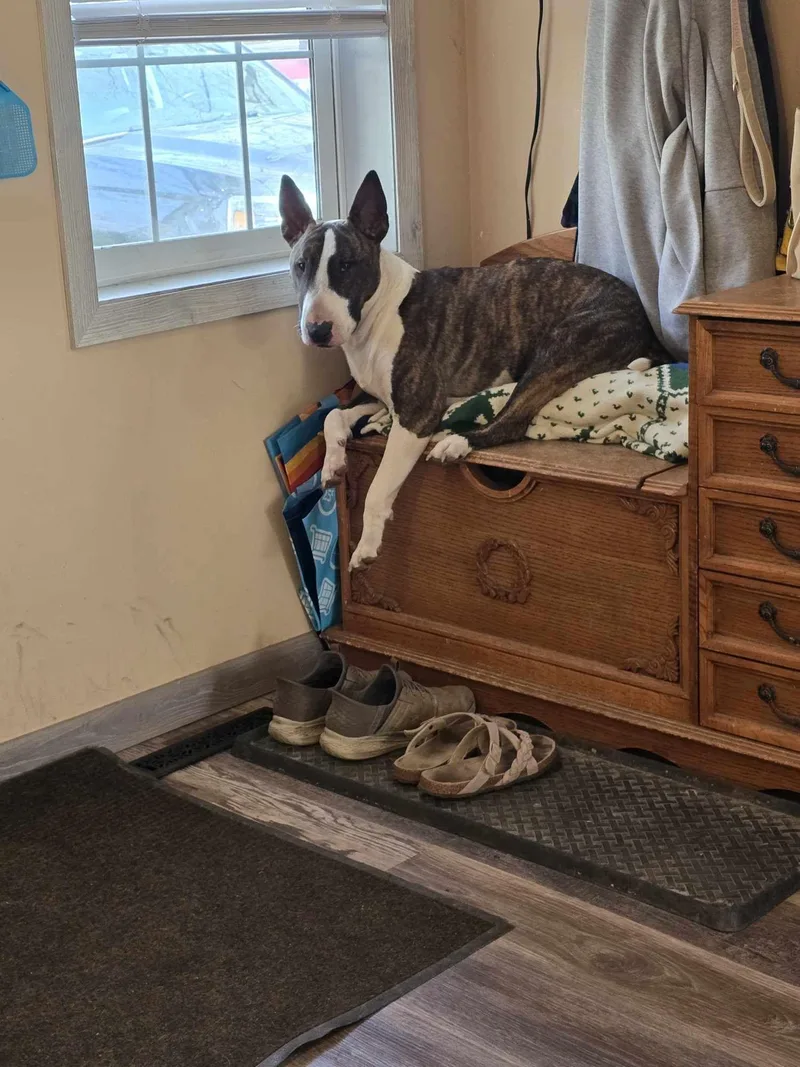
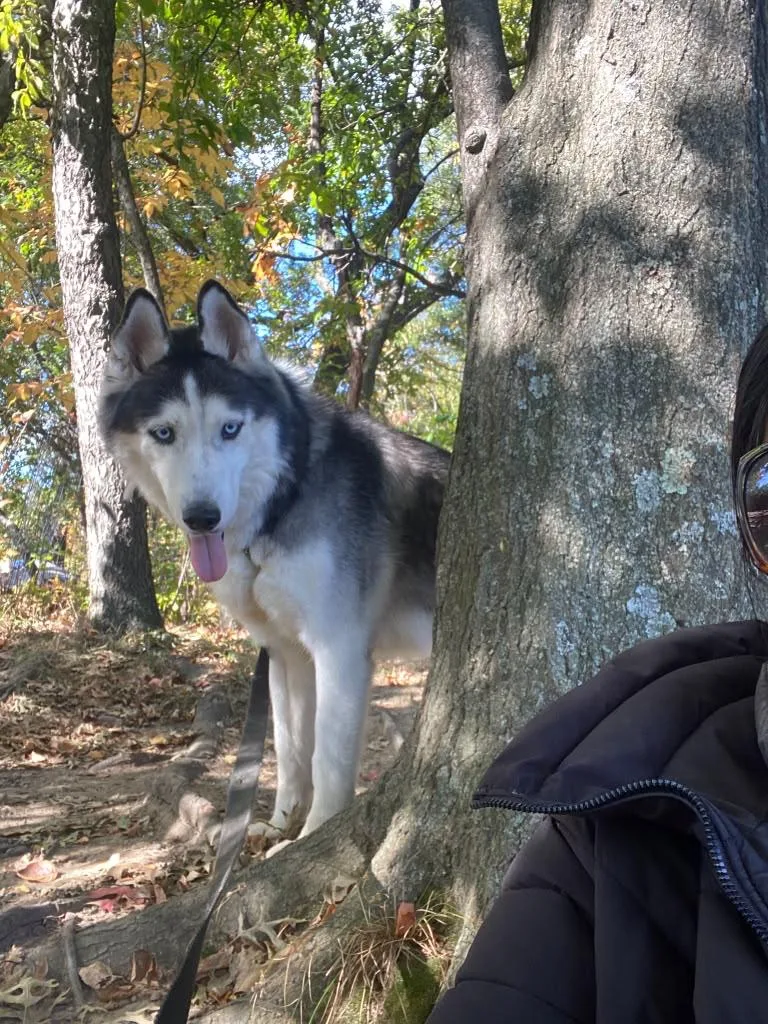
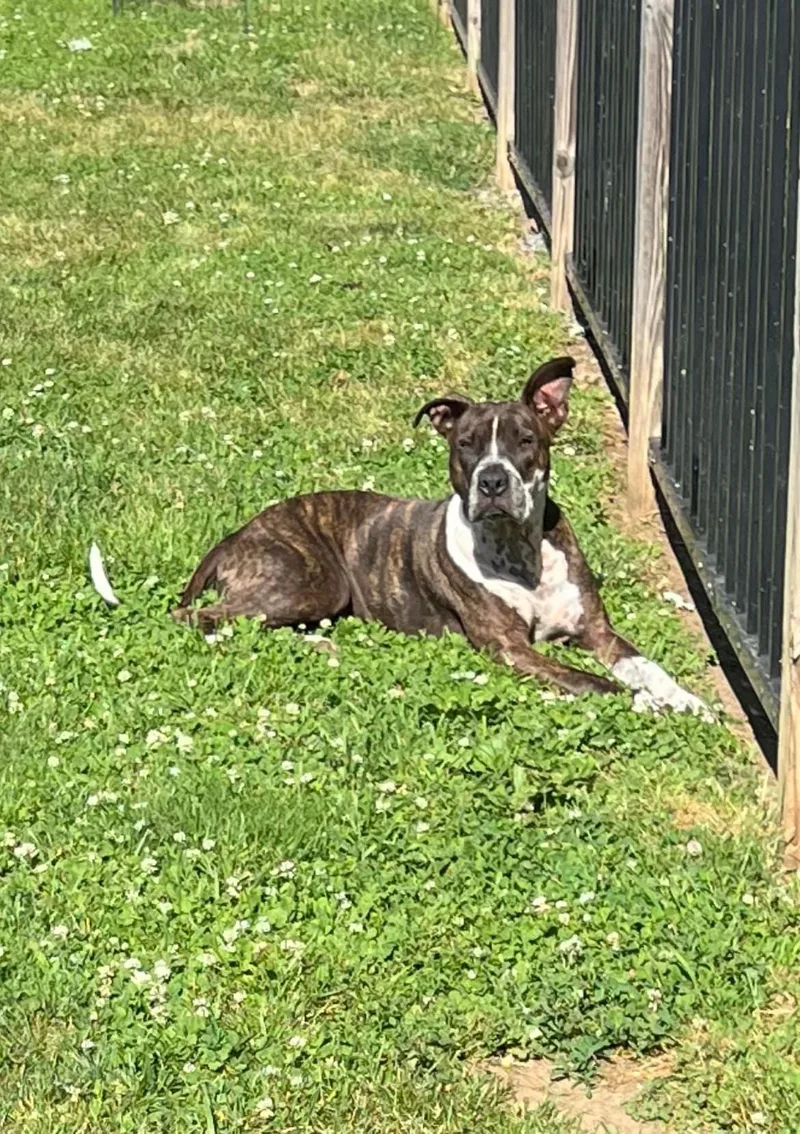
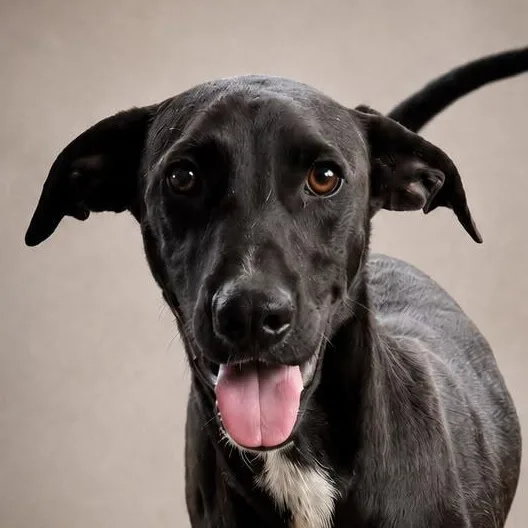
15109 dogs similar to Curly-Coated Retriever available in New York and nationwide

Bring home a Curly-Coated Retriever

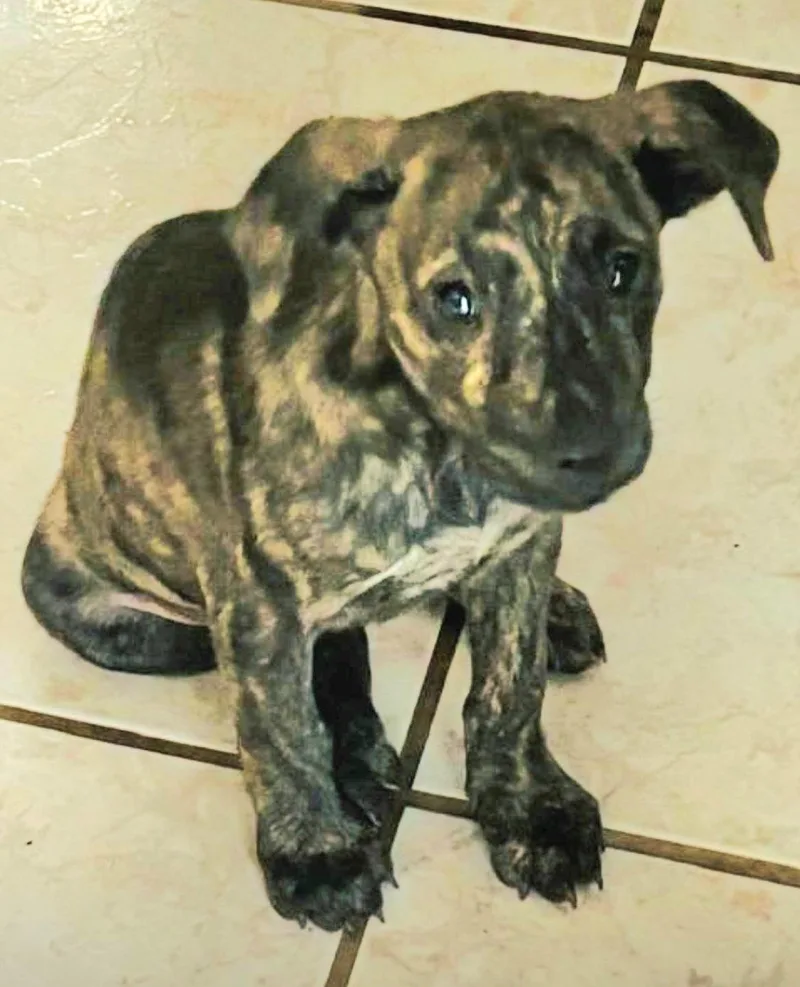
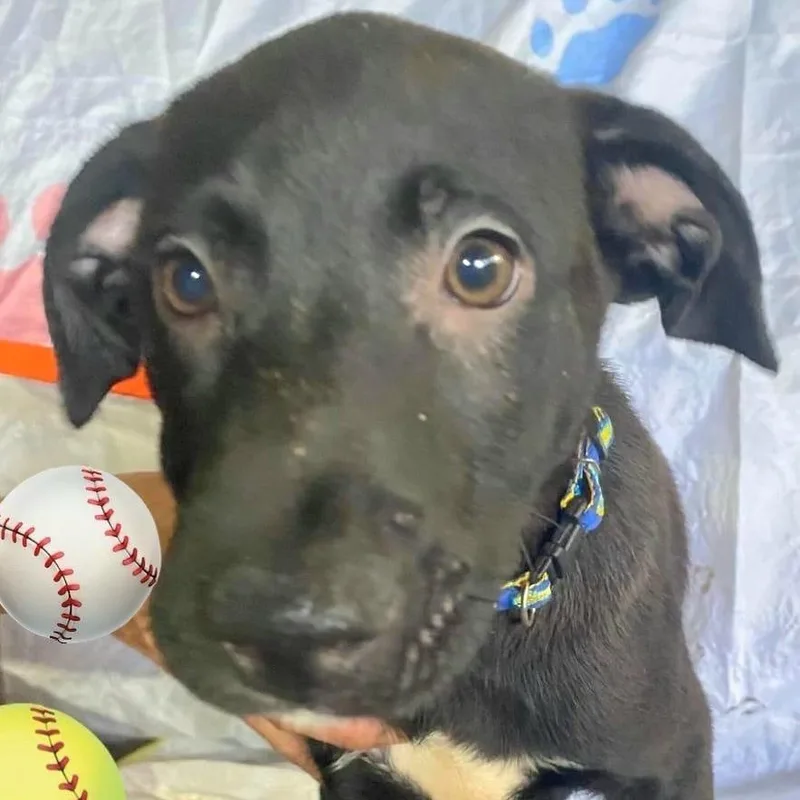
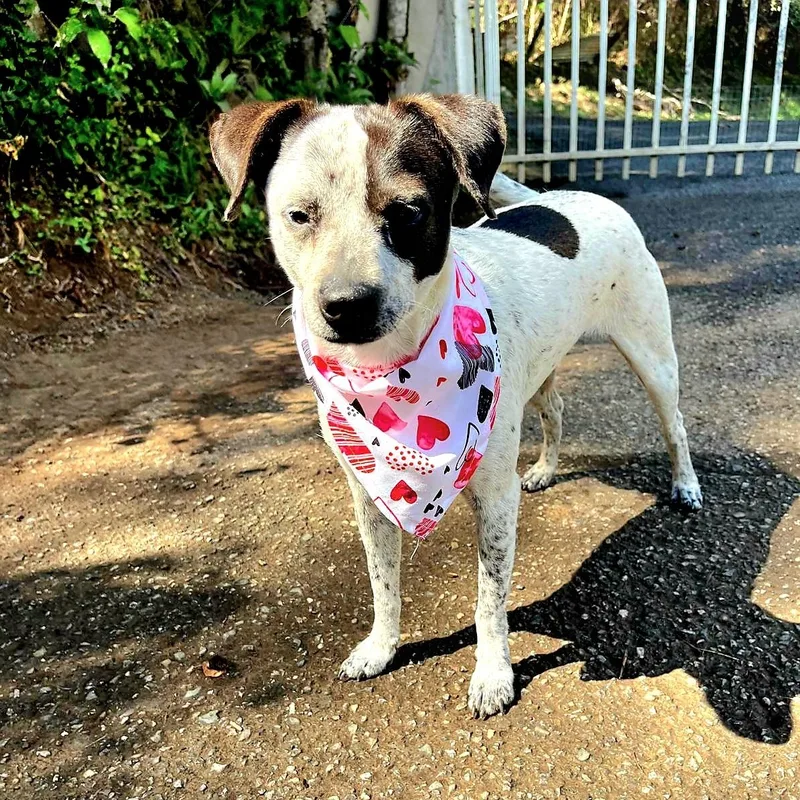
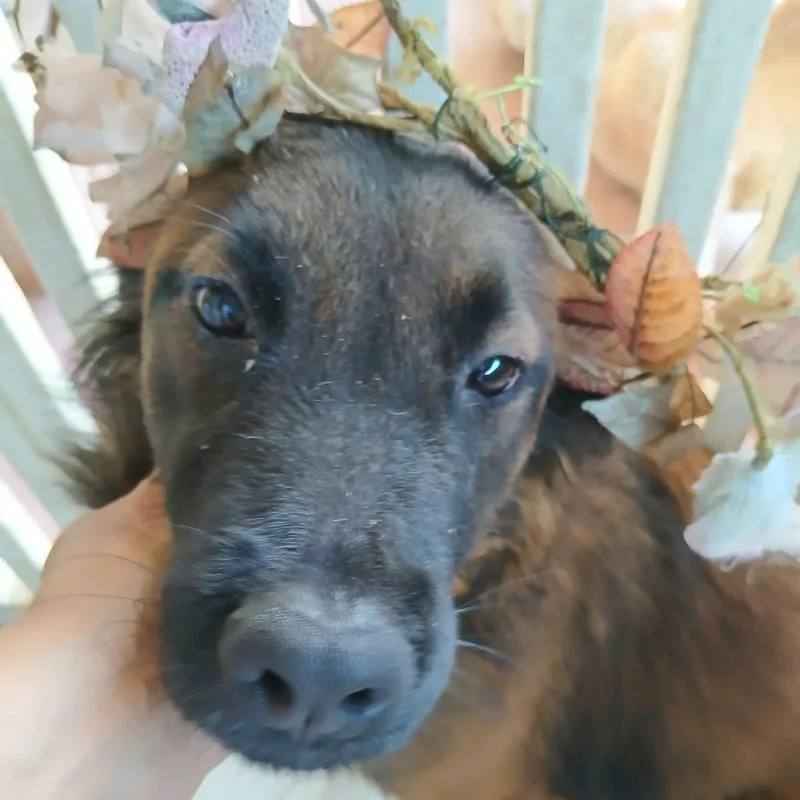
Curly-Coated Retrievers and Similar Breeds Available for Adoption Near New York

About the Curly-Coated Retriever breed

The Curly-Coated Retriever is one of the oldest retriever breeds, developed in England as a tireless dog for waterfowl and upland birds. It's the tallest of the retrievers, with a dense mass of tight, crisp curls in solid black or liver and a smooth face and front legs. The coat sheds lightly most of the year, with heavier sheds once or twice a year.

Compared with Labs and Goldens, many Curlies are more reserved with strangers and more independent in their thinking, and they often stay playful for two or three years. With their families they tend to be affectionate and gentle. In NYC, that adds up to a dog who needs steady training, daily exercise and patience on crowded streets, though personalities vary from dog to dog.

Weight
60–95 lbs
Height
23–27 in
Lifespan
10–12 yrs
Temperament
Confident, Intelligent, Independent
Group
Sporting
Shedding
Low to Moderate

Owning a Curly-Coated Retriever in New York

Having a Curly-Coated Retriever in NYC

Curlies pair working-retriever stamina with a self-possessed streak. Their coat, slow maturity and size shape daily life in NYC more than any single trait, so each is worth weighing against your building, your schedule and how much time you can give to exercise.

Temperament

Curlies are usually devoted to their people and politely aloof with strangers. In NYC that can be an advantage in crowds, but it means gradual socialization to busy sidewalks and elevators. They're smart and independent, so reward-based training works better than repetition. Many stay puppyish for years, and each dog's personality differs.

Exercise Needs

Plan on vigorous daily exercise: long walks, running and retrieving games. NYC dog runs and the courtesy off-leash hours in designated park areas, before 9 a.m. and after 9 p.m., give a Curly room to run. Scent games and obedience classes supply the mental work. Elsewhere, leashes can be no longer than six feet.

Health Considerations

Curlies can face hip and elbow dysplasia, exercise-induced collapse, heart disease, an inherited form of progressive retinal atrophy and coat loss from follicular dysplasia. Bloat is a risk in deep-chested dogs. Salted winter sidewalks can irritate paws, so wipe them after walks, and ask a veterinarian which screenings make sense at the first checkup.

Living Space

Most NYC homes have no private yard, and a Curly is a big dog for a small apartment. It can work when daily exercise is reliable and there's floor space for a bed and a busy tail. Look into a building's size limits before applying. Curlies prefer living indoors with the family.

What it costs to own a Curly-Coated Retriever in New York

ExpenseTypical costPer year
Food$55 to $110 per month$660 to $1,320
Pet insurance$65 to $130 per month$780 to $1,560
Routine vet care$250 to $500 per year$250 to $500
Other*$484 to $1,284 per year$484 to $1,284
Estimated yearly total (after year one)$2,174 to $4,664

Other costs are estimates and vary with size, age and health.

* Flea, tick and heartworm prevention, dental cleanings, the $8.50 NYC license for a spayed or neutered dog, toys and bedding, and light coat care with occasional trims.

Adopt a Curly-Coated Retriever in New York.

Now that you know more, let’s find you a new best friend. These rescues and shelters below have dogs available in and near New York.

Rescues and Shelters in or near New York

NYC has a large rescue community, with shelters and rescue groups listing dogs of every size and age. Here are the rescues & shelters in the NYC area with dogs available for adoption, worth asking whether a Curly-Coated Retriever is coming in.

Frequently Asked Questions

Yes, a Curly can live in a NYC apartment if daily exercise is reliable, but its size and energy make it a harder match than a smaller breed. Plan on long walks and a run or play session every day, plus floor room for a bed and a busy tail. Private landlords and co-ops can set their own size limits, so confirm yours first.

No, a full-grown Curly generally can't ride the NYC subway unless it's a service animal. Pets on the subway and buses must be in a bag or other container, and a 60 to 95 pound dog won't fit one. Metro-North allows leashed dogs, and NYC Ferry allows dogs on a short leash if they're calm and under control.

For a big, active Curly, Prospect Park in Brooklyn and Central Park and Riverside Park in Manhattan all have off-leash areas during courtesy hours. Prospect Park's are the Long Meadow, Nethermead and Peninsula, and Central Park's run 6 to 9 a.m. and 9 p.m. to 1 a.m. Coyotes have been seen in Central Park, so keep your dog in sight.

Yes, with care. NYC summers average 68 to 83°F, and Central Park sees about 17 days a year at or above 90°F, mostly in July. Because a Curly's dense coat and high energy can overheat it, walk early or late and carry water. Skip exercise on extremely hot days, and never leave the dog in a parked car.

Yes, NYC has no breed-specific ownership rules, so a Curly is fine under city law. You'll need a dog license and a current rabies vaccination. Your landlord, co-op or condo board may still set size or breed limits, and NYCHA public housing caps dogs at 25 pounds, which a Curly exceeds.

Only outdoors, and only if the restaurant chooses to allow dogs. NYC rules require the dog to be leashed or in a carrier within arm's length, staying on the ground and out of aisles, and restaurants may limit dog size or breed. A Curly's size can make a tight sidewalk table awkward. Only service dogs are allowed inside.

A Curly needs light but regular coat care: dampen and finger the curls rather than brushing, which frizzes them, and add occasional trims. Expect heavier sheds once or twice a year. In NYC, also wipe paws after salted winter walks and rinse off mud after rain. Grooming falls within the yearly Other cost range shown on this page.

Yes, Curly-Coated Retrievers shed, but usually less than most retrievers for much of the year. Many have one or two heavier seasonal sheds when the curls loosen and drop hair, and intact females may shed more after a heat cycle. Owners generally avoid brushing, which frizzes the curls, and instead dampen the coat and work loose hair out by hand.

Yes, Curly-Coated Retrievers are rare in the United States. They have been recognized by the American Kennel Club since 1924 yet rank among the least registered breeds, landing around 168th in recent popularity lists. That rarity means few appear in shelters, so adopters often check breed-specific rescues and set up alerts on adoption listings to hear when one becomes available.

A Curly typically costs $55 to $110 a month for food and $65 to $130 a month for pet insurance. Routine vet care runs about $250 to $500 a year, and other yearly costs add roughly $484 to $1,284. Get local quotes for insurance, vet visits and grooming, since prices vary by provider.