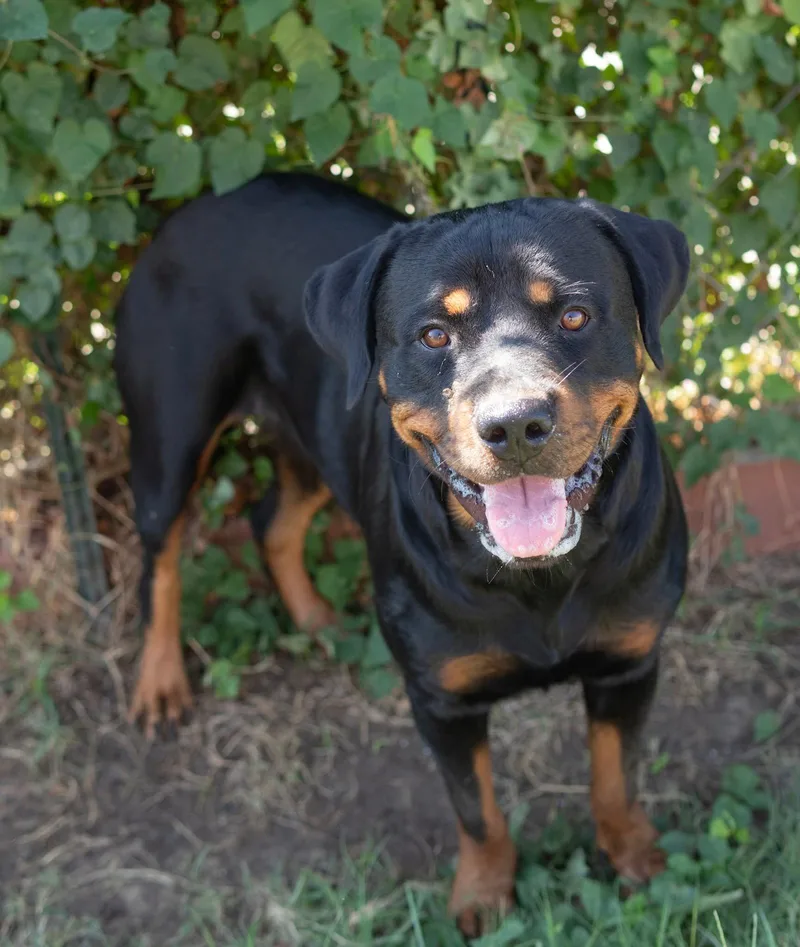
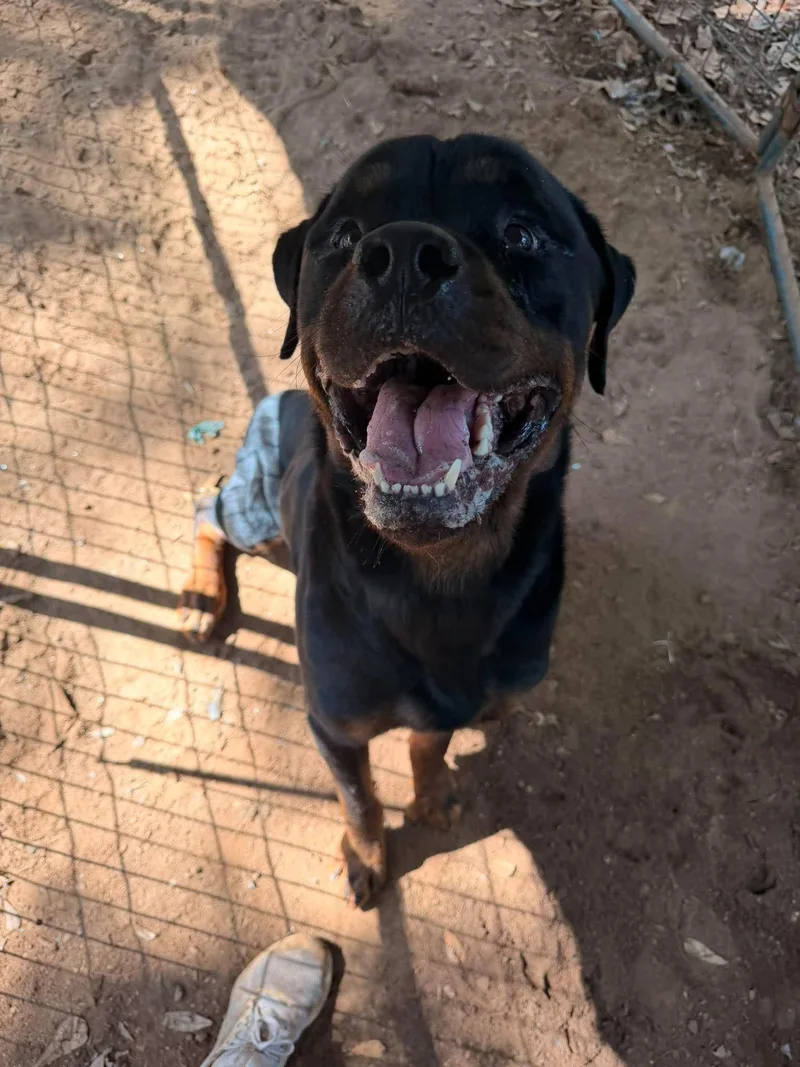
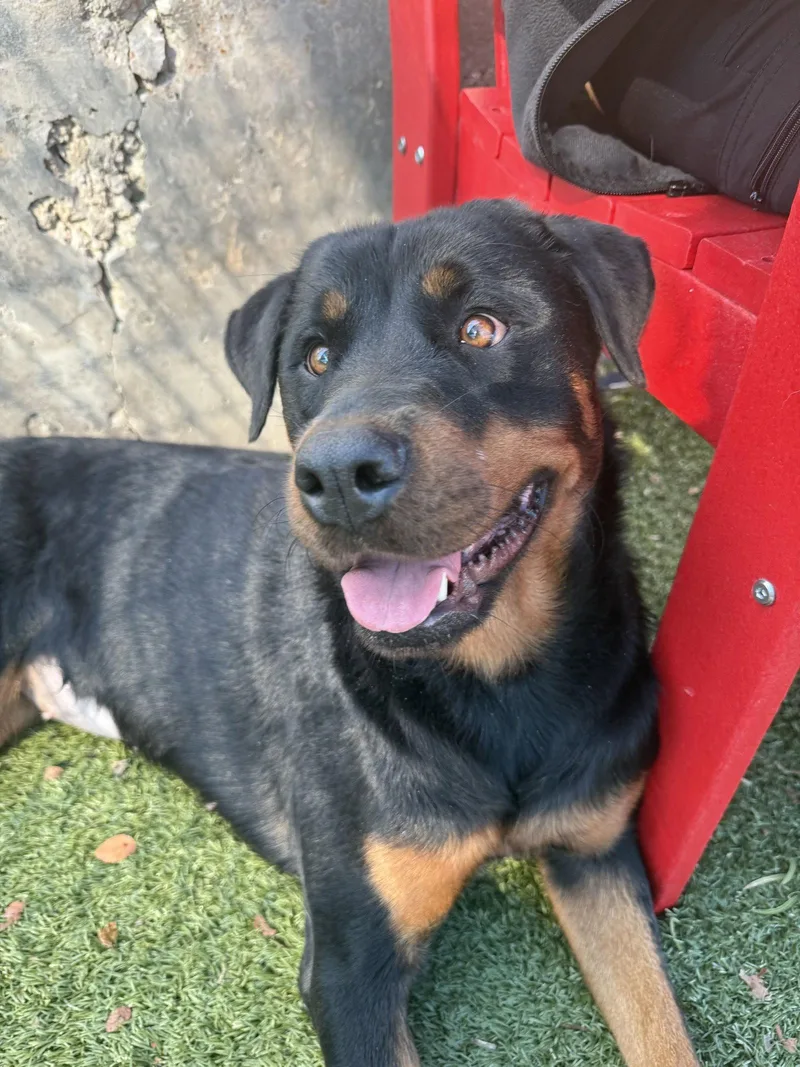
Black Russian Terrier Dogs for Adoption in New York, NY

Your guide to finding and caring for a Black Russian Terrier in NYC

A Black Russian Terrier in NYC does best near a big green space, like Forest Park in Queens or Van Cortlandt Park in the Bronx. At 80 to 130 pounds, this dog needs room to stretch out on walks, then tends to settle indoors. Many are reserved with strangers, which matters in a packed elevator or on a busy Upper West Side sidewalk. Summer is the hard part for that thick black coat, so early-morning walks become routine.

2696 dogs similar to Black Russian Terrier available in New York and nationwide

Find your Black Russian Terrier

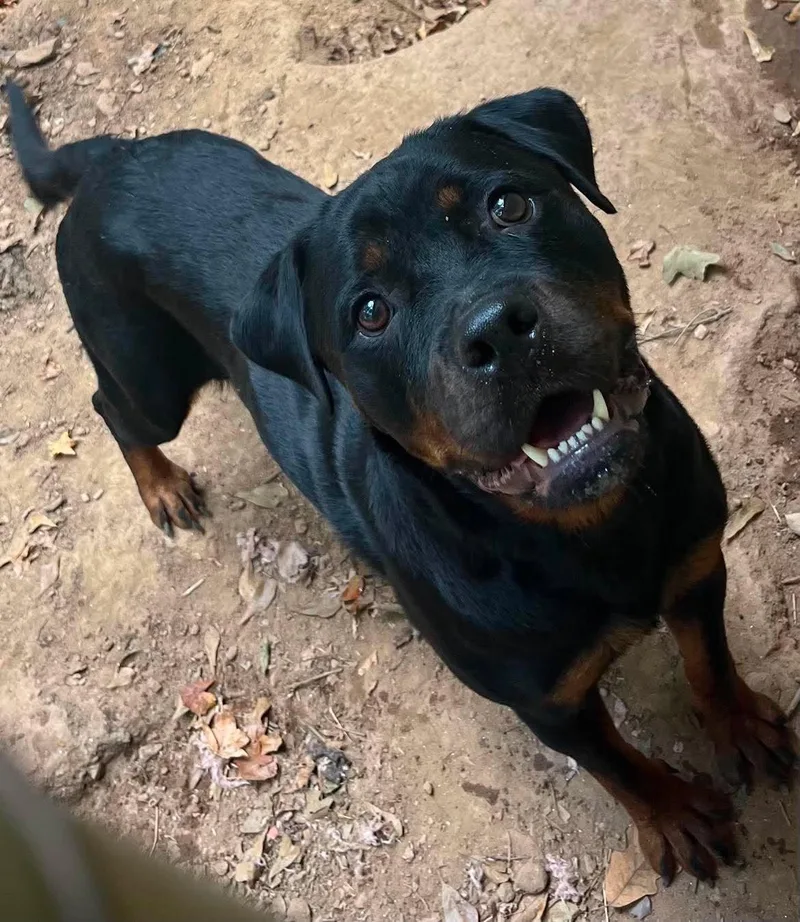
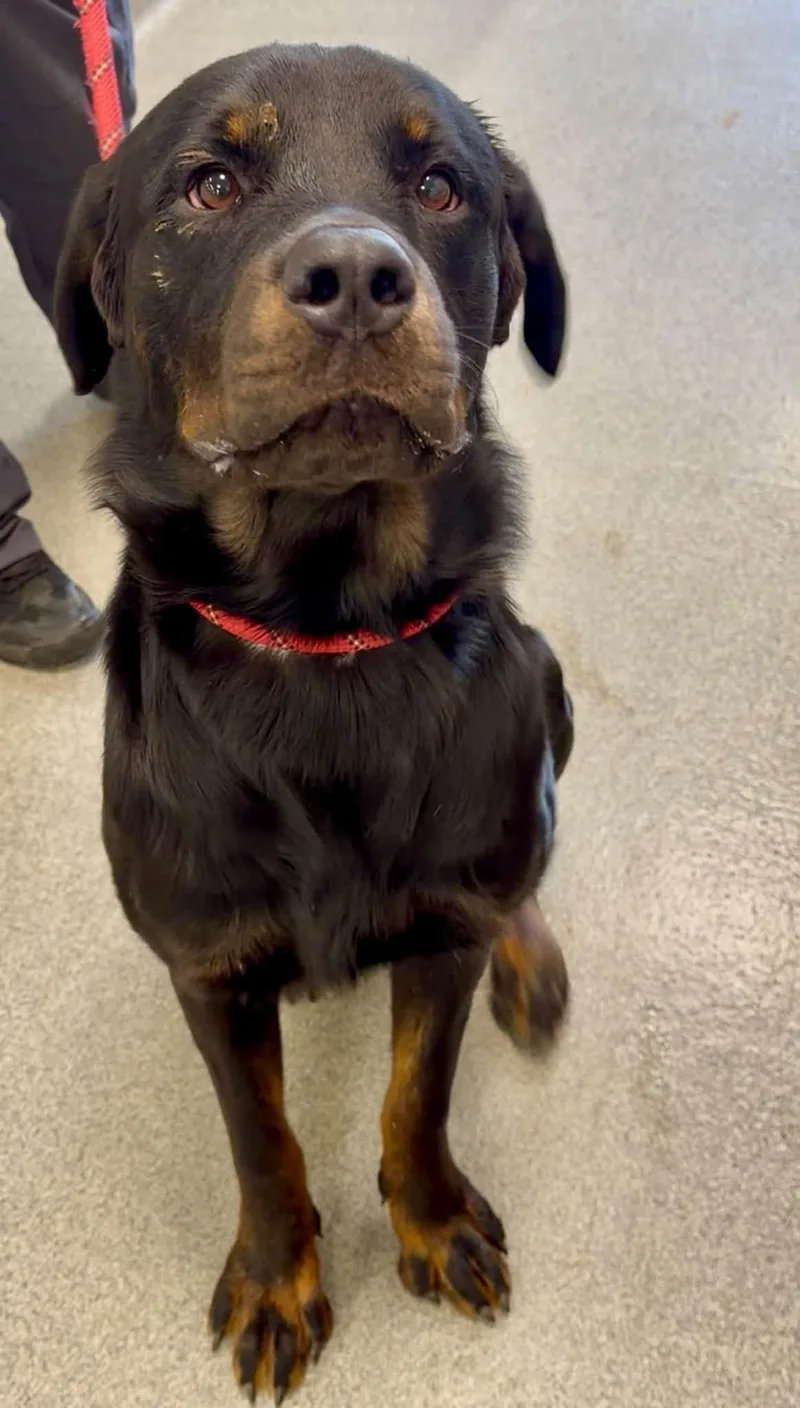
Black Russian Terriers and Similar Breeds Available for Adoption Near New York

About the Black Russian Terrier breed

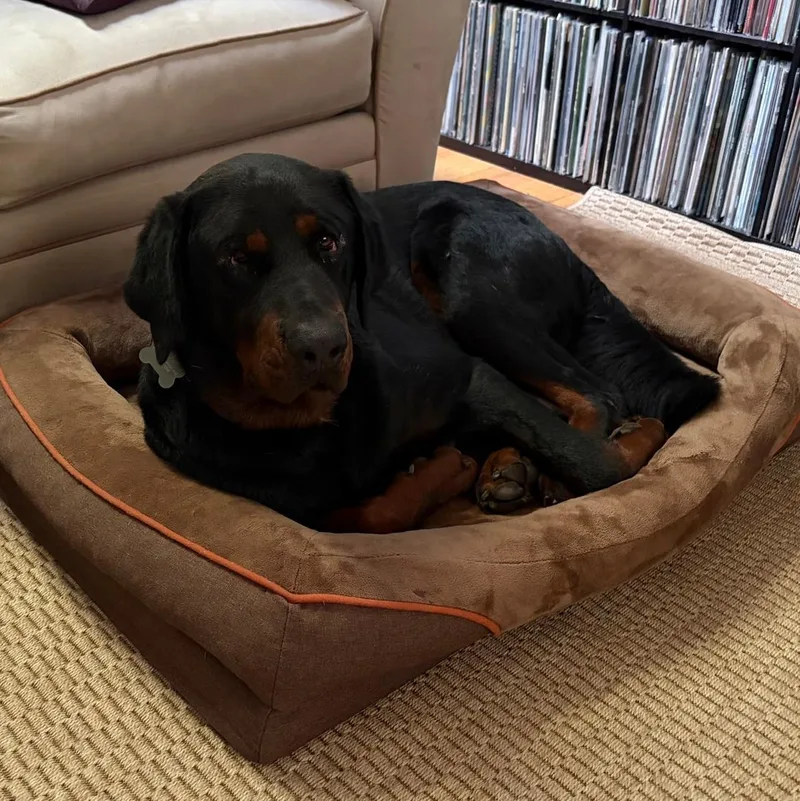
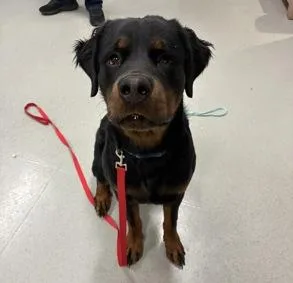
The Black Russian Terrier isn't a true terrier. It was developed in the late 1940s and 1950s at a Soviet Army kennel as a large, hardy guard and working dog, using about 17 breeds that included the Giant Schnauzer, Airedale, Rottweiler and Newfoundland. The result is a heavy-boned dog with a wavy black double coat, a bearded muzzle and eyebrows that fall over the eyes.

Many Black Russians are calm, confident and loyal to their families while staying aloof with strangers. They're intelligent and usually trainable, but their size and protective streak suit an experienced, consistent handler. In New York, that means steady leash manners and socialization on crowded sidewalks. The low-shedding coat still needs regular brushing and professional trims, and the beard holds water and food.

Weight
80–130 lbs
Height
26–30 in
Lifespan
10–12 yrs
Temperament
Confident, Protective, Loyal
Group
Working
Shedding
Low

Owning a Black Russian Terrier in New York

Having a Black Russian Terrier in NYC

This is a big, watchful, family-focused dog whose coat needs steady upkeep. In NYC, the biggest questions are whether your building, your schedule and your handling experience fit a dog that can weigh well over 100 pounds.

Temperament

Black Russian Terriers are often calm and self-assured, bonded closely to their people and wary of strangers. In NYC, doorbells, hallway neighbors and sidewalk crowds are daily tests, so calm exposure and reward-based training matter. Dogs vary, and a rescue dog's own history and behavior matter more than the breed's reputation.

Exercise Needs

Plan on at least two solid walks a day plus play or a job, such as obedience or tracking games. In NYC, early and late park hours help, since some parks allow off-leash time then, and fenced dog runs exist too. Skip hard exercise around meals because of bloat risk.

Health Considerations

Hip and elbow dysplasia, bladder stones, inherited eye disease and bloat are the main concerns for this breed. Keep the dog lean and have a veterinarian check the joints early. Stairs and slick lobby floors are hard on big joints, so a walk-up apartment may matter more as the dog ages.

Living Space

A Black Russian takes up real floor space, and many NYC apartments are tight for 80 to 130 pounds. A calm adult can manage with reliable daily exercise, an elevator or manageable stairs, and a cool spot indoors. Read the lease and building rules carefully, since many buildings set their own limits.

What it costs to own a Black Russian Terrier in New York

ExpenseTypical costPer year
Food$80 to $160 per month$960 to $1,920
Pet insurance$85 to $170 per month$1,020 to $2,040
Routine vet care$250 to $500 per year$250 to $500
Other*$1,034 to $2,784 per year$1,034 to $2,784
Estimated yearly total (after year one)$3,264 to $7,244

Other costs are estimates and vary with size, age and health.

* The $8.50 to $34 NYC dog license, professional trims every 6 to 8 weeks, flea, tick and heartworm prevention, dental cleanings, toys and bedding, and joint supplements.

Adopt a Black Russian Terrier in New York.

Now that you know more, let’s find you a new best friend. These rescues and shelters below have dogs available in and near New York.

Rescues and Shelters in or near New York

The rescues and shelters below serve New York's five boroughs and list adoptable dogs of every size and breed. Here are the rescues & shelters in the NYC area with dogs available for adoption, worth asking whether a Black Russian Terrier is coming in.

Frequently Asked Questions

Probably not. MTA rules require pets on the subway and buses to be enclosed in a bag or container, and an adult Black Russian at 80 to 130 pounds won't fit in one. Service animals are exempt. Metro-North lets a leashed dog ride, and NYC Ferry allows short-leashed, well-behaved dogs, so those are the realistic options.

Yes, with planning. Summer here brings about 17 days a year at or above 90°F, peaking in July, and a thick black coat soaks up heat. Walk at dawn or late evening, keep water handy, stay in air conditioning midday, and never leave the dog in a car. A professional trim to a shorter length can help.

A calm adult can, but it takes effort. This giant dog needs floor space, two solid walks a day and a building you can manage with stairs or an elevator. NYC's pet law can waive no-pet clauses after three months of open pet keeping, though co-ops and condos may have rules, and NYCHA's 25-pound cap rules this breed out.

Large parks with courtesy hours suit this breed best. Central Park allows off-leash dogs 6 to 9 a.m. and 9 p.m. to 1 a.m. in specified areas, and Prospect Park's Long Meadow, Nethermead and Peninsula offer courtesy hours too. Outside those times, leashes must be six feet or shorter. Coyotes have been seen in Central Park, so keep the dog in sight.

Yes. New York City has no breed-specific ownership rules, and state law bars breed-specific dog programs. You'll need a city license, $8.50 a year if spayed or neutered and $34 if not, and a leash no longer than six feet in public. Private landlords and NYCHA can set their own limits, and NYCHA caps dogs at 25 pounds.

Only to outdoor dining areas, and only where the restaurant chooses to allow dogs. Dogs must be leashed or in a carrier, within arm's length and on the ground, and indoor areas are off limits except for service dogs. Restaurants can also limit dog size or breed, which may affect a giant dog, so expect some to say no.

Plan on brushing a few times a week and a professional trim about every 6 to 8 weeks, which is included in the yearly Other costs on this page. Wet weather and winter salt mean extra towel-drying of the beard and paws, and humid summers make mat-prevention brushing worth keeping up.

Black Russian Terriers can be good family dogs for experienced owners. Many are affectionate, calm and protective with their own families and gentle with children they are raised with. Their size and guarding instincts mean they need training, socialization and supervision around visiting kids. An adult rescue with a known history in a family home can be a strong match.

No, Black Russian Terriers are not truly hypoallergenic, since no dog is free of allergens. Their coat sheds little, so they drop less hair around the house than many breeds, which helps some people with mild allergies. Dander and saliva still cause reactions, so spend time with the specific dog before adopting if anyone has allergies.

Expect roughly $80 to $160 a month for food, $85 to $170 for insurance, $250 to $500 a year for routine vet care, and about $1,034 to $2,784 a year for other costs such as grooming. Together, that's about $3,260 to $7,240 a year, before emergencies, boarding or dog walking.