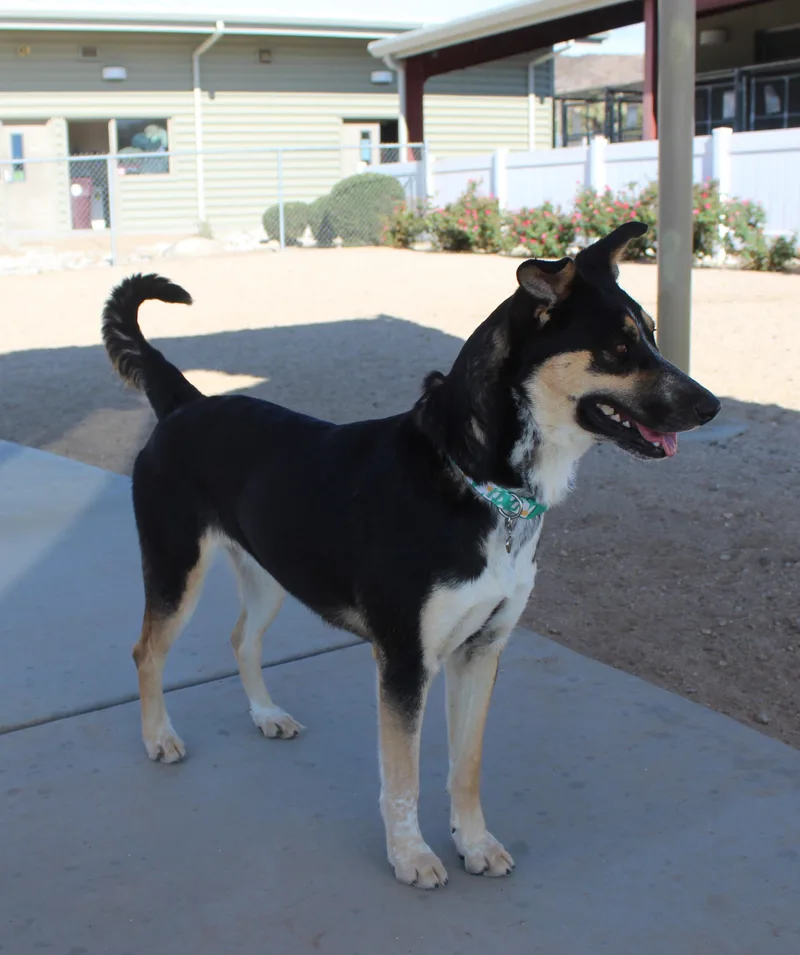
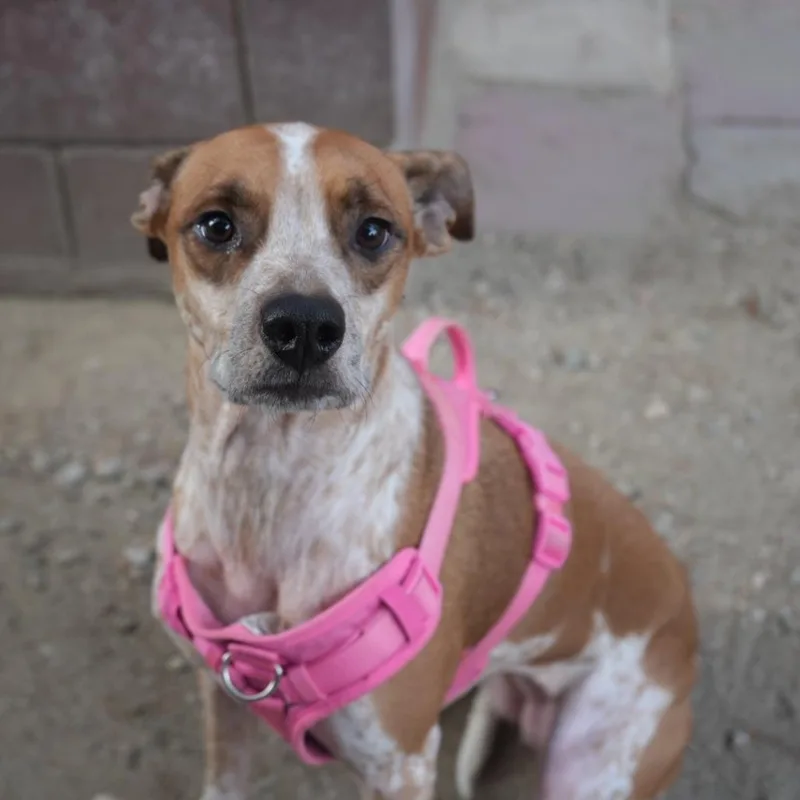
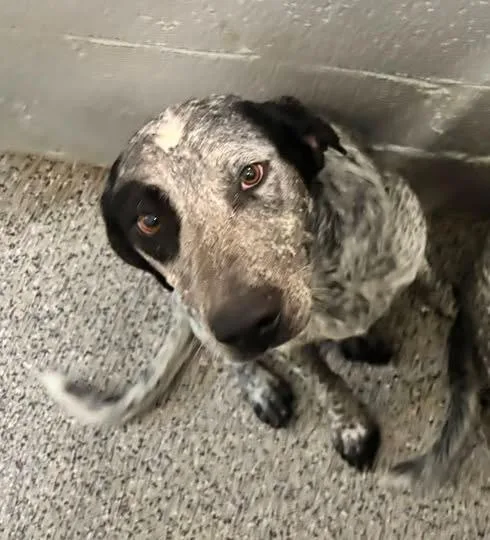
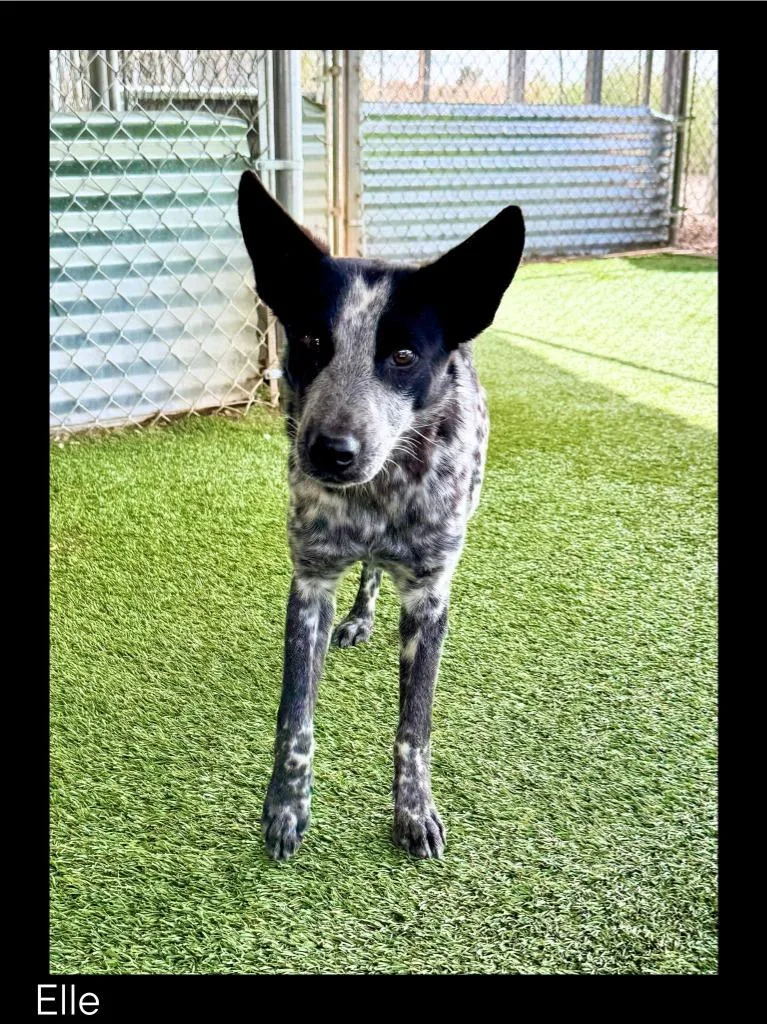
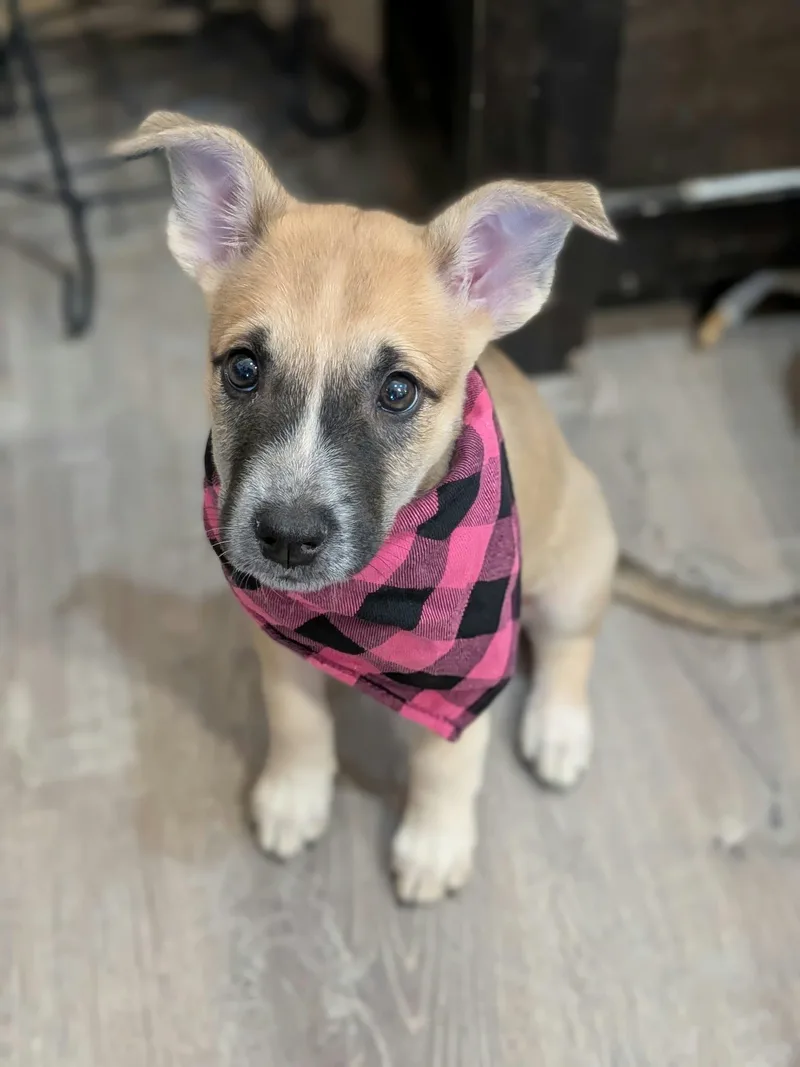
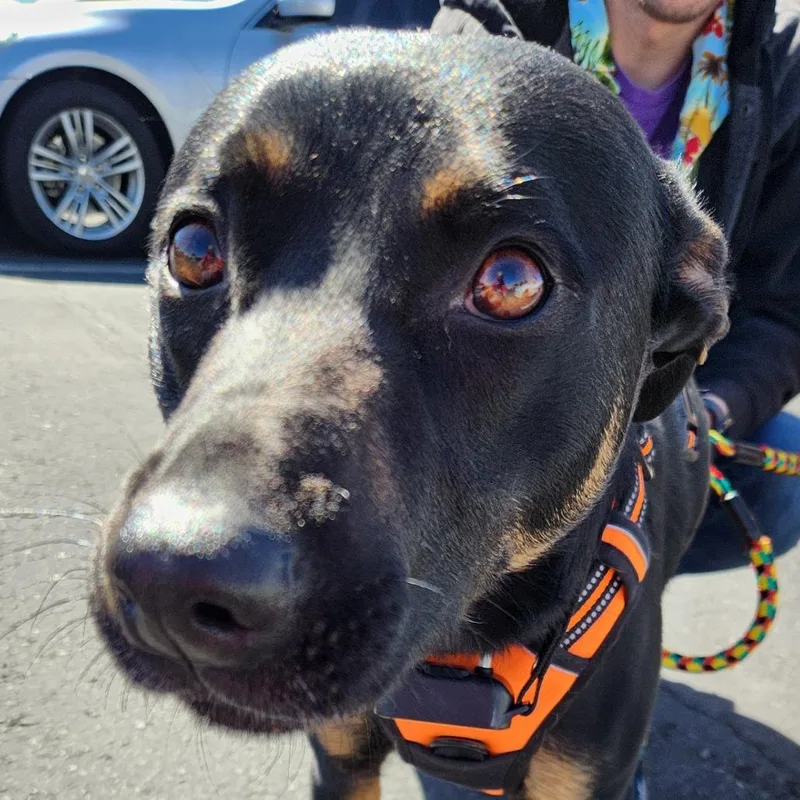
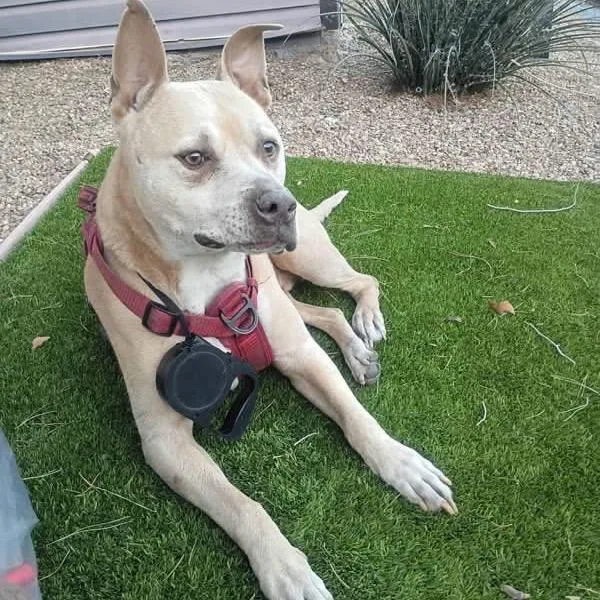
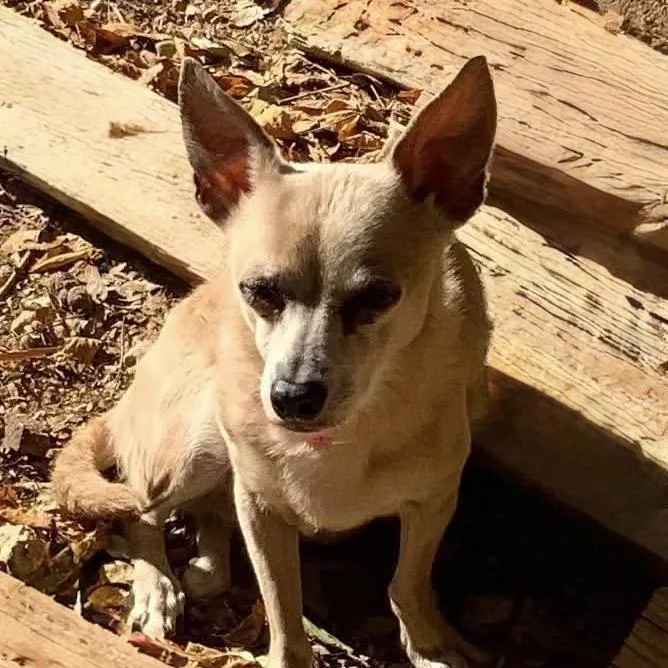
Cattle Dogs for Adoption in Las Vegas, NV

Your guide to finding and caring for a Cattle Dog in Vegas

Cattle Dogs suit active Las Vegans who like to be out and moving before the sun gets high. In Centennial Hills, a morning on the Lone Mountain loop or a run at Barkin' Basin gives a heeler type the work it craves. Most are medium-sized, so a house with a fenced yard fits well, though plenty do fine in apartments with steady exercise. Summer afternoons are too hot for hard play, so plan around dawn and after dark.

2034 Cattle Dogs available in Las Vegas and nationwide

Fall for a Cattle Dog

Cattle Dogs Available for Adoption Near Las Vegas

About the Cattle Dog breed

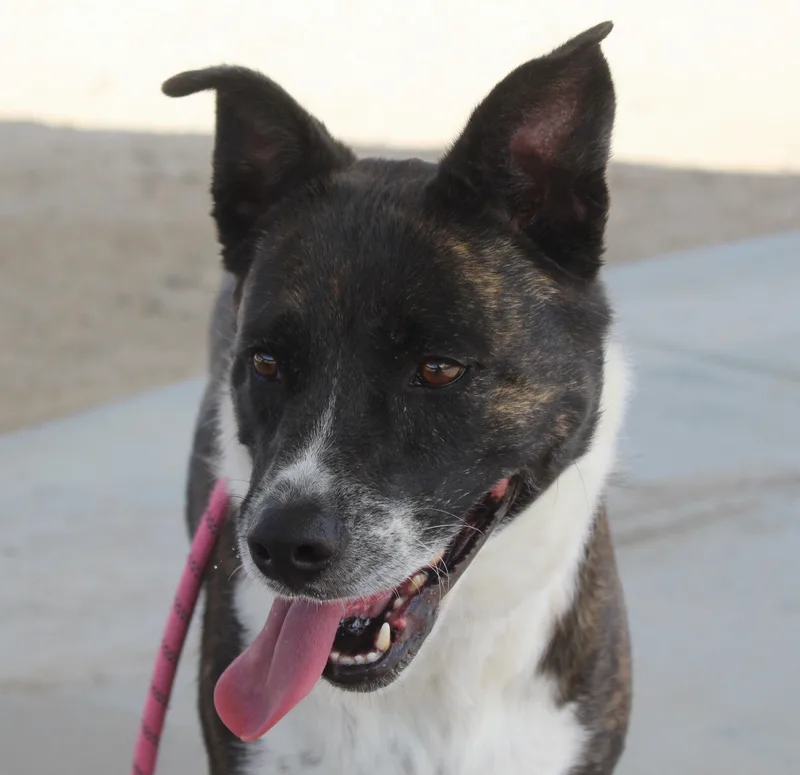
Cattle Dog is a shelter label more than a single breed. Most dogs listed this way are Australian Cattle Dogs, often called Blue or Red Heelers, or mixes with one, though Texas Heelers and crosses with Border Collies or Labs turn up too. The Australian Cattle Dog was developed in nineteenth-century Australia to drive cattle over long distances by nipping at their heels.

Expect a medium, muscular dog of roughly 30 to 50 pounds with a short double coat, plenty of stamina and a sharp, independent mind. Many bond closely with their people and stay reserved with strangers. In Vegas, that means a dog that wants a job, like a morning run or a training game, and rests indoors through the midday heat. Size, coat and energy vary in mixes, so the dog in front of you tells you more than the label does.

Weight
30–50 lbs
Height
17–20 in
Lifespan
12–16 yrs
Temperament
Energetic, Loyal, Intelligent, Protective
Group
Herding
Shedding
Moderate

Owning a Cattle Dog in Las Vegas

Having a Cattle Dog in Vegas

Heeler types bring stamina, quick thinking and loyalty, which suit active people well. In Vegas, those strengths come with a few local demands: early exercise, careful heat management, and a secure yard or a dependable daily routine.

Temperament

Cattle Dogs tend to be loyal, alert and closely bonded to one person or family, and many are reserved with strangers. Some nip at running kids, bikes or other pets, and some guard their home. Early socialization and consistent training help a lot. Mixes vary, so watch how each dog behaves with children, dogs and cats.

Exercise Needs

Most need an hour or more of vigorous activity daily, plus mental work like puzzle toys, scent games and training. Vegas helps with early and late sessions: the city's 12 off-leash dog parks are open 7 a.m. to 11 p.m. Kellogg Zaher Sports Complex adds a 2.44-mile track, and Barkin' Basin has three separate dog areas.

Health Considerations

Heelers and their mixes are often hardy, but congenital deafness, progressive retinal atrophy, lens luxation and hip or elbow problems occur. Their fearless style also leads to cruciate tears and other injuries. A veterinarian can check hearing and eyes. Keep the dog lean, keep up parasite prevention, and check paws after walks on hot pavement.

Living Space

About 62% of Las Vegas homes are detached houses, so a fenced yard is realistic for many adopters and suits a heeler well. Apartment life can work with dependable daily exercise. Check fences and gates, since bored Cattle Dogs are skilled escape artists, and plan for shade and cool indoor time in summer.

What it costs to own a Cattle Dog in Las Vegas

ExpenseTypical costPer year
Adoption fee$150 to $300, one time$150 to $300 in year one
Food$35 to $70 per month$420 to $840
Pet insurance$45 to $85 per month$540 to $1,020
Routine vet care$225 to $450 per year$225 to $450
Other*$435 to $1,160 per year$435 to $1,160
Estimated yearly total (after year one)$1,620 to $3,470
First-year total (with adoption fee)$1,770 to $3,770

Adoption fee is the range of fees on Cattle Dog listings in Las Vegas on GetBuddy today. Other costs are estimates and vary with size, age and health.

* Flea, tick and heartworm prevention, a dental cleaning allowance, the $10 Las Vegas dog license for a spayed or neutered dog, durable toys and bedding, and light home grooming.

Adopt a Cattle Dog in Las Vegas.

Now that you know more, let’s find you a new best friend. These rescues and shelters below currently have Cattle Dogs available.

Rescues in Las Vegas with Cattle Dogs Available

Las Vegas shelters and rescues list energetic, medium-sized dogs like Cattle Dogs and their mixes as they become available. Here are the rescues & shelters in the Vegas area where you can find Cattle Dogs and other dogs available for adoption.

Frequently Asked Questions

Yes, most can, with a few changes to routine. About 78 days a year reach 100°F in Las Vegas, so hard exercise belongs at dawn or after dark, and midday is for air-conditioned rest. Watch for heavy panting, drooling or slowing down, and offer water often. Mixes with less heat tolerance need extra care.

Yes. Nevada law bars labeling a dog dangerous or vicious based solely on breed, so Cattle Dogs face no breed bans. Las Vegas requires a city license, microchip and rabies vaccination for dogs over four months, and spaying or neutering by four months unless exempt. Up to six dogs are allowed per residence without a permit.

For off-leash play, Douglas A. Selby Park on the east side has large and small dog runs beside the Las Vegas Wash Trail, and Woofter Family Park and Gary Dexter Park each have two runs with dog fountains. Lone Mountain's leashed loop suits a fit heeler, though the climb is steep and gravelly, so go early.

Usually not, unless the dog is a service animal. RTC buses allow other pets only in a covered, secured cage when there's open space, and a pet that needs a seat pays full adult fare. A 30-to-50-pound Cattle Dog won't fit most carriers, so plan on driving or walking. Service animals ride free on the floor or lap.

It can, if daily exercise is dependable. Most Las Vegas homes are houses, but apartment clusters sit downtown, in Summerlin and along major corridors, and a Cattle Dog needs an hour or more of activity plus mental work wherever it lives. Plan early-morning runs, dog park trips and puzzle toys, since a bored or lonely dog may bark.

Sometimes, on patios only. Southern Nevada health rules let restaurants allow dogs outdoors if the patio can be reached without passing through the dining room, but indoor seating is off limits and each restaurant chooses whether to participate. Expect a separate patio entrance and keep your dog on the floor. A wary Cattle Dog may need practice around crowds first.

Not much. A Cattle Dog's short double coat needs a weekly brush, more often during seasonal shedding, and a bath only when it's dirty. In Vegas, rinse off dust after windy spring days and check paws and nails after hot walks. Most owners groom at home, which fits the roughly $0 to $100 grooming allowance in the Other budget line.

Most cattle dogs live about 12 to 16 years, and many Australian Cattle Dogs reach 13 or 14. Mixes can fall anywhere in that range. Keeping a dog lean, active, vaccinated and up to date on veterinary exams supports a long life, though no breed label can promise a particular lifespan for a particular dog.

We have 3 rescues with Cattle Dogs available: Animal Network, Hearts Alive Village Las Vegas and Lost and Found Animal Foundation. You can see every rescue with Cattle Dogs available in the list above these questions, or scroll to the top to see the Cattle Dogs near Las Vegas.

A Cattle Dog in Vegas typically costs about $1,600 to $3,500 a year. Food runs $35 to $70 a month and pet insurance $45 to $85 a month. Routine vet care is $225 to $450 a year, and other items like parasite prevention, dental care, supplies and the city license add $435 to $1,160 a year.

Find Cattle Dogs in Nearby Cities

Expand your search to find Cattle Dogs available for adoption near Las Vegas.