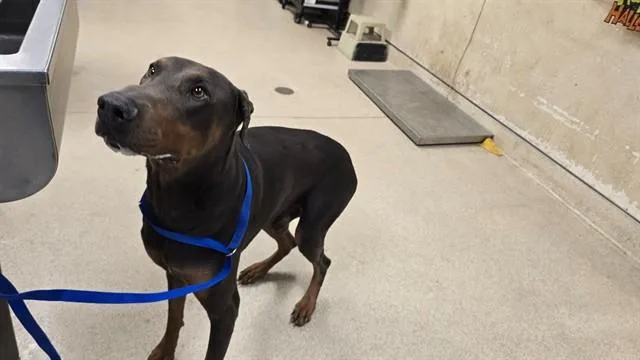
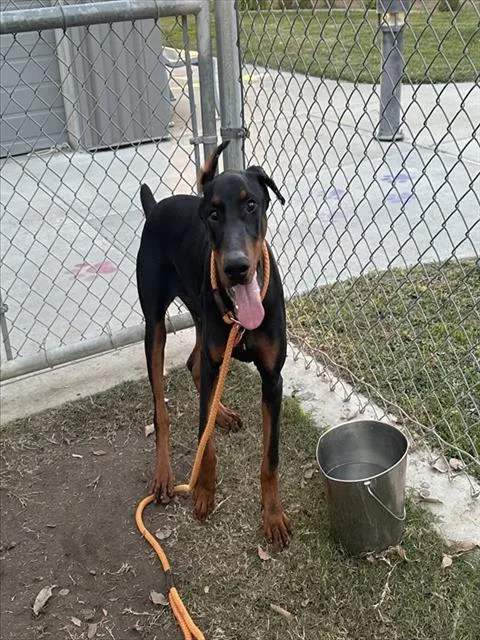
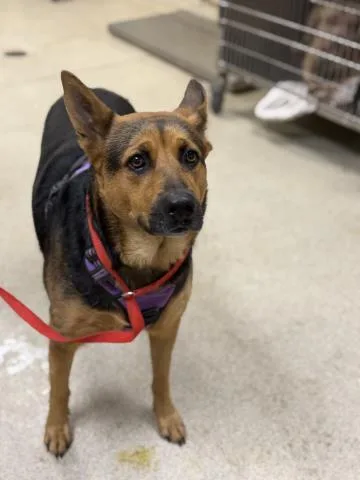
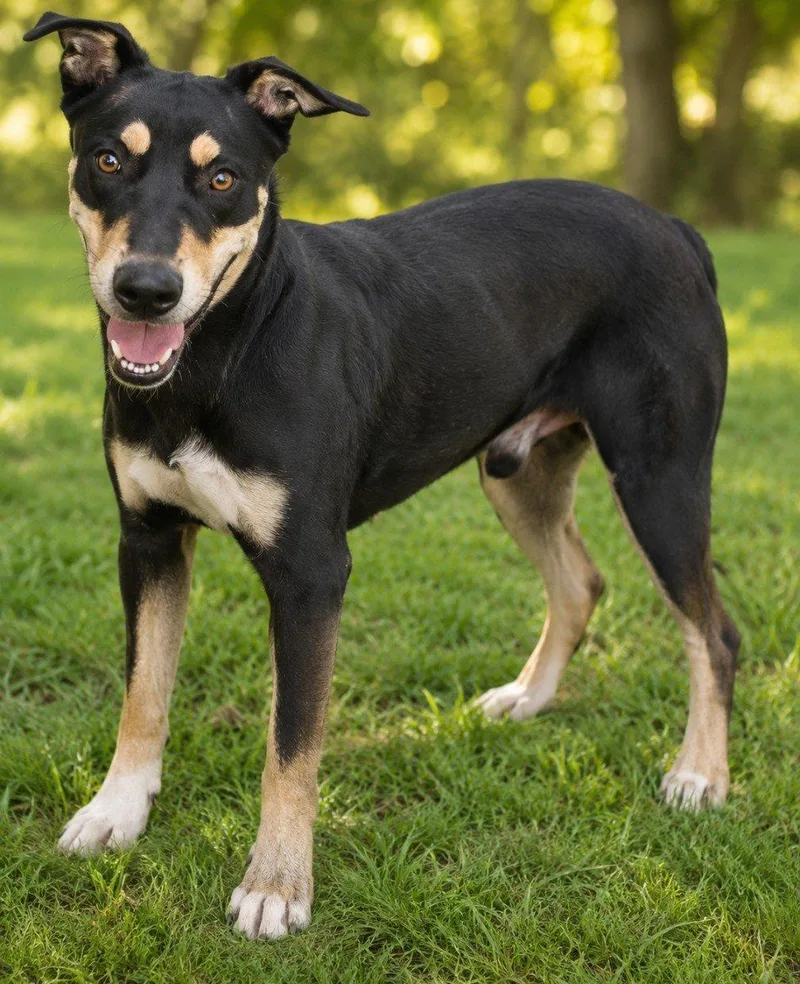
Black Russian Terrier Dogs for Adoption in Las Vegas, NV

Your guide to finding and caring for a Black Russian Terrier in Vegas

A Black Russian Terrier fits best in northwest Vegas, where a dog this size has room to move. Around Centennial Hills and Lone Mountain, you're close to Barkin' Basin's three dog areas and the leashed loop up Lone Mountain itself. The thick black coat is the catch, so summer walks belong at dawn or after dark. Black Russians are calm and loyal with their families, and they do best with an owner who has handled a large, protective dog before.

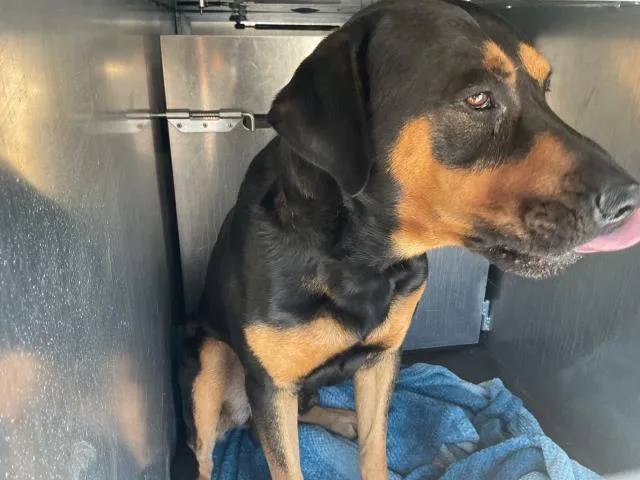
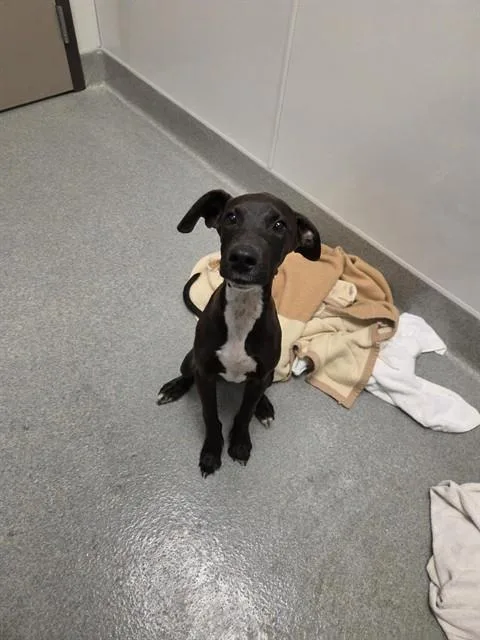
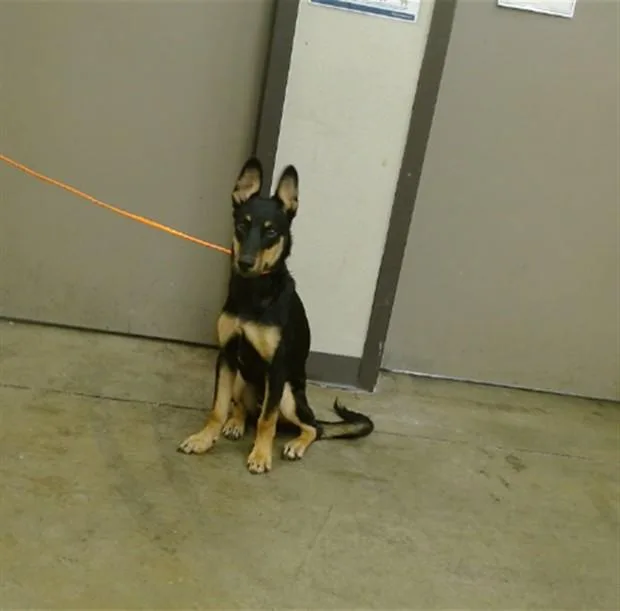
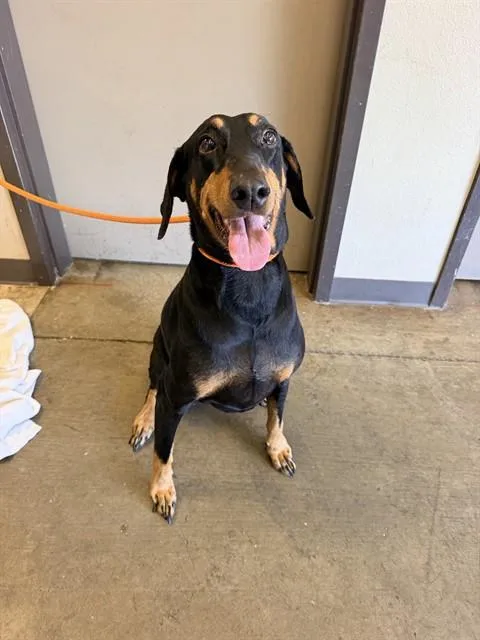
2696 dogs similar to Black Russian Terrier available in Las Vegas and nationwide

Find your Black Russian Terrier

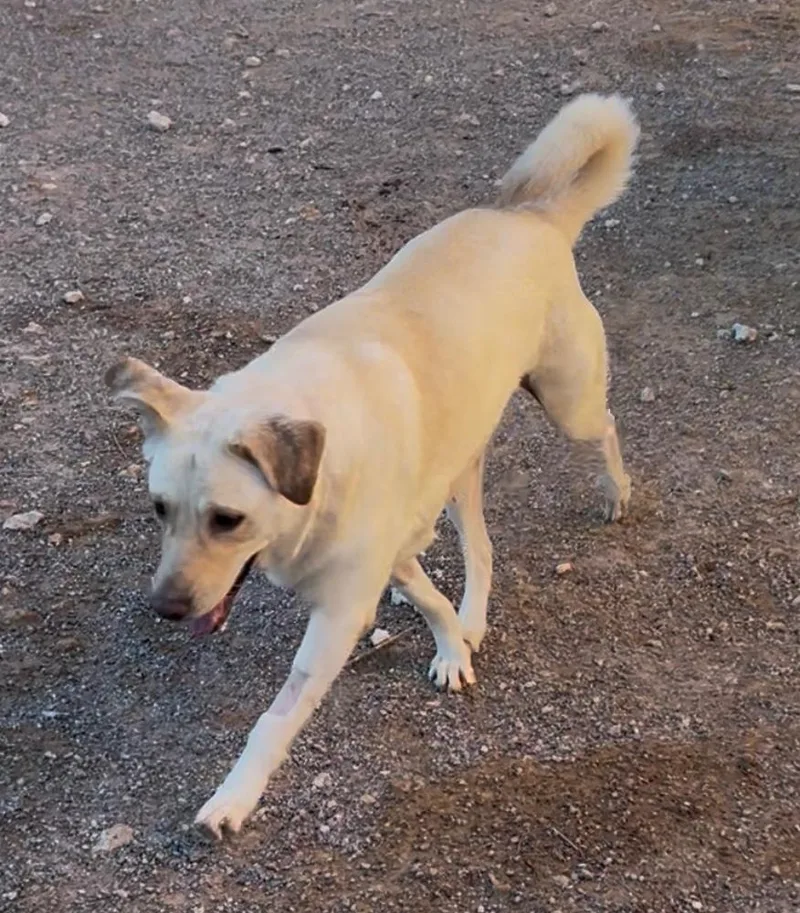
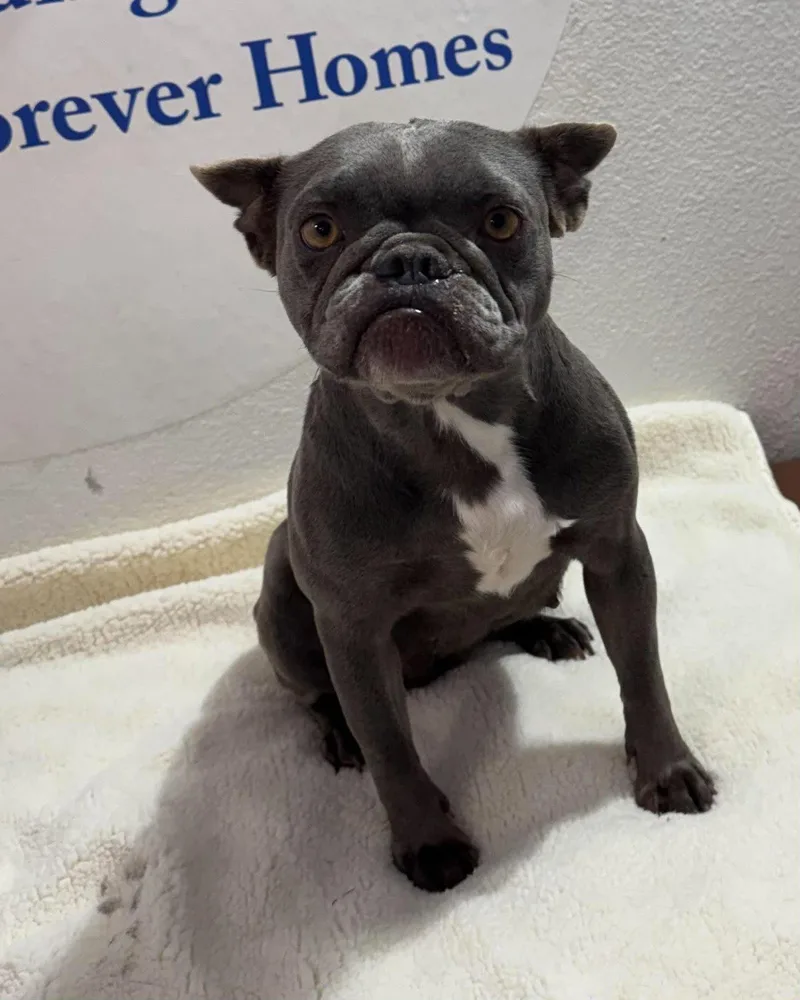
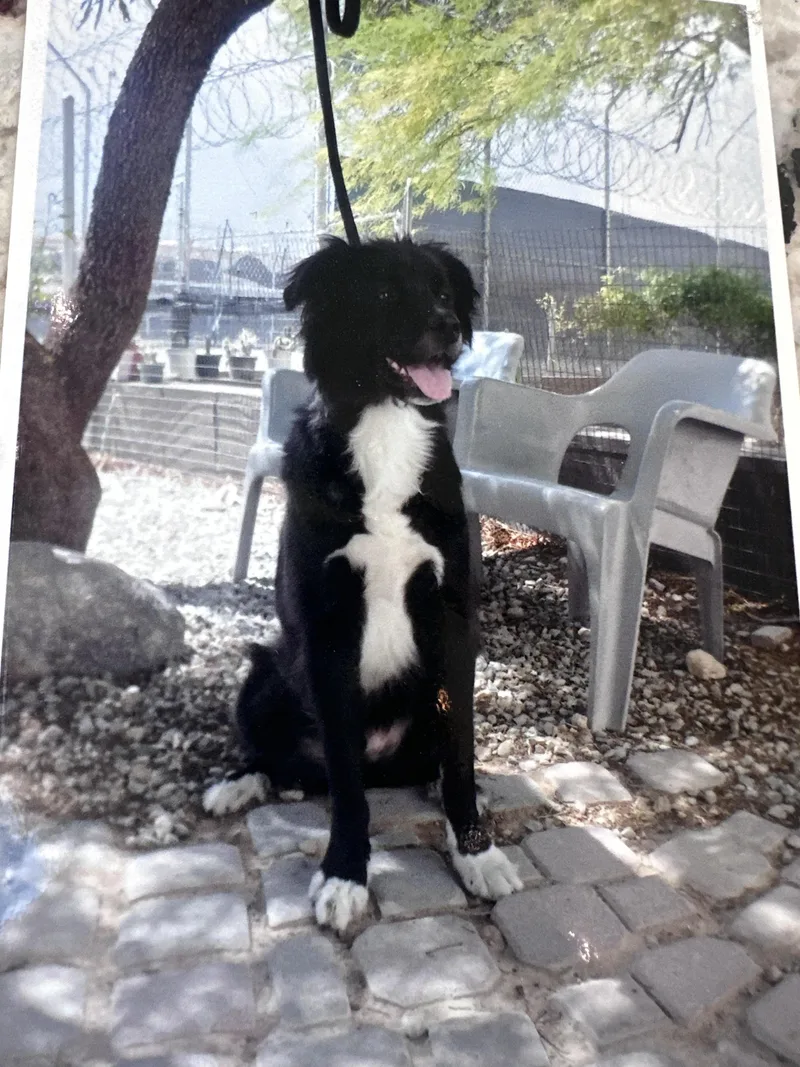
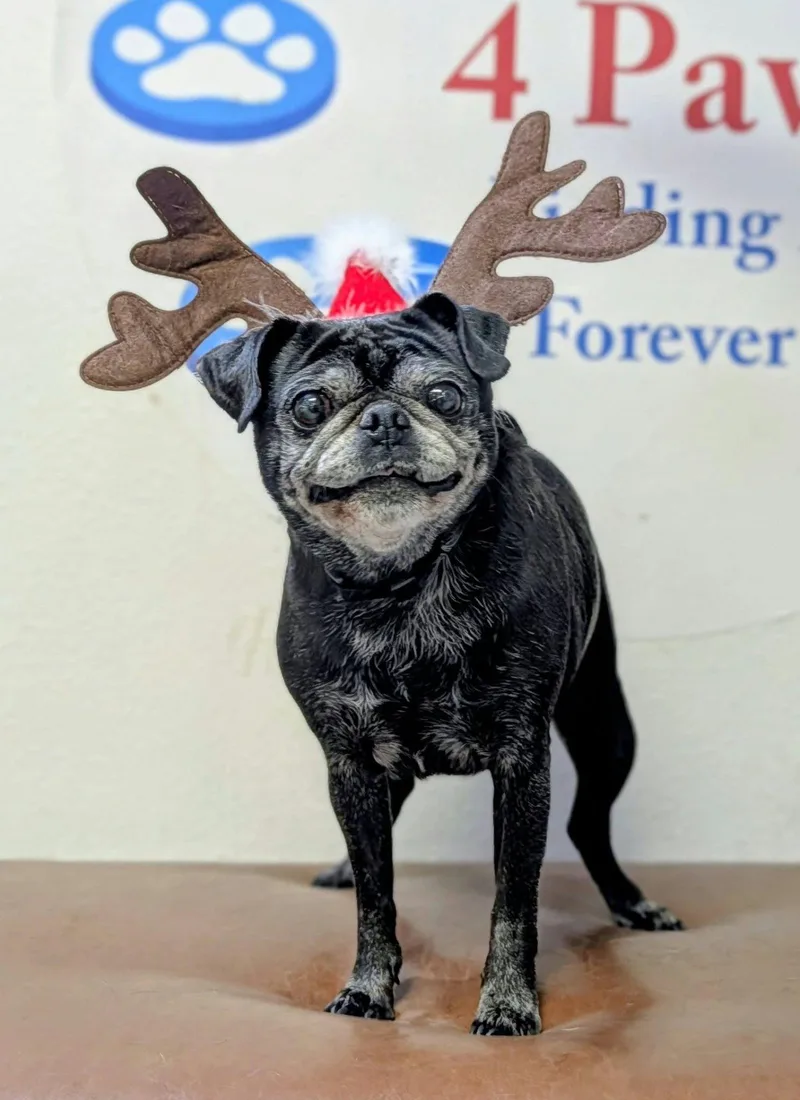
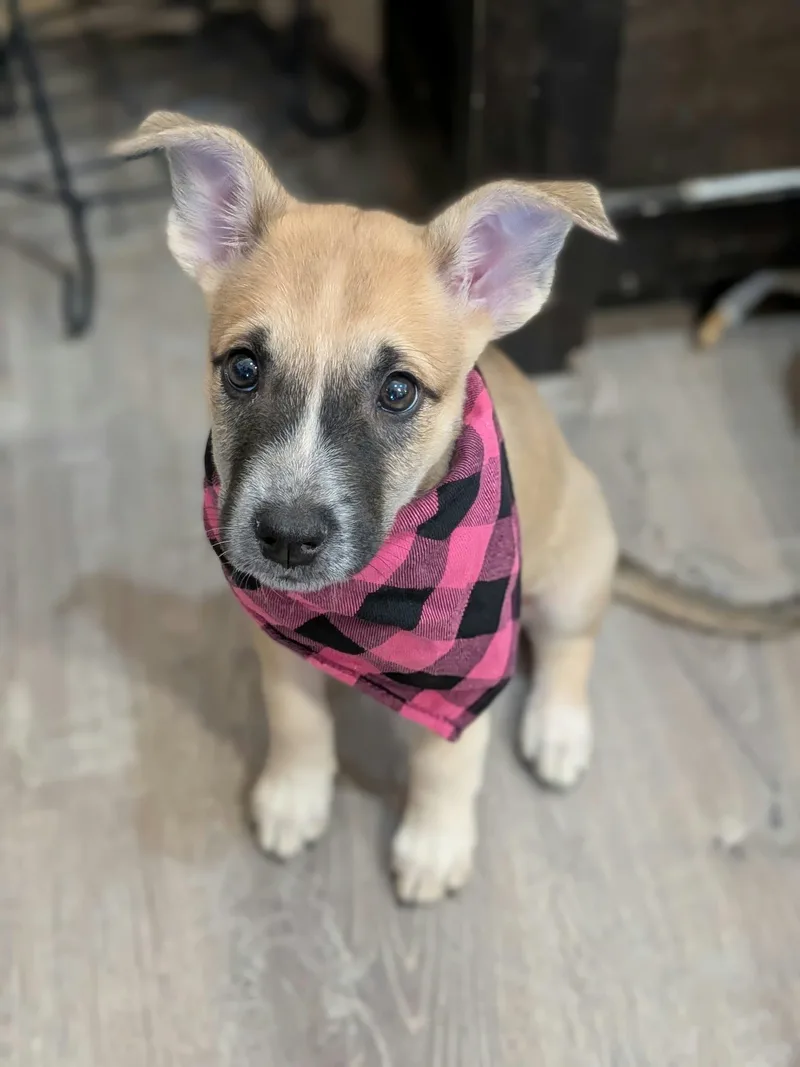
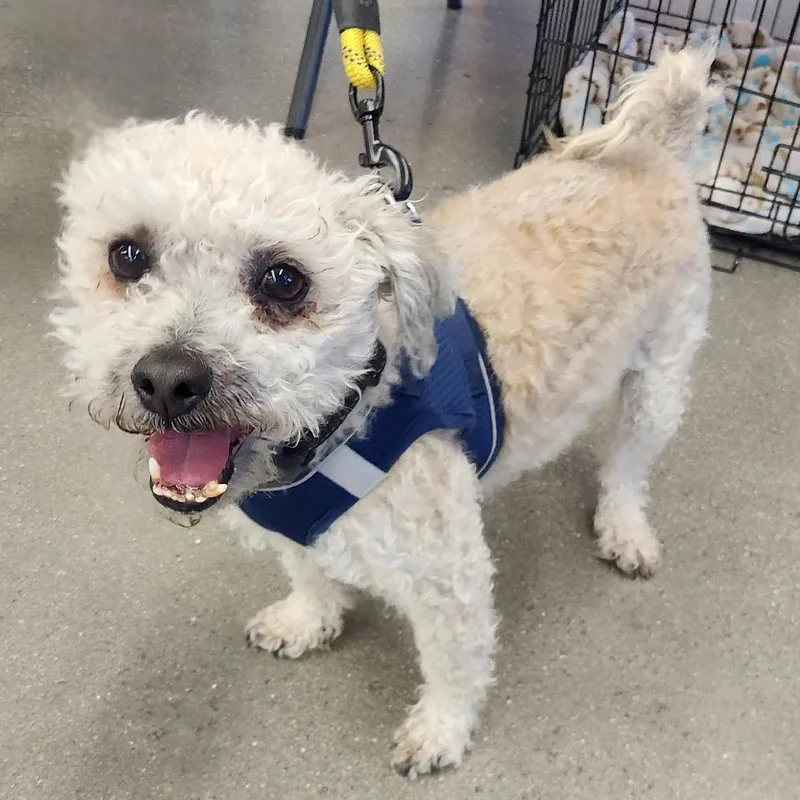
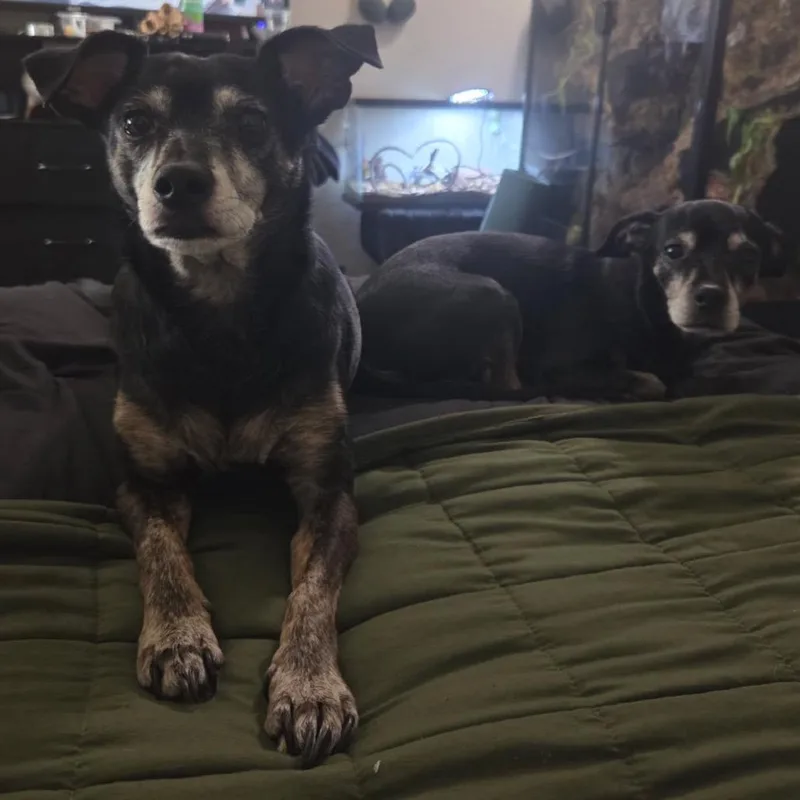
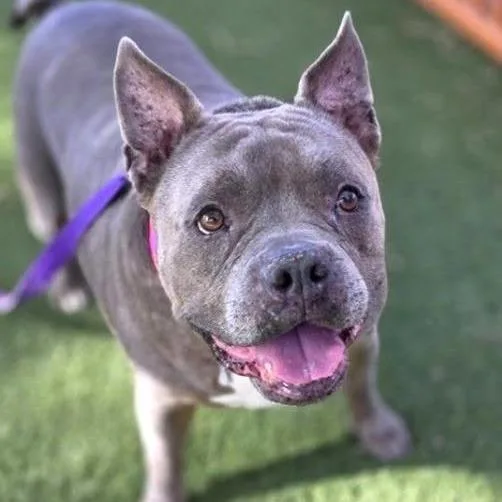
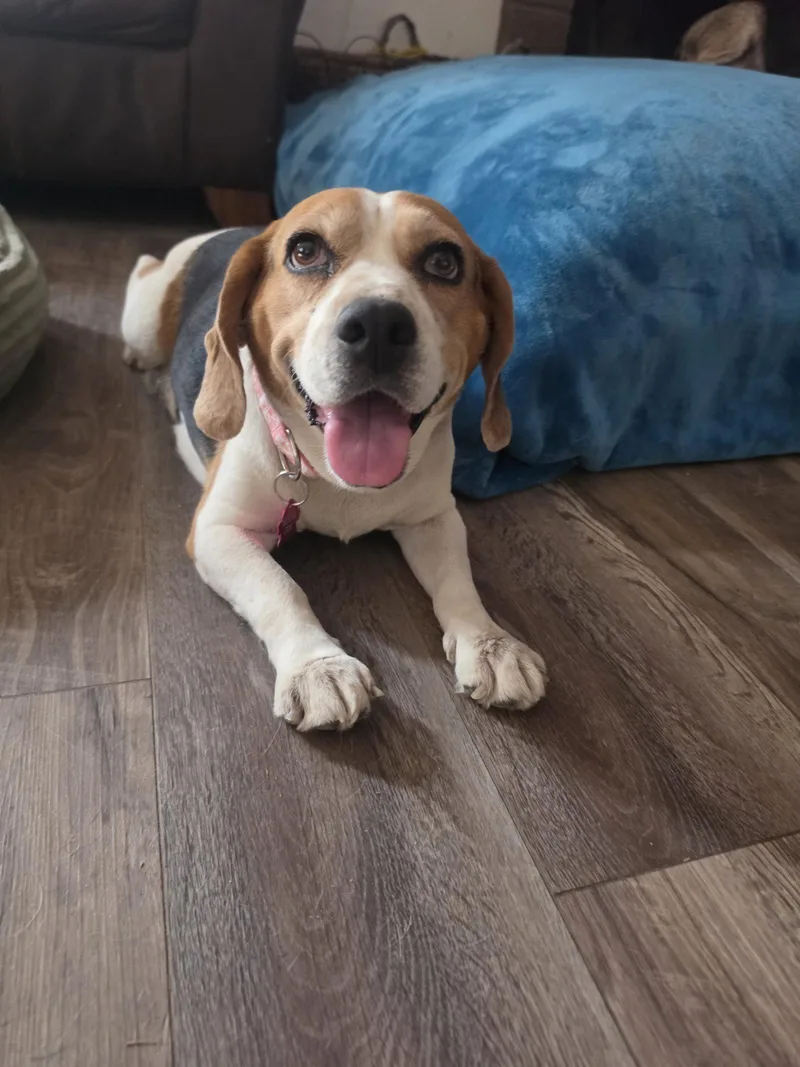
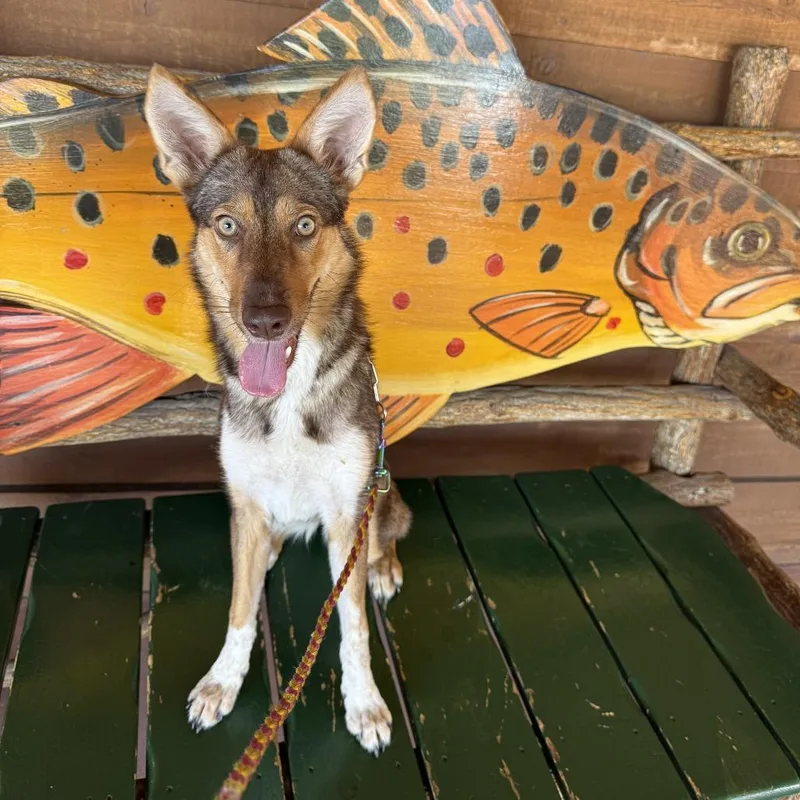
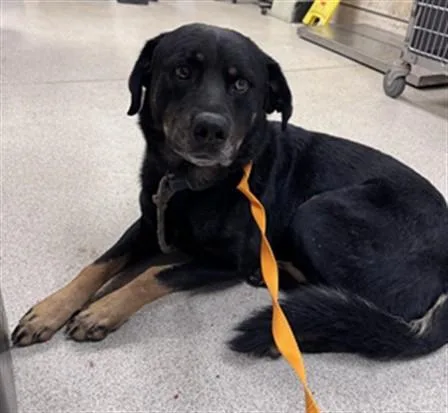
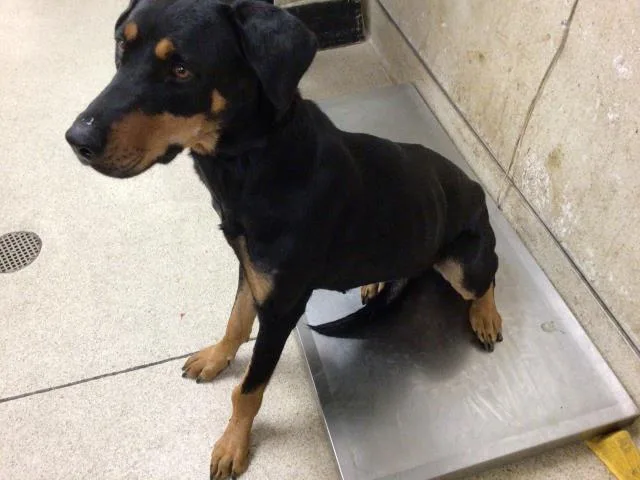
Black Russian Terriers and Similar Breeds Available for Adoption Near Las Vegas

About the Black Russian Terrier breed

The Black Russian Terrier isn't a true terrier. It was developed in the Soviet Union in the late 1940s and 1950s as a large working and guard dog, using about 17 breeds that include the Giant Schnauzer, Airedale and Rottweiler. Adults typically weigh 80 to 130 pounds and wear a wavy black double coat with a beard and eyebrows.

Many are calm, confident and devoted to their families, and reserved with strangers. They're smart and trainable, but their size and guarding instincts call for a steady handler and early socialization. In Vegas the coat matters as much as temperament: it sheds little, yet it needs regular brushing and professional trims, and the beard holds water and food. Dogs vary, so a dog's own behavior says more than the breed description.

Weight
80–130 lbs
Height
26–30 in
Lifespan
10–12 yrs
Temperament
Confident, Protective, Loyal
Group
Working
Shedding
Low

Owning a Black Russian Terrier in Las Vegas

Having a Black Russian Terrier in Vegas

A Black Russian Terrier pairs a guardian's watchfulness with a thick coat that needs steady upkeep. In Vegas, size, training and desert heat shape daily life as much as space does, so weigh your experience and schedule before adopting.

Temperament

Black Russians tend to be calm, self-assured and devoted to their own people, often following a favorite family member from room to room. Many are reserved with strangers and will step in if they sense a threat, which matters in busy hallways and on crowded sidewalks. Early socialization and reward-based training help, and each dog's own behavior counts for more than breed reputation.
Exercise Needs

Plan on two good walks a day plus play, such as fetch, tug or hiking. In Vegas that means dawn or after-dark outings from late May through September, with indoor games and training at midday. Skip hard running around mealtimes because of bloat risk, and expect a bored Black Russian to get pushy or destructive.

Health Considerations

Black Russians can face hip and elbow dysplasia, progressive retinal atrophy, bladder stones from hyperuricosuria, and juvenile laryngeal paralysis. Like other deep-chested giants, they're at risk of bloat. A veterinarian can check joints and breathing, and keeping the dog lean helps. In Vegas heat, watch for panting that doesn't settle, since the dense black coat holds warmth.

Living Space

A house with a securely fenced yard suits a Black Russian best. A calm adult can manage a condo or apartment with reliable daily exercise, but a dog this size takes up real floor and sofa space. Air conditioning is essential in Vegas, and the dog should live indoors with the family rather than outside.

What it costs to own a Black Russian Terrier in Las Vegas

ExpenseTypical costPer year
Food$80 to $160 per month$960 to $1,920
Pet insurance$85 to $170 per month$1,020 to $2,040
Routine vet care$250 to $500 per year$250 to $500
Other*$1,035 to $2,775 per year$1,035 to $2,775
Estimated yearly total (after year one)$3,265 to $7,235

Other costs are estimates and vary with size, age and health.

* The $10 to $25 Las Vegas dog license, flea, tick and heartworm prevention, a dental cleaning allowance, toys and bedding, professional trims every 6–8 weeks, and joint supplements.

Adopt a Black Russian Terrier in Las Vegas.

Now that you know more, let’s find you a new best friend. These rescues and shelters below have dogs available in and near Las Vegas.

Rescues and Shelters in or near Las Vegas

Las Vegas shelters and rescues listed here help dogs find new families, and their adoptable pets change often. Here are the rescues & shelters in the Vegas area with dogs available for adoption, worth asking whether a Black Russian Terrier is coming in.

Frequently Asked Questions

Yes, but only with a cool home and careful timing. A thick black double coat holds heat, so keep walks to dawn or after dark, check pavement with your palm for five seconds, and make sure the dog has air conditioning and fresh water. Leaving a pet in a hot car is illegal in Nevada. Adopters who can't offer that cooling routine should consider other breeds.

Yes, Nevada has no breed bans. State law says a dog can't be declared dangerous or vicious based solely on breed, and local governments can't adopt rules that do. A dog is labeled dangerous by its behavior, such as unprovoked menacing on two occasions within 18 months. Vegas still requires a license and microchip, so budget for both when you adopt.

Possibly, if the dog is a calm adult and you can provide reliable daily exercise, but it isn't the easiest fit. Black Russians are big, protective and need room to turn around, plus dependable air conditioning in summer. Get written landlord approval for an 80-to-130-pound dog, and practice calm hallway and elevator manners with neighbors.

Start with the city's off-leash dog parks, such as Barkin' Basin, Kellogg Zaher or Gary Reese Freedom Park near downtown, and use the large-dog areas where a park separates dogs by size. For leashed outings, try the Lone Mountain loop or Red Rock Canyon, where trails allow leashed dogs. In summer, go early and bring water.

Not easily. RTC buses allow pets other than service animals only in a covered, secured cage, and only when there's open space, so an 80-to-130-pound dog won't fit. Service animals ride free on the floor or the rider's lap. For vet visits and park trips, plan on a car, and check current RTC rules before riding.

Often on patios, but not inside. Southern Nevada health rules let restaurants allow dogs in outdoor dining areas if they've signed an agreement and the patio can be reached without passing through the dining room. Expect your dog to stay on the floor. Practice a calm down-stay first, since a big, reserved dog needs room and good manners.

Plan on brushing a few times a week and a professional trim about every 6 to 8 weeks. Wind-blown dust can collect in the coat and beard, so brush thoroughly after windy days and wipe the beard after meals and water. Instead of shaving, ask the groomer for a shorter trim that still protects the skin. Grooming is part of the yearly Other costs on this page.

Black Russian Terriers can be good family dogs for experienced owners. Many are affectionate, calm and protective with their own families and gentle with children they are raised with. Their size and guarding instincts mean they need training, socialization and supervision around visiting kids. An adult rescue with a known history in a family home can be a strong match.

No, Black Russian Terriers are not truly hypoallergenic, since no dog is free of allergens. Their coat sheds little, so they drop less hair around the house than many breeds, which helps some people with mild allergies. Dander and saliva still cause reactions, so spend time with the specific dog before adopting if anyone has allergies.

Expect roughly $3,300 to $7,200 a year, including food ($80–$160 a month), insurance ($85–$170 a month), routine vet care ($250–$500 a year) and other costs ($1,035–$2,775 a year), mostly trims and parasite prevention. A giant dog's food and grooming drive the totals. Adoption fees vary by listing and aren't included.