Papillon Dogs for Adoption in Albuquerque, NM

Your guide to finding and caring for a Papillon in Albuquerque

A Papillon fits easily into a Downtown Albuquerque loft, as long as it gets a daily walk and something to figure out. In the Casa District's loft apartment buildings, much of a Papillon's exercise can happen indoors, with a loop around the block and a trip to the Downtown Temporary Dog Park on Silver SW for the rest. They're bright, sociable and quick to learn tricks, but they're also alert barkers, which counts with shared walls. Dry, sunny mornings make early walks pleasant most of the year.

120 Papillons available in Albuquerque and nationwide

Adopt a Papillon today

While we don't have enough dogs near Albuquerque, keep in mind that many rescues may offer transport.

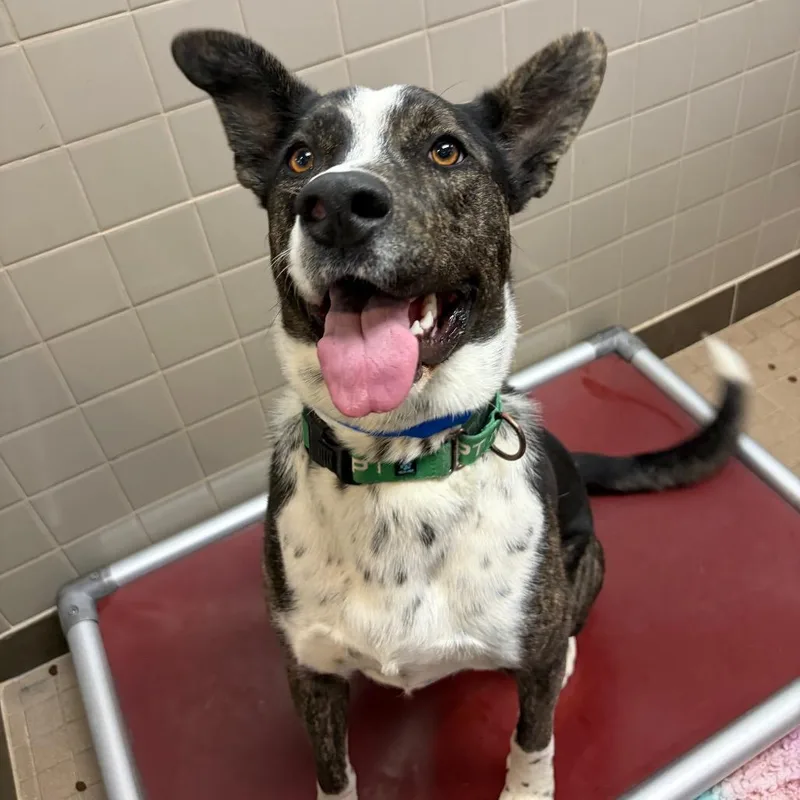
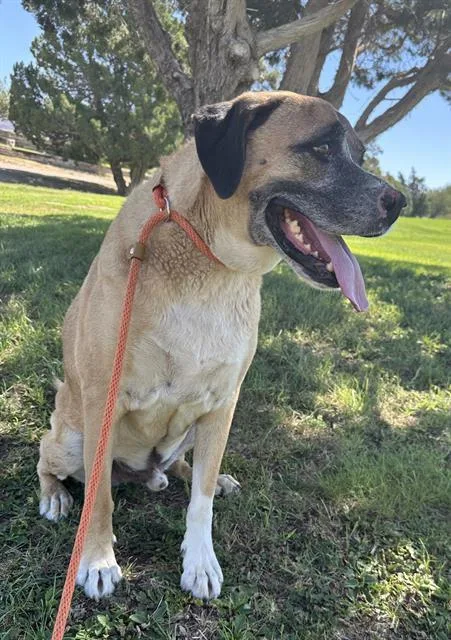
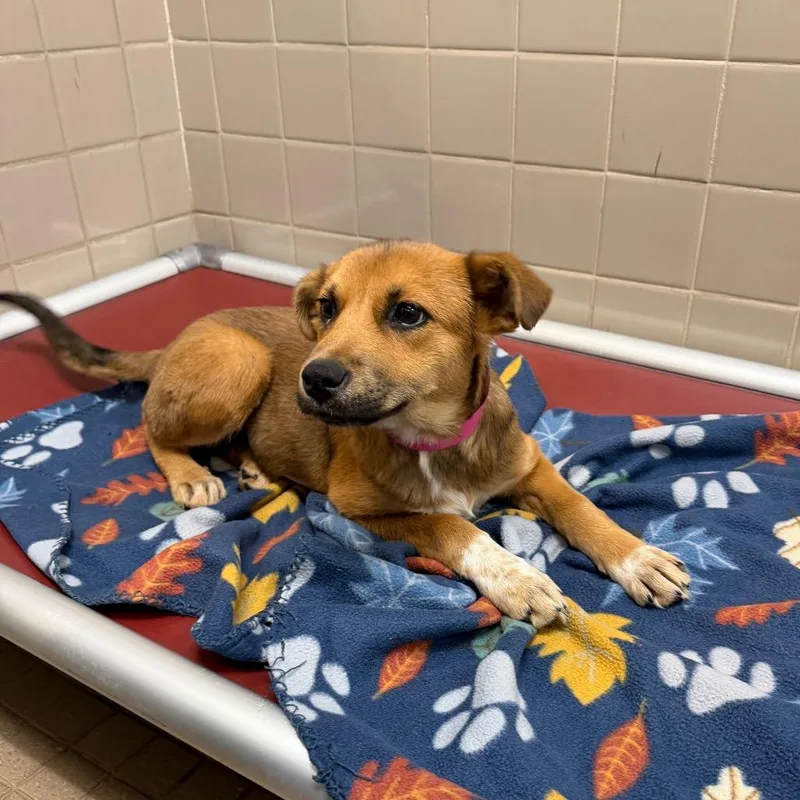
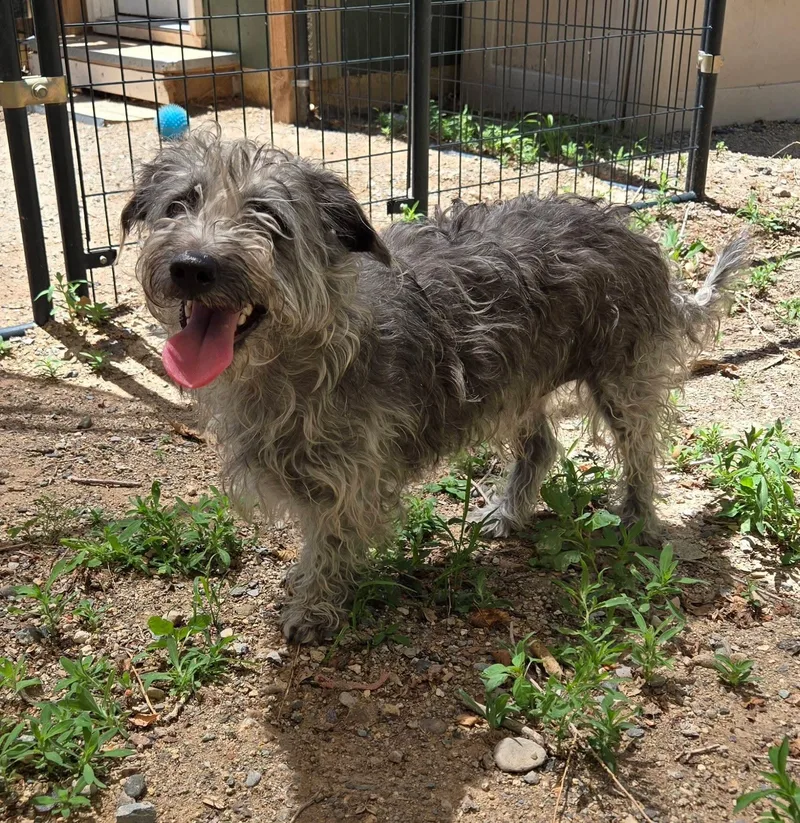
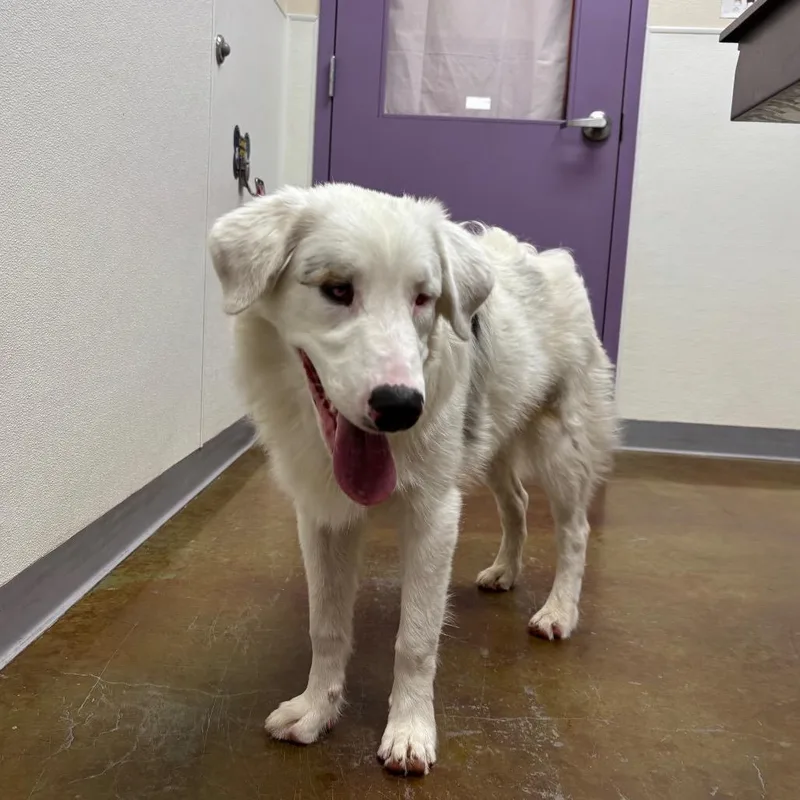
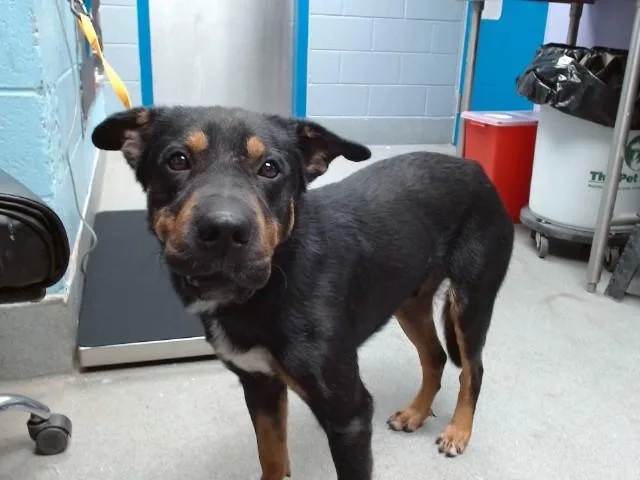
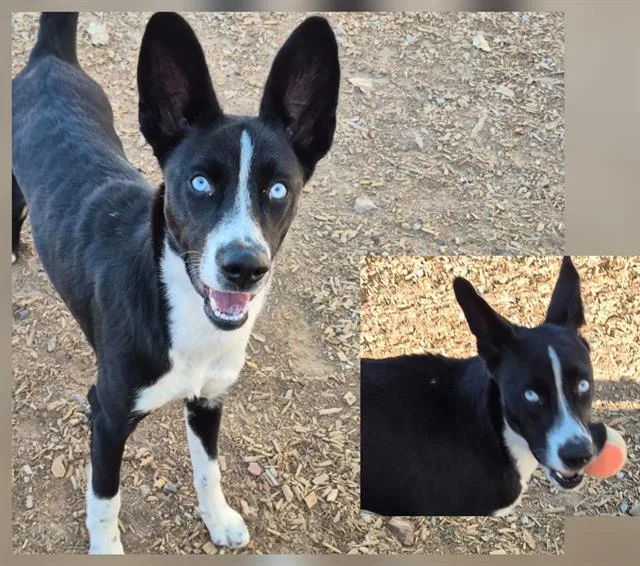
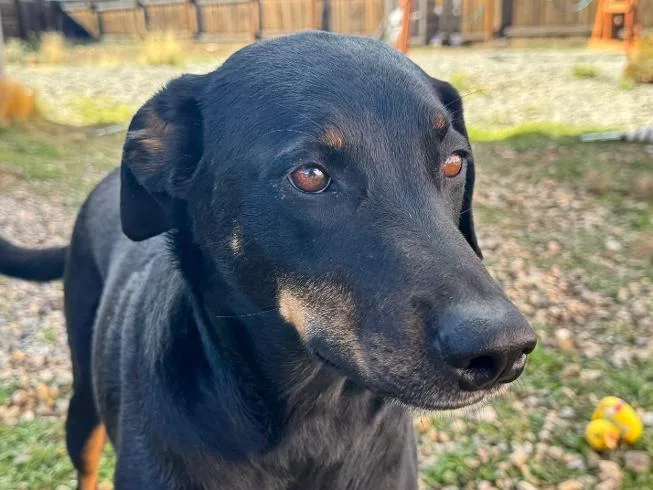
Papillons Available for Adoption Near Albuquerque

About the Papillon breed

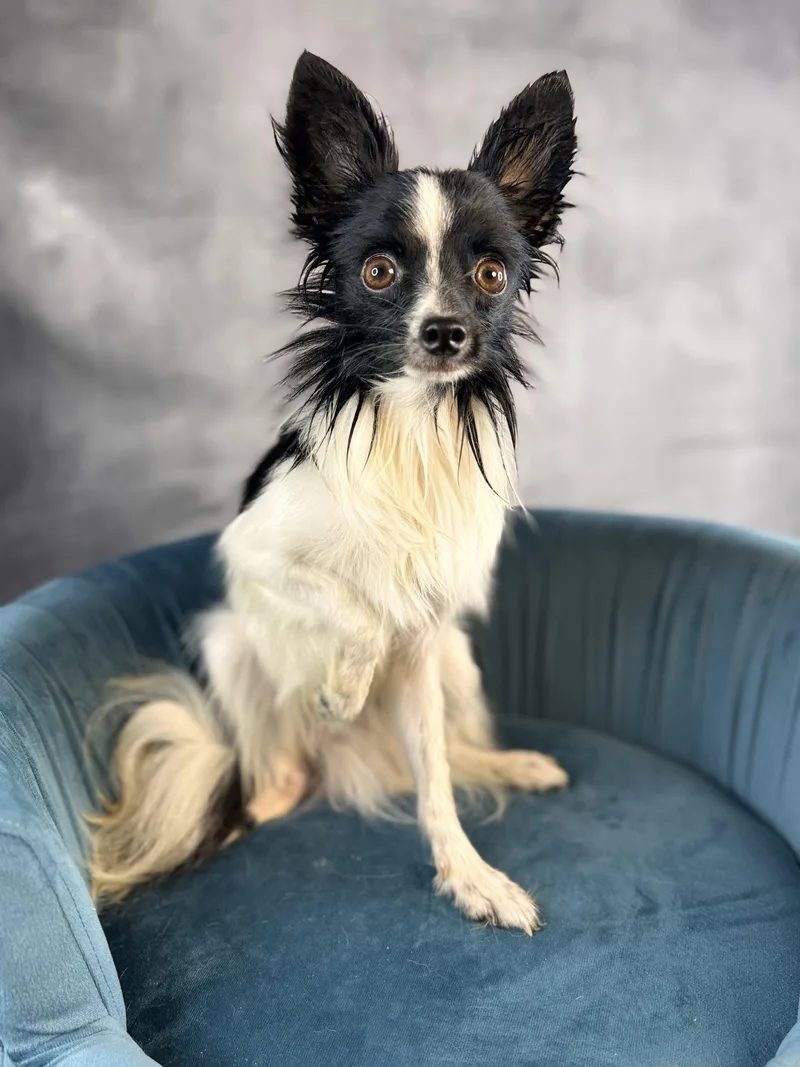
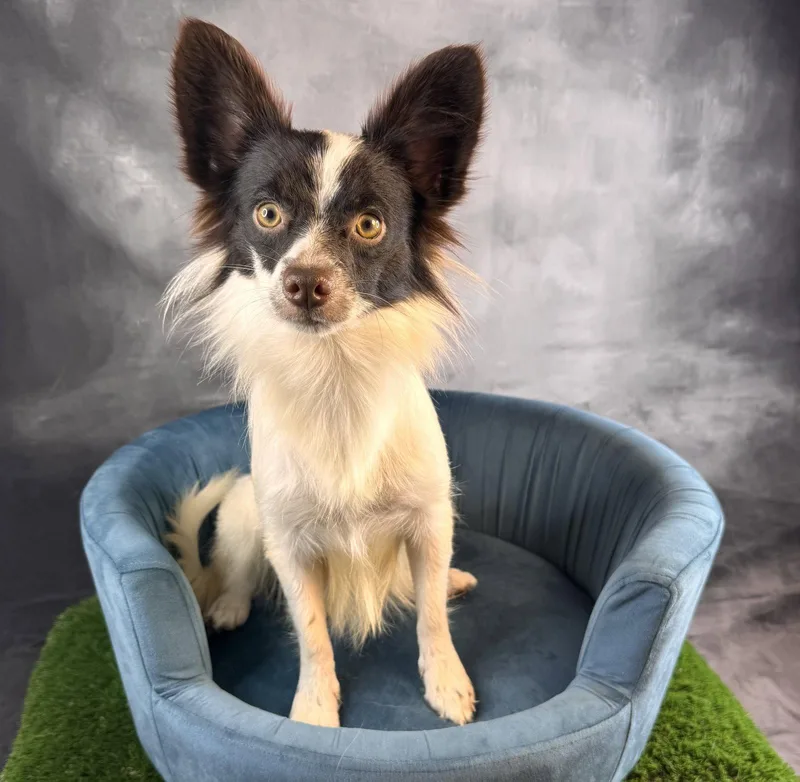
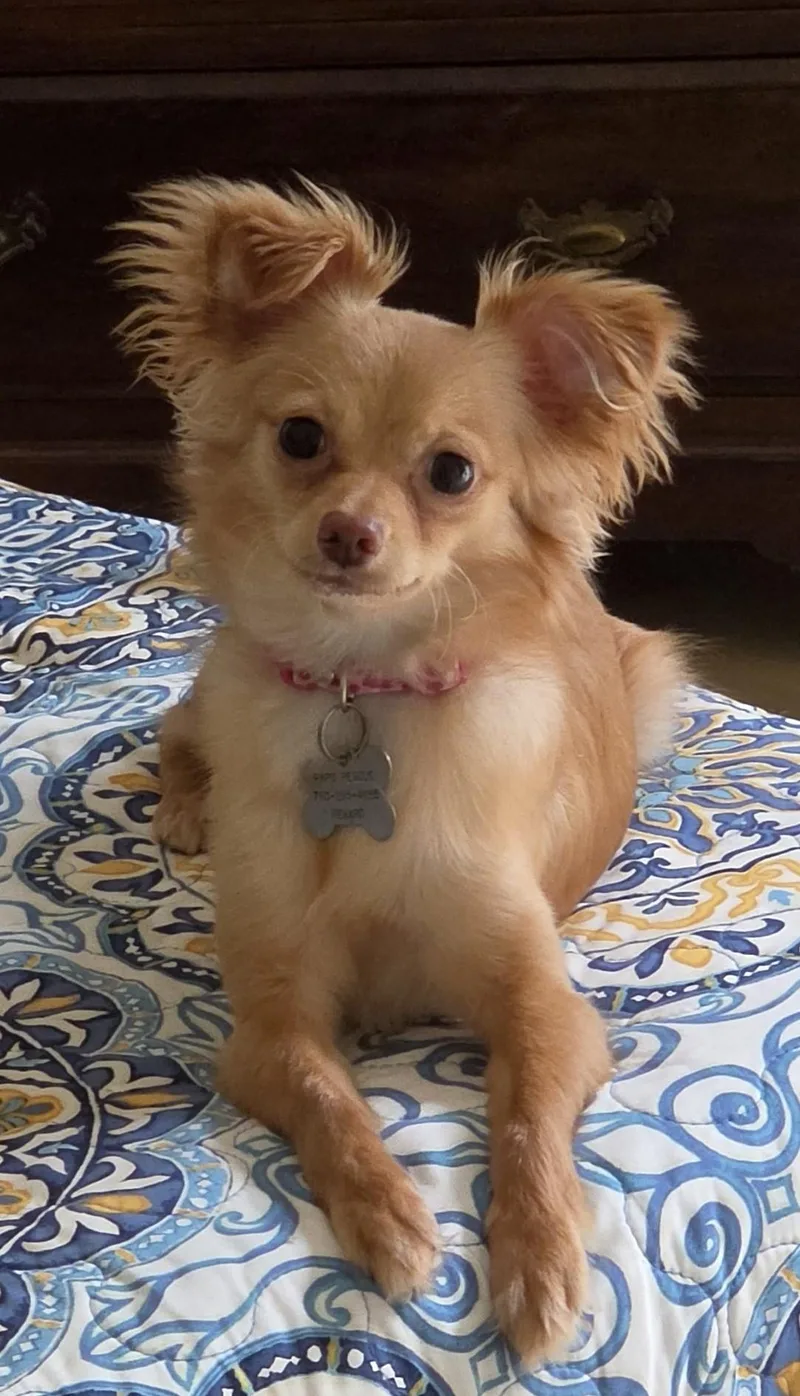
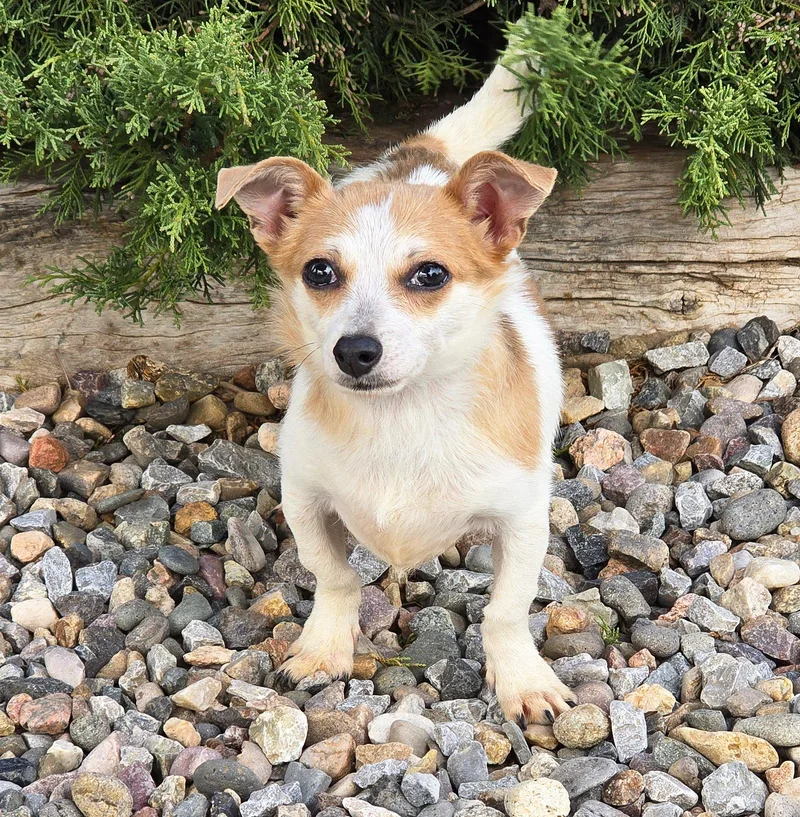
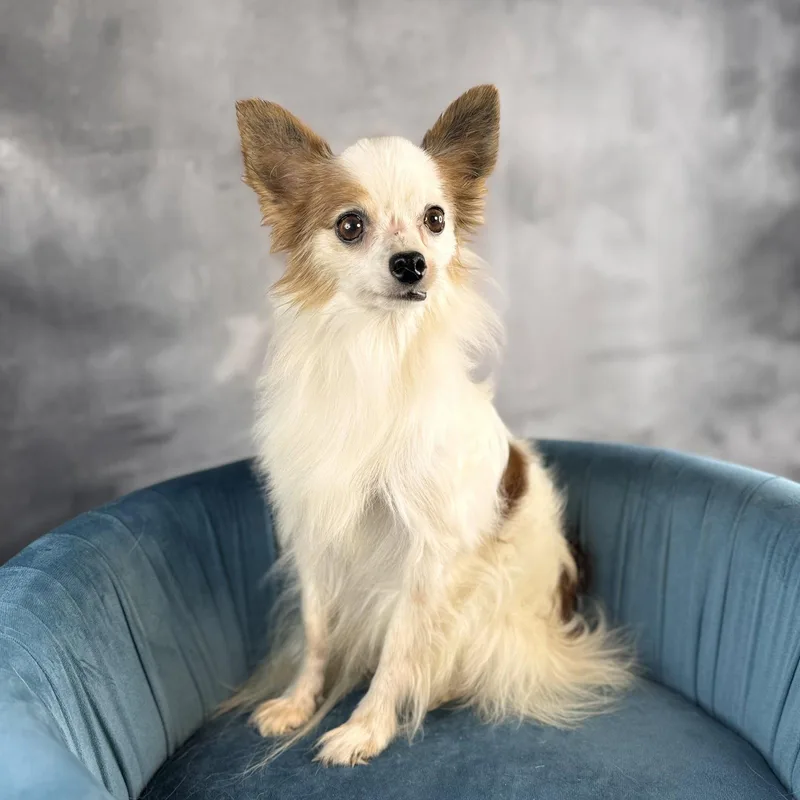
Papillons are small spaniels that developed in France and Belgium, and toy spaniels like them appear in European paintings from the 1500s. The upright, fringed ears are the signature look, though the drop-eared variety, the Phalène, belongs to the same breed. The American Kennel Club recognized the Papillon in 1935 and places it in the Toy Group.

Adults weigh about 5 to 10 pounds but are sturdier and more athletic than they look. The long, silky coat has no undercoat, so it stays fairly easy to care for. In Albuquerque, their fine bones and bold attitude matter most around larger dogs on trails and at dog parks. Papillons vary, but many are curious, friendly and happiest close to their people.

Weight
5–10 lbs
Height
8–11 in
Lifespan
13–16 yrs
Temperament
Intelligent, Playful, Alert
Group
Toy
Shedding
Moderate

Owning a Papillon in Albuquerque

Having a Papillon in Albuquerque

Papillons combine a quick mind, a lively body and a sociable streak in five to ten pounds. In Albuquerque, their small size around larger animals, their single coat on cold mornings and their trainability tend to shape daily life most.

Temperament

Papillons are typically friendly, curious and eager to be near their people, which suits a city where daily life happens on shared sidewalks and in busy buildings. Many bark at hallway noises and passing dogs. Some turn snappy when handled roughly, and they can act bold around bigger dogs. Each Papillon's personality varies.

Exercise Needs

Plan on daily walks plus indoor play, such as fetching small toys, and add training games or simple agility to tire out the mind. Neighborhood sidewalks and the city's fenced dog parks work well. Coyotes can see small dogs as prey, especially at night, so keep evening walks leashed and close.

Health Considerations

Papillons often live 13 to 16 years, though patellar luxation, dental disease, progressive retinal atrophy and some heart conditions occur in the breed. Their fine bones can break in a fall from a couch. Spring dust can irritate eyes, so watch for squinting or redness. A veterinarian can check knees, teeth and heart at yearly exams.

Living Space

A Papillon can do well in a Downtown loft, a Nob Hill bungalow or a Westside house, since much of its exercise happens indoors. Shared walls make barking worth planning for. Yards need fencing without gaps, and rattlesnake season runs April through October, so supervise a small dog outside. Homes with young children need close supervision.

What it costs to own a Papillon in Albuquerque

ExpenseTypical costPer year
Food$15 to $35 per month$180 to $420
Pet insurance$30 to $60 per month$360 to $720
Routine vet care$200 to $400 per year$200 to $400
Other*$475 to $1,200 per year$475 to $1,200
Estimated yearly total (after year one)$1,215 to $2,740

Other costs are estimates and vary with size, age and health.

* Flea, tick and heartworm prevention, dental cleanings, toys and bedding, and light home grooming; Albuquerque has no city dog license fee.

Adopt a Papillon in Albuquerque.

Now that you know more, let’s find you a new best friend. These rescues and shelters below have dogs available in and near Albuquerque.

Frequently Asked Questions

Often, yes, especially for people who walk daily and are home enough to keep a social, busy dog company. A Papillon handles Albuquerque's sunny climate well with a coat for cold mornings and shade in summer. Keep it leashed and close because of coyotes, rattlesnakes in warm months and larger dogs, and expect some barking.

Yes, a Papillon's size and indoor-friendly exercise suit apartments, whether in a Downtown loft or an East Heights complex. Pet rent, deposits and restrictions differ by building, so read the lease. Barking is the main concern: a noise complaint through 311 leads to a seven-day notice letter, so teach quiet routines early.

Start with the paved Paseo del Bosque Trail for flat, leashed walks, or Elena Gallegos Open Space in the foothills, where parking is $1 on weekdays and $2 on weekends. For off-leash play, a fenced dog park such as Wells Dog Park works, though a Papillon should stay clear of rough big dogs. Puppies must be older than six months.

No, a pet Papillon can't ride ABQ RIDE buses, including the ART line on Central Avenue, because only service animals are allowed. The Rail Runner also doesn't allow pets, and its carrier exception covers comfort animals, not pets. Small size doesn't change the rule, so plan on walking or driving.

Yes, with a coat. Snow is light, but about 93 nights a year reach freezing, and December and January lows sit in the mid-20s. A Papillon's single coat offers little insulation, so use a sweater for early and late walks, keep a toy dog indoors overnight, and shorten outings on icy mornings.

Only to patios, and only where the restaurant chooses to allow dogs. New Mexico law lets restaurants welcome leashed dogs in outdoor dining areas, usually marked with a posted sign, and dogs must stay off chairs and tables. Indoors, generally only service animals are allowed, so a Papillon in a carrier shouldn't be assumed welcome.

Not much. A Papillon has a single silky coat with no undercoat, so brushing a few times a week and combing behind the ears and legs keeps tangles away. Bathe every few months, trim nails often, and wipe the face and ears after windy spring days. A professional tidy-up is optional and adds little to yearly costs.

Papillon means butterfly in English. The French name refers to the breed's large, upright ears, which are fringed with long hair and spread out from the head like a butterfly's wings. Papillons born with drooping ears are called Phalènes, the French word for moth. Both ear types appear in the same litters and belong to the same breed.

A Papillon typically costs about $15 to $35 a month for food and $30 to $60 for pet insurance. Routine vet visits run roughly $200 to $400 a year, and other costs such as parasite prevention, dental care, supplies and light grooming add about $475 to $1,200 yearly. Albuquerque charges no city pet license fee.