Japanese Chin Dogs for Adoption in Albuquerque, NM

Your guide to finding and caring for a Japanese Chin in Albuquerque

A Japanese Chin suits Albuquerque's loft and bungalow neighborhoods, since it needs a short walk more than a big yard. In a Casa District loft downtown or a Huning Highlands Victorian, a Chin can get most of its exercise from a loop around the block and a few games on the rug. It's a quiet, cat-like lap dog that likes a perch by the window. Just plan walks for early morning, because the strong sun at 5,300 feet is hard on a flat-faced dog.

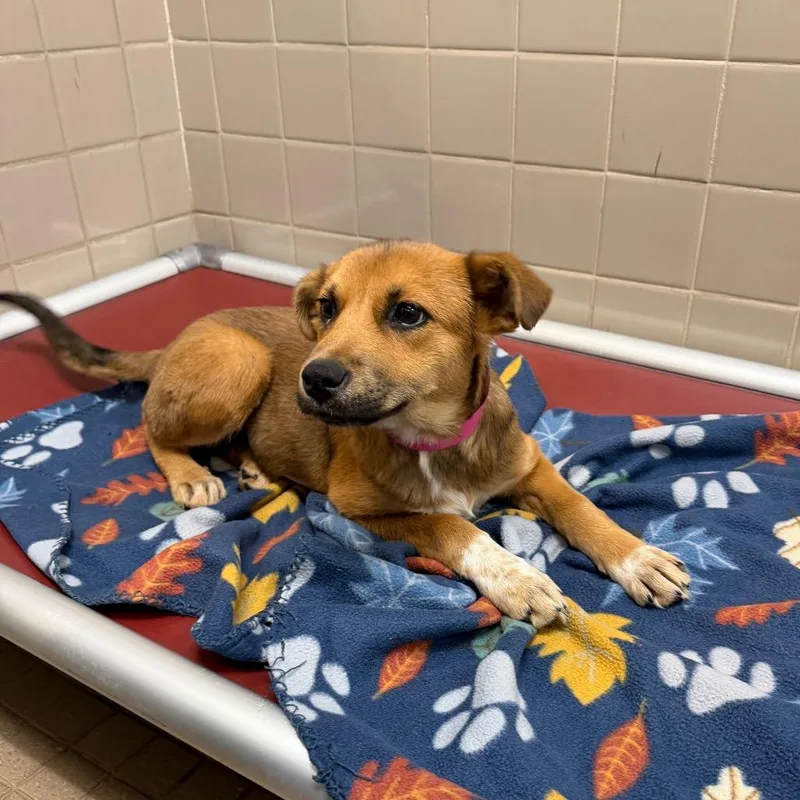
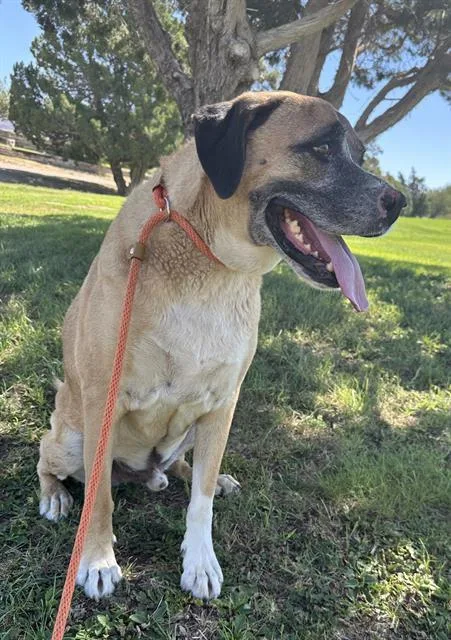
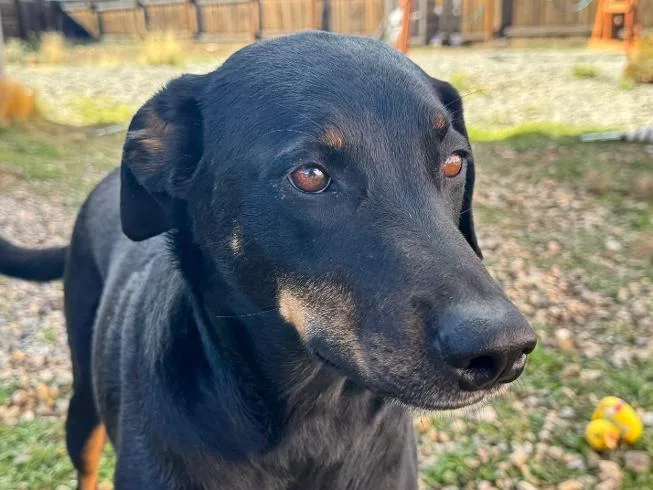
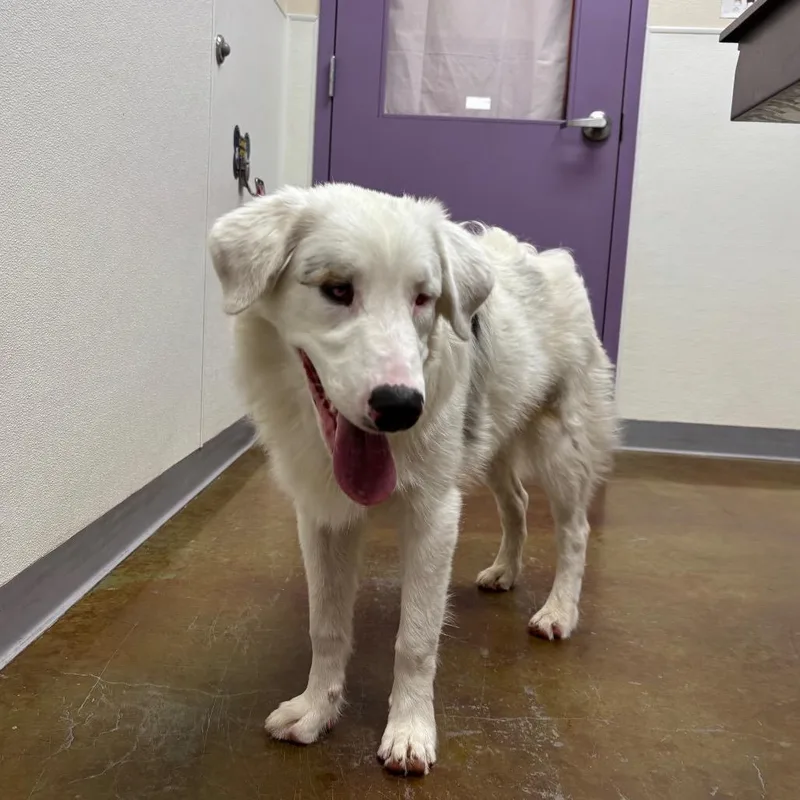
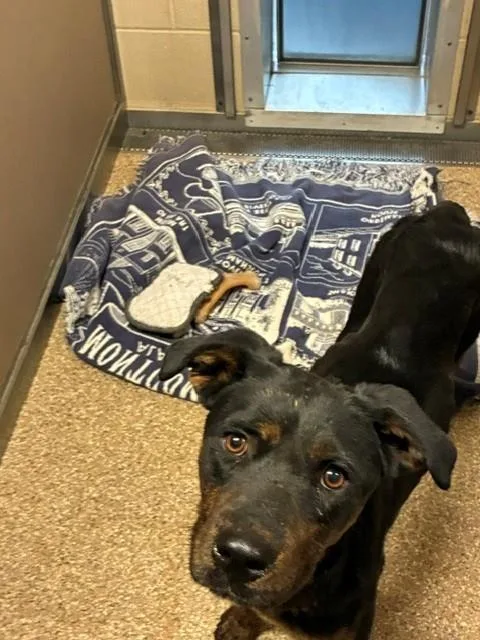
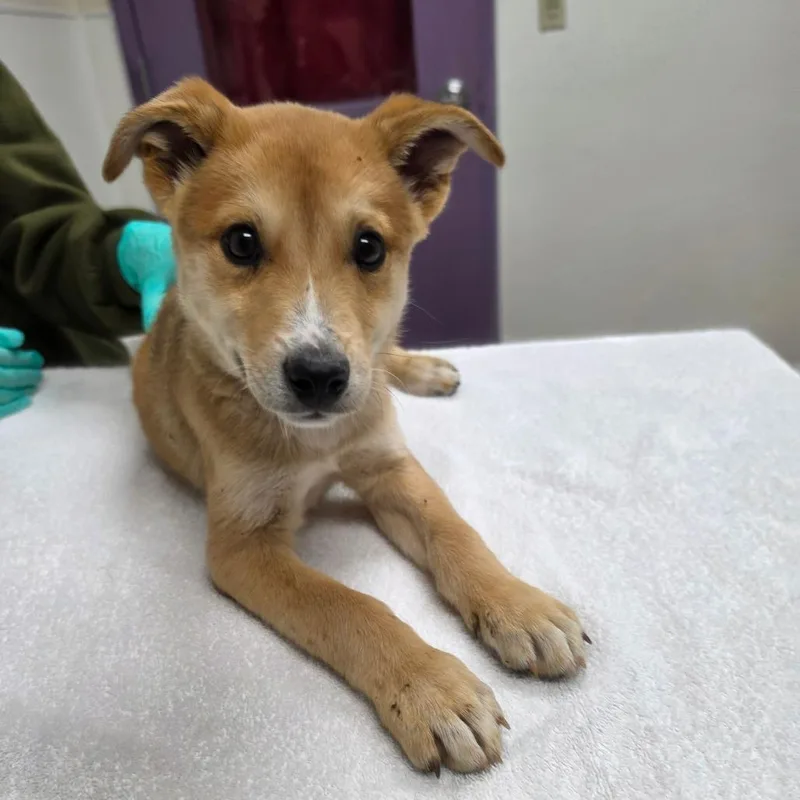
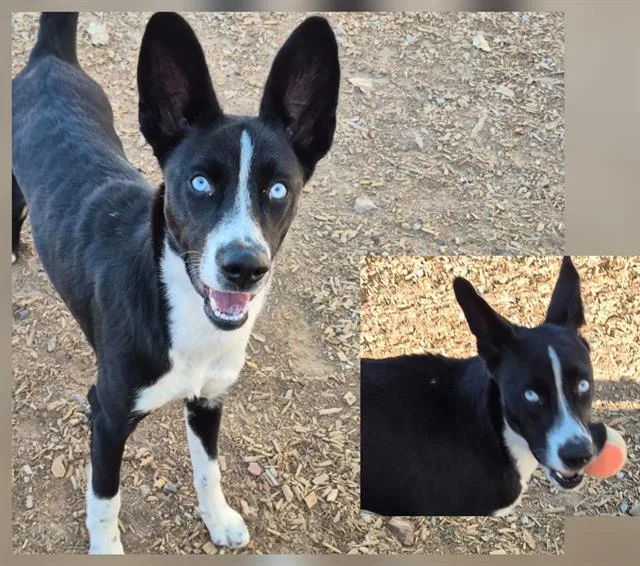
11 Japanese Chins available in Albuquerque and nationwide

Fall for a Japanese Chin

While we don't have enough dogs near Albuquerque, keep in mind that many rescues may offer transport.

Japanese Chins Available for Adoption Near Albuquerque

About the Japanese Chin breed

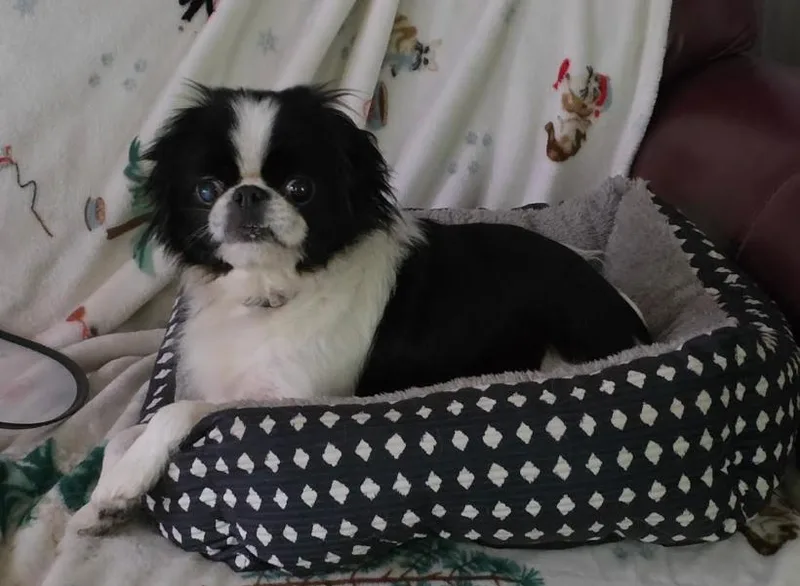
The Japanese Chin is a toy breed with a long history as a pure companion. Its ancestors most likely came from China and were kept by Japanese nobility for centuries. Adults typically weigh 7 to 11 pounds and stand 8 to 11 inches tall, with a silky single coat in black and white, red and white, or tricolor, and a flat face with wide-set dark eyes.

In Albuquerque, the breed's cat-like habits suit small homes: many Chins perch on sofa backs, groom themselves and stay quiet indoors. The short face is the main thing to plan around, since dry air, strong sun and hot afternoons are harder on flat-faced dogs. Chins vary, so a calm dog that fits your household's pace matters more than the breed label.

Weight
7–11 lbs
Height
8–11 in
Lifespan
10–14 yrs
Temperament
Charming, Affectionate, Quiet
Group
Toy
Shedding
Moderate

Owning a Japanese Chin in Albuquerque

Having a Japanese Chin in Albuquerque

A Japanese Chin packs a gentle, amusing nature into a very small dog. Its short face, delicate frame and sensitivity to heat shape daily care more than its size does, so planning for comfort, safety, dental health and heart checks pays off.

Temperament

Chins tend to be affectionate, playful in short bursts and attentive to their people's moods. Many are polite but reserved with strangers and dislike rough handling or chaotic homes. Some can be stubborn or anxious when left alone for long stretches. A dog's own history and behavior say more than breed reputation does.

Exercise Needs

Most Chins are content with short daily walks and indoor play, such as chasing a toy across the rug. In Albuquerque, early morning leashed walks work best, and a paved route like the Paseo del Bosque Trail keeps small paws off hot sand. Keep activity light when afternoons heat up.

Health Considerations

Japanese Chins can be affected by luxating kneecaps, cataracts, early heart murmurs and breathing trouble linked to their short muzzles. Crowded teeth make dental disease common. Heat stroke is a real risk in Albuquerque summers. A veterinarian can check an adopted Chin's heart, teeth and knees, and regular checkups matter throughout life.

Living Space

A Chin fits comfortably in an apartment, condo or small house, since it needs little room to stay active. Air conditioning or a cool evaporative setup in hot months matters more than square footage. Steps or ramps protect knees around furniture, and homes with very young children or large, boisterous dogs need careful supervision.

What it costs to own a Japanese Chin in Albuquerque

ExpenseTypical costPer year
Food$15 to $35 per month$180 to $420
Pet insurance$35 to $70 per month$420 to $840
Routine vet care$200 to $400 per year$200 to $400
Other*$475 to $1,200 per year$475 to $1,200
Estimated yearly total (after year one)$1,275 to $2,860

Other costs are estimates and vary with size, age and health.

* Flea, tick and heartworm prevention, a yearly dental cleaning allowance for a toy breed prone to dental disease, toys and bedding, and at-home brushing supplies.

Adopt a Japanese Chin in Albuquerque.

Now that you know more, let’s find you a new best friend. These rescues and shelters below have dogs available in and near Albuquerque.

Frequently Asked Questions

Yes, Albuquerque has no breed bans, and its dangerous-dog rules are based on a dog's behavior, not its breed. Dogs need a rabies vaccine, a microchip and spay or neuter surgery after six months unless an intact permit is held. Households can have six pets, no more than four of them dogs, and there is no city license.

Yes, with care. Summer has roughly 64 days a year at 90°F or higher, but only two or three at 100°F, and nights cool into the 60s. A flat-faced Chin should walk at dawn or dusk, rest in air conditioning, drink plenty of water and never stay in a parked car, which is illegal.

The city's more than 30 fenced dog parks work well, such as Wells Dog Park near Old Town. Puppies must be over six months, and fountains are off in winter. The paved Paseo del Bosque Trail suits short leashed strolls at dawn. Leashes can be no longer than eight feet on Open Space trails.

Yes, a Chin's small size and modest exercise needs suit apartments, and about 37.5% of Albuquerque households rent. Cooling in summer matters most, and a quiet dog is a good neighbor. Building pet policies vary, so confirm them in writing. The six-pet, four-dog household limit applies to renters as well.

Not as pets. ABQ RIDE buses, including the ART line on Central Avenue, allow only service animals. The Rail Runner commuter train also does not allow pets, though service animals are allowed and comfort animals must be carried in a lap-size carrier. Plan on driving your Chin, with the car well cooled and never left parked.

Sometimes, on patios. New Mexico law lets restaurants choose to allow leashed dogs in designated outdoor dining areas, so look for the posted sign. Dogs must stay off chairs and tables, and indoor dining is limited to service animals. A Chin does best on a shaded patio in the cool morning or evening.

Not much. A Chin's single silky coat usually needs brushing once or twice a week, a bath when dirty and regular nail trims. Albuquerque's dry, dusty spring winds mean wiping the face, eyes and feet after walks. Grooming mostly happens at home, so it adds little beyond the Other costs shown on this page.

Yes, Japanese Chins shed, though usually less than double-coated breeds. Their silky single coat drops hair steadily, with heavier shedding seasonally and after hormonal changes, especially in unspayed females. Brushing once or twice a week keeps loose hair from matting behind the ears and on the feathering. A dull or thinning coat is worth mentioning to your veterinarian.

A Japanese Chin is a small toy companion dog with a large round head, wide-set dark eyes, a short muzzle and a silky, feathered coat. The breed was kept for centuries by Japanese nobility as a lap dog. Many Chins are affectionate, quiet and cat-like in their habits, and they suit calm homes that can protect them from heat.

Plan on roughly $1,275 to $2,860 a year for a Japanese Chin in Albuquerque, counting food ($15 to $35 a month), insurance ($35 to $70 a month), routine vet care ($200 to $400 a year) and other costs ($475 to $1,200 a year). Dental care is the biggest swing for this breed, and the city charges no pet license fee.