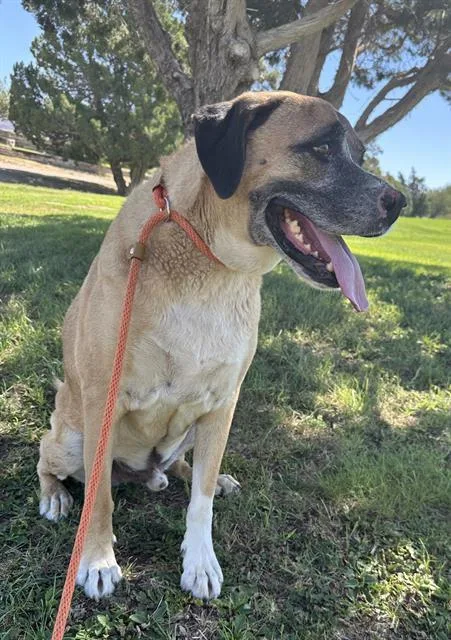
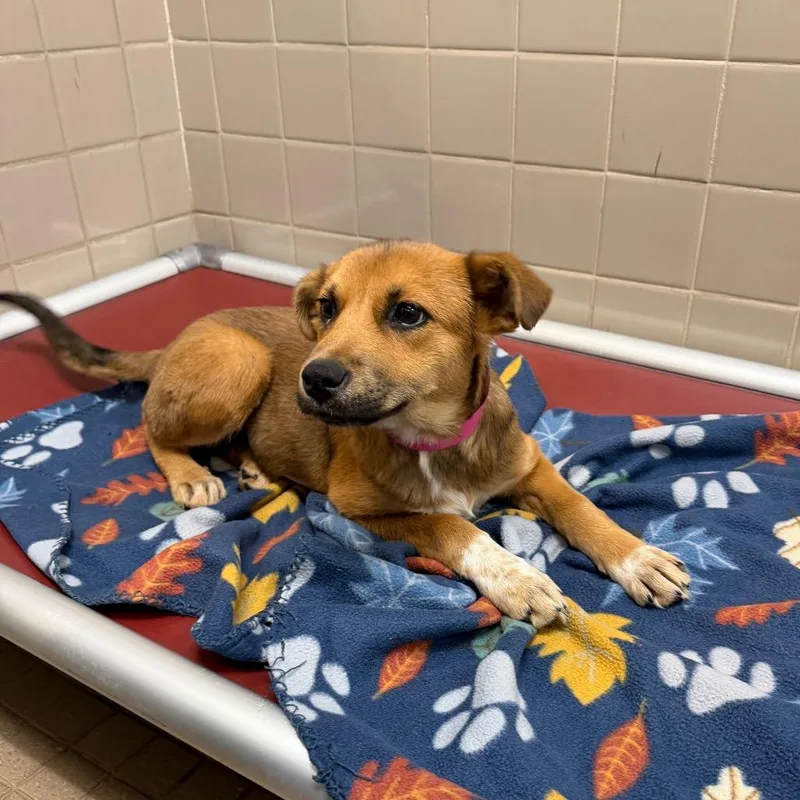
Hamiltonstovare Dogs for Adoption in Albuquerque, NM

Your guide to finding and caring for a Hamiltonstovare in Albuquerque

A Hamiltonstovare suits Albuquerque best in a neighborhood like Four Hills, where fenced yards sit close to the Sandia foothills trails. This Swedish scent hound wants a long, nose-led walk every day, and the foothills' coyote and rabbit smells give it plenty to follow on a leash. It's friendly and easygoing at home, but a fresh scent can override recall, so a secure fence matters more than a big yard.

7741 dogs similar to Hamiltonstovare available in Albuquerque and nationwide

Say hello to your Hamiltonstovare

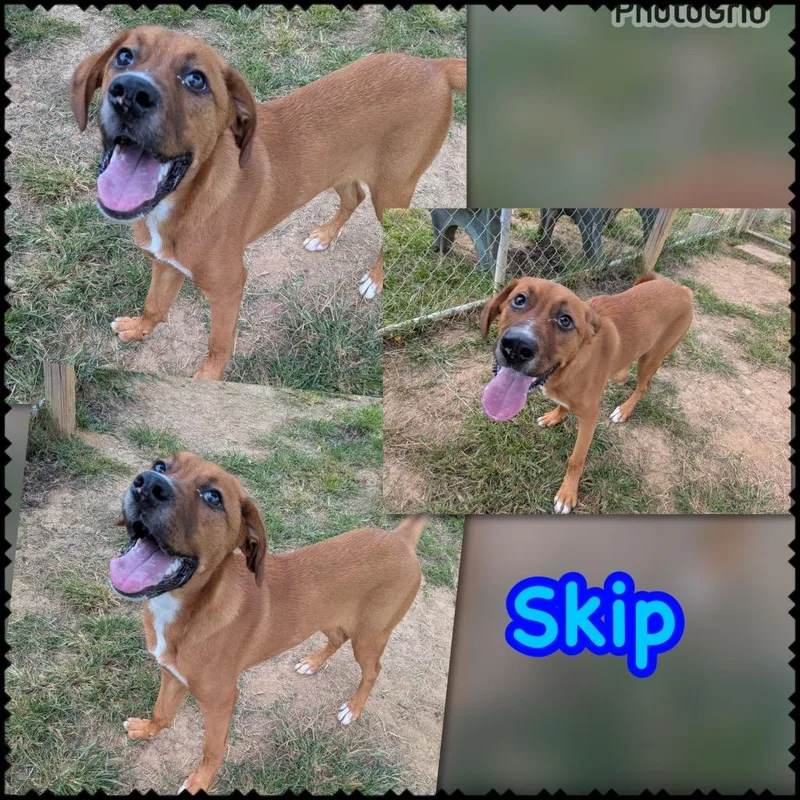
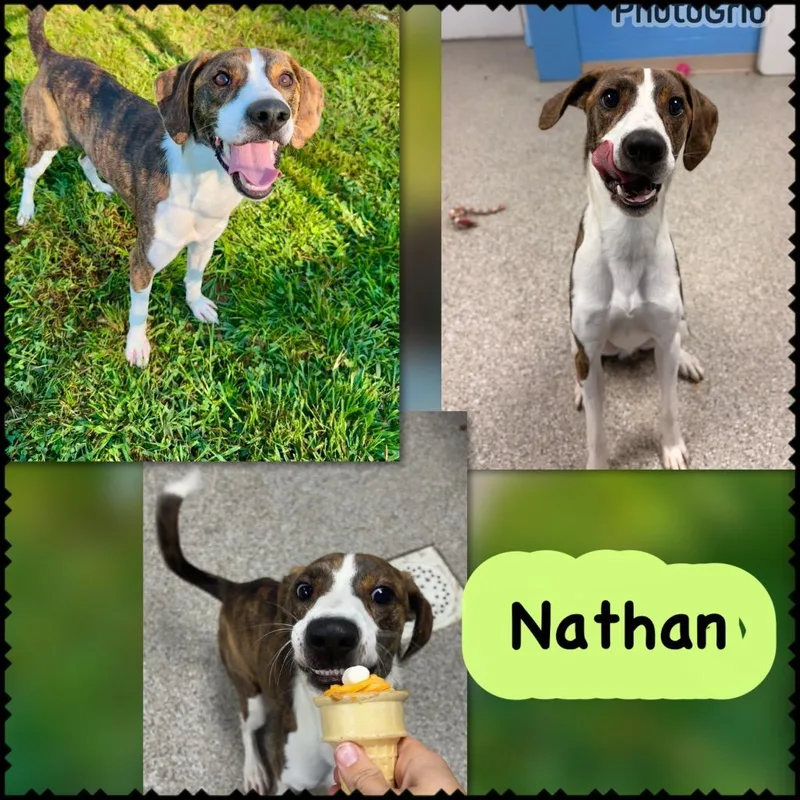
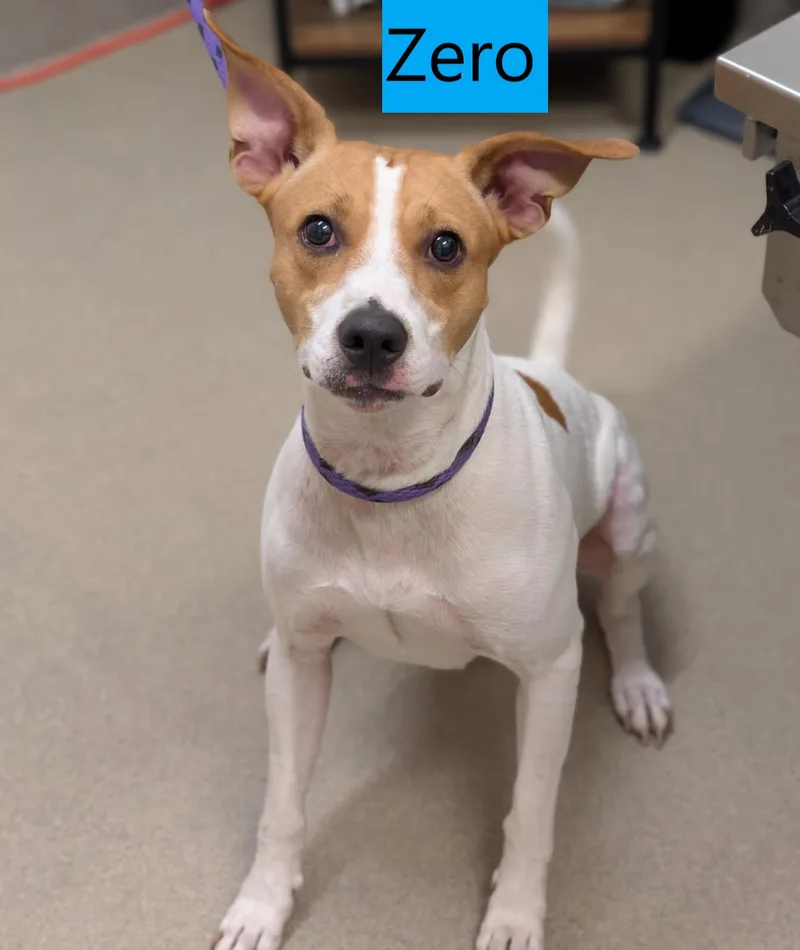
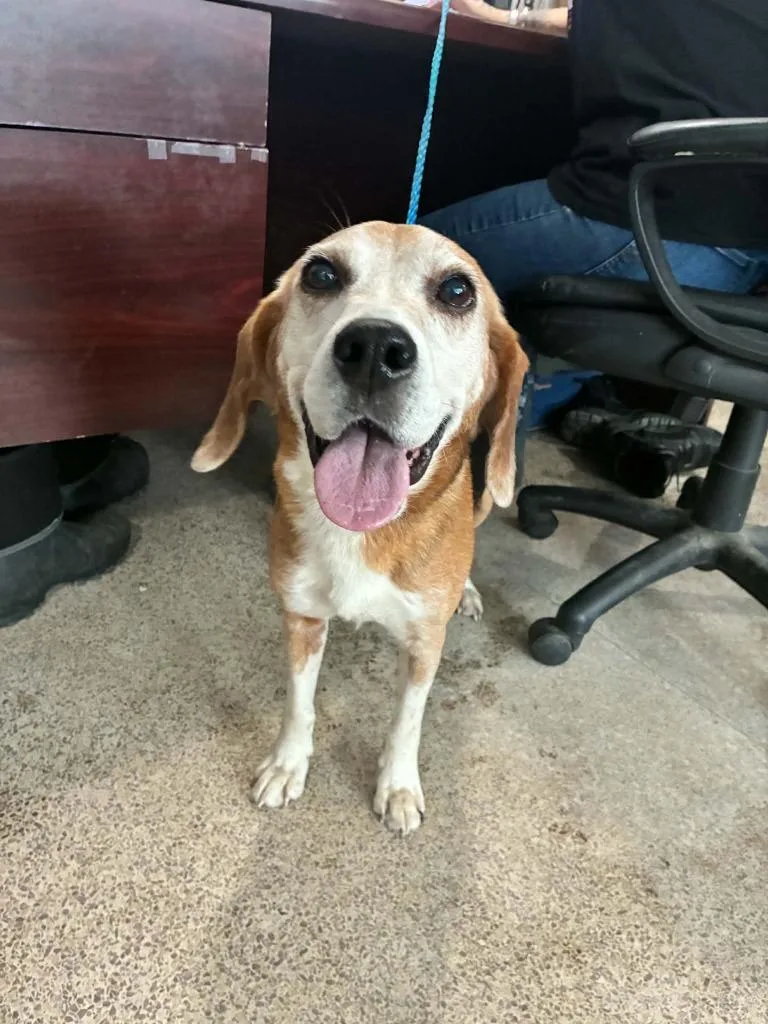
Hamiltonstovares and Similar Breeds Available for Adoption Near Albuquerque

About the Hamiltonstovare breed

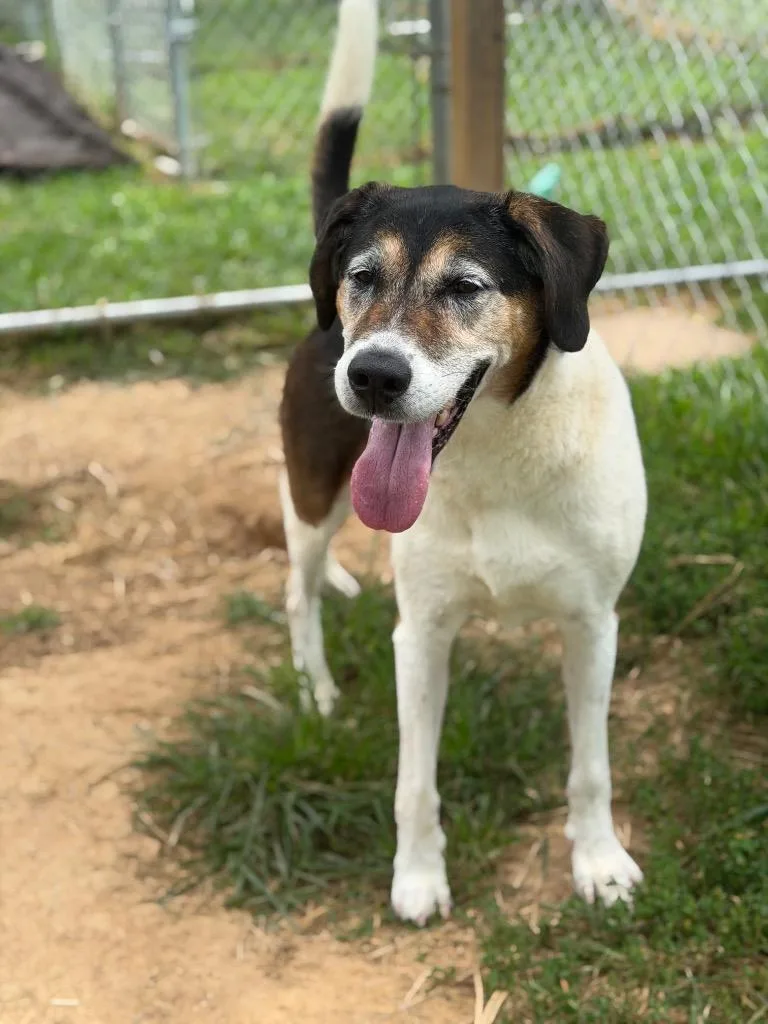
The Hamiltonstovare is a Swedish scent hound named for Count Adolf Hamilton, founder of the Swedish Kennel Club, who showed the first examples in 1886. It was developed to trail hare and fox alone, announcing the trail with its voice. The result is a medium-sized, athletic hound with a close-lying coat in a tricolor of black mantle, rich tan and white.

In Albuquerque, that working heritage shows up in everyday routines. Many Hamiltonstovares are friendly, even-tempered and sociable, but the nose leads, so patient training, secure fencing and a leash on open trails matter. The coat is short and low-maintenance, with moderate shedding. The breed is uncommon in the US, so watch the listings on this page and save a search to hear about new hounds.

Weight
50–60 lbs
Height
19–24 in
Lifespan
10–13 yrs
Temperament
Friendly, Energetic, Independent
Group
Hound
Shedding
Moderate

Owning a Hamiltonstovare in Albuquerque

Having a Hamiltonstovare in Albuquerque

Hamiltonstovares pair a relaxed home manner with the stamina of a trailing hound. In Albuquerque, the nose, the need for long outings and a secure yard shape daily life more than size or coat do.

Temperament

Many Hamiltonstovares are friendly, even-tempered and sociable with people and other dogs, which helps in busy neighborhoods and at dog parks. They can also be stubborn and easily distracted by scent, so short, rewarding training sessions work best. Dogs vary, and small pets may trigger chasing, so introduce them carefully.

Exercise Needs

Plan on an hour or more of activity daily. Albuquerque's Paseo del Bosque Trail and foothills trails suit long leashed walks, and the city's fenced dog parks give room to run. Keep leashes under eight feet, practice recall often, and add scent games for mental work.

Health Considerations

Hip dysplasia occurs in the breed, and drop ears need regular checks for infection. Keeping the dog lean supports its joints. Albuquerque's snake season, April through October, and dusty spring winds add reasons to watch ears and eyes. Have a veterinarian review any records and schedule routine wellness visits.

Living Space

A house with a securely fenced yard suits most Hamiltonstovares, and solid fencing without gaps helps keep a scent-driven dog in. An apartment can work if the dog gets long daily outings, though its voice may carry through shared walls. It should live indoors with the family.

What it costs to own a Hamiltonstovare in Albuquerque

ExpenseTypical costPer year
Food$35 to $70 per month$420 to $840
Pet insurance$45 to $85 per month$540 to $1,020
Routine vet care$225 to $450 per year$225 to $450
Other*$425 to $1,150 per year$425 to $1,150
Estimated yearly total (after year one)$1,610 to $3,460

Other costs are estimates and vary with size, age and health.

* Flea, tick and heartworm prevention, a dental cleaning allowance, toys and bedding, and occasional brushing and baths; Albuquerque charges no dog license.

Adopt a Hamiltonstovare in Albuquerque.

Now that you know more, let’s find you a new best friend. These rescues and shelters below have dogs available in and near Albuquerque.

Frequently Asked Questions

Yes, for active people with a secure yard. Albuquerque's foothills trails, river path and 30-plus dog parks give a scent hound room to work, and the dry climate is easy on a short coat. Plan for hot summer afternoons, snakes on trails, and a dog that needs real daily exercise and steady recall training.

Yes. Albuquerque has no breed-specific rules, and its dangerous-dog rules are based on behavior, not breed. Dogs need a rabies vaccine, a microchip, and spaying or neutering unless the owner holds an intact permit. Households are limited to six pets, no more than four of them dogs, and the city requires no pet license.

Use the fenced city dog parks for off-leash play and the Paseo del Bosque Trail for long leashed walks along the river. Sandia Foothills Open Space and Elena Gallegos offer dirt trails with leashes under eight feet. Because this hound follows its nose, keep it leashed anywhere unfenced.

Mostly yes. Dry air and cool summer nights suit a short-coated hound, but many summer afternoons reach 90 degrees, so exercise early or late and carry water. Winter nights often fall below freezing, so a light coat helps. Spring wind and summer monsoon flash floods call for extra care on trails.

It can, if the dog gets long daily walks and plenty of scent games. Choose a building close to trails or a dog park, since this hound needs more than a quick potty break. The six-pet, four-dog limit applies to renters, so confirm pet rules and fees in writing before signing a lease.

Not on city buses. ABQ RIDE, including the ART line on Central Avenue, allows only service animals. The Rail Runner also bars pets, except comfort animals in a lap-size carrier, which won't fit a 50-to-60-pound hound. Plan on driving, and never leave the dog in a parked car.

Sometimes, on patios. New Mexico law lets restaurants choose to allow leashed dogs in outdoor dining areas, so look for the posted sign. Dogs must stay off chairs and tables, and indoors only service animals are allowed. A hound that fixates on food smells should have a reliable down-stay first.

Very little. Weekly brushing handles the close-lying coat, and baths are needed only when the dog is dirty, since Albuquerque's dry air can parch skin. Check and clean the drop ears after windy spring days. Most owners do this at home, which fits within the yearly Other budget alongside parasite prevention and dental care.

Yes, Hamiltonstovares shed, though their short, close-lying coat makes care easy. Expect a moderate amount of hair year-round, with heavier shedding when the coat changes with the seasons. A weekly once-over with a rubber curry brush or hound glove removes most loose hair. They are not hypoallergenic, so people with dog allergies should spend time with one before adopting.

A Hamiltonstovare typically costs roughly $1,600 to $3,500 a year, or about $135 to $290 a month. Food runs $35 to $70 monthly and insurance $45 to $85. Routine vet care is $225 to $450 a year, and other costs such as parasite prevention and dental cleanings run $425 to $1,150. Albuquerque charges no pet license.