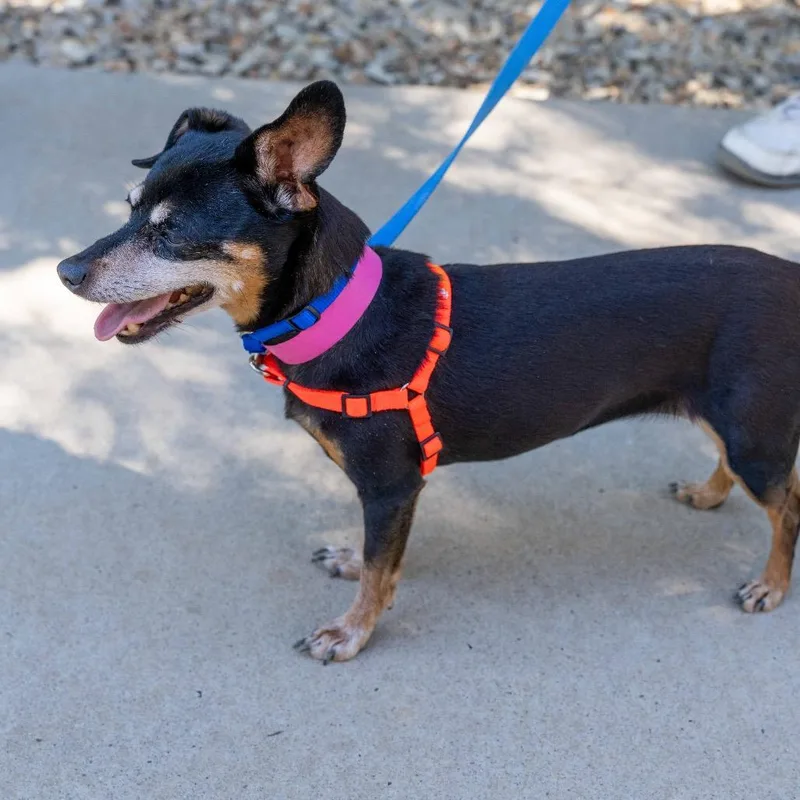
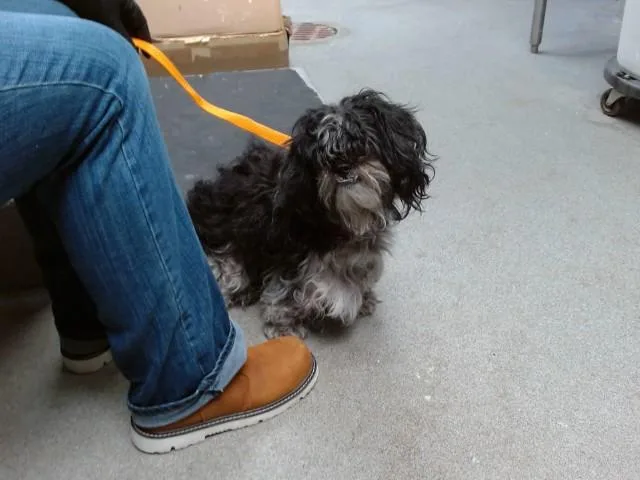
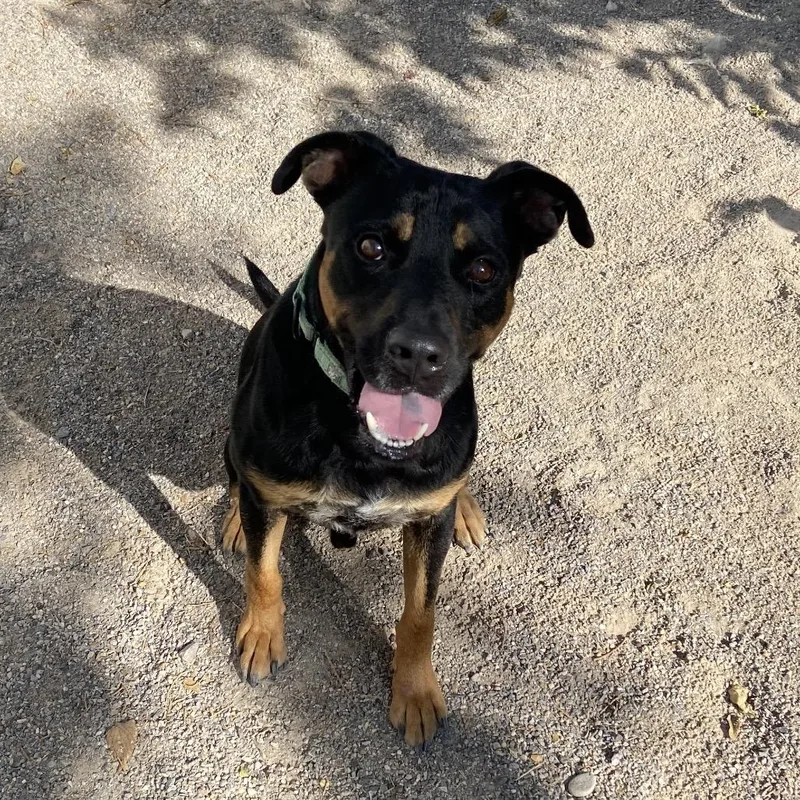
Australian Terrier Dogs for Adoption in Albuquerque, NM

Your guide to finding and caring for an Australian Terrier in Albuquerque

Australian Terriers fit Albuquerque's mix of bungalows and apartments well, as long as they get daily exercise. In Barelas, near the Tingley Drive Bosque trailhead, a small terrier can cover plenty of ground on a leash. It'll also announce every passerby from the front window, so expect a watchful roommate. Aussies are quick learners who like a job, whether that's a scent game on the porch or a sprint in a fenced yard, and summer mornings are the best time for it.

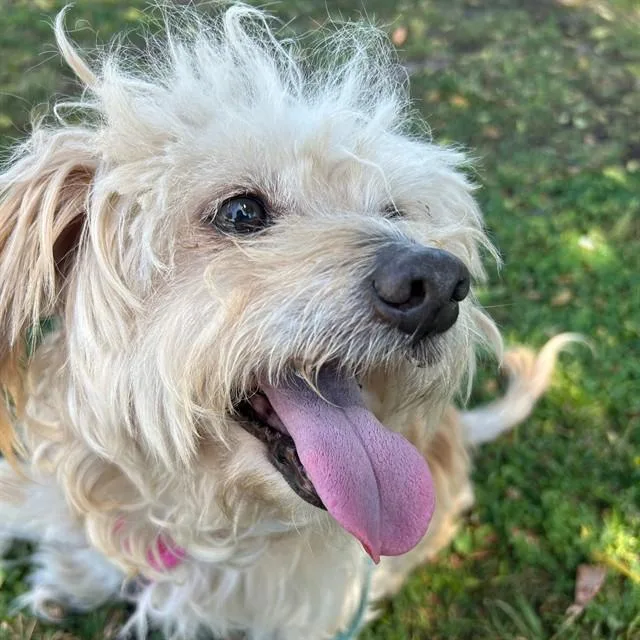
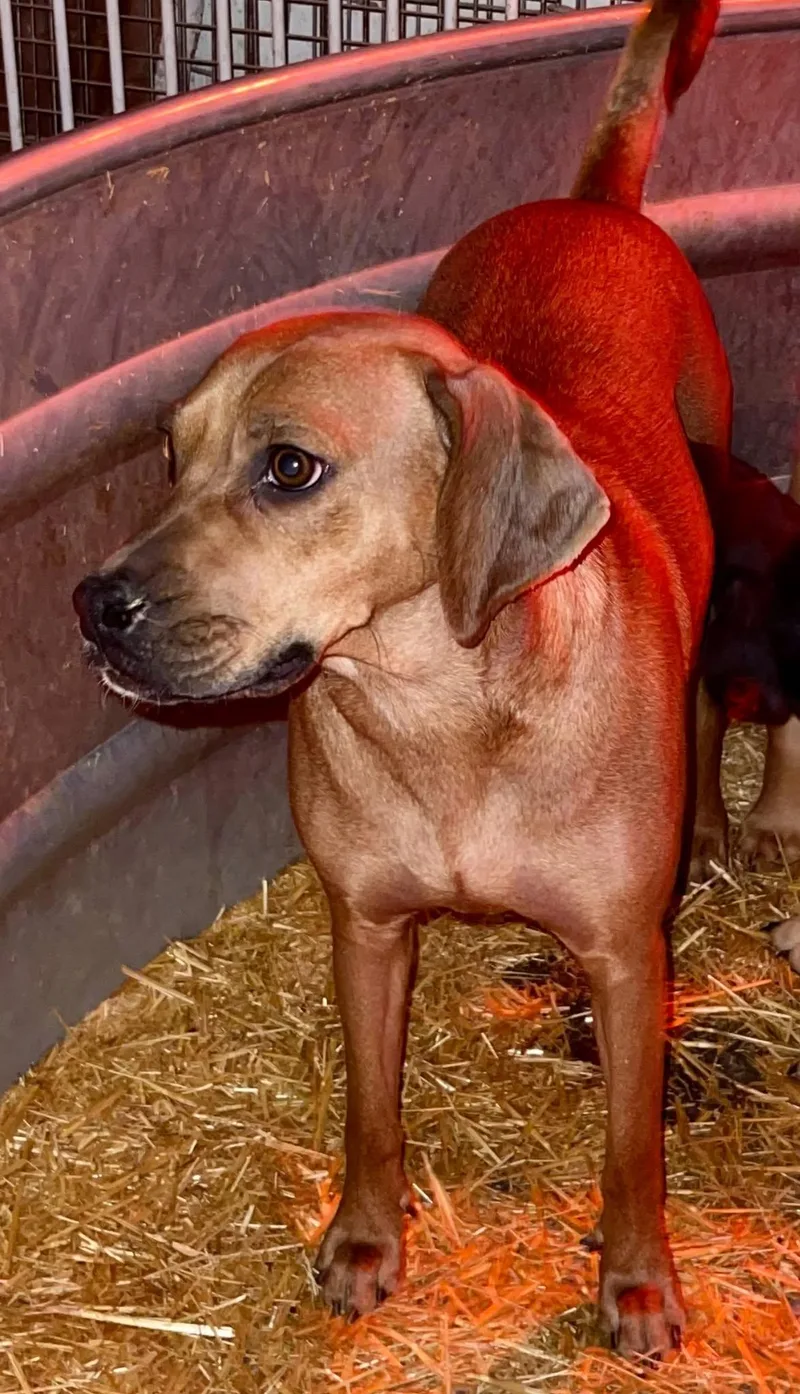
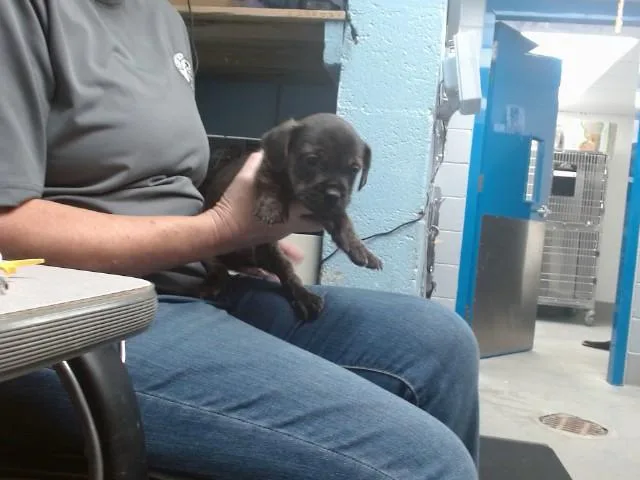
30 Australian Terriers available in Albuquerque and nationwide

Give an Australian Terrier a home

While we don't have enough dogs near Albuquerque, keep in mind that many rescues may offer transport.

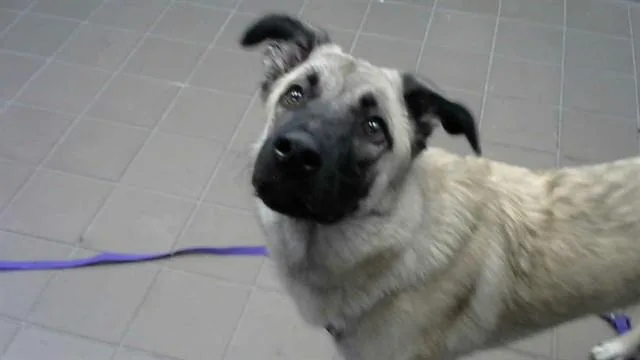
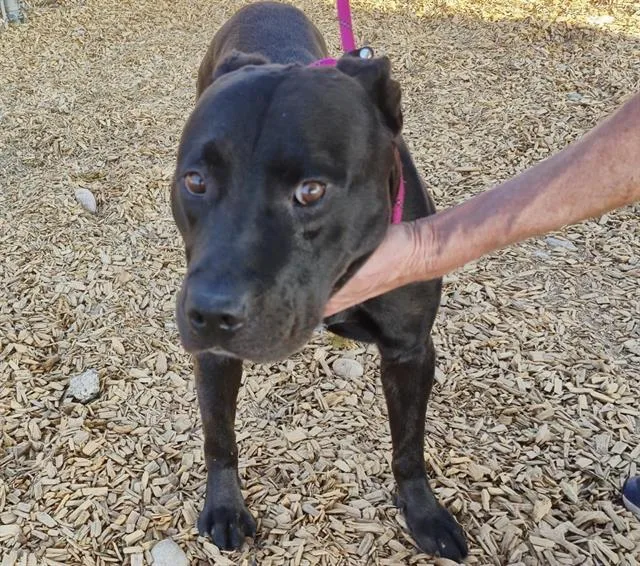
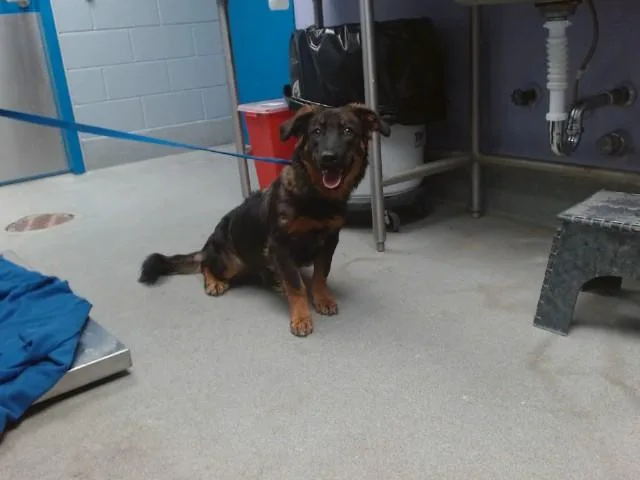
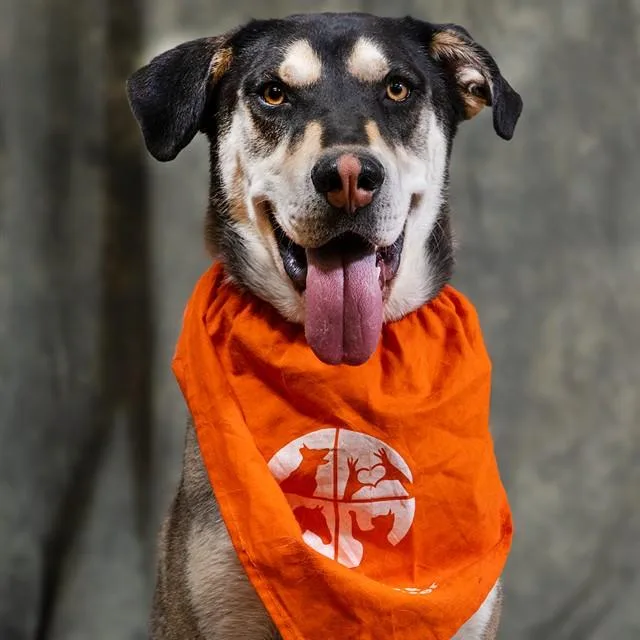
Australian Terriers Available for Adoption Near Albuquerque

About the Australian Terrier breed

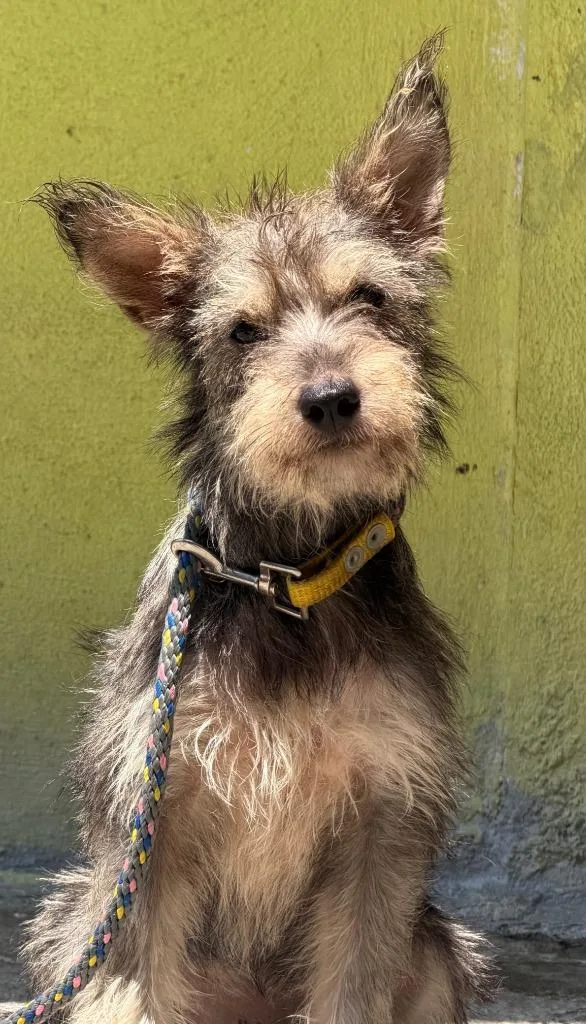
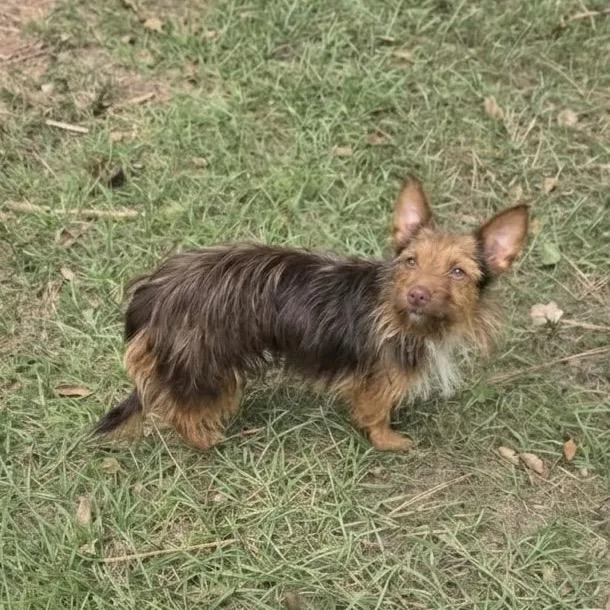
Australian settlers in the 1800s crossed rough-coated British terriers to produce a hardy, compact dog that could handle rats, snakes and long days on the homestead. The AKC recognized the breed in 1960. Aussies stand 10 to 11 inches tall and are longer than they are high, with erect ears, a harsh coat in blue and tan, sandy or red, and a soft silky topknot.

Many are confident, affectionate and watchful, with more grit than their size suggests. That snake-hunting past is worth remembering in Albuquerque, where rattlesnakes are active from about April through October: a leash matters more than any dog's instinct. The low-shedding coat needs regular brushing and occasional plucking rather than frequent baths, and Aussies usually do best with adopters who enjoy training games and daily outings.

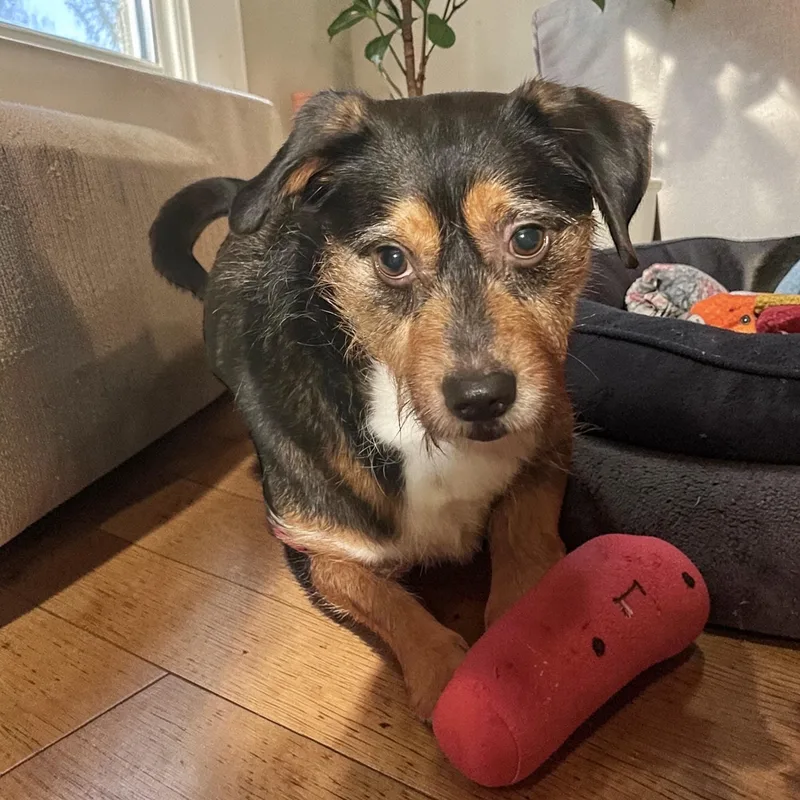
Weight
14–20 lbs
Height
10–11 in
Lifespan
11–15 yrs
Temperament
Spirited, Courageous, Alert
Group
Terrier
Shedding
Low

Owning an Australian Terrier in Albuquerque

Having an Australian Terrier in Albuquerque

Australian Terriers are small, sturdy and busy. In Albuquerque, the main questions are daily exercise on leashed routes, noise in shared buildings, wildlife and heat safety outdoors, and a few breed health issues. Dogs vary, so match each dog's own habits to your routine.

Temperament

Many Australian Terriers are confident, curious and devoted to their people. They tend to announce visitors, which carries in apartment hallways, and some are bossy with other dogs or fixated on small animals. Reward-based training and early socialization help, but each dog's own habits tell you more than breed averages.

Exercise Needs

Plan on daily walks plus play that lets an Aussie chase and think. Albuquerque has more than 30 city dog parks, though puppies must be over six months and each person may bring up to three dogs. Elsewhere, leashes can be no longer than eight feet. Scent games and puzzle toys fill in on windy days.

Health Considerations

Breed risks include luxating patellas, Legg-Calvé-Perthes disease, diabetes, allergies, ear infections and some eye problems. Watch for limping, increased thirst and scratching, and ask a veterinarian to check joints and eyes. Albuquerque's dusty spring winds can irritate ears and eyes, so wipe them gently after windy outings.

Living Space

Small enough for an apartment and sturdy enough for a house, an Aussie needs reliable exercise and training either way. Shared walls make barking a concern. A yard should be securely fenced, since terriers dig and bolt after small animals, and coyotes may see small dogs as prey at night, so supervise after dark.

What it costs to own an Australian Terrier in Albuquerque

ExpenseTypical costPer year
Food$20 to $45 per month$240 to $540
Pet insurance$35 to $70 per month$420 to $840
Routine vet care$200 to $400 per year$200 to $400
Other*$475 to $1,250 per year$475 to $1,250
Estimated yearly total (after year one)$1,335 to $3,030

Other costs are estimates and vary with size, age and health.

* Flea, tick and heartworm prevention, dental cleanings, toys and bedding, and brushing and plucking the harsh coat; Albuquerque has no city dog license.

Adopt an Australian Terrier in Albuquerque.

Now that you know more, let’s find you a new best friend. These rescues and shelters below have dogs available in and near Albuquerque.

Frequently Asked Questions

Yes, Albuquerque has no breed bans, and its dangerous-dog rules look at a dog's behavior, not its breed. Dogs need a rabies vaccine, a microchip and spay/neuter after six months unless an intact permit is held. A household can have six pets, no more than four of them dogs. Nearby towns can set their own rules.

Yes, most can with some planning. Albuquerque summers are hot and dry, but 100-degree days are rare and nights cool off, so dawn and evening outings are comfortable. Offer shade and fresh water, and watch for heavy panting, drooling, vomiting or poor coordination, which can signal heatstroke. Skip midday hikes on exposed trails.

Albuquerque has more than 30 city dog parks, including Wells Dog Park near Old Town, Bel-Air in the Northeast Heights and Canine Skyline near the foothills. For longer outings, try the paved Paseo del Bosque Trail or Rinconada Canyon at Petroglyph National Monument, where leashed dogs are welcome. Boca Negra Canyon's petroglyph trails don't allow pets.

It can be, if you like a lively, vocal small dog and can offer daily outings. Albuquerque's dog parks, Bosque path and sunny days suit an active terrier, and its small size works in most homes. Be ready for early summer walks, rattlesnake and coyote awareness, and a dog that announces every visitor.
No, not as pets. ABQ RIDE buses, including the Central Avenue ART line, allow only service animals, and the Rail Runner commuter train doesn't allow pets either. Plan walks and errands on foot or by car, with the dog secured and never left in a parked vehicle. Albuquerque has no subway or light rail.

Sometimes, on patios only. New Mexico law lets restaurants choose to allow leashed dogs in designated outdoor dining areas, so look for the required sign at the entrance. Dogs must stay off chairs, tables and other furnishings, and indoor dining is limited to service animals. A barky Aussie may be easier at a quiet corner table.

Yes, Australian Terriers are often excellent pets for people who want a small dog with a big, busy personality. Many are affectionate, adaptable and trainable, and they bond closely with their families. The trade-offs are a tendency to bark, a strong urge to chase small animals and a need for daily exercise and mental activity to stay settled.

Australian Terriers typically live about 11 to 15 years. Some sources put the average closer to 11 or 12, with females often living slightly longer than males. Keeping an Aussie lean, active and up to date on dental care and checkups gives the best chance of a long life, and conditions such as diabetes are easier to manage when caught early.

An Australian Terrier is a small, sturdy working terrier developed in Australia and recognized by the AKC in 1960. It stands about 10 to 11 inches tall, weighs roughly 14 to 20 pounds and has a harsh coat with a ruff and a silky topknot. Many are confident, alert and affectionate, with a classic terrier love of chasing.

Expect roughly $20–$45 a month for food, $35–$70 for optional insurance, $200–$400 a year for routine vet care, and $475–$1,250 a year for other costs such as parasite prevention, dental cleanings, coat care and supplies. Albuquerque has no city dog license fee, so none is counted.