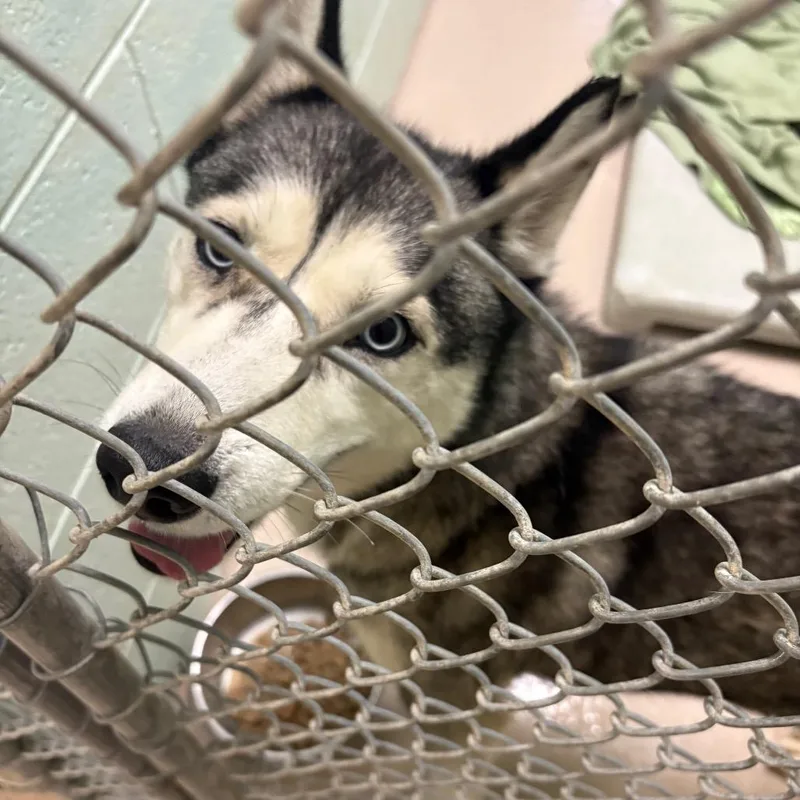
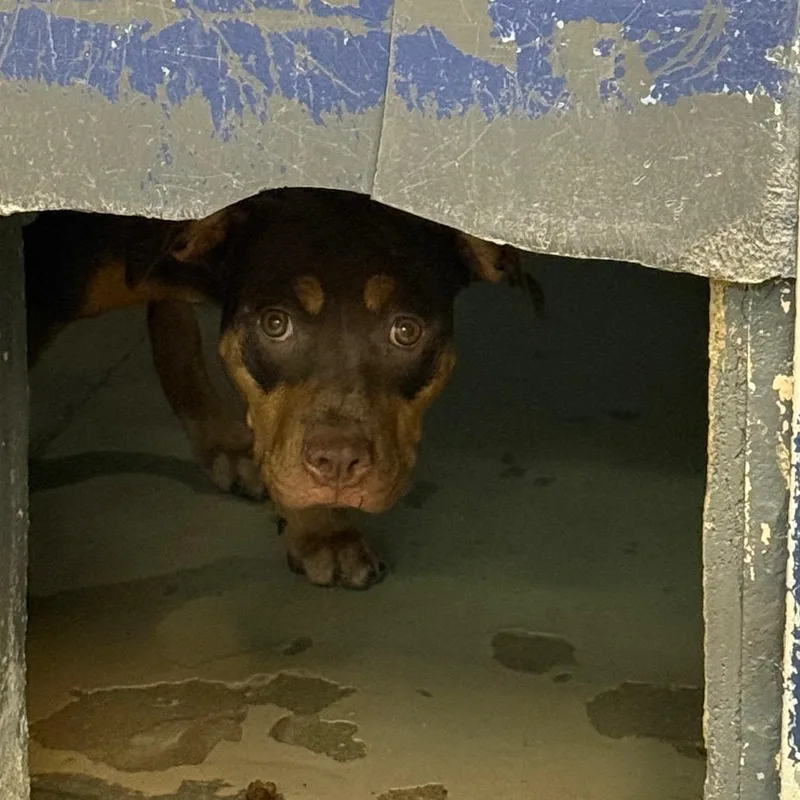
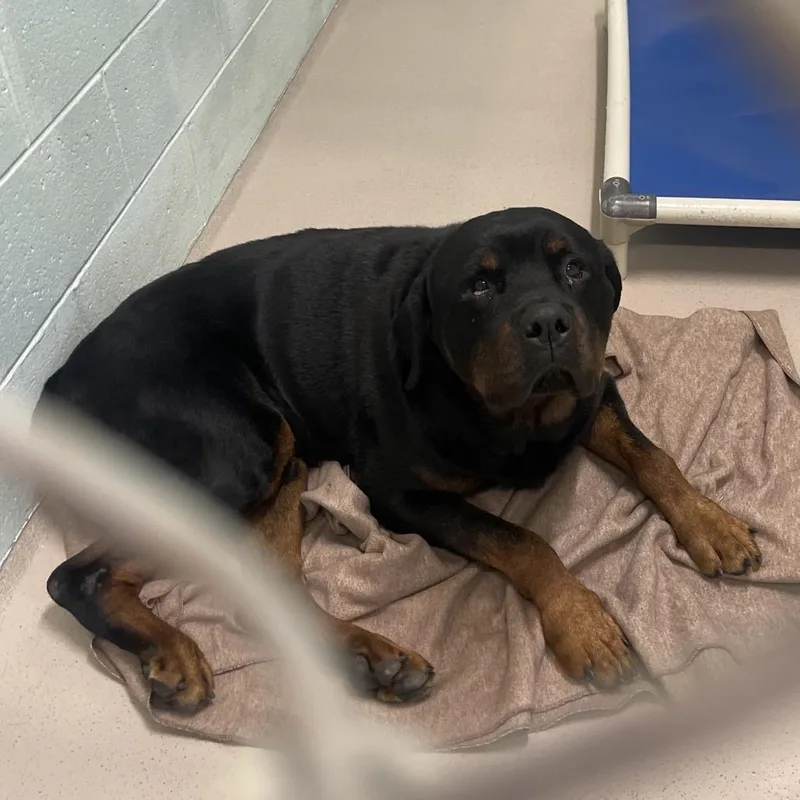
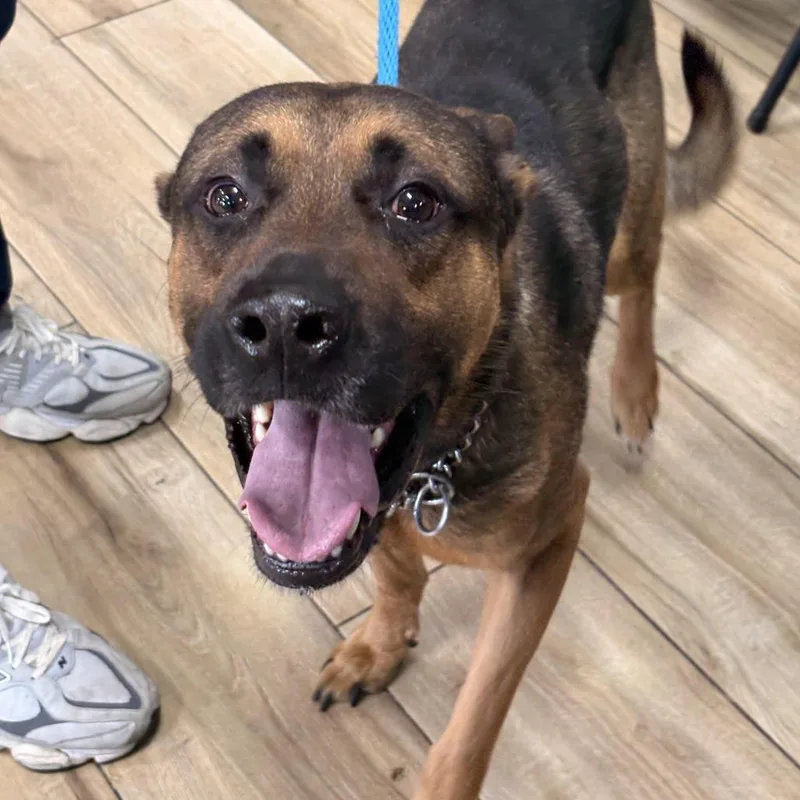
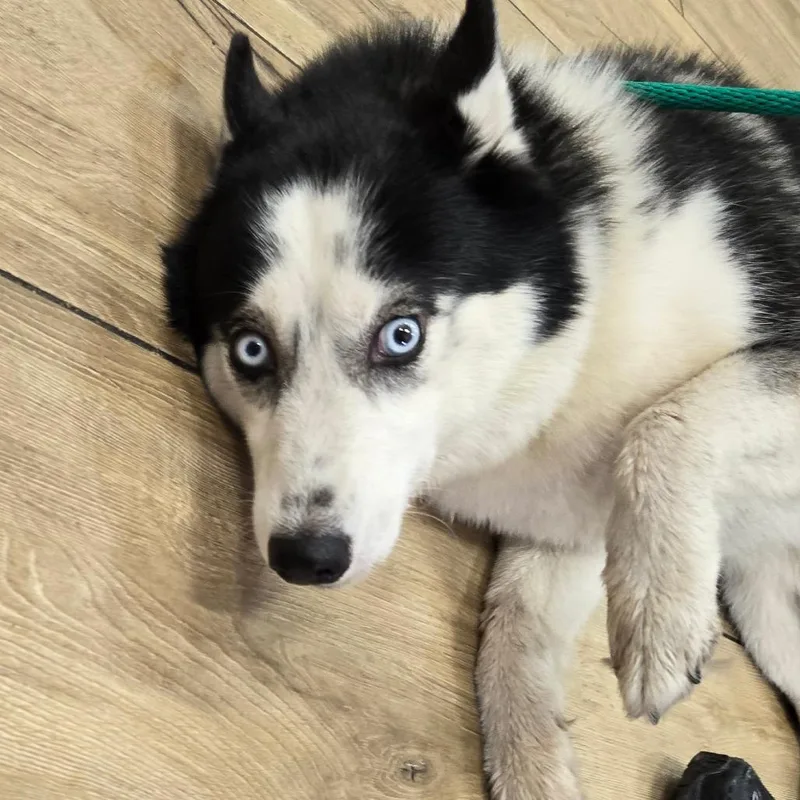
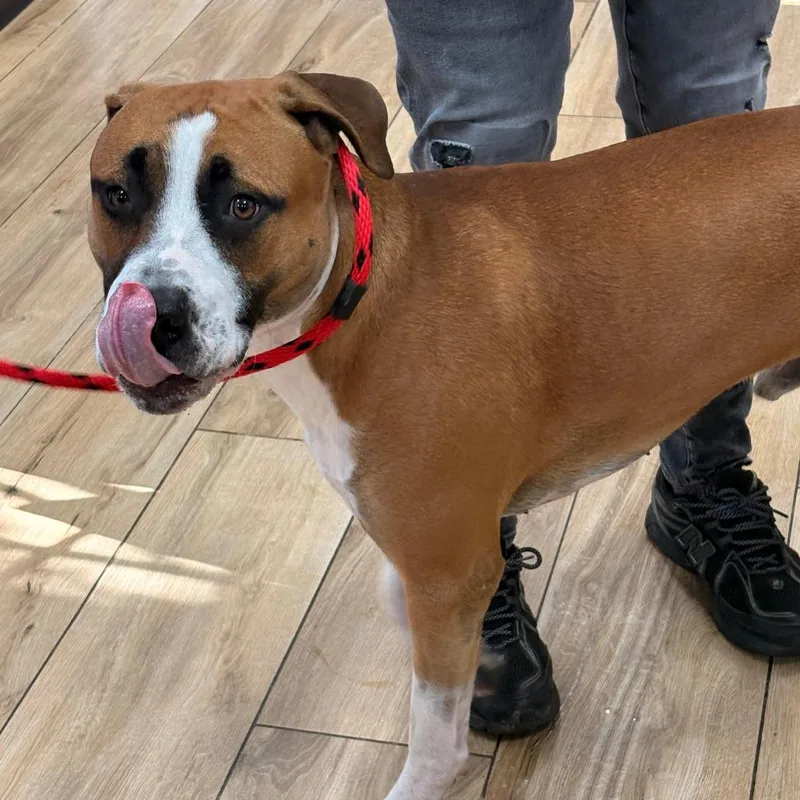
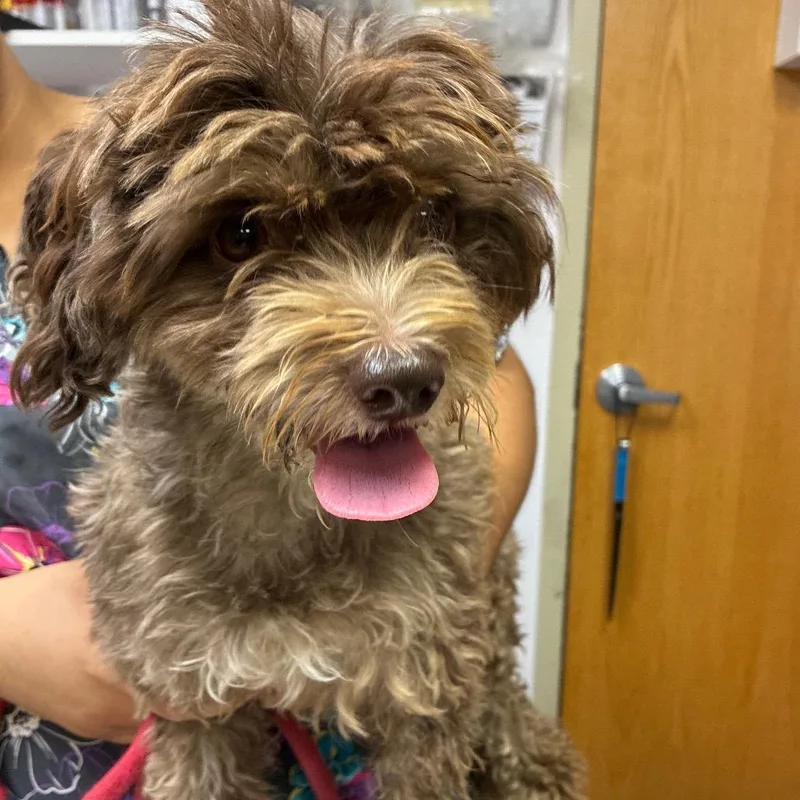
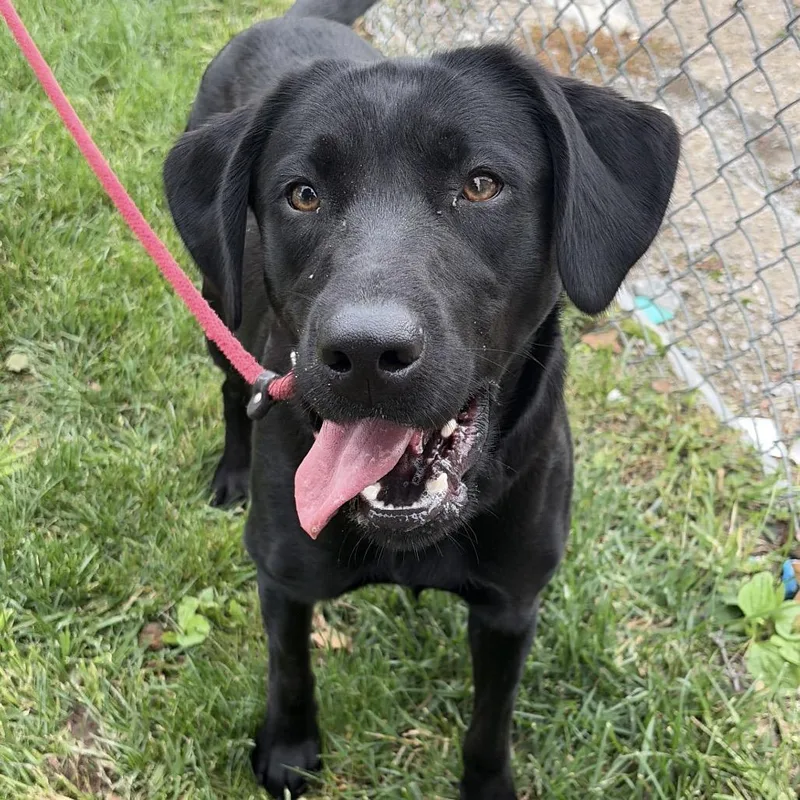
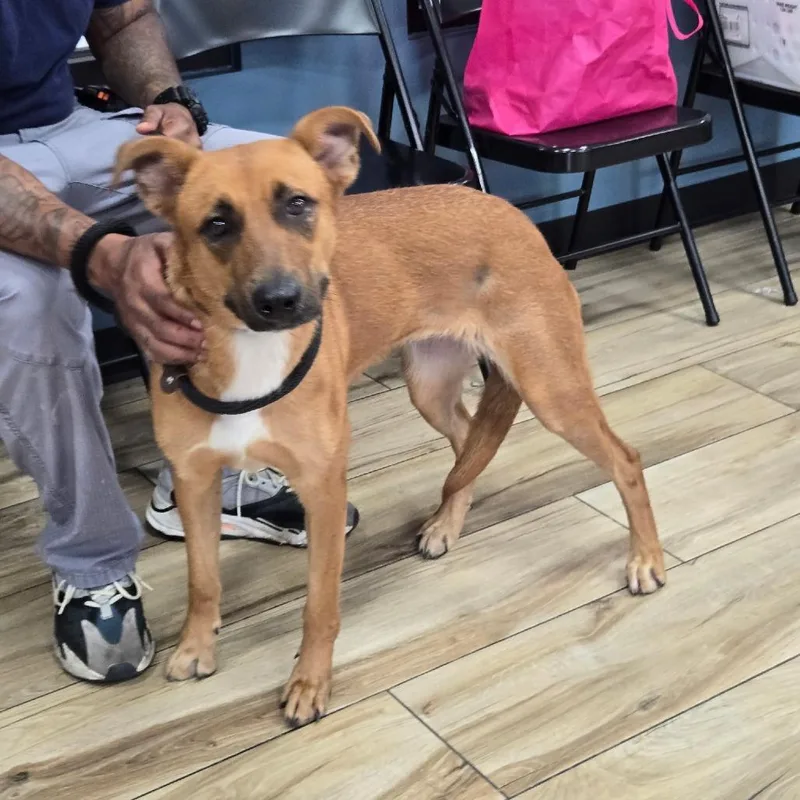
Wirehaired Terrier Dogs for Adoption in Newark, NJ

Your guide to finding and caring for a Wirehaired Terrier in Newark

A Wirehaired Terrier fits Newark's two- and three-family houses and walk-ups better than you might expect. At 13 to 25 pounds, these terriers handle Ironbound stairs easily, then need somewhere to burn off energy, like the 2.2-mile loop around Weequahic Lake or the small-dog side of the Branch Brook Park dog park. They're alert and quick to bark at hallway footsteps, so a quiet routine matters in a shared building.

281 Wirehaired Terriers available in Newark and nationwide

Find your forever Wirehaired Terrier

Wirehaired Terriers Available for Adoption Near Newark

About the Wirehaired Terrier breed

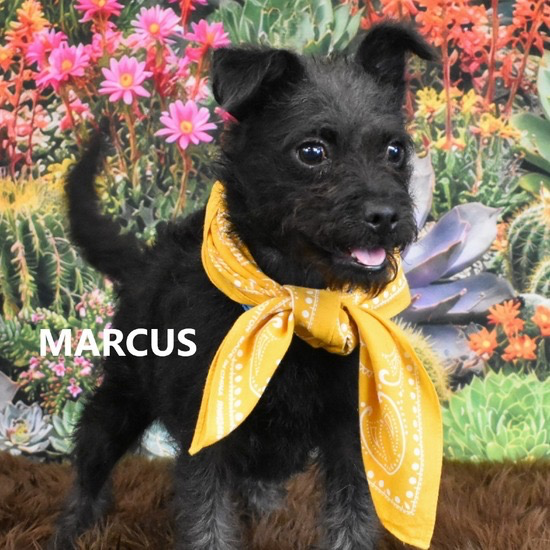
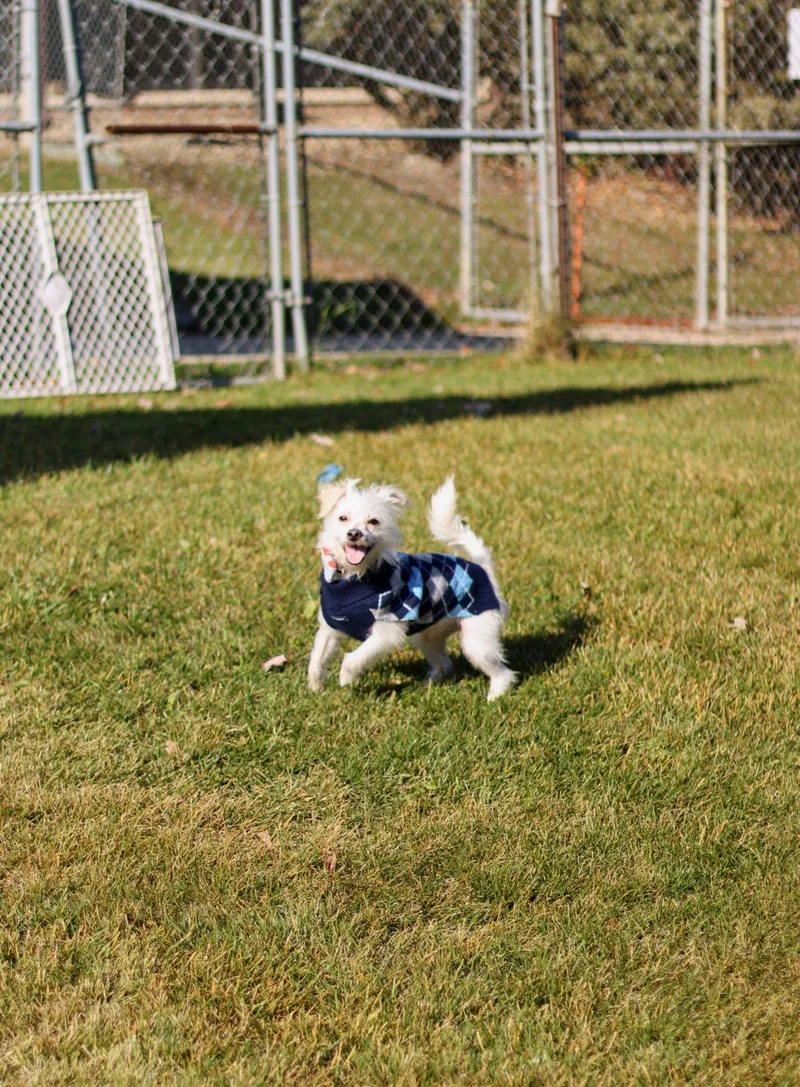
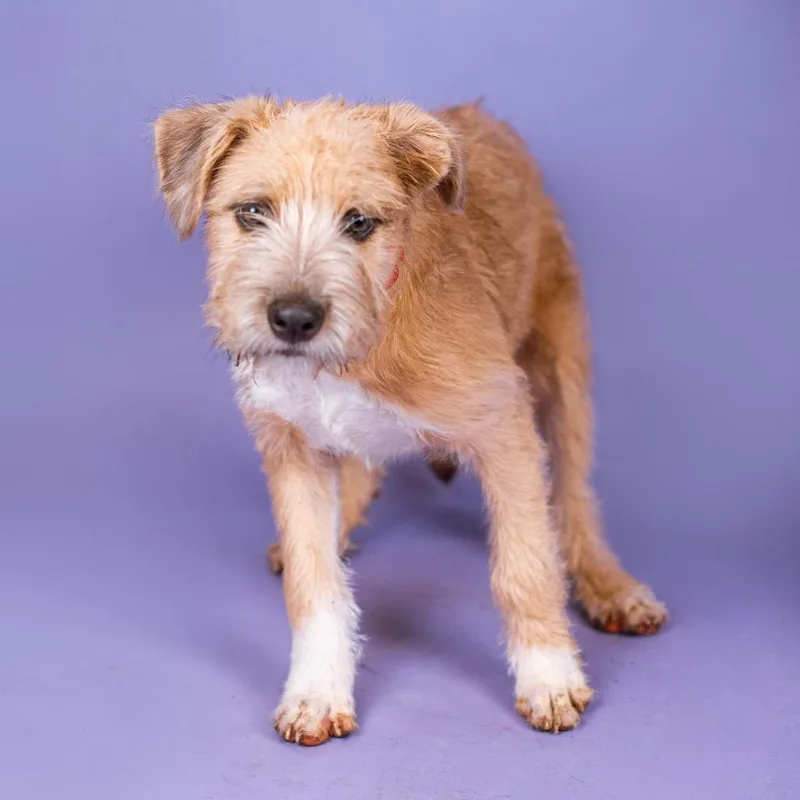
Wirehaired Terrier is a coat description more than one breed. It's an alternate name for the Wire Fox Terrier, the English fox-bolting terrier behind Asta in The Thin Man, and it's also used for wire-coated mixes with Jack Russell, Border, Cairn or Schnauzer ancestry. Most weigh 13 to 25 pounds and stand 12 to 16 inches tall, with a crisp outer coat over a softer undercoat.

Typical dogs are bright, bold and friendly, with classic terrier habits: barking, digging and chasing anything that runs. In Newark, that means a secure leash and a plan for squirrels in Branch Brook Park. The coat sheds little but needs stripping or clipping every 6 to 8 weeks. Because ancestry varies, each dog's size, energy and coat say more than the label does.

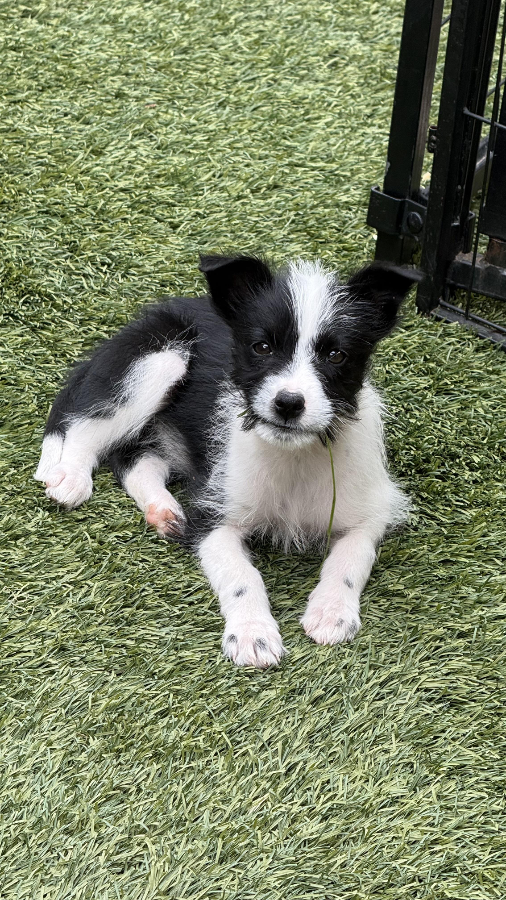
Weight
13–25 lbs
Height
12–16 in
Lifespan
12–15 yrs
Temperament
Energetic, Bold, Friendly, Alert
Group
Terrier
Shedding
Low

Owning a Wirehaired Terrier in Newark

Having a Wirehaired Terrier in Newark

Wirehaired Terriers pair a lively, confident outlook with a coat that needs steady upkeep. Their energy, health tendencies and fit with your home are what to weigh, and because the label covers several ancestries, each dog's size and habits can differ.

Temperament

Many are cheerful, bold and friendly, and often get along with children who respect their space. Strong prey drive means squirrels and cats may get chased, and some are pushy with other dogs. Expect barking at hallway footsteps and street noise, so early socialization and calm-greeting practice help in a busy Newark building.

Exercise Needs

Plan on brisk daily walks plus active play like fetch, tug or a flirt pole. In Newark, the 2.2-mile loop around Weequahic Lake or a dog park gives a terrier room to move, while short training sessions and puzzle toys cover rainy days. Bored terriers dig, bark and escape, so keep the leash secure.

Health Considerations

Wire Fox Terriers are generally long-lived, but lens luxation, cataracts, kneecap and hip problems, and allergic skin disease are reported. Mixes may inherit other conditions. A veterinarian can check eyes, joints and skin at the first visit, and dental care matters for small dogs. Tick prevention is sensible for park walks.

Living Space

A small Wirehaired Terrier fits Newark's typical two- to four-unit buildings and walk-ups, as long as walks happen daily and barking is managed. Stairs are fine for most dogs, though neighbors who tolerate some noise help. A yard needs secure fencing, since many terriers dig under or slip through gaps.

What it costs to own a Wirehaired Terrier in Newark

ExpenseTypical costPer year
Food$20 to $45 per month$240 to $540
Pet insurance$35 to $70 per month$420 to $840
Routine vet care$200 to $400 per year$200 to $400
Other*$840 to $2,190 per year$840 to $2,190
Estimated yearly total (after year one)$1,700 to $3,970

Other costs are estimates and vary with size, age and health.

* Flea, tick and heartworm prevention, a dental cleaning allowance, the Newark dog license, toys and bedding, and stripping or clipping every 6–8 weeks.

Adopt a Wirehaired Terrier in Newark.

Now that you know more, let’s find you a new best friend. These rescues and shelters below currently have Wirehaired Terriers available.

Rescues in Newark with Wirehaired Terriers Available

Newark's contracted shelter in the South Ward has run full for years, so every adoption here matters. Here are the rescues & shelters in the Newark area where you can find Wirehaired Terriers and other dogs available for adoption.

Frequently Asked Questions

Yes, a Wirehaired Terrier can do well in a Newark apartment if exercise and barking are managed. About 77% of Newark households rent, and most homes are in two- to four-unit buildings, so stairs and shared walls are the norm. Plan on several walks a day and training to stay calm at hallway noise. A refundable pet deposit counts toward New Jersey's 1.5-month security-deposit cap.

Yes, most Wirehaired Terriers handle Newark winters with some care. Newark sees about 80 freezing nights and roughly 31 inches of snow a year. The wiry coat helps, but a small dog chills fast, so use a sweater on the coldest walks and wipe salt off paws. New Jersey law also limits leaving dogs outside beyond 30 minutes at or below 32°F without proper shelter.

Branch Brook Park's dog park, entered from Heller Parkway, and the Vailsburg Park dog park both have separate small-dog areas where a terrier can run off leash. Dogs must be vaccinated and licensed, with two dogs per person. For leashed walks, Weequahic Park's 2.2-mile lake loop is a good option, since county parks require leashes outside dog parks.

Yes, if the dog fits in a carry-on travel cage. NJ Transit allows only service animals, police dogs and small pets in carry-on cages on its trains, buses and the Newark Light Rail. A Wirehaired Terrier near 13 pounds may fit a carrier, but larger dogs of this type may not, so plan on walking or driving for them.

Yes. Newark's code names no breed, and New Jersey's dangerous-dog law is based on a dog's conduct and overrides inconsistent local breed rules. You'll need a city dog license with proof of rabies vaccination, a leash no longer than six feet, and waste pickup, with fines up to $500. Wire-coated mixes are treated like any other dog.

Generally not inside. New Jersey's food code bars pet dogs from restaurant premises, with exceptions for service animals, and it has no outdoor-dining exception. Some patios may welcome dogs, but policies vary and aren't guaranteed. A Wirehaired Terrier's alertness and barking at passersby also make crowded tables a tough test, so park walks are easier outings.

Plan on weekly brushing and a professional stripping or clip about every 6 to 8 weeks, in any Newark season. A shorter trim can be more comfortable in humid summers, and after winter walks wipe salt and slush from the legs and beard. Professional grooming is part of the Other cost line, which runs $840 to $2,190 a year.

Wirehaired Terriers shed very little. Their dense, wiry outer coat holds dead hairs in place instead of dropping them around the house, which is why the coat needs hand stripping or clipping to remove old hair. Some undercoat comes loose during seasonal changes. Mixes with smoother-coated ancestry may shed more, so the individual dog's coat matters.

We have 1 rescue with Wirehaired Terriers available: Associated Humane Societies. You can see every rescue with Wirehaired Terriers available in the list above these questions, or scroll to the top to see the Wirehaired Terriers near Newark.

A Wirehaired Terrier typically costs about $1,700 to $3,970 a year, counting food, insurance, routine vet care and other costs. Professional stripping or clipping every 6 to 8 weeks is the biggest extra. Food runs $20 to $45 monthly and insurance $35 to $70, while routine vet care is $200 to $400 a year.