
Swedish Vallhund Dogs for Adoption in Newark, NJ

Your guide to finding and caring for a Swedish Vallhund in Newark

Swedish Vallhunds fit Newark's two- and three-family houses well, as long as they get a real job and a daily walk. They're small enough for a Roseville walk-up but have the stamina of a herding dog, so a loop around Branch Brook Park or an afternoon at the Vailsburg dog park goes a long way. Expect an alert dog who announces every footstep on the stairs, which matters when your landlord lives downstairs.

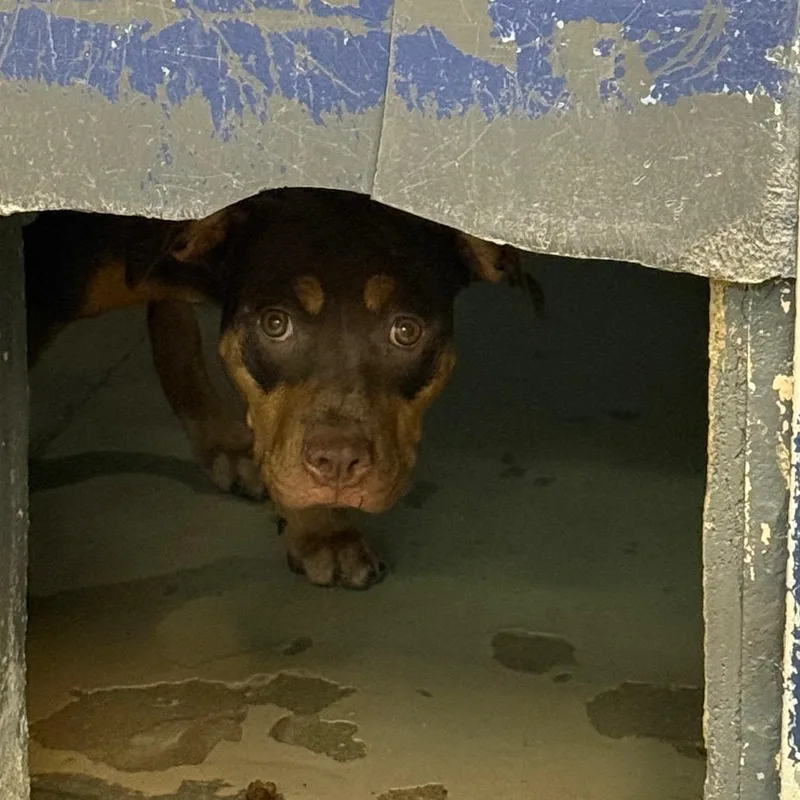
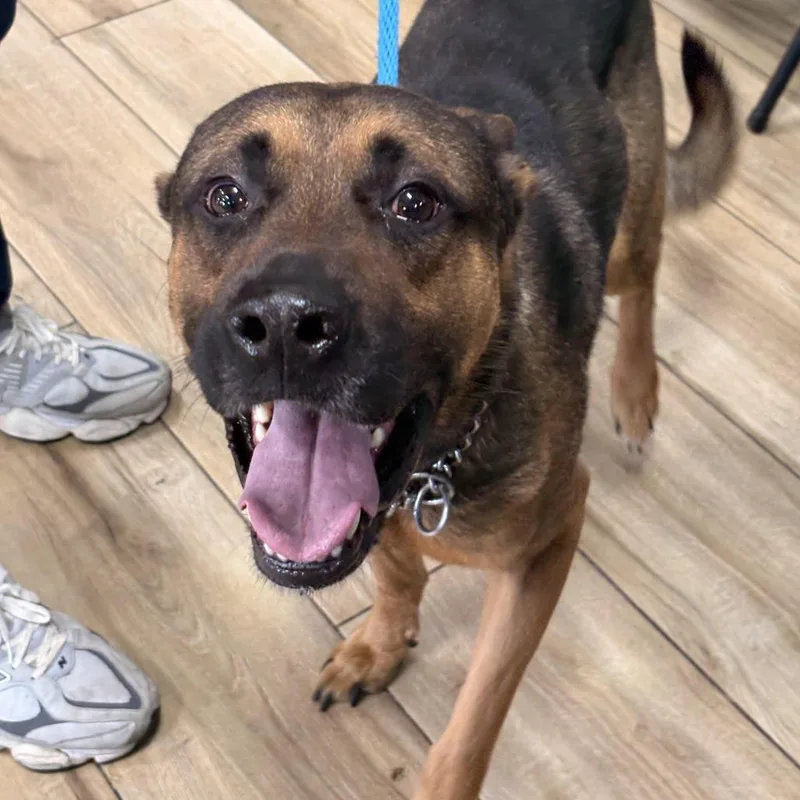
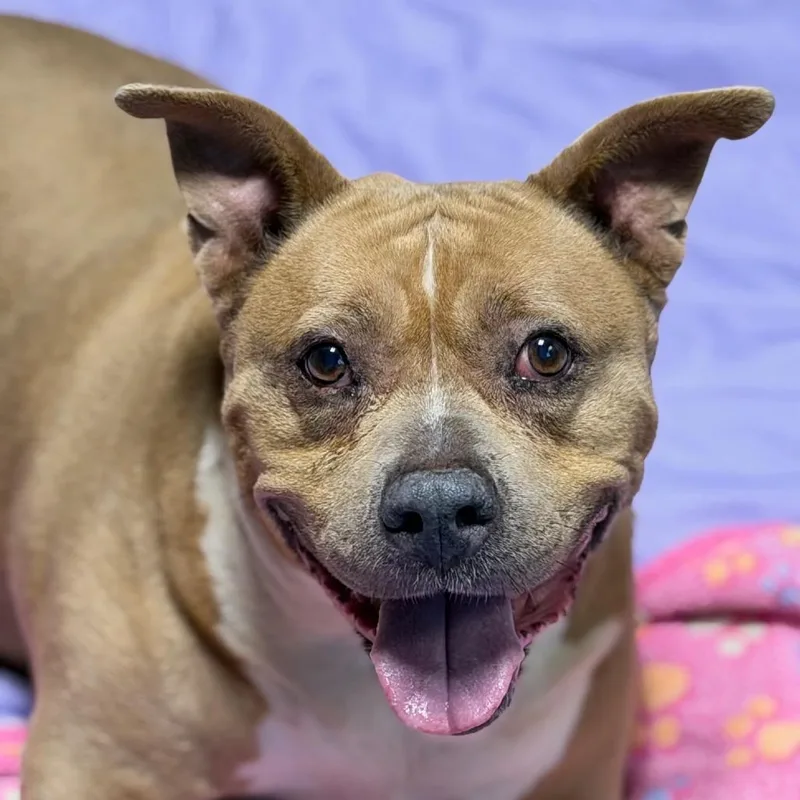
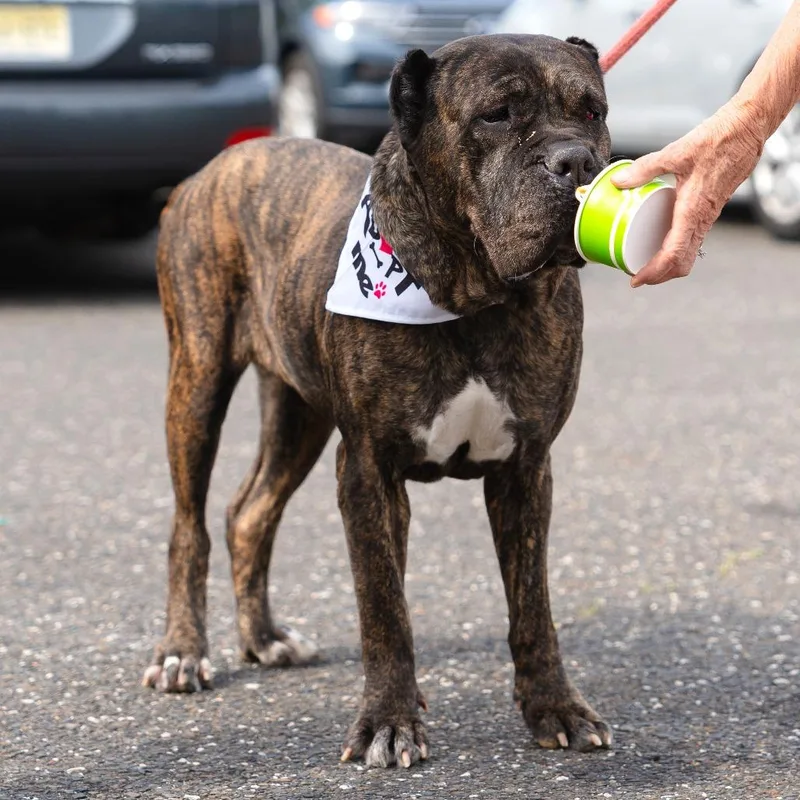
691 dogs similar to Swedish Vallhund available in Newark and nationwide

Meet your next Swedish Vallhund

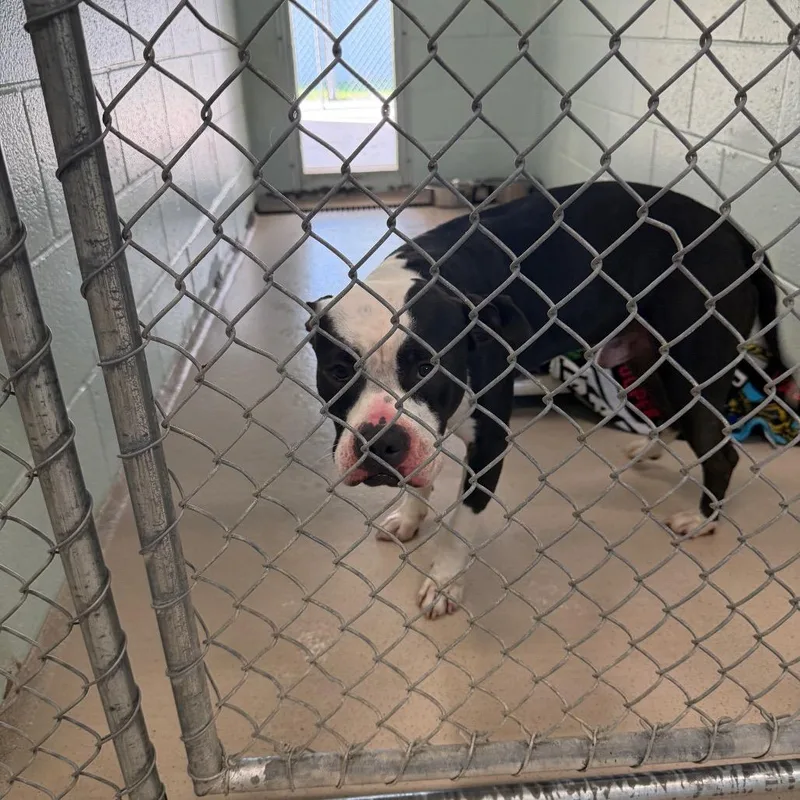
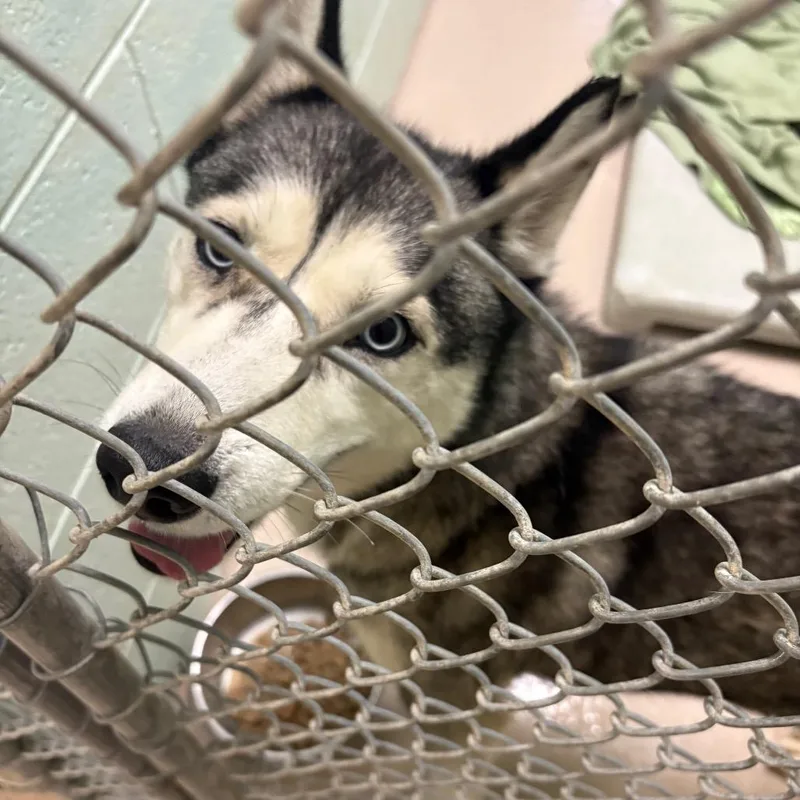
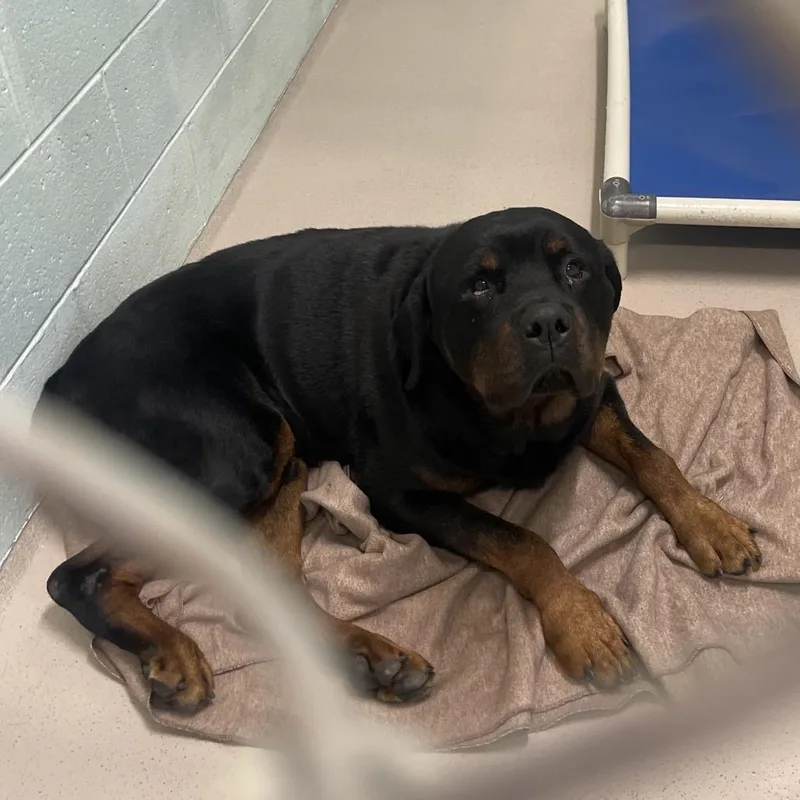
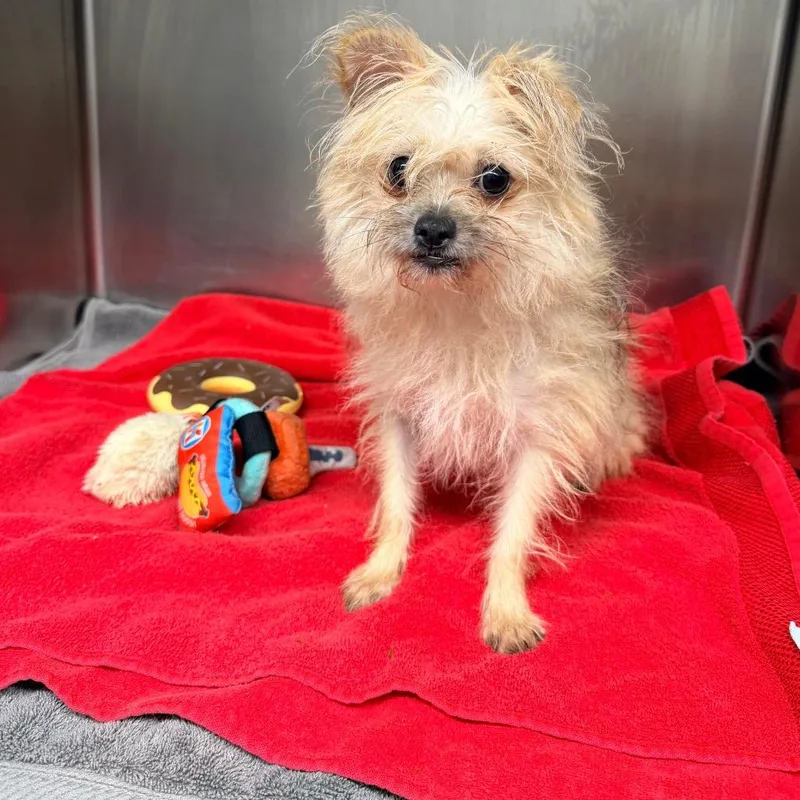
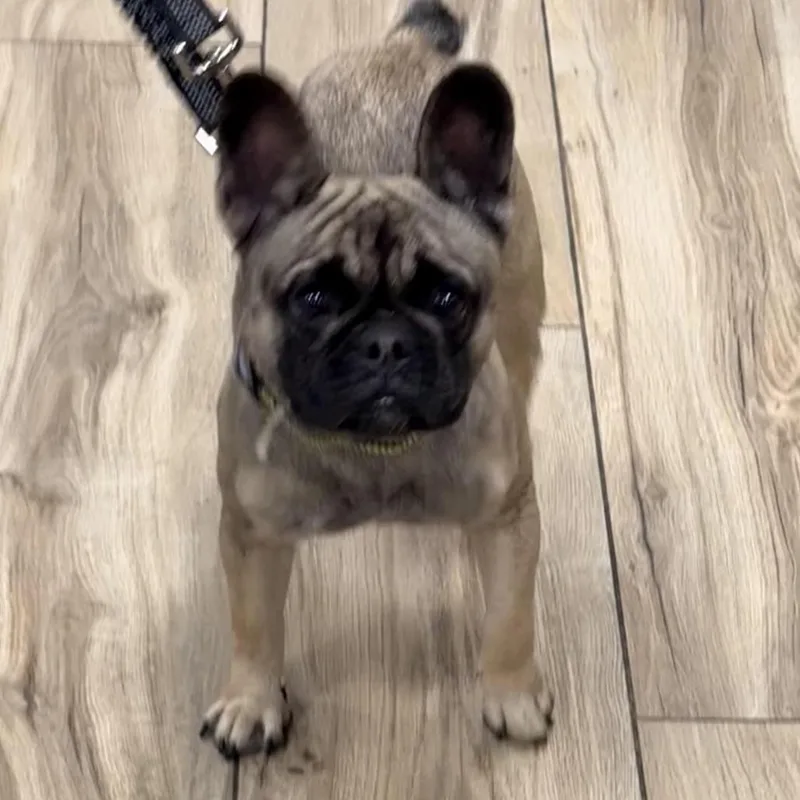
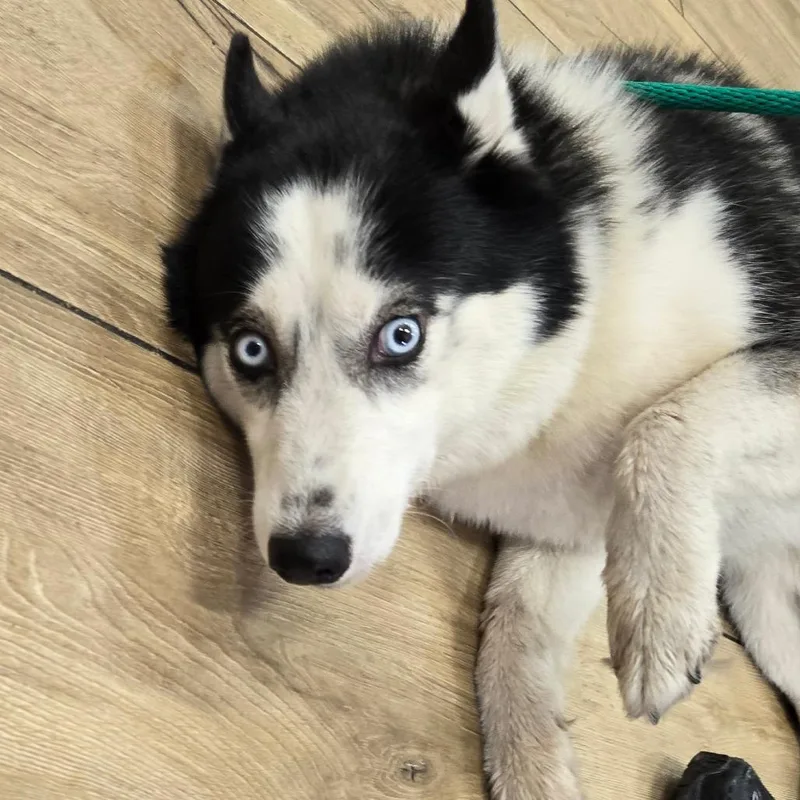
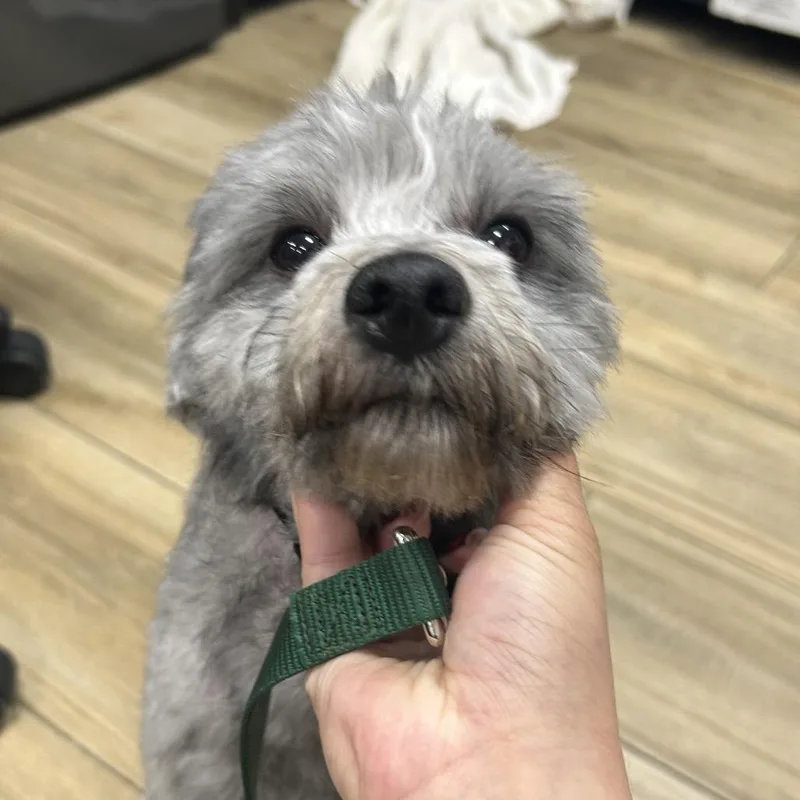
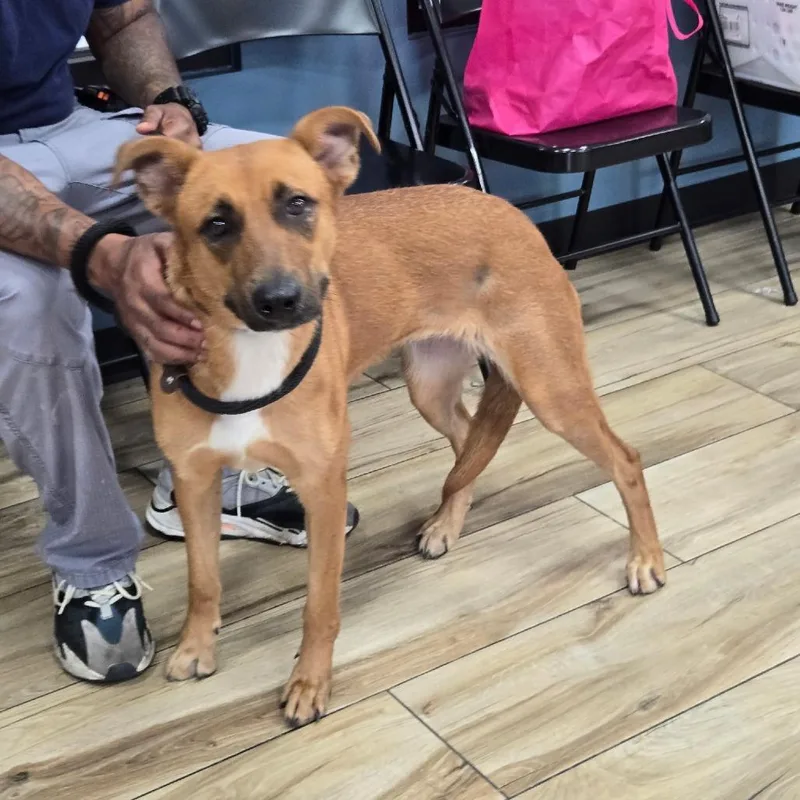
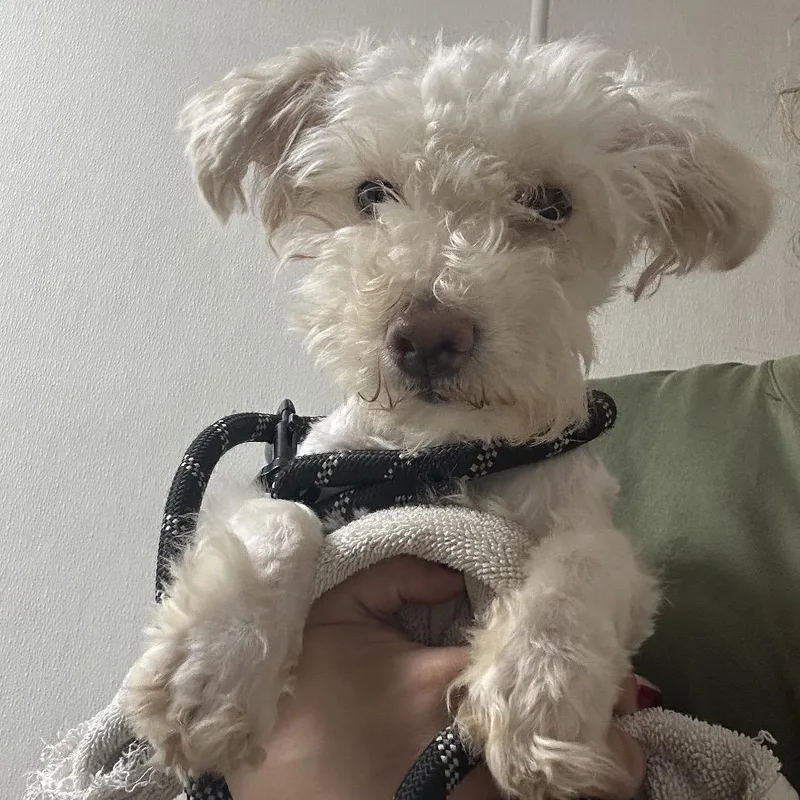
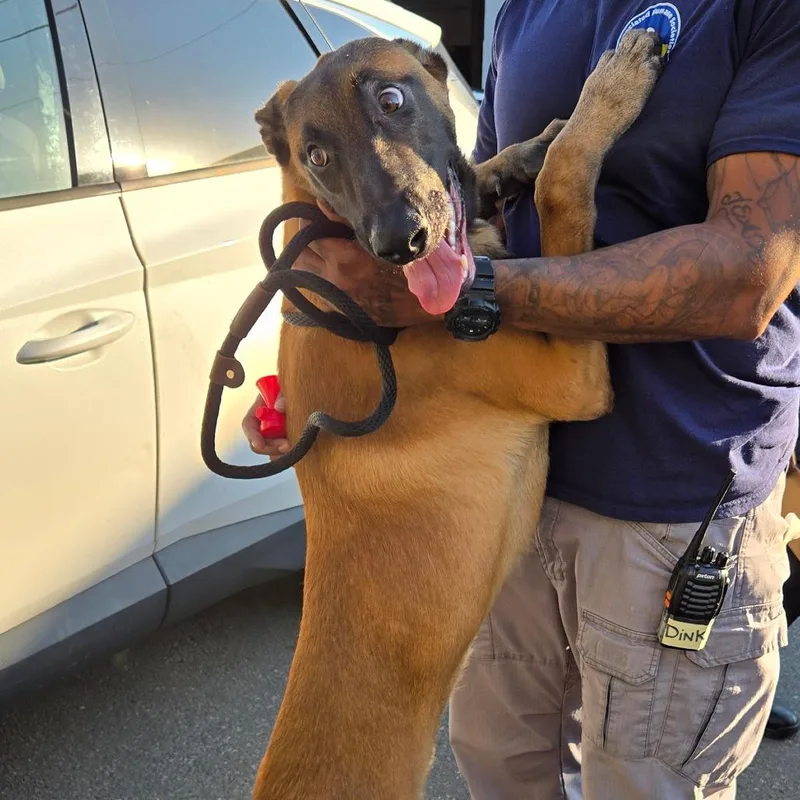
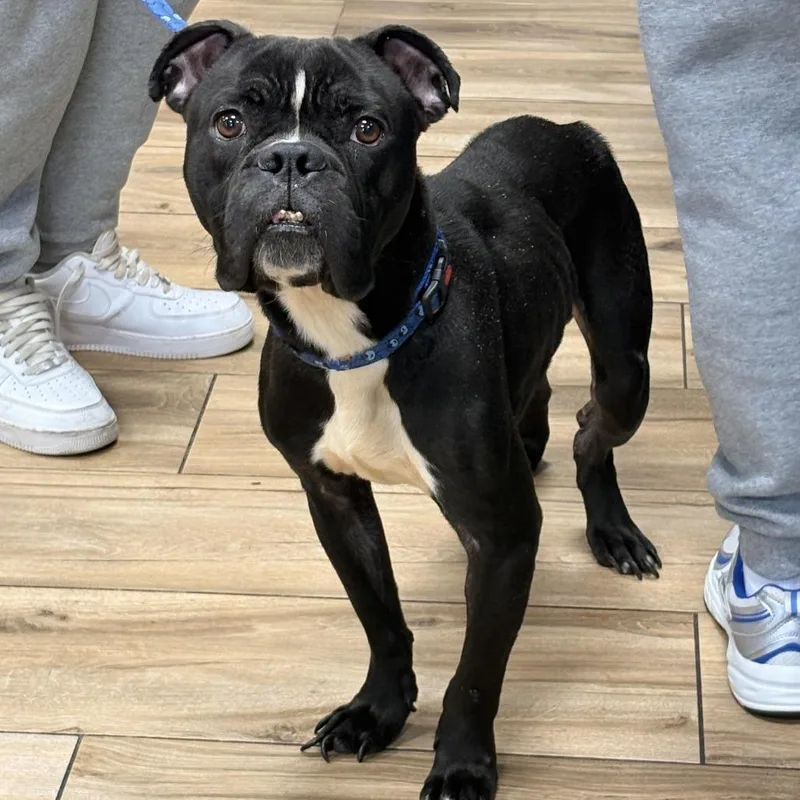
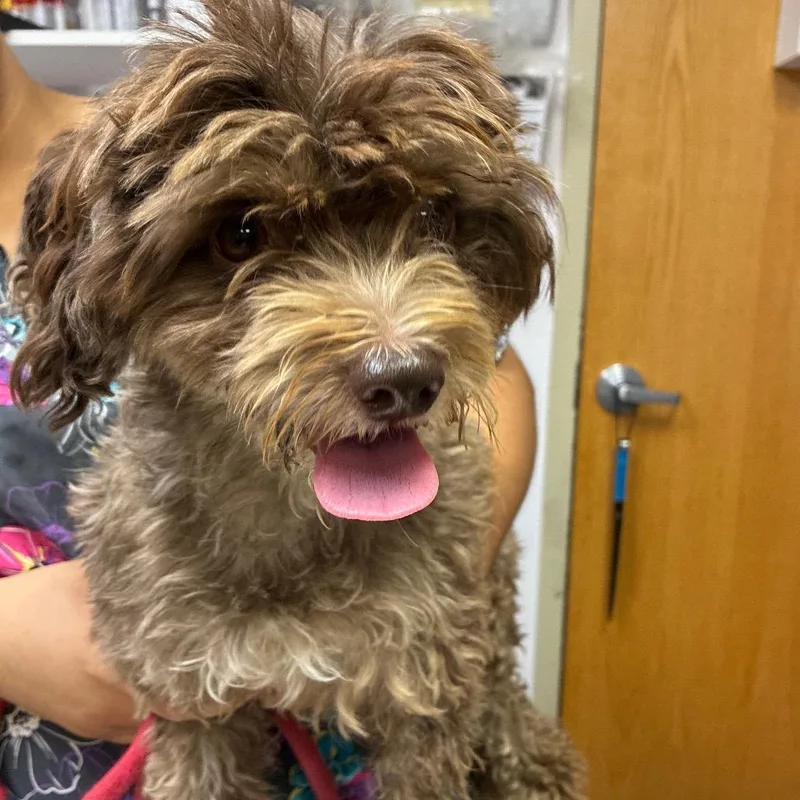
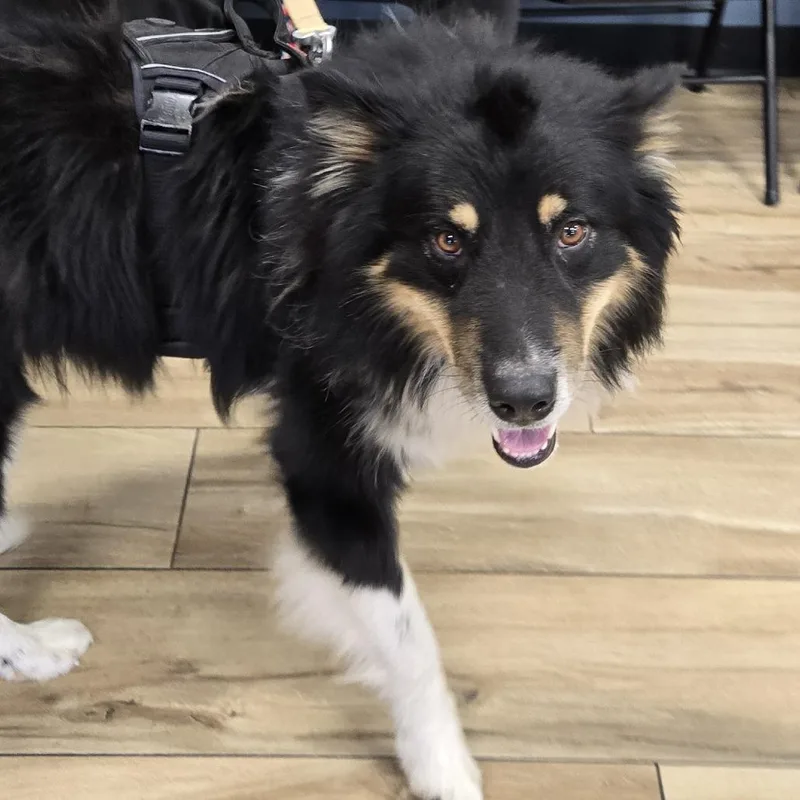
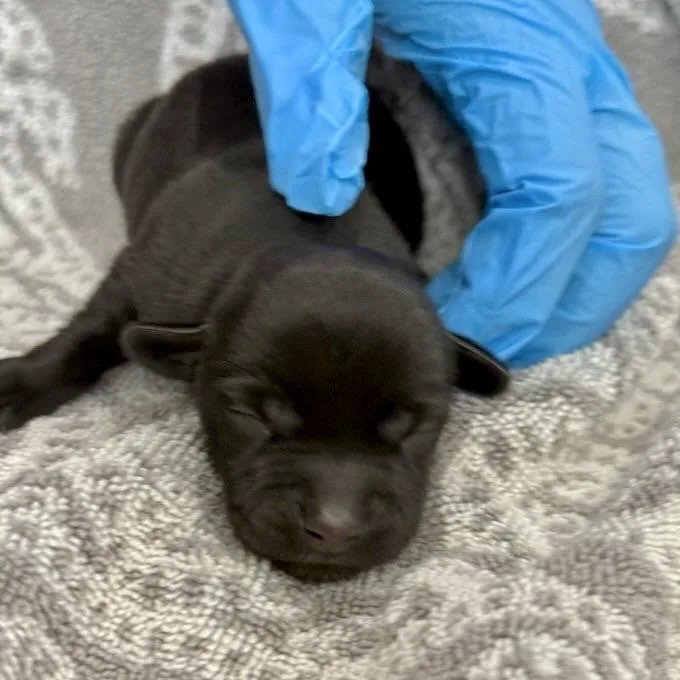
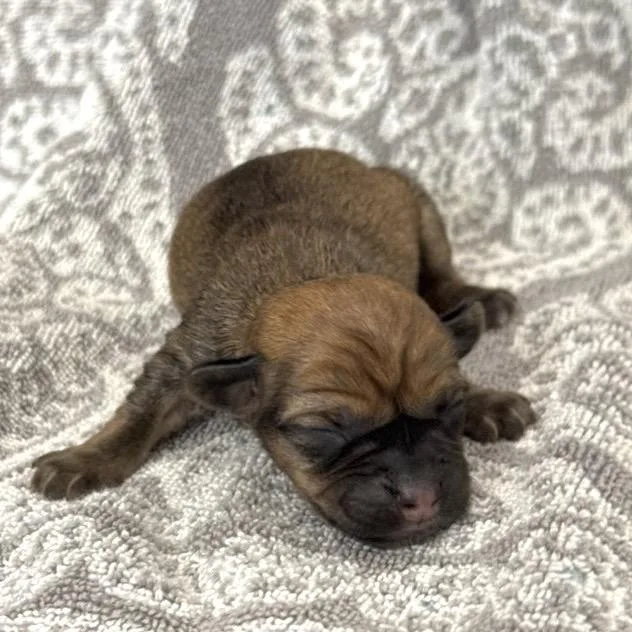
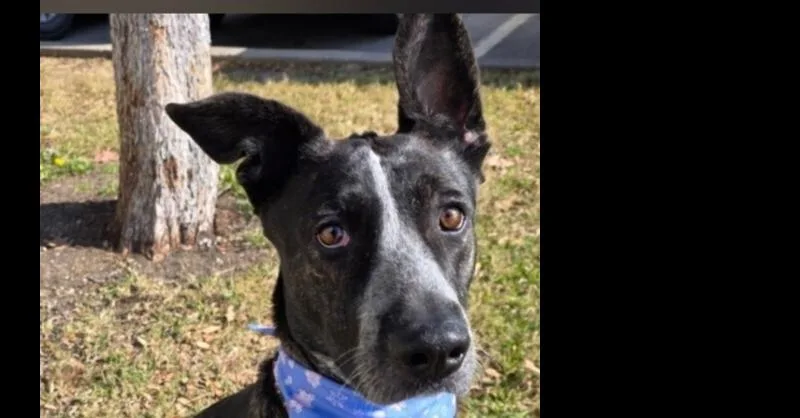
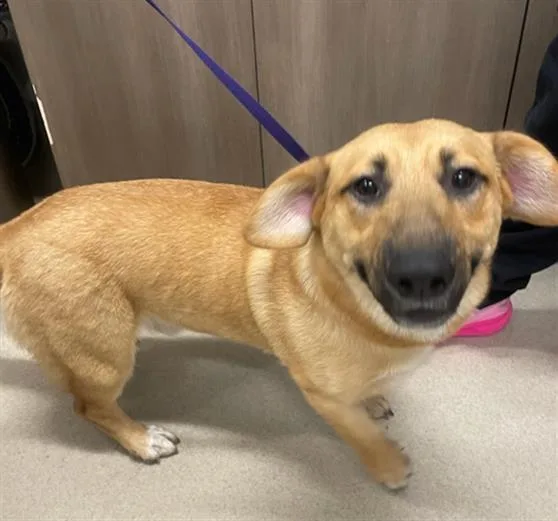
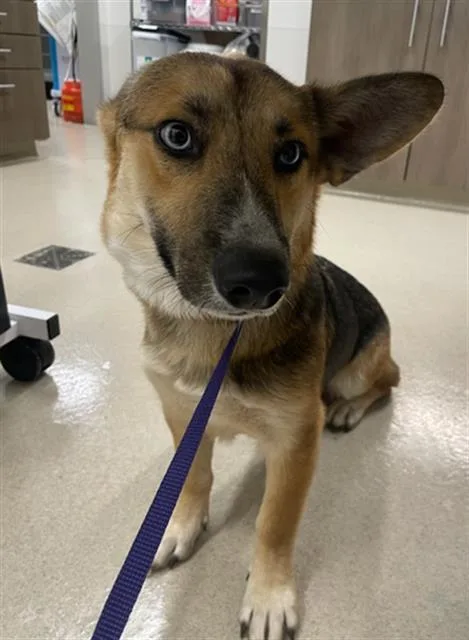
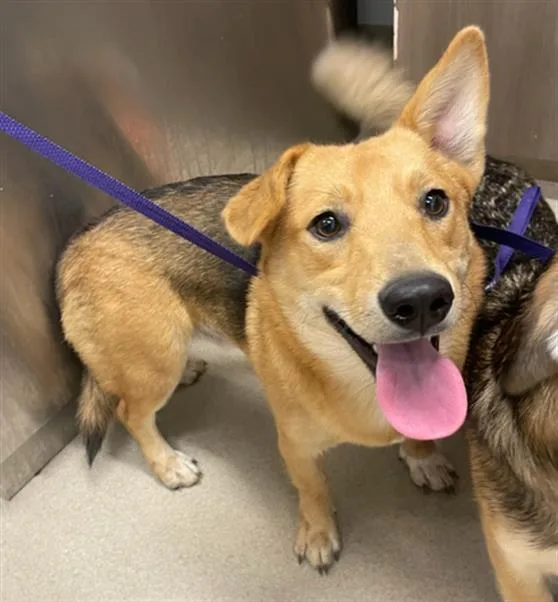
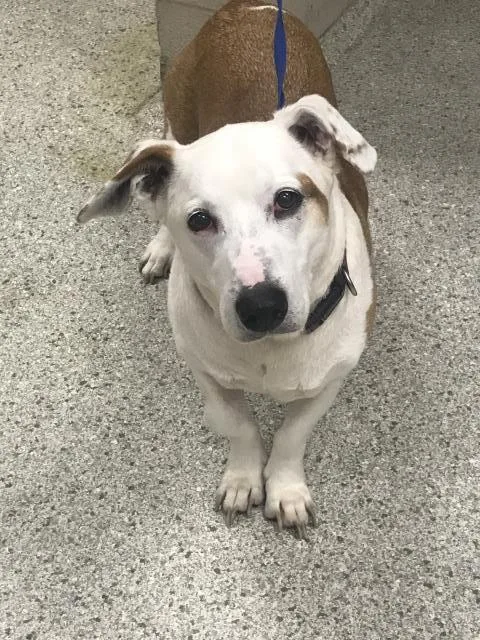
Swedish Vallhunds and Similar Breeds Available for Adoption Near Newark

About the Swedish Vallhund breed

The Swedish Vallhund is an old spitz-type cattle herder from Västergötland, Sweden, where farmers relied on it to drive cattle, guard the yard and catch rats. The breed nearly disappeared in the 1940s and was revived from a handful of farm dogs. The name simply means herding dog.

Vallhunds stand 11 to 14 inches tall and weigh roughly 20 to 35 pounds, with a harsh double coat, lighter harness markings and a tail that may be long, stubby or absent. Many are cheerful, watchful and eager to please, with more energy than their size suggests. In a Newark apartment or rowhouse, that means training, brisk walks and a plan for heavy shedding twice a year. Personalities vary from dog to dog.

Weight
20–35 lbs
Height
11–14 in
Lifespan
12–15 yrs
Temperament
Alert, Energetic, Friendly
Group
Herding
Shedding
Moderate to High

Owning a Swedish Vallhund in Newark

Having a Swedish Vallhund in Newark

Vallhunds pair a herding dog's drive with a compact, low-slung body. In Newark that means daily walks and mental work, a heavy-shedding coat, and attention to eye health, all of which shape how well one fits a city routine.

Temperament

Many Vallhunds are friendly, confident and attached to their families, but they are alert watchdogs and can be vocal. In Newark, that may mean a dog who announces hallway footsteps and passing neighbors. Herding instincts can show as heel nipping. Early socialization and reward-based training help, though each dog's personality varies.
Exercise Needs

Plan on daily walks plus active play or a job. Branch Brook's paths, Weequahic's 2.2-mile lake loop and the Vailsburg dog park give variety, and short training sessions or puzzle toys cover quiet days. Mental work matters as much as miles, since a bored Vallhund may bark or invent its own entertainment.

Health Considerations

Retinopathy affects many Vallhunds and can cause gradual vision loss, often first noticed as night blindness. Hip and joint problems also appear, and extra weight strains the long back. A veterinarian can check the eyes and hips, and regular parasite prevention is a sensible habit for any dog that spends time in city parks.

Living Space

A Vallhund's compact size suits Newark's walk-ups and two- and three-family houses when exercise and mental needs are met. Alert barking can carry through shared walls and stairwells, so teaching quiet routines early helps. Daily stairs are manageable for many healthy dogs, and keeping weight down protects the back. Expect heavy shedding twice a year.

What it costs to own a Swedish Vallhund in Newark

ExpenseTypical costPer year
Food$20 to $45 per month$240 to $540
Pet insurance$35 to $70 per month$420 to $840
Routine vet care$200 to $400 per year$200 to $400
Other*$483 to $1,265 per year$483 to $1,265
Estimated yearly total (after year one)$1,343 to $3,045

Other costs are estimates and vary with size, age and health.

* Flea, tick and heartworm prevention, a dental cleaning allowance, the Newark dog license, toys and bedding, and extra brushing and baths for heavy seasonal shedding.

Adopt a Swedish Vallhund in Newark.

Now that you know more, let’s find you a new best friend. These rescues and shelters below have dogs available in and near Newark.

Rescues and Shelters in or near Newark

Newark's shelters and rescues add new dogs often, so any Vallhunds or mixes listed here can change week to week. Here are the rescues & shelters in the Newark area with dogs available for adoption, worth asking whether a Swedish Vallhund is coming in.

Frequently Asked Questions

Yes. Newark has no breed-specific rules, and New Jersey's dangerous-dog law looks at a dog's behavior rather than its breed. You'll need a city dog license with proof of rabies vaccination, a leash no longer than six feet, and prompt waste pickup. Landlords can set their own pet policies, so confirm yours before you commit.

Often, yes. Most Newark homes are walk-ups and small multifamily buildings, and a Vallhund's compact size fits them when daily walks and training happen reliably. Barking is the main concern, because an alert dog will react to hallway noise. Work on quiet cues early, and give a mental job, like a puzzle feeder, while you're out.

Branch Brook Park's dog park gives a Vallhund room to run off-leash, and Vailsburg Park has a newer one with agility equipment. For leashed walks, Weequahic Park's 2.2-mile lake loop offers steady mileage. Dogs must stay leashed elsewhere in county parks. Bring license and vaccination proof for the dog parks, and keep practicing recall, since Vallhunds can be spirited.

Usually, with care. Newark sees about 28 days at 90°F, and humid heat-index days can prompt city Code Red warnings. Walk early or late, avoid hot asphalt, carry water and keep midday indoors with air conditioning. Leave the double coat unshaved, since it helps insulate, and never leave a dog in a parked car.

Only in limited cases. NJ Transit trains, buses and the Newark Light Rail allow service animals, police dogs and small pets in carry-on travel cages. A Vallhund weighing 20 to 35 pounds may be too big for a carrier, so plan walkable routes or a car for vet trips. Review PATH's posted pet rules before using it.

Brush weekly most of the year and daily during the heavy sheds in spring and fall. A bath every couple of months is plenty, and the double coat shouldn't be shaved in summer. In winter, wipe salt from paws and belly after walks. A few professional baths or deshedding sessions a year fit within the cost table's Other line.

Generally not inside. New Jersey's food code keeps pet dogs out of restaurants, with exceptions for service animals. Some patios may set their own policies, but they aren't guaranteed, so don't plan a meal around one. A leashed park walk followed by takeout is an easier outing for a Vallhund.

The Swedish Vallhund is often called the Viking dog, and its breed club and the AKC describe it as known since the time of the Vikings, more than a thousand years ago. Firm archaeological proof is limited, so the link rests largely on tradition. Its resemblance to Welsh Corgis has fueled theories that Viking-era contact spread one breed's ancestors to the other.

You can adopt a Swedish Vallhund through breed-specific rescues, herding-breed rescues and occasionally local shelters, and GetBuddy lists adoptable dogs from shelters and rescues near you. Because the breed is rare, patience helps: set up saved searches and alerts, and consider a Vallhund mix or a similar herding breed. Adoption fees usually run from about $100 to $500.

Most owners can plan on about $1,340 to $3,050 a year for a Vallhund in Newark. That covers food, pet insurance, routine vet care and other items such as the city license, parasite prevention, dental cleaning and grooming. Emergencies, boarding and training classes cost extra.