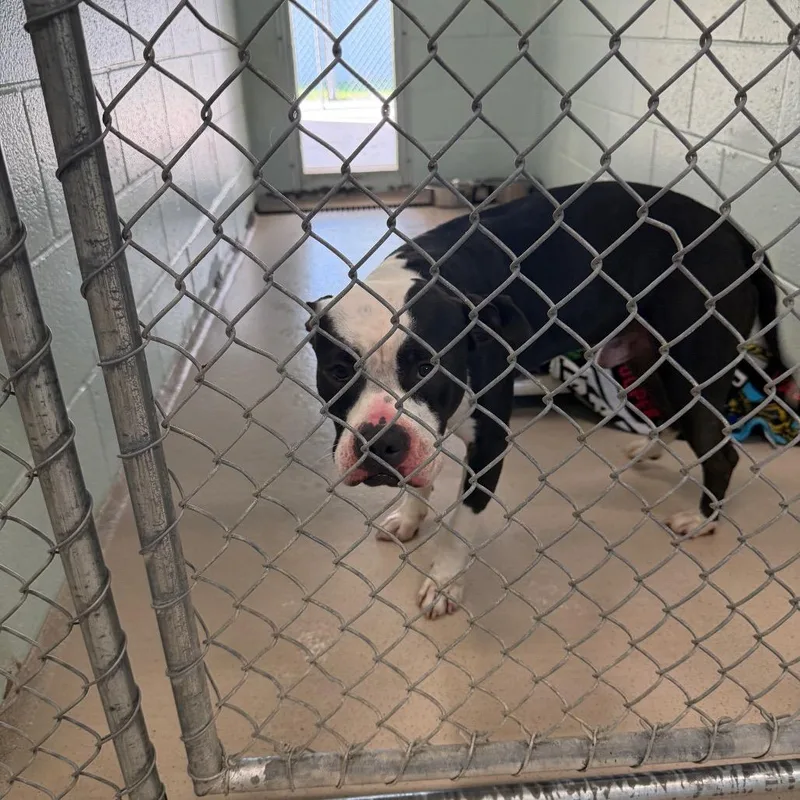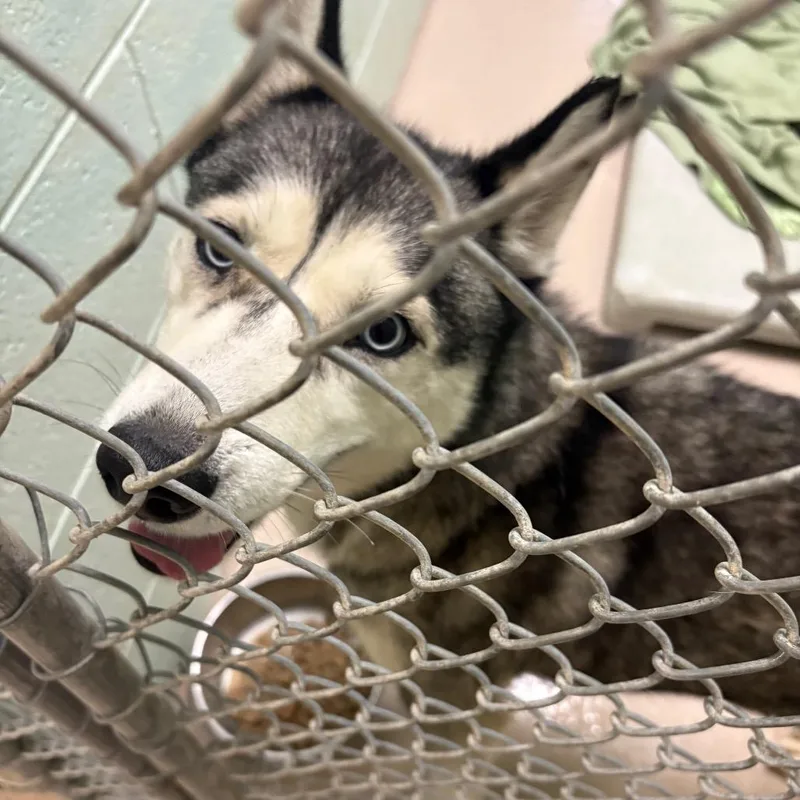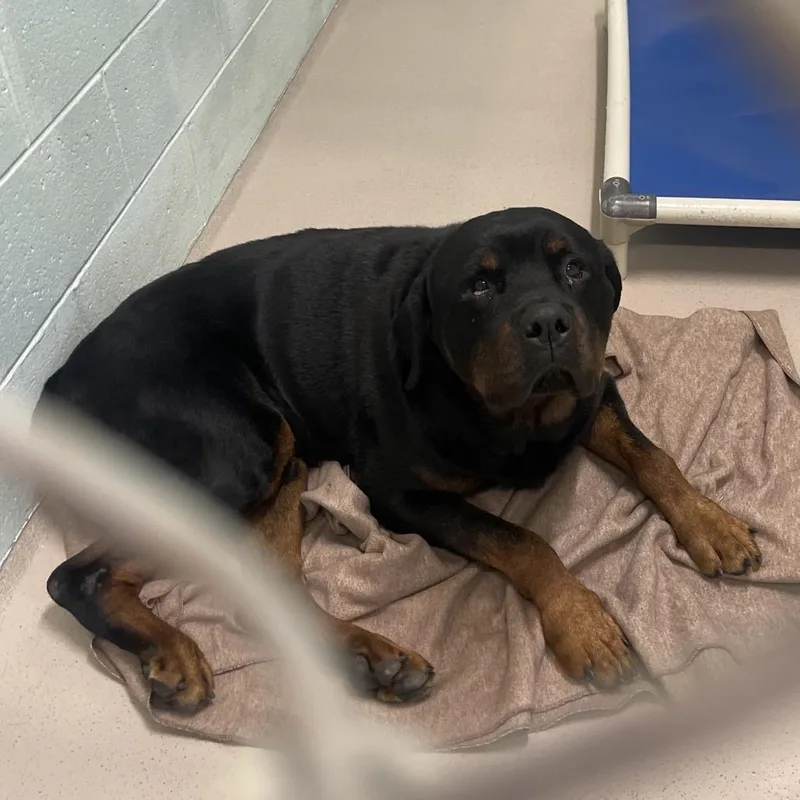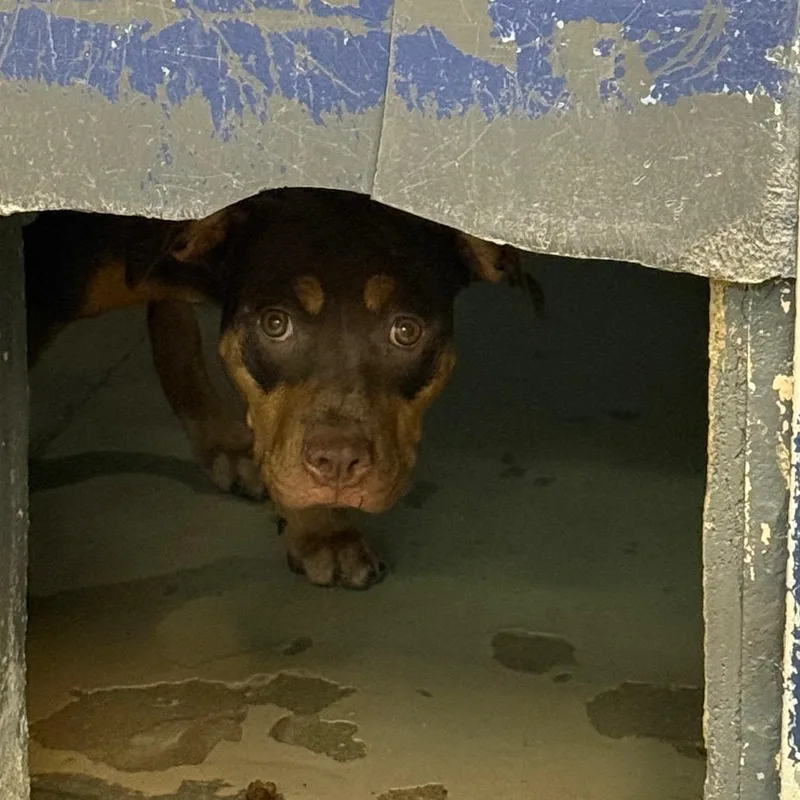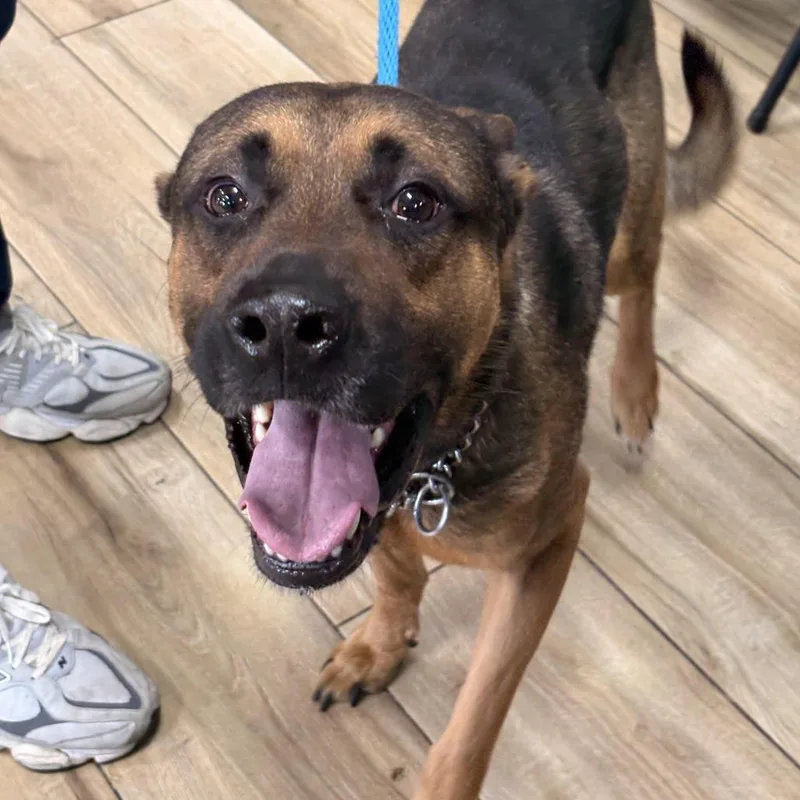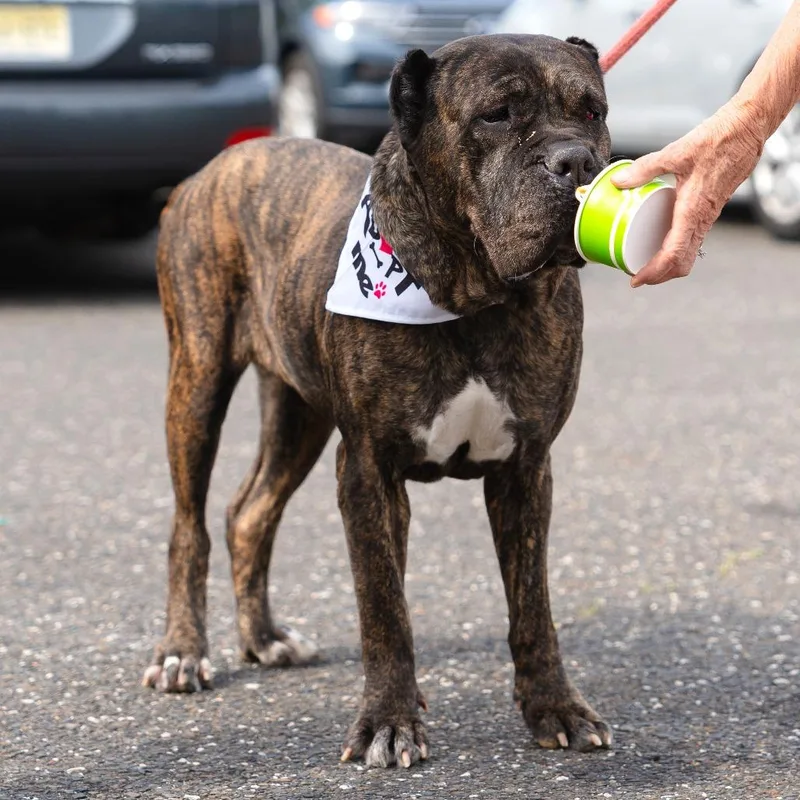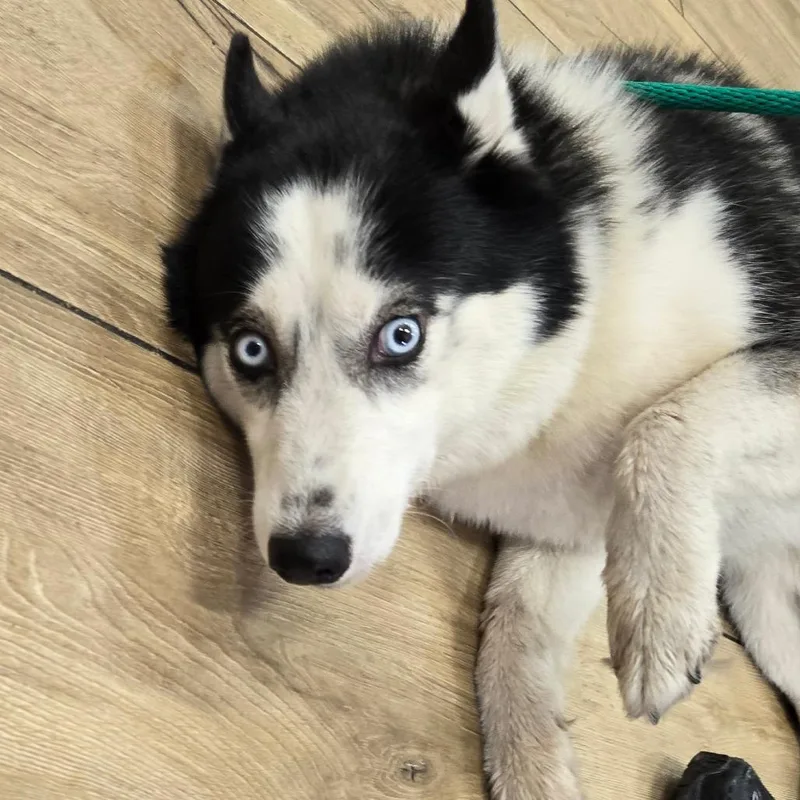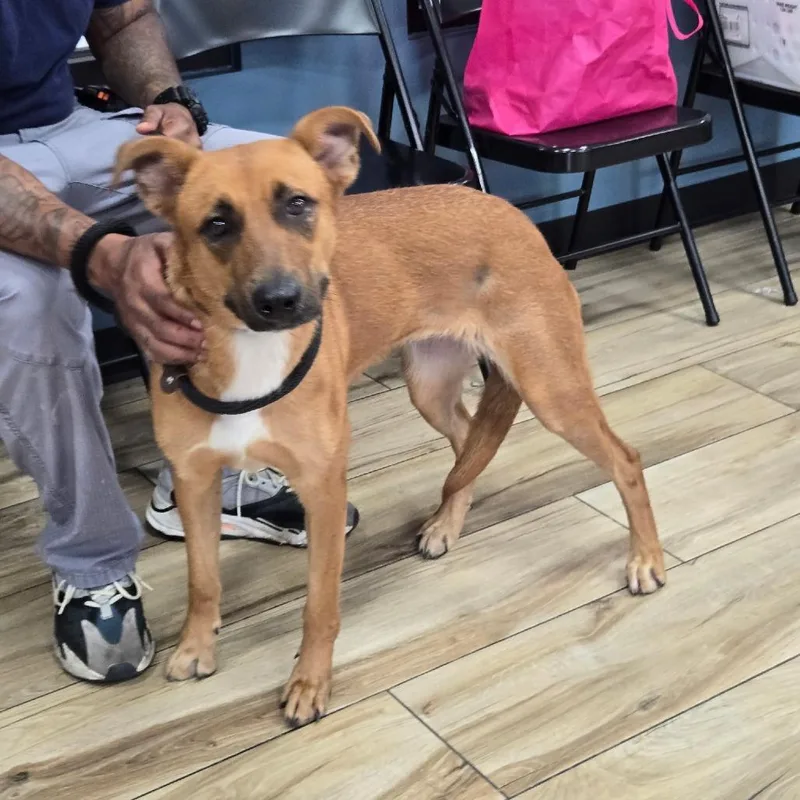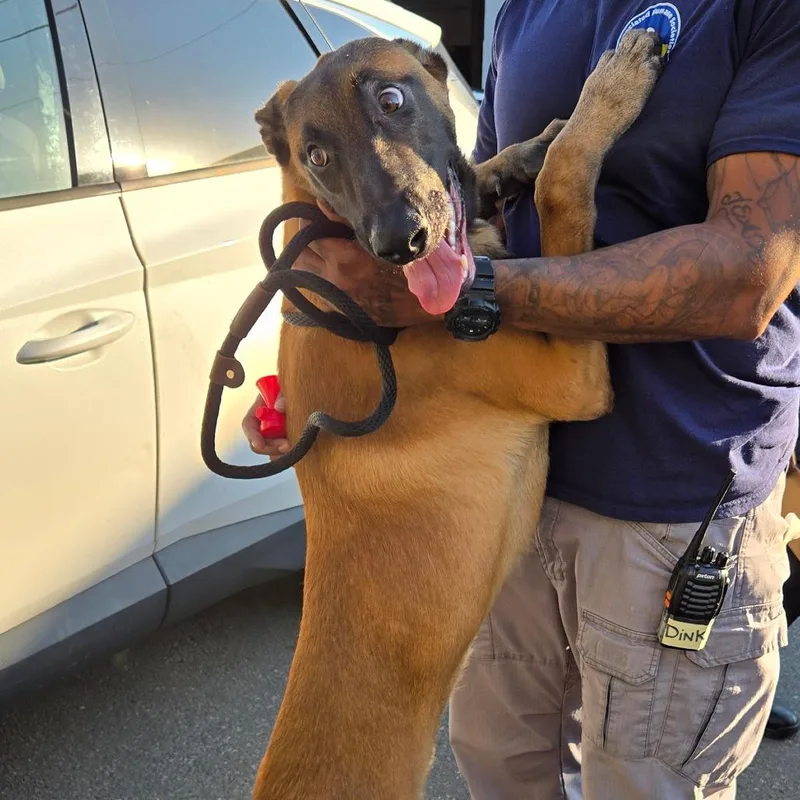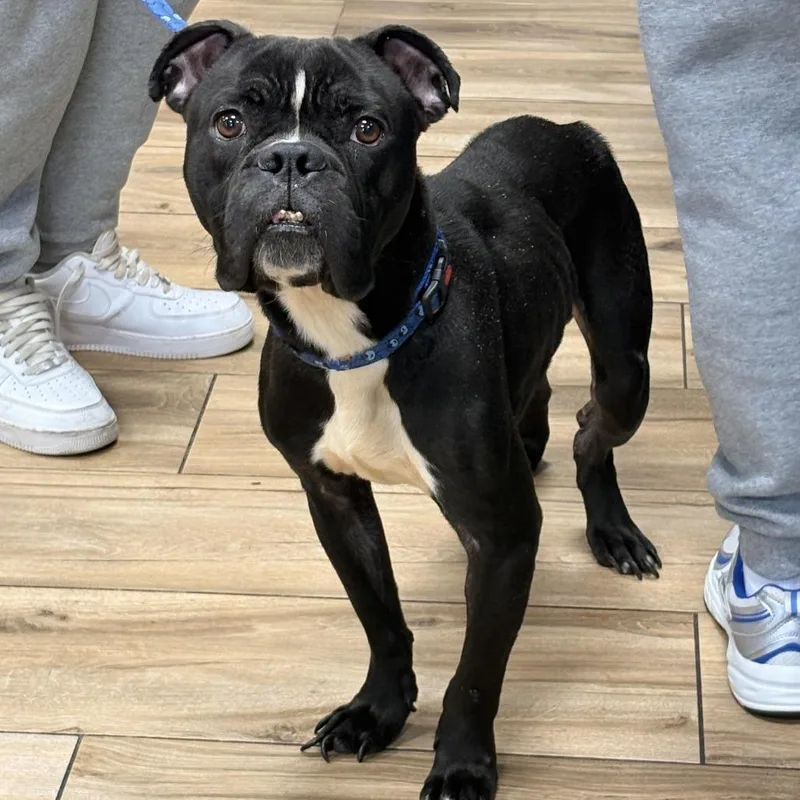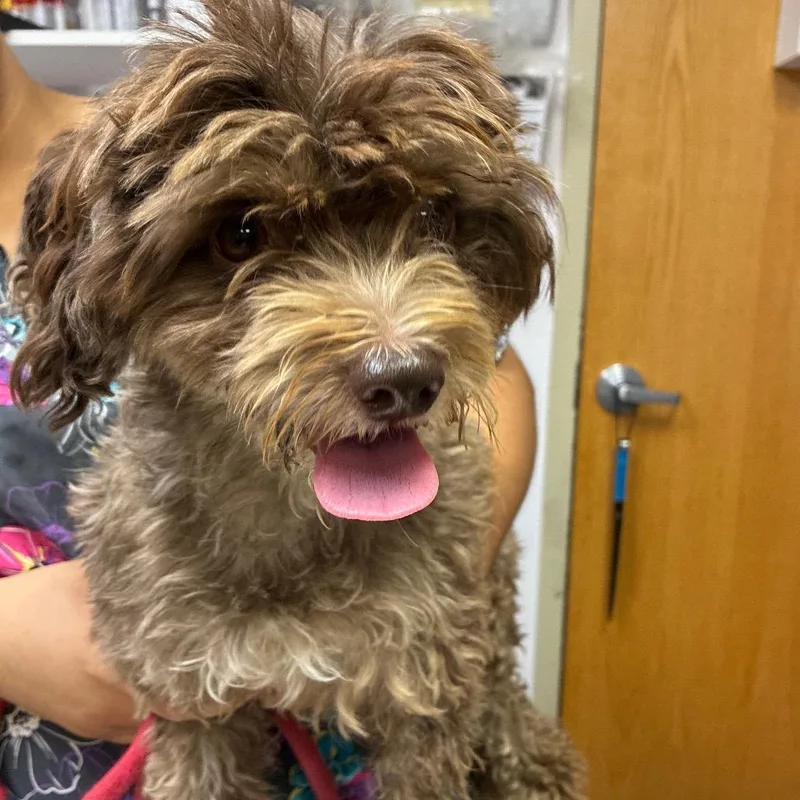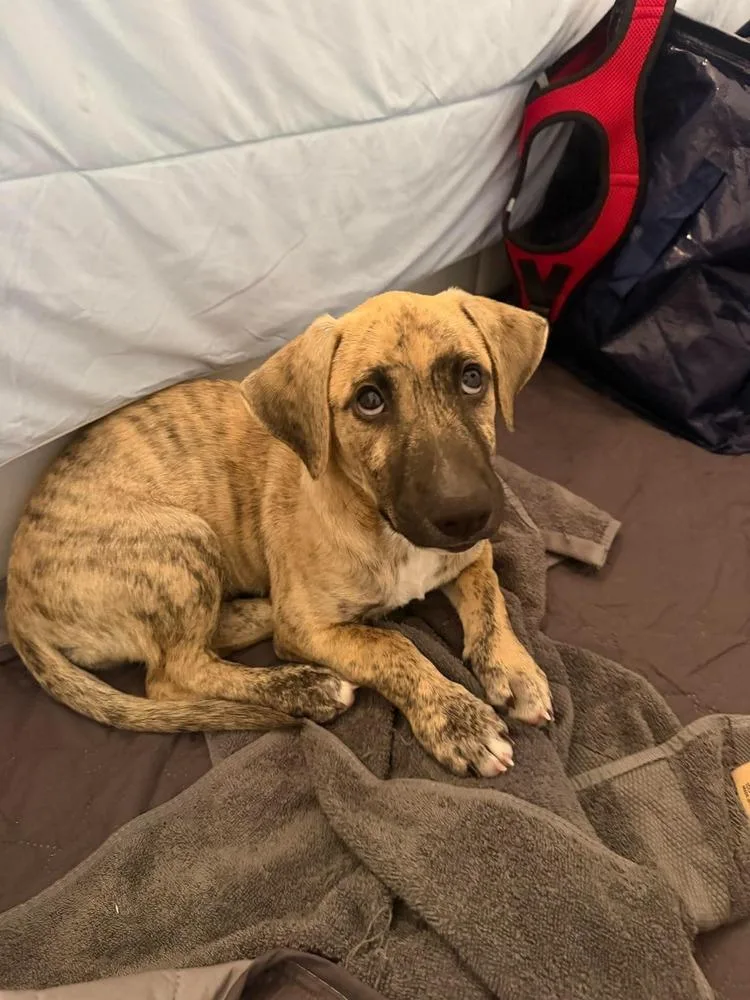








Retriever Dogs for Adoption in Newark, NJ

Your guide to finding and caring for a Retriever in Newark

Retriever-type dogs suit Weequahic well, where a 2.2-mile loop around the lake gives them a real daily walk on leash. Many are Lab or Golden mixes, friendly enough to greet every neighbor along Chancellor and Bergen Avenues. They want a job, so fetch, training games and a long outing matter more than square footage. In a Newark two-family house, a retriever does fine upstairs if the stairs and the exercise are covered. Expect hair on everything.

882 Retrievers available in Newark and nationwide

Bring home a Retriever mix

Retrievers Available for Adoption Near Newark

About the Retriever breed

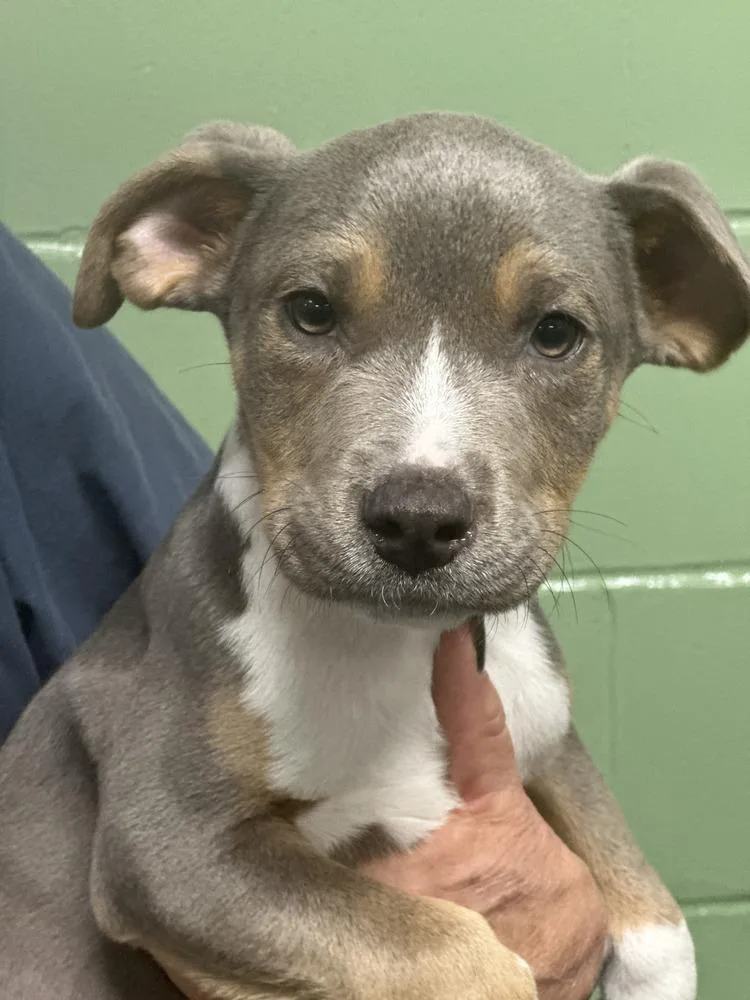
Retriever is a type of gun dog rather than a single breed. On adoption listings it usually means a Labrador or Golden Retriever mix, or a dog with that look and unknown ancestry. Chesapeake Bay, Flat-Coated, Curly-Coated and Nova Scotia Duck Tolling Retrievers belong to the same family.

Most retriever-type dogs are medium to large, around 50 to 80 pounds, sturdy and food-motivated, with a water-resistant coat that sheds a good deal. Many are sociable and eager to work with people, and a long, bouncy adolescence is common. In Newark that means daily leashed walks, a plan for humid summers and snowy winters, and patience with a dog who greets everyone. Ancestry varies, so meeting the dog tells you more than the label.

Weight
50–80 lbs
Height
20–25 in
Lifespan
10–14 yrs
Temperament
Friendly, Outgoing, Active
Group
Sporting
Shedding
Moderate to High

Owning a Retriever in Newark

Having a Retriever in Newark

Retriever covers many breeds and mixes, so these cards describe common tendencies: a people-focused nature, a love of fetch, plenty of stamina and a shedding coat. Age and ancestry shape how strongly each shows, and Newark's streets, parks and housing shape the daily routine.

Temperament

Most retriever-type dogs are friendly with family, guests and other dogs, which helps on busy Newark sidewalks and in shared hallways. Young dogs can be mouthy, jumpy and chewy, so reward-based training pays off. Greeting enthusiasm can overwhelm toddlers or nervous neighbors. How a particular dog behaves depends on age, history and ancestry, not just the label.

Exercise Needs

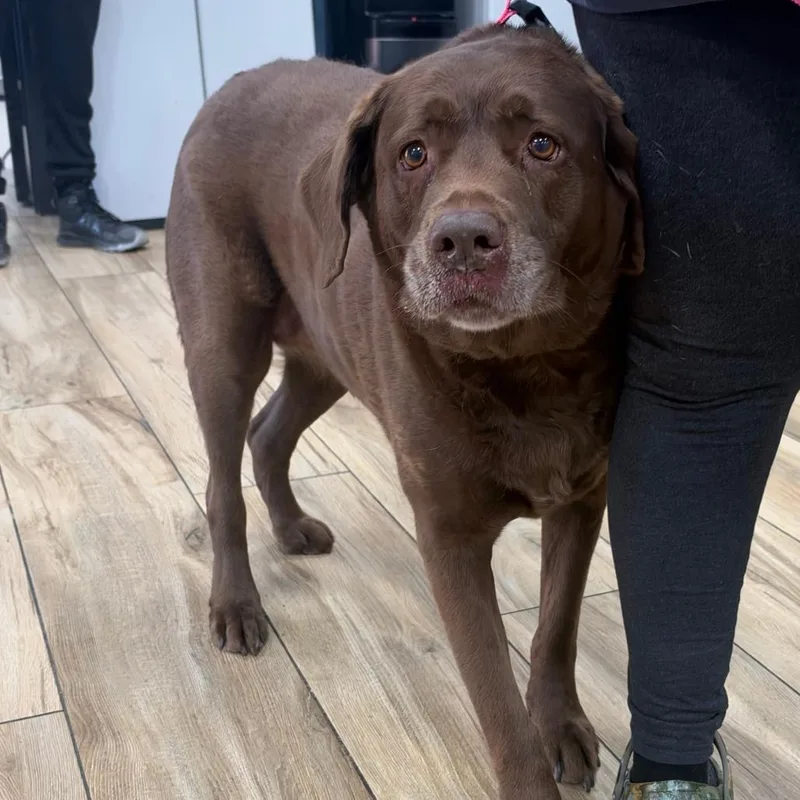
Plan on an hour or more of vigorous activity daily. Leashed laps around Weequahic Park's lake path, a trip to the Branch Brook or Vailsburg dog park, and indoor fetch or scent games all count. Bored retrievers chew and pester for attention, so mix exercise with short training sessions. Seniors still need gentler daily walks.

Health Considerations

Hip and elbow dysplasia, cruciate injuries, ear infections, skin allergies and weight gain are common across retrievers, and some carry inherited eye disease or a higher cancer risk. Keeping a retriever lean protects its joints. A veterinarian can advise on flea, tick and heartworm prevention and schedule regular checkups.

Living Space

A retriever can live in a Newark walk-up or two-family house when exercise is reliable, though a securely fenced yard helps. Stairs matter for large dogs, especially seniors or dogs with sore joints. These dogs want to be indoors with their people, not left alone on a porch or in a yard. Expect shed hair and a sweeping tail.

What it costs to own a Retriever in Newark

ExpenseTypical costPer year
Food$55 to $110 per month$660 to $1,320
Pet insurance$55 to $110 per month$660 to $1,320
Routine vet care$250 to $500 per year$250 to $500
Other*$584 to $1,465 per year$584 to $1,465
Estimated yearly total (after year one)$2,154 to $4,605

Other costs are estimates and vary with size, age and health.

* Flea, tick and heartworm prevention, a dental cleaning allowance, the Newark dog license, toys and bedding, and brushing and baths for a shedding coat.

Adopt a Retriever in Newark.

Now that you know more, let’s find you a new best friend. These rescues and shelters below have dogs available in and near Newark.

Rescues and Shelters in or near Newark

Newark-area shelters and rescues list dogs of every size and background, including retriever-type mixes when they arrive. Here are the rescues & shelters in the Newark area with dogs available for adoption, worth asking whether a Retriever is coming in.

Frequently Asked Questions

Yes, with some care. Newark sees about 28 days a year at 90°F or higher, and humid days can push the heat index to 100°F, which triggers the city's Code Red alerts. Walk early or late, carry water, keep dogs off hot asphalt and use air conditioning on the worst days. Never leave a Retriever in a parked car.

Yes. Newark's code names no breed, and New Jersey's dangerous-dog law looks at a dog's conduct rather than its type. You'll need a city license with proof of rabies vaccination once the dog reaches licensing age, a leash of six feet or less in public, and waste pickup. State law also bars outdoor tethering from 11 p.m. to 5 a.m.

Start with the Essex County off-leash dog parks in Branch Brook Park and Vailsburg Park, where a Retriever can run in the large-dog area. For leashed walks, try Weequahic Park's 2.2-mile lake loop or Branch Brook Park's paths. Bring proof of license and vaccination. Newark has no dog beach, so fetch happens on land.

Yes, if daily exercise is dependable. Many Newark rentals are walk-ups or small multifamily buildings, so consider stairs, shared walls and any landlord size limits before you commit. A refundable pet deposit counts toward New Jersey's 1.5-month deposit cap. A long walk or dog-park trip each day helps a Retriever settle indoors.

Generally no. NJ Transit buses, trains and the Newark Light Rail allow only service animals, police dogs and small pets in carry-on travel cages, so a full-size Retriever can't ride. Plan around walks from home or a car, and save longer outings for the parks reachable on foot from your neighborhood.

Usually not. New Jersey's food code keeps pet dogs off restaurant premises, with service animals as the exception, and it has no outdoor-dining exception for pets. Some patios may welcome dogs, but policies vary and aren't guaranteed, so plan outings that don't depend on it, such as a park walk with a Retriever in tow.

Brush two to three times a week, and daily during the heavy spring and fall sheds. Bathe every month or two and after muddy park trips, and wipe paws after winter walks to remove road salt. Don't shave the double coat, which helps with heat. Grooming costs fall within the Other costs listed above.

Most retriever-type dogs live about 10 to 14 years, with some reaching 15. Retriever is a type label rather than one breed, so mixes and different retriever breeds vary. Keeping a retriever lean, staying current on veterinary checkups all support a longer, more comfortable life.

Most retrievers do like water, and many are eager swimmers. They were developed to fetch shot birds, often from lakes and rivers, and have water-resistant coats. Enthusiasm still varies by dog, especially in mixes or dogs with limited early exposure. Introduce water gradually, never force a nervous dog, and rinse and dry the ears afterward.

Expect roughly $55 to $110 a month for food, $55 to $110 a month for insurance, $250 to $500 a year for routine vet care, and about $584 to $1,465 a year for other costs such as grooming and parasite prevention. That comes to about $2,150 to $4,600 a year.