Keeshond Dogs for Adoption in Newark, NJ

Your guide to finding and caring for a Keeshond in Newark

A Keeshond fits Weequahic life well, with a 2.2-mile loop around the lake for a brisk daily walk. These fluffy, sociable dogs want to be wherever their people are, so they do best with someone home a good part of the day. Expect a bark when the doorbell rings or a neighbor passes the porch. In summer that thick coat calls for shade and early or late walks, and dusk laps around the lake are an easy habit to build.

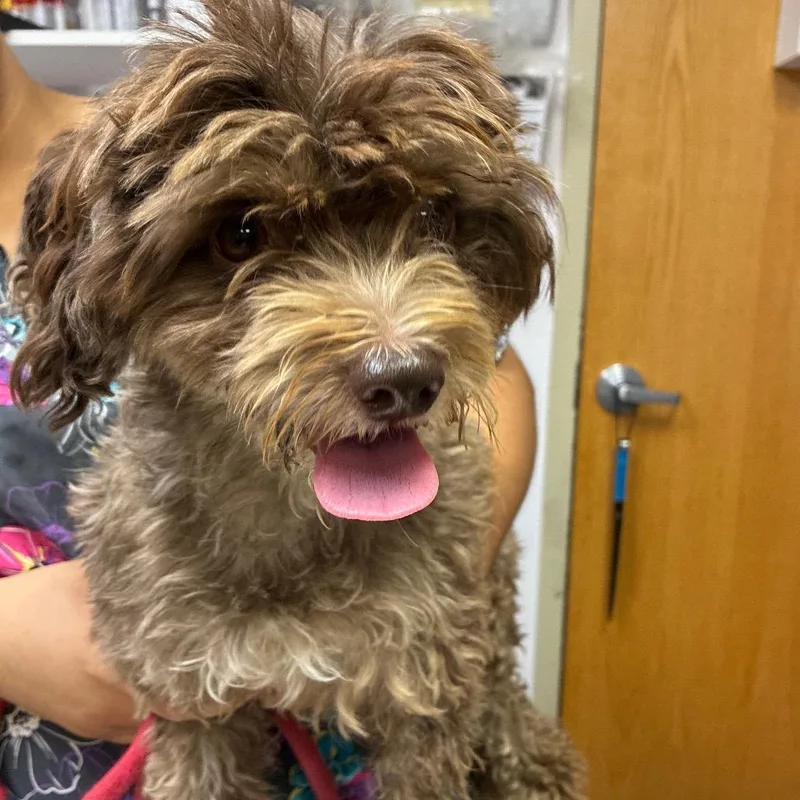
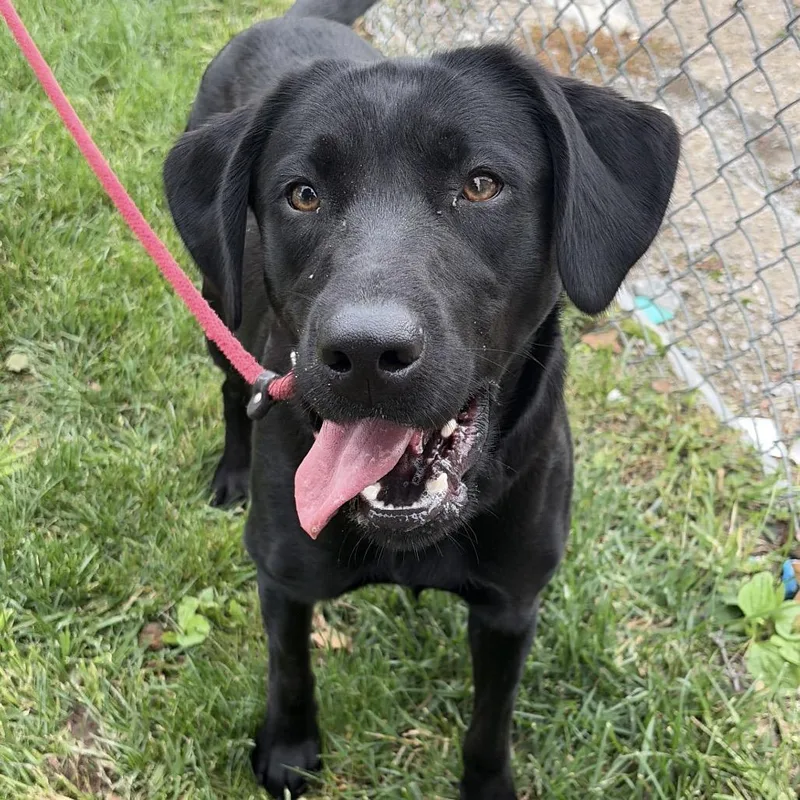
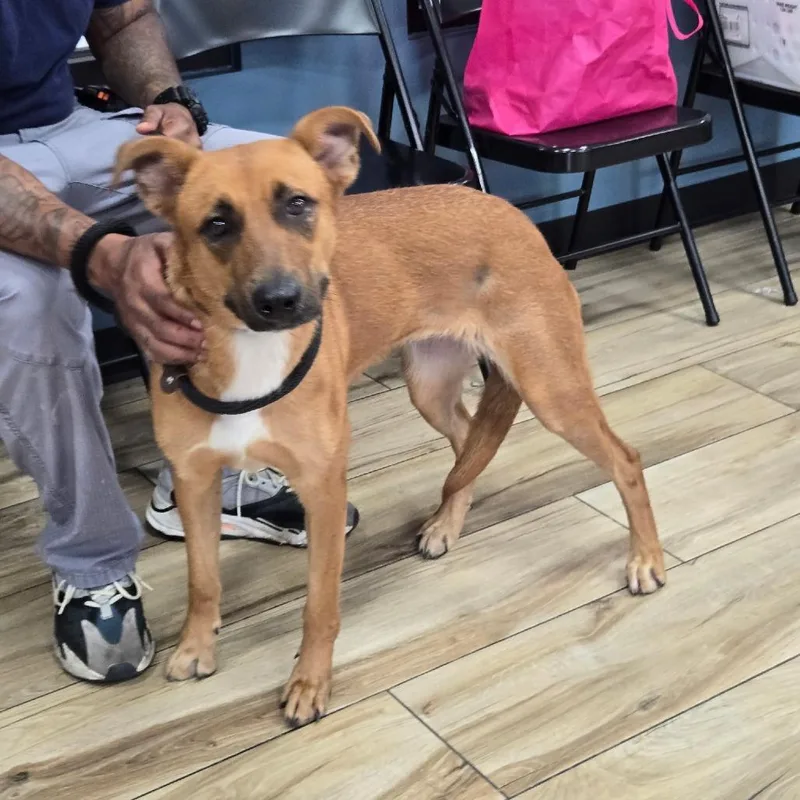
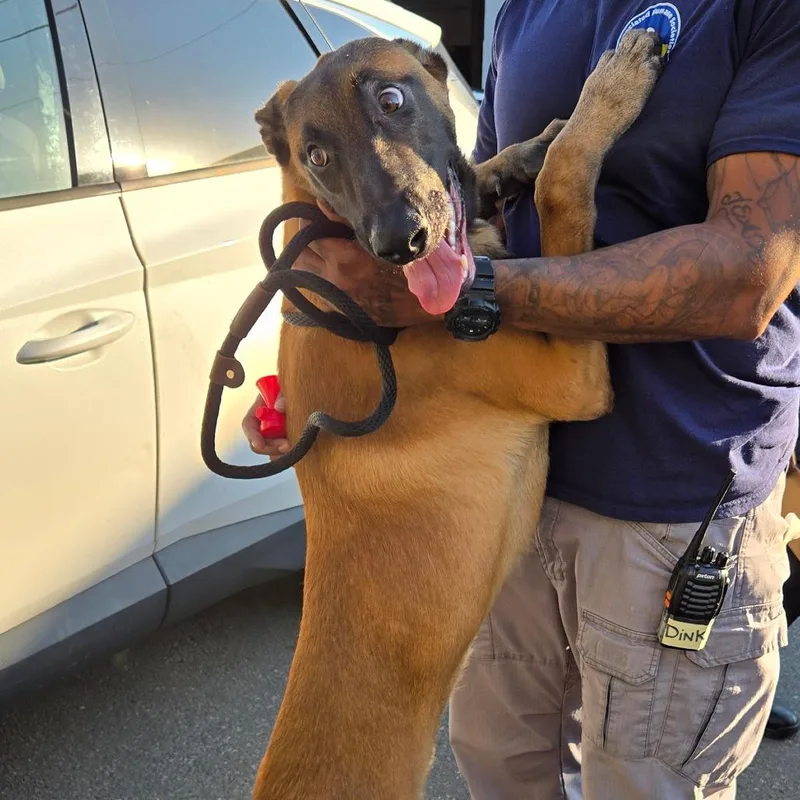
12 Keeshonds available in Newark and nationwide

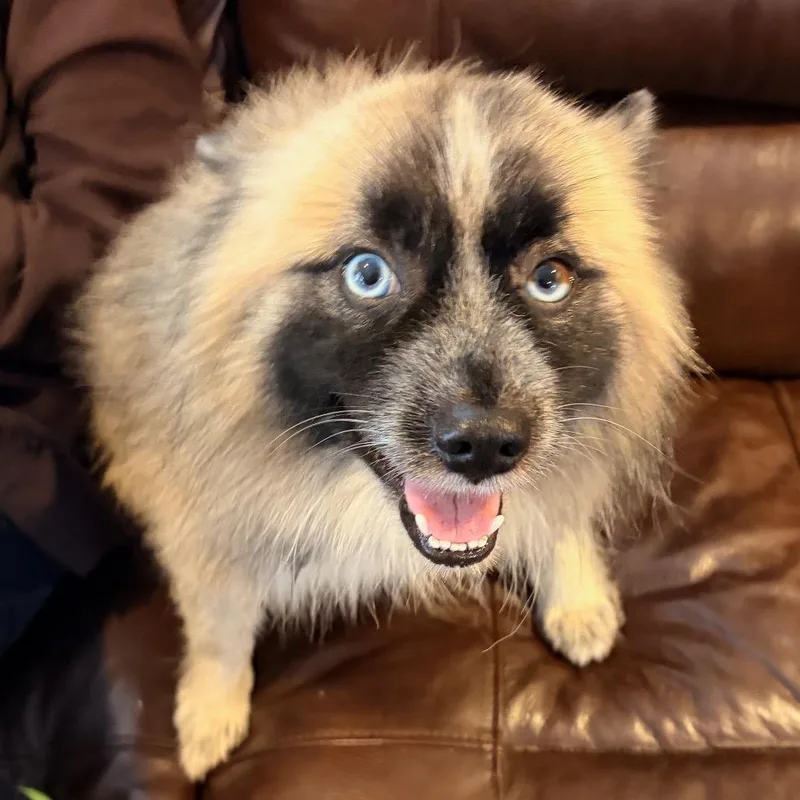
Meet a Keeshond who needs you

While we don't have enough dogs near Newark, keep in mind that many rescues may offer transport.

Keeshonds Available for Adoption Near Newark

About the Keeshond breed

The Keeshond is a medium-sized spitz from the Netherlands, where it worked as a watchdog and companion on canal barges. Most weigh 35 to 45 pounds and stand 16 to 19 inches tall, with a thick gray, black and cream double coat, a lion-like ruff, a plumed tail curled over the back and the dark markings called spectacles. Many live 12 to 15 years.

Keeshonden tend to be cheerful, affectionate and closely tied to their families. They're alert barkers rather than guard dogs, they respond best to gentle, reward-based training, and they can be upset by harsh handling. Expect heavy shedding once or twice a year and regular brushing. In Newark, where many homes share walls, early training on doorbell and hallway barking is worth the effort. Each dog varies, so judge the dog in front of you.

Weight
35–45 lbs
Height
16–19 in
Lifespan
12–15 yrs
Temperament
Friendly, Lively, Alert, Affectionate
Group
Non-Sporting
Shedding
High

Owning a Keeshond in Newark

Having a Keeshond in Newark

A Keeshond's coat and need for company shape daily life more than its size does. In Newark, that means planning for regular brushing, cooler-hour walks, and enough time at home, plus a quiet-greeting routine for neighbors in shared buildings.

Temperament

Keeshonden are usually friendly, playful and devoted, often following their people from room to room. Many get along with considerate children and other pets when socialized. The alert bark can carry through Newark's shared walls and hallways, so reward calm greetings. Long stretches alone may lead to nuisance barking, and harsh corrections tend to backfire.

Exercise Needs

Most Keeshonden need moderate daily activity: a brisk walk or two, play sessions and some training games. Newark offers Weequahic Park's 2.2-mile lake path and the county's fenced dog parks for off-leash time. Keep outings to cooler hours in summer, since the dense coat traps heat, and add puzzle toys or trick practice on rainy days.

Health Considerations

Keeshonden can be affected by primary hyperparathyroidism, which has a genetic test, plus hip and elbow dysplasia, luxating kneecaps, epilepsy and hypothyroidism. Weight gain hides easily under the thick coat, so feel for ribs regularly. A veterinarian can check joints, thyroid and calcium-related signs such as increased thirst, and routine checkups matter.

Living Space

A Keeshond can do well in a Newark walk-up or a two- or three-family house, provided it gets daily exercise and plenty of family time. Stairs are rarely a problem for a medium-sized dog. Barking is the main concern with close neighbors, and air conditioning matters in summer. A yard is a bonus, but these dogs belong indoors.

What it costs to own a Keeshond in Newark

ExpenseTypical costPer year
Food$35 to $70 per month$420 to $840
Pet insurance$55 to $100 per month$660 to $1,200
Routine vet care$225 to $450 per year$225 to $450
Other*$534 to $1,363 per year$534 to $1,363
Estimated yearly total (after year one)$1,839 to $3,853

Other costs are estimates and vary with size, age and health.

* The Newark dog license, flea, tick and heartworm prevention, a yearly dental cleaning allowance, toys and bedding, and brushing and baths for the heavy-shedding double coat.

Adopt a Keeshond in Newark.

Now that you know more, let’s find you a new best friend. These rescues and shelters below currently have Keeshonds available.

Rescues in Newark with Keeshonds Available

Rescues and shelters serving the Newark area list their adoptable dogs here, and availability changes often, so check back. Here are the rescues & shelters in the Newark area where you can find Keeshonds and other dogs available for adoption.

Frequently Asked Questions

Yes, Newark's code names no breed restrictions, and New Jersey's dangerous-dog law looks at a dog's behavior, not its breed. You'll need a city dog license with a rabies vaccination certificate, a leash no longer than six feet, and prompt waste cleanup. State law also limits outdoor tethering, including a ban overnight from 11 p.m. to 5 a.m.

Generally no. NJ Transit allows only service animals, police dogs and small pets in carry-on travel cages on its trains, buses and the Newark Light Rail. A Keeshond weighing 35 to 45 pounds won't fit a carrier, so plan on walking, driving or a pet-friendly rideshare for vet visits and outings.

Branch Brook Park's fenced dog park and Vailsburg Park's dog park offer off-leash play, with dogs vaccinated and licensed and two per person. For leashed walks, Weequahic Park's 2.2-mile lake loop and Branch Brook's 360 acres suit this breed well. Go early or late in summer, since the thick coat holds heat.

It can be, if you're home a fair amount and can manage barking in a shared building. Keeshonden want company, enjoy moderate walks and handle winter well. Summer needs more care, with early or late outings and air conditioning. Dogs vary, so consider how each one's energy and noise level match your household.

They can with some planning. Newark summers are humid, and the city calls Code Red warnings when the heat index reaches 100 degrees. Walk at dawn or after dark, avoid hot pavement, keep water available and stay in air conditioning during peak heat. Never leave a Keeshond in a parked car, which is a cruelty offense.

Usually not inside. New Jersey's food code bars pet dogs from restaurant premises, though service animals are allowed. Some patios may permit dogs, but policies vary and aren't guaranteed, so don't count on one. Keeshonden also tend to overheat on warm patios, so a walk and a cool treat at home is often easier.

Plan on brushing two or three times a week, and daily when the undercoat blows out in spring and fall. Bathe only when needed, and don't shave the double coat, since it insulates in heat and cold. Rinse paws after winter walks to remove road salt. Occasional professional baths fall under the cost table's Other line.

A Keeshond is a medium-sized spitz dog from the Netherlands, known for its thick gray, black and cream coat, curled tail and dark spectacle markings around the eyes. Historically a watchdog on Dutch canal barges, it is now mainly a companion. Many Keeshonden are friendly, alert and strongly attached to their families, and they shed heavily.

We have 1 rescue with Keeshonds available: Associated Humane Societies. You can see every rescue with Keeshonds available in the list above these questions, or scroll to the top to see the Keeshonds near Newark.

Plan on about $35 to $70 a month for food and $55 to $100 a month for pet insurance. Routine vet care runs roughly $225 to $450 a year. Other yearly costs, such as the license, parasite prevention, dental care and grooming supplies for the heavy-shedding coat, add about $534 to $1,363.

Find Keeshonds in Nearby Cities

Expand your search to find Keeshonds available for adoption near Newark.